Home growing is legal for adults in Ohio under Section 3780.29 of the Ohio Revised Code, but it does not require a license. You are allowed to cultivate cannabis plants at your primary residence in a secured, enclosed area (a locked closet, room, greenhouse, or similar space) that prevents access by anyone under 21 and is not visible from public spaces. The key word is 'primary residence': you cannot legally grow at a vacation home, a rental property you don't live in, or any other location. No application, no fee, no approval needed for personal home cultivation if you follow those conditions.
A commercial 'grow license' is a different animal entirely. It refers to a state-issued cultivation license under Ohio's adult-use cannabis framework (Chapter 3780, Ohio Revised Code) or the medical program (Chapter 3796, Ohio Administrative Code). These licenses are for businesses that want to commercially cultivate cannabis and sell it into the regulated supply chain. This article focuses entirely on that commercial licensing pathway, because that's what actually involves an application, fees, compliance obligations, and everything else people associate with 'getting a grow license.'
Check eligibility and choose the right Ohio cultivation license type

Ohio issues cultivation licenses under two main programs: the adult-use program (governed by Chapter 3780) and the medical program (governed by Chapter 3796). Both programs use Level I and Level II cultivator categories. Level I is the larger-scale commercial tier with a significantly higher application fee. Level II is the smaller-scale tier. Most new applicants entering the market today are pursuing adult-use cultivation licenses through the Division of Cannabis Control (DCC), which is the agency that oversees both programs.
Before you spend any time on an application, run through these core eligibility basics. Ohio's Chapter 3780 directs the DCC to adopt rules covering background check requirements and disqualifying offenses. Criminal history matters here. Certain offenses can disqualify you outright, and the DCC reviews backgrounds for all owners, investors, and key personnel connected to the applicant entity. Beyond criminal history, you need a defined business entity, a proposed cultivation location that meets zoning and local ordinance requirements, and the financial capacity to cover application fees plus initial build-out costs, which are substantial.
One nuance worth knowing: Ohio's adult-use statute included a specific conversion pathway for existing medical program operators who held certain certificates as of December 7, 2023. Those operators had a nine-month window to receive adult-use licenses if they met compliance conditions. If you're a new entrant without a prior medical license, you're applying fresh under the standard adult-use licensing framework, not the conversion path.
| Feature | Level I Cultivator | Level II Cultivator |
|---|
| Governing program | Adult-use (Ch. 3780) / Medical (Ch. 3796) | Adult-use (Ch. 3780) / Medical (Ch. 3796) |
| Application fee (medical program) | $20,000 | $2,000 |
| Scale | Larger commercial operations | Smaller-scale operations |
| Inventory tracking required | Yes (METRC) | Yes (METRC) |
| Background check required | Yes | Yes |
| Operations plan required | Yes | Yes |
If you're still deciding which license tier fits your plan, it's worth looking at how neighboring states structure their programs for comparison. For example, the Missouri grow license framework uses a tiered system that some applicants find useful to benchmark against Ohio's structure when planning capacity and costs.
Step-by-step: how to apply for a grow license in Ohio
The entire Ohio cultivation license application process runs through the DCC eLicense Portal. There is no paper application. Here's how the process flows from start to finish.
- Create your eLicense Ohio account. Before anything else, you need to register on the eLicense Ohio portal as a new user. The state portal requires a 'create a registration for the first time' flow before you can apply for or renew any license. Go to the eLicense Ohio site and complete new user registration.
- Set up your DCC eLicense Portal access. The DCC has its own portal workflow layered on top of the state system. The DCC eLicense Portal User Manual documents the account setup process, including designating an Account Administrator role, which is the person authorized to manage the application and submit payments on behalf of your business entity.
- Prepare your application package before you start filling out forms. The portal does not let you save halfway through and come back easily. Have all your documents, entity information, and facility details ready before you begin entering data.
- Complete the application in the portal. This includes your business entity details, all required personnel disclosures for background checks, your operations plan, facility/location information, and supporting documents.
- Submit your payment through the portal. Application fees are paid directly through the eLicense portal as part of the submission workflow. Fees are non-refundable, so do not submit until your application is complete and reviewed.
- Wait for DCC review and respond to any requests for additional information. The DCC may come back with questions or deficiency notices. Respond promptly and completely to avoid delays.
- Receive provisional license, then complete any remaining requirements for your Certificate of Operation before you begin cultivation operations.
One practical note on METRC: Ohio uses METRC as its seed-to-sale inventory tracking system. Upon provisional license issuance, METRC provides training to new licensees on how to use the system properly. You don't need to set up METRC before you get your license, but you do need to complete that training before you start operating. Factor that into your timeline.
Costs, plant limits, and operational requirements you must plan for
The fee structure under Ohio's medical program fee schedule (Ohio Admin. Code 3796:5-1-01) sets the Level I cultivator application fee at $20,000 and the Level II cultivator application fee at $2,000. These are non-refundable. On top of application fees, there are Certificate of Operation issuance fees and annual renewal fees. Renewal timing is tied to the date your Certificate of Operation is issued, and renewal fees are due on an annual basis from that date. Budget for both the initial costs and the recurring annual renewal costs from day one.
The adult-use program under Chapter 3780 has its own fee schedule through the DCC (Ohio Admin. Code 1301:18-2-09), which sets initial application fees and Certificate of Operation issuance fees for adult-use cultivation licenses. Always check the current DCC fee schedule directly, because fee amounts can change with rule updates.
Ohio's cultivation rules do not publish a simple 'plant count limit' the way a home-grow statute does. Instead, licensed cultivators operate within the square footage and capacity parameters tied to their license tier (Level I or Level II) and the facility plan approved as part of their application. Your operations plan and facility specs effectively define your licensed capacity, so what you submit and get approved for is what you're authorized to cultivate. There is no separate plant count cap that applies uniformly across all licensed cultivators.
Operational requirements beyond the basics include maintaining a compliant security system (surveillance and access controls are required under the Chapter 3796 framework for medical cultivators, and similar standards apply to adult-use operations), implementing inventory controls that tie into METRC, maintaining packaging and labeling compliance if you're selling into the supply chain, and keeping detailed records. The Ohio program is not a 'grow and wing it' environment. Compliance is built into the operational model from day one.
If you're comparing Ohio's cost structure against other states to decide where to pursue a license, states like Nevada and Oklahoma have their own fee and operational frameworks that differ significantly from Ohio's tiered approach.
Required documents, timelines, and common application mistakes
What documents you'll need
Ohio's medical cultivator application rules (Ohio Admin. Code 3796:2-1-02) give the clearest picture of what documentation is required at the application stage, and the adult-use program follows a similar structure. At minimum, expect to prepare:
- A detailed operations plan covering secure, safe, and sustainable cultivation practices
- Documentation showing compliance with building codes, fire safety requirements, zoning laws, and local ordinances for your proposed facility location
- Business entity formation documents and ownership/investor disclosures
- Background check consent forms and identifying information for all required personnel
- Facility plans or floor plans for your proposed cultivation space
- Any required financial documentation demonstrating operational capacity
Realistic timelines
Ohio does not publish a guaranteed processing timeline for new adult-use cultivation license applications. The DCC review process depends on application volume, completeness of your submission, and any deficiencies that need to be resolved. Practically speaking, plan for several months between application submission and receiving a provisional license, and additional time before a Certificate of Operation is issued. Do not sign a lease, start construction, or make major capital commitments based on an assumed approval date.
Common mistakes that delay or kill applications
- Submitting an incomplete operations plan or one that doesn't address all required elements
- Failing to confirm zoning approval and local ordinance compliance before submitting (some municipalities restrict or ban cannabis facilities outright)
- Not disclosing all owners or investors, which triggers background check gaps that can result in disqualification
- Paying fees before the application is complete, then discovering errors that require resubmission
- Skipping the account setup step and trying to jump directly into an application in the portal
- Using a facility address that hasn't been verified for zoning compliance
States with open and competitive licensing windows tend to see applicants rush submissions. Ohio's DCC is not forgiving of incomplete packages. A deficiency notice doesn't pause the review clock in your favor. Treat your first submission as your best submission.
How to submit, track your status, and what happens after approval
Once your application package is complete and your payment is ready, you submit everything through the DCC eLicense Portal. The portal is also where you track your application status after submission. Log in to your account to check for status updates, deficiency notices, or requests for additional information. The DCC communicates through the portal, so check it regularly rather than waiting for email notifications.
After approval, the DCC issues a provisional license first. This is not authorization to begin cultivation. The provisional license signals that your application has cleared initial review. You then need to complete any remaining pre-operational requirements (facility inspection, METRC onboarding and training, final compliance verification) before the DCC issues your Certificate of Operation. The Certificate of Operation is the document that actually authorizes you to begin cultivating commercially. Ohio Administrative Code Chapter 1301:18-9 provides the division with enforcement authority to conduct inspections with or without notice and to inspect related premises, inventory, equipment, and records tied to licensed cannabis activities Chapter 1301:18-9 enforcement authority.
Annual renewal is tied to your Certificate of Operation issuance date, so note that date carefully. Renewals are managed through the same eLicense portal. Missing a renewal deadline puts your license at risk, so set a calendar reminder well in advance of your annual renewal date.
Compliance essentials after you're licensed (staying legal)
Getting the license is step one. Keeping it requires ongoing compliance with Ohio's cultivation rules, and the obligations are substantial. Here's what licensed cultivators in Ohio are required to maintain on an ongoing basis.
METRC and inventory tracking
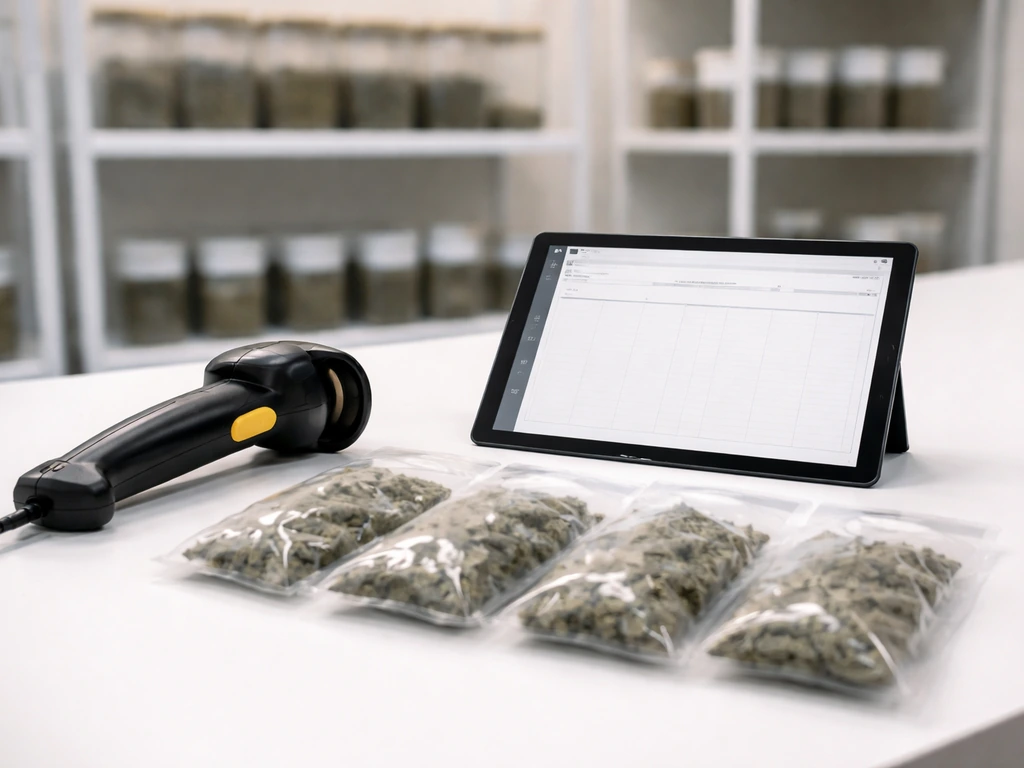
Every plant, batch, and product must be tracked in METRC, Ohio's seed-to-sale system. Ohio Admin. Code Rule 3796:2-2-04 requires cultivators to implement inventory controls and procedures, including scheduled inventory reviews and comprehensive inventories tied to the state's inventory tracking system. Ohio Admin. Code 3796:2-2-04 and related provisions require medical cultivators to use inventory controls and procedures, including scheduled inventory reviews and comprehensive inventories tied to the state's inventory tracking system. Any discrepancies, losses, or thefts must be reported using the procedures specified in the rules. This is not optional and not informal. If your METRC records don't match your physical inventory, you have a compliance problem.
Recordkeeping and reporting
Ohio Admin. Code Rule 3796:2-2-08 requires cultivators to maintain and report records, including inventory tracking records that connect to the state's inventory system. You need a records management process from day one. Paper logs aren't enough. Your records must be accurate, current, and available for inspection.
Security requirements
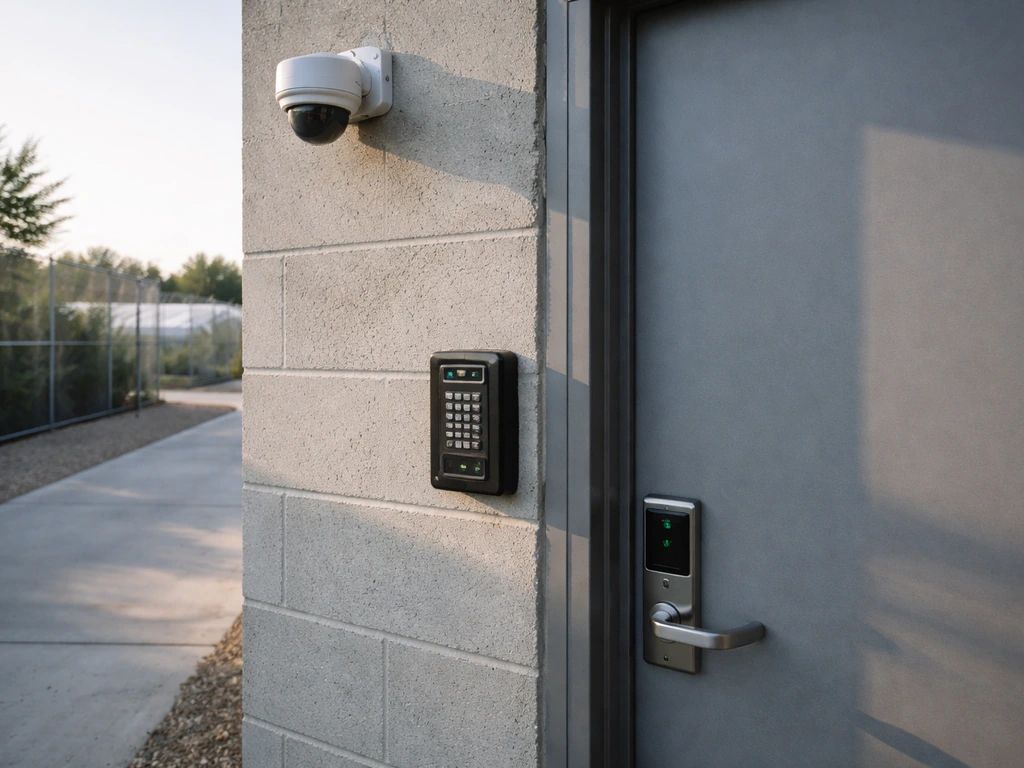
Licensed cultivators must maintain compliant security systems under Ohio's rules. This includes surveillance systems and access controls appropriate for a licensed cannabis facility. Confirm the currently effective security rules under Chapter 3796:2-2 directly with the DCC, as rule sections in this area have been updated over time, and you want to be working from the current effective requirements, not rescinded provisions.
Packaging, labeling, and product compliance
If your cultivation operation produces cannabis that enters the Ohio supply chain (which is the whole point of a commercial license), your product must meet the packaging and labeling requirements under Ohio Admin. Code 3796:2-2-02. This is especially important if you're also processing or selling directly into the dispensary channel. Mislabeled or non-compliant product can trigger enforcement action even if your grow operation itself is otherwise clean.
Cultivators in other states deal with comparable ongoing obligations. For context, the Arkansas grow license framework similarly requires seed-to-sale tracking and regular compliance audits. Likewise, if you're evaluating other Midwest markets, the Mississippi grow license requirements illustrate how neighboring states approach cultivator compliance obligations differently from Ohio.
Staying current with rule changes
Ohio's cannabis regulations are still evolving. The DCC continues to adopt and update rules under Chapter 3780's authority. Subscribe to DCC communications, check the Ohio Administrative Code regularly for rule updates, and consider working with a compliance consultant if you're running a larger operation. Rules that were effective when you applied may have been amended by renewal time.
For cultivators exploring other states with active licensing windows, the Montana recreational grow license program and frameworks like New Mexico's grow license cost structure (including the New Mexico micro grow license requirements) offer useful points of comparison for anyone weighing multi-state cultivation opportunities alongside an Ohio application.