A New Mexico micro grow license, officially called a "cannabis producer microbusiness" license, is a real and distinct license category that lets you legally cultivate cannabis on a single premises with a capped plant count. If you want the short answer: you apply through the state's online portal (NM-PLUS), pay a fee based on how many mature plants you plan to grow, clear a background check, and meet facility and security standards before you can operate. The rest of this guide walks you through every step in detail so you know exactly what to prepare.
New Mexico Micro Grow License Requirements and Application

Marcus Whitley
12 Apr 2026
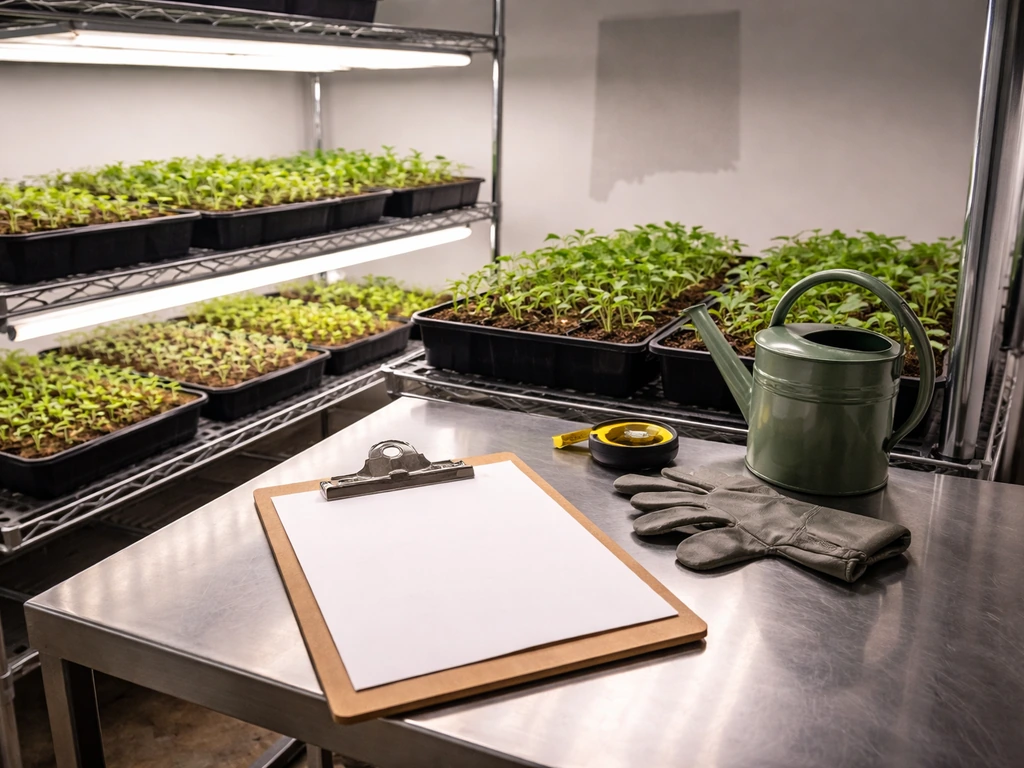
What 'micro grow' actually means in New Mexico
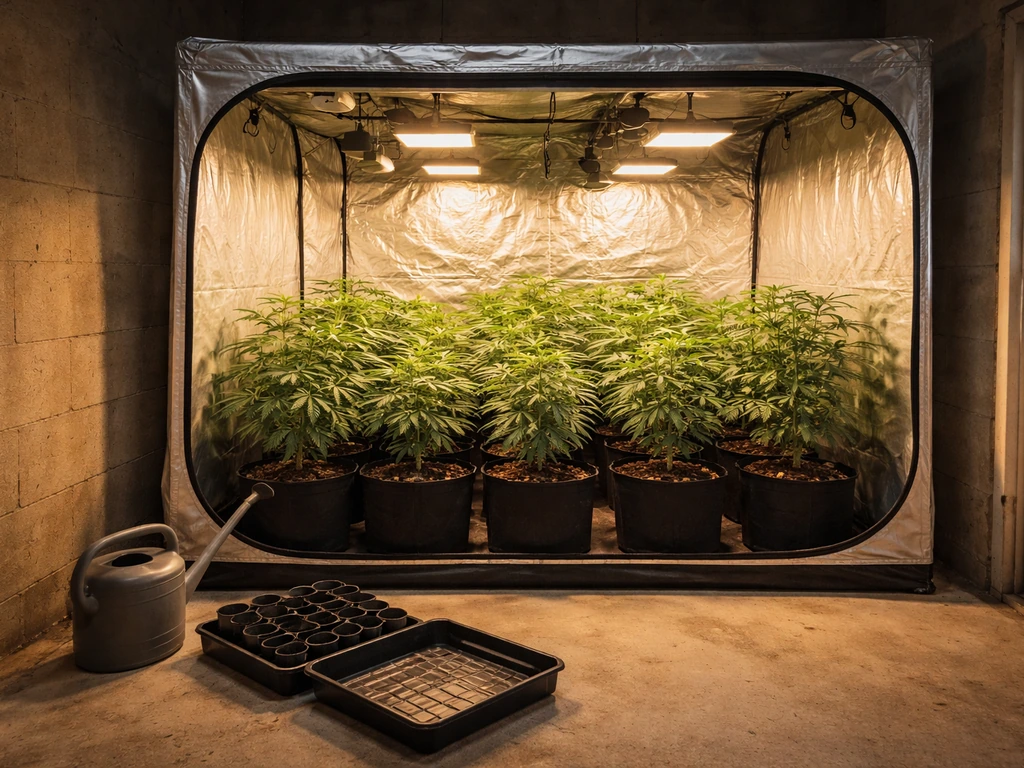
In New Mexico, the term "micro grow" refers specifically to the cannabis producer microbusiness license. The state defines it as a cannabis producer that operates on a single licensed premises and maintains no more than 200 total mature cannabis plants at any one time. That plant cap is the defining feature: it's what separates a microbusiness from a standard cannabis producer license, which carries higher plant limits, higher fees, and more infrastructure expectations.
The distinction matters a lot if you're choosing which license to apply for. Applying for the wrong category wastes time and money. If you're a small-scale grower, the microbusiness tier is designed for you. If you're planning something closer to a mid-size commercial operation from day one, you'd want to look at the standard producer license instead. For most first-time cultivators getting started in New Mexico, the microbusiness is the right fit.
It's worth knowing that New Mexico isn't alone in building a tiered producer licensing structure. States like Montana have done something similar for recreational cultivation. If you're curious how the microbusiness concept compares across state lines, checking out what a montana recreational grow license looks like can give you useful context on how other states handle small-scale producer categories.
Who can apply: eligibility and baseline requirements
The New Mexico Regulation and Licensing Department's Cannabis Control Division (CCD) is the agency that handles all cannabis establishment licensing, including microbusiness applications. Before you even open the application portal, make sure you and every controlling person on your application meets the following baseline requirements.
- You must be at least 21 years old. This applies to the applicant and every controlling person associated with the license.
- You must consent to and pass a criminal history screening. This is not optional.
- You must submit a background screening request to the New Mexico Department of Public Safety (DPS) for a state criminal history report. The process can also include a national (FBI) criminal history check through NCIC pathways.
- Fingerprinting is part of the background check process. All associated persons must complete this before assuming any duties at the licensed premises.
- You must be prepared to operate on a single licensed premises. The microbusiness designation does not allow multiple grow locations under one license.
The background check piece is one of the most common sticking points for applicants. If any controlling person on your application has a disqualifying criminal history, the CCD can deny the application. Get your DPS screening started early, because it takes time and you can't submit a complete application without it. For arrest record information via DPS, the Law Enforcement Records Bureau says you must submit an “Authorization for Release of Information” form and pay a $15.
00 processing fee with a money order or cashier’s check [Authorization for Release of Information form and the $15. 00 processing fee](https://www. dps. nm.
gov/law-enforcement-records-bureau/). Get your DPS screening started early, because it can take time and you cannot submit a complete application without it, and the Cannabis Control Division performs background checks on each controlling person [the background check piece is one of the most common sticking points for applicants](https://www. rld. nm.
gov/cannabis/licensing/faqs/). Don't assume a minor record is automatically disqualifying, but do understand that this step needs to happen before you finalize anything.
For comparison, other states in the region have similarly strict eligibility screens. The oklahoma grow license process, for example, also runs background checks on controlling persons, so this is a standard expectation across most licensed cultivation programs.
Facility, security, plant limits, and what you can actually do
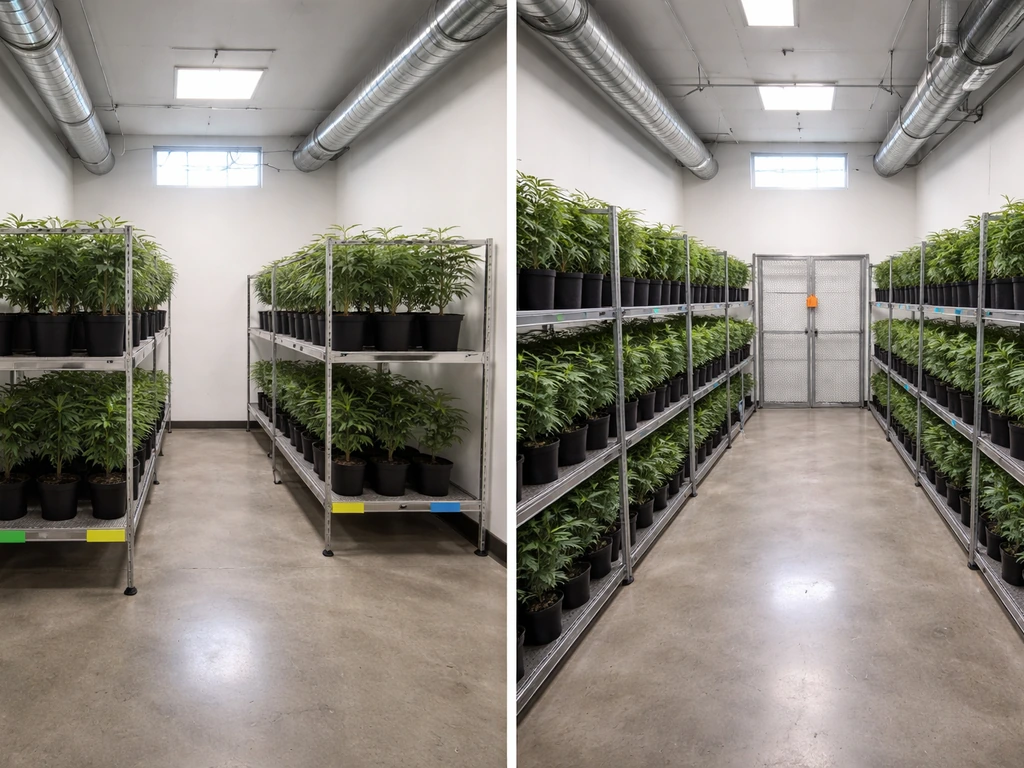
Plant count limits
The hard cap for a cannabis producer microbusiness is 200 mature cannabis plants at any one time. You can tier your actual plant count below that maximum, and the fee you pay is tied to your plant count range. Operating above 200 mature plants at any point is a compliance violation and risks your license.
Facility and location requirements
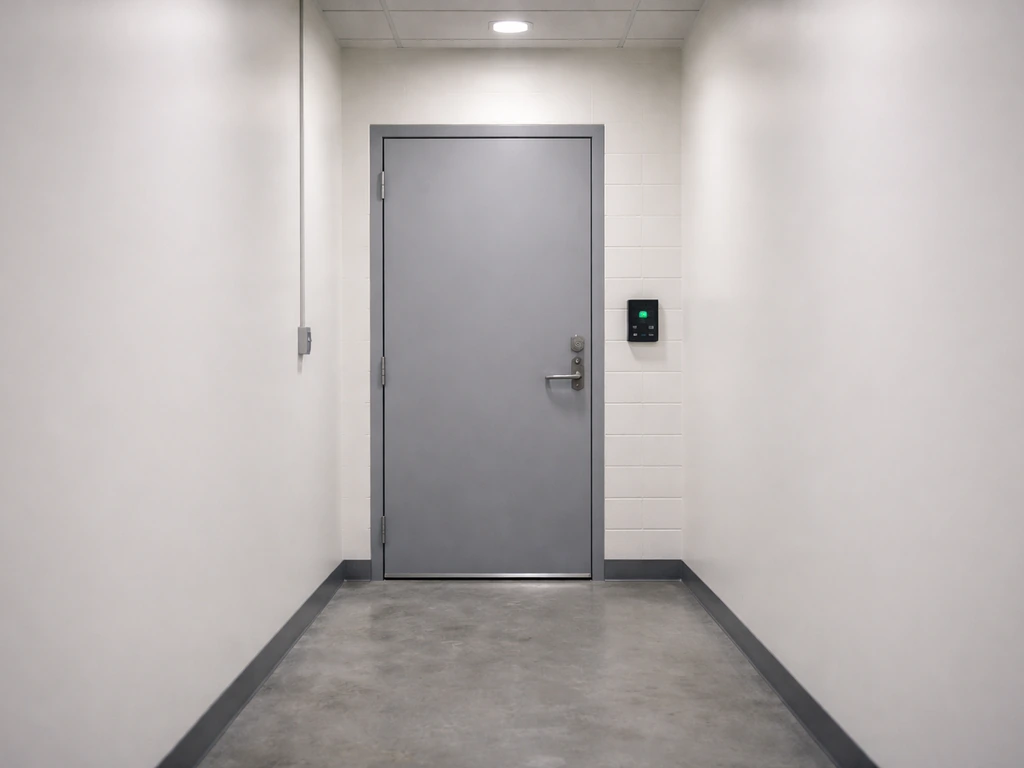
Your entire operation must take place on a single licensed premises. Inside that premises, you need to establish what the regulations call "limited-access areas." Any space where cannabis is cultivated, where cannabis products are stored, or where your video surveillance recording equipment is located must qualify as a limited-access area. These areas cannot be visible from public places without the use of optical aids like binoculars or zoom lenses. In plain terms: the public should not be able to see your plants, products, or security footage from outside your facility.
Security and surveillance requirements
Security isn't just about locked doors. The rules require documented security policies and procedures kept on the licensed premises. Your video surveillance storage must be in a limited-access area, meaning it's protected from unauthorized access just like the cultivation space itself. Think of it as layered security: physical access controls, surveillance coverage, and written procedures all working together. If an inspector shows up and your written policies aren't on-site or your camera storage is accessible to unauthorized people, that's a problem.
Operational policies and procedures
You are required to have documented standard operating policies and procedures (SOPs) on-site. These need to cover things like limited-access control, cultivation operations, inventory tracking, and waste management. You don't need to write a 200-page manual, but you do need written, organized documentation that demonstrates you know how to run a compliant cannabis operation. The CCD can ask to review these documents during an inspection.
What goes in your application: the checklist

The CCD publishes official application checklists by license type on the NM RLD website, including one specifically for the producer microbusiness. Download it. Use it as your literal to-do list. Missing a single required document is enough to trigger a deficiency notice, and if you don't cure deficiencies in the required window, your application gets closed and you have to start over.
While the exact checklist can be updated by the CCD, the standard documents you should expect to gather include:
- Completed application form submitted through NM-PLUS (the official CCD online portal).
- Proof of age (21+) for the applicant and all controlling persons.
- Criminal history screening results from the New Mexico Department of Public Safety for all required individuals.
- Fingerprint-based background check documentation for controlling persons.
- Premises diagram or floor plan clearly showing limited-access areas, surveillance placement, and cultivation zones.
- Proof of legal right to occupy the premises (lease, deed, or landlord authorization).
- Written standard operating procedures covering security, cultivation operations, inventory control, and waste disposal.
- Application fee payment (amount depends on your plant count tier).
- Any additional documentation the CCD's official checklist specifies for the producer microbusiness category.
The premises diagram is one thing people underestimate. It doesn't need to be architect-quality, but it needs to be clear enough for a reviewer to identify where your limited-access areas are and confirm your layout is compliant. Label everything.
Costs, timeline, and how to submit
Everything is submitted online through NM-PLUS, the CCD's licensing portal. You can use it for new applications, amendments, and renewals. There is no paper-based submission option, so if you're not comfortable with online portals, get some help before the process starts rather than during it.
Fees scale with your plant count. For the microbusiness tier specifically, the annual licensing fee for 101 to 200 mature plants is $1,000. If you're planning to operate at a lower plant count, the fee is lower. For a detailed breakdown of exactly what you'll pay at each tier, the how much is a grow license in New Mexico guide covers the full fee schedule so you can budget accurately before you apply.
| Plant Count Tier | Annual License Fee |
|---|---|
| 1–100 mature plants | Lower tier (check current CCD fee schedule) |
| 101–200 mature plants | $1,000 |
On timing: once the CCD accepts your application as complete, the state has 90 days to grant or deny the license. That 90-day clock does not start until they determine the application is complete, which is why submitting everything correctly the first time is so important. A deficiency notice pauses that clock. If you're planning to be operational by a specific date, work backwards from your target date and build in buffer time for the DPS background check, which can take several weeks on its own.
Common mistakes that slow down or kill applications

Most application problems are avoidable. These are the mistakes that show up most often:
- Starting the background check too late. DPS processing takes time. If your screening results aren't ready when you're ready to submit, you'll either wait or submit an incomplete application and get a deficiency notice.
- Submitting a vague or unlabeled premises diagram. Reviewers need to clearly see your limited-access areas. A rough sketch without labels isn't enough.
- Missing or incomplete SOPs. Submitting a placeholder document or a one-paragraph 'policy' won't satisfy the requirement. Write real procedures.
- Not using the official checklist. The CCD updates these checklists periodically. Always download the current version directly from the NM RLD website before you submit.
- Ignoring a deficiency notice. If the CCD sends you a deficiency notice, you have a limited window to respond. Missing that window means your application is closed and you're starting from scratch.
- Listing controlling persons without completing their background checks. Every controlling person needs to go through the process, not just the primary applicant.
The deficiency and incomplete-closure process is strict. Unlike some states that give applicants extended informal opportunities to fix problems, New Mexico's rules are clear: fail to cure a deficiency in time, and you submit a brand-new application. That means another filing fee and restarting the clock. It's worth doing it right the first time.
For perspective on how other states handle application gaps, the missouri grow license process has a similarly strict completeness requirement. States across the country are tightening up application review, so the trend is toward less tolerance for incomplete submissions.
After approval: staying compliant and keeping your license
Getting approved is step one. Keeping your license is the ongoing job. The CCD can conduct inspections of your licensed premises, and you need to be ready at any time. Here's what ongoing compliance actually looks like in practice.
Recordkeeping and inventory
You are required to maintain accurate inventory records of your cannabis plants and products. New Mexico's cannabis establishment rules require ongoing inventory controls as part of your license conditions. Your plant counts, harvest records, and waste disposal logs all need to be maintained and available for inspection. Don't treat recordkeeping as optional paperwork, it's a core compliance requirement.
Security and facility maintenance
Your limited-access areas must remain compliant. If you expand your grow space, change your camera setup, or modify your premises layout in any material way, that typically requires an amendment through NM-PLUS. Don't make physical changes to your licensed premises without checking whether it triggers an amendment requirement first.
SOPs on-site at all times
Your written standard operating procedures need to be kept on the licensed premises. They're not a one-time submission, they're a living part of your operation. If your procedures change, update your documents. If an inspector asks for them, you need to produce them on the spot.
Renewals and license updates
Your license is annual, so renewal is a recurring obligation. Handle renewals through NM-PLUS the same way you handled the initial application. Don't let the renewal deadline sneak up on you. Operating on an expired license is a serious compliance issue.
If you want to compare how post-approval compliance tends to work in similar states, the ohio grow license and nevada grow license programs both have structured ongoing inspection and recordkeeping requirements that mirror what New Mexico expects, so reading up on those can help you build intuition for what regulators generally look for during inspections.
States like Arkansas and Mississippi also have cultivator licensing frameworks that emphasize facility security and inventory documentation, which reinforces how common these compliance pillars are across state programs. If you're serious about staying licensed long-term, build your systems for recordkeeping and security maintenance from day one rather than scrambling to catch up when an inspection is announced.
Your practical next steps
Here's a straightforward action sequence to move from reading this to actually applying:
- Download the current producer microbusiness application checklist from the NM RLD website. Use it as your master to-do list.
- Start your DPS criminal history screening immediately. It takes the most time and you can't complete your application without it.
- Decide your plant count tier so you know your licensing fee going in.
- Sketch out your premises diagram with limited-access areas clearly labeled.
- Draft your standard operating procedures covering security, cultivation, inventory, and waste.
- Gather proof of premises (lease or deed) and proof of age for all controlling persons.
- Create your account in NM-PLUS and complete the online application, attaching all required documents.
- Pay the application fee and submit.
- Monitor your application status and respond to any CCD deficiency notices immediately.
- Once approved, set up your ongoing recordkeeping system and mark your renewal date on your calendar.
The process is genuinely manageable if you treat it as a documentation project rather than a bureaucratic obstacle. The CCD wants complete, organized applications, and applicants who follow the checklist closely and start background checks early almost always have a smoother experience. Get organized upfront, and the 90-day approval window becomes your friend rather than a source of stress.
FAQ
If my plant count will sometimes approach 200, can I still apply for a microbusiness license?
Yes. If you can only guarantee you will stay at or below 200 mature plants by the way you stagger flowering and harvest, you may still qualify, but you must be able to document and control your mature plant count at all times. Build your cultivation schedule and inventory tracking so you can show, during an inspection, that you were never operating above the 200 mature-plant cap.
Can I grow at one address and store product or keep camera equipment at a different location?
A microbusiness license is for cultivation on a single licensed premises, so you generally cannot operate cultivation activities in one location and store product or run security recording from another. If you need to add any new building or change where limited-access areas are located, that can trigger an amendment request through NM-PLUS rather than being handled informally.
Who counts as a “controlling person,” and do they all need background checks?
You typically need to disclose and have screening completed for every controlling person, even if they are not employees who handle day-to-day grow operations. The safest approach is to identify all individuals who influence management, finances, or operations and start the DPS background screening early for each of them.
How do deficiencies affect the 90-day approval timeline, and can I fix missing items after a deficiency notice?
If your application is missing required items, the CCD can treat it as incomplete and issue a deficiency notice, which can pause the 90-day review clock. The important edge case is that you may not be allowed to submit additional materials later to fix what was missing, if you fail to cure within the required window, so verify completeness against the current microbusiness checklist before you submit.
Is the microbusiness fee based on how many plants I plan to grow, or the number I actually grow?
The microbusiness fee is based on the mature plant tier you select, and the amount can change depending on where your planned mature plant count falls. Don’t choose a higher tier “just in case,” because the fee you pay is tied to the tier range, and you still must comply with the 200 mature-plant cap.
What does “video surveillance storage must be in a limited-access area” mean in practice?
Placing cameras inside limited-access areas is only one part of the requirement. You also need controlled access to the recorded footage storage so unauthorized people cannot retrieve footage, and you should maintain written procedures for how footage is secured and handled. Inspectors often focus on whether the camera storage is protected the same way as the cultivation and storage areas.
Do I need an amendment for minor physical changes like moving a room wall, adding shelves, or repositioning cameras?
Yes, changes that affect your layout or the way limited-access areas are defined can require an NM-PLUS amendment. A common mistake is doing renovations, moving cages or rooms, relocating where products are stored, or swapping camera locations without first checking whether the change is material enough to require amendment.
If I submit SOPs during application, do I need to keep them updated and on-site after I’m licensed?
Your SOPs are not meant to be generic documents sitting in a drawer. They need to be accurate for your actual operation and kept on-site so staff can follow them and so an inspector can verify them during a visit. If your procedures change, update the on-site SOPs before the change starts being used.
What inventory records should I expect inspectors to ask for, besides plant counts?
Inventory record expectations extend beyond just tracking mature plants. You should also be prepared to document harvest activity, product movement, and waste disposal records in a way that matches your operational SOPs and plant counts. A frequent compliance problem is having good production notes, but not having records structured for the inspection walkthrough and reconciliation.
How early should I start my renewal application in NM-PLUS to avoid running past my expiration date?
Renewal is an ongoing obligation, and operating on an expired license is a serious compliance issue. The practical step is to start your renewal workflow in NM-PLUS early enough to account for any background-related or administrative updates that might be needed, not just the date your current license expires.
Next Article
How Much Is a Grow License in New Mexico? Fees Breakdown
New Mexico cannabis grow license costs by type, including application, renewal, and what extra compliance fees may add.