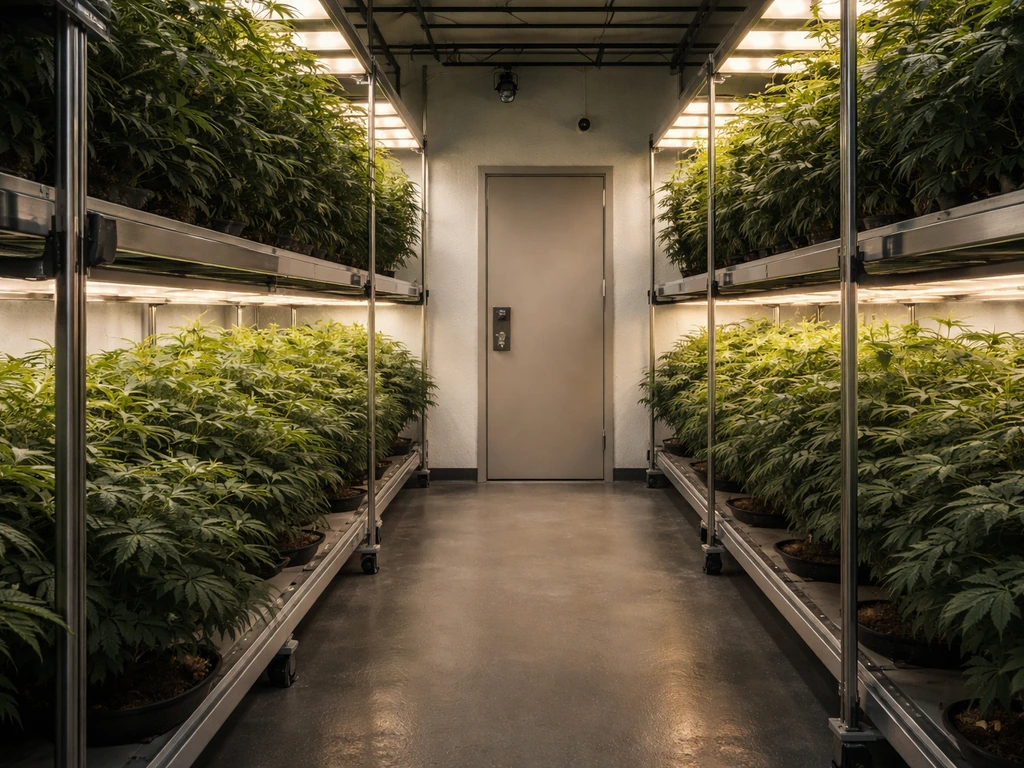
A grow license in New Mexico can cost anywhere from $1,000 a year to well over $2,500 annually depending on the license type, and that range only reflects the base annual fee. The total amount you actually pay also depends on your plant count, your premises, and whether you're a personal home grower or a commercial producer. The good news: the fee structure is predictable once you know which category you fall into.
How Much Is a Grow License in New Mexico? Fees Breakdown

Marcus Whitley
7 Apr 2026
What 'grow license' actually means in New Mexico
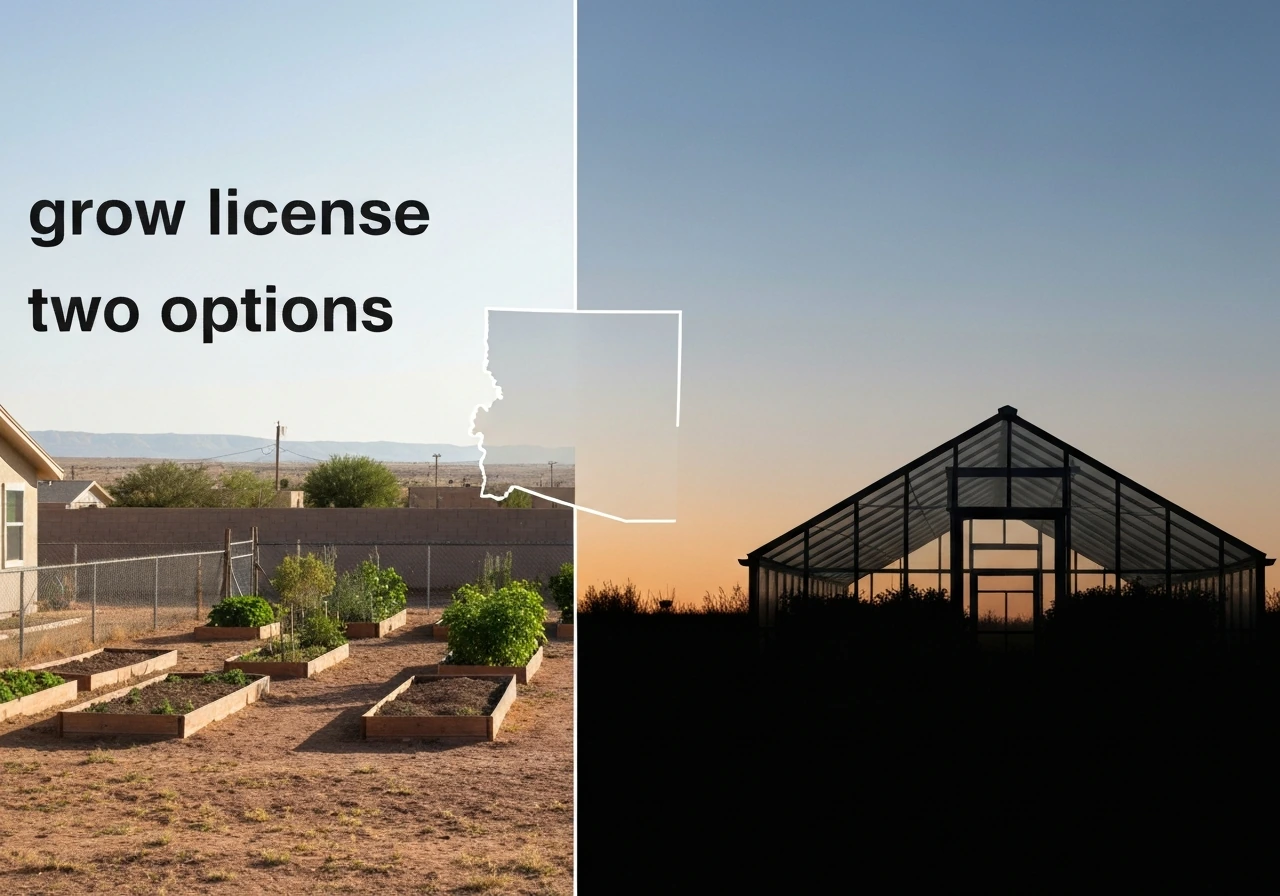
When people search for a grow license in New Mexico, they usually mean one of two very different things. HB0226CP includes provisions describing fingerprint-based criminal history checks, including state record checks with forwarding fingerprints for a national FBI check to determine whether an applicant is qualified for a cannabis license blank" rel="noopener noreferrer">fingerprint-based criminal history checks and national FBI check. The first is personal home cultivation, and the second is a commercial cannabis producer license. The rules, costs, and agencies involved are different for each.
For personal home cultivation, New Mexico law allows adults 21 and older to grow up to 12 plants at their private residence, with no more than six of those being mature or flowering plants at any one time. Under HB0356 language, this home production authorization is tied to a personal production license, which lets the holder cultivate and possess up to six mature cannabis plants and six immature plants along with the cannabis they produce. Local ordinances can still place some constraints on home grows as long as they don't conflict with the Cannabis Regulation Act.
For commercial operations, the relevant license is the cannabis producer license or, for smaller operations, the cannabis producer microbusiness license. The Cannabis Regulation Act places no cap on the number of cannabis licenses the state will issue per category, so you don't have to worry about getting shut out by a limited license pool. You just need to apply for the right class. If you're planning a smaller commercial operation, be sure to check out the details on new mexico micro grow license requirements before you decide which track to pursue.
Current cultivation license fees in New Mexico
New Mexico's Cannabis Control Division (CCD) structures its cultivation licensing fees in layers. You don't pay one flat number. You pay an annual license fee, a premises fee, and a plant-count fee, and those three components get added together to produce your total. This is important to understand up front because quoting just the annual fee understates what you'll actually owe.
Cannabis producer microbusiness license

The cannabis producer microbusiness license carries an annual fee of $1,000 under N.M. Admin. Code 16.8.11 NMAC. This is the base annual fee before premises and plant-count components are added. The plant-count fee is tiered: New Mexico Register records show figures like $5,000 for one described plant quantity tier and $6,000 for each additional tier increment, so a microbusiness operation is not necessarily cheap just because of its designation. Your total fee scales with how many plants you're licensed to grow.
Standard cannabis producer license
The standard cannabis producer track carries a $2,500 annual license fee per the CCD's published fees page. Again, that's just the annual component. Premises fees and plant-count fees layer on top. For a vertically integrated cannabis establishment license that covers both medical and commercial activity, New Mexico statute Section 26-2C-9 sets a statutory cap: the initial application fee and annual renewal fee cannot exceed $125,000 combined. Most growers won't come close to that cap, but it's the upper boundary written into state law.
How renewal fees are calculated
Renewal uses the same three-part formula. The Cannabis Producer Renewal Application form instructs you to calculate your total fee as: Annual Fee + Total Premise Fee + Total Plant Count Fee. Payment must be made with a cashier's check payable to the Cannabis Control Division. If your renewal application comes in late, there is a late fee structure in the rules for continuous production licenses that receive renewal applications after February 1.
| License Type | Annual Base Fee | Plant-Count Fee | Fee Cap |
|---|---|---|---|
| Personal Production (Home Grow) | Not publicly listed as a paid fee | N/A (plant limit: 6 mature, 6 immature) | No cap applicable |
| Cannabis Producer Microbusiness | $1,000/year | Tiered by plant count (e.g., $5,000 per tier) | No separate cap published |
| Cannabis Producer (Standard) | $2,500/year | Tiered by plant count | No separate cap published |
| Vertically Integrated Establishment | Varies | Varies | $125,000 statutory cap (application + renewal combined) |
Home grow vs. commercial cultivation: what changes for your budget
If you're a personal home grower, you're mostly looking at a straightforward authorization process with no large annual licensing bill attached to it the way commercial licenses work. The home grow rules cap your plant count (6 mature, 6 immature) and keep you out of commercial activity entirely. You can't sell what you grow under a personal production license.
Commercial producers face a meaningfully different cost picture. The base annual fees are just the starting point. Plant count is the biggest variable in your fee calculation. A producer licensed to grow 500 plants is going to pay considerably more than one capped at 50, because each tier increment adds to your total. Before you decide on a plant-count tier, sketch out a realistic budget that includes the annual fee, the premises fee, and the plant-count fee together, not just the base number.
If you're comparing New Mexico's approach to neighboring states, it's worth noting that structures vary significantly. For example, Nevada grow license rules use their own tier and fee system, so don't assume New Mexico's cost structure maps directly onto other states.
Other costs that affect your total compliance budget
The licensing fee is a fixed, predictable line item. The costs below are not always predictable, but they're real, and they catch people off guard when they're budgeting only for the license fee itself.
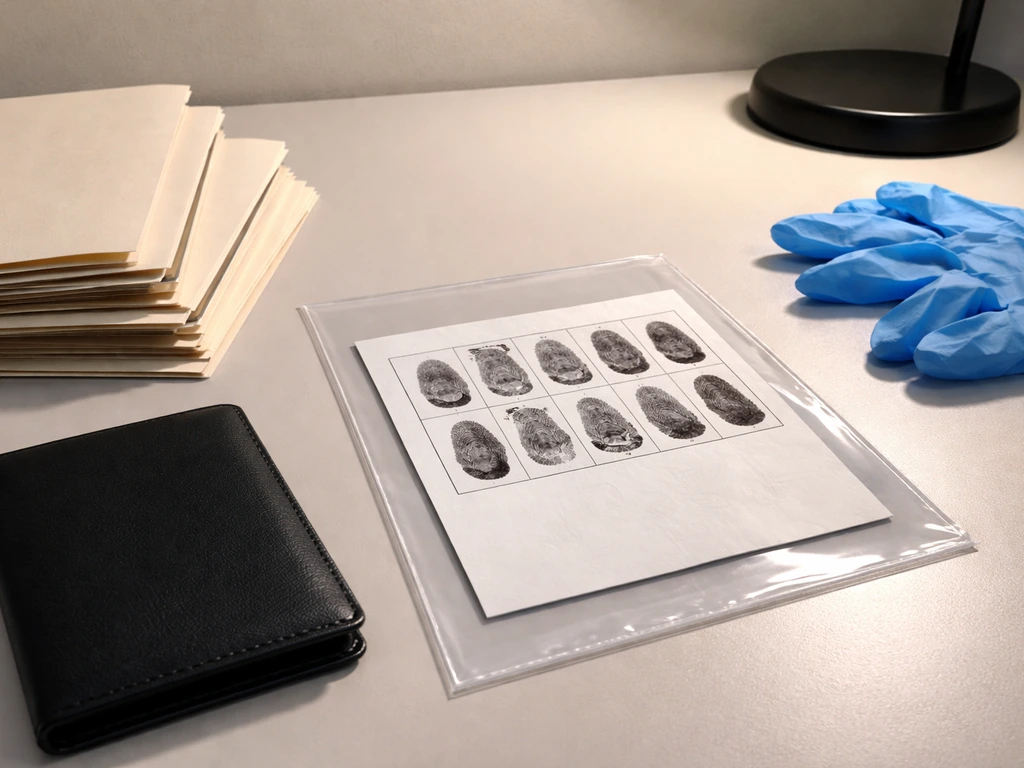
- Background checks: New Mexico requires fingerprint-based criminal history checks at both the state and national level as a condition of cannabis license eligibility. HB0226CPS confirmed that state and national criminal-history checks are used to determine qualification for licensure. Budget for fingerprinting fees and processing costs.
- Security system: Commercial cannabis licensees in New Mexico must install a monitored security alarm system that alerts within 5 minutes of an alarm or system failure. Live monitoring and limited-access area standards are mandatory. Installation and monthly monitoring are ongoing costs.
- Cultivation plan and waste procedures: The cannabis producer renewal application requires you to maintain a cultivation plan and waste procedures as part of your compliance documentation. If you need professional help drafting these, that's an added cost.
- Local approvals: Personal production is subject to local ordinances that don't conflict with the Cannabis Regulation Act. Commercial producers should verify local zoning and approval requirements before signing a lease or purchasing property.
- New crop location applications: If you add a new cultivation location, the rules require a separate application and application fee prior to planting at that new location. Factor this in if you plan to expand.
- Cashier's check fees: Renewal payments must be submitted via cashier's check, not a personal check or credit card. Minor cost, but worth noting if you're calculating every dollar.
States across the region handle these compliance costs in different ways. Oklahoma grow license rules, for instance, have their own security and background check requirements that differ from New Mexico's framework. Understanding your own state's specific obligations is what matters most.
How to confirm the exact fee amount today
Fee schedules in cannabis regulation change. What was accurate when the rules were last published may not be what the CCD is collecting today, especially if there have been rule amendments. The only way to know the exact current number is to go directly to the source.
- Visit the NM RLD Cannabis Control Division fees page directly at rld.nm.gov and look for the current fee schedule under the Cannabis Control Division section.
- Download the current Cannabis Producer Renewal Application PDF from the CCD site. This document contains the actual fee calculation worksheet that spells out Annual Fee + Premise Fee + Plant Count Fee, and it reflects the most current fee amounts in use.
- If you see a fees page that lists plant-count tiers but not the specific dollar amount for your tier, call the CCD directly. Their contact information is included in the renewal materials.
- Cross-check against 16.8.11 NMAC (the administrative code for cannabis producer microbusiness licensing) if your operation qualifies as a microbusiness. The rule text is available through the NM Register and through the NM Office of the Governor's code publications.
- Confirm whether any local licensing or local fee applies in your municipality. Some jurisdictions in New Mexico layer their own requirements on top of the state license.
The CCD's application portal requires you to complete a registration form to receive an email with a password setup link before you can begin the application. Don't wait until you've done all your research to register, because there can be a lag. Register for portal access early so you're not blocked when you're ready to apply.
Application timeline and practical next steps
Once you know your license type and have confirmed the current fee, here's a practical sequence to follow. This works whether you're applying for the first time or planning a renewal.
- Identify your license type: personal production, producer microbusiness, or standard cannabis producer. This single decision determines your fee tier, your plant cap, and what compliance documents you need.
- Pull the current fee schedule from the CCD website and calculate your total fee: annual base fee plus premises fee plus plant-count fee. Write this number down before you do anything else.
- Register on the CCD application portal (rld.nm.gov) and complete the email verification step so your account is active.
- Order fingerprinting and submit your criminal background check materials as early as possible. Background checks take time and can delay your license if you wait.
- Draft your cultivation plan and waste management procedures. These are required for the renewal application and should be prepared before your initial application as well.
- Confirm local zoning approval or any required local business license in your municipality.
- Obtain a cashier's check for the exact total fee amount (Annual + Premises + Plant Count), made payable to the Cannabis Control Division.
- Submit your complete application package through the CCD portal. Keep copies of everything you submit.
- Track your expiration date and set a calendar reminder to submit your renewal well before February 1 to avoid the late fee structure for continuous production licenses.
One critical thing to keep in mind on renewals: the CCD is explicit that if your renewal is not submitted and approved before your license expiration date, you must stop all cannabis activity, including sales, transfers, transport, manufacturing, testing, and distribution, until the renewal is approved. This isn't just a fine situation. It shuts down your operation. Don't let a renewal slip.
If you're still in the early research phase and comparing states to decide where to operate, it's worth reviewing how neighboring states handle licensing costs. Missouri grow license rules and costs offer a useful regional comparison, as does looking at how Montana recreational grow license fees are structured. Each state's fee system is different enough that assumptions based on one state can be misleading in another.
For anyone comparing the broader regional landscape, Ohio grow license requirements, Arkansas grow license costs, and Mississippi grow license rules each reflect their own states' regulatory approaches and are worth a look if you're evaluating options across state lines.
Your compliance checklist before you apply
- Confirmed license type (personal production, microbusiness, or standard producer)
- Downloaded current CCD fee schedule and calculated total fee (annual + premises + plant count)
- Registered on the CCD licensing portal and completed email verification
- Submitted fingerprints for state and national criminal background check
- Drafted cultivation plan and waste management procedures
- Verified local zoning approval and any municipal licensing requirements
- Obtained cashier's check payable to the Cannabis Control Division for the exact total fee
- Scheduled a renewal reminder well before February 1 to avoid late fees
FAQ
If I just want the cheapest option, what is the minimum I should budget for a grow license in New Mexico?
Start with the base annual fee for your category, then add the premises and plant-count components. Even a microbusiness has a $1,000 annual base, but you should still budget for the premises fee and the first plant-count tier, because those typically make up a large share of the total.
Does the “annual fee” mean I pay once per year total, or are there other payments later?
It is not a single all-in payment. Your total is calculated as annual license fee plus premises fee plus plant-count fee (and you renew using the same structure). Plan for all three line items when estimating cash flow for the year.
How much more expensive does the license get if my plant count increases by one tier?
The plant-count fee is tiered, and each additional tier increment increases your plant-count fee. Practically, you should compare your closest “likely” tier now versus next year’s plan, because moving up a tier can increase the plant-count portion meaningfully even if your annual base stays the same.
What premises costs should I expect, and do they change if I expand to another location?
Premises fees are part of the CCD’s total fee formula, so you should treat them as a recurring line item tied to the licensed premises. If you add another premises or change your licensed location, your total fee calculation can change, so confirm how CCD treats additional or modified premises before signing a lease.
Are there different fees if I apply for the microbusiness track versus the standard cannabis producer track?
Yes. The microbusiness track uses a $1,000 annual base fee, while the standard cannabis producer track uses a $2,500 annual base. Either way, premises and plant-count fees stack on top, so the final difference depends on your plant-count tier.
Does the $125,000 combined cap for vertically integrated licenses apply to every license I might hold?
No, it specifically caps the initial application and annual renewal combined for the vertically integrated medical and commercial activity license described in statute. If you are not in that specific license structure, the cap may not apply to your situation.
What happens if my renewal is approved after my license expires, can I keep operating until approval?
No. CCD requires you to stop all cannabis activity once the license expires if your renewal has not been submitted and approved in time. That includes sales, transfers, transport, manufacturing, testing, and distribution until approval is granted.
Do I pay the same fees for renewal as I do for the first-time application?
Renewal uses the same three-part calculation approach, annual fee plus premises fee plus plant-count fee. However, totals can still change if your premises configuration or licensed plant count tier changes between years.
If I qualify for personal home cultivation, do I still pay commercial-style license fees?
Typically no. The personal production authorization has a plant limit and does not allow sales. Your costs should be limited to the personal authorization process rather than the commercial producer fee layers like premises and plant-count tiers.
How do I avoid budgeting errors when I’m comparing totals across categories?
Don’t compare just the annual fee. Always estimate the total using the three components, and when you look at plant-count tiers, model your most realistic number rather than a maximum optimistic number.
How can I confirm the current fees before I submit an application?
Verify the fee numbers right before you apply, because schedules can change after rule amendments. The most reliable step is to check the CCD-published fee information for the exact license type and renewal cycle you are targeting.
Next Article
Missouri Grow License: How to Apply and Get Approved
Step-by-step guide to Missouri grow license approval, including medical grow license requirements, documents, and common