A Missouri grow license for commercial cannabis cultivation is a facility-level license issued by the Missouri Department of Health and Senior Services (DHSS) through its Division of Cannabis Regulation (DCR). It is not the same as the small plant allowance that patients and caregivers use at home. If you want to run a commercial grow operation, you need a cultivation facility license under 19 CSR 100-1. That is the pathway this guide walks you through.
Missouri Grow License: How to Apply and Get Approved

Marcus Whitley
5 Apr 2026
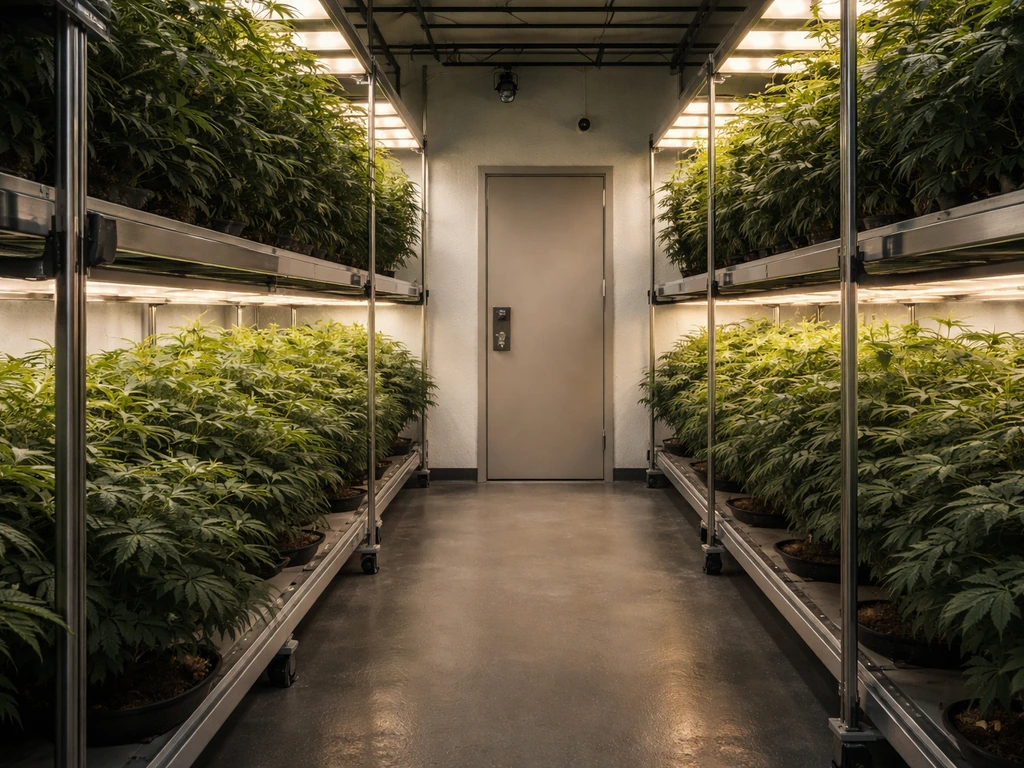
What 'grow license' means in Missouri (and which one you actually need)
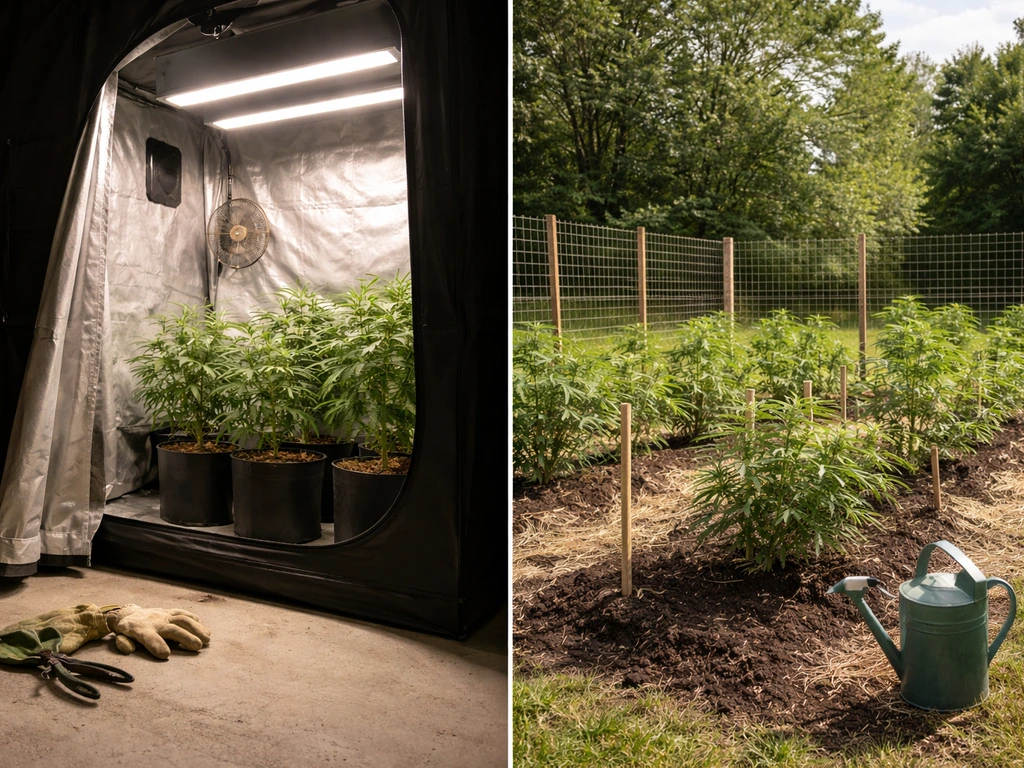
Missouri has two very different frameworks for cannabis cultivation, and mixing them up is a common source of confusion. The first is the patient and caregiver cultivation identification card, which allows limited home growing in a single enclosed locked space. The second is the commercial cultivation facility license, which is what most people searching for a 'grow license' are actually after.
Commercial cultivation licenses are governed by Missouri's Constitution under Article XIV and implemented through DHSS rules in 19 CSR 100-1, Division 100. Missouri Revised Statutes § 261.265 is the licensing statute that covers cultivation and production facility licensing, with the detailed licensing and authorization requirements carried out through department rules implemented through DHSS and its Division of Cannabis Regulation rules. The DCR handles all facility-level licensing, compliance, and enforcement for these commercial operations. If you are growing at scale to supply dispensaries or manufacturing facilities, the commercial cultivation facility license is the one you need.
It is worth noting that Missouri's approach shares some structural similarities with neighboring states. For comparison, the Arkansas grow license also separates home cultivation rights from commercial facility licensing, which is a pattern you'll see across most regulated state markets.
The full application path: how to get a grow license in Missouri
Getting a cultivation facility license in Missouri follows a structured path that starts well before you ever submit an application. Here is the sequence you need to understand.
- Confirm the application window is open. DHSS has noted that the application period for cultivation, testing, manufacturing, and dispensary licenses has been closed at various points. Watch the DHSS 'How to Apply - Facility Information' page closely and sign up for any DHSS communications so you know the moment a new window opens.
- Create an account on mo-public.mycomplia.com, the DHSS online registry portal. This is where you will build and submit your application. DHSS generally will not accept cultivation license documentation outside this portal, except for seed-to-sale-related submissions.
- Work through the 'CREATE NEW APPLICATION' workflow inside Complia. The system walks you through required fields, document uploads, and submission steps. DHSS has published specific instructions for this workflow, so follow those step by step.
- Attest to fingerprint submission for the Missouri State Highway Patrol background check within two weeks of application. This is a hard requirement under 19 CSR 100-1.060, and missing the window is a fast path to rejection.
- Pay the required application fees. DHSS publishes a cannabis fee schedule that includes the 'Medical License: Cultivation License' fee category. Confirm the current fee amounts on the DHSS Fee Schedule page before submitting.
- Wait for DHSS review. Selection criteria and application review rules are governed by 19 CSR 100-1.060 (Facility Applications and Selection). Once approved, you will receive your license and a one-year window to complete a commencement inspection before beginning operations.
Missouri medical grow license: eligibility and what makes it different

Missouri's medical cannabis cultivation license is specifically a medical marijuana facility type under DHSS. Eligibility requirements mean you must be authorized to operate as a business in Missouri before you apply. This sounds obvious, but the Missouri Supreme Court upheld a license denial in Mo Cann Do, Inc. v. Missouri Department of Health and Senior Services precisely because the applicant failed to meet this basic proof of authorization requirement. Do not assume your business formation documents are enough without verifying what DHSS specifically needs to see.
Medical cultivation licensees must also meet all the same physical-security, odor control, waste disposal, and seed-to-sale tracking requirements that apply across facility types. There is no lighter-touch medical pathway. If anything, medical cultivation compliance expectations are closely scrutinized because the rules trace directly back to the state constitution.
Compared to markets like Mississippi's grow license framework, Missouri's medical cultivation pathway is more formalized in its constitutional grounding, which makes the documentation and eligibility verification steps especially important to get right the first time.
What you need before you apply
Getting your application together is really about getting your facility, security plan, documentation, and compliance setup ready before you click submit. DHSS publishes a 'Cultivation: New License/New Location Checklist' that spells out exactly what the department expects to see. Use it as your pre-application audit.
Facility readiness
You need a defined cultivation space with a clear layout before you apply. DHSS references 19 CSR 100-1.100 for business and SOP-related elements, which means you should have your standard operating procedures drafted and tied to your specific facility design. This includes an SOP for marijuana product remediation, which the new license checklist explicitly calls out.
Security planning
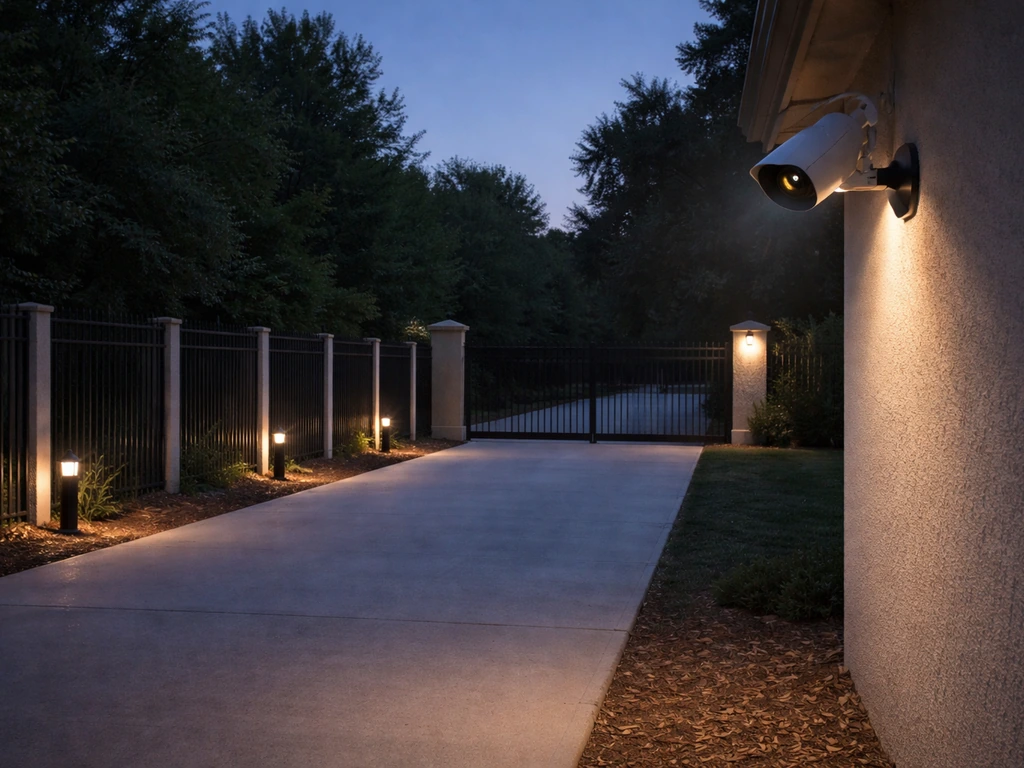
Security requirements are detailed in 19 CSR 100-1.090. You need exterior lighting designed to facilitate surveillance coverage of your perimeter and exterior areas. There are exceptions for outdoor cultivation, but indoor and greenhouse operations need to meet the full surveillance and lighting standards. An incomplete security plan is one of the most common reasons applications get delayed, so treat this as a non-negotiable item to have fully documented before you apply.
Odor control
Under 19 CSR 100-1.160, cultivation licensees must have an odor control plan. But it cannot just be a written plan you put together yourself. DHSS requires verification that a licensed professional engineer or certified industrial hygienist reviewed the plan and certified it as sufficient to mitigate odors. Get this professional certification done before application submission, not after.
Waste disposal documentation
Marijuana waste rules under 19 CSR 100-1.150 require that cultivation plant waste be rendered unusable before it leaves your facility, unless it qualifies as hazardous waste under federal standards (40 CFR 262.11). You need a documented waste management process that addresses this. DHSS has made clear that licensees carry waste generator responsibilities, so having this documented upfront protects you during inspections.
Employee documentation
The DHSS cultivation checklist requires employee job descriptions as part of your operational documentation. Ownership and employment elements are governed by 19 CSR 100-1.070. Have your org chart, job descriptions, and any relevant background check attestations ready before you start the Complia application workflow.
Where and how to submit: the application process, fees, and timelines
All facility license applications go through mo-public.mycomplia.com. DHSS will not process applications submitted outside this portal for standard cultivation licensing. Once inside the portal, you use the 'CREATE NEW APPLICATION' workflow and upload all required documentation directly in the system.
Fees are set by the DHSS cannabis fee schedule. The schedule includes a specific 'Medical License: Cultivation License' category, and fees can change between application windows. Always verify the current amounts on the DHSS Fee Schedule page rather than relying on third-party sources, which may reflect outdated figures.
Application review timelines are not publicly guaranteed in a fixed number of days. DHSS also says that if it begins accepting new medical or comprehensive facility applications, application periods will be publicly announced on its website at least six months in advance. DHSS reviews applications under the criteria in 19 CSR 100-1.060, and the timeline depends on application volume and whether your submission is complete. Once a license is issued, you have one year to complete a commencement inspection. That inspection must be requested by emailing [email protected] with the subject line and all required facility/vehicle blueprint and checklist documentation.
This kind of structured, portal-based application model is fairly common in regulated state markets. The Ohio grow license process similarly routes applicants through a centralized state portal with defined documentation requirements, so if you have gone through that process before, Missouri's Complia-based system will feel familiar.
Common pitfalls and how to avoid delays or denials
Most application failures in Missouri trace back to the same handful of problems. Knowing them in advance gives you a real advantage.
- Missing the fingerprint submission deadline: Under 19 CSR 100-1.060, you must attest to submitting fingerprints for the Missouri State Highway Patrol background check within two weeks of application. Miss that window and your application is at serious risk of rejection.
- Incomplete security plan: DHSS reviews security readiness against 19 CSR 100-1.090. If your surveillance coverage, exterior lighting, or perimeter documentation has gaps, expect a delay at minimum.
- Missing or uncertified odor control plan: A plan without professional engineer or certified industrial hygienist sign-off does not meet the 19 CSR 100-1.160 standard. Do not submit without that certification in hand.
- Failure to prove business authorization: The Mo Cann Do case is a direct warning here. DHSS has denied applications for failing to demonstrate proper authorization to operate as a business in Missouri. Make sure your business registration documentation matches what DHSS requires.
- Submitting outside the application window: DHSS has closed application periods for cultivation licenses. Submitting when the window is closed means your application will not be accepted. Monitor the DHSS portal and sign up for official communications.
- Incomplete SOPs: DHSS's cultivation checklist references SOPs including a remediation SOP. Submitting without these documents in place is a common commencement inspection failure point.
- Not using Complia: Attempting to submit documentation by email or paper for standard cultivation licensing will not work. The portal is the only accepted pathway.
If your application is rejected, DHSS does provide a 'Facility - Rejected Applications' page where rejection letters are issued with more guidance than the rules strictly require. Read those letters carefully and use the administrative appeal process if you believe the rejection was in error.
Staying compliant after you're licensed
Getting licensed is step one. Staying licensed is the longer game, and Missouri's compliance framework has several moving parts you need to manage continuously.
Seed-to-sale tracking
Missouri uses Metrc as its statewide seed-to-sale tracking system. DHSS publishes Metrc resources specifically for medical and marijuana licensees, and there is a documented process for reporting Metrc API or system functionality issues so you are not held responsible for outages outside your control. Get your Metrc account set up and your team trained on it before you start operations, not after.
Commencement inspection
Your commencement inspection must happen within one year of license issuance. To request it, your facility's Primary Contact emails [email protected] with the required subject line and all checklist documentation. DHSS publishes an inspection readiness guide that lists what inspectors look for, so use it to run a self-audit before requesting the inspection.
Reporting obligations
Under 19 CSR 100-1.100, you must notify DHSS within five days of the initiation or conclusion of certain legal proceedings that affect your licensing ability. This is not optional, and missing a notification window can trigger compliance action. If you change ownership or want to move your facility location, you must apply for and receive DHSS approval before making those changes, per the Business Change Applications process.
Renewals and ongoing guidance
License renewals go through the same Complia system. DHSS publishes renewal instructions referencing the portal and the CREATE NEW APPLICATION workflow, so the renewal process mirrors the original application in structure. For ongoing communications, DHSS maintains a dedicated 'Facility Communications and Guidance' page where licensed medical and marijuana facilities can find the latest compliance guidance, updates, and notices.
How Missouri compares to nearby state grow programs
If you are evaluating Missouri against other state markets, it helps to have a point of reference. Here is a quick comparison of how Missouri stacks up against a few neighboring or comparable states on key licensing dimensions.
| State | Licensing Authority | Application Portal | Background Check Required | Odor Control Certification | Seed-to-Sale System |
|---|---|---|---|---|---|
| Missouri | DHSS / Division of Cannabis Regulation | Complia (mo-public.mycomplia.com) | Yes, Missouri State Highway Patrol fingerprints | Yes, professional engineer or certified industrial hygienist required | Metrc |
| Oklahoma | Oklahoma Medical Marijuana Authority | State online portal | Yes | Varies by local zoning | Metrc |
| Nevada | Cannabis Compliance Board | State online portal | Yes | Required in facility plan | Metrc |
| Montana | Department of Revenue | State online portal | Yes | Required | Metrc |
| New Mexico | Cannabis Control Division | State online portal | Yes | Required | Biotrack / State system |
Missouri's requirement for professional certification of your odor control plan is one of the more specific requirements you will encounter. States like Nevada's grow license program have their own facility security and odor standards, but the professional sign-off requirement makes Missouri's bar a bit higher on that particular point.
For anyone considering multiple state licenses, the Oklahoma grow license process is worth reviewing as a comparison point, since Oklahoma has historically had one of the more accessible commercial cultivation license structures in the region. Similarly, if cost is your primary variable, reading up on how much a grow license costs in New Mexico can help you benchmark Missouri's fee structure against another mid-market state.
States with tiered licensing models are also worth understanding. New Mexico's micro grow license requirements offer a scaled-down entry point that Missouri does not currently replicate, and Montana's recreational grow license shows how a state can layer recreational cultivation on top of an existing medical framework, which is conceptually relevant as Missouri's own market continues to mature.
Your next steps, in order
Here is the practical sequence to follow starting today.
- Check the DHSS 'How to Apply - Facility Information' page to confirm whether the cultivation application window is currently open. If it is closed, sign up for DHSS communications so you are notified the moment it reopens.
- Verify your business is properly authorized to operate in Missouri and that your documentation matches what DHSS requires for eligibility proof.
- Download and work through DHSS's 'Cultivation: New License/New Location Checklist' as your pre-application audit. Use it to identify every gap in your facility, security, SOPs, odor control, and waste documentation.
- Commission your odor control plan and have a licensed professional engineer or certified industrial hygienist review and certify it before you apply.
- Build out your security plan to meet the 19 CSR 100-1.090 standards, including exterior lighting and surveillance coverage documentation.
- Create your account on mo-public.mycomplia.com and begin the 'CREATE NEW APPLICATION' workflow when the application window opens.
- Submit fingerprints for the Missouri State Highway Patrol background check and attest to this within two weeks of application submission.
- Pay applicable fees using current amounts from the DHSS Fee Schedule page.
- After licensing, request your commencement inspection within the one-year window by emailing [email protected] with the required documentation.
- Set up Metrc, train your team, and build your ongoing compliance calendar to cover renewal dates, legal notification obligations, and any planned facility or ownership changes.
FAQ
If I already have a patient/caregiver cultivation identification card, can I use that for a missouri grow license at my facility?
No. Missouri commercial cultivation licensing is facility-level and you apply for a specific location and operational setup, then request a commencement inspection within one year after issuance. If you operate from multiple sites or plan to expand, you generally need approval tied to the licensed premises, not just an internal checklist update.
Can my team write an odor control plan ourselves, and we just submit it with the application?
Your odor plan must be reviewed and certified as sufficient by a licensed professional engineer or a certified industrial hygienist, DHSS does not accept an internal sign-off. Build this into your timeline, because getting the professional review done after you submit can still leave you noncompliant during review or inspection.
Do waste disposal rules mean I can just send plant waste to a contractor and rely on them to handle it?
Usually you need to render plant waste unusable before it leaves the facility, unless it qualifies as hazardous waste under the federal standard referenced in the rules. The key risk is assuming a waste hauler will handle compliance for you, you still carry generator responsibilities and should keep internal records of how waste was treated and documented.
How long does DHSS take to approve a Missouri cultivation license application?
Timing is flexible only within the department’s review constraints, there is no fixed published “X days” guarantee. The best practical move is to treat completeness as the primary lever, align every uploaded document with the cultivation checklist items, and respond quickly to any deficiency notices to avoid extended review.
What proof of authorization does DHSS expect if my company is already properly formed in Missouri?
If your business formation and operational authority are not clearly documented in the form DHSS expects, you can still get denied. One specific safeguard is to verify exactly what DHSS wants as proof of authorization for your organizational type, and confirm your uploaded documents match that expectation before you file.
What happens if I need to change ownership or relocate after getting my missouri grow license?
If you change ownership or plan a facility move, you should not assume you can begin operating at the new site after you notify DHSS. Missouri requires you to apply for and receive approval under the Business Change Applications process before making changes that affect the license scope, location, or qualifying details.
Do I have to comply with Metrc and other operational rules right away, or only after commencement inspection?
Even if you are not ready to start production immediately, you still need to stay compliant with ongoing obligations like Metrc reporting and maintaining operational documentation. Practical next step is to train the responsible staff on Metrc workflows early and conduct an internal “inspection readiness” self-audit before any commencement inspection.
If my missouri grow license application is rejected, what should I do first?
DHSS sends rejection letters with guidance, and that content can be more helpful than the underlying rules alone. If you think an error happened, use the administrative appeal process, but do it promptly and base your argument on the exact checklist item or requirement cited in the rejection letter.
Can I expand my cultivation area under the same license without reapplying?
Yes, in the sense that the license must cover what you intend to do, but the process is not simply “add more space.” Since Missouri uses facility-level licensing, expansion or additional cultivation areas usually require an approved change process, and you should confirm whether your plans trigger a business change application and an updated inspection scope.
Which legal proceedings require notice within five days, and how do I avoid missing the deadline?
You must notify DHSS within five days of certain legal proceedings that can affect licensing. A practical edge case is to implement an internal compliance trigger that alerts leadership and the responsible license contact immediately after any court filing or proceeding begins or ends, so you do not miss the window.
Next Article
Oklahoma Grow License Guide: Types, Costs, Steps, Limits
Step-by-step Oklahoma grow license guide: types, costs, limits, caps, application steps, documents, timelines, and commo