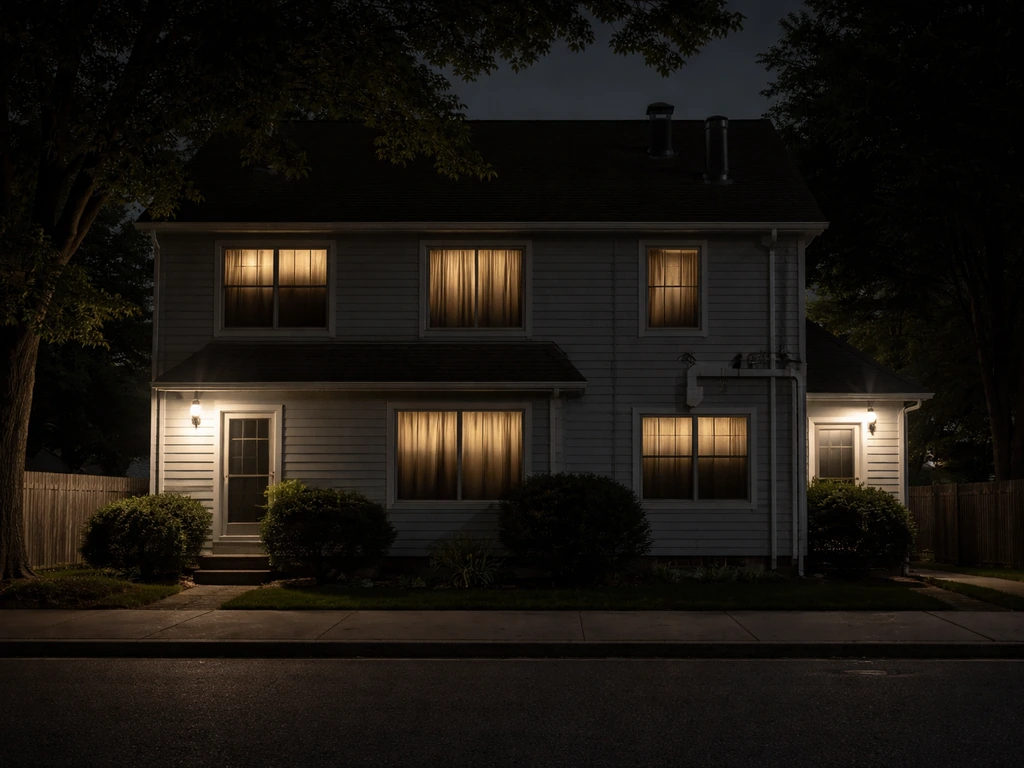
Living next to a cannabis grow operation is not automatically dangerous, but it is not automatically safe either. The honest answer is: it depends almost entirely on whether the operation is licensed, properly built, and actively maintained. If you are trying to figure out what grow area am i in, start by checking whether the operation is licensed and actively maintained, since that is the biggest factor behind the real risks <a data-article-id="D924706C-FD2A-43C8-97B7-143876F6430C">what grow area am i in?
Is It Safe to Live Next to a Grow House? Risks and Steps

Marcus Whitley
21 Apr 2026
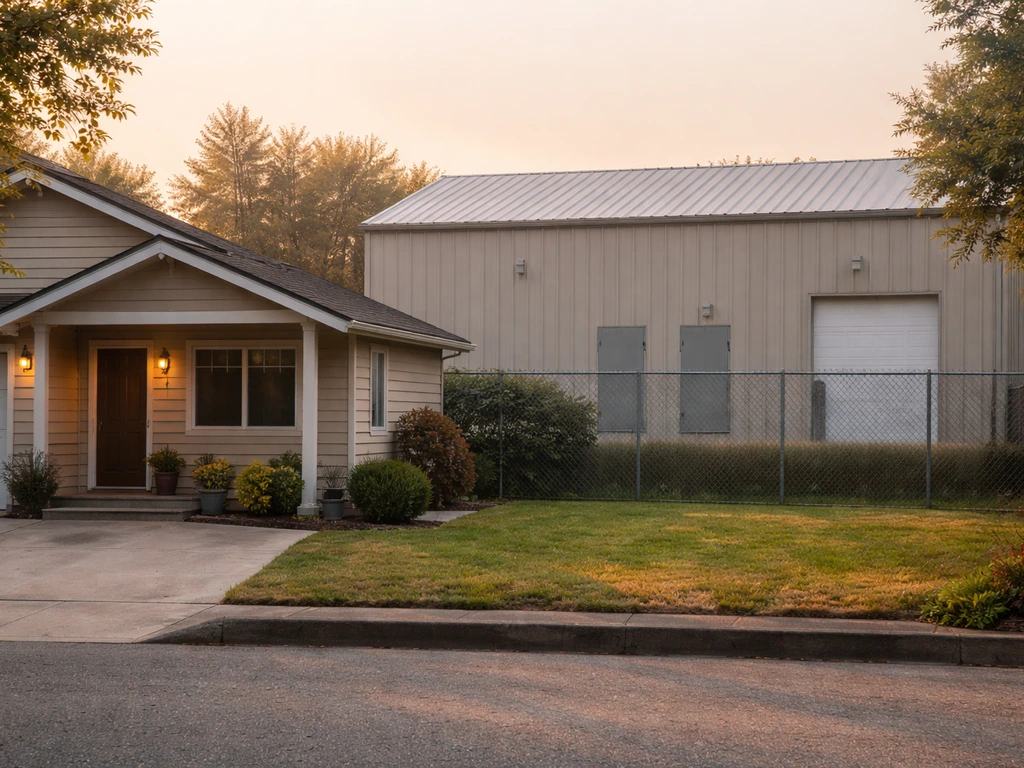
start by checking whether the operation is licensed and actively maintained, since that is the biggest factor behind the real risks come up nearby? (related option: licensing and maintenance) and what you can actually do today to figure it out more precisely later in this guide)"</a>. A well-run, licensed indoor grow with correct electrical work, ventilation, and odor control is a very different neighbor than an unlicensed operation crammed into a garage with extension cords and no exhaust.
This guide walks you through what the real risks are, how licensing changes them, and what you can actually do today to figure out which situation you are dealing with.
What 'safe' actually depends on
When people search this question, they are usually worried about one of a few things: fire, fumes, mold, or crime. All of those concerns are legitimate, but how serious they are depends on a short list of factors.
- Licensed or unlicensed: Licensed operations are required to meet building, electrical, fire, and odor standards. Unlicensed ones answer to nobody.
- Type and scale: A small home grow (where it is legally permitted) carries far less risk than a large commercial operation converted into a residential structure.
- How the space was built out: Proper electrical wiring, fire suppression, and ventilation are the difference between a safe facility and a fire hazard.
- How well it is maintained: Even a licensed grow can become unsafe if ventilation systems are neglected, leaks go unrepaired, or chemicals are stored carelessly.
- Your proximity and the structure itself: Sharing a wall (like in a duplex or multi-unit building) versus living on an adjacent lot creates very different exposure levels.
The bottom line is that licensing does not guarantee zero risk, but the absence of licensing is a strong signal that risks have not been managed. That is the single most important thing to establish before anything else.
Real risks near a cannabis grow operation
Electrical fire is the biggest one
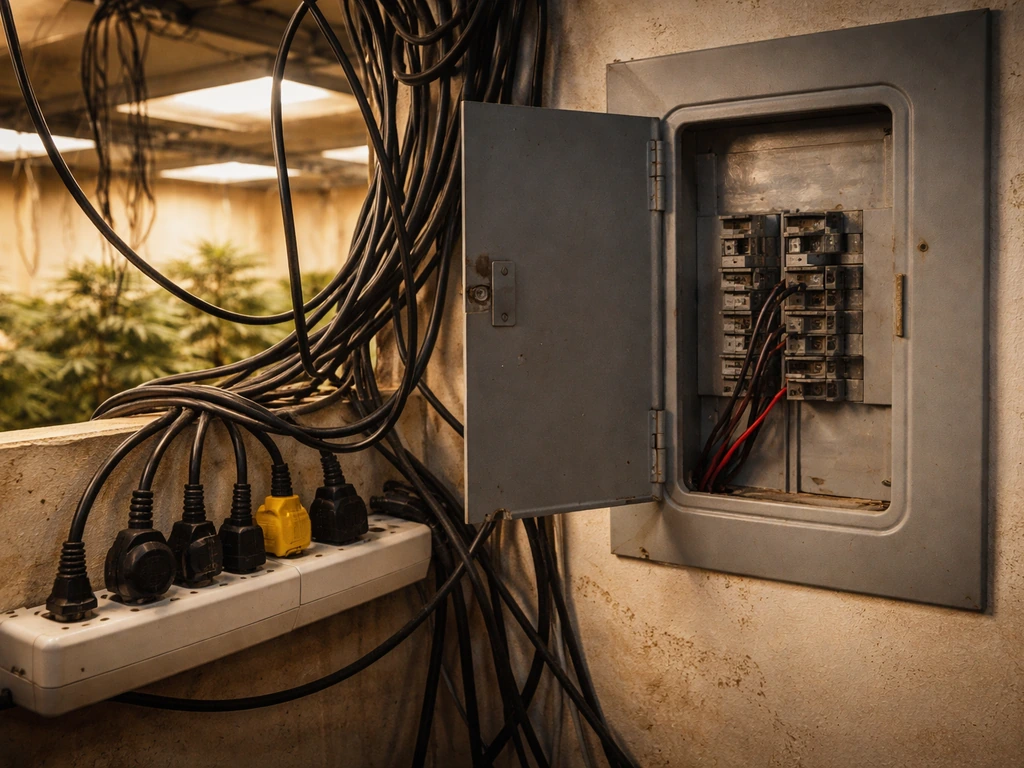
Indoor cannabis cultivation is extremely power-hungry because of the lighting requirements. OSHA has identified electrical hazards as the number one hazard in indoor cannabis cultivation, and its 2024 enforcement directive specifically calls out improper temporary wiring in grow areas as a common violation. That means overloaded circuits, extension cords used as permanent wiring, and DIY electrical setups that bypass safety standards. For someone living in the same building or directly next door, an electrical fire in a grow space is a serious, proximate threat.
Mold and moisture
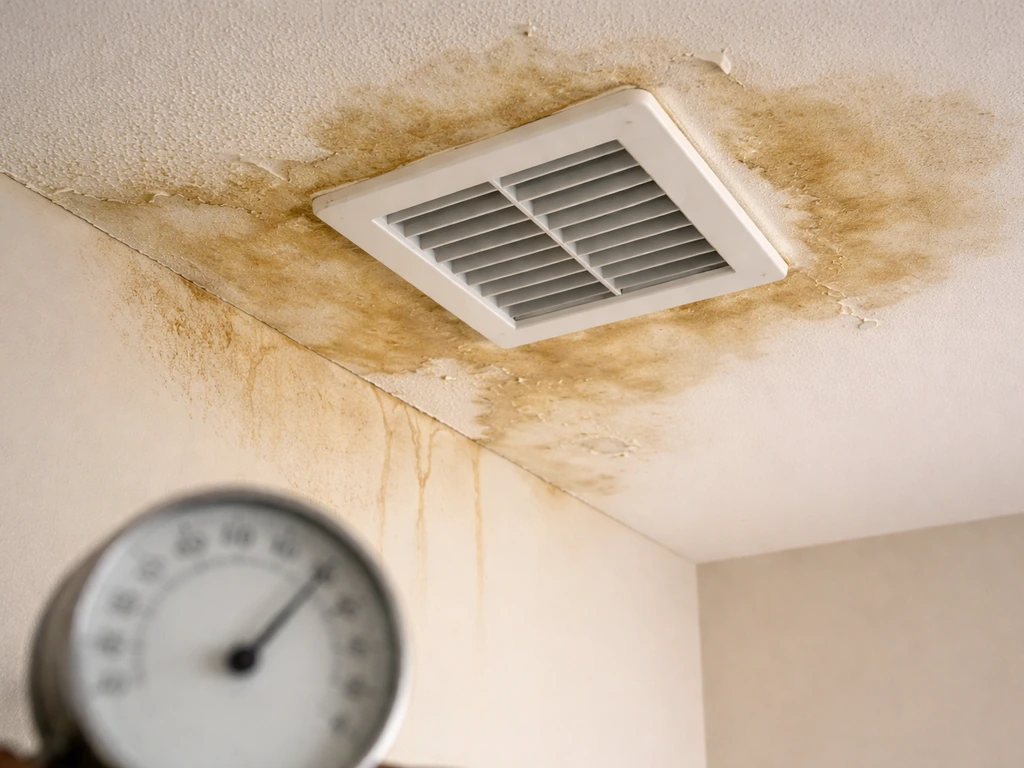
Cannabis cultivation produces a lot of humidity. Without proper mechanical ventilation and moisture control, that humidity has to go somewhere, and it often ends up in walls, ceilings, and shared structural materials. NIOSH and cannabis workplace safety research both flag mold, fungi, and bacterial endotoxins as serious biological hazards in indoor cultivation environments. If you are sharing a wall or an HVAC system with a grow space, mold contamination in your own unit becomes a real possibility, not a hypothetical one.
Chemical and pesticide exposure
OSHA's cannabis enforcement directive lists pesticide exposure as a recognized hazard in grow operations. Unlicensed grows in particular may use pesticides that are not approved for cannabis cultivation, and storage or application in an enclosed residential structure can result in chemical odors or residue migrating to adjacent spaces. Even licensed operations require proper pesticide handling protocols; without them, neighbors can be exposed without knowing it.
Air quality and odor
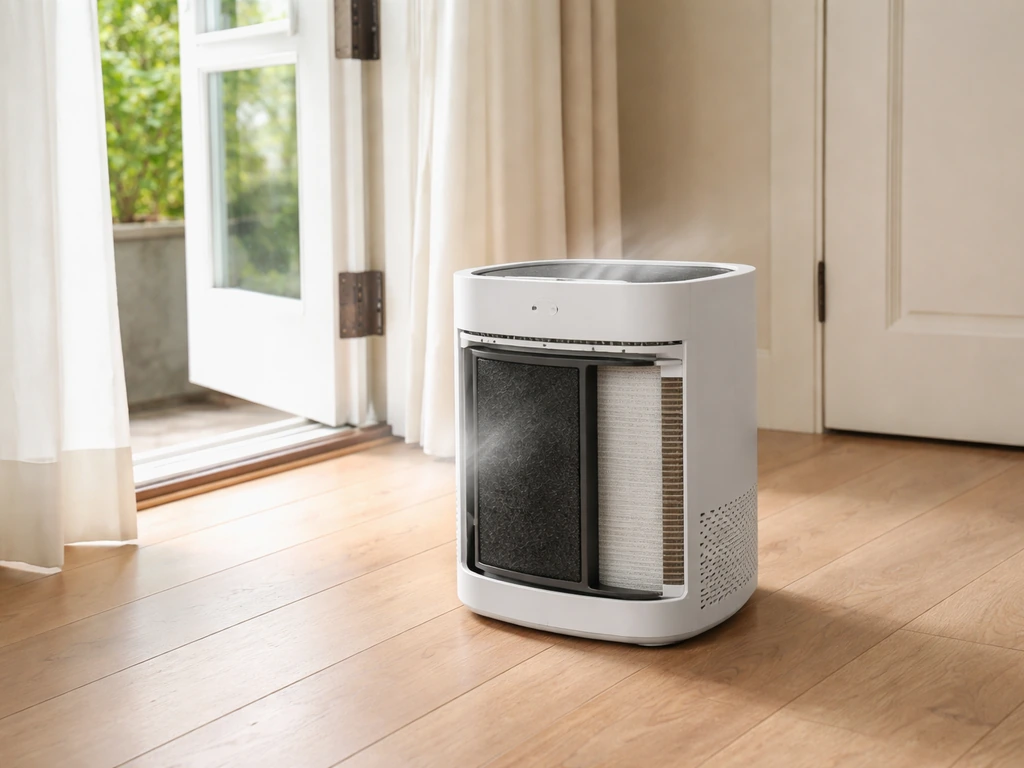
Cannabis plants produce strong terpene odors, and a grow without adequate odor abatement pushes those compounds into adjacent spaces. Beyond the smell itself, indoor grows can produce elevated CO2 levels in enclosed environments. The City of South San Francisco's fire department guidance for indoor plant cultivation specifically requires that mechanical ventilation and exhaust systems be kept in full working order to prevent CO2 buildup. If that equipment is absent or broken, air quality in neighboring units can be measurably affected.
Property value and other considerations
Beyond direct health risks, being near an illegal or non-compliant grow can affect your property value, your homeowner's or renter's insurance, and your ability to sell or re-rent a property. Lenders and insurers take a dim view of properties with code violations, and an illegal grow next door can create complications that take time and money to resolve even after the operation is shut down.
How licensing changes the risk picture
A licensed cannabis cultivation operation in a state like California has to clear a long list of requirements before it opens and then maintain compliance to keep its license. Those requirements directly address the hazards described above.
| Risk | Licensed Operation | Unlicensed Operation |
|---|---|---|
| Electrical safety | Must meet building and electrical code; inspected | No oversight; DIY wiring common |
| Ventilation and odor control | Required by local permits; activated carbon filtration often mandated | No requirement; odor and CO2 can migrate freely |
| Mold and moisture | Ventilation standards reduce risk; inspections apply | No controls required; moisture issues likely |
| Pesticide use | Regulated; approved products and handling required | Unregulated; unapproved chemicals possible |
| Electrical use reporting | California licensees report power usage to DCC at renewal | No reporting; overloads go undetected |
| Fire safety | Local fire department requirements apply; plan review common | No fire review; hazards unmitigated |
In California, for example, commercial cultivation requires a state license from the Department of Cannabis Control (DCC), and local jurisdictions layer on additional land-use, building code, and fire requirements. Cities like Long Beach require detailed ventilation plans and odor-control systems as part of the cannabis facility permit. The Valley Air District recommends activated carbon filtration systems specifically to prevent odor nuisance from cannabis operations. These requirements exist precisely because the risks are real, and a licensed operator has agreed to manage them.
That said, licensing is not a perfect guarantee. A licensed facility that has fallen out of compliance or stopped maintaining its equipment can still create problems. But it gives you a legal framework to point to and enforcement agencies with actual authority to act.
Signs of an unsafe or illegal operation

You do not need to go looking for trouble, but there are observable signals that a nearby grow is operating outside safe or legal parameters. If you notice several of these together, that is a pattern worth acting on.
- Persistent, strong cannabis odor coming from a neighboring unit or building, especially outdoors or in shared hallways, which suggests absent or failed odor control
- Visible improvised electrical work: extension cords running through windows or under doors, multiple power strips daisy-chained, heavy-gauge cords on exterior walls
- Unusually high heat coming from walls or ceilings you share with the neighboring space
- Windows blacked out or covered year-round, combined with audible fans or HVAC running continuously
- Water stains, visible moisture, or mold appearing on shared walls or ceilings in your unit
- Chemical smells other than cannabis, which could indicate pesticide use or solvents
- Heavy foot traffic at unusual hours with no apparent commercial explanation
- No signage, business license, or any visible compliance documentation for what appears to be a commercial-scale operation
None of these signs alone is conclusive, but multiple signs together, especially combined with a failed license check, is strong grounds to contact authorities. The sibling topics on how to tell if your neighbor has a grow house and how to spot a grow operation cover the identification side in more detail if you need it.
What to do today: check licensing and get help
Step 1: Check the state license database

In California, start with the DCC's unified license search tool at search.cannabis.ca.gov. The DCC says this database is updated daily and contains information on all businesses licensed by the department. Search by business name or address. If the address you are concerned about does not appear, or the license status is inactive or expired, that tells you something important. Other states have their own lookup tools, but the principle is the same: most states with legal cannabis publish a searchable database of licensed operators.
Step 2: Check local permits separately
State licensing and local permitting are separate in most jurisdictions. A business can have a state license but be operating without required local approvals, or vice versa. Contact your city or county planning or building department and ask whether a cannabis cultivation permit exists for the address in question. This is public record in most places and can often be checked online through the local permit portal.
Step 3: Contact your landlord or property management in writing
If you are a renter and the grow is in the same building, put your concern in writing (email is fine). State specifically what you have observed and ask what commercial activity is permitted on the premises. This creates a paper trail and puts the landlord on notice, which matters if you later need to pursue habitability claims.
Step 4: File a complaint with the right agency
In California, you can file an anonymous complaint with the DCC against both licensed and unlicensed cannabis businesses. The DCC explicitly allows anonymous submissions and states that complainant information will not be publicly disclosed to the extent authorized by law. The DCC also partners with cities, counties, law enforcement, and other state agencies, and if your complaint falls outside DCC jurisdiction, they can refer it to the right local or federal agency. If you are in Los Angeles, the city has its own complaint portal specifically for unlicensed commercial cannabis activity in residential or commercial areas. For fire or electrical hazards, contact your local fire department or building department directly since they have authority regardless of cannabis licensing status.
- California DCC: file a complaint at the DCC complaint page (anonymous submissions accepted)
- Los Angeles city: use the City of LA Cannabis Regulation complaint portal for local violations
- Local fire department: for immediate fire or electrical hazard concerns
- Local building or code enforcement: for structural, electrical, or zoning violations
- Local police non-emergency line: if you believe the operation is illegal and poses a safety risk
If you are already living nearby: protect yourself now
Document everything
Start a simple log with dates, times, and descriptions of what you observe: odors, sounds, visible conditions, any changes you notice in your unit like moisture or unusual smells. Take photos of anything visible from your own property, including water stains on shared walls, improvised wiring you can see, or odor-related conditions in shared spaces. This documentation is useful whether you are talking to a landlord, filing a complaint, or eventually pursuing a habitability or nuisance claim.
Reduce your exposure while you sort it out
If you are noticing air quality effects, a HEPA air purifier with an activated carbon filter in your living space will help with both particulates and odor compounds. If you share ventilation with an adjacent space, ask your landlord to inspect and seal any duct connections or gaps. This is a reasonable habitability request regardless of what the source of the air quality issue turns out to be.
Know your rights as a tenant
If the grow is in a unit the same landlord manages, the landlord has a legal obligation to maintain habitable conditions. Mold, excessive moisture, and fire hazards from electrical problems all go to habitability. Your complaint to a landlord, combined with a formal complaint to code enforcement or the fire department, creates a record that protects you if you eventually need to break a lease or pursue damages. This article does not provide legal advice, but documenting your concerns in writing early is always the right move.
When to escalate immediately
If you smell burning electrical insulation, see smoke, notice carbon monoxide detector alerts, or observe conditions that suggest an active fire risk, do not wait. Call 911. Suspected illegal activity that presents immediate safety risk to you or your family is not a complaint portal situation, it is an emergency. The licensing and compliance questions can be sorted out after everyone is safe.
For context on how authorities approach these situations once a report is made, the related topic on how police investigate grow houses is worth reviewing. And if you are in California and want to understand the reporting process in more detail, the guide on how to report a grow house in California goes deeper on the state-specific complaint channels. And if you are in California and want to understand how police investigate grow houses in practice, the guide on how to report a grow house in California goes deeper on the state-specific complaint channels. To understand the exact steps for reporting, see our guide on how to report a grow house in California for the state-specific complaint channels.
FAQ
Can a licensed grow still be unsafe for neighbors?
If you are deciding whether to stay in your unit, treat “licensed but noncompliant” as its own category. Even licensed operations can stop maintaining ventilation, odor control, or electrical systems, so rely on observable issues (repeated strong odors, moisture problems, tripping breakers, buzzing sounds near shared walls, or water leaks) rather than the license status alone.
Should I confront my neighbor or contact them directly?
No. Do not contact the grow operators or confront anyone directly. If you do report, keep it factual (dates, what you observed, where it occurred, photos you took from your property) and avoid assumptions like “they’re doing X” unless you can clearly describe what you saw.
What if I only notice smell, is that enough to worry?
A single symptom like “I smell weed” is not enough to prove a hazardous setup. However, persistent odor plus humidity signs (foggy windows, recurring mildew, wet drywall, peeling paint) or plus electrical warning signs (flickering lights, frequent breaker trips) increases the odds that something unmanaged is happening.
If it is in the same building, what should I ask my landlord to inspect?
If the grow is in your same building, act on building-level safety and habitability. Ask for a maintenance inspection of shared ventilation pathways (including whether return vents or duct gaps connect to the adjacent space) and request written results, because mold and odor migration often follow airflow routes rather than walls alone.
Does living nearby affect people with asthma or allergies differently?
If you have asthma, mold sensitivity, or other respiratory conditions, pay extra attention to biological hazards. Use your own filtration (HEPA plus activated carbon if odor is present) and consider keeping windows closed during periods of strongest odors, but also document symptoms so you can connect any health changes to exposure patterns.
What if I see exposed wiring or extension cords?
If you find visible unsafe wiring, the safest approach is to report it to the fire department or building department rather than trying to verify details yourself. Do not touch any equipment or cables, and do not open shared electrical panels, because you can expose yourself to shock or create a fire risk.
How can I tell if ventilation problems are affecting my air quality?
If you are worried about CO2 buildup or poor ventilation, do not rely on smell alone. Look for evidence of malfunctioning exhaust (strong odors lingering indoors, condensation, or stale air in shared hallways). For your unit, a portable monitor can help you notice sustained issues, but contacting the relevant inspection authority is still the priority.
What should I put in writing to my landlord as a renter?
If you are in a rental, send your report in writing and keep copies. Mention that you are requesting investigation for potential habitability issues (excess moisture, mold risk, electrical/fire risk, and unsafe odors) and ask whether an inspection will be scheduled, because the timing of documentation can matter if you later need to escalate.
How do I document evidence so it is actually useful?
Start with the address and unit details, then record observations that map to the risk categories: electrical (flickering, tripping breakers, smoke or burnt smell), moisture (water stains, leaks, mildew), air (odor intensity changes, stale or smoky air), and operational signs (trash, equipment noise, frequent deliveries). This structure makes it easier for authorities to triage your report.
Is a HEPA purifier enough for odor and mold concerns?
If you live in a shared HVAC environment, a HEPA filter helps particulates, but it will not stop all odor molecules by itself. Activated carbon is important for odor compounds, and you can ask the landlord to verify that dampers and duct connections are properly sealed.
When is it an emergency versus a normal complaint?
Do not assume you should wait for “more proof.” If there are emergency indicators like smoke, electrical burning smells, CO alarm alerts, or signs of active fire risk, treat it as an emergency and call emergency services immediately. Licensing questions come after immediate safety.
Can living nearby affect my insurance or ability to sell?
Yes, insurance and resale issues can be indirect but serious. If you suspect unpermitted construction or code violations, document your concerns and ask your insurer (or potential buyer’s lender, if relevant) what they require. Even if the grow is shut down later, unresolved violations or remediation costs can affect coverage.
Next Article
How to Spot a Grow Operation Legally and Safely
Learn legal, safe red flags of possible cannabis grow activity and how to document and report concerns.