If you suspect an illegal cannabis grow operation in California, you have several clear options: call local law enforcement for anything urgent, file a complaint with the California Department of Cannabis Control (DCC) for licensed or unlicensed business violations, or contact the California Department of Fish and Wildlife (CDFW) if the grow is on public land. The right agency depends on where the grow is and what kind of problem you're dealing with. This guide walks you through each option, what to document beforehand, and what to expect after you make the call.
How to Report a Suspected Grow House in California

Marcus Whitley
10 Apr 2026
First, make sure you're actually looking at something illegal
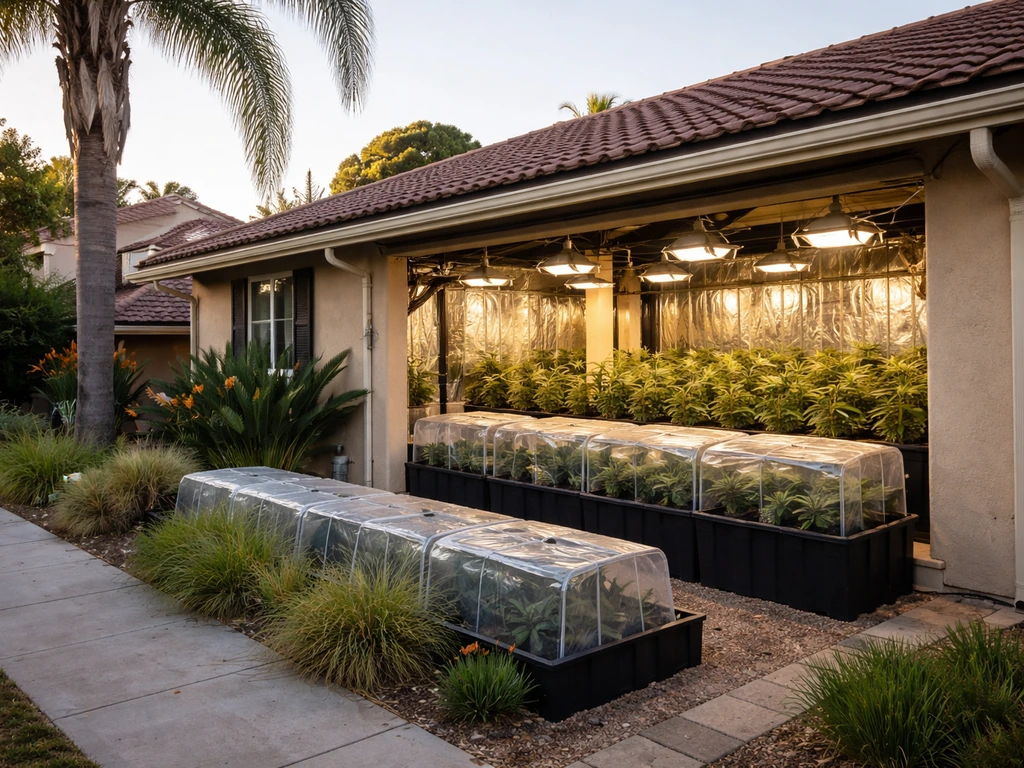
Before you report anything, it's worth pausing for a moment. Not every cannabis grow operation is illegal. In California, a lawful commercial cannabis cultivator must hold three things: a California DCC license, a local permit or authorization from their city or county, and in many cases a Lake and Streambed Alteration Agreement from CDFW. A residential home grow under California's personal use rules is also legal (up to six plants per adult). If a neighbor is growing a handful of plants in their backyard, that alone isn't necessarily a problem.
That said, if what you're seeing looks commercial in scale, involves signs of environmental damage, chemical smells, blacked-out windows, excessive traffic at odd hours, or just feels wrong, those are legitimate reasons to look closer. If you're not sure what distinguishes a legal setup from a red flag, the article on how to spot a grow operation covers those warning signs in detail.
When and whether to report a suspected grow house
You should report when you have a reasonable, observable basis for suspicion, not just a hunch or a personal disagreement with a neighbor. Strong reasons to report include: a strong chemical or pesticide smell suggesting industrial-scale growing, visible structural modifications to a property (utility bypasses, ventilation systems added to a house), unusual power usage patterns, or activity that suggests unlicensed commercial production. CDFW is clear that any commercial grow without both a state license and local authorization is illegal and subject to immediate enforcement.
If you're genuinely unsure whether you're looking at a licensed operation or something illegal, that uncertainty is actually useful information to share in your report. Agencies are equipped to investigate and make that determination. Your job is to report what you observe, not to prove anything.
One thing worth knowing: living near any cannabis operation raises reasonable questions. If you're wondering about broader safety considerations, the guide on whether it's safe to live next to a grow house can help you put what you're seeing in context.
What information to gather before you report

The more specific your report, the easier it is for an agency to act on it. You don't need to investigate anything yourself, but if you can document what you observe from public spaces (a sidewalk, your own property), that information is genuinely helpful. Here's what agencies actually want:
- The exact address or location of the suspected grow, including cross streets or GPS coordinates if it's on public land
- Photos taken from public property showing exterior signs (ventilation equipment, blackout coverings on windows, vehicle activity)
- Dates and times of any activity you've observed, including vehicle descriptions and license plates if visible
- Notes on smells, sounds, or utility-related observations (like humming equipment or bright lights at night)
- Any relevant communications, notices, or documentation if you've had prior contact with the property or the individuals involved
The DCC specifically says complaints should include documentation such as photos, receipts, timecards, certifications, or copies of emails and other communications. You won't have most of those, but photos and written notes with dates go a long way. Write down what you saw and when, while it's fresh.
How to report in California: step-by-step options
California doesn't have a single universal hotline for illegal grow houses. The right contact depends on what you're dealing with and where. Here's how to navigate that.
For emergencies or immediate threats
If you believe there's an immediate safety risk, armed individuals, or active criminal activity in progress, call 911. This is always the right first call when there's urgency. For non-emergency situations involving suspected illegal cannabis activity, the LAPD's non-emergency line is 877-ASK-LAPD (877-275-5273). Most other California cities and counties have similar non-emergency police lines.
Filing a complaint with the DCC (statewide)
The California Department of Cannabis Control is your main state-level option. The DCC accepts complaints about suspected violations by both licensed and unlicensed cannabis businesses. You can file anonymously if you want, and the DCC will not publicly disclose your contact information to the extent authorized by law. If your complaint falls outside the DCC's jurisdiction, they may refer it to the appropriate local, state, or federal agency on your behalf, so even if you're not sure who handles your specific issue, starting with the DCC is a reasonable choice.
Reporting on public land: CDFW and CalTIP
If the suspected grow is on public land, national forest, state park, or any public property, CDFW is the right call. Their Marijuana Enforcement Team (MET) focuses specifically on illegal cultivators trespassing on public lands and works to reclaim those areas. To report, call 888-334-2258 or text 847411 (TIP411). You can also use the CalTIP smartphone app, which allows an anonymous two-way conversation so investigators can ask follow-up questions while protecting your identity.
City-level reporting options
Many California cities have their own cannabis oversight offices. If you're in Sacramento, you can report illegal grow activity to the Sacramento Police Department, and for cannabis odor complaints from an operation, you can email the Office of Cannabis Management directly at [email protected] or call 916-808-8955. In San Francisco, the Office of Cannabis handles similar reports at [email protected]. In Los Angeles, the city runs a dedicated Cannabis Regulation Complaint Portal that handles unlicensed and illegal commercial cannabis activity and includes a category for non-emergency communications with the LAPD about cannabis-related activity.
Anonymous tips in LA County
If you're in Los Angeles County and want to stay completely anonymous, LA CrimeStoppers accepts tips at 800-222-TIPS (8477). You can also text TIPLA followed by your tip to CRIMES. These channels are specifically designed for situations where anonymity matters.
California reporting contacts at a glance
| Agency / Channel | Best for | Contact |
|---|---|---|
| Local police (911) | Emergencies, immediate safety threats | 911 |
| LAPD non-emergency | Non-urgent suspected illegal cannabis activity in LA | 877-275-5273 |
| California DCC | Licensed or unlicensed cannabis business violations, statewide | File complaint at dcc.ca.gov |
| CDFW / CalTIP | Illegal grows on public lands | 888-334-2258 or text 847411 |
| LA City Complaint Portal | Unlicensed commercial cannabis activity in LA City | DCR Complaint Portal at cannabis.lacity.gov |
| Sacramento OCM | Illegal activity or odor complaints in Sacramento | 916-808-8955 or [email protected] |
| SF Office of Cannabis | Illegal cannabis activity in San Francisco | [email protected] |
| LA CrimeStoppers | Anonymous tips in LA County | 800-222-8477 or text TIPLA to CRIMES |
Safety and legal do's and don'ts while reporting
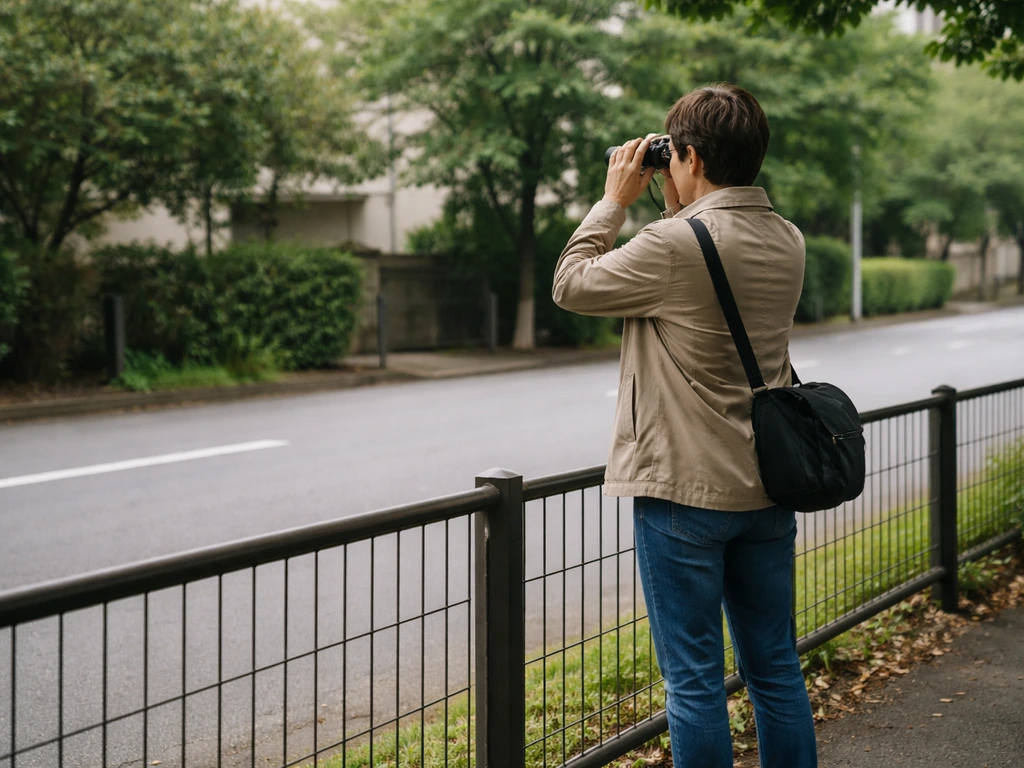
This part matters. Illegal grow operations, especially large-scale ones, can involve people who are armed and who take security seriously. You do not want to get close, confront anyone, or do anything that could put you in a dangerous situation.
- Do observe and document from your own property or public spaces only. Never enter private property to investigate.
- Do not confront the people involved under any circumstances.
- Do not touch any containers, barrels, sprayers, or bags near a suspected grow site. Illegal grows often use toxic pesticides and fertilizers that are genuinely hazardous.
- Do take notes on what you see, hear, and smell from safe distances.
- Do use anonymous reporting channels if you're worried about retaliation. The DCC, CalTIP, and CrimeStoppers all support anonymous submissions.
- Do not trespass onto the property, even if you're trying to gather evidence.
- Do not share your suspicions publicly on social media in a way that identifies specific individuals before law enforcement has investigated.
If you've stumbled onto a suspected grow site unexpectedly, especially outdoors on public land, leave immediately and call CDFW or local law enforcement from a safe location. The NWCG specifically warns that illegal grow sites may involve dangerous chemicals, and you should notify law enforcement without touching anything on site.
What happens after you report: investigation basics and timelines
After you submit a complaint or tip, the realistic expectation is that you'll hear very little back, especially if you reported anonymously. That's normal and doesn't mean nothing is happening.
For complaints submitted through CalEPA's environmental complaint system (which feeds into some CDFW processes), the agency may send notices about receipt of the complaint, referral to the appropriate handling agency, and eventual closure. But anonymous complaints are acknowledged to be more difficult to investigate because agency staff can't contact you for follow-up questions. If you can safely provide contact information, that gives investigators a way to clarify details and strengthen the case.
Agencies like CDFW's Marijuana Enforcement Team work collaboratively with multiple law enforcement partners across state, local, and federal levels. Investigations into grow houses can take time, particularly if they involve building a case, coordinating warrants, or connecting the operation to larger networks. If you want to understand more about how law enforcement actually approaches these cases, the breakdown on how police investigate grow houses is worth reading.
If you feel like your report hasn't resulted in any action after a reasonable period, it's completely appropriate to follow up. Contact the agency you originally reported to, reference any complaint or case number you received, and ask for a status update. Persistence is legitimate.
Cannabis grow legality vs suspicious activity: the licensing context
This is where a little background on California's licensing framework actually matters for deciding whether to report. California allows adults to grow up to six cannabis plants at home for personal use with no license required. That is legal. What's not legal is commercial-scale cultivation without a state DCC license AND local authorization from the city or county. If someone is operating a large grow without those two approvals, they're illegal regardless of how professional their setup looks.
The challenge is that from the outside, it can be hard to tell the difference between a licensed commercial grow operating properly and an unlicensed operation. Licensed grows are supposed to comply with environmental regulations, obtain proper permits, and in some cases hold a CDFW Lake and Streambed Alteration Agreement. Grows that skip those steps create real environmental harm, which is a big part of why agencies like CDFW are involved at all.
If you're not sure whether what you're seeing is permitted, one practical step is to check whether the area you're in has specific local licensing rules. Understanding what grow area you're in can tell you what's allowed in your jurisdiction and what the local licensing process looks like. That context helps you assess whether what you're seeing could plausibly be licensed.
If you've noticed signs that made you suspect something might be off before you were certain, that process of observation is also worth understanding better. Knowing how to tell if your neighbor has a grow house helps you distinguish between the indicators that suggest a legal home grow versus something operating at a scale that would require a license they may not have.
The bottom line: if you have reasonable, observable grounds for suspicion, report it and let the appropriate agency make the legal determination. Your role is to share what you've seen safely, accurately, and through the right channel. California has multiple agencies set up specifically to handle this, and you don't have to figure out the legal question yourself.
FAQ
What should I write in my complaint if I only have partial information?
Yes, but make sure you do not add guesses. Focus on what you can directly observe from a public place, like unusually strong odors, specific equipment (ducting, generators, industrial fans), frequent large deliveries, or signs of utility bypasses. Avoid statements that you cannot confirm, like “they’re definitely selling.”
When is it better to call 911 instead of reporting to DCC or CDFW?
If you think it is an emergency, call 911. If you suspect illegal cannabis activity but there is no immediate danger, use the non-emergency line for your city or file with the DCC or CDFW depending on location. Do not wait and watch if you observe escalating threats, weapons, or active violence.
Can I investigate or get closer to confirm whether it is illegal?
Do not approach the property, touch anything, or try to verify access (for example, checking fences, rooftops, vents, or locked doors). If it is on public land or you arrive unexpectedly, leave immediately and contact CDFW or law enforcement from a safe distance.
If I’m worried about environmental damage, which details are most useful to report?
Yes. Environmental harm indicators you can observe from outside, like visible runoff, disturbed vegetation, dead or dying plants outside the grow area, or telltale staining near irrigation points, should be included in your report. This helps agencies connect the activity to environmental enforcement.
What exact details help investigators locate the site and understand the timeline?
If you can safely do so, include the approximate address or nearest cross streets, the date and time window of what you observed, and any repeat patterns (for example, “deliveries every other night”). If you can, note whether it looks seasonal, current-day, or ongoing.
What if I cannot tell whether the grow is licensed or not?
If you are not sure whether the operation is licensed, it is still valid to report what you observed. Agencies can check licensing status and local authorizations, your report just needs to clearly separate “observed facts” from “interpretation or concern.”
How should I report an odor complaint without sounding unreliable?
Yes. Smell complaints are often hardest to evaluate without corroborating observations, so pairing odor reports with other facts (odor intensity and direction, time of day, presence of fans or ventilation exhaust) can improve usefulness. Avoid describing yourself or others as witnesses unless you are willing to provide safe contact details.
How do I choose between DCC, CDFW, and local police when the site seems to be on someone’s land?
If you believe the activity is occurring on private residential property, local law enforcement or the DCC route may be more appropriate. If it is on public land, national forest, state park, or other public property, CDFW is the best fit because their team focuses on trespassing cultivators and reclaiming those areas.
Is it worth providing my contact information, or should I report anonymously?
You can report anonymously, but be aware that many agencies cannot follow up with questions if they do not have a way to reach you. If you can provide contact information safely, it can speed up clarification and strengthen the investigation.
How do I follow up if I do not hear back?
If you receive a complaint reference number or confirmation, keep it. If not, you can still follow up by re-contacting the same agency channel you used and describing when and where you reported. Ask specifically whether they can confirm receipt and whether it was referred for investigation.
Is it safe to tell neighbors or post about it online?
For safety reasons, you should never share doxxing-level details publicly or directly confront anyone connected to the operation. If you share anything at all, limit it to non-identifying observations with trusted parties, and keep the channel to the appropriate agency.
What should I do if I am not sure which local office handles cannabis complaints in my city?
If you are in a jurisdiction with a city cannabis oversight office or a dedicated portal, using that channel can streamline routing to the correct local unit. When unsure, the DCC is a reasonable starting point, and they may refer your complaint to the appropriate authority.
Next Article
How to Tell If Your Neighbor Has a Grow House Safely
Safely spot exterior grow-house indicators, document concerns, and know when to call police, fire, or code enforcement