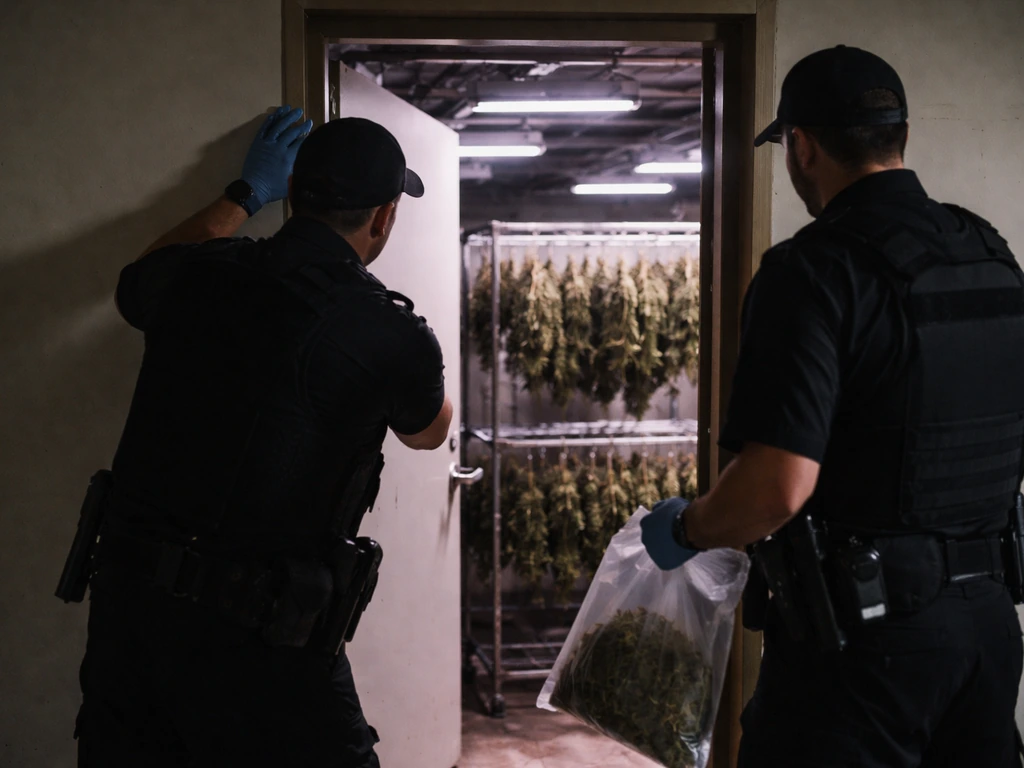
If you suspect there's an illegal cannabis grow operation nearby, the most useful thing you can do is know what observable signs actually matter, document them carefully, and report through the right channels. This guide walks through exactly that: what to look for, how to note it safely, and who to contact. It also covers how to tell whether a nearby cultivation operation might actually be legal and licensed, because misidentification is a real risk and a serious one.
How to Spot a Grow Operation Legally and Safely

Marcus Whitley
16 Apr 2026
Why people ask this question (and why getting it right matters)
People look up how to spot a grow operation for a lot of different reasons. Landlords suspect a tenant is damaging a rental property. Neighbors notice strange activity and want to know if they have something real to worry about. Real estate agents or buyers are doing due diligence on a property. Parents are concerned about what's happening next door. Each of these is a legitimate reason to want information.
But accuracy matters here more than in most situations. Calling in a tip about a neighbor based on shaky or misread evidence can damage an innocent person's reputation, create legal liability for you, and waste enforcement resources. Unlicensed grows are a real problem: city attorneys in California have specifically cited illegal grow houses as threats to public health, safety, and the legal cannabis market. At the same time, plenty of observable things that look suspicious (strong smells, ventilation equipment, unusual lighting schedules) can have perfectly innocent or even legally compliant explanations.
So the goal here is to help you identify a real pattern of red flags, not to diagnose a neighbor based on one detail. If you're also wondering about your own situation as a grower, understanding what grow area you're in and whether your jurisdiction permits home cultivation is a smart first step before assuming others around you are out of compliance.
Exterior and behavioral red flags you can observe safely
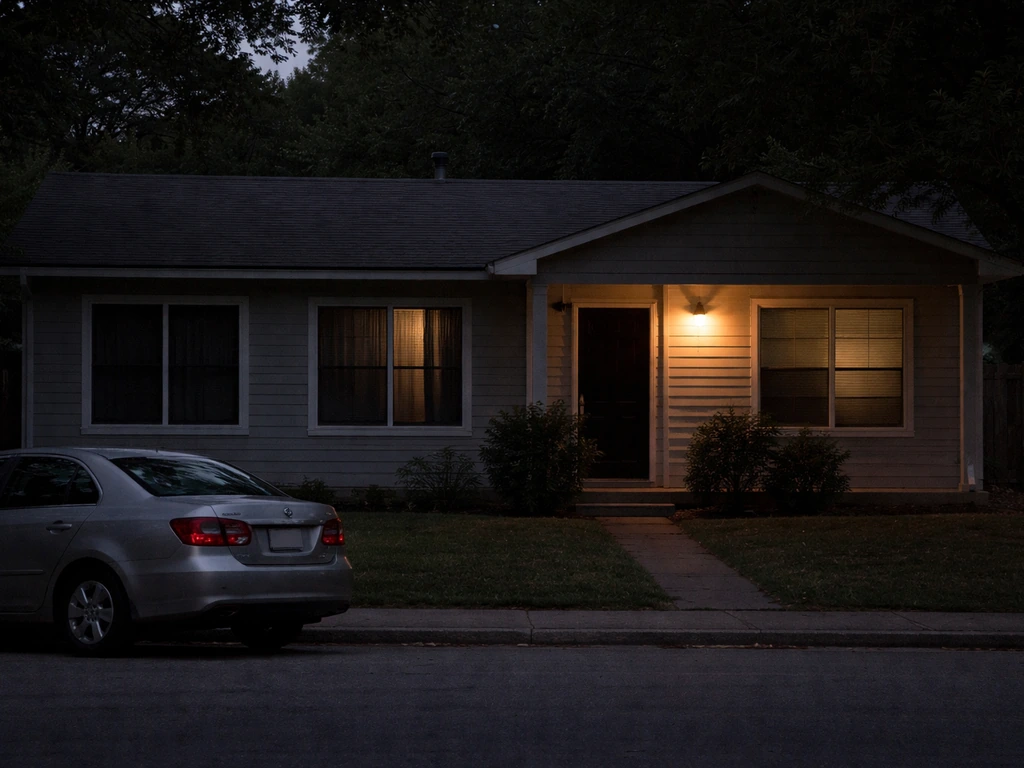
You don't need to trespass or surveil anyone to notice genuine warning signs. The most useful observations come from what's visible on public property or from your own home.
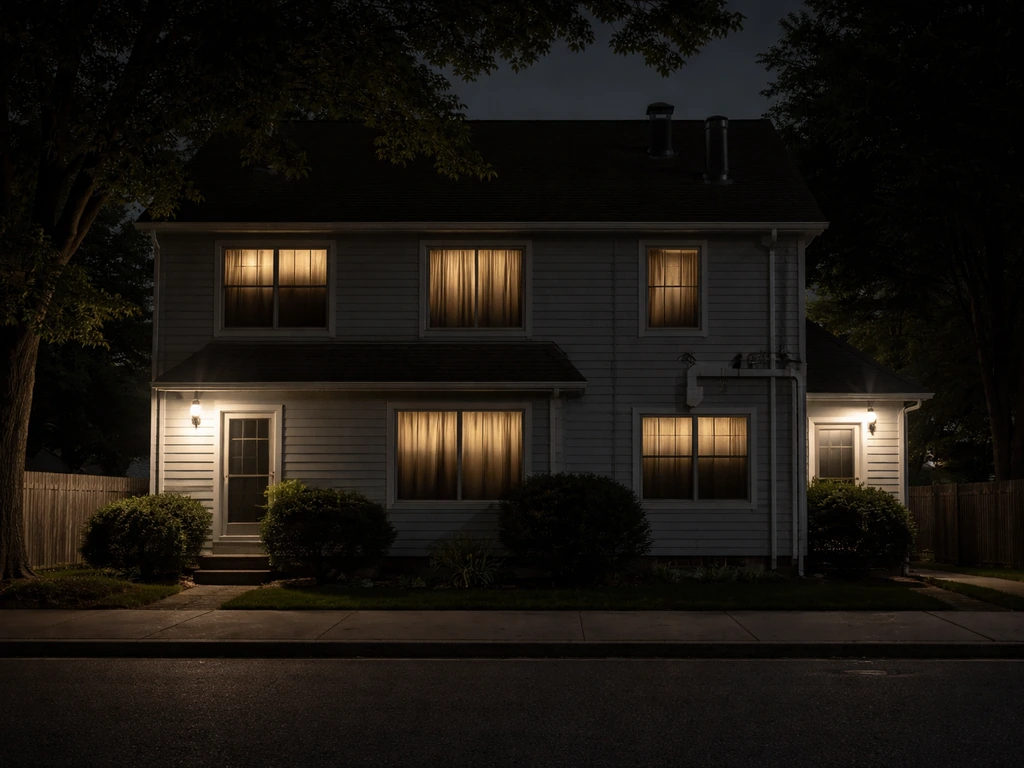
Look at the windows first. Blacked-out or heavily covered windows on a residential property, especially when the covering appears from the inside (reflective material, thick blackout fabric, painted glass), are a common indicator. Grow lights require light deprivation to control plant cycles, so growers often seal windows completely. You might also notice light leaking at odd hours through gaps in coverings, particularly late at night or in the very early morning.
Watch for unusual structural modifications. Vents or exhaust fans added to walls, rooflines, or windows that weren't there before, especially if they look improvised rather than professionally installed, are worth noting. These are used to manage heat and humidity from grow equipment. Exterior HVAC units running constantly, even in mild weather, is another signal.
Behavioral patterns around the property also matter. A property that appears to have no normal daily activity (no one leaving for work, no visitors at typical times) but shows signs of regular nighttime or late-hour activity is worth paying attention to. Heavy foot traffic with short visits, on the other hand, is more typical of a distribution or sales point than a grow operation.
If you're trying to evaluate whether what you're seeing at a neighboring property could be part of a grow setup, it helps to understand how to tell if your neighbor has a grow house with a more complete checklist of residential-specific indicators.
Odor, moisture, and noise as warning signs
The smell of cannabis is the single most commonly reported indicator, and for good reason: a mid-to-large indoor grow produces a strong, persistent odor that's very difficult to fully contain. If you're consistently noticing a cannabis smell from a neighboring property at times that don't correlate with anyone smoking outside, especially if it's persistent and seems to come from vents or exhaust points, that's a meaningful data point.
Moisture and condensation can be visible from outside. Look for windows that are consistently foggy or wet on the inside, mold or water staining appearing on exterior walls (especially around vents), or gutters that seem to drain excess moisture at unusual rates. Indoor grows produce a lot of humidity, and managing it imperfectly creates visible effects outside the building.
Noise is trickier to read. Fans, air handling equipment, and generators all create noise, and even legally licensed operations deal with this. San Francisco's cannabis task force has documented that noise, exhaust, and ventilation can be issues even in compliant facilities. So constant mechanical humming or generator noise alone isn't a definitive sign. But if it's paired with other indicators and is coming from a residential property with no obvious legitimate commercial purpose, it belongs in your notes.
Utility usage, deliveries, and traffic patterns
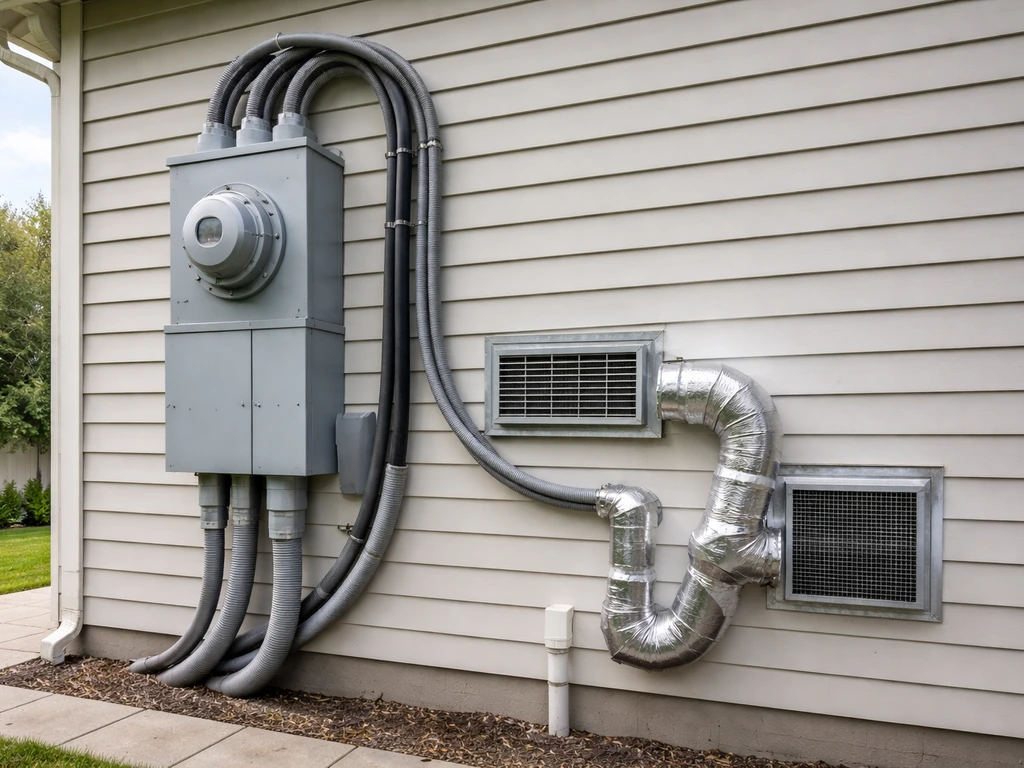
High electricity consumption is one of the most reliable indicators of an indoor grow operation. Grow lights, HVAC, fans, and dehumidifiers all draw significant power. You may not have access to a neighbor's utility bill, but there are observable clues: electrical panels being bypassed or modified (look for new external wiring or meter tampering if visible from a public sidewalk), generators running regularly, or power company service vehicles at the property for unexplained reasons.
It's worth knowing that legitimate licensed cultivators in California are actually required to report total electricity use to the Department of Cannabis Control upon license renewal, and must document generator use with non-resettable hour meters. Illegal operations, by contrast, have no such accountability, which is part of why illicit grows often attempt to bypass metering or run generators off-grid.
Delivery patterns are another useful signal. Regular deliveries of large quantities of growing supplies (soil bags, hydroponic equipment, large containers, lighting equipment) to a residential address, especially if the deliveries happen frequently and in bulk, stand out. Note the timing and frequency rather than trying to identify what's actually in the packages.
Traffic patterns that are inconsistent with normal residential use are also worth noting. A house where vehicles come and go at unusual hours, park briefly, and leave, or where a stream of unfamiliar vehicles appears regularly, may signal activity beyond personal use, though this can overlap with other activities too.
How to document your concerns (and what to avoid)
If you've noticed multiple indicators and want to report what you've seen, documentation is what turns an impression into a useful tip. Here's what to record:
- The address of the property in question
- Specific dates and times for each observation (not just 'recently')
- Exactly what you observed: smells, sounds, visible equipment, lighting, vehicle activity
- Any photos you can take legally from public property, without trespassing
- Notes on frequency: is this a one-time thing or a repeated pattern?
What not to do is just as important. Do not go onto the property. Do not confront anyone at the location. Do not try to look through windows or enter. Do not share your suspicions publicly on social media before reporting officially, as this can compromise investigations and potentially put you at risk. And do not assume that one red flag, especially just an odor, is enough to be certain about anything.
You should also be aware of what happens after you report. Understanding how police investigate grow houses gives you a realistic picture of what the process looks like from the enforcement side, which can help you set reasonable expectations about timing and outcomes.
Who to contact and how to report responsibly
For most people, the right first call is to local law enforcement via a non-emergency line, not 911. If you believe there's an immediate threat to safety, that's different. But for a suspected grow operation with no active emergency, the non-emergency line is appropriate.
In California, you have additional state-level options. The California Department of Cannabis Control (DCC) accepts complaints about suspected unlicensed or illegal cannabis activity and works with cities, counties, law enforcement, and other state agencies. Their complaint intake form asks for the business name, phone number, address, license number if known, dates of witnessed activities, and any supporting documentation such as photos, receipts, emails, or other communications. You can file a complaint anonymously, though contact information is still requested and handled according to their guidelines.
If you're in Sacramento specifically, the city has a dedicated channel to report illegal cannabis activity in California that routes tips directly to local enforcement and regulatory contacts. Other cities and counties have similar options, and it's worth checking your local jurisdiction's website for the most direct reporting path.
One practical note: when you file a formal complaint with the DCC or a local agency, your documentation (specific dates, photos, the address) makes the tip meaningfully more actionable than a vague report. Take the time to write it up before you call or submit the form.
Distinguishing illegal grows from licensed cultivation
This is the part of the conversation that often gets skipped, and it shouldn't. Not every cannabis grow is illegal. Legal home cultivation exists in many states, and commercial licensed cultivation operates in residential-adjacent areas in many jurisdictions. Some observable signs of a legal grow (odor, fans, modified lighting) can look similar to signs of an illegal one from the outside.
The most direct way to check legitimacy is to look up licensing status. California's DCC maintains a public license search tool that is updated daily and shows whether a commercial cannabis license is active. The state also launched a unified license search platform to make it easier to access this information without contacting each licensing authority separately. If the address or business name you're concerned about shows an active license, that changes the picture significantly.
It's also worth knowing that licensed cultivators operate under substantial compliance requirements. They report electricity use, document generator operation, follow pesticide regulations, and interact with county enforcement and outreach programs. Illegal operations have none of this accountability. If someone at a suspected property claims to be licensed, that claim can actually be verified through public tools, which is more than you can say for most compliance claims.
Keep in mind that even having some paperwork isn't always the full picture. California's fish and wildlife enforcement guidance notes that documentation alone isn't always sufficient to establish compliance, and that the correct regulatory pathway matters. If you're a property owner concerned about whether activity on your land or in a rental unit is legally compliant, getting clarity on licensing is the starting point, not just asking whether someone has a piece of paper.
For anyone living near a suspected site, the question of personal safety is understandably top of mind. Whether it's safe to live next to a grow house depends heavily on whether it's legal and licensed versus an unregulated illegal operation, which is one more reason that the distinction really matters in practice.
A quick comparison: legal vs. illegal cultivation indicators

| Indicator | Licensed Commercial Grow | Suspected Illegal Grow |
|---|---|---|
| Licensing status | Verifiable via DCC license search (active status) | No listing in public databases |
| Electricity reporting | Required to report usage to DCC at renewal | No reporting, possible meter tampering |
| Ventilation/odor | Present but typically managed per compliance requirements | Often unmanaged, stronger, and uncontrolled |
| Generator use | Documented with non-resettable hour meters | No documentation requirements |
| Regulatory contact | Subject to county enforcement and outreach programs | No regulatory relationship |
| Property modifications | Permitted through local jurisdiction | Often unpermitted and improvised |
| Response to inquiry | Can provide verifiable license number | Cannot or will not provide verifiable documentation |
None of this is legal advice, and no checklist substitutes for actual investigation by authorities. But the pattern of indicators above gives you a reasonable framework for distinguishing a situation worth reporting from one that might be legitimate cultivation. When in doubt, check the public licensing databases first, then report to the appropriate agency with your documented observations. That's the responsible path forward.
FAQ
How many red flags do I need before I should report something?
Focus on a consistent pattern over time. One short odor event, a single condensation episode, or a one-day ventilation change is usually not enough, whereas the same type of indicators recurring on a schedule (for example, late-night light leaks plus ongoing humidity signs) is more actionable.
If the smell or signs aren’t constant, does that mean it’s probably not a grow operation?
Yes, lighting and smell can vary because grow lights often run on schedules that shift by grow stage, and odor can dissipate when ventilation cycles off. Instead of relying on a single observation, note the day and time, whether you were near vents or only adjacent areas, and whether other signals (windows covering, condensation) appear too.
Can a legal operation look suspicious from the outside, and how do I tell the difference?
Check whether the “residential” looks like a staged setup. If you see frequent bulk deliveries to one address plus unusual window coverings, exterior exhaust modifications, or generator use, that combination matters more than any single item.
What’s the safest way to document evidence without crossing legal or safety lines?
Avoid anything that could be treated as surveillance or trespass. Instead of checking inside through windows or filming over fences, document what is visible from public areas and from your own property, and write down dates, times, weather conditions, and the specific observable facts (for example, “fogging on upper interior window at 2:00 AM”).
What should I do if I’m worried the people involved might find out who reported them?
If you’re worried about your personal risk, do not do the reporting yourself if you fear retaliation. Use anonymous channels where available, and avoid sharing your notes with neighbors or posting anything publicly until authorities tell you it’s appropriate.
When is it appropriate to call 911 instead of a non-emergency number?
Call the non-emergency line if it’s suspicious but not actively dangerous, but use emergency services if you observe immediate hazards like smoke or fire, gas/chemical leaks, someone unconscious, threats of violence, or evidence of electrocution risk from exposed wiring.
How can I avoid misinterpreting normal home activities (like a home remodel, AC issues, or a generator for storms) as a grow operation?
Compare with ordinary household explanations. HVAC running constantly can be normal during extreme heat or humidity, so look for corroboration like modified vents on the exterior, repeated late-hour light leakage, or consistent high humidity effects that don’t match the season.
What delivery or traffic patterns are most convincing, and what details matter least?
Yes, drive-by perception is a common failure point. If a vehicle pattern looks like brief stops at unusual hours, note the frequency, length of stops, and whether items appear to be large and grow-supply-like (without trying to identify contents). That helps distinguish sales, deliveries, and unrelated contractor work.
What are the safest and most reliable ways to document power or generator indicators?
Electricity clues are useful only when they reflect more than a one-off event. Note obvious meter tampering indicators only if they’re visible from public areas, and treat generators the same way (running repeatedly at consistent times plus other signs).
How accurate are public license searches, and what should I do if I find conflicting or incomplete matches?
Licensing checks can reduce false accusations, but not everything is resolved by a single name or address match. If the property has multiple units, a business name differs from the tenant name, or the address spelling varies, verify the exact street address and unit number used in the database before concluding it’s compliant.
Should I report to both state and local agencies, and how do I prevent my info from becoming confusing?
If you report to local law enforcement and also to a state intake channel, include one clear timeline and avoid re-sending the same images multiple times without context. Use consistent wording for the address, dates, and what you observed so investigators can link your tip to other reports.
What if I report and later learn the activity is legal, what should I do next?
If authorities determine it’s legal cultivation, you should stop assuming wrongdoing. You can still keep personal records for your own safety, but avoid further questioning of neighbors or attempts to “confirm” by watching or approaching the property.
Next Article
How Do Police Investigate Grow Houses and Grow Rooms
Learn how police typically identify grow houses and rooms, using tips, observations, reports, and legal searches.