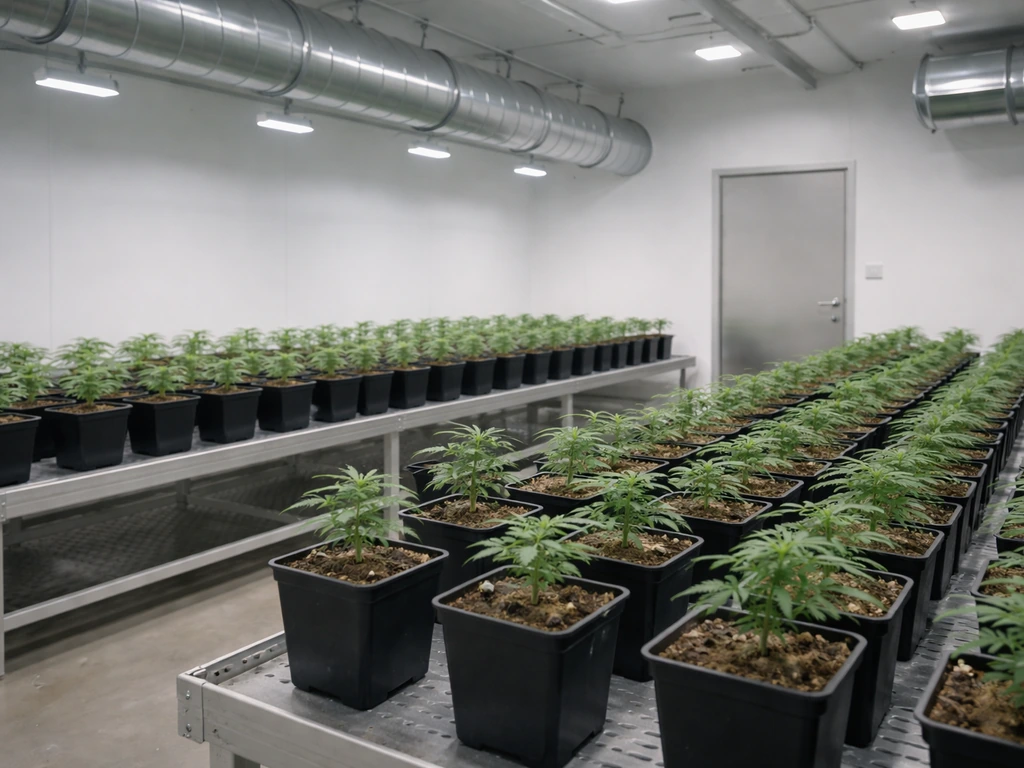
If you suspect your neighbor is running an illegal cannabis grow, there are real, observable signs you can look for without ever stepping foot on their property. This guide walks you through what to notice, how to document it safely, and exactly who to call. The goal here is not to play detective. It's to recognize whether there's a genuine safety or legal concern and then hand it off to the right people.
How to Tell If Your Neighbor Has a Grow House Safely

Marcus Whitley
8 Apr 2026
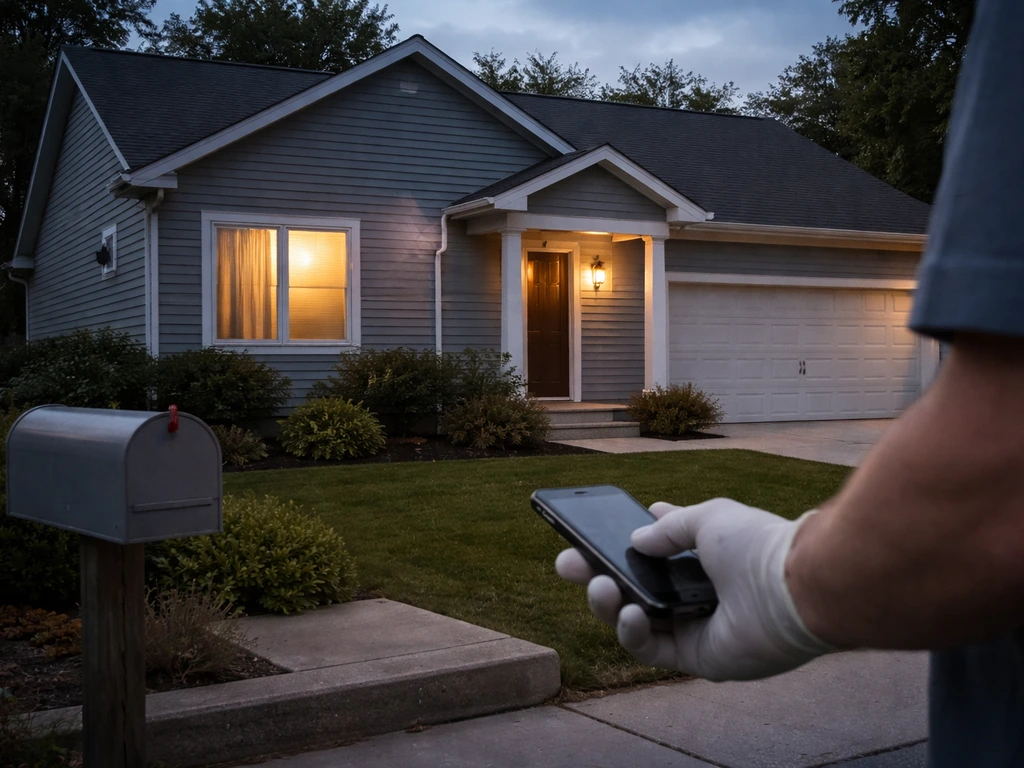
Why this matters: safety and legal context
An illegal cannabis grow isn't just a zoning issue. Unpermitted indoor cultivation operations are widely recognized as fire hazards because of the substandard electrical work commonly used to power high-intensity grow lights and climate-control equipment. Sacramento's city code explicitly describes illegal cannabis cultivation as creating a significant fire hazard due to unpermitted and substandard electrical work. The Los Angeles Fire Department goes further, calling illegal cannabis cultivation operations a "clear and present danger" to occupants and responding firefighters alike.
Beyond fire risk, unregulated grows can introduce mold to shared walls (elevated humidity from indoor cultivation creates serious mold spore issues), chemical hazards from pesticides that aren't legal for use in the US, and structural modifications that affect neighboring units. If you're wondering is it safe to live next to a grow house, the honest answer is that it depends on the scale and setup, but the hazards are real and worth taking seriously.
The framing here is important: your job is not to prove anything or confront anyone. Your job is to notice, document, and report through proper channels. Legal cultivation in most US states requires state and local licensing. If someone is growing without a license in a jurisdiction where that's required, that's a matter for regulators and law enforcement, not neighbors.
Red flags visible from outside the property
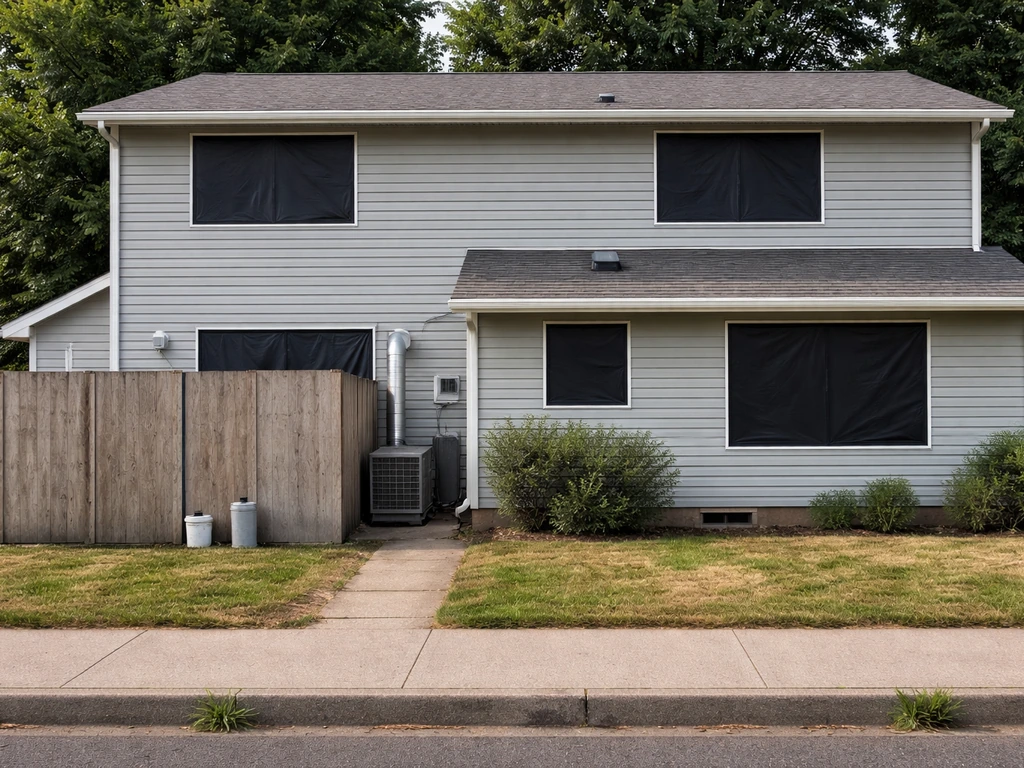
Most of the useful indicators are things you can observe from a public sidewalk, your own yard, or a shared hallway. No single sign is definitive, but a cluster of them is worth noting. As one real estate and inspection publication puts it, no single indicator proves a grow, but a combination of them becomes genuinely concerning.
- Windows are permanently blacked out, frosted, or covered with opaque material on all sides of the home.
- Visible wiring running along the exterior of the house that wasn't there before.
- Large-diameter flexible ducting attached to exterior walls, vents, or rooflines, sometimes with inline fans attached.
- Condensation, moisture staining, or mold visible on exterior walls or window frames.
- PVC piping, nutrient containers, or grow-related refuse left near trash bins.
- Unusual structural modifications like new venting cutouts or sealed-up windows.
Blacked-out windows are one of the more consistent indicators because light management is a core part of indoor cultivation. Large flexible ducting on the exterior is also a strong signal, since how to spot a grow operation often comes down to noticing the ventilation infrastructure that removes heat and moisture from a space that's generating a lot of both.
Ventilation, odors, noise, and power use
These are the sensory indicators that often tip neighbors off before they ever see anything visual. Grow operations require a lot of electricity to run high-intensity lighting and climate control. That electrical demand is one of the reasons illegal operations sometimes bypass electrical meters entirely to avoid detection or high bills. The practical result can be unusual electrical equipment, exposed wiring, or fuses blowing in shared buildings.
- A persistent, skunky cannabis odor coming from the property, especially through vents, walls, or at certain times of day.
- Constant low-frequency humming or fan noise, audible from outside or through shared walls, running at unusual hours.
- Unusually large or modified electrical service connections visible on the exterior.
- Frequent power fluctuations or breaker trips in shared electrical systems (more relevant in apartments or attached homes).
- Excess heat radiating from walls, attic spaces, or adjacent units.
The odor is often the first thing neighbors notice. Indoor grows produce a strong, distinctive smell that ventilation systems push outside. If you're smelling cannabis regularly and it seems to be coming from one location rather than general foot traffic, that's a pattern worth noting. Pair that with constant fan noise at odd hours and it starts to build a picture. Fire and emergency response guidelines from state and federal agencies specifically list unusual odors and unusually large electrical service modifications as warning signs of potential grow house activity.
Behavior patterns that stand out
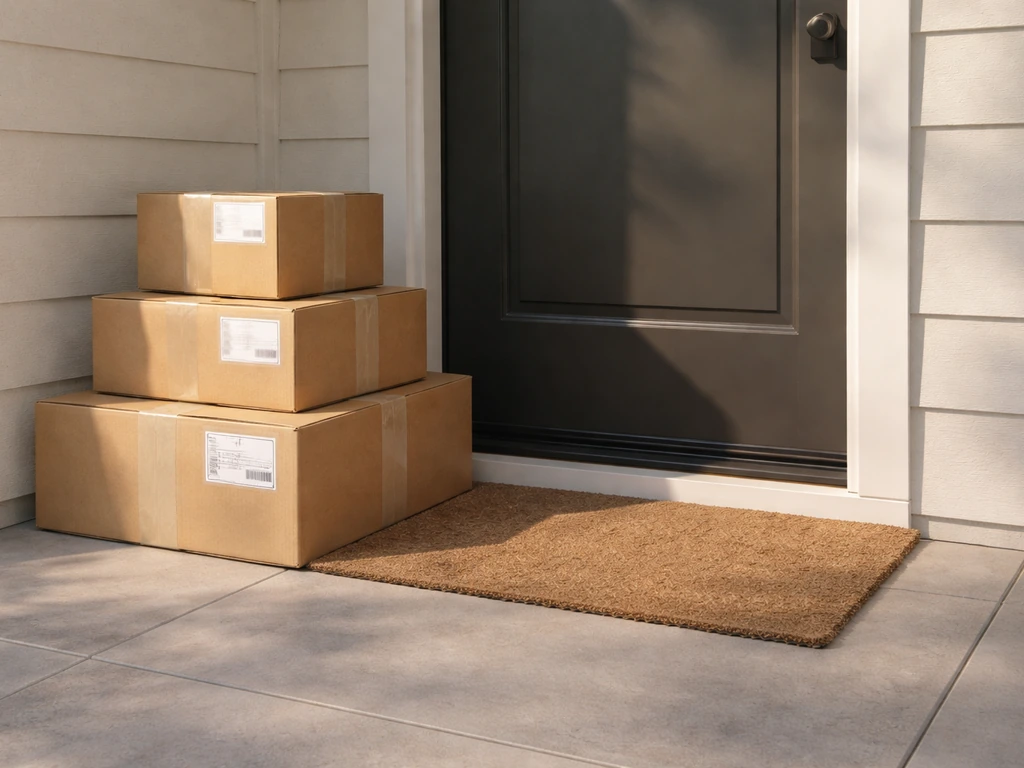
Cultivation operations have fairly predictable logistical patterns. Supplies need to come in regularly, and the people managing the grow often keep unusual schedules. These behavioral cues aren't proof of anything, but they're part of the overall picture.
- Frequent deliveries of large, heavy boxes, especially from agricultural, horticultural, or industrial supply companies.
- Very few lights on inside at normal hours, combined with activity at night.
- Minimal visible occupancy: no furniture, no normal household items visible through any gap, but regular foot traffic.
- People coming and going in short intervals rather than living there normally.
- Soil, growing medium, or large bags of fertilizer being moved in or out.
- Neighbors or occupants who are rarely seen but whose property shows continuous signs of activity.
The delivery pattern is particularly telling. Commercial-scale grows consume large amounts of fertilizers, growing media, and lighting equipment on a regular cycle. If you're seeing a parade of deliveries that don't look like normal household goods, that's worth documenting.
What not to do
This section matters as much as everything else. Illegal grows can involve people who are not interested in having neighbors pay attention to them. Beyond personal safety, there are legal and ethical boundaries you shouldn't cross.
- Do not enter the property or look through windows at close range. Even approaching the property uninvited can create confrontational situations.
- Do not attempt to look inside through doors, windows, or mail slots.
- Do not question or confront the occupants about what you suspect.
- Do not tamper with their mail, packages, or property.
- Do not try to access their electrical panel, water meter, or utility connections.
- Do not install cameras or recording devices pointed at their property in a way that violates local privacy laws.
- Do not share your suspicions widely with other neighbors before reporting. Word travels.
Federal guidance from the US Forest Service puts it plainly for anyone who stumbles near a suspected illegal grow site: blank" rel="noopener noreferrer">be quiet, leave the area, and call 911 when you're at a safe distance. That instinct applies to residential situations too. If you notice activity that suggests something is wrong, you don't need to get closer to confirm it. How do police investigate grow houses is genuinely their job, not yours, and they have tools and authority you don't.
How to document what you're observing

Good documentation makes any report you file much more useful. Investigators can act more thoroughly when a complaint includes specific details: who, what, when, where, and how. Here's how to build that record responsibly.
- Keep a running log with dates and times. Note when you smell something, hear something, or see a delivery. Be specific about what you observed, not what you concluded.
- Take photos of visible exterior indicators from public property or your own property only. Photograph the ducting, exterior wiring, or covered windows if they're visible from where you legally stand.
- Note the addresses, approximate times, and frequency of deliveries or foot traffic patterns.
- If you share a wall or utilities, document any unusual events like power fluctuations or unexplained moisture.
- Save everything with timestamps. Most phone cameras embed timestamp data automatically.
Keep the log factual and descriptive. Write "strong cannabis odor from the direction of unit 4B, approximately 11pm, noticed three times this week" rather than "neighbor is definitely running a grow." Sticking to observable facts makes your report credible and actionable.
Who to contact and when
The right contact depends on the nature of your concern. Here's how to think through it.
If there's an immediate safety risk
If you smell burning, see exposed wiring that's a hazard, suspect a gas or chemical leak, or have any reason to believe there's an active emergency, call 911 immediately. The fire department is specifically equipped to handle the hazards inside illegal grows, including mold, chemical fertilizers, compromised electrical systems, and the structural modifications that come with them. The LAFD has a dedicated Illegal Cannabis Enforcement Unit that coordinates with police, building safety inspectors, and utility providers precisely because these situations require multi-agency response. LAFD also maintains a Cannabis Unit and provides illegal-cannabis information, including checklists and compliance guidance The LAFD has a dedicated Illegal Cannabis Enforcement Unit.
If it's a concern but not an emergency
For non-emergency situations, you have several options. Start with whoever manages the property. If your neighbor is a renter, a landlord or property manager has both the legal standing and the motivation to address the situation. From there, your local non-emergency police line or an anonymous tip portal is usually the most direct route. In Sacramento, for example, residents are directed to an anonymous crime tip portal for reporting illegal cannabis cultivation activity. In Los Angeles, there's a dedicated complaint portal for unlicensed cannabis businesses operating in residential areas.
Your local code enforcement office handles zoning and structural violations, which is relevant if there are unpermitted modifications to the property. The fire department's non-emergency line can also receive reports about suspected electrical or fire hazard conditions.
Cannabis regulators
If you're in California, the Department of Cannabis Control accepts complaints about both licensed and unlicensed cannabis activity, and you can file anonymously. In a CaliforniaCannabis subreddit discussion, a user described steps connected to the Department of Cannabis Control complaint process, illustrating how people interpret and follow up on enforcement complaints the Department of Cannabis Control accepts complaints about both licensed and unlicensed cannabis activity.
The DCC states it will not publicly disclose complainant contact information to the extent authorized by law. If your complaint falls outside their jurisdiction, they may refer it to the appropriate local, state, or federal agency on your behalf. For California residents specifically, how to report a grow house in California breaks down the state-specific process in more detail.
The DEA also runs a national Domestic Cannabis Eradication and Suppression Program targeting drug trafficking organizations involved in illegal cultivation, and tips can be submitted through their federal reporting channels if you believe the operation is large-scale or connected to organized activity.
| Concern Type | Who to Contact | Notes |
|---|---|---|
| Immediate danger: fire, electrical emergency, chemical smell | 911 | Fire department has specialized cannabis enforcement capability |
| Suspected illegal grow, non-emergency | Local non-emergency police or anonymous tip line | Include dates, times, specific observations |
| Renter in a private property | Landlord or property manager | They have standing to inspect and act |
| Structural or zoning violations | Local code enforcement | Covers unpermitted modifications |
| California: unlicensed cannabis business | DCC complaint portal (anonymous available) | DCC may refer to other agencies if needed |
| Large-scale or organized operation | DEA tip line | Federal program targeting trafficking organizations |
If you want to grow legally yourself
One thing that sometimes comes up when people research grow houses is that they're actually curious about cannabis cultivation themselves and want to know where the legal line is. That's a completely separate conversation from reporting a neighbor, but it's worth addressing briefly since the licensing question is central to what makes a grow legal or illegal.
In most US states that have legalized cannabis, both home cultivation and commercial cultivation require specific authorization. Home cultivation rules vary dramatically: some states allow a handful of plants for personal use, while others have strict limits on wattage, plant counts, and grow area. A City of American Canyon ordinance, as one example, caps indoor grow light wattage at 1,200 watts per light as part of its local cultivation rules. What's allowed in one jurisdiction can be entirely prohibited a few miles away. Understanding what grow area you're in is the first step to knowing what rules apply to you.
Commercial cultivation requires state licensing in addition to local permits, and operating without those licenses is what turns an otherwise legal activity into the kind of situation described in this article. It's also worth knowing that water board permits and other environmental authorizations do not substitute for a cannabis cultivation license. California's State Water Resources Control Board explicitly notes that water-related authorizations do not authorize cultivation, and cultivation remains prohibited in restricted areas regardless of any other permits obtained.
If you're curious about what it would take to cultivate legally, the regulations exist to be understood. The licensing process, plant limits, and local permit requirements are all documented. Starting with your state's cannabis regulatory agency and then checking your city or county's local ordinances is the right approach. Growing legally isn't necessarily simple, but it's a defined path, and understanding it also helps clarify exactly why unlicensed grows present the risks they do.
FAQ
If I see blacked-out windows, does that automatically mean my neighbor has a grow house?
No. A single sign like window darkening or ducting can have other explanations (privacy film, security lighting, HVAC work). A safer approach is to focus on clusters that include multiple categories (odor plus electrical changes, or ventilation plus frequent deliveries) and keep your notes strictly to what you can observe and when you observed it.
How can I document what I’m seeing without getting too close or crossing a line?
Start with non-contact observation. Avoid looking for “confirmation” inside windows, recording people without consent, or approaching outdoor equipment closely. If you need evidence, document from a public area and write down times, dates, and locations of observable effects like odors, unusual noise, or visible wiring, without trespassing.
What if I only smell cannabis sometimes, not all the time?
Odor alone can be misleading, especially in places where legal cannabis is common. What makes it actionable is a pattern, such as a repeating schedule, intensity that stays tied to one unit or doorway, and accompanying indicators like persistent fan noise or visible ventilation components.
When should I call 911 instead of reporting through a non-emergency channel?
If you notice signs of an active hazard, treat it as an emergency. Examples include sparking or exposed wiring, strong chemical smells that suggest leaks, burning odors, smoke, or any situation where you think someone could be in immediate danger. In those cases, call 911 rather than filing a non-emergency report.
Which agency should I contact, fire department, code enforcement, or police?
Be careful not to target the wrong issue. If your main concern is fire or electrical risk (fuses blowing, exposed wiring, heat from outside equipment), the fire department is appropriate. If your concern is structural changes or zoning violations, code enforcement is a better fit. For an ongoing suspected criminal operation, local non-emergency police or your state reporting portal is typically the correct next step.
I live in a shared building, what should I do if I suspect a grow affecting my unit?
If you rent or share walls, your best practical step is to reduce your own exposure rather than investigate more. Consider verifying whether your HVAC or bathroom fans are pulling air from shared spaces, and if you have a landlord or property manager, notify them immediately about odor, moisture, or any electrical issues you observe.
What if the smell seems to come from the hallway or an exterior vent instead of directly from their door?
Yes, especially if the odor seems to originate indoors but the ventilation runs through shared exterior areas. However, don’t assume the unit is responsible just because it smells near the hallway. Record where you notice the strongest odor relative to doors or vents, and whether it lines up with specific times like evenings or late nights.
Is it safe to post about it online or text neighbors with my suspicions?
A key risk is accidentally sharing identifying information you should not include. Avoid posting details publicly (like unit numbers, schedules, or photos) and avoid calling attention to your suspicion. When reporting anonymously is available, use it, and stick to factual observations in your log.
Can a grow house affect air quality or cause mold, even if I don’t see mold yet?
Heat and moisture management can create mold risk even if you cannot see mold yet. If you see condensation, peeling paint, musty odors, or recurring dampness, treat that as a health and habitability issue and involve your landlord or property manager while also reporting any suspected fire/electrical hazards.
Should I talk to my neighbor directly to get answers?
Usually, you should not try to confront anyone. Confrontation can escalate conflict and may put you at physical risk. The safer decision aid is, if it’s not an immediate emergency, document calmly and report through the appropriate channels.
How do I avoid mistaking legal home growing for an illegal grow house?
Yes. In jurisdictions with specific home-garden allowances, a neighbor could be doing legal small-scale cultivation that still triggers some similar but less intense signs. The difference is scale and setup patterns, such as consistent delivery cycles and heavy ventilation or electrical modifications that go beyond typical residential allowances.
Does reporting differ depending on my state or city, and where should I start?
If you’re considering what rules apply to reporting, jurisdiction matters. Reporting options and acceptable evidence vary by state and city, so use your local or state cannabis regulator complaint process when available, and cross-check which agency handles cultivation versus environmental or zoning violations.
Next Article
How to Get a Micro Grow License in Canada: Step-by-Step
Step-by-step on getting a Canadian micro-cultivation cannabis licence, eligibility, costs, timelines, and compliance bas