To get a micro-cultivation licence in Canada, you apply through Health Canada using the Cannabis Tracking and Licensing System (CTLS). This is a federally regulated commercial licence, not a home-grow permit. It authorizes you to grow cannabis plants, seeds, pollen, and fresh or dried cannabis on a delineated plant canopy of up to 800 m². The process involves meeting eligibility requirements, building out a compliant facility, preparing a detailed application package, submitting through CTLS, and then working through Health Canada's review and inspection stages before you can legally start production. If you're looking at micro grow licensing options in Missouri, the requirements and legal limits will be different from Canada's Health Canada framework micro grow license missouri.
How to Get a Micro Grow License in Canada: Step-by-Step

What "micro grow licence" actually means in Canada
The phrase "micro grow licence" gets used loosely online, but Health Canada's official term is a micro-cultivation licence. It's one of several cannabis licence classes under the Cannabis Act and the Cannabis Regulations (SOR/2018-144). This is a commercial cultivation licence, which means it's completely separate from the personal home-grow rights that allow adults to grow up to four plants for personal use under the Cannabis Act.
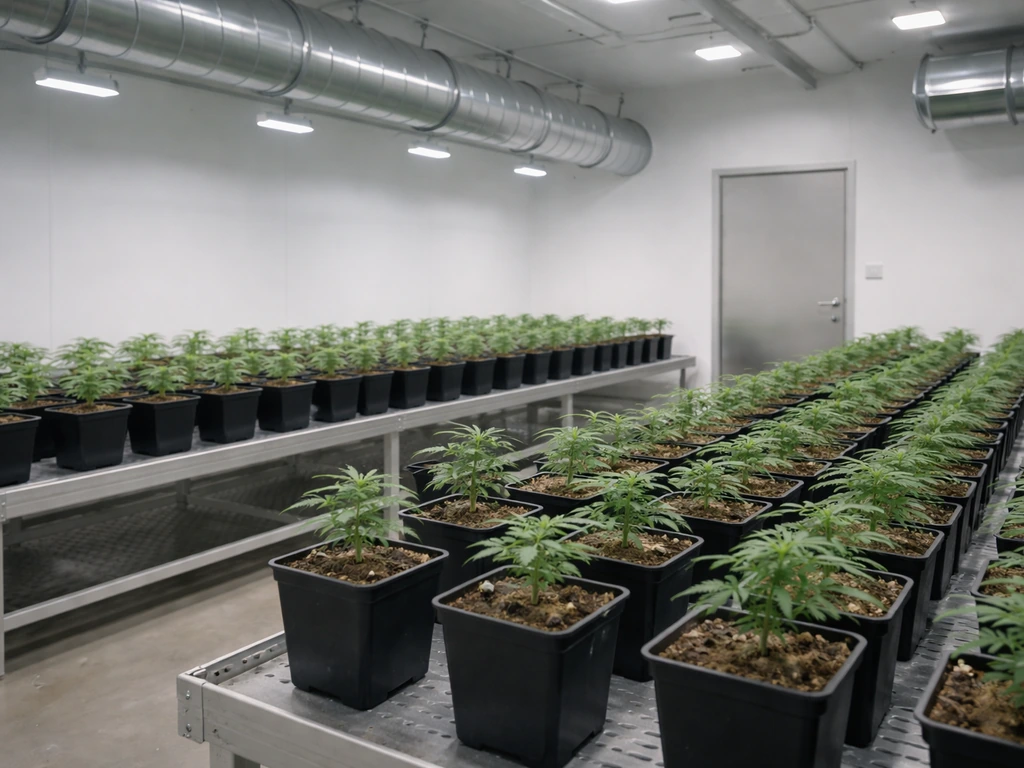
A micro-cultivation licence authorizes you to cultivate, propagate, and harvest cannabis plants indoors or outdoors, and to produce cannabis plants, seeds, pollen, and fresh or dried cannabis. The key defining feature is the canopy limit: your designated grow surface area (also called the delineated surface area) cannot exceed 800 m². Everything you grow must stay within that registered footprint.
If you've seen references to a "micro grow licence" in the context of microgreens farming, that's a different topic entirely. If you're asking whether you need a license to grow microgreens, it's important to know that the licensing rules for cannabis micro-cultivation do not automatically apply to food crops microgreens farming. This guide covers regulated cannabis production under Health Canada's licensing framework. Because “micro grow licence” can also be used informally to describe Health Canada’s micro-cultivation licensing class, always confirm you mean the regulated cannabis licence type before planning your facility or timelines. If you are looking for Maryland-specific guidance, review the maryland micro grow license requirements for your intended cannabis activity before you plan your operations.
There are related licence types that pair well with micro-cultivation. A nursery licence lets you produce cannabis plants and seeds for sale to other licensed producers. A micro-processing licence lets you process cannabis into products like extracts or edibles at the small scale. Many micro-scale operators hold a combination of these, and Health Canada has consolidated guidance specifically for the micro-cultivation, nursery, and micro-processing categories.
Eligibility checklist before you apply

Before you touch the application form, go through this checklist honestly. Gaps here are one of the top reasons applications get delayed or rejected.
- You are at least 18 years old (Health Canada enforces this for all licence holders and key personnel).
- You are applying as an individual, corporation, cooperative, or partnership. If applying as an individual, Health Canada uses your legal name on all official documents. You cannot substitute a business name unless you're structured as a corporation, cooperative, or partnership.
- You have (or can secure) a compliant site in Canada where the cultivation will take place. You must be able to delineate and document the grow surface area.
- You and all individuals in key roles (officers, directors, master grower, head of security) are prepared to undergo a security clearance through Health Canada. Individuals with certain criminal histories will not be approved.
- You have a realistic plan for physical security, recordkeeping, and operating procedures before you apply. You'll need to document these in an Organizational Security Plan (OSP).
- You are not already operating without a licence. You must be licensed before you can legally possess cannabis for commercial purposes.
- If you are an Indigenous community applicant, you may be eligible to request a two-stage review that allows you to start some steps before your site is fully built out.
One practical note on structure: if you plan to operate as a company (which most people do), make sure your corporate entity is properly registered before you start the CTLS application. Health Canada will want details about your corporate structure, officers, and directors as part of the eligibility and security review.
How the application process works, start to finish
Health Canada processes micro-cultivation applications through the CTLS (Cannabis Tracking and Licensing System), which is a secure online portal. Every application, amendment, renewal, and monthly report submission runs through CTLS. You need to create an individual CTLS account first, even if your licence will be held by a corporation. The account is tied to you personally.
- Create your individual CTLS account at the Health Canada portal.
- Start a new licence application within CTLS and select "micro-cultivation" as your licence class.
- Complete all required sections: applicant information, site/facility details, corporate structure (if applicable), and key personnel roles.
- Upload your Organizational Security Plan (OSP), physical security attestation, recordkeeping attestation, and any other required supporting documents.
- Submit your application through CTLS. You will receive an invoice by email for the application fee after submission.
- Health Canada screens your application for completeness and legibility. If anything is missing or unclear, they will issue an information request through CTLS. You must respond to these.
- If your application passes screening, it moves to the review stage. Health Canada assesses the substance of your application, your facility evidence package, and your OSP.
- A pre-licensing inspection may occur. Health Canada inspectors will visit your site and can request additional documents during the inspection. You receive an inspection report via CTLS.
- If everything is satisfactory, Health Canada issues your micro-cultivation licence with site-specific conditions.
- Before you receive the licence, you may also need to confirm your CRA account details, as both Health Canada and CRA are involved in the post-approval steps.
Submitting in CTLS is not the finish line. Plenty of applicants think hitting "submit" means the hard work is done. It isn't. The review and inspection stages can require just as much preparation and back-and-forth as the initial application.
What your facility needs to meet (site, control, and security requirements)
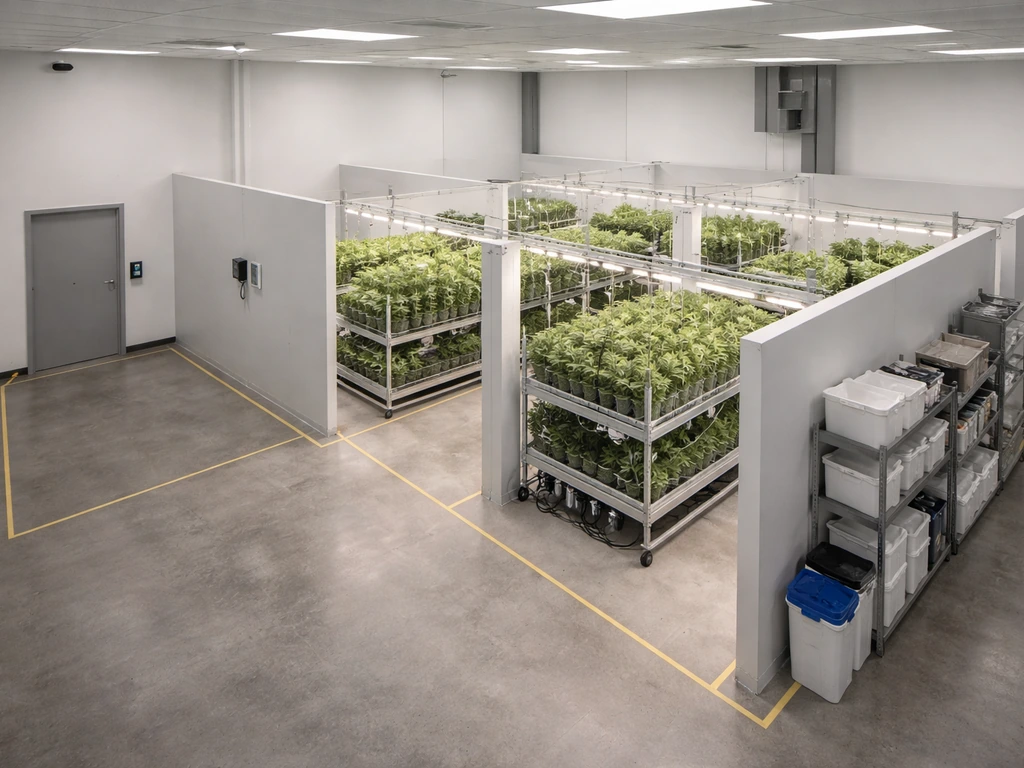
Health Canada has a dedicated physical security guidance document specifically for micro-cultivation, nursery, and micro-processing licences. Your facility has to meet defined standards before a licence will be issued, and an inspector will verify this in person.
Here's what the facility requirements cover at a practical level:
- Delineated grow surface area: You must define and document the specific area (up to 800 m²) where cultivation will occur. The Cannabis Regulations require that all cultivation, propagation, and harvesting happen only within this registered footprint. No growing outside of it.
- Physical access controls: Restricted access to the grow area is required. This typically means locked doors, access logs, and controls that limit who can enter the cultivation area.
- Intrusion detection: Alarm systems that detect unauthorized entry are generally required. The specifics depend on your site, but you need to show that unauthorized access would be detected.
- Video surveillance: Cameras covering entry and exit points and the grow area are expected. Footage retention requirements apply.
- Perimeter security: Outdoor grows need fencing or other physical barriers appropriate to the site.
- Ventilation and odour control: While primarily an operational matter, your facility must prevent cannabis odour from escaping in ways that could cause community issues or compliance problems.
- Separate storage areas: Finished cannabis and cannabis in process need secure, dedicated storage areas distinct from non-cannabis inventory.
If you hold multiple licence classes on the same site (for example, micro-cultivation and micro-processing), the physical security requirements for each class can overlap, but you need to document how your facility meets each set of requirements. Health Canada's guidance addresses this scenario directly.
Preparing your documents and compliance plan
The document package is where most first-time applicants underestimate the work involved. Health Canada is looking for evidence that you understand what compliant cannabis production looks like, not just that you have good intentions.
Organizational Security Plan (OSP)
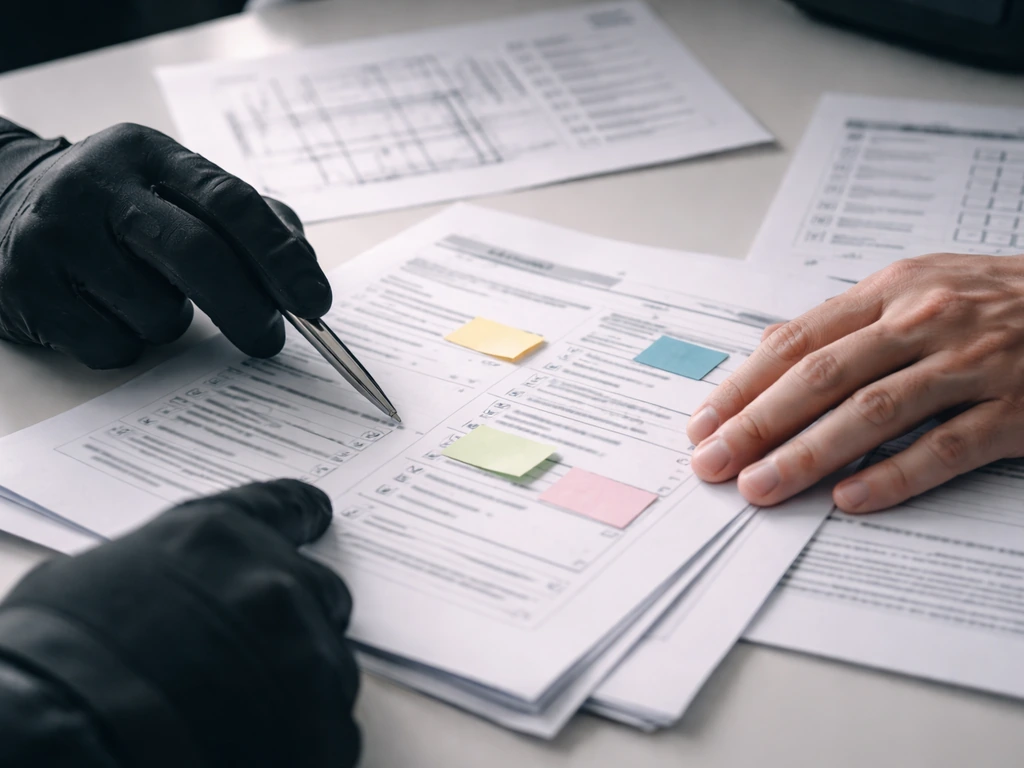
The OSP is one of the most important documents in your application. It must outline your security measures beyond just the physical setup. That includes identifying which personnel require a security clearance (everyone in a key position does), your standard operating procedures (SOPs) for security-sensitive activities, and how your organization manages access and accountability. You upload the OSP directly in CTLS when applying. Health Canada can request an updated OSP at any time, even after you're licensed.
If you're applying as an individual or a small sole-proprietor-style operation, Health Canada acknowledges that your organizational chart will look different from a larger company. You include only what applies to your actual structure.
Physical security attestation
This is a formal attestation (essentially a declaration) that your facility meets Health Canada's physical security requirements for micro-cultivation. You'll want to review Health Canada's physical security guidance document for the micro class before completing this, and make sure every requirement is actually implemented at your site before you sign off.
Recordkeeping attestation
You also need to attest that you have recordkeeping systems in place. This means you have a plan (and ideally already have processes) for tracking cannabis inventory from seed to sale, documenting destruction of cannabis, and maintaining the records Health Canada requires. Plan your seed-to-sale tracking software or system before you apply, not after.
Site evidence package and facility documentation
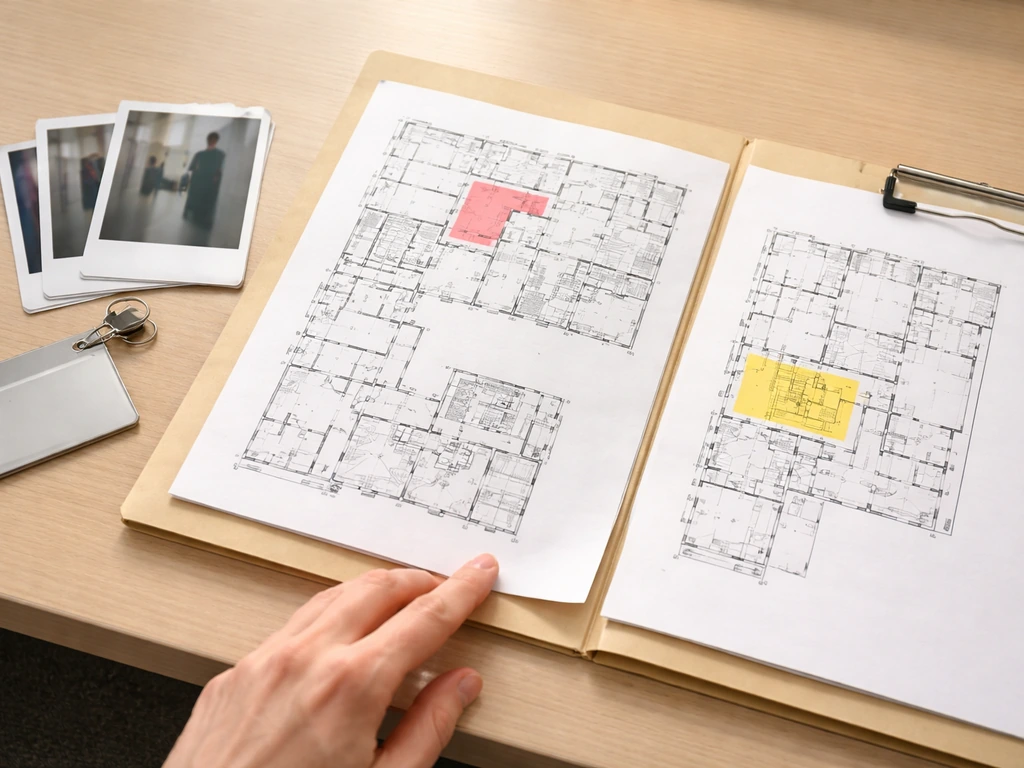
You'll need accurate site plans that clearly show the delineated grow surface area, the location of security equipment, restricted access points, storage areas, and the layout of your facility overall. Follow Health Canada's document naming conventions for everything you upload into CTLS. Messy or mislabeled file submissions cause delays.
Corporate and personnel documents
If applying through a corporation or partnership, include your corporate registration documents, a list of officers and directors, and your organizational chart. Each person in a key role will need to complete the security clearance process separately through Health Canada.
Costs, timelines, and what to realistically expect
There's no single number that covers the total cost of getting a micro-cultivation licence, because your facility buildout and ongoing compliance costs vary enormously depending on your setup. But here are the concrete numbers you can plan around:
| Cost Item | Amount / Notes |
|---|---|
| Application fee (transactional fee) | Approximately $1,638 per application (based on B.C. provincial guidance citing Health Canada fees). Health Canada invoices you by email after you submit. |
| Annual regulatory fee (minimum) | $2,500 per year under the Cannabis Fees Order (SOR/2018-198). Additional revenue-based calculations may apply as your business grows. |
| Facility buildout and security systems | Highly variable. Budget for access control hardware, cameras, alarm systems, secure storage, and any construction needed to meet physical security standards. |
| Compliance software (seed-to-sale tracking) | Monthly subscription costs vary by provider. Factor this into your ongoing operating budget. |
| Legal or consulting support | Optional but commonly used. Many applicants hire a cannabis licensing consultant or lawyer to review their OSP and application package, especially for the first submission. |
On timing: Health Canada doesn't publish a fixed review timeline for micro-cultivation applications, and actual processing times can vary significantly depending on application completeness, inspector availability, and how quickly you respond to information requests. Realistically, plan for several months from submission to licence issuance. Some anecdotal Reddit AMAs also claim it can take around 9 months to receive a micro-cultivation licence, though Health Canada does not publish a fixed timeline plan for several months from submission to licence issuance. Some applications take longer if there are multiple rounds of information requests or if your inspection reveals items that need to be corrected.
You can track your application status directly in CTLS while it's under review. Watch for information requests in CTLS and respond to them quickly. Delays in responding push your timeline back.
Common mistakes, delays, and how to improve your odds
Most rejections and delays come down to a few recurring problems. Knowing them in advance is the single best thing you can do to speed up your approval.
- Incomplete or illegible documents: Health Canada screens applications for completeness before they even move to substantive review. Missing pages, low-resolution site plans, or unsigned attestations can bounce your application back at the screening stage.
- Inconsistent information across documents: If your OSP describes access control procedures that don't match your site plan, reviewers will flag it. Make sure everything tells the same story.
- Mislabeled or misorganized file uploads: Health Canada explicitly warns that misidentifying uploaded files (for example, uploading the wrong document to a field) can result in delays or the file not being considered. Use consistent naming conventions.
- Security clearance delays: If key personnel haven't started their security clearance applications, this can hold up the whole process. Start security clearance applications for all required personnel as early as possible.
- Facility not yet ready at time of inspection: Your facility needs to meet physical security requirements before Health Canada inspects it. Applying before your buildout is complete means you'll likely fail the pre-licensing inspection.
- Not responding to information requests promptly: Health Canada may issue requests for additional information during review. Slow responses stretch your timeline. Monitor CTLS regularly.
- Applying under the wrong structure: If you want to operate as a company but apply as an individual, you'll run into complications later. Sort out your legal entity structure before you start the application.
One practical move that experienced applicants make is getting a professional review of their OSP and site documentation before submission. It's not required, but the cost of a single consulting review is almost always less than the cost of a delayed approval.
After you're approved: what ongoing compliance actually looks like
Getting the licence is the beginning, not the end. Health Canada places specific conditions on each micro-cultivation licence, and new licence holders need to read those conditions carefully before starting production.
Monthly reporting
Under the Cannabis Tracking System Order, you're required to submit monthly cannabis tracking reports through CTLS. These are due by the 15th of each month for the previous reporting period. The reports cover your cannabis inventory, including quantities of fresh and dried cannabis on hand as of the last day of the reporting period. Missing or late reports are a compliance issue that can put your licence at risk.
Seed-to-sale recordkeeping

You need to track cannabis from the moment it enters your licensed operation through to sale or destruction. If you destroy cannabis, the Cannabis Regulations require you to retain documentation of that destruction, including witness statements in certain situations. This isn't optional and it's one of the first things inspectors look at.
Ongoing inspections and security maintenance
Health Canada inspectors can visit your facility at any time, with or without advance notice. During inspections, they can request additional documents, observe your operations, and issue an inspection report through CTLS. You need to respond to any observations or deficiencies identified. Your physical security systems and OSP must stay current. If you change your setup or key personnel, you may need to amend your licence or update your OSP.
Marketing restrictions
Cannabis marketing in Canada is heavily restricted under the Cannabis Act. You cannot use lifestyle branding, advertise to youth, or make health claims. Even your packaging must comply with specific requirements. As a micro-cultivation licence holder, you're generally producing cannabis for sale to other licensed processors or retailers rather than selling directly to consumers, but you still need to understand the marketing and labelling rules that apply to your transaction types.
Annual regulatory fees
Your annual regulatory fee is assessed on April 1 each fiscal year based on your licence class at that time. The minimum for a micro-cultivation licence is $2,500, but the Cannabis Fees Order includes revenue-based fee mechanics that can increase your fee as your gross revenue grows. In B.C., the Province advises that the micro-cultivation, micro-processing, and nursery application screening fee is $1,638 per application and points to Health Canada’s Cannabis Fees Order and related fee guidance. Keep track of your revenue and budget accordingly.
The bottom line is that a micro-cultivation licence gives you real commercial growing authority in Canada, but it comes with real ongoing obligations. Massachusetts also has its own specific rules and licensing requirements, so make sure you understand the Massachusetts micro grow license regulations relevant to where you plan to operate micro-cultivation licence. Monthly reporting, inspection readiness, accurate recordkeeping, and security maintenance are not one-time tasks. They're built into the cost and workload of operating as a licensed producer. Going in with that expectation, rather than treating compliance as an afterthought, is what separates operations that run smoothly from ones that end up with conditions, warnings, or worse on their licence.
FAQ
Do I need to incorporate before I apply through CTLS, or can I apply as an individual first?
You can start your CTLS account as the person applying, but if the licence will be held by a corporation or partnership, your entity should already be registered and your CTLS submissions should match that structure. Health Canada will expect information about officers, directors, and key roles tied to the legal holder, so mismatches can trigger information requests or delays.
What security clearance timing should I plan for, and what usually slows it down?
Security clearance is required for people in key positions, and each person may need to complete their process separately. The common slowdown is waiting to nominate key roles until after the application is drafted, then having to revisit documentation and resubmit updates when clearance is still underway.
Can I exceed 800 m² if I only plant in phases or rotate areas?
No. The 800 m² limit refers to your registered delineated surface area, your approved footprint. If you plan to expand or rotate to a larger area, you generally need an amendment and updated site documentation before operating outside the registered canopy.
Do I need separate physical security documentation if I hold micro-cultivation and micro-processing on the same site?
You can reuse overlapping physical security elements on-site, but your application package still needs a clear explanation showing how each licence class is covered. Expect the reviewer to want class-specific mapping, for example which procedures apply to cultivation only versus processing areas.
How precise do my site plans and delineated surface area drawings need to be?
Be specific enough that an inspector can correlate your layout with your approved canopy boundary and restricted access points. Ambiguity in storage locations, access control boundaries, or equipment placement is a frequent reason for information requests, even when the facility is otherwise compliant.
What recordkeeping system should I set up before applying, and what do inspectors usually ask for?
Set up a seed-to-sale approach that can produce inventory snapshots and destruction records on demand. Inspectors commonly request evidence that quantities match your CTLS reporting, that transfers and destructions are documented, and that required witness or supporting documentation is available where applicable.
Do monthly cannabis tracking reports have to include everything exactly as of the last day, and what if I realize an error later?
Reports must reflect quantities on hand as of the last day of the reporting period. If you discover an error after submission, you should be ready to correct through the appropriate CTLS process and keep internal notes explaining the discrepancy and how it was corrected, because repeated inconsistencies can raise compliance concerns.
What happens if Health Canada updates requirements or asks me to change my OSP after I’m licensed?
Health Canada can request updates to your OSP at any time, including after licence issuance. Plan for an ongoing compliance workflow so you can revise SOPs, retrain personnel, and update documentation promptly without operating out of alignment with your current approved procedures.
Is professional help (consultant or legal review) worth it, and what should I ask them to review?
It can be worth it if your main risk is incomplete or inconsistent documentation. When hiring help, ask for a focused review of your OSP security clearance mapping, your delineated surface area and site plan consistency, and a completeness check of file naming and CTLS document requirements to reduce avoidable delays.
Can I start building or ordering equipment before my licence is approved?
You should avoid assuming you can begin regulated production activity before licence issuance. Facility buildout can be planned, but operating outside approved conditions before the licence is effective can create compliance problems, so align your construction and commissioning timeline with what your licence will authorize and any CTLS guidance you receive.
Do the home-grow rules (like four plants) apply to micro-cultivation licence holders?
No. Commercial micro-cultivation is separate from personal cultivation rights. Holding a micro-cultivation licence does not replace the personal-use framework, and you must follow the commercial reporting, recordkeeping, and security obligations tied to the licensed producer activity.
Are micro-cultivation rules the same as microgreens farming rules?
No. Cannabis micro-cultivation licensing rules apply to regulated cannabis activities under Health Canada, while microgreens farming generally falls under different food and regulatory frameworks. If you plan to produce both, separate facilities, recordkeeping, and compliance planning are important to avoid mixing regulated cannabis inventory systems with food-crop processes.
Do You Need a License to Grow Microgreens? State Guide
State-by-state guide to licensing microgreens: edible vs cannabis micro-plants, home vs sale, and a compliance checklist