Whether you need a license to grow microgreens depends entirely on two things: what you're actually growing (edible culinary greens or cannabis seedlings), and what you plan to do with them (keep them for yourself or sell them). For personal-use edible microgreens, you almost certainly don't need a license. For selling, food business rules kick in. For cannabis at any growth stage, state cultivation laws apply the moment you plant a seed, regardless of how young the plant is.
Do You Need a License to Grow Microgreens? State Guide

Marcus Whitley
1 May 2026
First, let's confirm what you mean by "microgreens"
"Microgreens" is a term that gets used in two very different contexts, and the rules that apply to you hinge on which one you're in.
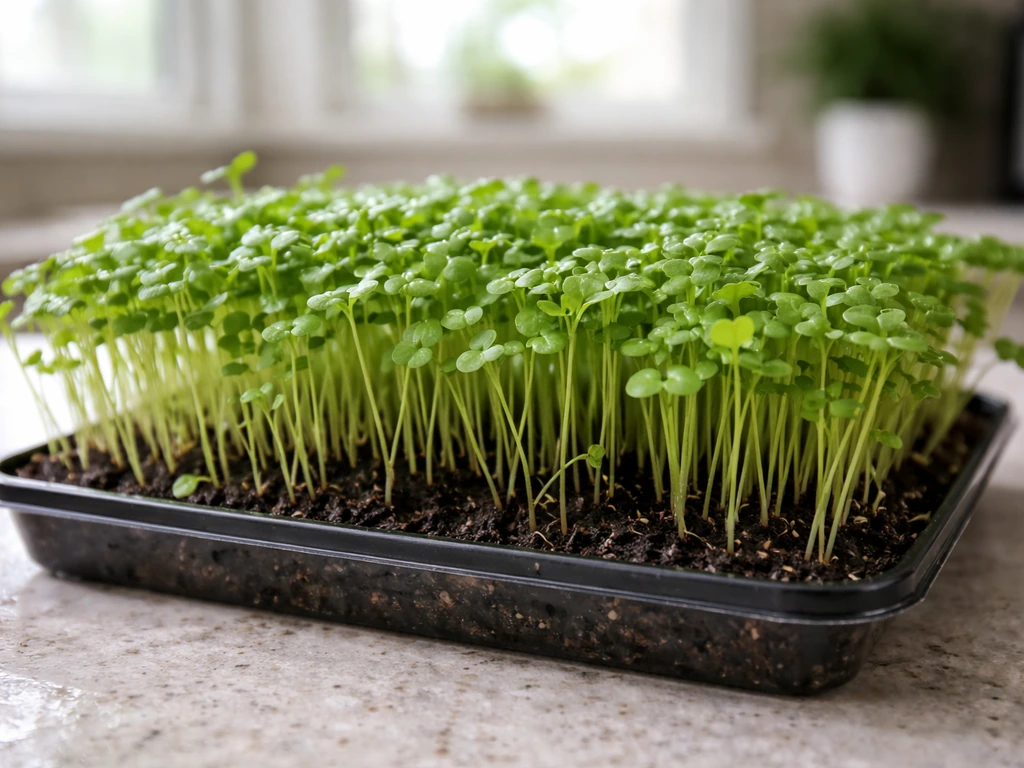
The first is the culinary definition: microgreens are the young seedlings of vegetables, herbs, or grains harvested a week or two after germination and eaten as food. Think sunflower shoots, radish greens, pea tendrils. These are an agricultural food product regulated under food safety and business licensing frameworks.
The second is a cannabis context. Some growers and searchers use terms like "microgreens" or "micro grow" to refer to very young cannabis or hemp seedlings, or to small-scale cannabis cultivation setups. Maryland's regulations, for example, explicitly define "Hemp Microgreens" as immature hemp seedlings intended for human consumption under the hemp program, not under ordinary produce rules. If that's your situation, you're looking at cannabis or hemp licensing frameworks, which are completely different from food production rules.
Read both sections below and apply whichever fits your situation. If you're not sure, ask yourself: is the plant you're growing cannabis or hemp? If yes, skip straight to the cannabis section.
Growing edible microgreens for yourself: what's actually required
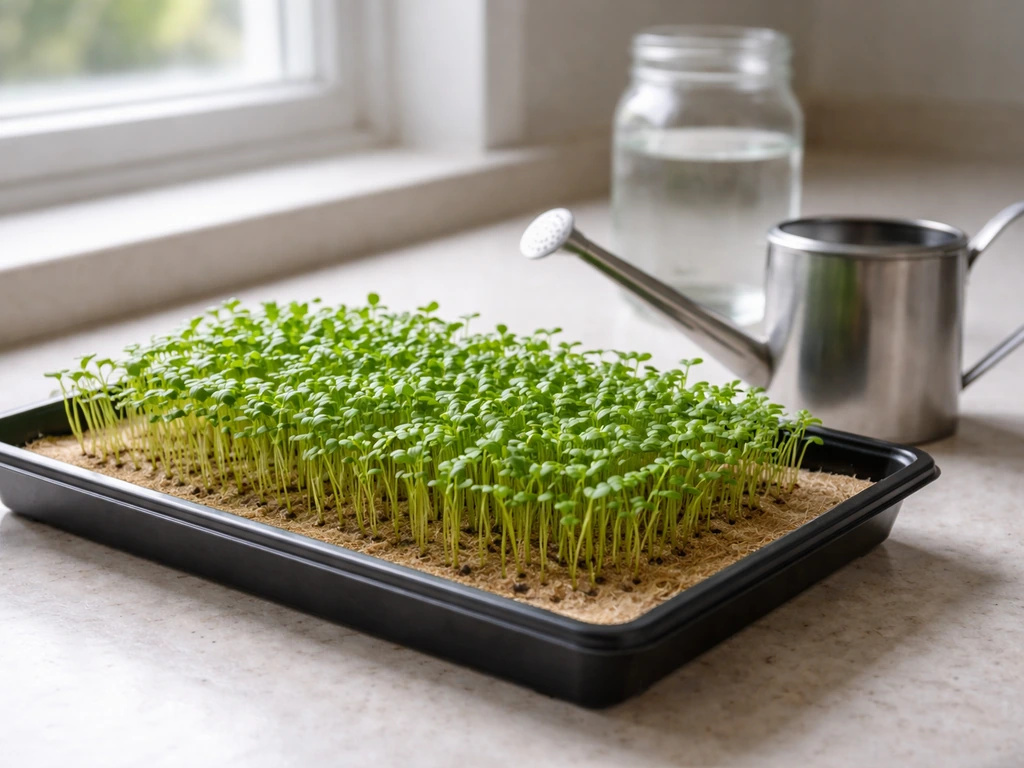
If you're growing sunflower, radish, basil, or similar edible microgreens at home for your own table, you don't need any license or permit. The FDA's Produce Safety Rule (part of FSMA) explicitly exempts food produced for personal consumption. That exemption covers you whether you're growing in a tray on your windowsill or in a basement rack. No registration, no food safety plan, no inspections.
The moment you sell even a small amount, that exemption disappears and you need to figure out where you land under your state's food licensing rules. The scale, location, and what you're selling all determine which rules apply.
Selling edible microgreens: food permits, cottage food laws, and business licensing
Selling microgreens commercially puts you into food regulation territory, and the path depends on your state, your sales volume, and where you're selling. Here's how to think about it.
Cottage food laws
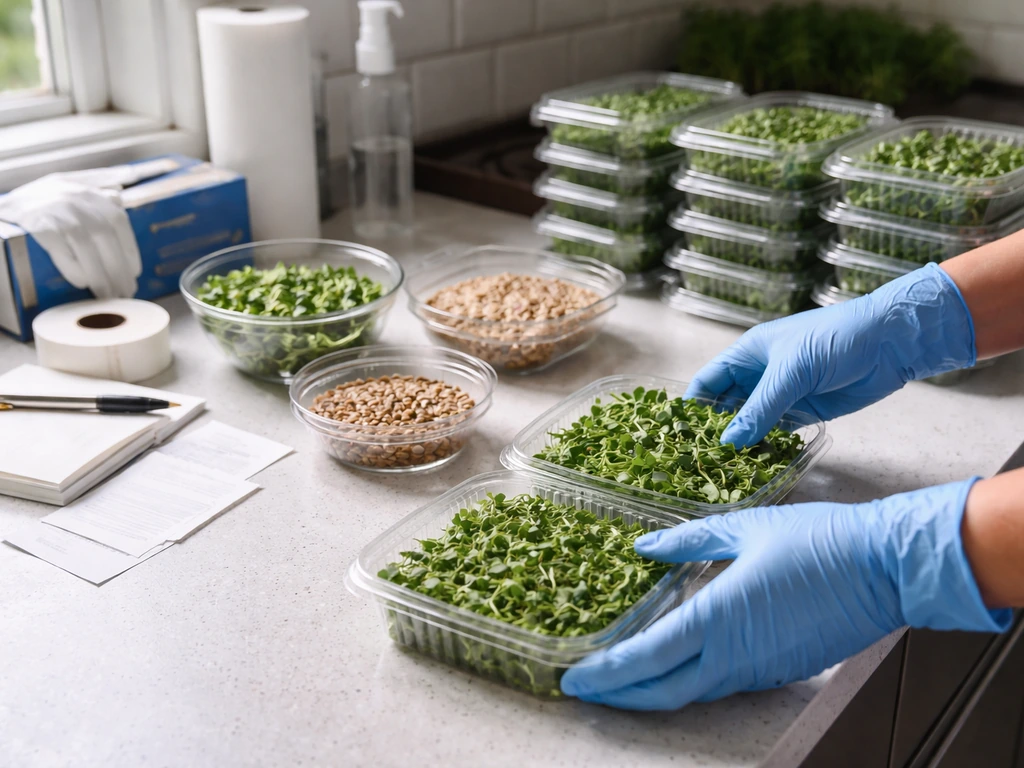
Most states have cottage food laws that let people make and sell certain foods from their home kitchen without a full commercial food license. The catch: cottage food exemptions typically apply to shelf-stable, non-potentially-hazardous foods like baked goods and jams. Fresh, unprocessed produce like microgreens often doesn't fit cleanly into that category. In Massachusetts, residential kitchens permitted under cottage food rules are restricted to cottage food products, and there are specific restrictions on cut produce including leafy greens.
In Minnesota, cottage food producers can register to sell certain home-processed foods, but fresh produce handling has its own set of safe handling requirements even when a license isn't technically needed. Maryland similarly distinguishes raw agricultural products from cottage food processed items, and raw produce sales at farmers' markets follow different rules.
Farm and produce exemptions
If you're selling raw, unprocessed microgreens you grew yourself, you may qualify as a farm selling raw agricultural commodities, which in many states carries fewer licensing requirements than operating a food processing facility. But you could still trigger the federal FSMA Produce Safety Rule if your sales volume crosses certain thresholds. Under the Produce Safety Rule, microgreens are treated as covered produce. Very small farms (under $25,000 in average annual produce sales) are generally exempt from the rule, but once you scale up, requirements around water quality, soil amendments, and worker hygiene may apply.
Business licensing
Separate from food safety rules, most states and many cities require any business to have a general business license or register as a business entity. If you're selling microgreens as a business, even a small one, check whether your city or county requires a home occupation permit if you're operating out of your residence. Zoning rules can also restrict commercial activity in residential zones.
| Sales Situation | Likely Requirements | Key Variables |
|---|---|---|
| Grow at home, eat yourself | None (FDA personal consumption exemption applies) | Must not sell or distribute commercially |
| Sell at local farmers' market (small scale) | State cottage food registration or raw agricultural product rules; possibly a vendor permit from the market | State law, product type (raw vs processed), sales volume |
| Sell to restaurants or grocery stores | Likely a food business license; possibly GAP certification; FSMA Produce Safety Rule may apply | Annual sales volume, state licensing thresholds |
| Sell online or across state lines | Federal produce safety rules more likely to apply; state business license; possibly additional registrations | Sales volume, states you ship to |
If you mean cannabis "microgreens": home cultivation rules by state
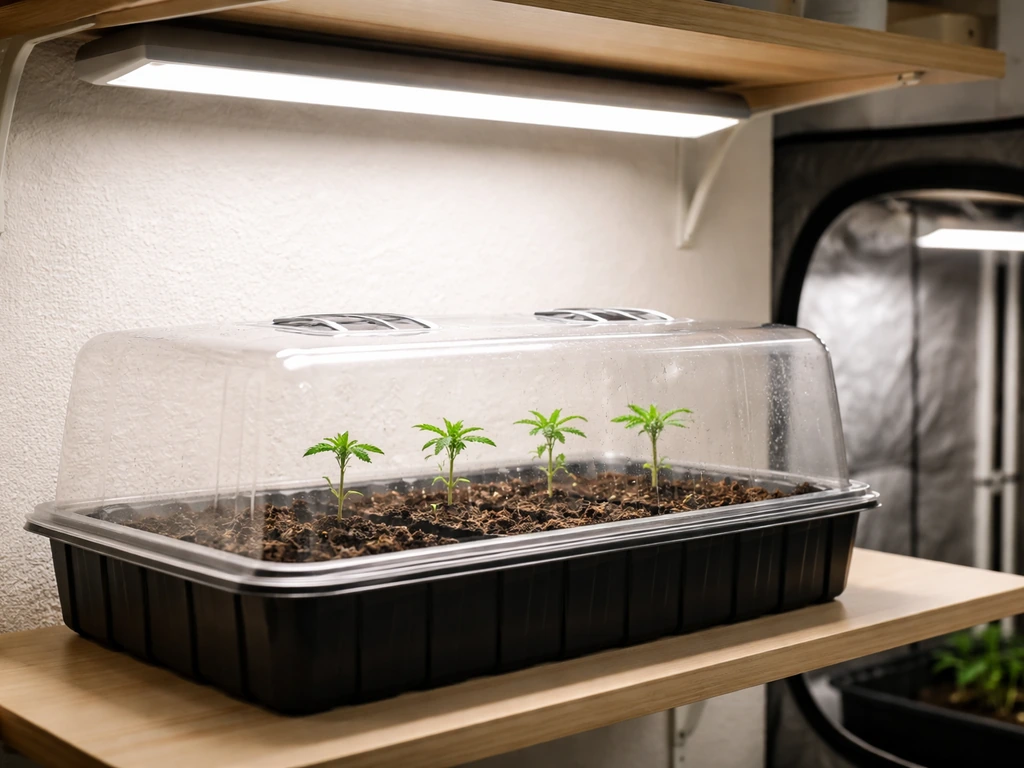
If you're using "microgreens" to describe young cannabis seedlings or a small-scale cannabis grow, the rules are completely different and much stricter. If you determine you need a permit for a micro grow, the next step is to find your state application process for a micro grow license. Cannabis cultivation is regulated at the state level, and plant count, not plant age or size, is what determines whether you need a license.
A cannabis seedling is still a cannabis plant under state law. Growing six "micro" cannabis plants without authorization is the same legal exposure as growing six mature plants. The plant's age or size doesn't create a regulatory carve-out.
Home cultivation in legal adult-use states
Many states with legal adult-use cannabis allow limited home cultivation without a license, but the rules are specific. Minnesota allows up to eight total cannabis plants per residence (no more than four mature/flowering) for adults 21 and over. If you plan to grow more than the allowed home limits in Minnesota, you generally need a Minnesota micro grow license and must follow the state’s cannabis cultivation rules.
The plants must be in an enclosed, locked space not visible to the public. For Maine specifically, the personal adult-use home cultivation limits include up to six mature plants per person and up to twelve immature plants, and plants must not be visible from a public way without aircraft or binoculars [The plants must be in an enclosed, locked space not visible to the public. ](https://legislature. maine.
gov/statutes/28-b/title28-Bsec1502. pdf). Exceeding these limits carries civil penalties of up to $500 per plant over the limit. Maryland allows adults 21 and over to cultivate up to two plants at home, also out of public view.
Massachusetts permits up to twelve plants per household under its adult-use home cultivation rules.
In every legal state that permits home cultivation, the same rule applies universally: you cannot sell what you grow at home. Missouri's regulators explicitly prohibit consumers and caregivers from selling marijuana products produced from home cultivation. If you need a micro grow license in Missouri for a commercial cannabis setup, confirm the applicable registration and plant-count rules with Missouri’s program requirements before you start. This isn't a technicality, it's a hard line. Selling homegrown cannabis, even seedlings, triggers commercial licensing requirements and potentially criminal penalties.
Commercial cannabis cultivation
If you want to grow cannabis commercially at any scale, including as a micro-cultivator or small-license tier, you need a state-issued cultivation license. Most states with legal cannabis have created tiered licensing structures, sometimes including micro-grow or limited-cultivation license categories with lower plant counts and fees. These are covered in detail across this site for states including Maryland, Massachusetts, Minnesota, and Missouri, among others. Maryland micro-grow license requirements depend on whether you are cultivating cannabis or hemp and what plant limits and licensing tier apply to your setup Maryland micro grow.
Hemp microgreens: a special category
Hemp (cannabis with under 0.3% delta-9 THC) sits in its own regulatory lane. In Maryland, hemp microgreens are explicitly regulated under the state hemp farming program, with THC compliance testing requirements and a mandate that growers retain test results for at least three years before blank" rel="noopener noreferrer">placing hemp into commerce. Growing hemp microgreens for sale isn't the same as growing culinary microgreens, even though the plants look similar at that stage. The FDA has also confirmed that hemp greens, including microgreens, used for human consumption meet the definition of produce and are subject to the FSMA Produce Safety Rule, meaning both hemp licensing and food safety rules can apply simultaneously.
How to look up your exact state and city requirements

Rules vary enough by state and city that you can't rely on general guidance alone. Here's the fastest way to get the right answer for your specific situation.
- Identify what you're growing: edible culinary microgreens or cannabis/hemp. This determines which agency you contact and which rules apply.
- For edible microgreens sales, search your state's Department of Agriculture website for "cottage food" rules, "farm direct sales," or "raw agricultural commodity" exemptions. Also check your state's Department of Health for food establishment licensing thresholds.
- For cannabis or hemp, go directly to your state's cannabis regulatory agency (e.g., Maryland Cannabis Administration, Minnesota Office of Cannabis Management, Missouri Department of Health Division of Cannabis Regulation). Search for "home cultivation" rules and "micro-cultivator license" if you're considering commercial grows.
- Check your city or county zoning rules. Even if state law permits home growing or a home-based food business, local zoning ordinances may restrict it. Search your municipality's zoning code for "home occupation" or "home-based business" rules.
- For federal produce safety questions, the FDA's FSMA Produce Safety program pages outline how the Produce Safety Rule applies to farms and what exemptions exist based on sales volume.
- Maryland residents can use the Maryland OneStop professional licenses and permits portal to find the correct agency pathway depending on whether your product is regulated as food, hemp, or cannabis.
- Call or email the relevant agency if you're still unsure. Most state ag and cannabis departments have compliance staff who answer exactly these questions.
Compliance checklist and common mistakes to avoid
Whether you're growing edible greens or cannabis, the same patterns of avoidable mistakes keep coming up. Use this checklist before you plant or sell anything.
- Confirm your product type first. Edible microgreens, hemp microgreens, and cannabis seedlings look alike but have completely different regulatory paths.
- Don't assume personal-use rules extend to gifts or trades. Giving away cannabis plants may still be regulated under your state's gifting rules. Giving away food products you sell may pull you into food licensing.
- Don't confuse plant age with plant count. Cannabis home grow limits count every plant, including seedlings. A 10-day-old cannabis sprout counts toward your limit.
- Check local rules separately from state rules. Your state may allow home cannabis cultivation or cottage food sales, but your city or HOA may prohibit it.
- If you sell edible microgreens, check whether your sales volume triggers FSMA Produce Safety Rule coverage. The small farm exemption has dollar thresholds that change.
- For hemp microgreens, verify THC testing requirements before placing any product into commerce. Maryland, for example, requires THC compliance testing and at least three years of record retention.
- Don't rely on year-old information. Cannabis and food safety regulations change frequently. Always verify current rules directly with the relevant state agency.
- Avoid selling homegrown cannabis products under any circumstances, regardless of how small the batch. This is prohibited in every state with home cultivation rules.
What to do today before you plant or sell
Here's a practical decision path you can work through right now, before spending any money on seeds, equipment, or packaging.
- Decide which type of microgreen you're growing: culinary/edible greens, hemp, or cannabis. Write it down. Every next step depends on this.
- Decide whether this is for personal use only or whether you intend to sell, even casually. Personal use is almost always exempt. Any sale changes the picture.
- If you're growing edible microgreens to sell: look up your state's Department of Agriculture cottage food rules and raw agricultural product exemptions today. Most states have these published online with plain-language summaries.
- If you're growing cannabis at home: look up your state's home cultivation rules right now and confirm the exact plant count limit, the required storage conditions, and whether your state even allows home grows. States like Minnesota, Maryland, and Massachusetts have different limits.
- If you want to grow cannabis commercially: research your state's micro-cultivator or limited cultivation license category. This site covers micro grow license requirements by state in depth, including states like Maryland, Massachusetts, Minnesota, and Missouri.
- Check your city or county zoning code for any restrictions on home-based agricultural or business activity.
- Contact your state's regulatory agency directly with any questions you can't resolve from published guidance. Document the date and content of any response you get.
- Keep records from day one: what you planted, when, how much you sold, and to whom. Good records protect you if you're ever questioned about compliance.
None of this is legal advice, and these rules change. What's written here reflects the regulatory landscape as of May 2026, but state cannabis laws and food safety thresholds are updated regularly. Always verify with the current published rules from your state agency before you plant, sell, or apply for any license. To learn how to get a micro grow licence in Canada, start by checking the licensing category and application requirements with your province or territory’s cannabis regulator.
FAQ
If I only grow microgreens to donate them to neighbors or a local community group, do I need a license?
Donation is treated differently than free personal use in many states. If you are giving them away as part of a food-handling activity, you can still trigger food safety and business registration obligations, even if you do not charge money. A key distinction is whether the food is moving through a formal distribution channel (for example, a nonprofit, pantry, school, or event) versus pure personal consumption at home.
Does “personal use” include selling a few trays to friends to recoup costs, like for packaging or electricity?
Charging anything, or operating in a way that looks like a sale or ongoing business, often removes the personal-use exemption. Even if you call it “cost sharing,” regulators may view it as commercial distribution. If money changes hands, you should treat it as potential commercial activity and check your state’s food licensing and farm rules accordingly.
How do I tell whether my microgreens count as “covered produce” under food safety rules?
The determining factor is usually the product type and intended use as edible greens, not whether you grow them indoors. Microgreens harvested shortly after germination are typically treated as produce that can be covered by produce safety frameworks when you scale up commercial sales. The practical next step is to compare your sales volume and business size to your state and federal thresholds, because very small operations may be exempt while larger ones must comply.
If I grow microgreens and a third party sells them under their brand, who is responsible for licenses and compliance?
Responsibility usually tracks who is considered the producer or the food business operator for the specific activity. If you provide the product to a retailer or distributor, the distributor may have its own licensing, but you can still be responsible for upstream food safety requirements depending on your role. For cannabis, the ownership and transfer rules are even more strict, and selling indirectly can still be considered commercial distribution.
Can I avoid food licensing by selling pre-packaged microgreens only at a farmers market?
Farmers market sales do not automatically exempt you from food business or food safety rules. Your state may treat raw agricultural commodities more favorably than processed foods, but microgreens are still an edible product that can trigger rules based on handling and sales volume. Even when a full commercial kitchen license is not required, you may need specific safe handling, labeling, and registration steps.
If I qualify as a farm selling raw agricultural commodities, do I still need to follow Produce Safety Rule requirements for water and hygiene?
Often you still need some level of compliance, but the scope can depend on thresholds and whether you meet exemptions. The article notes that very small farms are generally exempt under the Produce Safety Rule framework, but once you scale up you may need practices related to water quality, soil amendments, and worker hygiene. Before you rely on the commodity pathway, confirm your exemption status using your actual annual produce sales.
What counts as “selling” for microgreens, does a subscription or CSA box qualify?
Yes. A CSA share, subscription box, or recurring “pickup” arrangement is typically considered commercial distribution because it is part of an ongoing sales model, even if the wording is membership-based. The safe approach is to treat any structured arrangement involving payment as sales and check licensing and labeling requirements.
Do cannabis “micro” seedlings require a cannabis cultivation license even if I keep the plants small?
Usually yes. Under the article’s described framework, age and size generally do not create a regulatory carve-out, plant count and authorization do. A cannabis seedling is still a cannabis plant under state law, so growing a number of seedlings that would exceed your allowed home limits can create the same exposure as mature plants.
If I stay under my state’s home-plant limit, can I share seedlings with friends or exchange plants?
Sharing or transferring plants can be treated as unlicensed distribution, even if each person stays under their own limit. Many adult-use rules limit what you can possess and grow, not what you can give away. If you are considering any transfer, verify your state’s rules on gifting, sale, and transfer, because the “no selling what you grow” line often extends beyond direct money exchanges.
Can I grow hemp microgreens at home and sell them like culinary microgreens?
Not exactly. Hemp microgreens intended for human consumption may still fall under hemp farming and testing requirements in some states, and those requirements can run alongside produce safety obligations. The article specifically highlights THC compliance testing and record retention as key triggers for hemp programs, so you should confirm whether your state requires test results and how long you must keep them.
Where do I confirm the right rules if I’m unsure whether my “microgreens” are culinary or hemp cannabis microgreens?
Start by identifying whether the seed variety and intended crop are categorized as edible produce, hemp under your state’s THC definition, or cannabis under adult-use or medical rules. Then match that to your intent (personal consumption versus distribution) and your sales volume or plant count. If you are still uncertain, contacting your state’s agriculture (for food) or cannabis/hemp regulator (for cannabis or hemp) with your exact seed type and intended use is the fastest way to avoid choosing the wrong licensing lane.
Next Article
MN Micro Grow License Guide and MN vs NM Steps
Step-by-step guide to MN micro grow license and NM confusion, eligibility, documents, costs, timelines, and compliance b