Applying for a micro grow license means going through your state's cannabis licensing agency, completing an online application, gathering a specific set of documents, paying a fee, and waiting through a review period that can take anywhere from a few weeks to several months. If you are comparing options, the micro grow license requirements vary by state, so review your state’s specific limits and application checklist before you submit. The exact steps depend on your state, but the core process is consistent enough that you can build a solid action plan right now, before you even know every detail of your jurisdiction's rules.
Application for Micro Grow License: Step by Step Guide

Marcus Whitley
22 Apr 2026

What a micro grow license actually allows
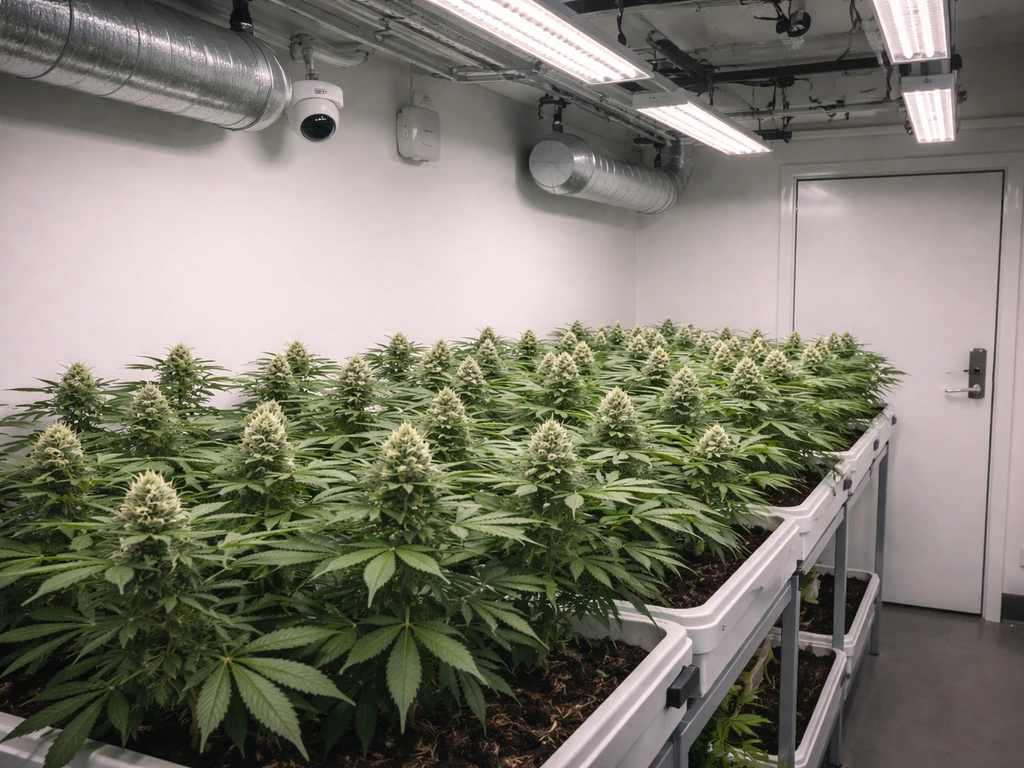
A micro grow license (sometimes called a microbusiness license, small cultivator license, or limited cultivation license depending on the state) lets you legally cultivate cannabis on a smaller scale than a standard commercial grow operation. The defining feature is a cap on how much you can grow, usually expressed as either a canopy square footage limit or a plant count limit.
Minnesota, for example, sets a cap of up to 5,000 square feet of plant canopy for cannabis microbusiness licensees under state statute 342.28. California's tiered system goes even smaller on the entry-level end: a specialty cottage indoor license caps at 500 square feet of canopy, while specialty cottage mixed-light goes up to 2,500 square feet, and specialty outdoor tiers allow up to 50 mature plants or up to 5,000 square feet. Those numbers give you a sense of the range you'll encounter across states.
Beyond cultivation, some micro grow licenses bundle in limited manufacturing or processing rights. Minnesota's microbusiness license, for instance, covers both cultivation and manufacturing, with optional endorsements. Other states keep cultivation and processing as separate license categories entirely, so you'd need to apply for each one independently.
As for who these licenses are designed for: individuals, small partnerships, and small LLCs are the typical applicants. Most states created the micro tier specifically to lower the barrier to entry for small-scale operators who can't compete with large commercial cultivators on capital or facility size. Some states also attach social equity criteria, giving priority or fee reductions to applicants from communities disproportionately affected by past cannabis enforcement.
Eligibility requirements and key restrictions

Before you start filling out forms, confirm you actually qualify. Most states share a core set of eligibility requirements, but the details vary enough that you need to check your specific jurisdiction.
- Age: You must be at least 21 years old in virtually every adult-use cannabis state.
- Residency: Some states (including Minnesota during the early licensing period) require applicants to be state residents. Others have dropped residency requirements entirely. Check your state's current rules.
- Criminal history: Most states disqualify applicants with certain felony convictions, particularly drug trafficking offenses. Minor cannabis possession convictions are increasingly excluded from disqualifying criteria, especially in states with equity-focused frameworks.
- Ownership and control: States typically require disclosure of all individuals with a defined ownership percentage (often 10% or more). Each disclosed owner may need to pass a background check.
- No conflicting licenses: Some states prohibit microbusiness license holders from simultaneously holding other cannabis license types that would create vertical integration beyond what the micro tier allows.
- Local authorization: Many states require you to operate in a jurisdiction that permits cannabis cultivation. You may need local zoning approval or a local business license before the state will issue your cultivator license.
- Financial documentation: You'll typically need to show you have access to sufficient capital to operate, though the threshold is lower for micro licenses than for standard commercial ones.
Key restrictions that come with the license are equally important to understand upfront. You'll be subject to canopy or plant count caps at all times, not just at application. Growing beyond your licensed canopy limit is one of the fastest ways to trigger a compliance violation. You'll also be restricted to selling cannabis only through state-licensed channels: licensed retailers, processors, or other permitted licensees depending on your state's framework. You generally cannot sell directly to consumers unless your license includes a retail endorsement.
How to apply: a step-by-step walkthrough
The steps below reflect the general workflow most states use. The names of portals and agencies will differ, so treat these as the universal sequence, then map your state's specifics onto them. Minnesota’s Office of Cannabis Management provides a step-by-step licensing application process and explains how to register an account in Accela, complete application steps, and submit materials for licensure.
- Confirm your state has an open application window. Many states use a lottery or merit-based system with defined application periods. Applying outside those windows isn't possible in most jurisdictions. Check your state cannabis authority's website for current status.
- Verify local approval requirements. Contact your city or county planning or zoning department to confirm cannabis cultivation is allowed at your proposed address. In many states, you'll need a letter of local approval or a zoning clearance before the state will accept your application.
- Create an account on your state's licensing portal. Most states use an online application management system (California uses the DCC's online portal; Minnesota uses OCM's licensing system). Create your account early, because portal account verification sometimes takes a day or two.
- Gather all required documents before starting the application. Trying to upload documents partway through the process while also filling out forms is how mistakes happen. Have everything ready first.
- Complete the application form in the portal. Work through each section carefully. Be precise on ownership percentages, entity information, and premises details. Incomplete or inconsistent information is the most common reason applications get kicked back.
- Upload supporting documents. Most portals have specific file format and size requirements. PDFs are almost universally accepted; some portals reject files over a certain size limit.
- Submit the background check authorization. Many states initiate the background check process separately or through a third-party provider like IdentoGO. Do this as early as the portal allows, because background check processing adds time.
- Pay the application fee. Fees are typically paid during or immediately after submission. Keep your payment confirmation.
- Track your application status through the portal. Most portals provide a status tracker. If you receive a deficiency notice (a request for corrections or additional documents), respond promptly. Missing a deficiency response deadline can result in denial.
- Prepare for a site inspection. Many states conduct a pre-licensure inspection before issuing a final license. Have your facility ready and your security measures in place before you expect the inspection.
Documents, forms, and common mistakes

Getting your document package right the first time saves weeks. Here's what states typically require for a micro grow license application, though your state may require more or fewer items.
- Government-issued photo ID for each owner or controlling individual
- Business formation documents: articles of incorporation or organization, operating agreement, and EIN (if applying as a business entity)
- Proof of premises control: a signed lease, deed, or option-to-purchase agreement showing you have the right to use the proposed grow location
- Premises diagram or floor plan: a scaled drawing showing the layout of your cultivation space, canopy area, storage, and security features
- Security plan: details on your surveillance camera coverage, alarm system, access controls, and visitor log procedures
- Background check authorization forms for each required individual
- Standard operating procedures (SOPs): written procedures for cultivation practices, waste disposal, inventory tracking, and any other operations the state specifies
- Local approval documentation: a letter or certificate from your city or county confirming local authorization
- Financial documentation: bank statements, a capital source affidavit, or other evidence of financial viability as required by your state
- Social equity documentation (if applicable): documentation supporting any equity status claimed for priority processing or fee waivers
The most common mistakes that slow down or kill applications are inconsistencies between the ownership information on the application form and what's in the business entity documents, floor plans that don't show canopy area clearly or aren't to scale, missing local approval documentation (often because the applicant didn't realize it was required until they hit that section of the portal), and SOPs that are too vague or clearly copied from a template without being tailored to the actual facility. Reviewers notice generic SOPs immediately.
On the background check: don't wait to submit it. Background checks through third-party fingerprinting services can take two to four weeks on their own, and in many states the application won't advance to full review until the check is complete. Submit that authorization the same day you submit the application, or earlier if the portal allows.
Fees, timelines, and what to expect after you submit
Application fees for micro grow licenses are generally lower than fees for standard commercial cultivation licenses, but they vary significantly by state. California’s Department of Cannabis Control publishes a “Microbusiness License Fees” fee table that lists application fees and license fees by gross annual revenue tier for Type 12 microbusinesses. You'll typically see a non-refundable application fee ranging from a few hundred dollars to around $1,000 for the micro tier, plus a separate license issuance fee (only charged if approved) that can range from several hundred to a few thousand dollars. Some states charge a combined fee paid upfront at submission.
Timeline from submission to final approval depends heavily on the state and its current application backlog. A realistic range for most active licensing states is 60 to 180 days from submission to final license issuance, assuming your application is complete and there are no deficiencies. If you receive a deficiency notice and need to resubmit documents, add more time. Some states with high application volumes have taken longer than six months.
After submission, here's the typical sequence: your application is assigned to a reviewer, who checks it for completeness. If something is missing or unclear, you'll receive a deficiency notice through the portal. You respond with corrections or additional documents within the specified window (often 30 days). Once the application is deemed complete, it moves to substantive review, which may include a background check review and a site inspection. If everything passes, you receive a conditional approval or a final license. Some states issue a conditional approval first, allowing you to begin buildout or limited operations, then issue the final license after a passing inspection.
State-by-state differences and how to find your rules
Cannabis licensing is genuinely state-specific, and micro grow programs differ in ways that matter for your application strategy. Whether you need a license to grow microgreens depends on your state and what you are growing and selling, so check your local cannabis and sales rules first do you need a license to grow microgreens. The table below shows how a few key variables compare across example jurisdictions.
| State / Jurisdiction | License name / tier | Canopy or plant limit | Residency required | Key notes |
|---|---|---|---|---|
| Minnesota | Cannabis microbusiness | Up to 5,000 sq ft canopy | Yes (during early licensing) | Covers cultivation and manufacturing; endorsements available |
| California | Specialty cottage indoor | Up to 500 sq ft canopy | No | Separate tiers for mixed-light and outdoor; state and local approval both required |
| California | Specialty cottage mixed-light | Up to 2,500 sq ft canopy | No | Part of DCC's tiered cultivation license structure |
| California | Specialty outdoor | Up to 50 mature plants or 5,000 sq ft | No | Outdoor canopy cap aligns with smaller commercial scale |
| Maryland | Micro grow (state-level) | Varies by license type | Check current MCA rules | Maryland Cannabis Administration manages applications; see state-specific guide |
| Massachusetts | Craft marijuana cooperative / microbusiness | Set by Cannabis Control Commission | No state residency req. | Separate microbusiness license category with its own cap and ownership rules |
| Missouri | Microbusiness license | Set by DHSS/DIFP rules | No | Missouri has a dedicated microbusiness license program with social equity focus |
The single most reliable source for your jurisdiction's current rules is your state cannabis authority's official website. Agency names vary: California uses the Department of Cannabis Control (DCC), Minnesota uses the Office of Cannabis Management (OCM), Massachusetts uses the Cannabis Control Commission (CCC), and so on. Look for a "licenses" or "apply" section, and specifically look for a current applicant handbook or application guide, which most active programs publish.
If you're in Canada rather than a US state, the framework is entirely different, operating under Health Canada's federal system rather than a patchwork of state programs. If you're looking specifically for how to get a micro grow licence in Canada, you’ll need to follow Health Canada’s federal rules and the licensing pathway that applies to your activity. The application process, fees, and compliance requirements differ substantially from any US state model.
One practical tip: if your state has a pre-application consultation option, take it. Several state agencies offer scheduled calls or written pre-application reviews where you can ask questions before submitting. This is genuinely useful for confirming whether your premises setup and proposed canopy configuration will pass review.
What compliance looks like after you're approved
Getting approved is the starting line, not the finish line. Here's what you're responsible for once your micro grow license is active.
Staying within your canopy limits
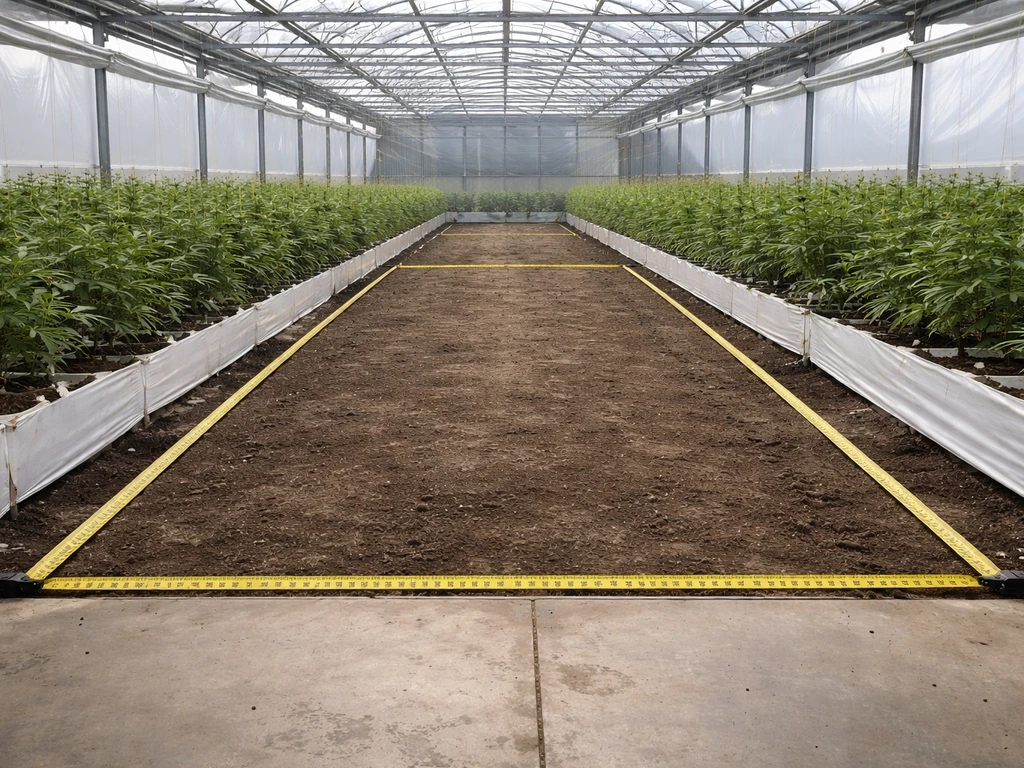
Your licensed canopy size is a hard cap. If your license says 2,500 square feet, you cannot exceed that at any point, including during a flush or harvest cycle where multiple batches might technically be in progress simultaneously. Some states measure canopy as all areas where mature plants are growing; others include vegetative stages. Know exactly how your state defines and measures canopy, because that definition determines what counts toward your limit.
Seed-to-sale tracking

Almost every licensed cannabis state uses a seed-to-sale tracking system, and as a licensee you're required to log every plant, batch, and transfer in that system. Metrc is the most widely used platform across US states. You'll typically need to tag plants, record harvest weights, log any destroyed material, and report every outbound transfer to a licensed buyer. Failing to tag or log accurately is one of the top compliance violations that leads to fines or license suspension.
Inspections and record-keeping
Expect unannounced inspections after your license is issued. Inspectors will check that your canopy matches your licensed size, your surveillance system is operational, your plants are tagged, your inventory records reconcile with your tracking system entries, and your facility matches the premises diagram you submitted. Keep your records organized and your facility in the same configuration as your approved floor plan. Any significant changes to your premises or operations typically require you to notify the licensing agency and sometimes get pre-approval before making the change.
Reporting obligations
Beyond the tracking system, most states require periodic reports: financial reports, ownership change notifications, and incident reports if something goes wrong (a theft, a product recall, or a significant loss of product). Some states require annual financial audits at certain revenue thresholds. Check your state's specific reporting calendar and set reminders, because missing a mandatory report filing is a compliance violation even if your operations are otherwise clean.
Renewal and making changes to your license
Most cannabis micro grow licenses are issued on an annual basis and require renewal. Renewal windows are typically open 60 to 90 days before your expiration date, and most states require you to submit an updated application, pay a renewal fee, and confirm that your operations are still in compliance. Operating on an expired license is treated as operating without a license in most jurisdictions, so set a calendar reminder for your renewal window well in advance.
If you want to change anything after approval, such as adding canopy space, relocating, changing ownership, or adding an endorsement, almost all of those changes require prior approval from the licensing agency. Submit a modification request through the same portal you used to apply, and don't make the operational change until you have written approval. The post-approval change process trips up a lot of licensees who assume small changes don't need to be reported.
Your practical next steps today
If you want to move forward on a micro grow license application right now, here's the most useful thing you can do in the next hour: go to your state cannabis authority's website and find the current applicant handbook or licensing guide for cultivation. If you're specifically looking at the micro grow license missouri pathway, use Missouri's cannabis authority guidance to confirm eligibility, required documents, and the state’s fee schedule before you apply.
If you're looking for the mn micro grow license pathway, use the Minnesota Office of Cannabis Management guidance as your starting point for eligibility, application steps, and fees. If you want to see how these steps apply in your state, Massachusetts micro grow license timelines and document expectations align with the broader micro tier process, so start with the Massachusetts Cannabis Control Commission guidance.
In Maryland, the micro grow license requirements follow the state’s cannabis licensing rules, so confirm the current eligibility, application documents, and fees on the Maryland authority website Maryland micro grow license requirements. Download it, search for the word "micro" or "microbusiness" or "small cultivator," and read the eligibility section and the document checklist carefully. <a data-article-id="5BF8DC52-6FBF-45D5-9FF2-2647B00F0FA1">For Minnesota, make sure your application materials align with the requirements for an OCM microbusiness license.
</a> That document tells you exactly what your state requires, which is more reliable than any summary including this one.
From there, verify your local zoning status, start gathering your business entity documents, and get your premises diagram drafted if you haven't already. Those three items are what most applicants are still missing when they open the application portal for the first time, and having them ready before you start the portal process makes the whole thing significantly smoother.
FAQ
Can I start building or growing right after I submit an application, or do I need the license first?
It depends on what your micro grow license authorizes in your state. Many states allow certain pre-license activities like design, permitting, and facility buildout only, but forbid actual cultivation, plant propagation, or receiving any cannabis inventory until you have the license or a specific conditional authorization. Confirm whether your state uses “conditional approval” that triggers limited operations, and what actions are prohibited during the waiting period.
What ownership details do I need to list, especially if my business has multiple LLCs or a parent company?
Check who must be listed and what ownership structure your state requires for the application. A common pitfall is leaving out a managing member, indirect parent company owners, or anyone with a financial interest but not obvious control. If you have trusts, holding companies, or layered LLCs, request the licensing authority’s exact “control person” definition, then mirror that list in both the application and entity documents.
How detailed does my security plan and surveillance description need to be?
You typically cannot rely on generic statements about security. Your plan needs to match the premises and state rules, including camera coverage expectations, storage of access credentials, alarm/monitoring requirements if applicable, and who has responsibility for monitoring. Build a simple “facility to security measure” crosswalk (which door, which camera, which record) so the reviewer can see the alignment quickly.
What’s the best way to respond to a deficiency notice so my application does not get delayed or rejected?
If you get a deficiency notice, most states require a specific response format and a limited window (often 30 days). Don’t resubmit random documents, instead address each deficiency item one by one, and highlight where the corrected information appears in the updated files. If the portal lets you upload an additional narrative, use it to explain exactly what changed from the prior submission.
If I change my floor plan after submitting (or after conditional approval), do I need to notify the agency?
Yes, changing your premises can be treated as a material change in many states. Even if it feels small (moving walls, adjusting canopy layout, relocating rooms), you may need written approval before implementing the change, or the inspector may deem the facility noncompliant at inspection. Before you change anything, compare the physical changes against what your approved floor plan and premises diagram show.
How do I make sure I measure canopy correctly under my state’s definition?
Most states cap your licensed canopy based on a defined measurement method, sometimes including both mature and vegetative areas. A frequent compliance mistake is counting only mature canopy while the state measures all areas where plants could be grown. Ask the applicant guide or reviewer how they measure canopy (for example, whether rack space, pathways, and greenhouse staging areas count).
What local government approvals are typically required, and when do I have to submit them?
You usually need local approval, but states define it differently, such as a zoning approval letter, conditional use permit, or evidence of compliance with local ordinances. A common issue is thinking state licensing is independent of city or county approvals. Confirm the exact local document name and whether the licensing authority wants it uploaded at submission or by a certain milestone.
How can I avoid delays related to background checks and identity matching?
Background check timing often determines when your application becomes “complete for review.” If your state allows it, submit fingerprint authorization immediately and keep copies of confirmations. Also verify that the names and dates of birth match exactly across your application, business documents, and fingerprinting results to avoid a recheck delay.
What other costs should I budget for besides the application fee?
Costs often include more than the application fee, including local permit costs, architectural drafting for premises diagrams, security system hardware, and possible re-inspection or modification costs if something fails inspection. In addition, some states charge an issuance fee only if approved, and they may charge separate fees for endorsements or manufacturing authorizations. Build a budget line item for “inspection readiness” so you are not surprised midstream.
If my license allows cultivation, can I also do drying, processing, or manufacturing under the same micro license?
A micro grow license usually covers cultivation, but processing rights are not automatic. Some jurisdictions allow limited manufacturing or processing inside the same license, while others require separate applications and separate premises or compliance steps. If you plan to handle drying, trimming, infusion, or packaging, identify whether those activities require an endorsement or a different license class before you design your facility.
What should I plan for during renewal to avoid ending up expired during review?
Renewal usually requires confirming ongoing eligibility, updated background checks or attestations if required, and submission of updated documents such as ownership confirmations or financial reporting. Do not wait for the renewal email or portal prompt, because late renewals can trigger “operating without a license” consequences. Set reminders at least 90 days before expiration and check whether your state keeps the license active during review for renewals.
Next Article
Massachusetts Micro Grow License: Eligibility, Steps, Fees
Learn eligibility, steps, fees, limits, and document checklist to get a Massachusetts micro grow license for small canna