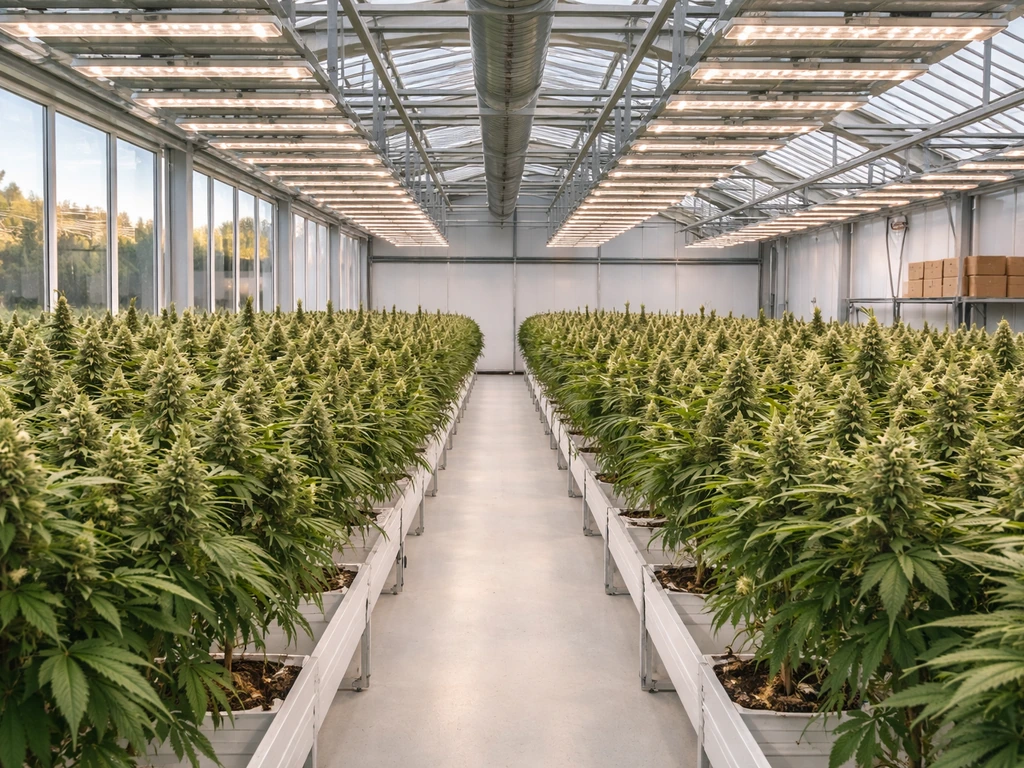
Getting a grow license in Florida is not simple, and that is by design. Florida runs one of the most tightly controlled cannabis cultivation programs in the country. If you want to grow cannabis legally here, you are almost certainly looking at a commercial Medical Marijuana Treatment Center (MMTC) license, because Florida does not allow private home cultivation for personal use. That single fact changes everything about how you approach this. Understanding what a grow license actually requires before you invest time or money in Florida's process will save you a lot of frustration.
Grow License in Florida: Steps, Eligibility, Costs, and Compliance

Marcus Whitley
14 Apr 2026
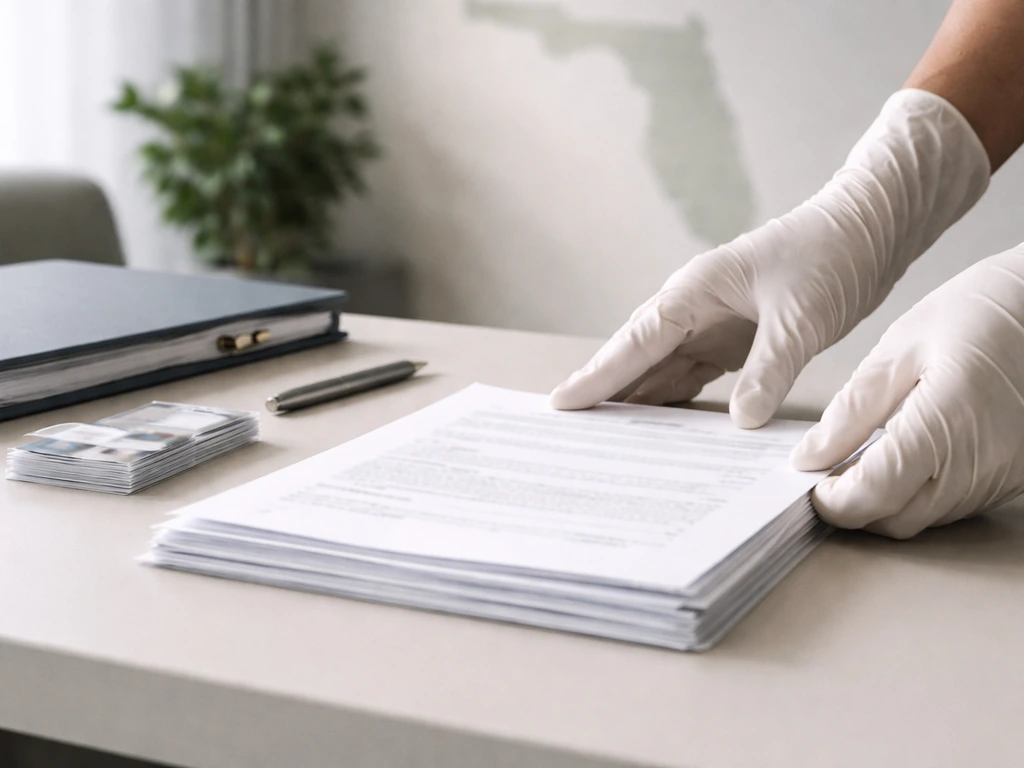
Florida cannabis grow license basics and legal limits

Florida's medical cannabis framework lives in Florida Statutes § 381.986. That statute is the legal foundation for everything: who can cultivate, who can dispense, and who regulates it all. The regulator is the Florida Department of Health's Office of Medical Marijuana Use, commonly called OMMU. They handle registrations, applications, renewals, and compliance enforcement for every licensed cultivator in the state.
The key thing to understand is that Florida does not have a standalone cultivation license the way some states do. Instead, the state issues MMTC registrations. An MMTC license is vertically integrated, meaning the same entity that cultivates also processes and dispenses. You cannot legally cultivate cannabis in Florida and sell it to a separate dispensary network. You grow it, you process it, and you sell it yourself, all under one license.
There is no legal pathway for a Florida resident to grow cannabis plants at home for personal medical use, even as a registered patient. The statute does not provide for caregiver cultivation or personal grow allowances. If you have seen information suggesting otherwise, it is out of date or simply incorrect as of April 2026.
License types in Florida for cultivating (home vs commercial)
Florida has one practical path to legal cannabis cultivation: the MMTC registration. There is no tiered system with small cultivator, micro-license, or home grow options. This stands in sharp contrast to states like California, where the licensing structure is far more layered. If you are curious how California's approach compares, the breakdown of the grow license in California is worth reviewing just to understand how different the two states are.
The MMTC registration covers cultivation, processing, and retail dispensing as an integrated operation. There is also a dispensing organization (DO) structure referenced in state law, but for anyone asking specifically about growing, MMTC is the relevant category. OMMU does not issue a license that permits cultivation alone without the full vertical integration requirement.
For context, Florida also sits in a unique position nationally. Unlike Canada, which has a regulated personal cultivation allowance at the federal level, the U.S. federal prohibition still applies and Florida has chosen not to create any home cultivation exception within its medical program. If you are comparing notes with someone navigating a grow license in Canada, you will find the regulatory philosophies are quite different.
Eligibility requirements and residency/background checks

Florida's eligibility rules for MMTC applicants are strict. Here is what the statute and Florida Administrative Code Chapter 64-4 require applicants and their organizations to demonstrate:
- The applicant must be a registered nursery or demonstrate nursery experience, originally 30 consecutive years of operating as a registered nursery in Florida (this requirement has been subject to legal challenges and regulatory changes, so verify current requirements with OMMU directly).
- All owners, officers, board members, and managers must pass Level 2 background screening under Florida Administrative Code Rule 64-4.208.
- The applicant must demonstrate financial stability, including a $5 million performance bond or surety bond, and demonstrate sufficient capitalization to operate.
- The applicant cannot have any ownership interest held by a person with a disqualifying criminal offense, including drug trafficking convictions.
- The organization must be incorporated in Florida and have its principal place of business in Florida.
- Employees working in cultivation or other sensitive areas must also complete background screening before being permitted to work.
The background check requirement is serious and non-negotiable. Under Rule 64-4. Florida’s MMTC background screening is specifically addressed in Fla. Admin. Code Rule 64-4.208 Under Rule 64-4.. 208, any person with a disqualifying offense in their history will cause the application to be denied or the individual to be removed from the application. OMMU uses the Florida Department of Law Enforcement's screening system, so expect fingerprinting and a formal Level 2 check, not a simple credit or county-level background review.
How to apply in Florida: steps, documents, fees, and timelines
The MMTC application process runs through OMMU and is completed online through Florida's Medical Marijuana Use Registry portal. Here is how the process generally works:
- Confirm an open application window. OMMU has opened application periods based on statutory patient-to-MMTC ratios. Applications are not always open. Check the OMMU website to see if a current application period is active before spending time on document preparation.
- Create an account in the OMMU portal and begin the application. You will need an active Florida entity registration with the Division of Corporations.
- Assemble your organizational documents: articles of incorporation, operating agreements, ownership charts showing every person with any ownership interest, and documentation of your nursery registration or horticultural experience.
- Prepare your financial documentation: proof of the $5 million bond, financial statements demonstrating operational capitalization, and a description of your financial plan.
- Complete the cultivation and operations plan, covering your intended cultivation method (indoor, outdoor, or greenhouse), facility details, security plan overview, and seed-to-sale tracking approach.
- Submit Level 2 background screening for all required personnel through the FDLE system. Each person will need to be fingerprinted at an approved LiveScan site.
- Pay the application fee. OMMU has charged application fees in the range of $60,830 historically, though fees are subject to change. Confirm the current amount directly with OMMU before submitting.
- Submit the completed application. OMMU will review for completeness and issue a deficiency notice if anything is missing. You will have a limited window to cure deficiencies.
- If approved, pay the initial registration fee (which has historically been around $60,000 annually, separate from the application fee) and complete any final pre-operational inspections before beginning cultivation.
Realistic timelines for the MMTC process are long. From application submission to receiving a registration, applicants have historically waited anywhere from several months to over a year, particularly when application periods are competitive or when OMMU review capacity is stretched. Florida Agency for Health Care Administration’s background screening clearinghouse resource notes that Level 2 background screening is Florida’s highest level of screening, which can help explain the timing expectations. Legal challenges from applicants who were denied have also created uncertainty in timelines. Budget for a long runway and do not make facility lease commitments that depend on a specific approval date.
One thing worth noting: Florida's application fees are among the highest in the country. If you want a sense of how different states structure their costs, looking at grow license costs in Oklahoma shows just how wide the fee gap can be between states.
Operational compliance for licensed growers (security, tracking, plant counts, inspections)
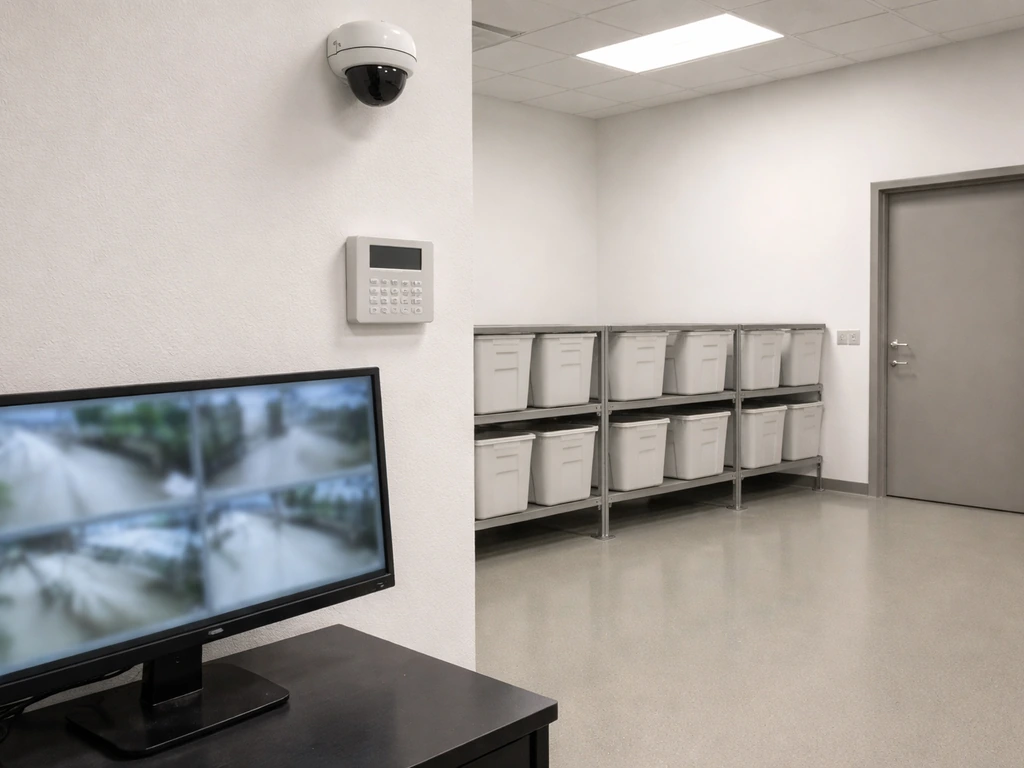
Getting licensed is only the beginning. Florida's compliance requirements under Chapter 64-4 of the Florida Administrative Code are detailed and ongoing. Here is what licensed MMTC cultivators must maintain:
| Compliance Area | Florida Requirement |
|---|---|
| Seed-to-sale tracking | All cannabis plants and products must be tracked using a state-approved electronic tracking system from seed through final sale. Florida has used systems like BioTrackTHC for this purpose. |
| Security | Licensed facilities must have 24/7 video surveillance covering all cultivation, processing, and storage areas, with footage retained for a minimum period specified by OMMU rules. Physical access controls, alarm systems, and visitor logs are required. |
| Background screening (ongoing) | Any new employee added to a cultivation or sensitive role must complete Level 2 background screening before beginning work under Rule 64-4.208. |
| Plant and product limits | MMTCs operate under canopy and batch limits tied to their license tier. OMMU specifies allowable plant counts and harvest batch sizes in the registration. |
| Inspections | OMMU conducts announced and unannounced inspections of cultivation and processing facilities. Deficiencies found during inspection can result in fines, suspension, or revocation. |
| Recordkeeping | Detailed records of all cultivation activities, including planting dates, harvest weights, waste destruction, and transfers, must be maintained and available to OMMU upon request. |
| Labeling | All cannabis products leaving the facility must meet OMMU's labeling requirements, including THC and CBD content, batch numbers, and required warnings. |
The seed-to-sale tracking requirement is particularly demanding operationally. Every plant, batch, and product must be logged in the state system in near real-time. BioTrack’s Florida legislation page describes BioTrackTHC as designed to be compliant with Florida’s seed-to-sale requirements that are implemented through OMMU’s seed-to-sale system. Gaps in tracking records are one of the most common compliance findings during OMMU inspections. If you are planning for operations, budget for dedicated compliance staff or software integrations that keep your tracking current.
Common mistakes and how to avoid delays and denials
Florida's MMTC application process has a history of denials and legal disputes. These are the mistakes that tend to sink applications or drag out timelines:
- Applying during a closed window: OMMU only accepts applications during designated periods tied to patient ratios. Submitting outside of these windows wastes time and may result in automatic disqualification.
- Incomplete ownership disclosure: Every person with any direct or indirect ownership interest must be disclosed. Missing a minor stakeholder, an LLC member, or a trust beneficiary can trigger a deficiency or denial.
- Background screening timing: If Level 2 screening is not completed for all required persons by the time the application is reviewed, OMMU will issue a deficiency. Start this process early because FDLE scheduling can take weeks.
- Weak operations or cultivation plans: OMMU evaluates whether applicants have a credible, practical plan for operating a compliant facility. Vague or template-style plans are a red flag.
- Insufficient financial documentation: The $5 million bond requirement alone is a barrier many applicants underestimate. If your financial documentation does not clearly demonstrate you can operate at scale, expect a deficiency.
- Nursery experience gaps: The original statutory requirement tied eligibility to nursery experience. Changes and legal challenges have created some ambiguity, but underestimating this requirement is risky. Confirm current status with OMMU before assuming it no longer applies to you.
- Missing deficiency response deadlines: When OMMU issues a deficiency notice, you have a limited time to respond. Missing that window can result in your application being closed with no refund of fees.
If you are just starting to explore this path, it helps to understand the broader licensing landscape before diving into Florida-specific paperwork. Getting a clear picture of what the GROW program in California looks like, for example, gives you a useful comparison point for what a more accessible state-level program can look like, which helps calibrate expectations for Florida's more demanding process.
What to do right now if you are serious about this
Here is a practical checklist of actions you can take today to move forward:
- Go to the OMMU website (flhealthsource.gov/mmj) and check whether an application period is currently open or scheduled to open.
- Confirm your Florida entity is registered and in good standing with the Florida Division of Corporations. If you do not have an entity yet, form one.
- Identify every person with any ownership or management role and determine whether they are Level 2 background screening eligible. Any disqualifying offense is a hard stop.
- Contact a licensed surety company about the $5 million performance bond. Get a quote and understand the financial requirements now, not after you start the application.
- Begin gathering your nursery or horticultural experience documentation, even if you believe this requirement has changed. It is better to have it ready.
- Draft an outline of your cultivation facility plan: location, square footage, cultivation method, and security approach. OMMU wants to see a real plan, not a placeholder.
- Set calendar reminders to check OMMU for application window announcements quarterly if no window is currently open.
One important note: this site provides regulatory information to help you understand the landscape, not legal or business advice. Florida's MMTC licensing is complex enough that most serious applicants work with attorneys who specialize in Florida cannabis law. The information here gives you a solid foundation, but a professional review of your specific situation before you submit is genuinely worth considering given the application fees involved.
FAQ
Can I get a license just to grow cannabis in Florida and then sell to a separate dispensary?
Florida does not issue a cultivation-only authorization. If you are interviewing for or planning a site under the assumption you will grow and then sell to other entities, that model is not legally permitted in Florida’s medical program. Your business plan needs to be structured as an integrated operator (cultivation, processing, and dispensing under the same registration).
I’m a Florida medical patient, can I grow at home under a patient or caregiver arrangement?
Because Florida’s medical program does not include a personal cultivation pathway, a registered patient status does not create any right to cultivate plants at home. If you have a caregiver arrangement for a patient, it does not function as a legal substitute for cultivation under Florida’s MMTC framework.
Do the background check rules apply only to the business entity, or also to individuals tied to the application?
If your application includes multiple people, focus on every individual subject to the background check. Disqualifying history for any required party can derail the application or require removal from the application, so you should confirm eligibility for all key individuals before you invest in facility and application costs.
How should I plan for the fingerprinting and Level 2 background check timeline when applying?
Fingerprints and a Level 2 screening are expected, so treat background check timing as part of your schedule, not an afterthought. If results take longer than expected, it can delay your application review even after you submit the rest of the paperwork through the portal.
Once I submit the MMTC application online, is that the end of the process or should I expect follow-ups?
Florida’s process is conducted through the Medical Marijuana Use Registry portal, but submission is not the finish line. You should plan for possible follow-up questions, document corrections, and compliance clarifications after initial review, especially if your operational details change between submission and approval.
What lease or buildout decisions are risky if my MMTC approval timeline is uncertain?
Since timelines can run many months or longer, do not commit to expensive facility buildout expenses tied to a specific approval date unless you have flexible contracts. A common mistake is signing a long lease or starting construction before you have a registration secured, which increases losses if the timeline stretches.
What operational area causes the most compliance problems after licensing, and how can I prevent it?
A frequent operational failure point is seed-to-sale record accuracy during day-to-day operations, not just during audits. Before licensing, map your workflow to ensure that every stage of plant and batch movement is captured in the state system with minimal reliance on manual processes.
Besides the application fee, what other costs should I budget for when planning to grow under an MMTC registration?
High fees can make budgeting harder than applicants expect, especially when you factor in ongoing compliance costs after registration. Use a total-cost view (application plus operational compliance staffing, software, and audit readiness), not only the one-time application fee.
What should I put in place for internal controls so seed-to-sale tracking stays current?
If you plan to hire staff, set internal controls that keep compliance records current in near real-time. Even a short lapse in logging can create inspection findings, so assign clear responsibility, set review checkpoints, and maintain a fallback process if systems experience downtime.
If I’m concerned my eligibility might be challenged, when should I involve an attorney specialized in Florida cannabis law?
Florida’s eligibility standards and disqualifying offense rules are strict, and denials have led to legal disputes that can prolong uncertainty. If your application is likely to be challenged, consider getting specialized counsel before submission rather than trying to fix issues after you receive a denial.
Next Article
What Is the Grow Program in California? Eligibility Guide
Clear guide to California’s Grow Program meaning, eligibility, requirements, and steps to grow cannabis legally.