If you're searching for a New York cannabis grow license, the first thing you need to know is that "grow license" isn't a single thing in New York. It's a category that covers several different license types depending on whether you're growing for the adult-use market, the medical program, or operating under a specialty structure like a microbusiness. The agency that controls all of it is the Office of Cannabis Management (OCM), which is responsible for overseeing adult-use, medical, and cannabinoid hemp industries and for setting the rules on who can apply and when. This guide will walk you through how the system is structured, which path likely fits your situation, and what you need to do right now to apply.
New York Cannabis Grow License Guide: Apply Step by Step

Marcus Whitley
13 Apr 2026

New York's cannabis licensing landscape
New York's cannabis licensing system is tiered. The OCM separates license categories into a "supply tier" (cultivation, processing, distribution) and a "demand tier" (retail, delivery). If you want to grow cannabis commercially, you sit in the supply tier. That distinction matters because New York has strict two-tier ownership prohibitions, meaning you generally cannot hold a financial interest in both a cultivation license and a retail license at the same time. This is part of the True Party of Interest (TPI) framework OCM uses to prevent vertical monopolies.
On the cultivation side specifically, there are a few license types that have existed or are currently available: Adult-Use Cultivator (the standard commercial path), Adult-Use Conditional Cultivator (AUCC, a now-closed early pathway for farmers who already had a hemp or cannabis operation), and cultivation licenses tied to Registered Organizations for the medical program. For most people reading this in April 2026, the relevant pathway is the standard Adult-Use Cultivator license.
The Conditional Cultivator window is closed. The original AUCC application period ran from March 15, 2022 through June 30, 2022, and the transition deadline for existing conditional cultivators to file a full application was May 3, 2024. If you missed those windows, the AUCC route is not available to you. What's open now is the general Adult-Use Cultivator licensing process managed through OCM's standard application portal.
Choose the right license type for your goal
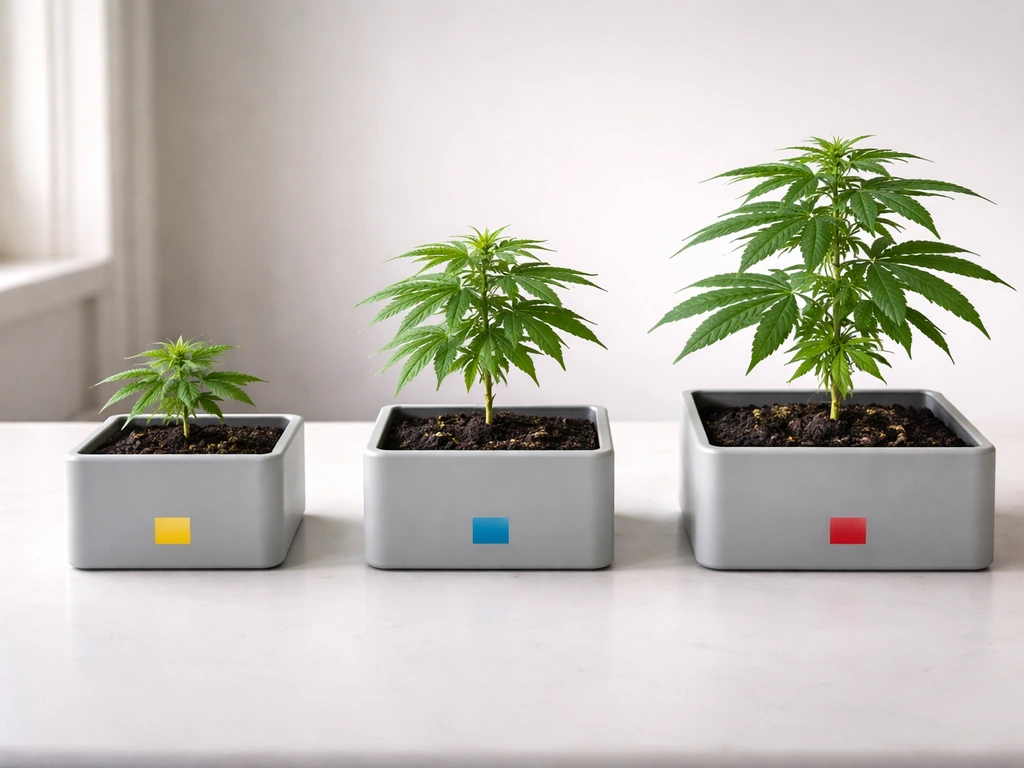
Before you fill out a single form, you need to match your situation to the correct license category. New York doesn't have a simple "home grower" registration for personal adult-use cultivation the way some other states do. If you're a private individual who just wants to grow a few plants at home, New York's adult-use law does not currently authorize personal home cultivation for non-patients. That's a meaningful distinction.
Here's a simple breakdown of the main cultivation-related paths and who they're for:
| License Type | Who It's For | Market | Notes |
|---|---|---|---|
| Adult-Use Cultivator | Commercial growers selling into the adult-use supply chain | Adult-use | Standard path available through OCM licensing portal |
| Adult-Use Conditional Cultivator (AUCC) | Existing hemp/cannabis farmers (early pathway) | Adult-use | Application window closed; transition deadline was May 3, 2024 |
| Registered Organization (RO) | Vertically integrated medical operators | Medical | Highly restricted; existing ROs only in practice |
| Microbusiness | Small operators wanting to cultivate and sell in one license | Adult-use | Combines cultivation, processing, and retail at small scale |
For most commercial applicants in 2026, the Adult-Use Cultivator license is the right target. If you're a very small operator wanting to grow, process, and sell your own product under one roof, the Microbusiness license is worth researching separately. And if your goal is to supply only the medical market, be aware that the Registered Organization model in New York is a legacy structure not realistically open to new entrants today. When in doubt, getting a grow license in NY has a more detailed breakdown of how OCM categorizes applicants.
Eligibility and prerequisites
OCM is explicit about baseline eligibility for Adult-Use Cultivators. You must be at least 21 years old and must not be legally prohibited from holding a cannabis license in New York. That second point covers things like certain criminal convictions or existing license violations that would disqualify you under state law.
Beyond age and legal standing, you need to have control over a proposed cultivation premises before you can complete the application. "Control" means you either own the property or have a lease or other legal agreement that gives you the right to operate a cannabis cultivation facility there. You don't necessarily need a Certificate of Occupancy in hand when you apply, but you will need one before you can actually commence licensed operations. OCM is clear that the C of O (or equivalent documentation) must be submitted before you flip the lights on.
You also need to be ready to disclose all True Parties of Interest in your business. OCM requires full TPI disclosure, which means naming every person or entity with an ownership stake, financial interest, or significant decision-making role in your cultivation operation. If any TPI has an interest in a demand-tier license (like a retail dispensary), that's a potential disqualifier under New York's two-tier rules, so sort that out before you apply.
Finally, OCM has recommended that applicants attend its "Road Map to General Licensing Application" events before submitting. These are application readiness sessions that walk through what the portal expects. If you haven't attended one, check the OCM events calendar because going in cold is one of the most common reasons applications stall.
The application process right now
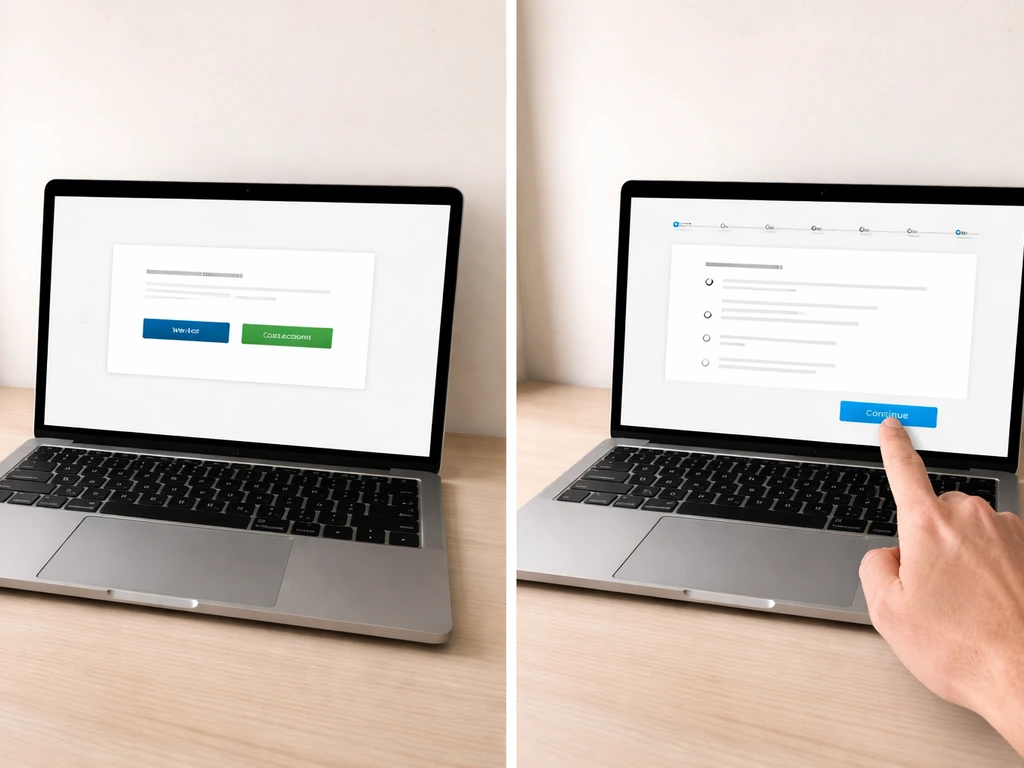
All OCM cannabis license applications go through the state's licensing portal. You won't find a paper application or a different system for cultivators. Start at the OCM website (cannabis.ny.gov) to confirm current application availability, because OCM has opened and closed application windows for different license types at different times. As of April 2026, verify directly with OCM that the Adult-Use Cultivator application is currently accepting new submissions before investing significant time in document prep.
Here's the general flow once you're ready to apply:
- Create an account in OCM's online licensing portal.
- Select the correct license type (Adult-Use Cultivator or the appropriate category for your situation).
- Complete the business entity information section, including entity formation documents.
- Submit True Party of Interest disclosures for all owners, investors, and key decision-makers.
- Provide documentation showing control over your proposed cultivation premises (lease, deed, or equivalent).
- Submit your site/cultivation plan, including facility layout, canopy size, and grow method (indoor, outdoor, mixed-light).
- Pay the application fee at submission.
- Respond to any OCM requests for additional information during the review period.
- Receive conditional or full approval, then obtain your Certificate of Occupancy and complete any pre-operational inspections before commencing cultivation.
OCM's AUCC application mock-up document is publicly available and gives a useful preview of the types of fields and document categories you'll encounter, even though it was built around the conditional cultivator format. Reviewing it before you start the general application will help you understand what OCM is looking for in areas like premises documentation and business structure disclosure.
On timelines: OCM has not published a fixed review timeline guarantee for cultivation applications. Realistically, build in several months between submission and approval. Applications with complete documentation and no TPI complications move faster. If you're missing a premises document or have an undisclosed financial relationship, expect delays or a denial.
Costs, fees, and canopy limits
OCM publishes its "Adult-Use Application and Licensing Fee Schedules" as a PDF on the OCM website. You should download that document directly from cannabis.ny.gov because fees can change and you want the current version, not a third-party summary that might be outdated. The fee schedule breaks out both the application fee (paid at submission, non-refundable or partially refundable depending on OCM's policy) and the license fee (paid upon approval), and it differentiates between cultivation methods: indoor, outdoor, and mixed-light all have different fee structures.
Canopy limits are tied to the license tier you apply for. New York structures its cultivator tiers by canopy size, and the fee you pay scales with that canopy. If you're planning a 5,000 square foot indoor canopy versus a 50,000 square foot outdoor operation, you're in different tiers with different fees. Mapping your planned grow space to the correct tier before you apply is essential because applying in the wrong tier wastes time and potentially money.
To give you a rough sense of what to budget: between application fees, license fees, compliance infrastructure (security systems, Metrc credentialing, etc.), and facility buildout, a new cultivation operation in New York should expect to invest significantly before the first harvest. The state fees alone are not trivial, and the operational compliance costs add on top. Check the current fee schedule PDF on OCM's site for the exact numbers.
Compliance requirements: what you're signing up for
Seed-to-sale tracking in Metrc
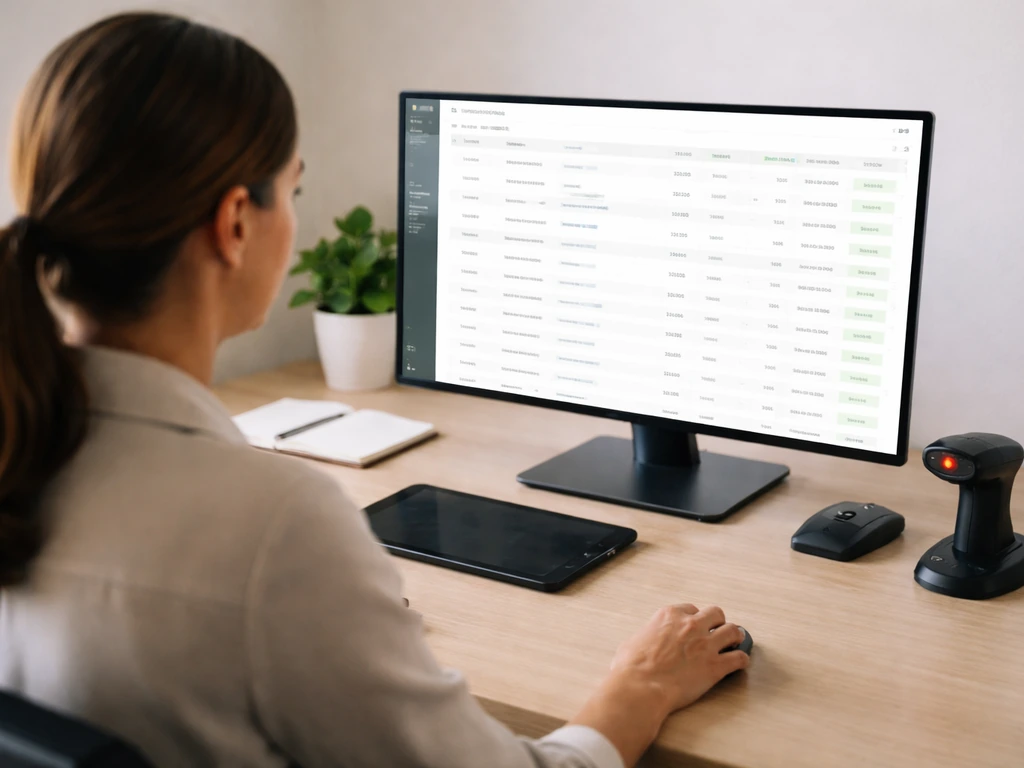
New York selected Metrc as its statewide seed-to-sale tracking system. Every active licensee, including cultivators, must be credentialed in Metrc whether or not they're currently operational. That means getting your Metrc account set up is not optional and not something you do after approval as an afterthought. OCM assigns each NY license a unique license number, and in Metrc each license gets a suffix that designates the approved activities at each location. If you have multiple cultivation sites under one license, each site gets its own Metrc suffix.
Inventory tracking timelines
OCM's compliance requirements for cultivators include maintaining a complete inventory and recording activities in your tracking system within defined timelines. OCM’s STS FAQs also require licensees to keep an electronic, real-time inventory tracking system and record inventory activities in line with the seed-to-sale framework requirements maintaining a complete inventory and recording activities in your tracking system within defined timelines. For certain activity types, OCM specifies reporting within three days. Missing those windows is a compliance violation, so your team needs to understand the reporting cadence before you're operational. Sloppy tracking is one of the most common compliance issues that leads to enforcement actions.
PowerScore for resource reporting
Beyond Metrc, OCM has designated PowerScore as the approved platform for resource tracking and reporting for licensed cultivators (both medical and adult-use), governed under 9 NYCRR Part 129. This is a separate system from Metrc and covers things like energy and water usage reporting. Budget for both systems and make sure whoever manages your compliance operations knows both platforms.
Security and surveillance
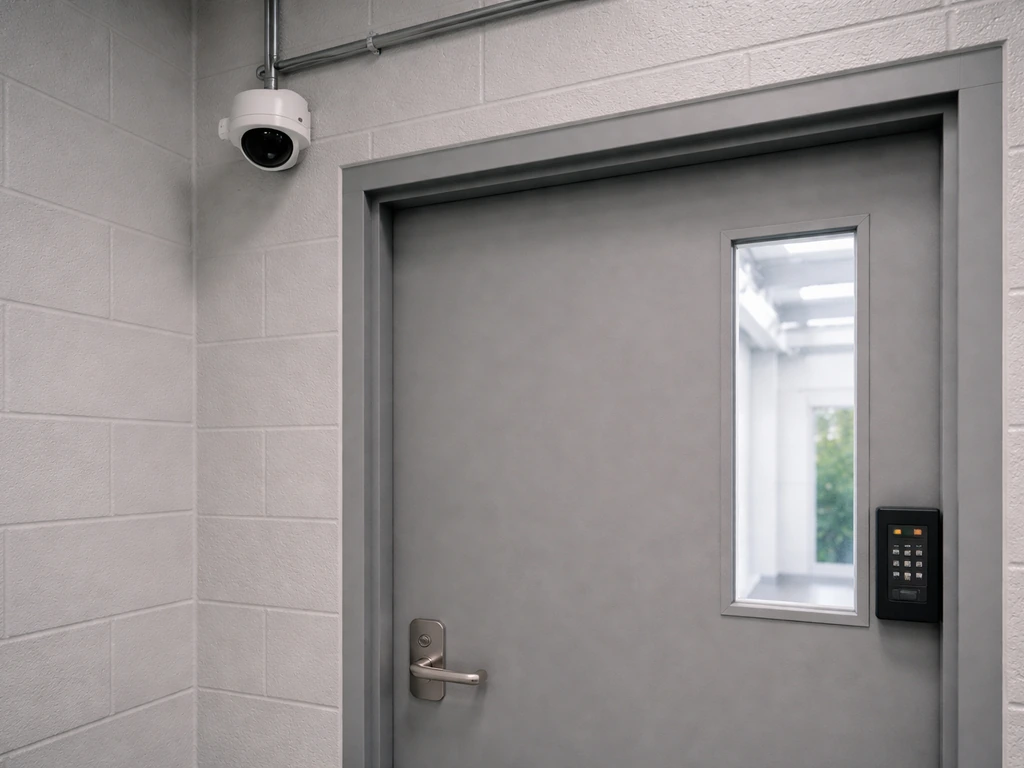
OCM's compliance reminders are explicit: licensees must adopt and maintain security systems, tracking systems, recordkeeping and record retention protocols, and surveillance systems covering cannabis at all stages of the operation. This includes acquiring, possessing, manufacturing, selling, delivering, transporting, testing, and distributing. For a cultivator, that means cameras covering your canopy areas, secure perimeter controls, visitor logs, and documented employee access procedures. These aren't suggestions; they're approval prerequisites and ongoing inspection criteria.
License renewals
Once you have a license, OCM requires renewal applications to be submitted between 60 and 120 days before the license expiration date. Missing that window can put your ability to continue operations at risk. Calendar your renewal deadline the day you receive your license approval.
How New York compares to other states
If you're researching cultivation licensing across multiple markets, the New York process is more structured and compliance-heavy than some states but not the most complex in the country. States like California have their own multi-agency licensing structure, which you can read about if you're considering that market alongside New York. For context on a more straightforward Southern state framework, getting a grow license in Texas covers a very different regulatory environment. Florida's medical-focused model is another contrast worth understanding if you're evaluating markets, and how to get a grow license in Florida walks through that process. For those looking at international options, getting a grow license in Manitoba covers the Canadian provincial approach. And if you're evaluating the West Coast, California's cultivation licensing process involves both state and local approval layers that can significantly extend timelines.
New York's system is notable for its TPI and two-tier ownership restrictions, which are stricter than most states. That's intentional policy designed to prevent large operators from controlling both growing and retail. If your business structure has overlapping interests across tiers, New York may require you to restructure before you can hold a cultivation license.
Your immediate next steps
Here's a concrete checklist of what to do right now if you're serious about getting a New York cannabis cultivation license:
- Go to cannabis.ny.gov and confirm the Adult-Use Cultivator application window is currently open for new applicants. Do not rely on this article or any third-party source for window status; check OCM directly.
- Download the current Adult-Use Application and Licensing Fee Schedules PDF from the OCM site and identify the fee tier that matches your planned canopy size and grow method (indoor, outdoor, or mixed-light).
- Map your planned canopy square footage to the correct cultivator tier in the fee schedule so you apply in the right category.
- Review your business structure and identify every True Party of Interest. Check whether any TPI has a financial interest in a demand-tier license and resolve any conflicts before applying.
- Secure your premises documentation: a signed lease, deed, or equivalent agreement showing you have control over the cultivation site.
- Check OCM's events calendar for upcoming "Road Map to General Licensing Application" sessions and register for the next available one.
- Begin the Certificate of Occupancy process with your local municipality so you're not waiting on it after receiving OCM approval.
- Plan your Metrc account setup and PowerScore registration so you're not scrambling after approval.
- Design your security and surveillance layout to meet OCM compliance requirements before the inspection phase.
- Calendar your renewal window (60 to 120 days before expiration) on the day you receive your license.
One final note: this guide is regulatory information, not legal advice. Cannabis law in New York continues to evolve, and OCM can update rules, fees, and application windows at any time. Before you commit resources, confirm every detail directly with OCM or with a licensed cannabis attorney who practices in New York. The OCM website is the only authoritative source for current licensing requirements.
FAQ
Is there a New York “home grower” license for adult-use cannabis? (I only want to grow a few plants.)
For adult-use, New York does not provide a simple license to grow a small number of plants at home for personal consumption. Commercial cultivation licensing is aimed at operating under OCM’s regulated framework, including premises control, tracking, security, and required approvals. If you want only personal use, you generally need to look at what New York allows for patients, not a non-patient “home grow” authorization.
Do I need a Certificate of Occupancy before I submit a new york cannabis grow license application?
Yes, you can apply without the Certificate of Occupancy in hand, but you must submit the required premises documentation before you begin licensed operations. A common mistake is treating the C of O as optional after approval. Build your timeline so you can obtain (or update) the premises authorization before you’re ready to commence.
What counts as “premises control” for an adult-use cultivator application in New York?
Your “control” over the premises needs to be documented and consistent with how you intend to operate. OCM typically expects a lease or ownership agreement that gives you the right to run a cultivation facility at that location. If your agreement is short, non-exclusive, or doesn’t cover the cannabis use, you may have to renegotiate before OCM accepts the premises showing.
How strict is TPI disclosure for a new york cannabis grow license, and what happens if I miss someone?
Unresolved True Party of Interest issues are one of the fastest ways to stall or derail review. Before applying, create a list of everyone who has ownership, financial interest, or significant decision-making authority, including investors and sometimes management-level participants. If any potential TPI is connected to a demand-tier license, assume you will need to restructure or unwind interests to comply with the two-tier ownership rules.
When should I set up Metrc for my cultivation license, during application or after approval?
No, you should not wait until after approval to set up tracking. New York uses Metrc statewide for seed-to-sale tracking, and licensees are expected to be credentialed and configured for their approved activities at each location. Plan for Metrc account setup and role assignments before operations begin, especially if you have multiple sites.
Do I need both Metrc and PowerScore for a new york cannabis grow license?
PowerScore and Metrc are not interchangeable. Metrc is the seed-to-sale tracking system, while PowerScore is used for other resource reporting requirements under the applicable regulation. A common compliance problem is budgeting for only one system or assuming one will satisfy all reporting.
How long does it take OCM to review an adult-use cultivator license application?
OCM does not guarantee a specific review timeline for cultivation applications. The practical approach is to assume several months from submission to approval, longer if documentation is incomplete or if TPI and ownership disclosures create questions. If you are under construction timelines, treat approval delays as a material risk and plan financing and contractors accordingly.
How do canopy limits and cultivation tiers affect fees and approval for a new york cannabis grow license?
Yes, applying in the wrong canopy tier can create problems. New York’s cultivation tiers scale by canopy size, which affects both fees and how OCM evaluates your application. Measure your planned canopy area accurately and match it to the tier structure before submission, so you don’t end up overpaying, underestimating compliance buildout, or needing to amend your plan.
I was hoping to apply under the AUCC route, is there any way to still do it today?
If you missed the Conditional Cultivator window, that path is generally not available. The AUCC application period has been closed since 2022, and the transition deadline for existing conditional holders has passed. Your realistic next step is the standard Adult-Use Cultivator process, while separately reviewing whether another structure like a microbusiness fits your operating model.
When should I start my renewal for a New York cultivator license?
Renewal is time-sensitive. OCM requires renewal applications to be submitted between 60 and 120 days before the expiration date, and missing the window can jeopardize continued operations. Put the renewal date on your corporate calendar the day you receive approval, and assign an internal owner who tracks both systems, security readiness, and documentation updates ahead of time.
What are the most common compliance mistakes after a New York cultivator license is approved?
Ongoing compliance errors often come from poor internal process, not from ignorance of the rules. Build a reporting cadence that matches OCM’s time windows for specific activity types, and train staff on what must be logged and when. Many enforcement issues trace back to missed deadlines in the tracking system or inconsistent recordkeeping.
Next Article
How to Get a California Cannabis Grow License Step by Step
Step by step guide to get a CA cannabis cultivation grow license, including eligibility, local approval, compliance, and