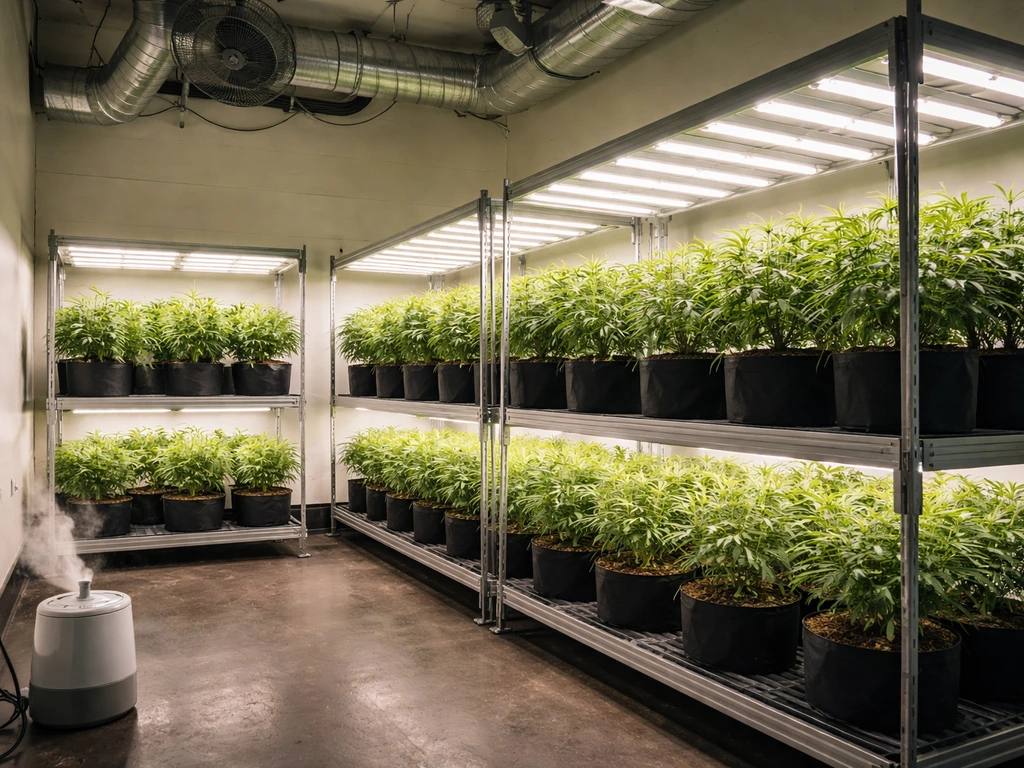
Getting a cannabis grow license in Florida is not like getting a grower's permit in most other states. Florida does not have a standalone "cultivation license" you can apply for as a solo grower or small farm. Instead, the state runs its cannabis program through a vertically integrated model, meaning the only legal path to growing cannabis in Florida is to become a licensed Medical Marijuana Treatment Center (MMTC). That is the license you need, and this guide walks you through exactly what that means, what it costs, and how to pursue it. This article covers regulatory information only and is not legal advice.
How to Get a Grow License in Florida: Steps, Costs, Requirements

Marcus Whitley
6 Apr 2026
Which Florida cannabis license pathway you actually need

Florida's medical marijuana program is governed by Florida Statutes § 381.986, and it sets up a tightly controlled, state-preempted system. Under this framework, the only businesses authorized to cultivate cannabis are MMTCs. There is no separate "grower-only" license, no craft cultivator tier, and no adult-use recreational program as of April 2026 (Amendment 3 passed in November 2024 but rulemaking for adult-use commercial licenses has not yet created an open market for cultivation). So if you want to legally grow cannabis in Florida today, you are applying to become an MMTC.
An MMTC is a vertically integrated operation. That means it must be authorized to cultivate, process, and dispense medical marijuana. These are not simultaneous approvals. The state breaks authorization into three distinct stages: cultivation authorization first, then processing authorization, then dispensing authorization. You cannot skip ahead, and you cannot hold just a cultivation authorization in isolation for long without progressing through the other stages. This is a significant operational and financial commitment, which is why understanding the full picture before applying matters.
If you are curious how Florida compares to states with more accessible cultivation pathways, it is worth looking at how to get a grow license in California, where tiered licensing allows small cultivators to enter the market without building a full vertical operation. Florida's model is fundamentally different.
Who can apply and what eligibility actually looks like
MMTC applicants must be business entities, not individuals applying on their own behalf. The application requires identifying owners, managers, and officers of the entity. Florida law and OMMU rules impose strict suitability requirements on the people behind the business. Here is what the eligibility picture looks like in practice:
- You must apply as a registered business entity (not as an individual sole proprietor).
- All owners, officers, and managers are subject to Level 2 criminal history background checks, including fingerprinting through the Florida Department of Law Enforcement (FDLE).
- Criminal history findings can block or delay both initial applications and renewals. Changes to background screening requirements took effect July 1, 2025, including updated fingerprint screening procedures, so confirm current FDLE requirements directly with OMMU.
- Applicants must demonstrate financial stability and capitalization. OMMU has historically required evidence that the entity has sufficient funds to build out and operate the full vertically integrated business.
- Prior agricultural or nursery operation experience has historically been a factor in MMTC applications, though specific point weights have varied across application cycles.
- Local government zoning consistency is typically required. The state controls the licensing itself, but your facility location must be zoned appropriately for your municipality or county.
One practical note: MMTC licenses are not always open for new applications. Florida has gone through discrete application windows, and OMMU periodically opens new rounds based on patient population thresholds established in statute. Before investing in application preparation, verify with OMMU that an active application window is open or scheduled.
Step-by-step: how the application process works

Florida MMTC applications are governed by Florida Administrative Code, including rules like 64ER22-9 which specifies the required application form (Form DH8052-OMMU-12/12/2022) and instructions. Here is the process broken into clear stages:
- Confirm an application window is open by checking the OMMU website (floridashealth.gov/ommu) or contacting OMMU directly. New windows open based on statutory patient-count triggers, so timing matters.
- Form your business entity and register it with the Florida Division of Corporations if you have not already. This must be done before you can submit an application.
- Obtain your OMMU application packet. The required form is Form DH8052-OMMU-12/12/2022, referenced in Florida Administrative Code 64ER22-9. Download it from the OMMU site and read the instructions in full before touching the form.
- Complete background screening for all owners, officers, and managers. This means Level 2 criminal history checks through FDLE, including fingerprinting. Allow extra time because scheduling and processing delays are common.
- Prepare your supporting documentation. This typically includes: proof of entity registration, financial documentation, business plans, facility site plans or control-of-property evidence, and security system plans. The application instructions specify exactly what is required.
- Prepare your written cultivation, processing, and dispensing plans. Even at the cultivation authorization stage, the full MMTC application typically requires you to address all three operational areas.
- Submit your application package by the OMMU deadline, including all required fees (see fee section below). Late or incomplete submissions are typically rejected without review.
- Wait for OMMU's completeness review. OMMU may issue a deficiency notice if your application is incomplete. You will have a limited window to cure deficiencies.
- If your application passes completeness review, it advances to substantive review. OMMU may conduct site visits or request additional documentation.
- If approved, you receive conditional approval and must then satisfy specific build-out, inspection, and security requirements before receiving your actual cultivation authorization and progressing to processing and dispensing authorizations.
This is a demanding process compared to states with simpler licensing structures. If you are exploring other state programs to compare complexity, how to get a grow license in NY covers a different tiered approach that some applicants find more accessible at the small-cultivator level.
What it actually costs: fees and the real financial picture
Florida does not publish a simple one-line fee schedule for MMTC licensing, because the cost picture is multi-layered. Here is an honest breakdown:
| Cost Category | Approximate Amount | Notes |
|---|---|---|
| MMTC Application Fee | $60,000 (non-refundable, historically) | Fee has varied across application cycles. Confirm current amount with OMMU before applying. |
| MMTC License Fee (if approved) | $60,000–$146,000+ annually | Scales with number of dispensing locations. Confirm current fee schedule with OMMU. |
| Renewal Application Fee | Set by current rule (Form DH8053-OMMU-23 05/01/2025) | Renewals must be submitted per FAC 64ER25-1 by the deadline specified in subsection (4). |
| Background Screening (per person) | Varies by provider | FDLE fingerprinting fees plus any third-party processing fees. Required for all owners/officers/managers. |
| Facility Build-Out | $500,000–$5M+ depending on scale | Cultivation facility, security systems, seed-to-sale tracking integration, and processing/dispensing build-out. |
| Seed-to-Sale Tracking Integration | Ongoing operational cost | MMTCs must integrate internal tracking with the state's seed-to-sale system per OMMU rulemaking. |
| Legal and Consulting Fees | $50,000–$200,000+ | Most applicants hire attorneys and consultants given the complexity and cost of application errors. |
The honest answer to "how much does a grow license in Florida cost" is: plan for well over $1 million in total first-year costs when you factor in application fees, licensure fees, facility build-out, security requirements, and professional services. The state application fee alone is substantial and non-refundable. This is not a program designed for small operators or first-time entrepreneurs without serious capital backing.
Fee amounts have been adjusted across application cycles, so do not rely solely on historical figures. Always verify current fees directly with OMMU before budgeting. The renewal process is governed by FAC 64ER25-1, which references Form DH8053-OMMU-23 dated 05/01/2025 and sets a hard deadline (no later than 5:00 p.m. Eastern on the renewal deadline) for submission.
Plant limits, facility requirements, and compliance basics
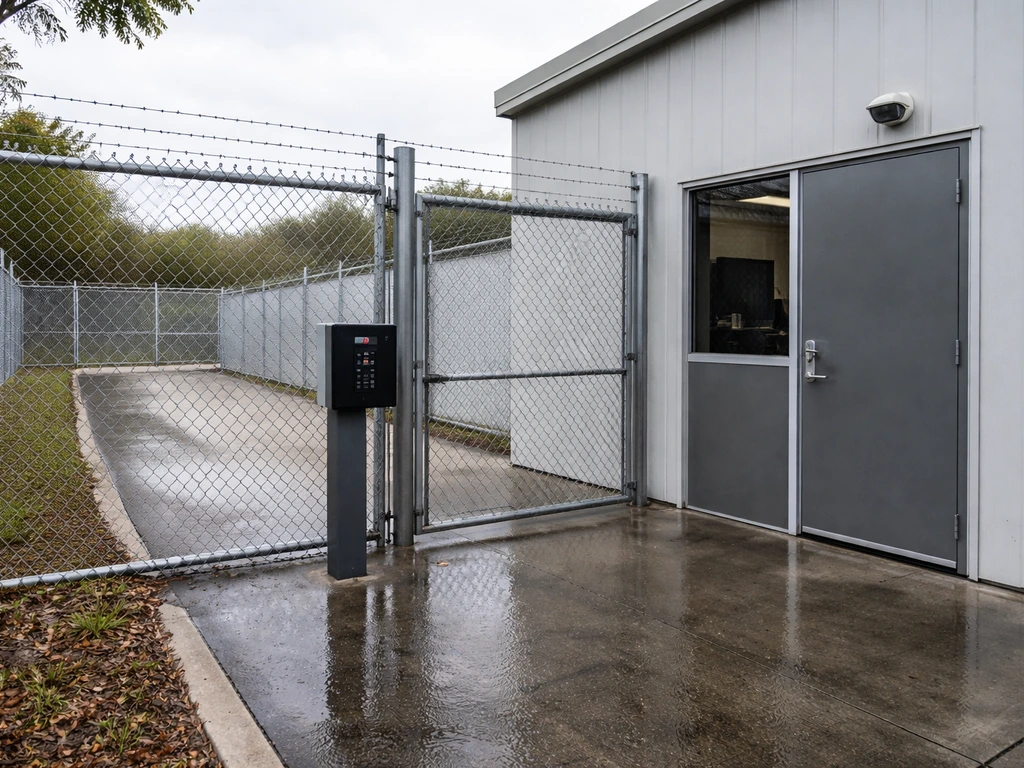
Florida does not publish a simple statewide plant count limit the way some states do for home or small-scale growers. Because Florida's program is MMTC-only, plant and canopy limits are tied to each individual MMTC's authorization and operational plan rather than a flat statutory cap. Here is what compliance looks like at the facility level:
- Cultivation facilities must maintain a fully operational security alarm system at all times. This is a statutory requirement under Chapter 2025-114, Laws of Florida, not optional.
- Secured areas within the facility must meet OMMU-specified access and control standards. Only authorized personnel can access grow areas.
- All cannabis plants and products must be tracked in the MMTC's internal seed-to-sale system, which must be integrated with the state's Department of Health seed-to-sale tracking platform. This integration is subject to Florida Administrative Register rulemaking and must be operational before you can legally grow or sell.
- Facilities must pass OMMU inspections before receiving cultivation authorization. Inspectors will verify that your physical facility matches your approved plans.
- Environmental controls, sanitation, and record-keeping standards apply throughout the grow operation.
- Canopy expansions or changes to cultivation operations typically require advance OMMU notification or approval.
Security is not a checkbox exercise here. Florida's law requires that the alarm system be fully operational, meaning a system that is installed but not functioning properly is a compliance violation. Build your security infrastructure before you expect your inspection, not after.
How long it takes and what renewal looks like
Florida MMTC applications do not move on a predictable fixed timeline, partly because application windows are not always open and partly because OMMU review timelines depend on application volume and administrative capacity. Here is a realistic timeline framework:
- Pre-application preparation (entity formation, background screening, documentation): 3 to 6 months minimum.
- OMMU completeness review after submission: Several weeks to a few months, depending on the application cycle.
- Substantive review and approval/denial: Can range from a few months to over a year in contested or high-volume cycles.
- Facility build-out after conditional approval: 6 to 18 months depending on scope.
- Cultivation authorization inspection and approval: Weeks to months after build-out completion.
- Total time from starting your application to legally growing: Realistically 2 to 4 years is not unusual for the full cycle.
On the renewal side, MMTC licenses must be renewed annually. Under FAC 64ER25-1, renewal applications must use Form DH8053-OMMU-23 (dated 05/01/2025) and must be submitted by the deadline set in subsection (4) of that rule. Florida Administrative Code Rule 64ER25-1 also requires that MMTC renewal submissions follow Form DH8053-OMMU-05/01/2025 and include the renewal fee set in the rule. Missing the renewal deadline can block your ability to continue operations. Background screening must remain current, and as of July 1, 2025, updated fingerprint/Level 2 screening requirements apply to renewals. Start your renewal process well in advance of the deadline, not in the final weeks.
Florida's long approval timeline is one reason some cannabis entrepreneurs look at other markets first. For comparison, New York cannabis grow licensing has developed a different regulatory structure with some pathways that move faster for certain applicant types.
Why applications get stuck (and how to avoid it)
Most MMTC application failures and delays come down to a short list of avoidable problems. Here are the most common ones and what to do instead:
- Incomplete documentation: The OMMU application is long and detailed. Missing a single required exhibit or form can trigger a deficiency notice and delay your review by weeks or months. Use the Form DH8052-OMMU-12/12/2022 instructions as a literal checklist and confirm every item is present before submission.
- Background screening delays: FDLE fingerprinting and Level 2 checks take time, especially if any owners or officers have name or record issues that require manual processing. Start screening as early in the process as possible, not at the last minute.
- Suitability disqualifications: Criminal history findings for any owner, officer, or manager can block the entire application. Know your team's background before you invest in application preparation.
- Zoning/local authorization gaps: Your facility site must be appropriately zoned. If you submit an application without confirmed local zoning consistency, you risk rejection or a deficiency notice when OMMU verifies the site.
- Undercapitalization evidence: Applications that do not demonstrate sufficient financial resources to build and operate a full MMTC are routinely scored poorly or rejected. Document your capital position thoroughly.
- Applying outside an open window: OMMU does not accept applications continuously. Submitting outside an active window means your application will not be processed. Confirm the window is open before you send anything.
- Security plan deficiencies: Facility security plans that do not meet the statutory and OMMU standards for alarm systems and secured access are a common deficiency. Have your security plan reviewed by someone familiar with OMMU requirements before submission.
Some of these pitfalls are also common in other competitive state markets. If you want to see how a state with a similar level of regulatory scrutiny handles the application process, getting a grow license in Texas offers a useful parallel case of a state with a limited-license medical-only cultivation model.
What to do today: your next-steps checklist

If you are serious about pursuing an MMTC license in Florida, here is a concrete checklist of actions you can take right now:
- Go to the OMMU website (floridashealth.gov/ommu) today and confirm whether an application window is currently open or announced. Do not invest further resources until you know this.
- Download the current MMTC application instructions (Form DH8052-OMMU-12/12/2022) and read them in full. This gives you the authoritative list of what is required.
- Verify current fee amounts directly with OMMU. Do not rely on historical figures or third-party summaries, including this article, for exact fees.
- Identify all owners, officers, and managers of your planned entity and begin the FDLE Level 2 background screening process for each person. Do this early.
- Consult a Florida-licensed attorney with cannabis regulatory experience before submitting anything. The application fee is non-refundable and the stakes are high.
- Identify and secure (option or lease) a potential facility site, and confirm local zoning compatibility with your county or municipal planning department.
- Begin building your financial documentation package. OMMU will want evidence of capitalization sufficient to operate a full MMTC.
- Start developing your cultivation, processing, and security plans with qualified professionals. These are substantive documents, not boilerplate.
- If you are considering operating in multiple states, research other markets at the same time. Reading about how to get a grow license in Manitoba can help frame how North American cannabis licensing models differ in structure and accessibility.
- Set a calendar reminder to check OMMU's website monthly for application window announcements, rule changes, and fee schedule updates.
Florida's cannabis cultivation pathway is one of the most demanding in the country, but the process is knowable. The key is starting with accurate information about what you are actually applying for (an MMTC license, not a standalone grow permit), knowing the real costs upfront, and building your application package carefully before you submit. The operators who succeed here are the ones who treat the application itself as a major project requiring serious preparation, not a form you fill out in a weekend.
FAQ
If I am an individual, can I get a Florida grow license as a sole proprietor or personal application?
No. Florida’s legal route to grow cannabis for patients is through a licensed Medical Marijuana Treatment Center (MMTC), and the application must be submitted by a business entity. That means you need an entity structure and named owners, managers, and officers, plus suitability screening for the people behind the entity.
Do I apply once and get approval to cultivate, process, and dispense, or are they separate approvals?
They are separate stages. Florida authorizes cultivation first, then processing, then dispensing, and you cannot treat them as one combined approval. You should plan your capital and staffing in phases so you can progress from cultivation authorization without stalling later operational requirements.
What happens if I only want to build out the cultivation part but not processing or dispensing yet?
You generally should not assume you can limit your authorization to cultivation only. Florida’s MMTC model is vertically integrated, and the program’s structure expects movement through the stages. If you delay or cannot demonstrate realistic progression, your ability to remain compliant and operational can be affected.
How do I know whether an MMTC application window is open before I spend money preparing?
Do not rely on rumors or past cycles. Before hiring consultants or starting facility work, confirm that OMMU has an active or scheduled application window for MMTCs. This is especially important because windows have been opened in discrete rounds tied to patient population thresholds.
What is the fastest way to reduce the risk of a denial due to owner or manager suitability issues?
Start with a suitability check on the individuals you intend to name, not just the company formation paperwork. Make sure background screening and disclosure readiness are handled early, because suitability issues for owners, managers, and officers are a common cause of problems. Build an internal record trail so responses are consistent across the application and later renewals.
Is Florida’s security requirement satisfied if I hire a vendor and install equipment by the inspection date?
Not enough to simply have hardware installed. The alarm system must be fully operational, meaning it has to function correctly, not just be present. Plan to commission, test, and document security performance well before any expected inspection, then keep maintenance records to avoid compliance gaps.
Are there plant count limits or canopy caps that apply statewide to MMTCs?
There is not a simple statewide plant or canopy cap in the way some other states structure small-grow limits. In Florida, cultivation authority is tied to each MMTC’s authorization and operational plan, so the effective limits come from what your MMTC is approved to do, not a universal number.
What timeline should I plan for if I want to build a facility immediately after applying?
Do not assume a predictable approval timetable. Review timing can vary based on application volume and administrative capacity, and application windows may affect your start point. For budgeting, treat facility build-out as phased, and avoid irreversible commitments until you are closer to an authorization milestone.
How should I budget for total costs, and what cost categories often surprise first-time applicants?
Budget for well over $1 million in first-year total costs if you want a realistic picture, because costs span more than application and license fees. Typical surprises include facility build-out, security infrastructure, professional services, and ongoing compliance work required to support each stage of authorization.
What should I know about renewal deadlines and paperwork?
Renewal is annual, and you must use the specific renewal form referenced in the controlling rule and meet the submission deadline. Florida also enforces a hard time-of-day submission cutoff (no later than 5:00 p.m. Eastern on the renewal deadline), so plan internal reviews early to avoid late submissions due to approvals or filing bottlenecks.
Do renewal background checks change over time, and can that affect my ability to renew?
Yes. Renewal background screening must remain current, and there have been updates to fingerprint or Level 2 screening requirements as of July 1, 2025. You should treat renewals as a fresh compliance cycle, not a routine administrative step, and calendar the screening updates in advance.
If I miss a renewal deadline, can I continue operating while I fix it?
Missing the renewal deadline can block your ability to continue operations. The safer approach is to start renewal well in advance of the deadline, complete required forms and screenings on time, and build in buffer for corrections before the cutoff.
Is it worth comparing Florida with other states’ grow license paths if I am considering business formation now?
Yes, but do it with the right comparison lens. Florida is MMTC-only and vertically integrated, which makes it structurally different from states with tiered cultivation licenses or smaller operator pathways. Use comparisons to stress-test your business model assumptions, timeline, and capital plan, rather than expecting to replicate other states’ easier entry points.
Next Article
How to Get a Grow License in NY: Step-by-Step Guide
Step-by-step how to get a NY cannabis grow license, including track choice, site prep, documents, fees, timelines, and c