Getting a cannabis grow license in California is genuinely possible, but it is not a single step. It is a layered process that starts at your city or county, runs through the state's Department of Cannabis Control (DCC), and involves environmental agencies, fire departments, and sometimes fish and wildlife regulators before you ever see an approved license in hand. This guide walks you through every layer in plain language so you know exactly where to start and what to prepare.
How to Get a California Cannabis Grow License Step by Step

Marcus Whitley
7 Apr 2026
What does 'grow license' actually mean in California?
This is the most important clarification to make upfront. In California, 'grow license' can refer to very different things depending on your situation, and confusing them is one of the most common mistakes applicants make.
If you are an adult aged 21 or older and want to grow a small number of plants at home for personal use, California law (Health and Safety Code § 11362.1 and § 11362.2) already allows you to do that without any state cultivation license. The rules include keeping plants and any cannabis in excess of 28.5 grams in a locked space that is not visible from a public place, and your local ordinance may further restrict or prohibit home cultivation entirely. This is not a licensing pathway. It is a legal allowance with conditions.
Similarly, the Compassionate Use Act (Proposition 215, 1996) provides an exemption from criminal liability for qualifying patients and primary caregivers who cultivate cannabis for medicinal purposes. This is an exemption framework, not a commercial cultivation license, and it has its own plant limits and caregiver restrictions that differ from the adult-use personal rules.
If you want to grow cannabis commercially, sell it, or operate at any meaningful scale beyond personal use, you need a commercial cannabis cultivation license issued by the DCC under the Medicinal and Adult-Use Cannabis Regulation and Safety Act (MAUCRSA). That is what the rest of this guide is about.
Who is eligible to apply?
California does not have a strict residency requirement that bars out-of-state owners from applying, but there are meaningful eligibility hurdles everyone must clear before submitting an application to DCC.
- You must be 21 years of age or older.
- You cannot have certain prior convictions that would disqualify you under DCC regulations. DCC evaluates each applicant's criminal history individually under a substantial relationship standard.
- You must have the legal right to occupy and use the proposed cultivation premises. This means a lease, deed, or other documentation proving you can legally operate there.
- You need a surety bond of at least $5,000 per premises, payable to the State of California.
- You must have secured or be in the process of securing local authorization from the city or county where the premises is located, since DCC cannot approve a state license without confirmed local compliance.
- You must have a Lake and Streambed Alteration (LSA) Agreement from the California Department of Fish and Wildlife, or written verification that one is not needed for your site.
The LSA requirement from CDFW trips up a lot of applicants who do not realize that environmental review is part of the annual licensing process. If your site is near any waterway, stream, or wetland, start the CDFW process early because it can take months.
California cultivation license types: which one do you need?
DCC issues several distinct cultivation license types based on your grow method and canopy size. Choosing the wrong license type at the start will slow down or invalidate your application, so getting this right matters.
| License Type | Grow Method | Canopy Scale | Key Notes |
|---|---|---|---|
| Specialty Cottage | Outdoor, Mixed-Light, or Indoor | Very small (outdoor up to 25 sq ft; mixed-light/indoor up to 500 sq ft) | Lowest tier, good for micro-scale entry |
| Specialty | Outdoor, Mixed-Light Tier 1/2, or Indoor | Small to modest canopy | Tiers for mixed-light based on artificial lighting rate ranges |
| Small | Outdoor, Mixed-Light Tier 1/2, or Indoor | Mid-range canopy | Common starting point for many commercial applicants |
| Medium | Outdoor, Mixed-Light Tier 1/2, or Indoor | Larger canopy | Requires conversion pathway if upgrading from provisional |
| Large | Outdoor or Mixed-Light | Largest category | Special eligibility and conversion requirements apply |
| Nursery | Any method | N/A — propagation only | For clones, seeds, tissue culture; no sale of harvest |
| Processor | N/A — processing only | N/A | For trimming, packaging, and labeling only |
Mixed-light cultivation means growing in a greenhouse or hoop-house using a combination of natural sunlight and artificial lighting. The tier you fall into (Tier 1 or Tier 2) is determined by your artificial lighting rate ranges as described in DCC's Cultivation Plan Guide. If you are planning a mixed-light operation, you will need to model and document your lighting approach as part of your cultivation plan.
Indoor cultivation means fully controlled environments with no natural light contribution. Outdoor means exactly that: sun-grown in an unenclosed space. Each method carries different compliance requirements around power sourcing and local zoning. It is worth noting that if you are looking at how licensing works in other states for comparison, resources like how to get a grow license in Florida illustrate just how differently each state structures its tier and license-type frameworks.
Step-by-step application process
Here is the actual workflow, in the order you need to complete it. Do not skip to the state application before you have completed the local steps. DCC will not approve your application without confirmed local authorization.
Step 1: Confirm your local jurisdiction allows commercial cannabis cultivation
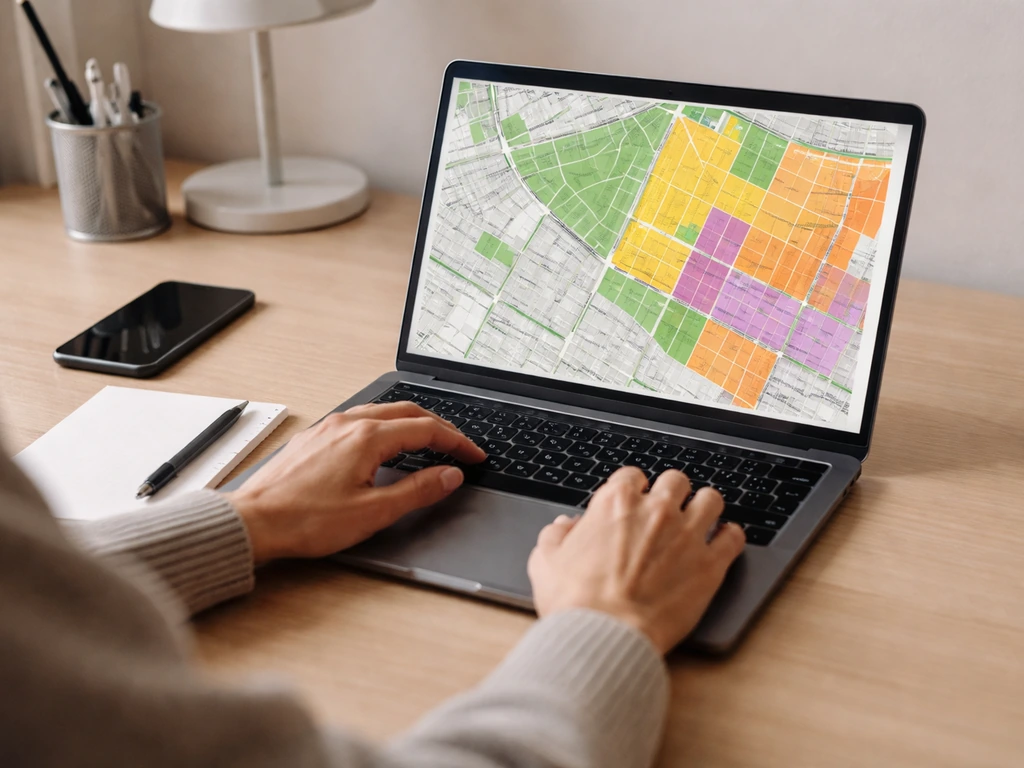
California gives cities and counties the authority to ban, limit, or set their own rules for cannabis cultivation. Your first call or website visit should be to your local planning or zoning department. Ask whether commercial cannabis cultivation is permitted in your zone, what permits are required, and whether there is a local licensing or authorization process you must complete first. Some jurisdictions have caps on how many cultivation licenses they will issue, and some have waiting lists.
Step 2: Get your local license or permit
You need local authorization before DCC will finalize your state license. This can mean a local cannabis business permit, a conditional use permit (CUP), a zoning variance, or all of the above depending on the jurisdiction. Some cities have their own full licensing process that mirrors the state's in complexity. Do not underestimate this step. The California State Auditor found that provisional cultivation license holders in some counties, like Monterey, averaged more than three years to obtain annual state licenses, compared to about a year in Lake County. Much of that difference comes down to how efficiently local jurisdictions process their side of the authorization.
Step 3: Complete environmental and agency pre-checks
Contact the California Department of Fish and Wildlife to determine whether your site requires a Lake and Streambed Alteration Agreement. If it does, begin that process now. Also contact your county agricultural commissioner to confirm which pesticides are legally permitted for cannabis cultivation in your area. DCC requires an attestation on your application that you have made this contact.
Step 4: Prepare your application materials

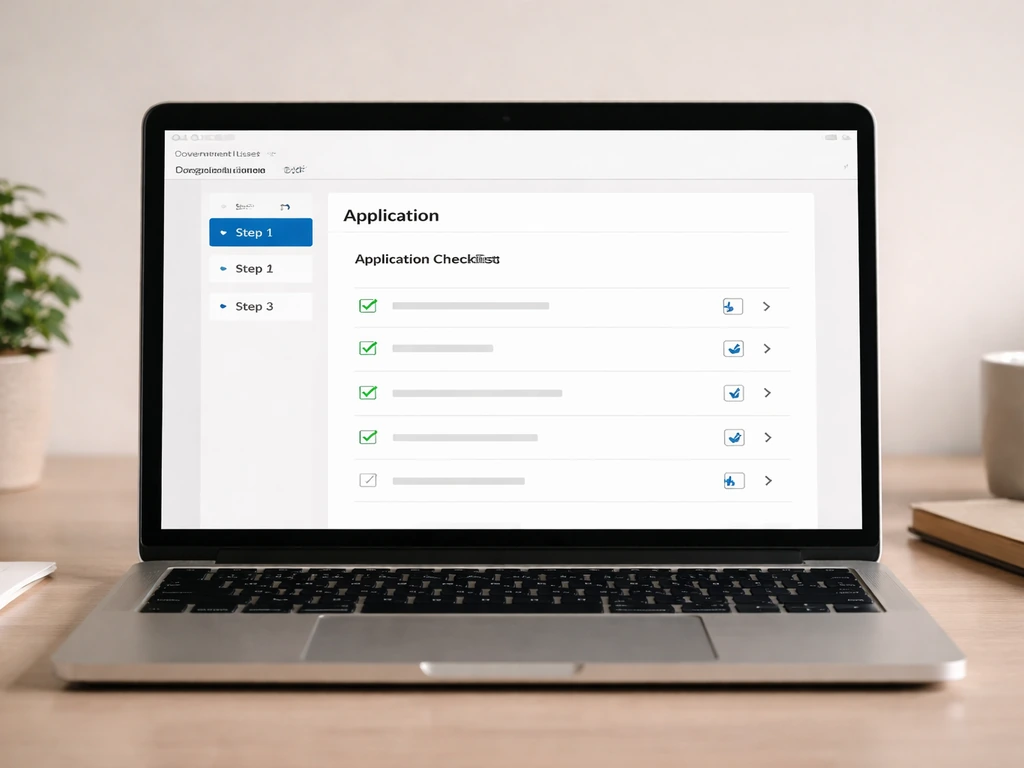
DCC's annual license application checklist is your single most important document at this stage. Pull it from the DCC website and work through every item. The core materials you will need include:
- Proof of legal right to occupy the premises (lease, deed, or equivalent documentation)
- Surety bond of at least $5,000 per premises payable to the State of California
- Cultivation plan, including site map, canopy measurements, grow method, water source, and power source documentation
- Local authorization documentation (permit, license, or letter from your local jurisdiction)
- LSA Agreement from CDFW or written verification one is not needed
- Owner and financial interest holder information for all owners
- Attestation of fire department notification (required for indoor license types)
- Attestation of contact with your county agricultural commissioner regarding pesticide use
- Business entity formation documents (if applying as a business)
- Power source identification (required for mixed-light and indoor applicants at time of application)
Step 5: Submit your application in the Cultivation Licensing System (CLS)
All cultivation license applications go through DCC's Cultivation Licensing System (CLS), which is the online portal on the DCC website. You will create an account, complete each section of the application (premises information, water supply, power source, local authorization, and required documents), and submit. After submission, there are additional steps DCC requires before they consider the application complete, including confirming your local authorization status and uploading any pending documents. DCC begins substantive review only after they receive your application fee.
Step 6: Pay application and license fees
DCC charges a non-refundable application fee and a separate license fee. The application fee triggers the review process. The license fee is due before DCC issues the actual license. If you underpay the licensing fee, DCC may require you to pay the balance plus a penalty equal to 50% of the correct licensing fee, though DCC has discretion to waive penalties in certain situations. Pay carefully and verify the correct fee schedule on DCC's current fee table before submitting.
Fees, plant limits, and what compliance looks like before approval
DCC's fee schedule is tiered by license type and canopy size. Fees range from a few hundred dollars for the smallest specialty cottage licenses to tens of thousands of dollars for large-scale operations. Check DCC's current Application and License Fees page for the exact amounts because they are updated periodically.
There is no single plant count limit in the commercial licensing world the way there is for personal cultivation. Instead, your approved canopy size in square feet is the controlling limit. You can grow as many plants as fit within your licensed canopy. Going over your approved canopy is a compliance violation and can result in license suspension or revocation.
Before approval, you should be preparing your physical premises to meet DCC and local requirements. This includes setting up your security system, finalizing your water and power infrastructure, and ensuring your site layout matches what you documented in your cultivation plan. Inspectors will verify that what they see matches what you submitted.
Local jurisdiction rules, zoning, and why they can make or break your application
California's cannabis licensing framework is built on local control. The state explicitly requires that cannabis businesses complete local permitting requirements before DCC may approve a state license. This is not a technicality you can work around. If your city or county has not issued you authorization, your state application sits and waits.
Zoning is one of the most common early blockers. Commercial cannabis cultivation is typically restricted to specific zones (agricultural, industrial, or commercial cannabis overlay districts). Residential zones almost universally prohibit commercial cultivation. Some jurisdictions also impose setback requirements from schools, parks, and residences.
Local jurisdictions can also impose additional land-use and building code requirements that affect how you operate. For example, if your indoor or mixed-light operation uses generators as a power source, your local jurisdiction may have specific permitting requirements for generator use that go beyond what DCC requires. Plan for this early by talking to your local planning and building departments together, not separately.
If you are curious how this compares to licensing structures in other states, the process for getting a grow license in New York follows a similarly locality-dependent structure, though the specific requirements and agency names differ.
Why applications get delayed or denied (and how to avoid it)
The California State Auditor's findings make clear that the biggest driver of delays is the applicant not responding to local jurisdiction requests in a timely way. When a cannabis business holding a provisional license fails to respond to a jurisdiction's requests promptly, it delays local processing, which in turn delays annual state license issuance. You cannot afford to be slow with correspondence.
Here are the most common reasons for delays and denials, and what to do about each:
| Common Problem | What Causes It | How to Avoid It |
|---|---|---|
| Incomplete local authorization | Missing local permit or conditional use permit | Confirm local requirements before starting state application |
| Missing CDFW documentation | LSA Agreement not obtained or not confirmed as waived | Contact CDFW early, before submitting CLS application |
| Incorrect license type selected | Misunderstanding of canopy thresholds or grow method definitions | Review DCC's regulation definitions and tier structures carefully |
| Power source not identified | Mixed-light or indoor applicants skip this section | Identify and document power source at initial application; get DCC approval before changing it later |
| Surety bond not obtained | Applicant unaware of requirement or delays bonding company | Secure bond before starting CLS application |
| Slow response to DCC or local requests | Applicant treats requests as low priority | Set calendar reminders and respond within 48-72 hours of any agency communication |
| Fee underpayment | Using outdated fee schedule | Check DCC's current fee page the day you submit, not weeks before |
Provisional licenses, which were a temporary pathway during California's licensing ramp-up period, are no longer a viable entry point. DCC required provisional licenses to transition to annual licenses before their 2025 expiration to be eligible for renewal. If you are starting fresh today in April 2026, you are applying directly for an annual license.
After you get licensed: what ongoing compliance actually looks like
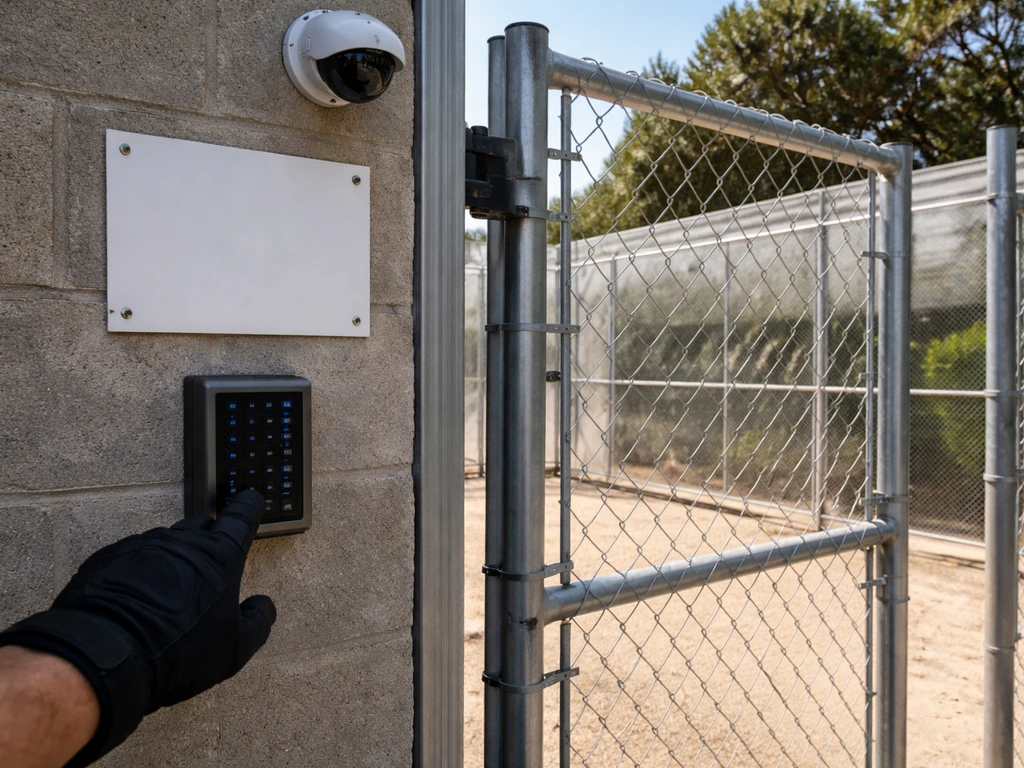
Getting your license is the beginning of your compliance obligations, not the end. Here is what you are managing from day one of operations.
Security requirements
DCC requires licensed cultivation sites to maintain security measures including video surveillance that meets specific resolution and retention standards, controlled access to the premises, and a security alarm system. Your surveillance footage must be retained for a minimum period specified in DCC regulations and must be available for DCC inspection upon request. Security plans are reviewed during the application process and must be implemented before you begin operations.
Track-and-trace (METRC)
California uses METRC as its state cannabis track-and-trace system. As a licensed cultivator, you are required to tag every plant at the immature lot stage and every harvest lot, and to record all transfers, waste disposals, and inventory adjustments in METRC in real time. You must obtain a METRC account before you begin operations and complete DCC's required training. Gaps or inaccuracies in your METRC records are a compliance violation and a common trigger for inspections and corrective action notices.
Inspections
DCC inspectors may visit your premises with or without advance notice. They will check that your physical operation matches your licensed premises diagram, that your canopy does not exceed your approved size, that your security systems are functional, and that your METRC records are accurate and current. The best way to pass an inspection is to operate every day as if an inspector is arriving tomorrow.
Renewals and license changes
Annual licenses must be renewed each year. DCC sends renewal notices, but it is your responsibility to track your renewal deadline and submit before your license expires. If you want to change your license type, expand your canopy, change your power source, or make other material changes to your operation, you must get DCC approval before making those changes. Changing your power source without prior DCC approval, for example, is a specific compliance violation called out in DCC's regulations. DCC also provides structured pathways for cultivators who need to convert license sizes, including a framework for conversion to Large and Medium cultivation licenses with its own eligibility requirements. If you are considering a New York cannabis grow license for comparison on how other states handle renewals and size conversions, the structural differences are significant and worth understanding.
Your next steps starting today
If you are ready to move forward, here is a practical checklist to work through right now, in order:
- Visit or call your city or county planning department to confirm commercial cannabis cultivation is permitted in your target location and zone.
- Ask for the full list of local permits, conditional use permits, or licenses required to operate a commercial cannabis cultivation site.
- Contact CDFW to determine if a Lake and Streambed Alteration Agreement is required for your site.
- Contact your county agricultural commissioner to discuss legal pesticide use for cannabis at your site.
- Download DCC's current Annual License Application Checklist and work through every item.
- Determine your license type based on your grow method (indoor, outdoor, or mixed-light) and planned canopy size.
- Secure your surety bond (at least $5,000 per premises payable to the State of California).
- Gather all documentation: premises right-to-occupy proof, power source identification, cultivation plan, and owner/financial interest information.
- Create an account in DCC's Cultivation Licensing System (CLS) and begin your application.
- Set calendar reminders for all agency correspondence deadlines and your renewal date once licensed.
Licensing timelines vary significantly by jurisdiction, and some steps like CDFW review or local permitting can take several months on their own. The earlier you start the pre-application work, the faster your overall timeline will be. Cultivators in jurisdictions with streamlined local processes can get through the full process in roughly a year. Others in slower-moving counties have waited considerably longer.
If you are doing research on how other states approach this and want a sense of the range, you can look at how getting a grow license in Texas works, or even the cross-border framework involved in getting a grow license in Manitoba, to appreciate how much California's local-control model differs from more centralized systems.
One final note: this guide is written to help you understand the regulatory landscape and application process, but it is not legal advice. Cannabis licensing involves legal, financial, and environmental compliance that is specific to your location and circumstances. Working with a licensed cannabis consultant or attorney who knows your local jurisdiction can make a meaningful difference, especially during the local permitting phase where the nuances matter most.
FAQ
Can I apply for a California commercial cultivation license before I have local authorization?
No. DCC expects confirmed local authorization before it will finalize your state license. In practice, you can start the DCC application only after your local steps are underway, and you must be ready to respond quickly to DCC requests for proof of your local permit, CUP, variance, or cannabis business authorization.
What counts as “local authorization” if my city uses a zoning process instead of a separate cannabis permit?
Local authorization can be a zoning variance, a conditional use permit, a local cannabis business authorization, or multiple approvals together. The key is that you need documentation DCC can accept, so ask your city or county planning office what exact permit language or approval letter they will provide that matches what DCC will ask for.
How do I choose the right cultivation license type (indoor, outdoor, mixed-light) without getting rejected later?
Start by mapping your actual planned growing method and lighting design to DCC’s tier definitions for mixed-light, including artificial lighting rate modeling. If your operation will change during construction, assume inspectors and DCC will compare your final premises to what you documented, so make decisions early and keep your cultivation plan consistent.
Does METRC tagging start immediately when I submit my application or only after I’m licensed?
METRC obligations apply once you are operating under your license. Before you begin operations, you still need a METRC account and required training, and you must follow the tagging and real-time recording workflow during your cultivation cycle. If you start moving plants or harvest without the required METRC records, that creates compliance risk during inspections.
What happens if my local permits take longer than expected, can I still get the annual license eventually?
Yes, but delays are common when local jurisdictions take time to process authorization requests. The risk is that your DCC review and any provisional-to-annual transition opportunities depend on timing and eligibility. Plan for contingencies by pushing your local permitting early and keeping correspondence with local officials on a tight schedule.
Are there limits on pesticide use for cannabis in California commercial cultivation?
Yes. In addition to contacting the county agricultural commissioner, you should confirm which pesticides are permitted for cannabis in your specific area and how they must be used and recorded. DCC requires an attestation that you made the required contacts, but it is your responsibility to ensure your actual products and practices are compliant.
If my approved license is based on canopy size, how do I prevent accidental canopy overages?
Build in measurement and buffer controls, for example using clear labeling of irrigation and trellising areas that define the licensed canopy footprint. Since plants can proliferate beyond what people expect, treat canopy compliance as an ongoing operational metric, not a one-time survey.
I’m changing my power source later. Is there any way to do it without risking a compliance issue?
Plan to request DCC approval before you make material changes, including changes to your power source. If you switch power sources without prior approval, it is specifically flagged as a compliance violation. The safest approach is to treat power infrastructure changes like license amendments, even if construction is already underway.
Do I need a Lake and Streambed Alteration Agreement if my property is near water?
Not always, but proximity can trigger review. DCC expects you to contact California Department of Fish and Wildlife early if your site may be near a waterway, stream, or wetland. Starting early helps because environmental review can take months and can affect your overall timeline.
How can I reduce the chance of an inspection failing?
Make sure your premises matches your submitted diagrams and that your security system and surveillance meet DCC technical requirements before operations. For METRC, prioritize accuracy and timeliness so records align with what is on site. A practical tip is to do internal “mock inspections” that verify canopy measurements, access controls, and documentation are in order before inspectors arrive.
What are the most common application fee mistakes that cause problems with my submission?
Two frequent issues are paying the wrong amount for the correct license type and underpaying the license fee balance. Because application fees and license fees are separate, confirm the current DCC fee schedule for your exact canopy size and license category before submitting, and keep proof of payment.
Is home growing for personal use the same as obtaining a commercial grow license?
No. Personal-use cultivation under California law has conditions like secure storage and limits, but it is not a commercial license pathway. If your goal is to sell, operate at meaningful scale, or run a regulated operation, you generally need a commercial cultivation license and must complete the local plus DCC authorization steps.
If I previously held a provisional cultivation license, does that affect my eligibility now?
It can. Provisional licenses are no longer a viable entry point for new applicants, and DCC’s transition rules required certain provisional holders to move to annual licenses by the applicable expiration timeline. If you are applying fresh now, you should assume you are applying directly for an annual license unless DCC confirms a specific renewal or transition route.
Should I work with a consultant or attorney, and when is the most important time?
Most applicants benefit during the local permitting phase because zoning, CUP requirements, and building or generator-related rules can vary a lot by jurisdiction. If you hire help, prioritize getting their input before you lock in your site design, security plan approach, and cultivation method, since later changes can trigger rework and timing delays.
Next Article
How to Get a Grow License in Florida: Steps, Costs, Requirements
Step-by-step Florida cannabis grow licensing guide: requirements, approval paths, application process, and real cost bal