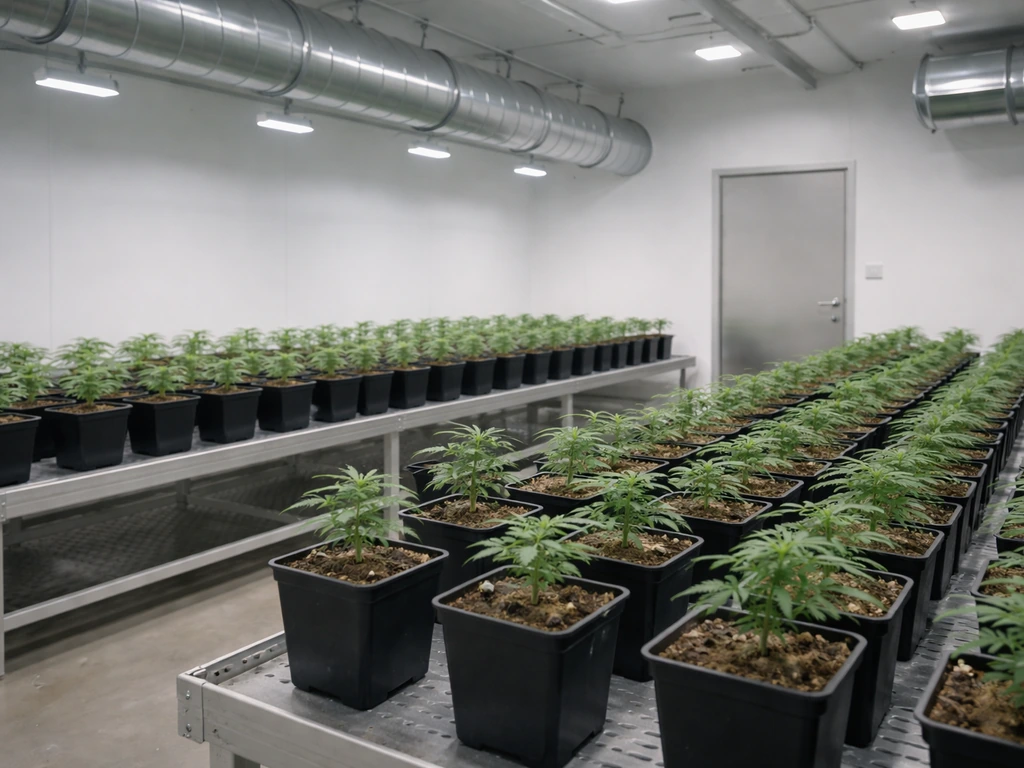
Getting a cannabis grow license in New York means working through the Office of Cannabis Management (OCM), the state agency that oversees every part of NY's regulated cannabis program. Whether you want to grow commercially, operate as a medical cultivator, or just understand what "home grow" actually allows, the OCM is your starting point. The process is real, it takes time, and the paperwork is substantial, but it is navigable if you know what you're walking into.
How to Get a Grow License in NY: Step-by-Step Guide

Marcus Whitley
3 Apr 2026
NY cannabis grow license basics
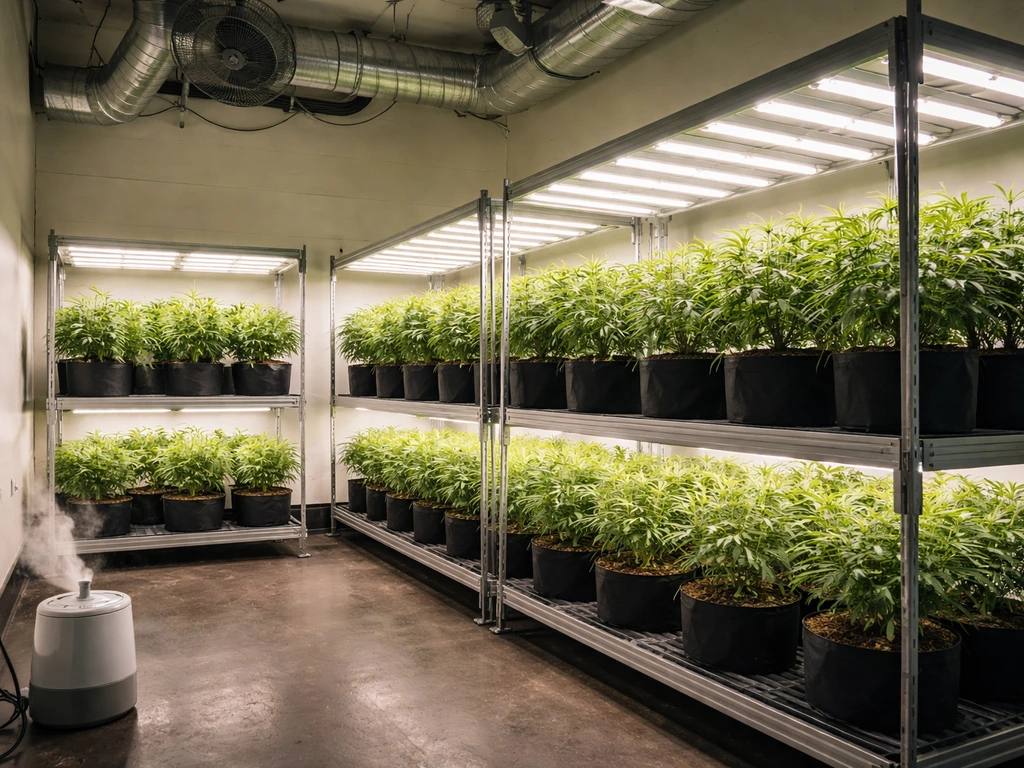
New York legalized adult-use cannabis through the Marijuana Regulation and Taxation Act (MRTA) in 2021. Since then, the OCM has been the single regulatory authority responsible for issuing all cannabis licenses, including cultivation. When people search for a "grow license" in NY, they're usually asking about one of two things: a licensed commercial cultivation operation (which requires a formal OCM license), or personal home grow rights (which, for most adults, require no license at all).
Adult New Yorkers (21 and over) are legally allowed to grow up to 3 mature and 3 immature cannabis plants at home for personal use without any license. OCM’s Part 115 amendment document discusses the structure and definitions for personal home cultivation rules, including what “home cultivation” allows versus licensed cultivation home cultivation rights without a license. Caregivers registered under the medical program can grow for qualifying patients. But if you want to grow cannabis commercially, sell it, or cultivate at scale beyond those personal-use limits, you need an OCM-issued cultivation license. That's the license this guide focuses on.
Understanding which track applies to you is the single most important first step. A lot of applicants waste months preparing for the wrong license type. If you're just growing a few plants for yourself, you don't need a license. If you want to supply dispensaries, process products, or run a cultivation business, you do. If you're growing for a registered medical patient as a caregiver, check the OCM's medical program rules specifically, since those have their own eligibility criteria.
License types and who's eligible
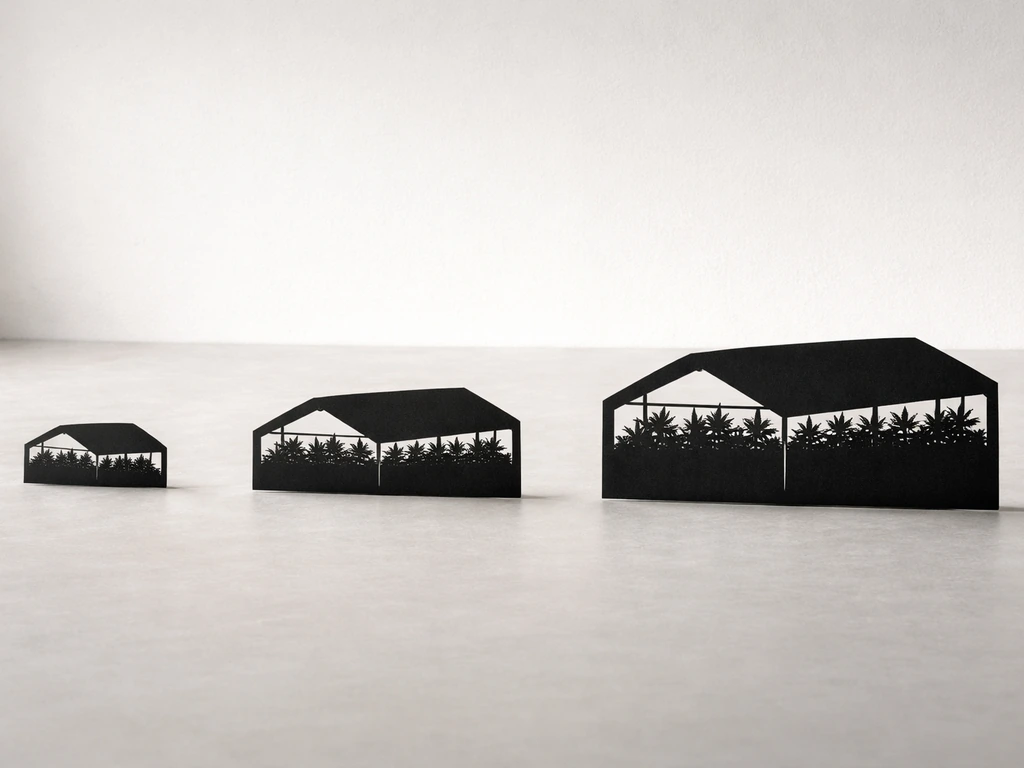
New York's adult-use cultivation licenses are issued under several tiers that are primarily defined by canopy size. The main commercial cultivation license types under the adult-use program are:
- Cultivator License (standard): for businesses growing cannabis for commercial sale into the adult-use market
- Registered Organization (RO): legacy medical operators that were authorized under the prior medical program and may transition into adult-use
- Nursery License: for businesses that produce and sell cannabis seeds and clones but do not produce flower for sale
- Processor License: technically not a grow license, but often paired with cultivation since processors handle raw plant material into usable products
For individuals and small businesses, the standard Cultivator License is the most relevant pathway. New York has also created conditional licensing rounds specifically designed to prioritize applicants from communities disproportionately impacted by prior cannabis enforcement, as well as nonprofits and farmers. These conditional licenses were an earlier pathway with streamlined criteria, so check the OCM's current licensing calendar to see what rounds are open when you apply.
Eligibility broadly requires that you are at least 21 years old (or your principal officers are), that you have no disqualifying criminal convictions that conflict with OCM rules, and that you can demonstrate a lawful interest in a compliant premises. Entities must be validly formed under New York law. You cannot hold a cultivation license and a retail dispensary license simultaneously in most standard license categories, so plan your business structure carefully before applying. If you're curious how other states handle similar restrictions, it's worth reading up on how to get a grow license in California, where vertical integration rules differ significantly from NY's approach.
Home grow vs. commercial cultivation at a glance
| Category | Home Grow (Personal) | Commercial Cultivation License |
|---|---|---|
| License required? | No | Yes (OCM-issued) |
| Who qualifies? | Any adult 21+ in NY | Individuals or entities meeting OCM eligibility |
| Plant limit | 3 mature + 3 immature per adult | Defined by license tier and canopy size |
| Can you sell? | No | Yes, within licensed market |
| Application fee? | None | Yes (see fee section below) |
| Regulated by? | Not licensed, but MRTA rules apply | OCM, with inspections and reporting |
Step-by-step: how to actually apply
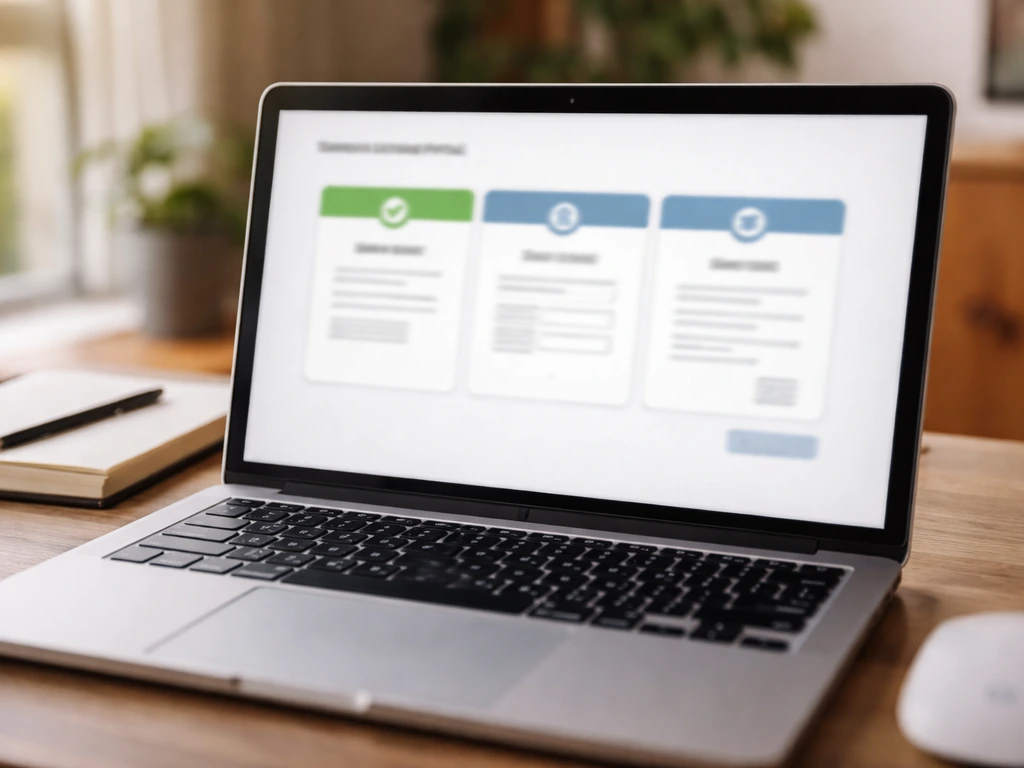
All commercial cannabis license applications in New York are submitted through the OCM's online licensing portal. There is no paper option. Here is the core flow from start to submission:
- Create an account on the OCM's licensing portal (cannabis.ny.gov is the main hub; follow the licensing section)
- Confirm that a licensing round is currently open for your license type, since NY runs specific application windows rather than accepting applications on a rolling basis at all times
- Gather and prepare all required documents before starting your application (incomplete applications are a primary denial reason)
- Complete the online application form, which includes sections on your business entity, ownership/control persons, premises information, financial disclosures, and your operating plan
- Submit the required application fee via the portal at the time of filing
- Monitor your application status through the portal and respond promptly to any OCM requests for additional information (RFIs)
- If approved, complete any post-approval steps such as premises inspection scheduling and compliance onboarding before you begin operations
Documents you'll need to prepare
The OCM is thorough, and they expect your documentation to be organized and complete. Before you even open the application portal, gather the following:
- Government-issued photo ID for all principal owners and officers
- Proof of lawful business formation in New York (articles of incorporation, LLC operating agreement, etc.)
- Premises documentation: lease agreement or proof of property ownership, plus landlord attestation if leasing (the landlord must confirm they allow cannabis operations)
- A scaled diagram or floor plan of your grow facility, showing canopy areas, security zones, and entry/exit points
- A security plan covering cameras, alarm systems, access control, and visitor protocols
- A proposed operating plan describing your cultivation methods, waste disposal, water use, and product tracking approach
- Financial disclosures for all owners with 20% or more interest in the entity
- Social and economic equity documentation if you are applying under an equity licensing pathway
The premises piece is where a lot of first-time applicants get stuck. Your grow site must comply with local zoning rules in addition to OCM requirements. New York allows municipalities to opt out of adult-use cannabis retail, but local governments cannot outright ban licensed cultivation everywhere, so check your specific municipality's local laws. Getting your landlord on board early is critical if you're leasing, because many property owners don't know what a cannabis licensing attestation is and need time to review it with their own counsel.
Costs, fees, plant limits, and operating requirements

New York's OCM charges both an application fee and an annual license fee. Application fees are generally non-refundable regardless of whether your application is approved. Based on the current fee schedule under OCM regulations, cultivation license fees are tiered by canopy size. Small cultivators (under a certain square footage threshold) pay lower fees than large-scale operators. Specific fee amounts are published on the OCM's website and are subject to change, so always verify the current schedule before submitting. As a rough reference point, application fees for smaller cultivators have been in the range of a few hundred to a few thousand dollars, while larger tiers run significantly higher.
Plant and canopy limits are also tiered by license type. A standard cultivator license defines your maximum canopy in square feet rather than by plant count. Canopy tiers under NY rules have included categories like Tier 1 (under 2,500 sq ft), Tier 2 (2,500 to 5,000 sq ft), and Tier 3 (5,000 to 10,000 sq ft) for indoor grows, with separate tiers for greenhouse and outdoor cultivation. You apply for a specific tier and your fee reflects it, and expanding beyond your licensed tier requires an amendment application and additional fee. This is a meaningful constraint to build into your facility plan from day one.
Beyond fees and canopy, OCM requires licensed cultivators to meet specific operational standards:
- Security: 24/7 video surveillance covering all cultivation and storage areas, minimum 30-day video retention, alarm systems, and access logs for all non-employee entries
- Track and trace: all cannabis plants and products must be entered into the state's seed-to-sale tracking system (NY uses a state-designated platform); no product can move without a transfer manifest
- Waste disposal: cannabis plant waste must be rendered unusable before disposal, and disposal records must be maintained
- Environmental compliance: depending on your grow method, you may need to meet water use, pesticide, and runoff rules from both OCM and the DEC (Department of Environmental Conservation)
- Labeling and packaging standards apply even at the cultivation stage if you're trimming and packaging flower for wholesale
- Employees working directly with cannabis must be listed in your license and may be subject to background checks
Timeline, the approval process, and why applications get denied
Realistically, expect the full licensing process in New York to take several months from application submission to receiving your license. The OCM reviews applications in batches during open windows, and processing times have ranged from a few months to over a year depending on the volume of applications in a given round and whether your application triggers additional review. OCM’s AUCC FAQ indicates applicants may receive a letter stating the application is complete and that OCM has determined completeness, which affects how you should think about review timing. Conditional licensing rounds in earlier years moved faster, but standard adult-use licensing has a more thorough review queue.
New York does not use a pure lottery for most cultivation licenses. Instead, the OCM uses a merit-based review process where applications are scored against the criteria defined in regulations. Scoring typically weighs factors like the completeness of your application, the strength of your operating plan, your qualifications and relevant experience, financial capacity, social equity status (if applicable), and whether your premises documentation is complete and compliant. Applications that score above a threshold are approved; those that fall short are denied or returned for additional information.
The most common reasons applications are denied or substantially delayed include:
- Incomplete or missing documentation at the time of submission
- Premises that are not properly zoned for cannabis cultivation under local law
- Landlord attestation missing or not executed correctly
- Business entity not validly formed in New York
- Ownership disclosure errors or undisclosed beneficial owners
- A disqualifying criminal history for one or more principals (OCM evaluates these case by case, but certain conviction types create automatic disqualification)
- Security or operating plans that don't meet minimum OCM standards
- Failure to respond to an OCM Request for Information (RFI) within the required timeframe
One thing worth knowing: the OCM does allow applicants to correct certain deficiencies in response to an RFI, but if your application is formally denied, the path back in is re-applying in a future licensing round, not appealing minor errors. That's why getting it right the first time matters more than moving fast. If you want to see how another competitive state handles a similarly detailed review process, the Florida grow license process offers some useful contrast.
What happens after you're approved
Receiving your OCM approval is not the same as being allowed to start selling. Before you can begin commercial operations, you typically need to pass a pre-operational inspection, confirm your seed-to-sale tracking system is active and functional, and receive your physical license from the OCM. Only after that clearance can you legally begin cultivating for commercial purposes under your license.
Once operational, your ongoing compliance duties include:
- Annual license renewal, which requires a renewal fee and attestation that your operation remains in compliance
- Scheduled and unannounced OCM inspections of your premises, records, and security systems
- Continuous seed-to-sale tracking entries; any discrepancy between your physical inventory and your tracking records is a compliance violation
- Mandatory reporting of any security breaches, significant theft or loss, or regulatory incidents to the OCM within specified timeframes
- Maintaining all required records (financial, operational, personnel, disposal) for at least 5 years, as required by OCM rules
- Notifying the OCM of any material change to your business, ownership, or premises before making that change (not after)
Renewals in particular catch people off guard. If you miss a renewal deadline, your license lapses and you must stop operations immediately. Set a calendar reminder at least 90 days before your renewal date to give yourself enough time to complete the renewal paperwork and fee payment without rushing.
Where to get official help and avoid costly mistakes
The OCM's official website (cannabis.ny.gov) is the only authoritative source for current regulations, fee schedules, open licensing windows, and application forms. Do not rely on third-party summaries (including this one) as your final word on any specific requirement, because rules change and fees are updated by regulation. The OCM also publishes guidance documents and holds public information sessions for prospective applicants, which are genuinely useful if you're new to this.
For applicants who are unsure about the full New York cannabis grow license framework, the OCM's licensing FAQ and the regulations published in the New York Code of Rules and Regulations (NYCRR) Title 9 are the primary reference documents. Reading the actual regulatory text is tedious but worthwhile before you commit serious money to a premises or business structure.
On the legal side, the OCM explicitly does not provide legal advice, and neither does this article. If your ownership structure is complex, if you have prior convictions you're unsure about, or if your premises situation involves multiple parties, speaking with a cannabis attorney who works specifically in New York is worth the cost. Administrative mistakes at the application stage (like listing the wrong entity type or omitting a beneficial owner) can delay you by a full licensing cycle.
It's also worth knowing how New York compares to neighboring frameworks if you're a multi-state operator or considering location options. The licensing requirements and cost structures in states like Manitoba differ considerably from NY's approach, and even within the US, states like Texas operate under entirely different legal frameworks that make direct comparison instructive for understanding what makes NY's system distinctive.
Your next steps right now
Here's a practical checklist to get moving today:
- Go to cannabis.ny.gov and confirm whether a cultivation licensing round is currently open or when the next one is scheduled
- Determine your license type: are you home growing (no license needed) or pursuing commercial cultivation?
- Check your proposed grow site against local zoning rules for cannabis cultivation
- If leasing, contact your landlord now about the required attestation (don't wait until the application is open)
- Begin forming your New York business entity if you haven't already (LLC or corporation, validly registered with the NY Department of State)
- Pull together your ownership and financial disclosure documents for all principals
- Start drafting your security plan and grow facility diagram to OCM specifications
- Review OCM's current fee schedule so you can budget accurately for both the application and annual license fees
- Set a reminder to check the OCM portal regularly for application window announcements, since windows can open with relatively short notice
The New York cannabis licensing process is demanding, but it is designed to be completable by individuals who are organized and thorough. The biggest mistake most first-timers make is rushing the paperwork or assuming they can fix errors after submission. Take your time preparing, verify every requirement against the current OCM regulations, and you'll be in a much stronger position than most applicants when the window opens.
FAQ
If I want to grow in New York for personal use, do I still need an OCM grow license?
For most adults, no license is required. Adult New Yorkers (21 and over) may grow up to 3 mature and 3 immature plants for personal use. A license becomes relevant only if you plan to cultivate commercially, supply others for sale, or grow beyond the personal-use limits.
What “grow license” am I actually applying for, a tiered cultivator license or something else?
In NY, a commercial grow license is tied to a specific cultivation tier, mainly based on canopy size and whether the grow is indoor, greenhouse, or outdoor. If you tell the portal you want the wrong category or tier, you can end up with an incorrect fee level and a premises plan that does not match your approved canopy limits.
Can I apply without a finalized lease or should I wait until I have a signed property agreement?
You generally need to show a lawful interest in the premises, and first-time applicants often lose time by waiting too long or, conversely, applying before they can document control of the site. If you are leasing, start landlord discussions early because many owners need time to understand licensing attestations and how access, inspections, and compliance will work.
How do I know whether my town or county can restrict my cultivation site?
Even though local governments cannot outright ban licensed cultivation everywhere, they can regulate zoning and local permitting. Confirm your property’s zoning use designation and any local cannabis-related ordinances, because OCM approval is still dependent on your premises meeting both local rules and state requirements.
What happens if my application is denied, can I appeal it and keep my spot in the same round?
A formal denial typically means you cannot fix it through a simple correction and continue in that same outcome. Practically, you usually need to reapply in a future licensing round rather than pursue a short path to reversal for minor issues, so it is smart to do a compliance review before submitting.
If OCM sends an RFI, does answering it mean my application will be approved?
Responding to an RFI gives you an opportunity to cure certain deficiencies, but it does not guarantee approval. The strongest answers usually address the exact missing requirement with supporting documents and consistent details across your application sections, not just general statements of compliance.
Do I have to pick my canopy tier before applying, and can I expand later?
Yes, you apply for a specific canopy tier, and your license conditions are tied to that approved tier. Expanding beyond your licensed limits generally requires an amendment process and additional fees, so it is worth modeling your facility layout, equipment, and expected canopy use before you lock in the tier.
Are there restrictions on holding other cannabis licenses if I also want to cultivate?
In many standard scenarios, you cannot hold cultivation and certain retail licenses at the same time. If you are considering building a vertically integrated business, plan your entity structure and license strategy up front because correcting a structural mismatch later can require major rework of your application package.
What is the typical timeline after I receive approval, can I start immediately?
Approval to operate is not the same as being ready for commercial activity. Before you cultivate for commercial purposes, you typically need pre-operational clearance, confirm your tracking system is working, and receive your physical license, so build inspection and system readiness into your schedule.
What are the most common “gotchas” that cause delays after submission?
Applicants most often run into problems with incomplete premises documentation, mismatches between their operational plan and the licensed canopy/tier, and missing or inconsistent beneficial owner or entity details. Another frequent cause is relying on outdated fee or procedural information when rules change between licensing windows.
How should I plan for renewal so my license does not lapse?
Do not wait until the last minute. If you miss the renewal deadline, your license lapses and you must stop operations immediately. Set reminders well in advance, and prepare documents and fees early so you can complete the renewal without scrambling.
If I am a caregiver or medical cultivator, does the adult-use grow license process apply?
No, medical cultivation and caregiver rules are distinct from adult-use commercial cultivation licensing. If you are growing for qualifying patients, check the medical program eligibility and requirements specifically, because the standards and pathways do not mirror the adult-use cultivator application track.
Next Article
How to Get a Micro Grow License in Canada: Step-by-Step
Step-by-step on getting a Canadian micro-cultivation cannabis licence, eligibility, costs, timelines, and compliance bas