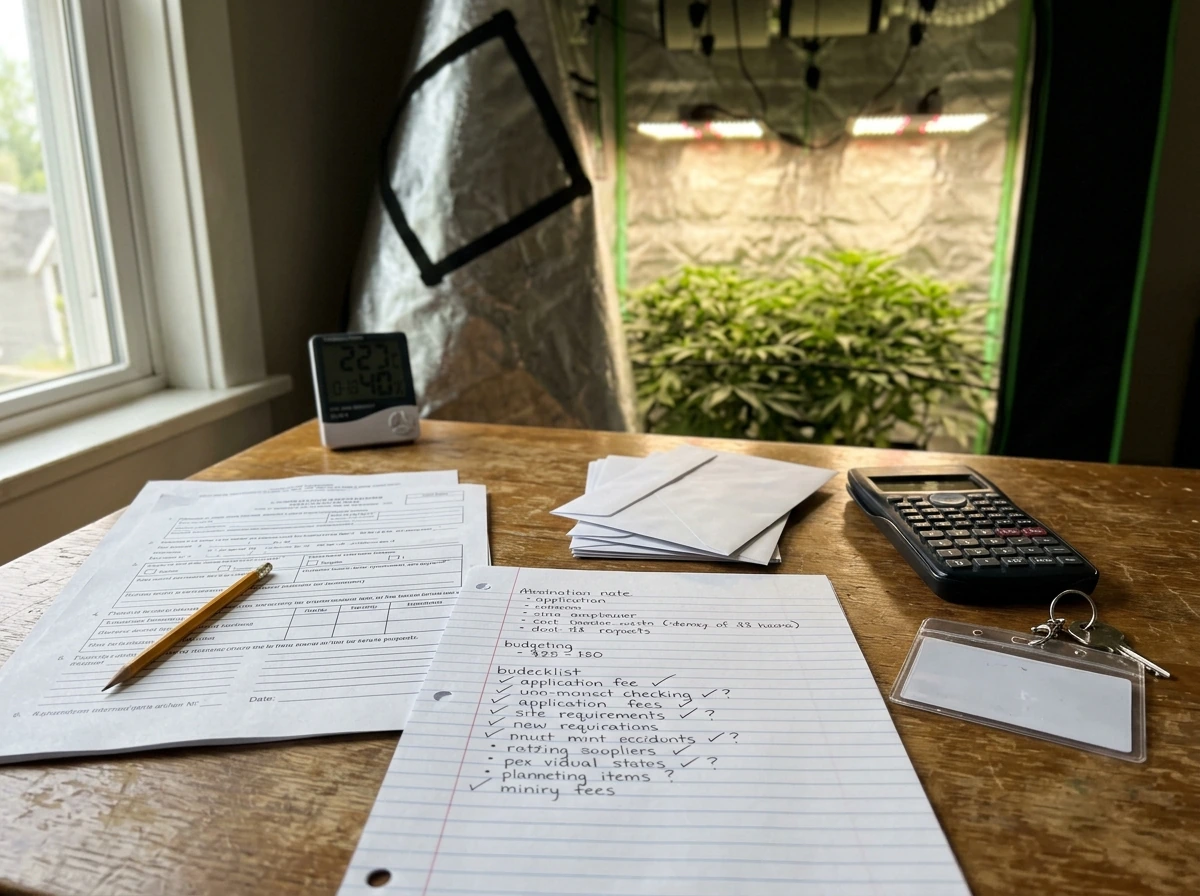
If you're a California adult (21+) who just wants to grow a few plants at home for personal use, you almost certainly do not need a state license. You're allowed to grow up to 6 living cannabis plants at your private residence under California Health and Safety Code section 11362.2, and no state-issued cultivation license is required for that. If you want to grow commercially and sell cannabis, that's a completely different situation, and yes, you'll need a license from the California Department of Cannabis Control (DCC). This guide walks through both paths clearly so you know exactly where you stand.
License to Grow Pot in California: Steps, Permits, Costs

Marcus Whitley
2 Apr 2026
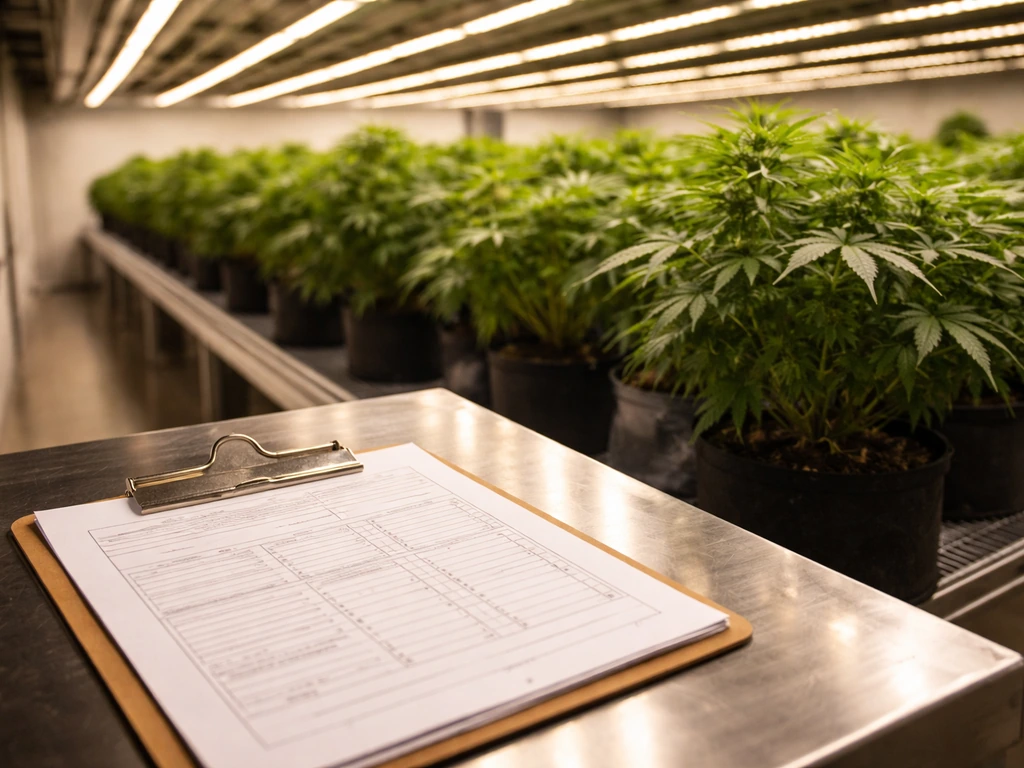
Is it legal to grow cannabis in California?
Yes, growing cannabis is legal in California for adults 21 and over. Proposition 64 (passed in 2016) legalized personal adult-use cultivation, and the Medical and Adult-Use Cannabis Regulation and Safety Act (MAUCRSA) built on that framework. The DCC's own consumer guidance confirms adults may grow up to 6 plants at home for personal use without a state cultivation license.
There are two distinct legal categories here: personal home cultivation and licensed commercial cultivation. Most people searching for a "license to grow pot" in California are either a home grower who wants to stay legal, or someone exploring whether they can start a cannabis cultivation business. The rules for those two situations are very different, so it's worth being clear about which one applies to you before you do anything else.
What about local rules?
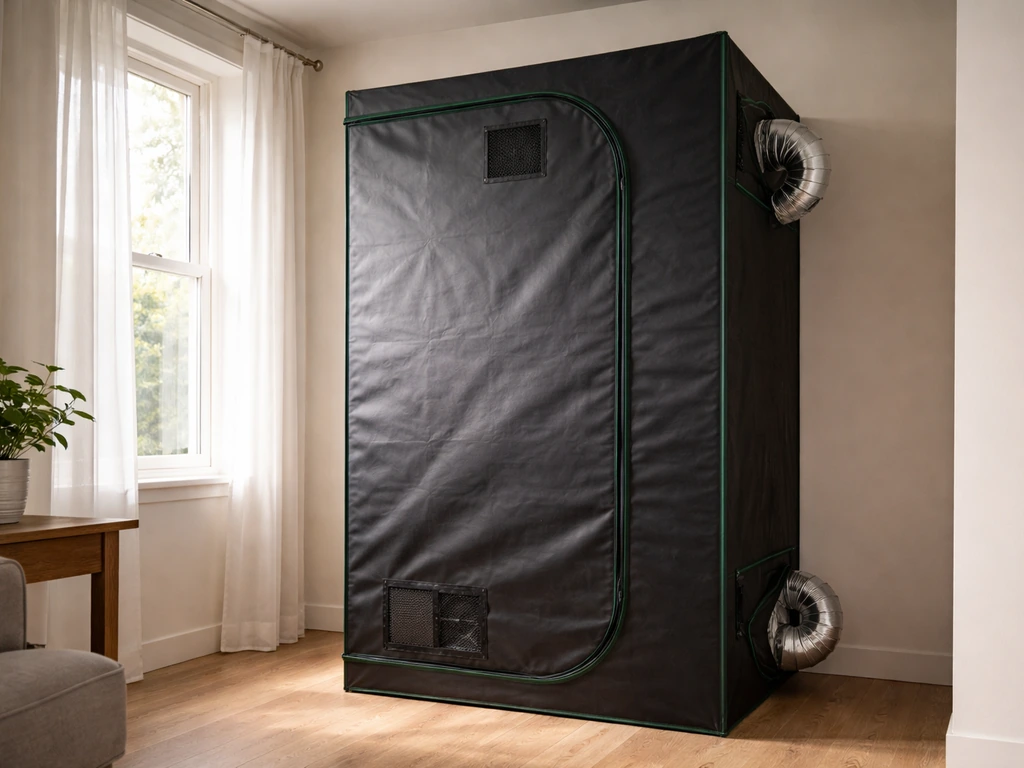
California state law allows local jurisdictions to place "reasonable regulations" on personal home cultivation, but cities and counties cannot completely ban indoor home growing of up to 6 plants in a private residence or a fully enclosed, secure accessory structure. Los Angeles County, for example, follows the statewide limit of 6 plants per residence and permits reasonable local restrictions but not an outright prohibition on indoor growing. That said, some cities do ban outdoor home cultivation or require permits for cultivation structures, so you should always check your specific city or county ordinance before planting anything outdoors.
License vs permit: what the terms mean in California
In California's cannabis regulatory world, "license" and "permit" get used loosely, and that causes a lot of confusion. Here's how to think about them:
A state cannabis cultivation license is issued by the DCC and is required for any commercial cultivation operation, meaning you plan to grow cannabis and sell or distribute it as part of a licensed cannabis business. These licenses come in multiple tiers and types based on canopy size, lighting method, and whether the operation is indoor, outdoor, or mixed-light. A state license is a serious regulatory commitment involving background checks, facility inspections, compliance plans, and annual fees.
A local permit (sometimes called a business permit, conditional use permit, or cannabis cultivation permit) is what your city or county may require before you can even apply for a state license. Most jurisdictions require local approval first. Some cities also issue local permits for personal cultivation structures (like greenhouses), separate from the commercial licensing track entirely.
For home growers, neither a state license nor a local commercial permit is required, but a local building or zoning permit could still be needed depending on how you're growing (for example, if you build an accessory structure). The bottom line: "license" usually refers to state commercial authorization, while "permit" often refers to local approval, though the terms overlap in everyday use.
When you need a license vs when you don't
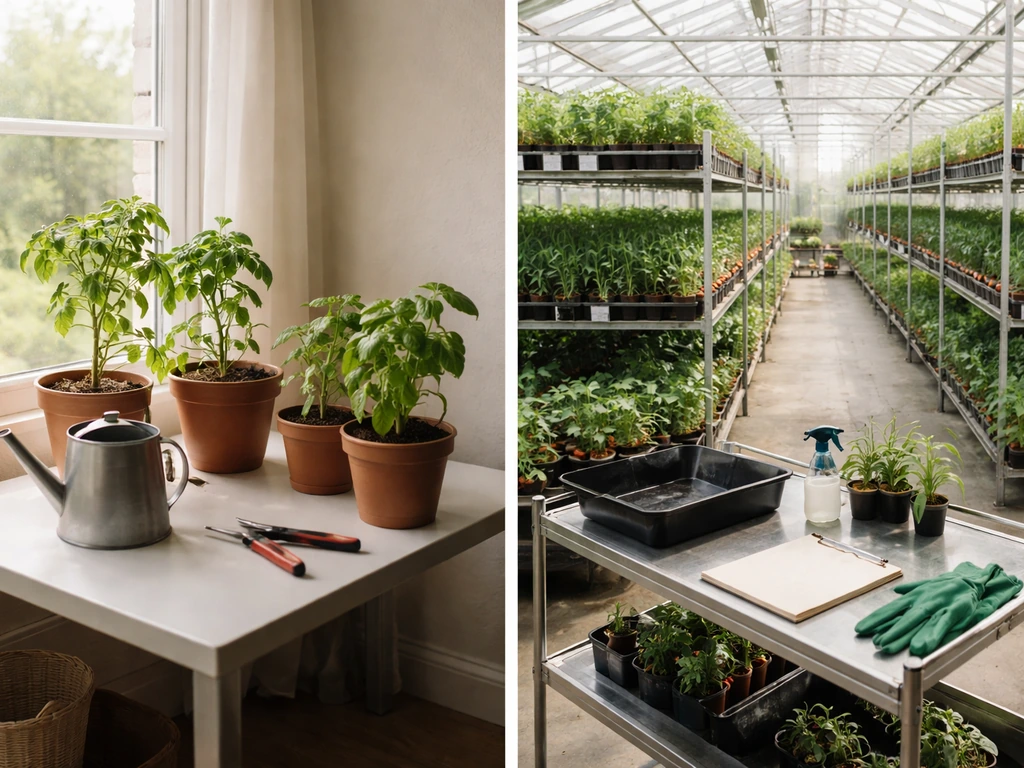
This is the key question, and the answer comes down to what you're doing with the plants.
| Your Situation | State License Required? | Local Permit Required? |
|---|---|---|
| Adult (21+), growing 1–6 plants at home for personal use, indoors | No | Possibly (check local ordinance) |
| Adult (21+), growing 1–6 plants outdoors at your private residence | No | Possibly (some cities ban outdoor home cultivation) |
| Growing more than 6 plants at home | No state license covers this for personal use — it's not legal under state law without a commercial license | N/A |
| Commercial cultivation: growing to sell, distribute, or supply a dispensary | Yes — DCC state cultivation license required | Yes — local commercial cannabis permit required first |
| Medical patient or caregiver growing for medical use only | No state license for personal medical cultivation (separate rules apply) | Check local ordinance |
If you're a home grower staying at or under 6 plants for your own personal use, you're working within the legal personal cultivation allowance. You don't apply for or receive a DCC license for this. You just comply with state and local rules and grow responsibly. If you want to go commercial, even in a small way, the licensing requirement kicks in immediately.
Common license types and who they're for
If you're looking at commercial cultivation, the DCC issues cultivation licenses organized by canopy size and grow environment. Here's a practical overview of the main types:
- Specialty Cottage: up to 25 square feet of canopy (indoor) or up to 25 square feet (mixed-light or outdoor); designed for the smallest-scale commercial growers
- Specialty: up to 500 square feet indoor canopy, or up to 2,500 square feet mixed-light or outdoor canopy
- Small: up to 5,000 square feet indoor canopy, or up to 10,000 square feet mixed-light or outdoor
- Medium: up to 10,000 square feet indoor canopy, or up to 1 acre outdoor
- Large: more than 10,000 square feet indoor or more than 1 acre outdoor (with additional restrictions)
- Nursery: for cultivating and selling cannabis seeds, clones, and immature plants only
- Processor: for cannabis businesses that only trim, dry, cure, grade, or package cannabis (no cultivation)
Each license type is paired with a specific annual fee and a specific set of operating requirements. The DCC also distinguishes between indoor, outdoor, and mixed-light cultivation for the same tier, and the fees differ accordingly. If you're thinking about starting a small commercial grow, the Specialty Cottage or Specialty tier is typically where first-time applicants start. And if you're curious about how costs vary by state, it helps to compare: for instance, how much is a grow license in Oregon gives a useful sense of how California's fee structure compares to a neighboring legal state.
Requirements, limits, and what you're on the hook for after approval
For home growers
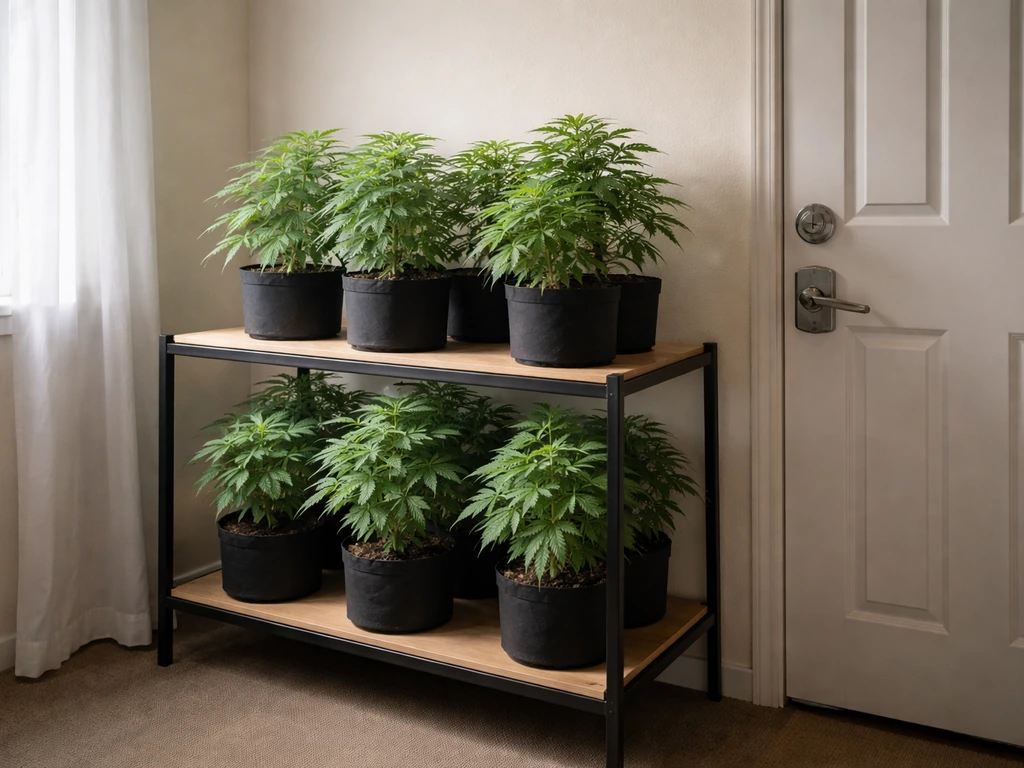
If you're a personal home cultivator, your compliance obligations are fairly straightforward but still real. County of San Luis Obispo notes that personal-use cultivation is limited to up to six plants and may include requirements like canopy limits and rules about indoor structures blank" rel="noopener noreferrer">up to six plants and requirements for personal-use cultivation. California law requires that plants be grown in a private residence or on the grounds of that residence, and blank" rel="noopener noreferrer">no more than 6 living plants may be cultivated at one time per residence, not per person. So if two adults live together, you still share a 6-plant limit for the household, not 12. The plants must not be visible from a public place. Local ordinances may require that outdoor plants be in a locked, enclosed area. Keep plants out of reach of minors.
For licensed commercial cultivators
Commercial cultivation licenses come with a substantial compliance burden. Once approved, you're responsible for maintaining all of the following on an ongoing basis:
- Track-and-trace compliance: all cannabis plants and batches must be entered into METRC, California's state-mandated seed-to-sale tracking system, from planting through harvest and sale
- Security: licensed cultivation sites must have 24/7 video surveillance, limited-access areas, and alarm systems that meet DCC specifications
- Canopy limits: you cannot exceed the canopy size associated with your license tier without upgrading your license
- Pesticide and water use compliance: licensed cultivators must comply with Department of Pesticide Regulation rules and applicable water board permits depending on their water source
- Recordkeeping: detailed operational records, including pesticide applications, harvests, waste disposal, and employee logs, must be maintained and available for inspection
- Inspections: the DCC and local authorities can inspect your licensed premises during business hours or, in some cases, at any time
- Annual license renewal: licenses must be renewed each year with updated documentation, fees, and a compliance history review
If you're exploring medical cultivation specifically, the requirements and pathways vary significantly by state. For comparison, you can look at what's involved with a license to grow medical weed in Florida or review the process for a license to grow medical weed in Ohio to understand how other states handle the medical-commercial cultivation distinction.
How to apply: where to start and what you'll need
Step 1: Check your local jurisdiction first
Before you even look at the DCC's application portal, contact your city or county cannabis office to find out whether commercial cultivation is allowed in your area and what local approval process applies. Many California jurisdictions require you to obtain a local cannabis business permit or conditional use permit before the state will accept your application. If your city doesn't allow commercial cannabis cultivation at all, a state license won't help you.
Step 2: Gather your documents
The DCC's online licensing system (the CLEaR system) will ask for a fairly detailed set of documents. Start pulling these together early because they take time to prepare:
- Proof of legal right to occupy the premises (lease or deed)
- A premises diagram showing the cultivation area, canopy footprint, entrances, exits, and security camera placement
- Your local authorization document (the local permit, license, or written approval from your city/county)
- A complete owner disclosure form for all individuals with 20% or more ownership interest
- Live scan fingerprinting for all owners and financial interest holders (background check requirement)
- A cultivation plan or operating procedures document outlining how you'll track, secure, and manage the operation
- Proof of legal business entity formation (articles of incorporation, LLC operating agreement, etc.)
- Water source information and any applicable water board permits or waiver documentation
Step 3: Submit your application through CLEaR
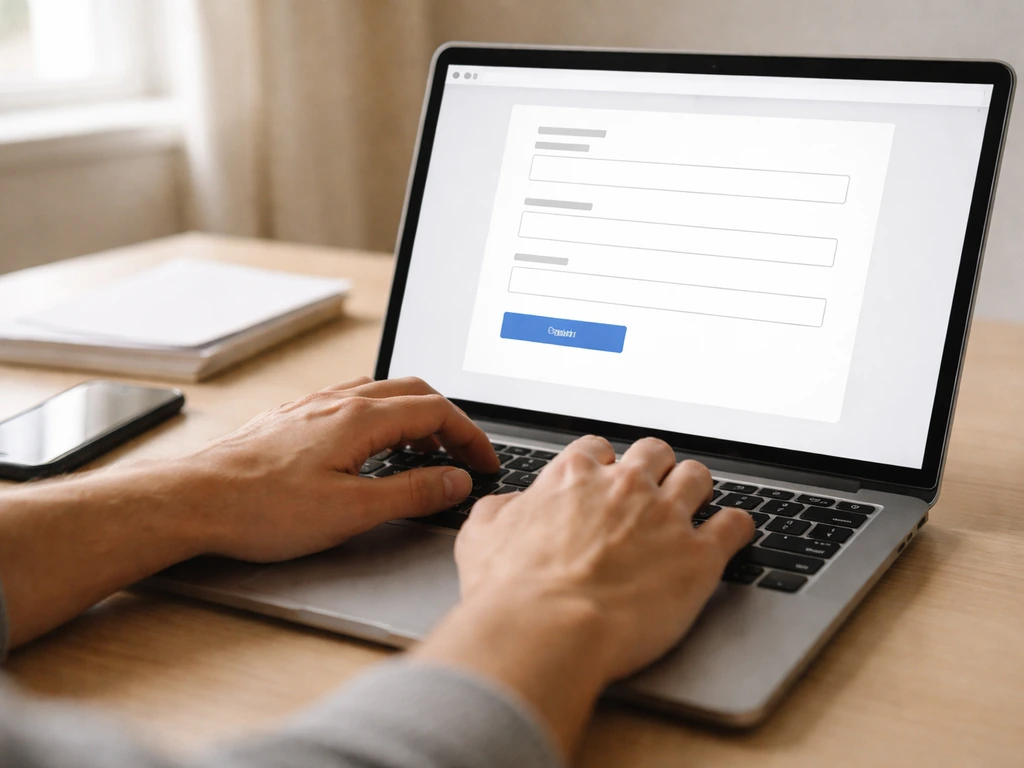
The DCC's Cannabis Licensing, Enforcement, and Regulation (CLEaR) portal is where all state cultivation license applications are submitted. You create an account, select your license type, upload your documents, and pay the application fee. The DCC will review your application for completeness and may send a deficiency notice if anything is missing or unclear. Responding quickly to those notices is one of the most important things you can do to avoid delays.
Costs, timelines, and renewals
California's DCC charges both a non-refundable application fee and an annual license fee, and both are calculated based on your license type and canopy size. Here's a general sense of the cost range for cultivation licenses as of 2025/2026:
| License Type | Approximate Annual Fee (Indoor) | Approximate Annual Fee (Outdoor) |
|---|---|---|
| Specialty Cottage | $1,205 | $1,205 |
| Specialty | $5,000–$7,000 | $2,500–$4,000 |
| Small | $10,000–$15,000 | $5,000–$8,000 |
| Medium | $27,000–$35,000 | $10,000–$16,000 |
| Nursery | $4,820 (flat) | $4,820 (flat) |
These are estimates based on DCC fee schedules and can change with annual updates. Application fees are typically a fraction of the annual license fee and are paid when you first submit. For a deeper breakdown of how these costs compare in other legal states, how much is the license to grow medical weed gives a broader national perspective on cultivation licensing costs.
As for timelines, the DCC's processing time for a complete application has generally ranged from 60 to 180 days, though incomplete applications or complex ownership structures can stretch that significantly. Plan for at least 3 to 6 months from a complete submission to license issuance. Renewals must be filed at least 60 days before your license expiration date, and the DCC will send renewal reminders through the CLEaR portal.
Your practical next steps and mistakes to avoid
If you're a home grower
- Confirm you are 21 or older. Personal home cultivation is only legal for adults.
- Look up your city or county ordinance to check whether outdoor cultivation is allowed and whether any local permit is needed for your grow setup.
- Keep your total plant count at or below 6 living plants per residence, regardless of how many adults live there.
- Make sure plants are not visible from a public place, and keep them inaccessible to minors.
- If you're building an enclosed structure to grow in, check local building codes for permits.
If you're pursuing a commercial cultivation license
- Start with your local jurisdiction, not the DCC. Get local authorization in writing before spending money on a state application.
- Hire a compliance consultant or attorney familiar with California cannabis regulations if this is your first license. The paperwork is complex and mistakes are costly.
- Do not begin commercial operations before your license is issued. Unlicensed commercial cultivation is a criminal offense in California.
- Be honest and complete on your application. Disclosure mistakes or omissions are one of the top reasons applications get denied.
- Budget for both startup costs and ongoing compliance (METRC fees, security systems, annual renewal fees, inspections).
- Check the DCC's website regularly for fee schedule updates and policy changes before you submit.
Common mistakes to avoid
The biggest mistake home growers make is assuming that because personal cultivation is legal, they can grow as many plants as they want or sell small amounts without a license. Neither is true. Exceeding 6 plants, even by one, removes you from the personal cultivation exemption entirely. Selling even a small amount without a license is a criminal offense. A second common mistake is ignoring local rules entirely and assuming state law is all that matters. Local ordinances carry real enforcement weight.
For commercial applicants, the most frequent errors are submitting incomplete premises diagrams, not having local approval before applying to the DCC, and underestimating the ongoing compliance burden after licensing. Many first-time applicants also don't realize that a license to grow weed at home is a separate concept from a commercial cultivation license, and they apply through the wrong pathway entirely.
If you're considering California but also want to compare how other states handle cultivation licensing, looking at a state-specific breakdown can be helpful. For example, a license to grow pot in Oregon follows a different regulatory structure with its own fee tiers and canopy rules. Similarly, states like Louisiana and Arkansas have their own medical cultivation frameworks worth understanding if you're operating or considering operating in multiple states: see the breakdown for a license to grow medical weed in Louisiana and a license to grow medical weed in Arkansas for context.
California's cannabis licensing system is complex but navigable if you work through it in the right order. Start by confirming which category you're in (personal home grower or commercial cultivator), check your local rules first, gather your documents before you need them, and use the DCC's CLEaR portal as your official starting point for any commercial application. The rules are there to follow, not to be surprised by.
FAQ
If I live with a partner or roommate, does each person get a separate 6-plant limit?
No. The 6-plant limit is based on the household at one private residence, not on each adult living there. If two qualifying adults live together, they still share one total cap of 6 living plants.
Can I grow outside if I stay under 6 plants, and do local rules apply even for home growing?
Yes for indoor-only setups, but it still must comply with local rules on structure and setbacks, and plants generally cannot be visible from public view. If you’re planning an outdoor growing area, assume your city or county may require a locked, enclosed area or may prohibit certain outdoor placements.
Why do people say “license to grow pot” but home growers don’t apply for a DCC license?
You should treat any “license to grow pot” question you see online as potentially referring to different things. For California, only a DCC cultivation license is the commercial state authorization. For personal growing, there is no DCC cultivation license, but you may still need local zoning or building permits for structures like greenhouses.
What happens if I accidentally grow more than 6 plants at home?
If you exceed 6 living plants at your residence, you lose the personal-use exemption, even if the extra plants were intended for personal consumption. That creates a compliance and enforcement risk, and it can also affect how law enforcement treats any sales or transfers.
Can I gift or sell a small amount if I’m under 6 plants?
You generally should not sell any cannabis grown under the personal-use allowance. Even small sales or trades can trigger criminal exposure because the personal cultivation path is for personal use only, not distribution.
If multiple adults contribute money or labor, do we still qualify as personal cultivation?
It depends on how your plan is structured. If you are operating as a commercial cultivator, each licensed premise must match the license type and comply with security and operational requirements. One common pitfall is assuming you can “split” a grow between multiple people and still remain unlicensed.
What if my city or county doesn’t allow commercial cultivation?
You typically cannot start with a state license application if your local jurisdiction does not allow commercial cultivation or if you cannot get the required local approval. In practice, DCC review may proceed slowly or stall if the local authorization piece is missing.
How do I know whether I need a commercial cultivation license versus just home cultivation eligibility?
It is a separate concept. A state cultivation license is for commercial operations, while “license to grow weed at home” content often refers to eligibility for personal cultivation or local permits for structures. Make sure your application pathway matches whether you are selling/distributing or growing only for personal use.
How can I reduce the chance of getting a CLEaR deficiency notice?
CLEaR deficiency notices are often triggered by missing documents or internal inconsistencies, such as mismatched names/ownership details, incomplete diagrams, or unclear facility descriptions. Responding quickly and correcting exactly what is requested is the best way to avoid additional rounds and timeline extensions.
Do I need a building or zoning permit for a greenhouse or locked enclosure?
Local building or zoning permits can apply even if you are growing legally for personal use, especially if you build an accessory structure. A good next step is to contact your city or county building department before construction, not after plants are already in the ground.
When should I start preparing to renew a cultivation license?
Renewal deadlines can be tight. The DCC requires renewals to be filed at least 60 days before expiration, so set internal calendar reminders early and avoid waiting for the renewal reminder email alone.
Next Article
How Much Is the License to Grow Medical Weed Cost Guide
Budgeting guide on medical cannabis grow licenses: state-by-state costs, renewals, and required fees to plan your total