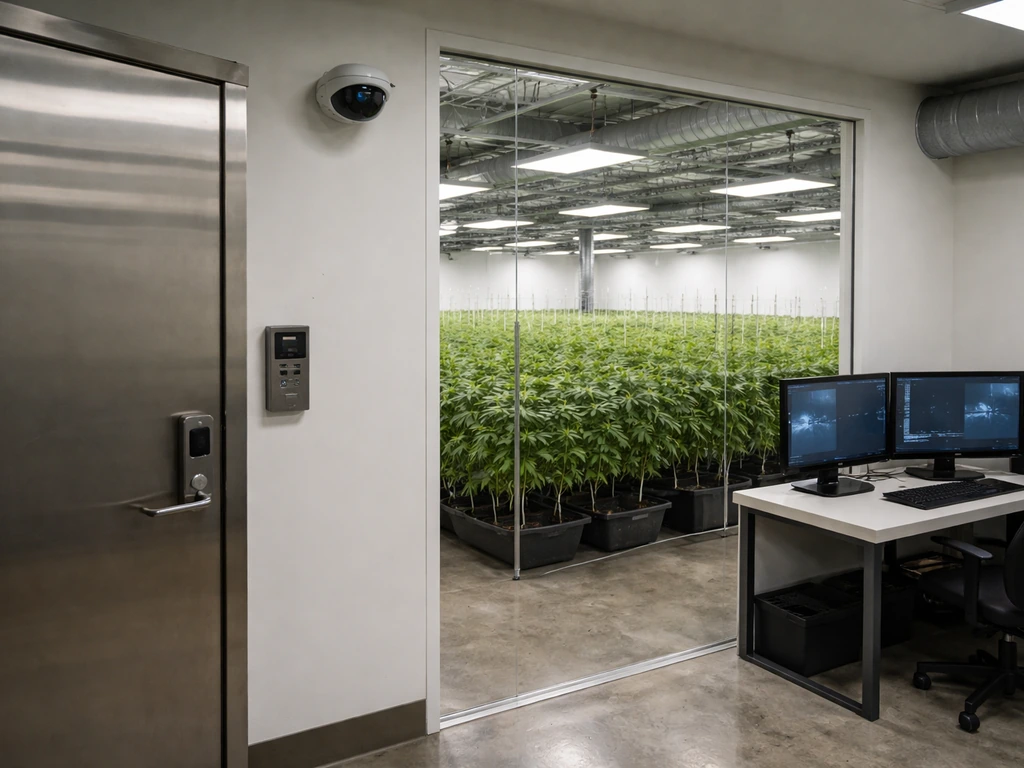
Here's the hard truth upfront: Louisiana's medical cannabis cultivation licenses are not open to the general public, private investors, or new entrants. Under state law, only two entities are legally authorized to hold a production license: the LSU AgCenter and the Southern University AgCenter. If you're an individual entrepreneur or business hoping to grow medical cannabis in Louisiana, that door is currently closed at the cultivation level. What does exist is a "permittee" layer, where a private company can apply for a permit to actually operate the cultivation and processing on behalf of one of those two university licensees. That's the real pathway worth understanding.
License to Grow Medical Weed in Louisiana: Step by Step

Marcus Whitley
3 May 2026
Is medical cannabis cultivation in Louisiana legal, and who needs a license

Medical cannabis is legal in Louisiana under a state therapeutic marijuana program, but cultivation is extremely tightly controlled. LSU AgCenter states that therapeutic cannabis or medical marijuana is illegal in Louisiana except for the two licensed growers, the LSU AgCenter and the Southern University AgCenter blank" rel="noopener noreferrer">therapeutic marijuana program. There is no "grow your own" option for patients, caregivers, or private businesses operating independently. Patients can legally access medical marijuana through licensed pharmacies, but they cannot grow it at home. This distinguishes Louisiana sharply from some other states where caregiver or patient cultivation is permitted.
The regulatory authority over the medical marijuana program sits with the Louisiana Department of Health (LDH), which took over program oversight on August 1, 2022, and expanded its oversight to include retail pharmacy regulation starting January 1, 2025. LDH is the agency you deal with for all cultivation and production permitting matters.
Louisiana law draws a hard line between the "licensee" and the "permittee." The licensee is the entity authorized by LDH to cultivate, extract, process, produce, and transport therapeutic marijuana. Only LSU AgCenter and Southern University AgCenter can hold that licensee status. A permittee is the private contractor that applies for an annual permit to carry out the actual growing, processing, and distribution operations under contract with one of those licensees. That permittee role is where private-sector participation is possible.
It's also worth being clear about what this guide does not cover: hemp and CBD cultivation in Louisiana operate under a completely separate legal framework overseen by the Louisiana Department of Agriculture and Forestry, not LDH. If you're interested in hemp, that's a different license, a different agency, and different rules. This guide covers medical cannabis cultivation only.
Louisiana agencies and the official licensing process to cultivate medical cannabis
The Louisiana Department of Health (LDH) is your starting point for everything related to medical cannabis cultivation. Their Cannabis Program manages both the licensee framework and the permittee application process. You can find their official medical marijuana pages on the LDH website, and any application forms, current fee schedules, or guidance documents will be posted there. Always go to LDH directly for current forms and instructions before submitting anything, since program details can shift.
The two authorized licensees (LSU AgCenter and Southern University AgCenter) each contract with exactly one permittee. That one-to-one relationship is mandated by state regulation. So if you're pursuing a permit, you first need to establish a contractual relationship with one of those two university agriculture centers. The permit application itself is then filed with LDH, but you cannot apply for a permit without first being under contract with a licensed production entity.
License types for cultivation: what applicants can apply for

Louisiana's framework really has two tiers, and understanding the distinction is critical before you invest any time or money.
| Tier | Who Holds It | Issued By | Open to Private Applicants? |
|---|---|---|---|
| Production License (Licensee) | LSU AgCenter and Southern University AgCenter only | LDH | No |
| Annual Cultivation/Production Permit (Permittee) | One private contractor per licensee | LDH (via application) | Yes, under contract with a licensee |
There are no tiered cultivation license categories by plant count or canopy size the way some states structure it. The permittee permit covers the full scope of growing, cultivating, processing, transporting, and distributing medical marijuana under the licensee's umbrella. If you're comparing this to states like Oregon or Florida, Louisiana's structure is considerably more restrictive in terms of who can enter the cultivation space. If you are specifically looking for a license to grow pot in Oregon, the eligibility rules and application process can be very different from Louisiana’s two-permitee structure.
Eligibility requirements, ownership rules, and background checks
Because Louisiana has not published a fully open competitive application process for new permittees in the same way states like Arkansas have done, the practical eligibility question is primarily about whether you can secure a contract with one of the two licensed university production entities. If an existing permittee contract ends or a new permittee position opens, LDH manages the permit review process.
Background checks are a firm requirement. The Louisiana State Board of Medical Examiners (LSBME) conducts background checks through the Louisiana Department of Corrections and the FBI as part of related cannabis licensing processes in the state. Applicants with disqualifying criminal histories, particularly felony drug convictions, face significant hurdles. LDH's permit review includes scrutiny of ownership and key personnel.
On the ownership and structure side, the application process requires detailed disclosure of your business entity, principals, and operational team. There are no published explicit residency requirements for permittees based on currently available regulations, but you should confirm current ownership rules directly with LDH, as these details can change and the program has been evolving.
Application steps, required documents, and submission timeline
If you are in a position to apply for a permittee permit, the application must use documents supplied by LDH. You cannot substitute your own forms. Here's what the application package must include, based on current regulations:
- Detailed facility plans: a full site plan plus plumbing, electrical, mechanical, HVAC, drainage schedules, and finish schedules
- Surveillance and security plans: camera placement, motion-sensing devices, locking mechanisms, all points of secure entry and egress, and monitoring station layouts
- Proposed hours of operation and estimated staffing levels
- Product safety plans identifying biological, physical, and chemical hazards across the growth, cultivation, harvesting, production, and packaging phases, with documented monitoring controls
- Per-batch production record lists, including lab testing protocols for raw materials, components, and constituents
- A recall plan
Permits expire annually on July 1 and renew on that same date each year. For renewals, applicants must submit additional written reporting to LDH by January 10 of the renewal year. That reporting includes gross quantity grown and production cost data. So if you're operating as a permittee, block January 10 on your calendar as a hard annual deadline.
For new applicants, there is no publicly posted open application window the way competitive license rounds work in some states. Contact LDH's Cannabis Program directly to ask about current availability and any active solicitation processes for permittee positions.
Costs, facility and security standards, and cultivation limits
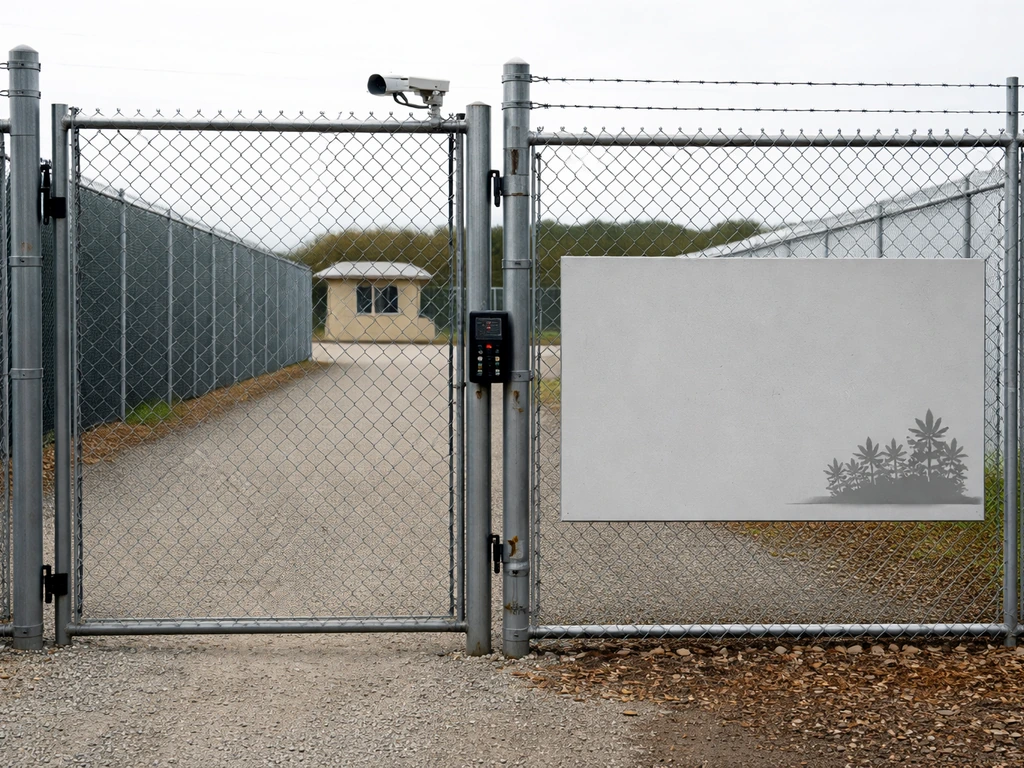
The annual permit fee is $100,000. If you're comparing costs to other states, you may also be wondering how much is a grow license in Oregon. That's the state-level permit cost alone, not counting facility buildout, security infrastructure, staffing, or ongoing operational expenses. This is not a small-operator program. The capital requirements implied by the facility and security documentation requirements mean you're looking at a substantial commercial operation.
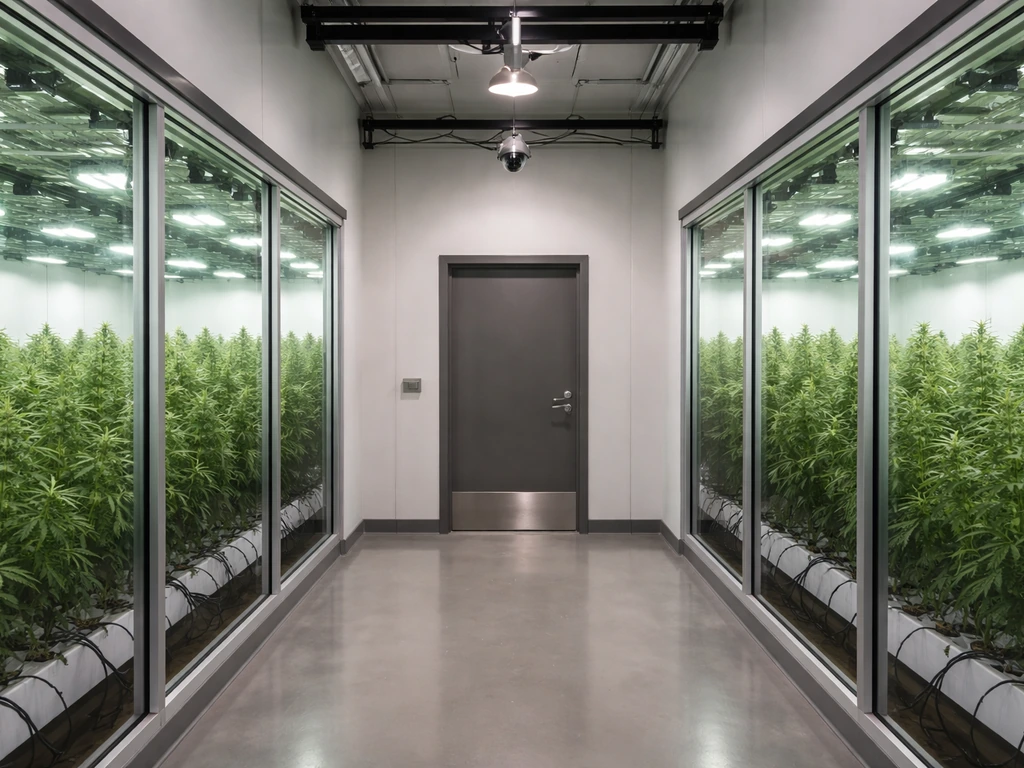
On facility standards, the regulations are rigorous. You need a fully documented physical plant with professional-grade HVAC, plumbing, and electrical systems, plus a comprehensive surveillance system covering all cultivation, processing, and access-point areas. The security plan must account for every entry and exit point with locking mechanisms and camera coverage. This is commercial pharmaceutical-grade infrastructure, not a conventional farm setup.
Louisiana's regulations do not set a published plant count cap or canopy square footage limit in the same way states like Oregon do for different license tiers. The permittee operates at whatever scale is defined in the production contract with the licensee and approved in the facility plan. That means your facility plan effectively defines your production ceiling, and LDH reviews it as part of permitting.
After you're approved: compliance, reporting, renewals, and how to avoid violations
Once you're operating as a permittee, your compliance obligations are ongoing and detailed. The centerpiece is the Louisiana Medical Marijuana Tracking System (LMMTS). Every plant and every medical marijuana product must be assigned a unique tag or identification number and tracked in LMMTS from seed or clone through final product.
The 24-hour rule is non-negotiable: any time a plant or product is acquired, transferred, transported, or disposed of as waste, that event must be logged in LMMTS within 24 hours. Missing that window is a compliance violation, and violations in a tightly controlled two-permittee system get noticed fast.
Seed and clone sourcing must flow through channels approved in your production agreement with the licensee. You cannot source plant material outside of that approved chain. This matters because introducing unapproved genetic material is a tracking violation and a product integrity issue under the product safety plan you submitted.
Annual renewal is due July 1, with the production cost and quantity data submitted to LDH by January 10 each year. Treat that January submission as your early warning system: if your production numbers are off or costs are unusual, you want to have documentation ready before LDH reviews it in the spring.
Permits are nontransferable. If your business ownership changes, you cannot simply hand the permit to the new owners. Any ownership change needs to be disclosed to and reviewed by LDH. Treating the permit as a transferable business asset is one of the faster ways to lose it.
Your next steps if you're serious about this
- Go to the Louisiana Department of Health's official Medical Marijuana program page and download any current guidance documents, application forms, or announcements about permittee solicitations.
- Contact LDH's Cannabis Program directly to ask whether either licensed production entity (LSU AgCenter or Southern University AgCenter) currently has an open permittee position or is soliciting proposals.
- If a permittee opening exists, begin assembling your facility plans, security system documentation, product safety plans, recall plan, staffing projections, and production record frameworks well before any application deadline.
- Budget for the $100,000 annual permit fee plus the significant capital required to build and document a compliant cultivation and processing facility.
- Consult with a Louisiana-licensed attorney who has cannabis regulatory experience before signing any contract with a licensee or submitting an application to LDH. This guide is informational, not legal advice.
- Plan your January 10 annual reporting deadline into your operational calendar from day one if you do get permitted.
- Stay current: Louisiana's program has been evolving, with LDH taking over regulatory authority in 2022 and expanding retail oversight in 2025. Check LDH's site regularly for regulatory updates.
If your goal was to grow medical cannabis as a patient or small independent grower, Louisiana simply does not have a pathway for that today. If you want the practical steps for pursuing a license to grow pot in Louisiana, this guide shows how the permittee pathway works under the state’s university licensees. For context, states like Florida and Ohio also restrict medical cannabis cultivation to licensed commercial operators, though their frameworks differ in structure and competitive access.
In Ohio, operators also need the appropriate license to legally grow medical weed Florida and Ohio. Florida requires a license to grow medical cannabis, and applicants must meet state rules for cultivation. Louisiana's two-licensee model is among the most restrictive in the country. Knowing that upfront saves a lot of wasted effort chasing a door that isn't open.
FAQ
Can a startup or individual apply directly for a Louisiana medical weed cultivation license?
No. Louisiana’s cultivation pathway is limited to two licensees (LSU AgCenter and Southern University AgCenter). Private entities generally participate only by becoming a permittee under a contract with one of those licensees, and the permit is annual, not a lifetime operating authorization.
What comes first for a permittee application, LDH paperwork or a contract with a university licensee?
You cannot start the permit process purely by submitting paperwork to LDH. To be considered for a permittee role, you first need a contract relationship with one of the two university licensees, because the permittee is authorized to operate under the licensee’s umbrella.
What happens to cultivation rights if the permittee contract with the licensee ends?
If a permittee contract ends, your operating authorization does not automatically carry forward. You would need a new contract or a new permittee position, and LDH review would be required under the updated arrangement.
Does Louisiana require LMMTS logging only for finished products, or also for plants and waste events?
Plant tags and product identifiers must be created and tracked in LMMTS for both cultivation material and final products, and every transfer or disposal event has to be logged within the 24-hour window. Treat this as a system-of-record requirement, not an administrative task you can do later.
If my company gets acquired or its ownership percentages change, can the permit just stay in place?
Ownership changes can jeopardize the permit because permits are nontransferable. Even if the business name stays the same, changes to who ultimately controls the permit-related operations generally need disclosure and LDH review.
Is there an open enrollment period for new permittees in Louisiana?
There is no published statewide “open application round” for new permittees that works like a competitive license lottery. In practice, you should expect availability to depend on whether a permittee slot opens through the university licensees, so you need to coordinate with LDH and the licensee partner opportunity at the same time.
How should a permittee prepare for the January 10 renewal reporting deadline?
The annual reporting due January 10 is a specific operational checkpoint, tied to gross quantity grown and production cost data. If you wait until late winter to reconcile inventory, tags, and cost accounting, you may miss supporting documentation needed for renewal review.
Can permittee applicants use their own forms and templates for the LDH application package?
No, the submission must use LDH-provided application materials. Attempting to replace forms or invent alternate document formats can lead to an incomplete application, which can delay review or require resubmission.
How do background checks typically affect permittee eligibility in Louisiana?
You should assume that disqualifying criminal history can affect eligibility, particularly felony drug convictions. Background checks are conducted through state and federal channels, and LDH will also scrutinize ownership and key personnel as part of the permit review process.
Is there a maximum number of plants or canopy size a Louisiana permittee can grow?
Louisiana does not set a universal plant-count or canopy cap by published tiers in the same way some other states do. Instead, the facility plan and the scale approved through the production contract effectively define your production ceiling, so your application scope is tightly linked to that contract and facility documentation.
What’s the most common facility documentation mistake that delays Louisiana cultivation permitting?
If your facility or security system documentation is not fully built out and properly documented, LDH may treat that as an incomplete or noncompliant plan. Plan for professional-grade HVAC, plumbing, electrical, and comprehensive surveillance coverage for cultivation and access points before expecting permitting to move forward.
If I already have a hemp-related license, can I use it to cultivate medical cannabis in Louisiana?
CBD and hemp cultivation are governed under a different legal framework and overseen by a different agency (LD A F) than the medical cannabis program overseen by LDH. A medical cannabis cultivation permittee should not assume the same rules apply to hemp or CBD operations.
Is there any legal path for patients or caregivers to grow medical cannabis at home or independently?
Not directly. Patients can access medical marijuana through licensed pharmacies, and home cultivation is not the model Louisiana uses. If you want to participate operationally, your realistic route is through the permittee structure connected to a university licensee.
Next Article
License to Grow Medical Weed in Ohio: How to Apply
Step-by-step guide to Ohio medical cannabis cultivation licensing: eligibility, costs, security rules, limits, and appli