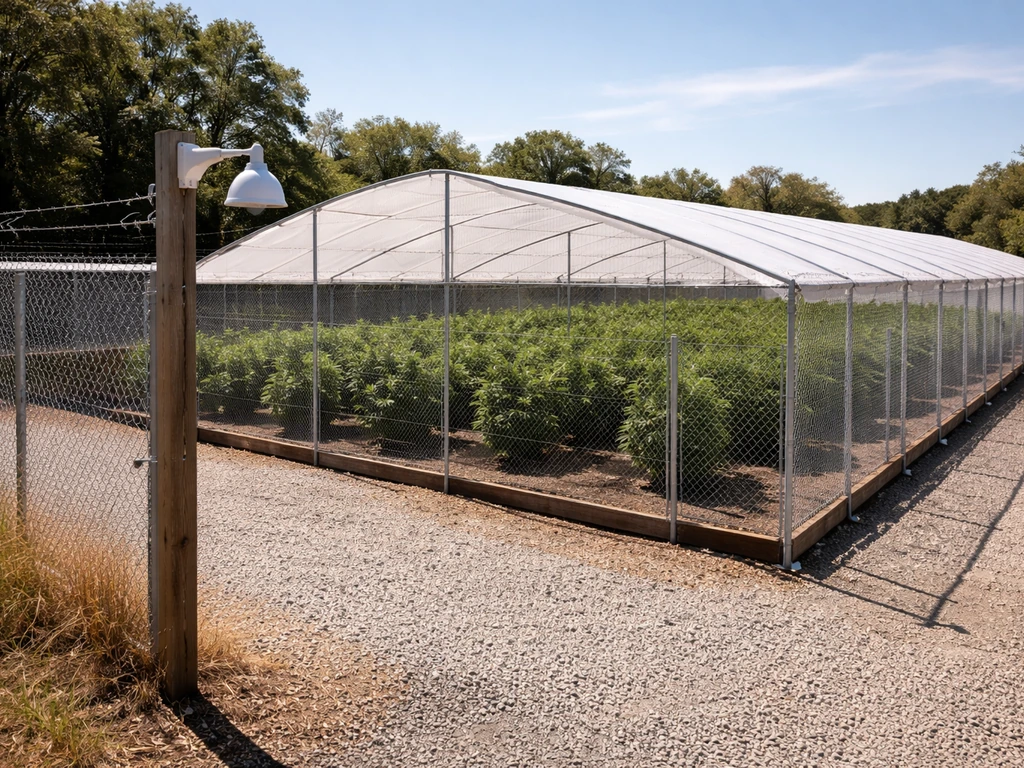
In cannabis licensing, a 'place to grow license plate' refers to the premises identifier or license reference number tied to a specific, approved cultivation site. Every legal cannabis grow license is anchored to a physical location. The 'plate' is essentially the address and license number combo that regulators use to track who is growing, how much, and where. If you want to grow legally, your first job is getting that site-tied license for the right jurisdiction.
A Place to Grow License Plate: Cannabis Licensing Guide

Marcus Whitley
12 May 2026
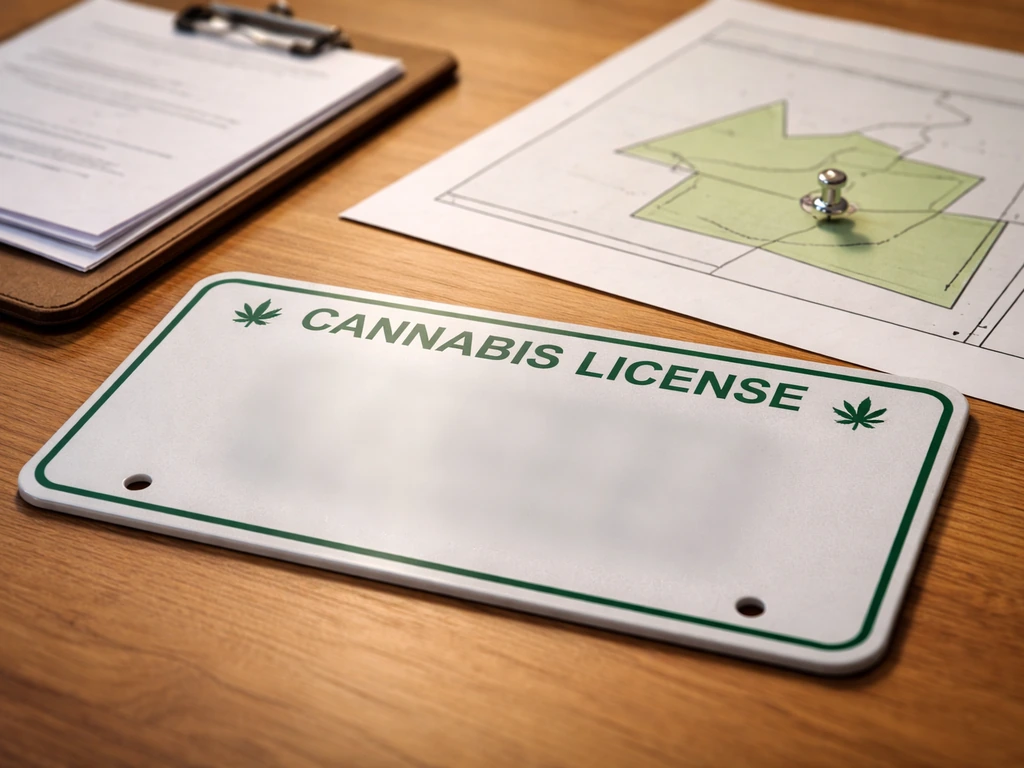
What 'a place to grow license plate' actually means in cannabis licensing
The phrase blends two ideas. A 'place to grow' is the licensed premises where cultivation is legally authorized. The 'license plate' is the unique identifier (a license number, premises ID, or tracking number) that regulators assign to that specific location. Together, they form the core of any cannabis grow license: a person or entity, authorized to cultivate, at one specific address, under one specific license number.
This is why you cannot get a generic grow license. Every application is tied to a physical site. Change the site and you typically need a new or amended license. This site-specific structure shows up whether you are applying for a home cultivation permit, a medical grow license, or a large commercial cultivation license.
Some programs, like Oklahoma's OMMA grow license system, require you to register the specific premises. For OMMA commercial outdoor grow rules, confirm the specific premises registration and site documentation needed for your cultivation application in Oklahoma. Oma's OMMA grow license process uses the registered premises details so regulators can identify the cultivation site and manage compliance OMMA grow license system.
Others, like Oregon's OMMP grow site rules, require a registered grow site address as part of the patient or caregiver application. If you are applying under OMMP programs, make sure your registered grow site address meets all OMMP grow site rules before submitting your patient or caregiver paperwork.
If you have seen Canadian federal licensing references, Health Canada uses the Cannabis Tracking and Licensing System (CTLS) to link every application to a specific site. For Canadian cultivation applications, Health Canada uses the Cannabis Tracking and Licensing System (CTLS) and a site evidence package, and recommends preparing the site evidence package at the same time as the CTLS application CTLS and a site evidence package for cultivation applications. Applicants submit what's called a 'site evidence package' to prove the cultivation premises meets all requirements. That's the same concept: a license plate tied to a place. US state programs work the same way, just through state-run portals instead of CTLS.
Find the right jurisdiction and the matching license type first
Cannabis is regulated at the state level in the US, and sometimes at the city, county, or tribal level on top of that. The state sets the baseline rules. Local governments can layer on stricter rules or even ban cultivation entirely. Your jurisdiction is determined by the physical address of your grow site, not where you live.
Start by confirming your state's current status: fully legal adult-use, medical-only, or still prohibited. Then check whether your city or county has opted out of allowing cultivation or has additional local permits required. Tribal lands operate under their own sovereign regulations and may differ significantly from the surrounding state.
Once you know the jurisdiction, match yourself to the right license category. Most state programs have at least three tiers:
- Home cultivation (personal use): typically limited to 3-6 plants per adult, no commercial sale allowed, often requires no formal license but may require registration
- Medical cultivation (caregiver or patient): limited plant counts tied to patient counts, grow site must be registered, often requires background check and state medical program enrollment
- Commercial cultivation license: requires a business entity, significant capital, zoning compliance, full security and track-and-trace infrastructure, and substantial fees
Choosing the wrong license type is one of the most common and costly mistakes. A home cultivator applying for a commercial license wastes money. A person trying to supply a dispensary under a home cultivation permit is operating illegally. Know your tier before you fill out a single form.
Prerequisites and eligibility: what you need before you apply
Most cannabis cultivation licenses share a core set of eligibility requirements, though the specifics vary by state and license tier.
Age and residency

You must be at least 21 years old in virtually every US adult-use jurisdiction, and 18 in some medical-only states. Many states require applicants to be current state residents, sometimes for a minimum of one to two years before applying. Some states have relaxed residency requirements under legal pressure, but local residency preferences or priority windows may still exist.
Background checks
Commercial licenses almost universally require fingerprint-based criminal background checks for all owners, officers, and often employees. Most states disqualify applicants with drug trafficking convictions, though some states have expungement and equity provisions that can override prior low-level cannabis convictions. Check your specific state's disqualifying offense list before assuming a prior record blocks you.
Site control and property documentation
You must demonstrate that you have legal control over the proposed cultivation site before your license is approved. This means either proof of ownership (a deed) or a signed lease that explicitly permits cannabis cultivation and covers the full license term. Verbal agreements and unsigned letters of intent are not sufficient. Some states require landlord consent forms on top of a lease. If you do not have documented site control, your application will be denied.
Where you can legally grow: zoning, location rules, and plant limits
Having a property is not enough. The property must be in a zone that allows cannabis cultivation, and it must meet setback and buffer requirements from specific land uses.
Zoning and buffer distances
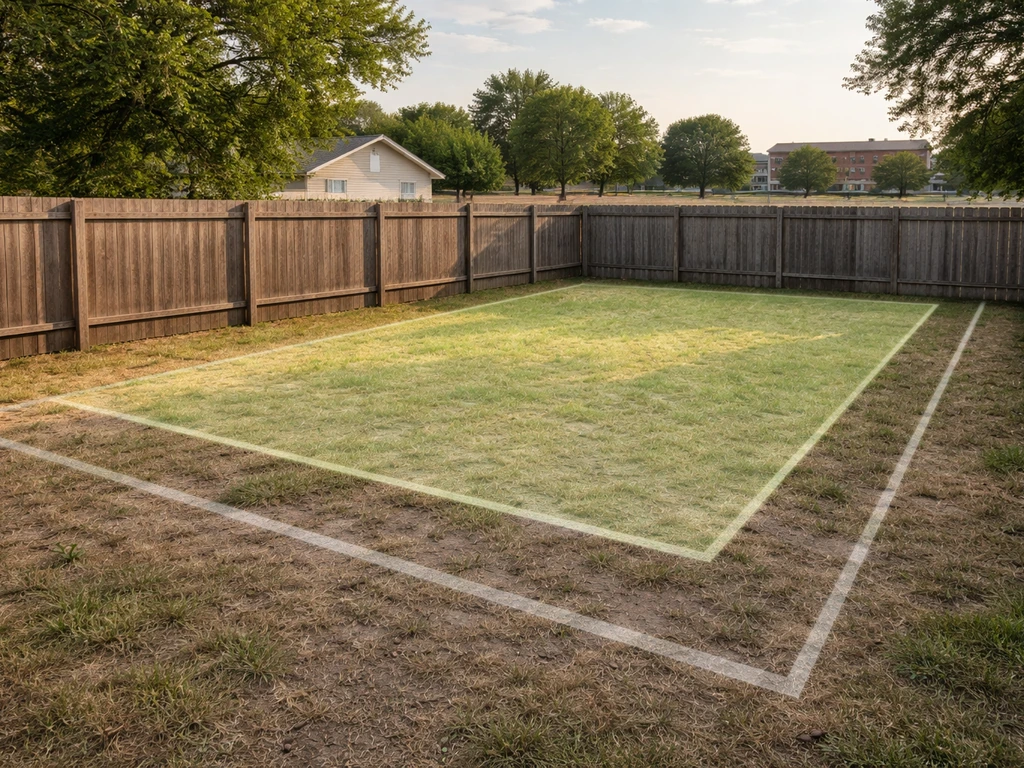
Commercial cultivation is almost never permitted in residential zones. Most states require commercial grows to be in agricultural, industrial, or mixed commercial/industrial zones. On top of that, most jurisdictions impose minimum distance buffers from schools, daycares, churches, parks, and sometimes other cannabis businesses. Common buffer distances range from 500 to 1,000 feet, measured from property line to property line or from entrance to entrance depending on the state's method.
Even for home cultivation, some states require grows to be in an enclosed, locked space not visible from a public right-of-way. Outdoor home grows are prohibited in many jurisdictions. Always check your local municipal code, not just state law.
Plant and canopy limits
| License Type | Typical Plant Limit | Canopy/Space Limit |
|---|---|---|
| Home cultivation (adult-use) | 3-6 plants per adult, household cap common | No formal canopy limit, but plants must be in enclosed space |
| Medical caregiver cultivation | 6-12 plants per patient, varies by state | Varies; some states cap by square footage of canopy |
| Tier 1 commercial (small) | Hundreds to a few thousand plants | Up to 2,500-5,000 sq ft canopy typical |
| Tier 2/3 commercial (large) | Tens of thousands of plants | 10,000-50,000+ sq ft canopy depending on state tier |
Canopy limits are particularly important for commercial licenses because they determine your license tier and your fee. Exceeding your authorized canopy is a serious compliance violation. Design your facility to stay comfortably within your tier's maximum, not right at the edge.
Security requirements tied to the site
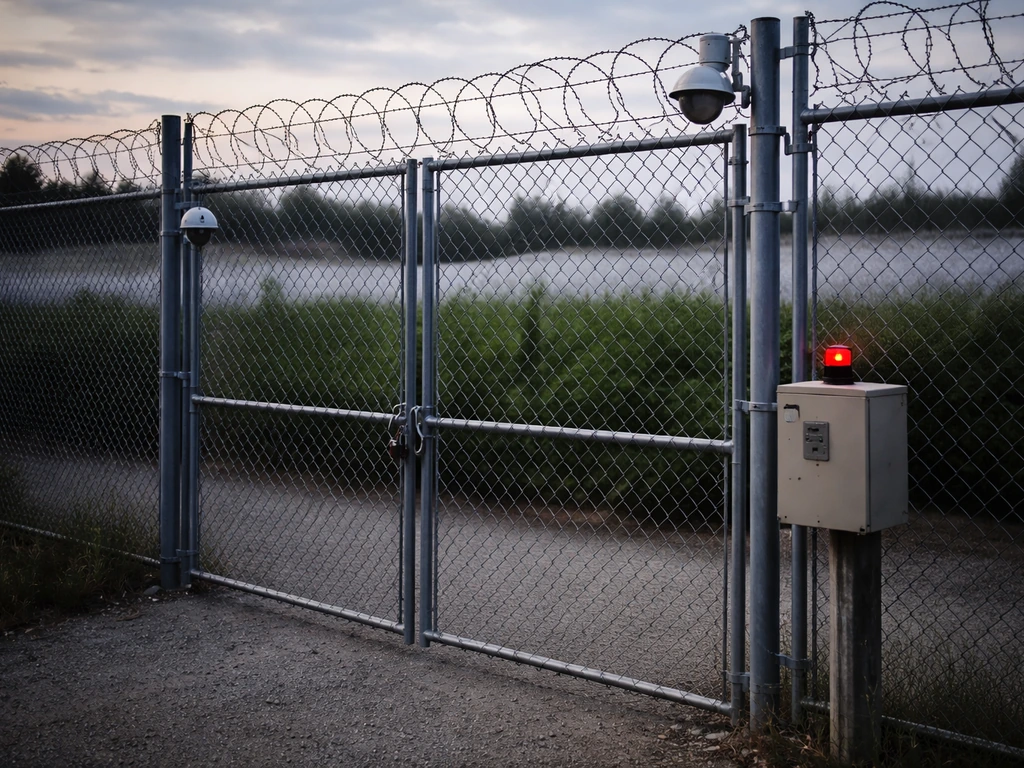
Commercial cultivation sites must have perimeter fencing, controlled access points, 24/7 video surveillance covering all cultivation and storage areas, and an alarm system. Camera footage typically must be retained for 30-90 days depending on the state. Your security plan is submitted as part of the license application and is evaluated before approval.
How to apply: documents, forms, fees, and timelines
Every state has its own online licensing portal. Start there. Most applications follow a similar structure even if the portal looks different.
Core documents to prepare
- Government-issued ID and proof of state residency (utility bills, lease, or driver's license with current address)
- Proof of site control: deed of ownership or executed lease with cannabis cultivation language
- Site plan and floor plan: scaled drawings showing cultivation areas, storage, canopy dimensions, entry points, and security camera placement
- Operating plan: describes cultivation methods, waste disposal, water usage, pesticide practices, and staffing
- Security plan: camera layout, alarm system details, access control procedures
- Background check authorization forms for all owners and officers
- Business formation documents (for commercial licenses): articles of incorporation, operating agreement, and ownership disclosure
- License application fee (varies widely by state and tier)
Typical application timeline
Expect 60-180 days from submission to approval for a commercial cultivation license in most US states, though some states have backlogs that push timelines past a year. Medical patient or caregiver cultivation registrations can be faster, sometimes 2-4 weeks. Home cultivation registrations (where required) are often near-instant online. Build your timeline around the slowest step: background checks often take 4-8 weeks on their own.
What to expect during review
After submission, the licensing authority will review your application for completeness first. Incomplete applications get returned, not held. If complete, they move to substantive review: checking eligibility, zoning compliance, and document quality. Many states then require a pre-licensing inspection of the physical site before issuing the license. The inspector will verify your site matches the floor plans you submitted, that security systems are operational, and that cultivation has not started illegally before the license was issued.
Staying compliant after your license is approved
Getting the license is step one. Keeping it requires ongoing work.
Track-and-trace and inventory recordkeeping
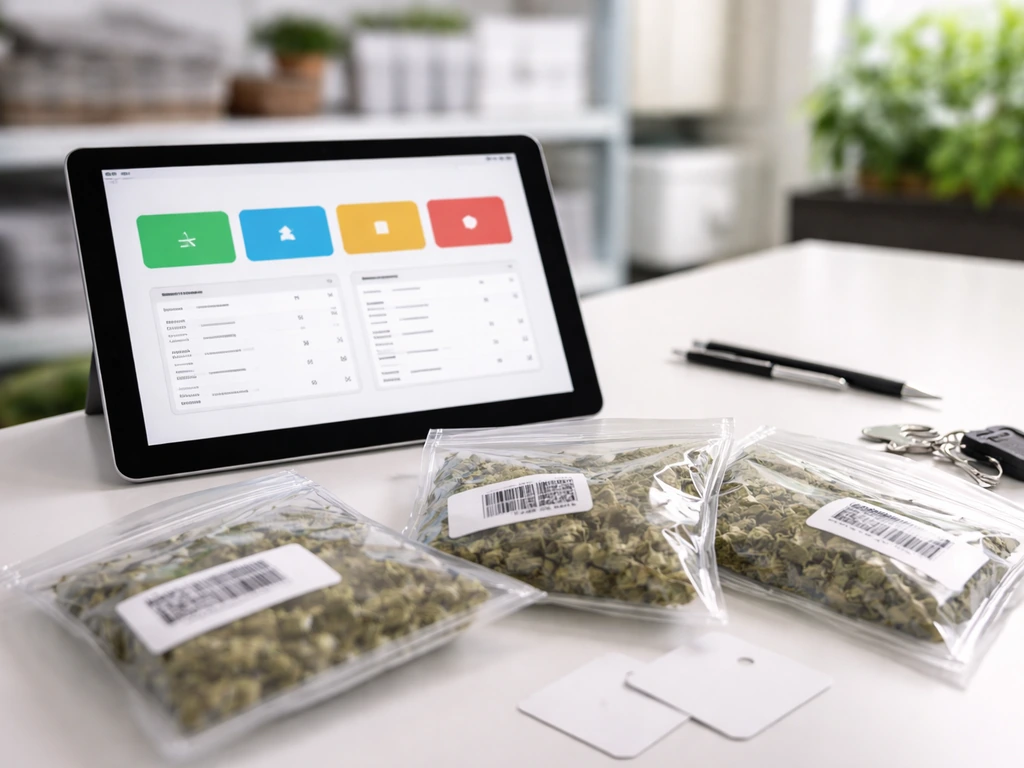
Commercial cultivators in most states must use a state-mandated seed-to-sale tracking system (commonly Metrc, BioTrackTHC, or a state-built platform). Every plant must be tagged with a physical RFID tag at the immature plant or early vegetative stage. For example, a KYMEdCan enforcement and compliance training PDF explains that Metrc uses blank" rel="noopener noreferrer">two tag types (plant versus package) and that the unique identification number is printed on both portions of a Metrc package tag. Every harvest, transfer, and waste event is logged. Your license number (that 'license plate' identifier) appears on every plant tag, package, and manifest that moves through your facility. If your records and your physical inventory do not match, you have a compliance problem.
Inspections
Regulators can inspect your cultivation site at any time during business hours without advance notice in most states. Some states require at least one routine annual inspection; others inspect more frequently or trigger inspections based on complaints or discrepancies in your track-and-trace data. Keep your facility clean, your records current, and your staff trained on what to do when an inspector arrives.
Renewals
Most cannabis cultivation licenses are issued for one year and must be renewed annually. Renewal applications open 60-90 days before expiration in most states. Missing the renewal window can result in a lapse, which means you must stop cultivation until the license is reinstated. Set a calendar reminder at least 90 days before your expiration date.
Why applications get denied and how to avoid it
Most denials are avoidable. Here are the most common reasons and the fix for each.
| Denial Reason | What Went Wrong | How to Fix It |
|---|---|---|
| Wrong jurisdiction or license type | Applied in a city that bans cultivation, or chose commercial when home grow rules apply | Verify zoning and municipal opt-in status before applying |
| Inadequate site control | Lease missing cannabis language or not signed by all parties | Get a fully executed lease with explicit cannabis cultivation permission |
| Zoning noncompliance | Property is not in an approved zone or fails buffer requirements | Run a zoning check with your city/county planning department before leasing |
| Incomplete documentation | Missing floor plan, unsigned forms, or wrong fee amount submitted | Use the state's checklist and have someone else review before submitting |
| Exceeding plant or canopy limits | Proposed canopy size exceeds the license tier applied for | Redesign the facility layout to fit within tier limits |
| Weak or noncompliant security plan | No 24/7 camera coverage, missing perimeter fencing detail, or no alarm system described | Hire a security consultant familiar with cannabis state requirements to draft the plan |
| Disqualifying background check | Undisclosed prior conviction or a conviction on the state's disqualifying list | Review the state's disqualifying offense list before applying; consult an attorney if needed |
Your practical next steps checklist for today
Use this checklist to move forward right now, no matter where you are in the process.
- Identify your exact jurisdiction: find the state licensing authority website and check whether your city or county has additional local requirements or has opted out of allowing cultivation
- Confirm your license type: home cultivation, medical caregiver, or commercial? Match your intent and scale to the correct tier
- Run a zoning check: contact your city or county planning department and ask whether your specific parcel is zoned for cannabis cultivation and whether it meets all buffer requirements
- Verify site control: if you do not own the property, get a signed lease that explicitly permits cannabis cultivation before spending time on the application
- Pull the state's application checklist: download the current checklist from the state licensing portal and identify every document you need
- Start your background check early: background checks often take the longest, so submit authorization forms as soon as possible
- Draft your floor plan and security plan: draw or commission a scaled site plan showing canopy areas, camera placement, and access points
- Calculate your fee: look up the fee schedule for your license tier and have payment ready in the accepted format
- Contact the state licensing authority: call or email the agency's applicant assistance line with any jurisdiction-specific questions before submitting
- Submit and track your application: once submitted, log into the portal regularly to respond to any requests for additional information quickly
This guide is for regulatory education purposes only and is not legal advice. Cannabis laws change frequently. Always verify current rules directly with your state and local licensing authority before making business or property decisions.
FAQ
If my grow site address changes slightly (suite number, building, or unit), do I still use the same place to grow license plate?
Usually no. Even when the street address looks the same, regulators often treat suite/unit changes, building swaps, or boundary redraws as a new premises, which can require an amendment or a new license. Ask your portal’s licensing helpdesk whether the premises ID changes and whether you need revised floor plans and security documentation before any plants move.
Can I start cultivation before my license is issued, as long as I have applied?
In most jurisdictions, starting cultivation before the license is granted is a compliance violation and can trigger denial or enforcement. A common failure point is using leased equipment or beginning site prep, then crossing into germination, propagation, or harvesting before the license effective date.
What documents best prove legal control of the premises, if my lease is not yet fully signed?
Generally you need executed, dated documents that cover the term of the license and explicitly allow cannabis cultivation. If you only have a draft lease, verbal permission, or an unsigned letter of intent, expect the application to be treated as incomplete. If the lease is signed but contains restrictions, you may need a landlord consent addendum referencing cultivation and the entire licensed activity.
How do canopy limits affect my ability to transfer or expand later?
Canopy limits typically tie to your license tier, fee, and reporting limits. Expanding beyond your authorized tier can be treated as an overproduction violation even if you later plan to request an amendment. Many states require you to apply for a tier change and sometimes update zoning, security, and track-and-trace parameters before you increase canopy.
If a municipality allows cultivation but the county does not, which rule controls for my place to grow license plate?
You must comply with all applicable layers tied to the physical premises. In practice, the strictest requirement usually blocks approval, and local opt-out rules can override a state baseline. Before you apply, verify both your city and county zoning or licensing ordinances for the exact parcel, then check any special restrictions for unincorporated areas.
Do buffers and setbacks depend on the property line or the nearest entrance, and can I measure it myself?
States differ on the measurement method, and using the wrong method is a common source of denials. Some measure from property line to property line, others from cultivation entrance to a sensitive use boundary, or from the nearest canopy location. Get the official measurement standard from your state guidance or zoning authority, then document your calculation for the application.
What happens if I miss the 60 to 90 day renewal window?
If renewal is late, you may enter a lapse period where cultivation must stop until the license is reinstated, and your ability to transfer product can be restricted. Even when reinstatement is possible, you can face compliance issues if your inventory does not match track-and-trace records. Build renewal tracking at least 90 days out, and confirm whether your state allows late renewals or requires a restart.
For track-and-trace, do I have to tag plants immediately, and what if a tag is missing or incorrect?
Most systems require tagging at a defined plant stage, and missing or incorrect tags can create irreconcilable inventory records. Common fixes include pausing affected batches, submitting correction requests or change logs (if your system allows), and documenting why inventory and physical counts diverged. Don’t “label later” without following your state’s correction procedure.
Are security requirements tied to the premises ID, meaning I need to redo my security plan if I change locations?
Yes. Security is usually evaluated against your approved premises layout and licensed cultivation and storage areas. Changing locations often requires new floor plans, updated camera coverage maps, alarm specs, and sometimes new inspection before approval, because regulators want verification that the security perimeter and storage areas match what’s on file.
How can I confirm the correct license type before investing in build-out and leases?
Create a pre-application checklist matching your planned activity to the state’s tier definitions, including whether you will be cultivation-only, whether you will handle processing, and the maximum canopy you expect. Then verify zoning and security feasibility for that tier. A common mistake is choosing a “commercial” tier based on ambition, only to learn the parcel cannot support that canopy or that local rules require a different tier or location.
If I am applying as a home grower, what makes my grow site invalid even if I follow state rules?
Local ordinances can still block outdoor grows, impose visibility restrictions, require fully enclosed locked structures, or limit cultivation amounts differently than the state. Another frequent problem is using a site that is technically permitted for residence but not permitted for cultivation under municipal zoning, particularly in densely regulated areas near schools or parks.
Where does the “license plate” identifier usually appear in compliance records, and what if staff use the wrong number?
The premises-linked license identifier typically must appear on plant tags, transfer manifests, and waste logs within the track-and-trace workflow. If staff enter the wrong identifier in the system, it can cause record mismatches that trigger compliance problems during inspection. Train staff on the exact identifier to copy from your approval letter and confirm it against the tagging step before any material moves.
Next Article
OMMA Commercial Outdoor Grow Rules Compliance Guide
Step-by-step compliance guide for OMMA commercial outdoor grow licensing, site, security, tracking, inspections, and pit