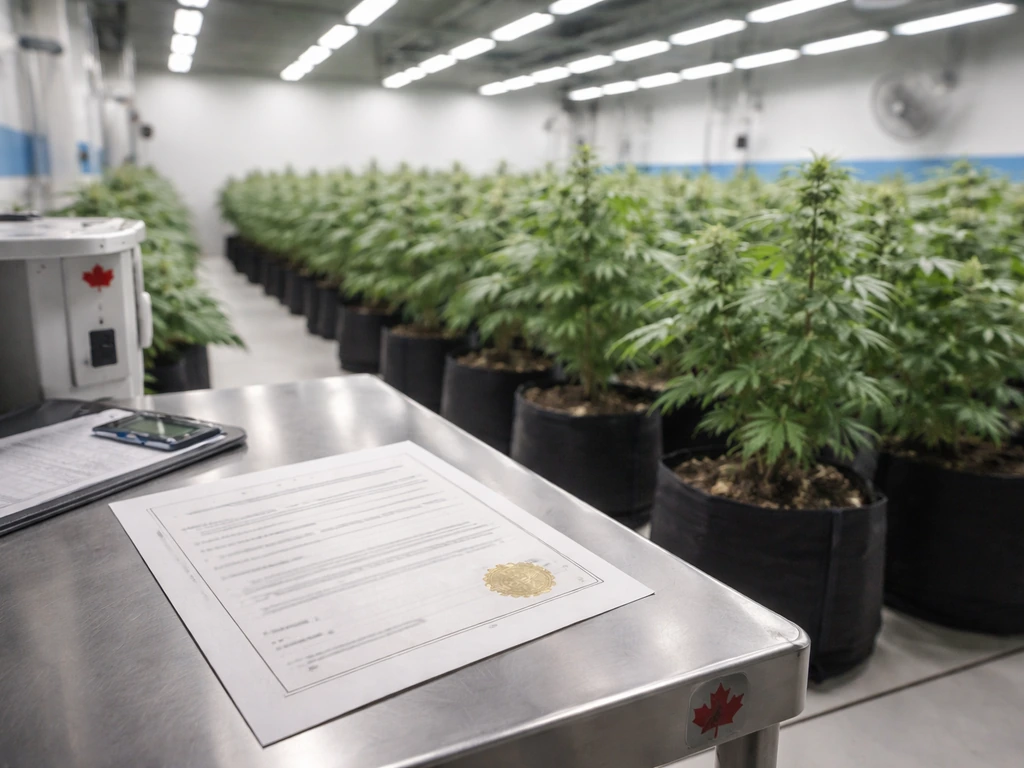
Oregon's OMMP grow site rules are the location, premises, and compliance requirements that a registered medical marijuana grower must meet before planting a single seed. They cover where you're allowed to set up, what the physical space has to look like, how access and storage must be controlled, and how your site gets tied to a registration or license. If you're growing for a medical patient (or yourself as a patient) under Oregon's medical framework, these rules come from OAR 333-008 and ORS 475C. If you're growing recreationally or commercially, you're in OLCC territory with a separate licensing track. Most compliance problems come from people mixing up these two pathways, so getting that distinction right is step one.
OMMP Grow Site Rules: Oregon Compliance Guide for 2026

Marcus Whitley
2 May 2026
What 'OMMP grow site rules' actually means in Oregon
OMMP stands for the Oregon Medical Marijuana Program, which has been operating under ORS 475C since Oregon consolidated its cannabis statutes. The program is administered by the Oregon Health Authority (OHA), and the specific rules for grow sites live in OAR Chapter 333, Division 8 (OAR 333-008). This is the ruleset you're working with if your grow is tied to a registered medical patient.
The OMMP framework allows a patient (or a designated caregiver/grower) to cultivate cannabis at a registered grow site. That grow site is a specific, registered address tied to that patient's registry card. It's not just 'wherever you want to grow.' The address has to be registered with OHA, and only one grow site is allowed per patient at a time. This is a hard rule, not a soft guideline.
The medical market is distinct from Oregon's recreational market, which is licensed and regulated by the Oregon Liquor and Cannabis Commission (OLCC). OLCC does administer the Cannabis Tracking System (CTS) that applies to both recreational and certain medical grow sites and dispensaries, so there is some overlap in tracking requirements. But the licensing pathway, plant limits, and site rules are different. If you're growing recreationally or want to sell commercially, you need an OLCC grow license, not an OMMP registration. The rest of this guide focuses on the OMMP medical side.
Where you can legally set up a grow site
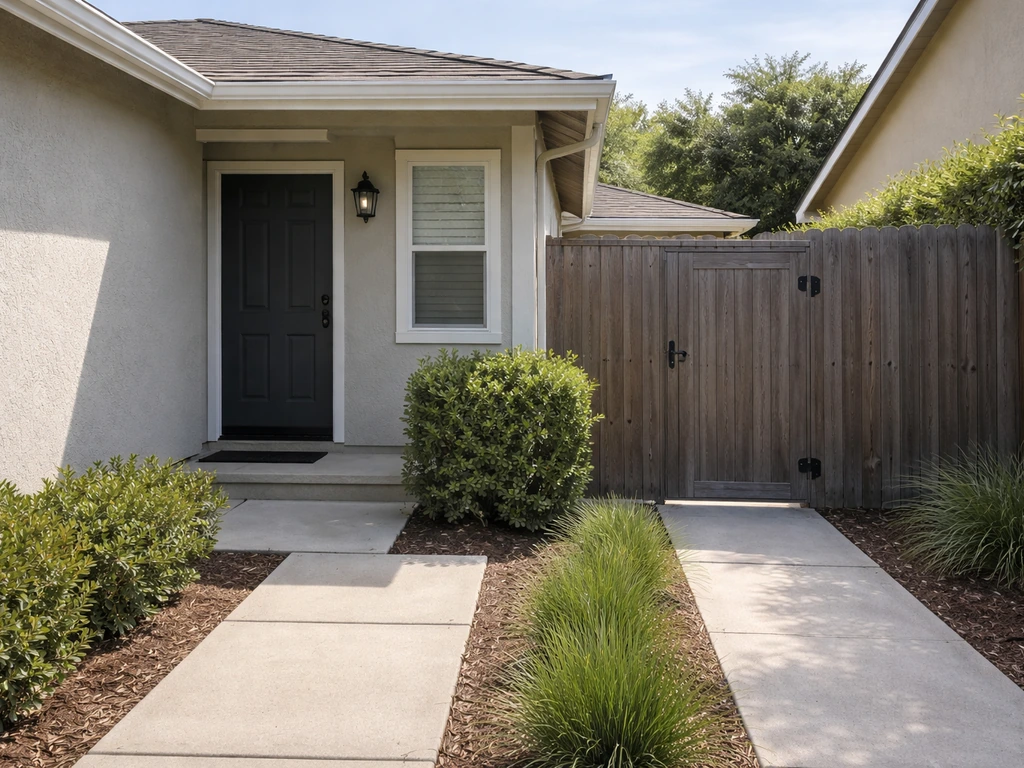
The grow site address must be the registered address on file with OHA. That address can be the patient's home, the designated grower's home, or another property the grower controls, but it has to be registered. You can't just pick a convenient spot, grow there, and register later. The registration has to happen before you start growing.
There are also local zoning and land-use rules that layer on top of state rules. Oregon cities and counties have the authority to restrict where cannabis grows can happen, and many have done exactly that. Before you assume a property is eligible, you need to check with the local planning or zoning office. A property that's legal under state law can still be off-limits under local ordinance.
The property also can't be blank" rel="noopener noreferrer">within 1,000 feet of a school, and other proximity restrictions may apply depending on your jurisdiction. This is one of the most common reasons a site gets rejected or flagged during registration. Measure from the property boundary, not the grow structure, and do it before you commit to a location.
- The grow site address must be officially registered with OHA before any cultivation begins
- Only one active grow site is allowed per registered patient at a time
- The site must comply with local zoning rules, which vary by city and county
- Proximity to schools and other sensitive locations can disqualify a site
- The grower must have legal control of the property (ownership or documented authorization from the owner)
Site compliance basics: security, access, storage, and safety
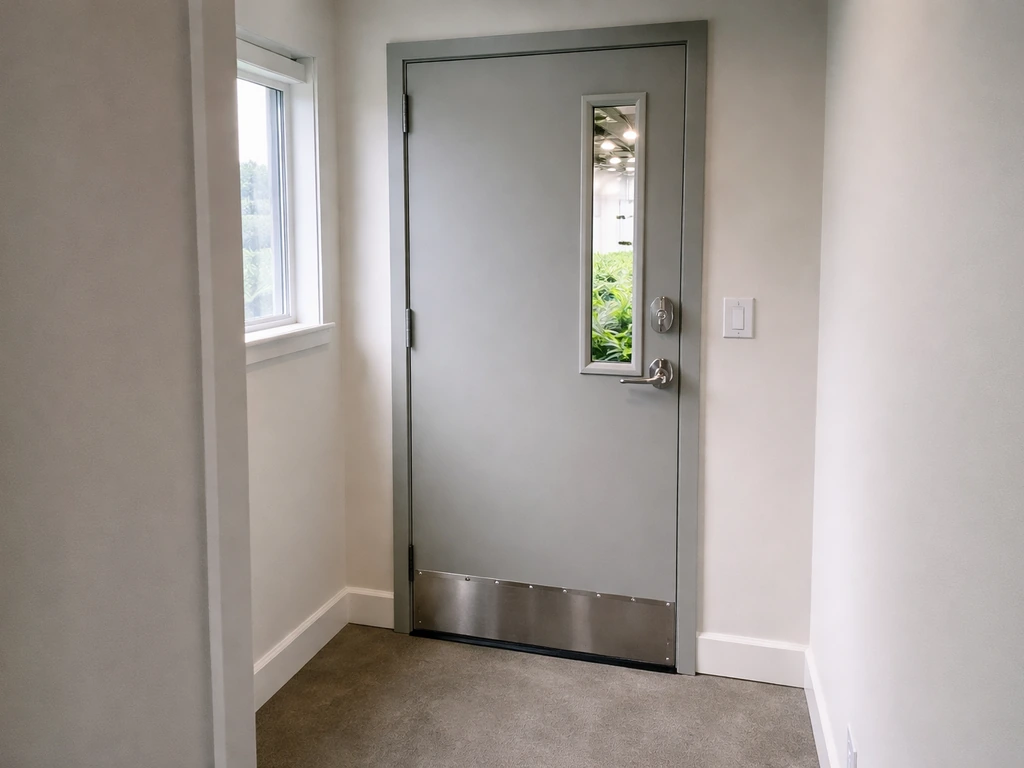
The grow site has to be secured so that only authorized people can access it. Under OAR 333-008, that means the grow area must not be accessible to minors under any circumstances. Locks on doors, fences, or enclosures are practical ways to meet this, but the requirement is about the result (minors can't get in) as much as the method.
Plants can't be visible from a public space. If someone standing on a public sidewalk or road can see your plants, you're out of compliance. This applies to outdoor grows especially, and it often requires solid fencing or opaque screening. A chain-link fence with plants visible through it doesn't cut it.
Harvested cannabis must be stored securely at the grow site. That means a locked space that's separate from general household or property access. If you're growing for multiple patients (growers can serve more than one patient under OMMP rules), keeping each patient's supply organized and traceable is part of operating a compliant site. Sloppy storage is a common enforcement trigger.
- All cannabis plants must be secured against access by minors at all times
- Plants must not be visible from any public road, sidewalk, or adjacent property
- Harvested cannabis must be stored in a locked, secure area within the registered site
- Only the registered patient, their designated grower, and authorized household members may access the grow area
- Growers serving multiple patients must keep records that clearly tie plants and product to specific patients
How the premises have to be set up and segmented
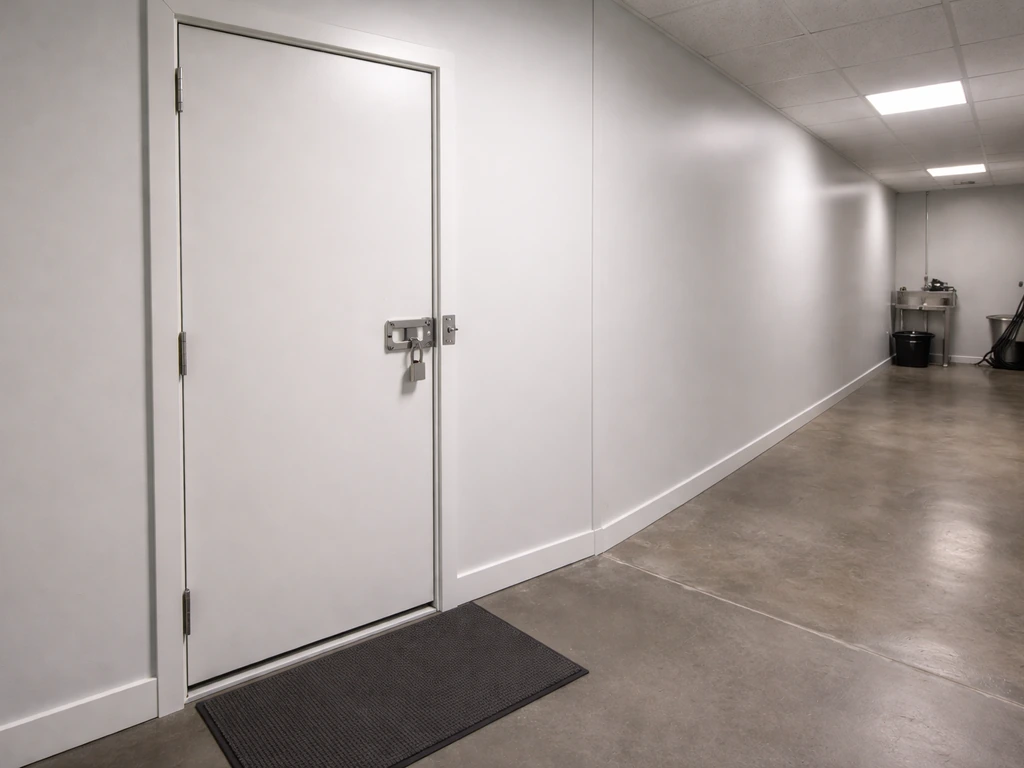
Your grow space doesn't have to be a purpose-built facility, but it does need to be clearly defined and separated from the rest of the property in a meaningful way. OAR 333-008 requires that the grow area be a distinct, controlled space, not just a corner of a room with some plants in it.
If you're growing indoors, the grow area should be a locked room or enclosed space. If you're growing outdoors, it should be within a fenced or enclosed area with a lockable gate. The point is that unauthorized access has to be physically prevented, not just discouraged. A sign on a door doesn't count as a security barrier.
If the grow is at a residence, the living areas and the grow areas need to be functionally separated. You shouldn't be walking through the grow space to get to the kitchen. This is partly a safety requirement and partly an access control requirement. OHA inspectors look at whether the layout realistically prevents minors from stumbling into the grow space during everyday household activity.
For growers who are also serving as a Patient Responsible for Managing a Grow Site (PRMG, a defined concept under OAR 333-008), there are additional documentation and organization expectations. Plants tied to different patients should be labeled or tracked in a way that makes it clear which plants belong to which registration. This doesn't have to be elaborate, but it has to be consistent and legible if an inspector shows up.
The registration and licensing pathway
If you're growing as a patient or designated grower under OMMP, you register your grow site through OHA, not OLCC. An OMMA grow license is separate from the OMMP patient-tied grow site registration, so make sure you apply for the correct track for your operation. The process starts with the patient's registry card and requires submitting the grow site address and the designated grower's information. If you’re preparing documentation, it also helps to make sure your vehicle identification details, like a place to grow Ontario license plate, are consistent with your plan to keep the site compliant registered grow site address. OHA issues a grow site registration that is tied to that specific address. You cannot legally start growing until that registration is in hand.
If your goal is a commercial grow (whether medical dispensary supply or recreational), you're looking at an OLCC license instead. OLCC licenses are categorized by size and type, and the site rules are significantly more detailed than the OMMP registration requirements. The OMMP registration pathway is only for patient-tied medical grows, not commercial operations.
Here's a quick way to figure out which path you're on: if you're growing to supply a specific registered patient (including yourself), you're on the OHA/OMMP path. If you're growing to sell product, supply a dispensary, or operate at commercial scale, you need an OLCC license. Trying to use an OMMP registration to cover a commercial-scale grow is one of the fastest ways to get into enforcement trouble.
| Factor | OMMP Registration (OHA) | Commercial Grow License (OLCC) |
|---|---|---|
| Governing authority | Oregon Health Authority (OHA) | Oregon Liquor and Cannabis Commission (OLCC) |
| Applicable rules | OAR 333-008 / ORS 475C | OAR 845-025 / ORS 475C |
| Who qualifies | Registered patients and designated growers | Licensed business entities or individuals |
| Purpose | Personal medical use supply | Commercial sale or dispensary supply |
| Plant tracking | OHA registry / basic records | OLCC Cannabis Tracking System (CTS) |
| Site inspection | OHA may inspect | OLCC inspects and enforces |
| Application cost | Lower (registration fee) | Higher (tiered license fees) |
If you're pursuing the OLCC commercial route, the site rules are layered on top of local land-use compatibility statements, building code compliance, and detailed security plans. The OMMP commercial outdoor grow rules (which govern outdoor canopy at medical sites) are a related area worth understanding if you're planning an outdoor operation at scale. This section helps you understand the OMMA commercial outdoor grow rules and what they require in practice OMMP commercial outdoor grow rules.
Common mistakes that cause compliance problems
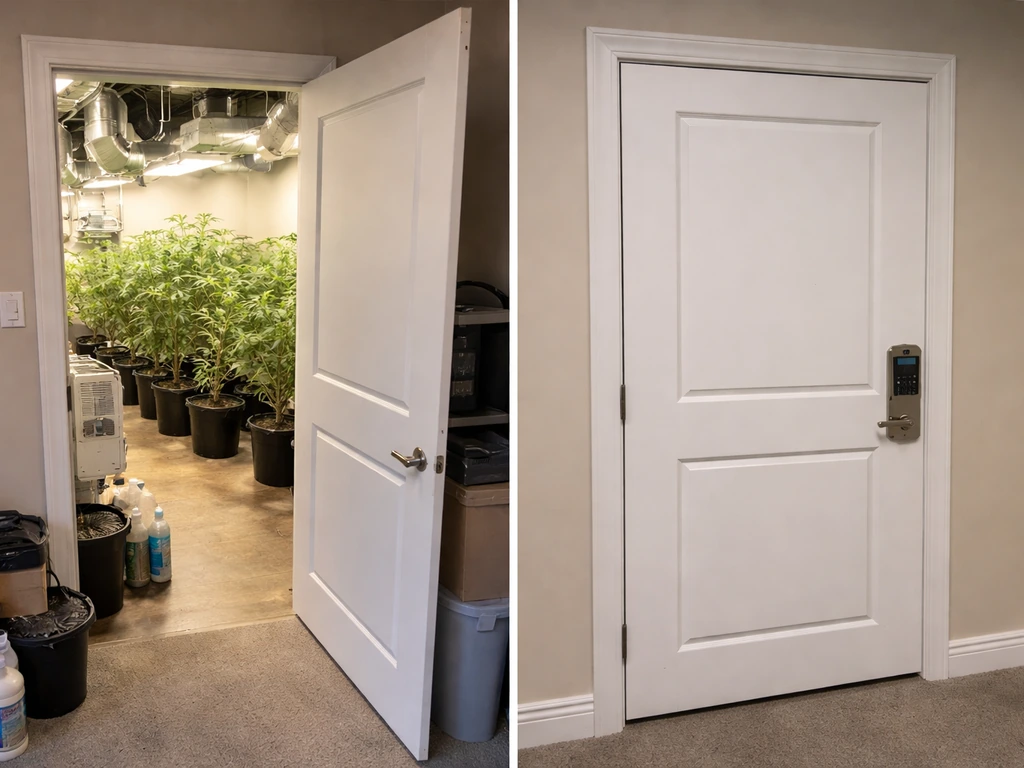
The most frequent mistake is starting to grow before the registration is finalized. People assume that because they've submitted the application, they're covered. They're not. Cultivation can only begin after OHA issues the registration for that specific site address. Growing before that point is unlicensed cultivation, regardless of your intent. Oregon Revised Statutes 475C authorizes OHA to refuse or suspend or revoke a person responsible for a marijuana grow site when the applicant or responsible person violates ORS 475C rules or adopted rules under ORS 475C.770 to 475C.919, including compliance-related grounds blank" rel="noopener noreferrer">unlicensed cultivation.
The second most common problem is a site that passes the state-level check but fails local zoning. State law allows grows in many residential zones, but your city or county may have adopted stricter rules. Always check local zoning first, before you register the address with OHA.
- Starting cultivation before the OHA grow site registration is issued (not just applied for)
- Registering an address that doesn't pass local zoning or proximity rules
- Plants visible from public areas due to insufficient screening or fencing
- No physical lock or barrier preventing minor access to the grow space
- Harvested cannabis stored in an unsecured or shared area instead of a locked space
- Serving multiple patients without keeping clear, patient-specific plant and product records
- Using an OMMP registration for a grow that's actually operating at commercial scale
- Failing to update OHA when the grow site address changes (you must re-register for a new address)
One more: don't assume your landlord's verbal approval is enough. If you're renting, you need written permission from the property owner to operate a grow site there. OHA may ask for documentation showing you have legal authorization to use the property, and a verbal agreement won't protect you if the landlord later denies it or if there's an inspection.
What to verify today before you plant anything
If you're trying to get this right before you start, here's the practical checklist. Work through these in order, because skipping ahead tends to create the exact problems described above.
- Confirm you have an active OHA patient registry card (or are the designated grower for someone who does) — you cannot register a grow site without a valid patient registration
- Check local zoning rules for the property address you plan to use — contact your city or county planning office directly and ask whether medical cannabis cultivation is permitted at that address
- Measure the distance from the property to the nearest school or other restricted-use facility and confirm it meets the 1,000-foot minimum
- If you're renting, get written authorization from the property owner before submitting anything to OHA
- Submit your grow site registration to OHA through the current OMMP application process and wait for the issued registration before doing anything else
- Assess the physical grow space: is access to minors physically blocked? Are plants going to be visible from a public area? Is there a lockable storage area for harvested cannabis?
- If you're serving multiple patients, set up a simple labeling or tracking system before you start planting so each patient's plants are identifiable from day one
- If your operation is larger than personal/patient-level scale, contact OLCC about an appropriate grow license rather than relying on OMMP registration
Oregon's medical cannabis framework is workable for individual patients and small growers, but it requires you to do things in the right order. Get the registration first, verify local rules before you commit to a site, and make sure the physical setup genuinely meets the access control and storage requirements before you bring in any plants. The rules aren't designed to be impossible to follow, they're designed to prevent the situations that create real enforcement problems. Meeting them upfront is a lot easier than fixing them after the fact.
FAQ
Can I start minor preparation like soil setup or fencing work before my OMMP grow site registration is approved?
You can do non-growing preparations, but you should avoid bringing in plants, germinating, or beginning cultivation activities at the unregistered location. Treat anything that could be considered “cultivation” (including seedlings) as off-limits until OHA issues the registration for that specific address.
If I register my OMMP grow site, can I move it to a different address later if I still have the same patient?
Generally, the site is tied to a specific registered address. If you change locations, you should plan on updating or re-registering under OHA rather than swapping addresses informally. Do not relocate plants to a new property until you have the new site properly registered.
What if my grow area is in a common area of the property, like a shared yard or detached shed used by other people?
If the space is not meaningfully separated and not controlled so that unauthorized access is physically prevented, it can fail the access-control expectations. You need a lockable, distinct grow area and storage, and shared-use spaces often create enforcement risk even when you personally control the plants.
Do the “minors can’t access the grow area” rules mean I can’t have any interaction risk at all, like letting kids in the yard while plants exist?
The key is that minors cannot gain access to the grow area under any circumstances. If minors could realistically enter the controlled area due to a layout, unlocked gates, inadequate fencing, or everyday household movement, you are not meeting the intent of the rule.
Is chain-link fencing allowed for visibility screening, or does it have to be opaque?
In practice, screening needs to prevent visibility of plants from public spaces. If plants can be seen through fencing from a sidewalk or road, that is a common compliance failure. Opaque barriers or screening that stops sightlines are the safer approach for outdoor grows.
How should I handle storage if I have multiple patients at the same registered location?
Keep each patient’s harvested cannabis organized in a way that supports traceability and reduces mix-ups. Use consistent labeling or segregated, locked storage so an inspector can tell which supply belongs to which patient registration without guesswork.
What counts as “storage at the grow site,” can I store harvested cannabis in a separate locked area off-site?
For OMMP, the harvested cannabis storage expectation is tied to the registered grow site, using locked, secured space separate from general access. Storing harvested product somewhere else can break compliance, so align storage location with the registered address and locked storage requirement.
If I’m a designated grower and the patient lives elsewhere, whose home can be the OMMP grow site?
Either can work, as long as the grow site address is the one registered with OHA. Your designated grower’s controlled property can be the registered address, but it must be the address you submitted and received approval for, and you must have legal authorization to use the property.
How do I prove I have permission to use a rented property for an OMMP grow site?
OHA can require documentation that you have legal authorization, written approval is the safest option. Do not rely on a verbal agreement, and keep the paperwork accessible in case you need to show it during registration review or an inspection.
What happens if my grow is within 1,000 feet of a school, but the distance is close and I measured from the wrong point?
Measure from the property boundary, not from the grow structure, and confirm distances before you move forward. If you measured from structures or incorrectly assumed a midpoint, the site can be rejected, so re-check measurements using the correct reference points.
If I already have an OMMP registration and I change my vehicle, can that affect compliance?
Vehicle identification details should remain consistent with your operation plan, since identifiers can be part of what OHA expects you to describe accurately during the registration process. If your identifiers change materially, update your documentation approach rather than assuming it is irrelevant.
How can I tell quickly whether I’m on the OMMP path or the OLCC path if I’m providing cannabis to someone else?
Use the intent and end use as your guide. Patient-tied cultivation for a registered patient (including self, when applicable) is OMMP. Selling, supplying dispensaries, or operating at commercial scale is OLCC territory, and trying to cover commercial activity with OMMP registration is a frequent enforcement trigger.
Next Article
A Place to Grow Ontario License Plate: How to Get Licensed
Get Ontario’s cannabis grow authorization steps, choose the right license type, apply, and stay compliant legally for yo