If you're searching for an 'Ontario license plate' for cannabis growing, you're really asking: what's the official authorization that makes your grow legal in Ontario? For most adults growing at home, there is no Ontario-issued license or permit required. Federal law allows anyone 19 or older to grow up to four cannabis plants per household for personal use, and that's the only permission you need. For personal use, adults are allowed to grow up to four cannabis plants per household, using licensed seeds or seedlings, according to Health Canada’s Cannabis Act backgrounder grow up to four cannabis plants per household for personal use. If you want to grow commercially and sell cannabis, that's a completely different path governed by Health Canada, not Ontario.
A Place to Grow Ontario License Plate: How to Get Licensed

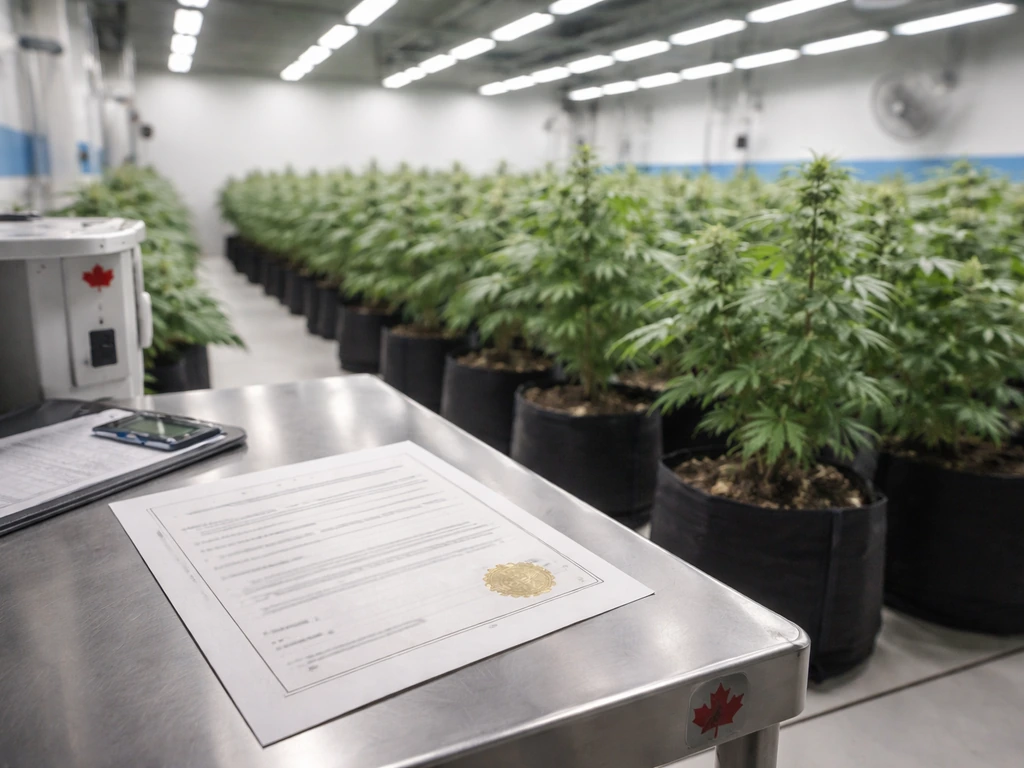
What 'Ontario license plate' actually means in this context
The phrase 'license plate' here is a shorthand for whatever official document, permit, or registration proves your grow operation is legal. Think of it like a vehicle plate: it's the visible proof of authorization. In Ontario's cannabis landscape, that 'plate' looks different depending on what you're trying to do. For personal home growing, the Cannabis Act itself is your authorization. No card, sticker, or provincial permit gets issued to you. For commercial cultivation, Health Canada issues a formal licence that acts as that identifying credential.
It's worth noting that some other jurisdictions do issue physical cultivation registrations or site tags (sometimes literally called license plates for grow sites). Ontario and Canada's federal framework don't work that way for personal grows. The law itself is your permission slip.
Who can legally grow in Ontario and what models are allowed
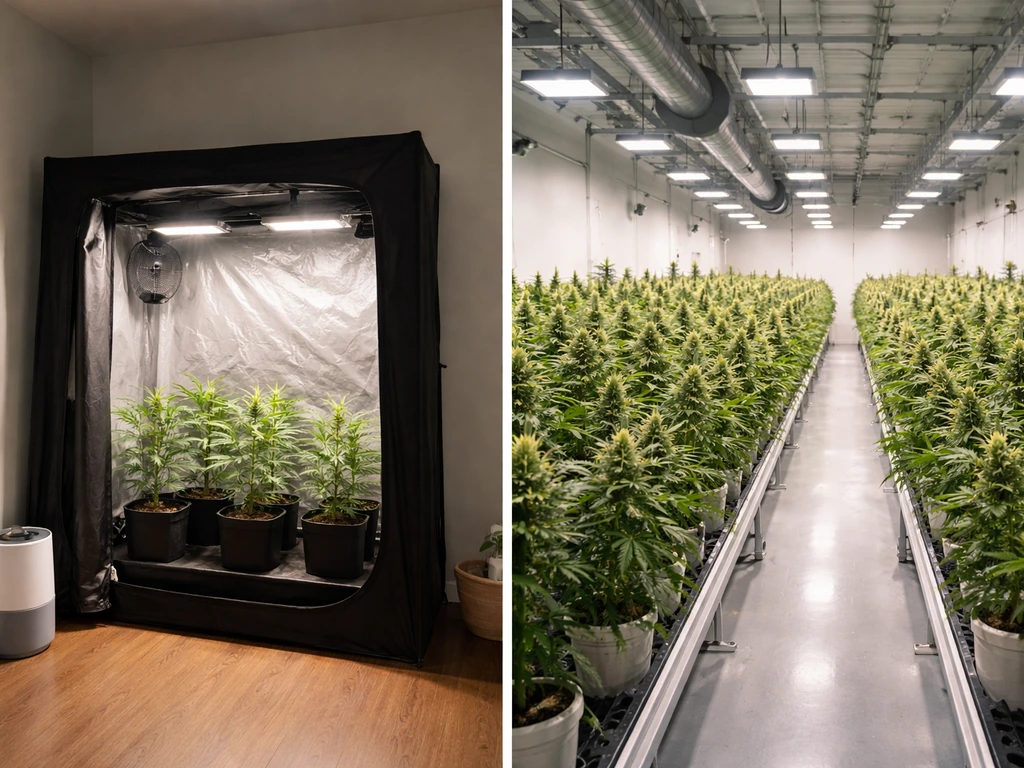
Ontario follows the federal Cannabis Act rules on cultivation. Here's how the two main pathways break down:
| Pathway | Who it's for | Governing body | Authorization required |
|---|---|---|---|
| Personal home cultivation | Adults 19+ growing for personal use | Federal Cannabis Act | None (law itself permits it) |
| Medical home cultivation | Registered medical cannabis patients | Health Canada | ACMPR registration with Health Canada |
| Commercial cultivation/processing | Businesses producing for sale | Health Canada | Health Canada cultivation licence |
Ontario itself does not issue cultivation licences. The province regulates retail, consumption, and distribution through the AGCO and the LCBO, but the moment you're talking about actually growing plants, federal rules take over. Ontario's role is mainly setting the age requirement at 19 (one year older than the federal minimum of 18) and layering some location-specific rules on top.
Choosing the right path: home grow vs commercial licence
Before you do anything else, figure out which category you fall into. Most people searching this topic are either curious home growers or someone thinking about starting a small cannabis business. These are very different situations with very different requirements.
Home growing for personal use
If you want to grow cannabis for yourself and not sell it, the rules are simple. You can grow up to four plants per residence (not per person) as long as you're 19 or older. You don't apply for anything. You don't register with Ontario or with Health Canada. You just follow the rules and stay within the legal limits.
Medical cannabis home production
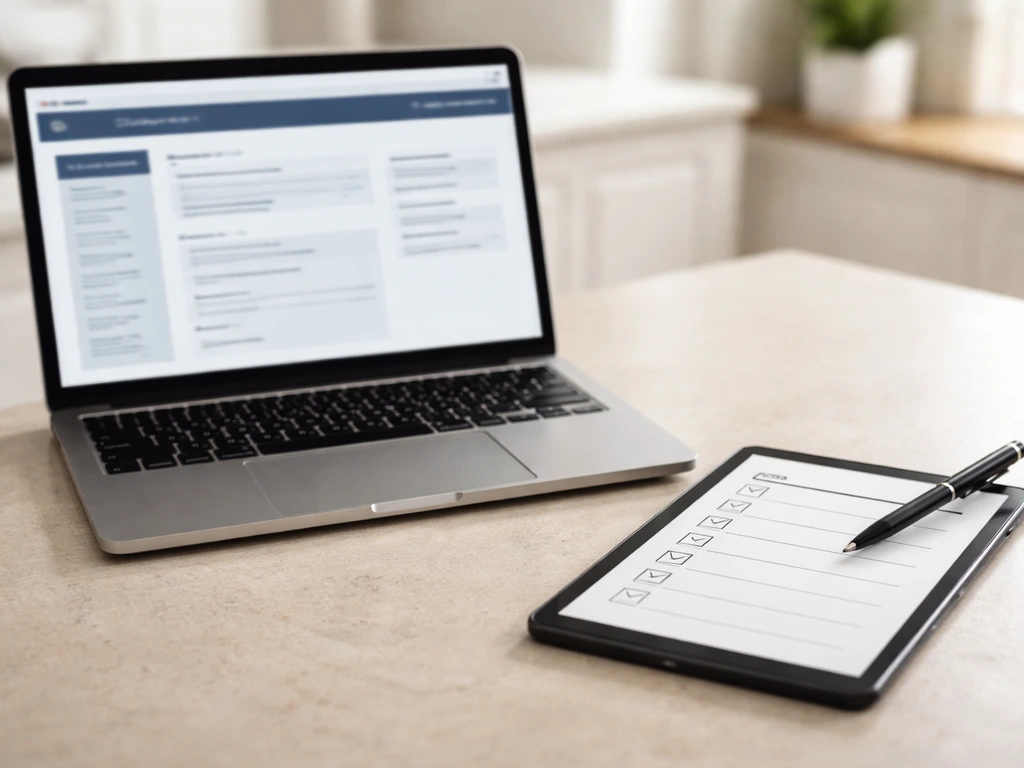
If you're a registered medical cannabis patient, you may be able to grow more than four plants at home. This requires a registration with Health Canada under the ACMPR (Access to Cannabis for Medical Purposes Regulations) framework, supported by a medical document from your healthcare provider specifying your daily gram requirement. The number of plants you're authorized to grow is calculated based on that daily gram amount.
Commercial cultivation
If your goal is to produce cannabis commercially, meaning you want to sell it to retailers, processors, or the government supply chain, you need a Health Canada cultivation licence. For omma commercial outdoor grow rules, focus on Health Canada cultivation standards and the specific outdoor site and security requirements that apply to your licence type. This is a serious undertaking with significant regulatory, financial, and facility requirements. The two main commercial cultivation licence types are the Micro-cultivation licence (small-scale, under 200 square metres of canopy) and the Standard Cultivation licence (larger operations with no upper canopy limit).
Step-by-step application process
For personal home growing (no application needed)
There's nothing to apply for. As long as you meet the eligibility criteria below, you're legally permitted to grow. Just make sure you understand the rules before your first seed goes in the ground.
For medical home production registration
- Visit a healthcare provider and obtain a medical document specifying your authorized daily gram amount of cannabis.
- Create a My Health Canada account through the Health Canada portal.
- Complete the Registration Form for the Possession and Production of Cannabis for Medical Purposes.
- Submit your registration package (form plus medical document) to Health Canada either online or by mail.
- Wait for Health Canada to process and approve your registration. Processing times vary but typically take several weeks.
- Once approved, you receive a registration certificate specifying how many plants you're authorized to grow at your designated site.
For a commercial cultivation licence from Health Canada
- Create a Cannabis Tracking and Licensing System (CTLS) account at canada.ca.
- Choose your licence type: Micro-cultivation, Standard Cultivation, or Nursery, based on your intended canopy size and business model.
- Prepare your application package: facility floor plans, security plans, quality management system documentation, key personnel information, and evidence of ownership or control of the site.
- Submit your application through the CTLS portal. Health Canada will conduct a completeness review and notify you of any missing items.
- Health Canada conducts a detailed review and may request additional documents or clarifications. This phase can take months.
- If approved in principle, you may receive a licence with conditions. Fulfill those conditions (often including a physical inspection of your facility) before full activation.
- Once all conditions are met, Health Canada issues your active cultivation licence. You can then legally produce cannabis within the terms of that licence.
Common mistakes on commercial applications include incomplete security plans, floor plans that don't meet specifications, and key personnel records that are missing criminal background check details. Getting a consultant familiar with Health Canada applications to review your package before submission saves a lot of back-and-forth.
Costs, timelines, and what to expect
| Pathway | Application fee (approx.) | Typical timeline | Key cost drivers |
|---|---|---|---|
| Personal home grow | $0 | Immediate (no application) | Seeds/clones, equipment, electricity |
| Medical home production registration | $0 | Several weeks | Healthcare provider visit cost |
| Micro-cultivation licence | ~$1,638 CAD initial fee | 6 to 18+ months | Facility build-out, security systems, legal/consulting fees |
| Standard cultivation licence | ~$3,277 CAD initial fee | 12 to 24+ months | Facility, equipment, compliance infrastructure, staffing |
Health Canada's processing times for commercial licences have improved over the years but remain unpredictable. Micro-cultivation applications tend to move faster than standard ones, largely because the smaller footprint means less complexity to review. Plan for at least six months on the optimistic end, and have contingency budget for compliance upgrades after inspection feedback.
Compliance basics you need to know
Personal home grow rules in Ontario
- Maximum four plants per residence, regardless of how many adults live there.
- Plants must be grown from legally purchased seeds or clones (from an authorized Ontario retailer or online at ontario.ca).
- Plants must not be visible from a public space.
- You cannot sell, barter, or give away cannabis produced from your home grow beyond the legal gifting limits.
- Some rental agreements and condo bylaws prohibit growing, so check your lease or strata rules before starting.
- You cannot grow in a vehicle, boat, or any place that is not a private residence.
Medical home production compliance
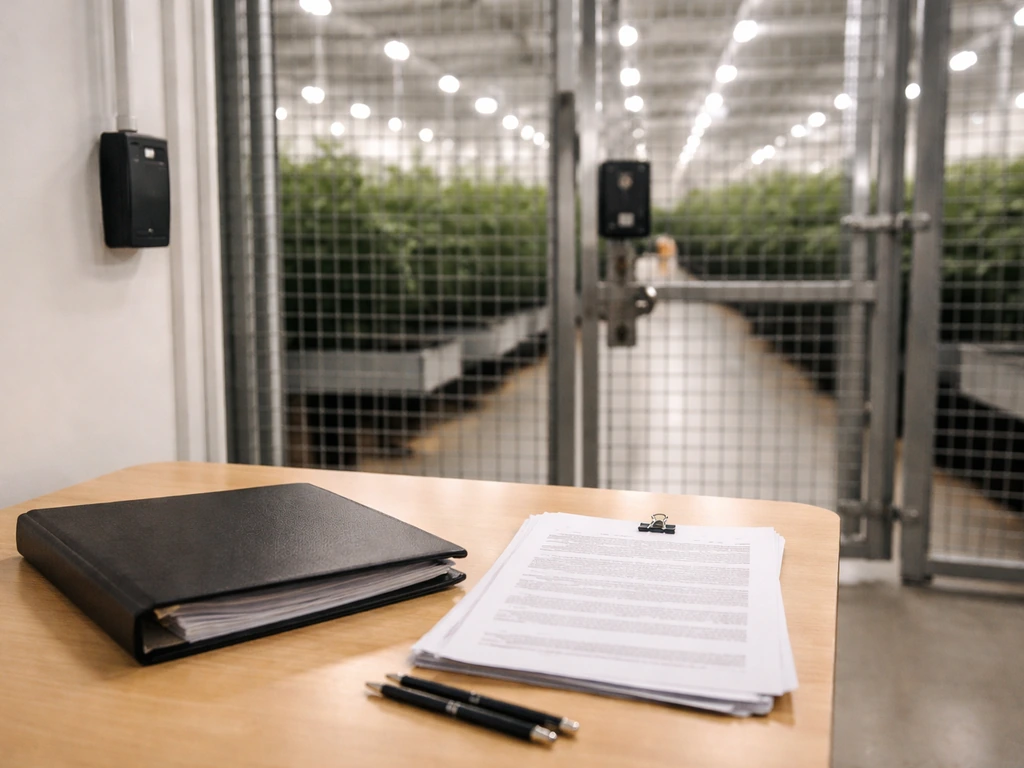
- Grow only at the site address listed on your Health Canada registration certificate.
- Do not exceed the plant count authorized in your registration.
- Keep your registration certificate up to date. If your daily gram authorization changes, update your registration.
- Cannabis produced under medical home production rules is for your personal medical use only, not for distribution.
- Lock and secure your grow area against access by minors.
Commercial licence compliance
- Maintain detailed seed-to-sale records in the Cannabis Tracking System (CTS) as required by Health Canada.
- Comply with all security requirements specified in your licence conditions (intrusion detection, video surveillance, access controls).
- Report any cannabis loss, theft, or significant regulatory incident to Health Canada within required timeframes.
- Label all cannabis products in compliance with the Cannabis Act packaging and labelling regulations.
- Renew your licence before expiry and notify Health Canada of any changes to key personnel, site footprint, or ownership.
Your next steps checklist for today
Here's what to actually do right now depending on your situation:
- Identify your goal: personal home grow, medical home production, or commercial cultivation. This single decision determines everything else.
- For personal home grows: read Ontario's current cannabis laws at ontario.ca to confirm current plant limits and location rules. No application needed.
- For medical home production: book an appointment with your healthcare provider to discuss whether a medical document is appropriate for your situation, then visit Health Canada's website at canada.ca to download the current registration forms.
- For commercial cultivation: visit Health Canada's Licensed Producers section at canada.ca and review the CTLS system guide. Consider engaging a licensed cannabis consultant before investing in facility build-out.
- Check whether your municipality has any zoning restrictions on cannabis growing, especially for commercial applications. Contact your local planning office.
- If you're a tenant or condo owner, review your lease or condo bylaws for any cannabis cultivation restrictions before starting a personal grow.
- Bookmark Health Canada's public list of licensed cultivators at canada.ca to verify any business you deal with in the commercial space.
- This article gives you regulatory context, not legal advice. If your situation is complex (medical, commercial, or involves a unique property situation), consult a lawyer familiar with Canadian cannabis law.
Ontario's cannabis rules are cleaner than many people expect, especially on the personal grow side. The complexity ramps up fast once you move into commercial territory, where the Health Canada licensing process is essentially a full compliance program, not just a form to fill out. If you're applying for an omma grow license, you'll need to follow Health Canada's commercial cultivation licensing requirements and timelines. Start with the checklist above, verify the current requirements directly with official sources since rules can change, and you'll have a much clearer picture of where you stand within a day.
FAQ
If I grow at home in Ontario, do I need to show a permit or registration to anyone (landlord, neighbor, police)?
For personal home growing under the Cannabis Act limits, there is typically no Ontario or Health Canada “plate” you carry. The practical advice is to keep documentation that supports your age eligibility, and for medical patients keep your medical document showing the daily gram authorization. If you are ever asked to demonstrate authorization, being able to produce your applicable documentation matters more than having a provincial sticker.
Does the “four plants per household” limit apply to everyone living in the home?
No, it is per residence, not per person. If multiple adults live together, the four-plant cap still generally applies to the household total, so you should plan your plant count accordingly. When in doubt, separate indoor grows into one household total rather than treating each adult as a separate allowance.
Are there any extra restrictions about where I can grow inside a home (bedroom vs. locked room)?
Yes, even for personal grows you need to follow the Cannabis Act expectations around security and keeping cannabis from being accessible to youth and other unauthorized people. A common mistake is assuming that “legal” automatically means “no containment needed.” Use a lockable setup and keep the grow out of public sight.
If I’m a medical patient, does my household still have a separate plant limit for recreational growers?
Medical access under ACMPR can allow a higher authorized amount for the patient, but the plant count and storage must still follow the framework and patient authorization. The key edge case is households with both medical patients and non-medical adults, where people can mistakenly combine allowances. Treat each patient’s authorization separately and ensure the overall grow setup still complies with safety and access rules.
Do I need to apply to Ontario or register my address before starting personal cultivation?
Usually, no. Personal home growers generally do not apply to Ontario for a cultivation credential. However, you may still need to address practical local issues like condominium rules, municipal by-laws, or landlord consent, since those are separate from the federal plant authorization.
What is the difference between “medical” and “commercial” cultivation if I want to sell or share with others?
Medical authorization is meant for personal medical use, not to run a sales operation. If you plan to sell, even small-scale, that generally pushes you into commercial or other regulated categories and you would need the appropriate Health Canada licensing. A common mistake is treating “patient” status as a blanket permission to distribute cannabis.
Do I still need a Health Canada cultivation licence if I’m not selling, but I have employees or customers coming to the site?
If there is any activity that looks like providing cannabis to others for value or in a business context, you should assume licensing obligations may apply. Health Canada expects licensed operations to control access and security, so adding employees or public-facing customers can undermine the “personal” characterization. When in doubt, talk to a regulator or licensing consultant before building a customer-facing setup.
For commercial licences, what typically delays approval the most?
Security planning, documentation completeness, and facility readiness are frequent bottlenecks. The article mentions security and missing criminal record details, and an additional common delay is mismatched or inconsistent layouts between the application materials and the physical site build. Do a consistency check early, before construction or major procurement.
How do I choose between Micro-cultivation and Standard cultivation, and can I switch later?
Your decision should be driven by intended canopy size and the operational model that matches the licence type requirements. Switching later can require additional review and potentially facility changes, so it is usually easier to start in the lane you truly plan to operate. If you think you may expand, model the future capacity in the initial plan to avoid costly redesigns.
What should I prepare before hiring a consultant for a Health Canada commercial submission?
Have your target licence type, preliminary site location, high-level security concept, and basic facility layout ready. Also assemble any records needed for key personnel, including criminal background check components, so the consultant can verify gaps quickly. This prevents time loss where consultants spend early cycles clarifying fundamentals you could have answered internally.
How long after I submit a commercial application can I start building or preparing the facility?
Generally, you should not assume you can legally operate or rely on authorization to begin regulated activities until you hold the relevant licence and meet the conditions. While you may do certain preparatory steps, inspections and compliance upgrades can make timelines tight. A safe approach is to separate “administrative prep” from “operation-ready readiness,” and plan a schedule that assumes inspection-driven changes.
OMMA Grow License Cost and How to Apply in 2026
OMMA grow license cost breakdown for 2026, eligibility, application steps, timelines, fees, and compliance checklist.