OMMA commercial outdoor grow rules almost always refer to the Oklahoma Medical Marijuana Authority's regulations for commercial outdoor cannabis cultivation. Oklahoma is the state with a well-known agency by that name, and its grower licensing program is built on Title 63 O.S. § 420 et seq. and Oklahoma Administrative Code (OAC) 442:10. If you are trying to grow medical cannabis commercially outdoors in Oklahoma, you need a state-issued Grower License, mandatory Metrc seed-to-sale tracking, and a site that meets specific outdoor security and cultivation requirements before you ever plant a seed.
OMMA Commercial Outdoor Grow Rules Compliance Guide

Marcus Whitley
5 May 2026
What 'OMMA commercial outdoor grow rules' usually refers to
The Oklahoma Medical Marijuana Authority is the state agency that licenses, regulates, and inspects commercial cannabis businesses in Oklahoma. It sits under the Oklahoma State Department of Health and draws its rulemaking authority from OAC 442:10, which is the chapter that governs all medical marijuana businesses. When people search for OMMA outdoor grow rules, they are almost always looking for the requirements that apply to commercial outdoor cultivation specifically, as opposed to indoor or greenhouse/light deprivation grows. OMMA treats these as separate license categories, each with its own operational requirements.
It is worth noting that a small number of readers searching 'OMMA' may be thinking of a differently named agency in another state, but no other major cannabis jurisdiction uses that exact acronym for its regulator. If you are not in Oklahoma, you will want to check your own state's regulatory body directly. For those in Oklahoma, everything below applies to you.
The licensing path for commercial outdoor cultivation in Oklahoma
Oklahoma issues a single Grower License category, but applicants choose their cultivation method during the application. For commercial outdoor cultivation, you should also review the OMMA Grower License requirements before submitting your application. Outdoor cultivation is one of the designated method options. You cannot start growing before receiving your license, and you cannot switch methods without notifying OMMA and potentially amending your license.
Who can apply
- Applicants must be Oklahoma residents, or the business entity must meet Oklahoma residency requirements for ownership percentages.
- You must be at least 25 years old, or 18 if you are a licensed medical marijuana patient.
- No felony convictions within a specified lookback window (drug-related felonies are disqualifying).
- Ownership and financial interest holders all go through background checks.
License types and costs
| License Type | Application Fee | Annual License Fee | Notes |
|---|---|---|---|
| Commercial Grower (Outdoor) | $2,500 | $2,500 | Covers outdoor cultivation at a single licensed premises |
| Commercial Grower (Indoor) | $2,500 | $2,500 | Separate method designation; not covered by outdoor license |
| Commercial Grower (Greenhouse / Light Dep) | $2,500 | $2,500 | Hybrid structure; different operational requirements than open-field outdoor |
Fees are subject to change and OMMA has adjusted them in past legislative sessions. Always verify current fee schedules at the official OMMA licensing portal before submitting payment.
Application steps
- Create an account on the OMMA online licensing portal (Oklahoma.gov/omma).
- Complete the Grower License application, selecting 'outdoor' as your cultivation method.
- Upload all required documents: proof of Oklahoma residency, entity formation documents, background check consent forms, and your proposed grow site address.
- Submit zoning verification showing the property is in a compliant zone (more on this below).
- Pay the application fee through the portal.
- Wait for OMMA's review, which can take 90 days or more. Incomplete applications pause the clock.
- Once approved, register your licensed premises in Metrc before any plant activity begins.
Zoning and local approval
Oklahoma law gives cities and counties the right to regulate where cannabis businesses can operate. Before you apply, confirm with your local planning or zoning office that the parcel is in a permitted zone. You should also confirm whether your chosen parcel allows a grow site that can legally display your license plate requirements confirm with your local planning or zoning office that the parcel is in a permitted zone. Some municipalities require a local permit or approval letter before OMMA will issue a state license. Rural unincorporated parcels often have fewer restrictions, which is one reason many Oklahoma outdoor grows are in agricultural areas, but you still need to verify setback requirements from schools, churches, and other protected uses. Getting zoning wrong before you apply is one of the most common and expensive mistakes applicants make.
Outdoor-specific requirements: site, canopy, security, and cultivation controls
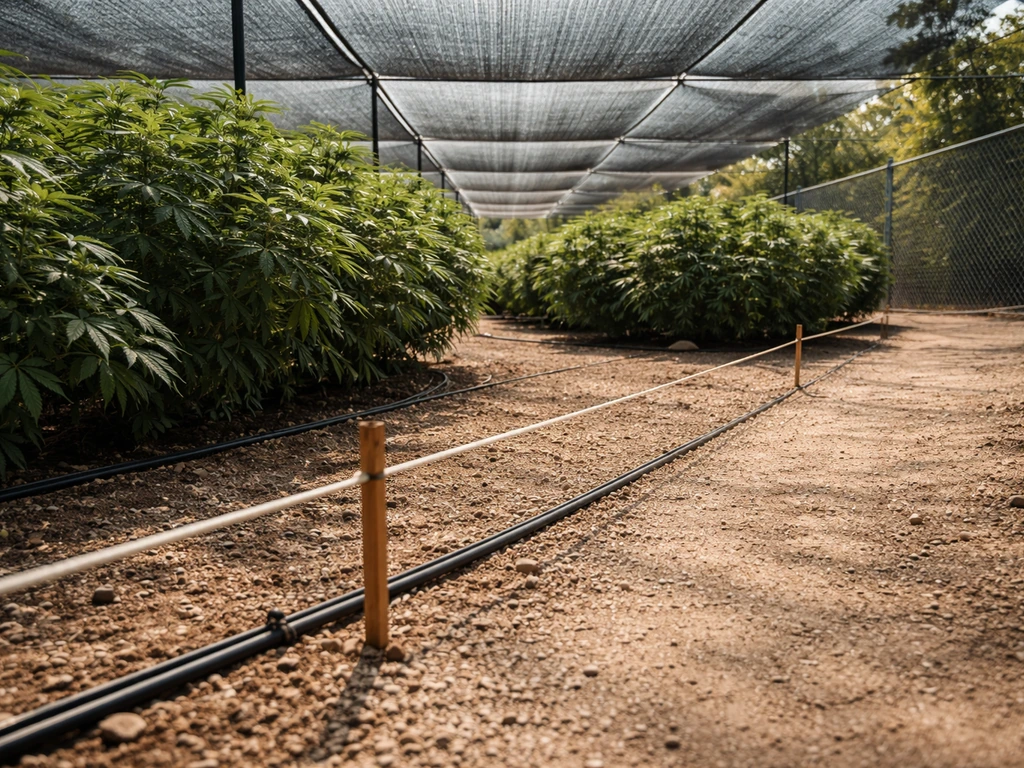
Outdoor grows have a distinct set of physical requirements under OAC 442:10. These are not optional, and OMMA inspectors specifically look for them during site inspections.
Site and canopy requirements
- The entire grow area must be on the licensed premises address listed in your application. You cannot split operations across multiple parcels without separate licenses.
- Plants must be cultivated within a defined canopy area. OMMA rules require you to accurately report total canopy square footage. Changes to canopy size require OMMA notification and may require a license amendment.
- Outdoor plants must be completely enclosed or screened from public view so they are not visible from any public road or neighboring property without the use of visual aids.
- There is no explicit state-wide plant count cap for commercial outdoor licensees under the current rules, but your canopy reporting in Metrc must match your physical grow area, and inspectors will verify this.
Security requirements
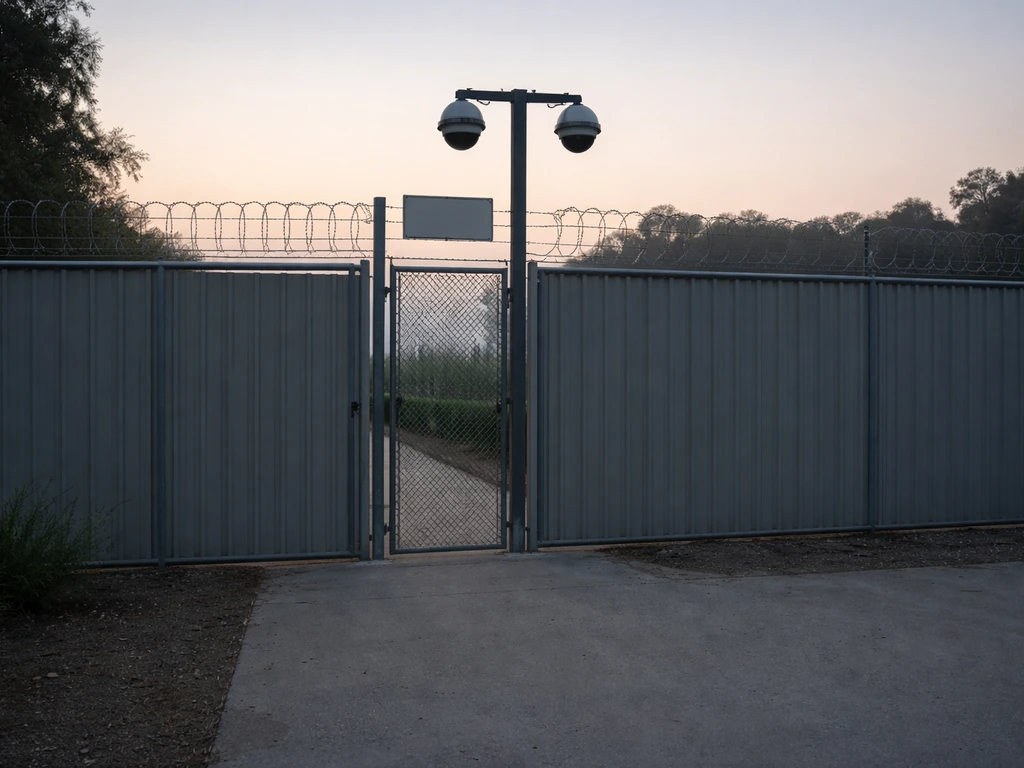
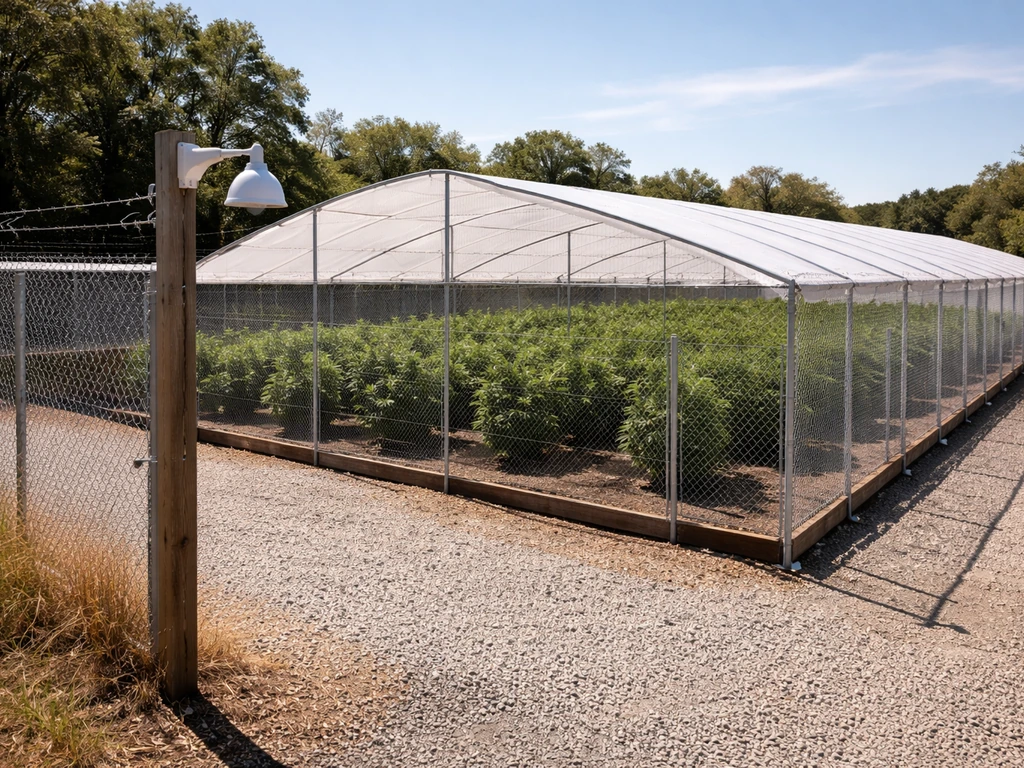
Security is one of the sections where outdoor grows get tripped up most often. OMMA requires that all licensed premises have a physical security system that includes at minimum: a perimeter fence or wall sufficient to prevent unauthorized entry, lockable points of entry, video surveillance cameras covering all entrances, exits, and the cultivation area itself, and an alarm system. For outdoor grows, fencing must be of sufficient height and construction to prevent casual access. Camera footage must be retained for a minimum period (typically 30 days) and must be available to OMMA inspectors on request.
- Perimeter fencing: must be opaque or solid enough to block public view and sturdy enough to deter unauthorized entry.
- Video surveillance: cameras must cover all entry/exit points and the cultivation canopy area with adequate resolution to identify individuals.
- Alarm system: intrusion alarms are required; documentation of the alarm company contract or self-monitored system must be on file.
- Lighting: if your site operates at night or early morning, adequate lighting for camera coverage is required.
- Access logs: a log of everyone who enters the licensed premises must be maintained.
Cultivation controls and environmental considerations
Outdoor grows face scrutiny on odor control and environmental impact in a way indoor grows do not. While Oklahoma does not currently mandate specific odor abatement technology for outdoor sites, your operating plan should document how you intend to minimize odor impact on neighboring properties, because complaints can trigger inspections. Pesticide and fertilizer use must comply with Oklahoma Department of Agriculture requirements, and you may not use pesticides that are not approved for use on cannabis in Oklahoma. Water sourcing and runoff must comply with state environmental regulations, particularly if you are irrigating from a well or surface water source.
Ongoing operations compliance: tracking, recordkeeping, and inspections
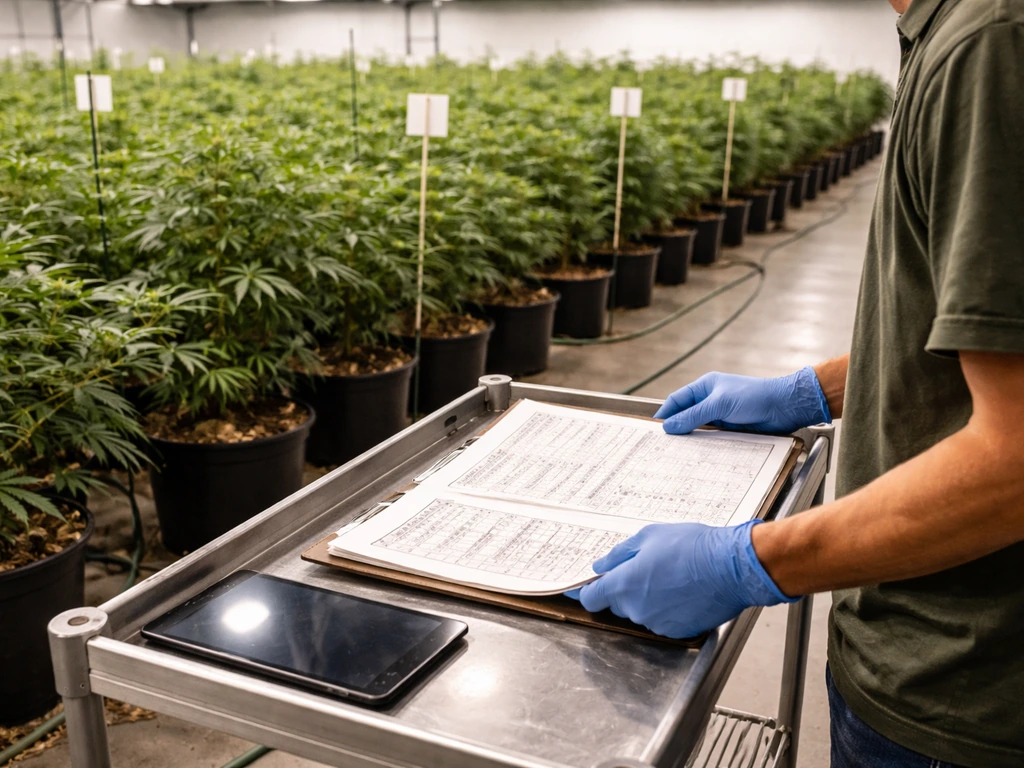
Getting your license is only the beginning. OMMA expects active, consistent compliance from the day your first plant goes into the ground. The two pillars of ongoing compliance are Metrc tracking and complete recordkeeping. OMMA said in its 2020 announcement that it signed a contract with Metrc to implement Oklahoma’s statewide seed-to-sale tracking system Metrc tracking.
Metrc seed-to-sale tracking
Oklahoma uses Metrc as its mandatory seed-to-sale tracking platform. Every commercial grower, including outdoor licensees, must maintain an active Metrc account and track every plant from propagation through harvest and transfer. This means every plant tag, every package, every batch, and every transfer to a processor or dispensary must be logged in Metrc in real time or within the required reporting window. Metrc compliance is not optional and is one of the first things an OMMA inspector checks.
- Register your licensed premises in Metrc before any cultivation activity.
- Tag all plants at the immature plant stage with RFID tags.
- Record every plant movement, harvest, and waste event.
- Transfer manifests must be created in Metrc before any product leaves your licensed premises.
- Reconcile your physical plant count with your Metrc count regularly. Discrepancies are a red flag during inspections.
Recordkeeping requirements
Beyond Metrc, OMMA requires licensees to maintain written records covering their operations. At minimum you should have and be able to produce on inspection: your standard operating procedures (SOPs) for cultivation, pest management, harvest, and waste disposal; visitor and employee access logs; pesticide application records including product name, date, and application rate; water and irrigation logs if applicable; and copies of all lab test results for harvested batches. Records must generally be retained for a minimum of three years.
Testing and quality responsibilities
As a commercial grower, you are responsible for ensuring harvested product is tested by an OMMA-licensed testing laboratory before it is transferred or sold. Failed tests require remediation or destruction protocols that must be documented. You do not set the testing standards yourself, but you are the one who has to arrange and pay for testing and respond to results.
Inspections
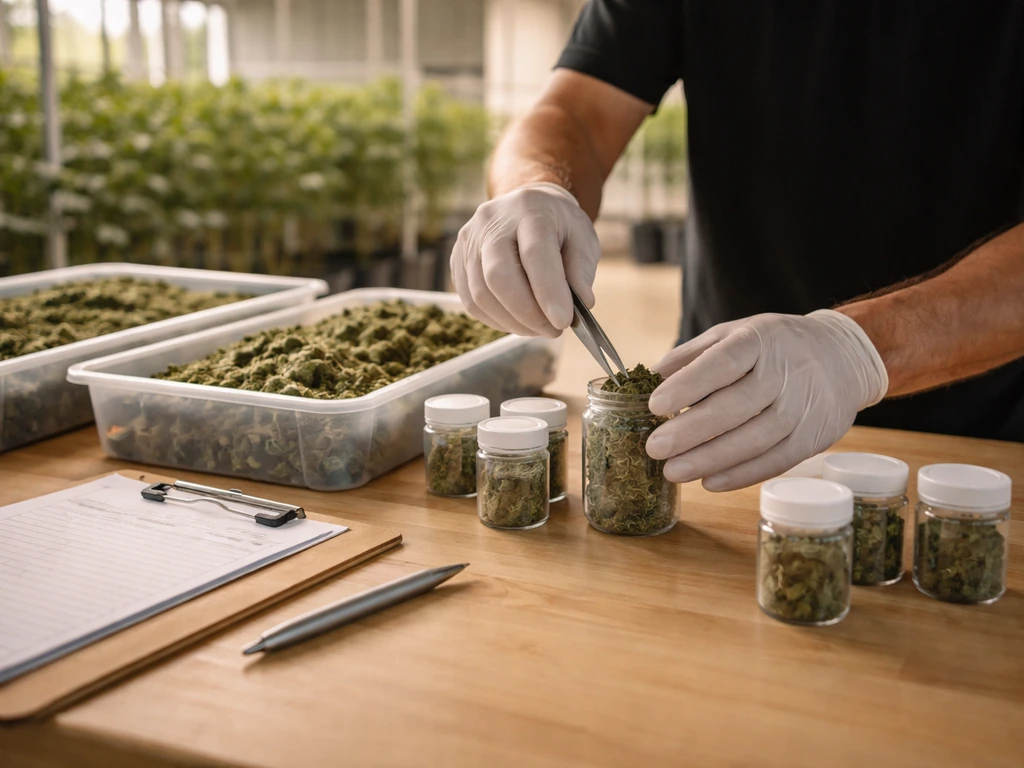
OMMA conducts both announced and unannounced inspections. Inspectors can show up at your licensed premises during operating hours at any time. You are required to allow entry and to produce records on request. Refusing or delaying an inspection is a compliance violation that can result in license suspension or revocation. Keep your SOPs accessible, your Metrc records current, and your security system operational at all times, not just when you expect a visit.
Application details: what to gather before you submit
OMMA applications are reviewed in the order they are completed, not in the order they are started. An incomplete application stops the clock. Having everything ready before you log into the portal is the single most effective way to move through the process faster.
Document checklist before applying
- Proof of Oklahoma residency for all owners with 5% or more interest (Oklahoma driver's license or state ID, utility bills, voter registration).
- Business entity documents: Articles of Incorporation or Organization, Operating Agreement, and current Certificate of Good Standing from the Oklahoma Secretary of State.
- Background check consent forms for all applicable owners and officers.
- Licensed premises address and parcel legal description.
- Zoning verification letter or permit from local jurisdiction confirming the site is in a compliant zone.
- Proof of property ownership or a signed lease agreement for the grow site.
- Site diagram or map showing the cultivation area, fencing, camera placements, and entry/exit points.
- Security plan documenting your fence, alarm, and camera setup.
- Application fee payment method.
Deadlines and renewal
OMMA Grower Licenses are issued on an annual basis. There is no fixed application window, meaning you can apply at any time of year, but your license will need to be renewed annually. OMMA typically sends renewal reminders, but it is your responsibility to renew on time. Operating on an expired license is a serious violation. Mark your renewal date in your calendar the day you receive your license.
Common pitfalls and how to prepare to pass inspection
Most license denials and failed inspections trace back to a small number of avoidable problems. Here is what trips people up most often and how to get ahead of it.
| Common Pitfall | Why It Happens | How to Avoid It |
|---|---|---|
| Zoning non-compliance | Applicant assumes rural land is automatically permitted | Get written zoning confirmation from local jurisdiction before applying |
| Metrc discrepancies | Physical plant count does not match Metrc records | Audit your Metrc tags weekly and after every harvest or plant move |
| Security gaps | Camera blind spots or expired alarm contracts | Walk your perimeter and review camera footage monthly; keep alarm contract current |
| Incomplete records | SOPs exist but are not updated to reflect current practices | Review and date-stamp SOPs at least quarterly |
| Pesticide violations | Using products not approved for cannabis in Oklahoma | Check the Oklahoma Department of Agriculture approved pesticide list before every application |
| Expired license operation | Owner forgets renewal date | Set a calendar reminder 90 days before expiration |
| Residency or ownership issues | A new investor is added without notifying OMMA | File ownership change notifications with OMMA before the change takes effect |
One thing worth emphasizing: do not wait for an inspection to find out if you have a problem. Schedule an internal audit at least once a quarter where you walk the site, verify camera and alarm function, reconcile Metrc, and review your records as if an OMMA inspector were standing next to you. Catching your own issues first and fixing them proactively is the entire game.
How to verify the current rules and stay current as they change
Cannabis regulations in Oklahoma have changed multiple times since the medical program launched in 2018, and they will continue to change. The rules you read about on any third-party site, including this one, may be out of date. Here is how to make sure you are always working from the current version. To stay aligned with OMMA Grower License requirements, you should also follow the latest OMMA grow site rules reflected in OAC 442:10 and any updates on the official licensing portal.
- Go to the official OMMA website at Oklahoma.gov/omma and bookmark the Grower License page. This is the primary source for current licensing requirements, forms, and fee schedules.
- Read the current version of OAC 442: 10 directly. The Oklahoma Secretary of State publishes the Oklahoma Administrative Code and you can search for the current version of Chapter 10 to see the exact regulatory text.
- Sign up for OMMA email updates. OMMA publishes rulemaking notices, stakeholder meetings, and regulatory updates via their email list. This is how you find out about changes before they affect your license.
- Check the Oklahoma Legislature's cannabis-related bill activity each session. Statutory changes can override or require OMMA to revise its rules.
- When in doubt, call OMMA directly. Their licensing staff can confirm current requirements for your specific license type.
A practical habit that works well: every time you renew your license, pull the current version of OAC 442:10 and compare it to the version you reviewed the prior year. Regulatory changes are typically published with effective dates, so a side-by-side comparison tells you exactly what changed and when. Keep a dated copy of the rules you relied on when you built your compliance program so you have a record of good-faith compliance if any questions come up later.
Your next steps
If you are just starting out, go to Oklahoma. If you want a place to grow in Ontario, you will need to follow local licensing rules and requirements before cultivation starts a place to grow ontario license plate. gov/omma, read the Grower License page, and download the current application checklist. Then contact your local zoning office before you do anything else. Zoning is the step that kills the most applications before they are even submitted, and it costs you nothing to verify upfront. Once zoning is confirmed, work through the document checklist above, get your site security plan on paper, and then open your OMMA application.
If you are already licensed and trying to stay compliant, focus on your Metrc audit habits and your security documentation. Those are the two areas OMMA inspectors drill into most consistently on outdoor sites. Keep your records current, your cameras working, and your renewal date on your calendar.
This article is informational compliance guidance only and is not legal advice. Cannabis regulations change frequently, and only the official OMMA rules and the Oklahoma Administrative Code represent the legally binding requirements. If you have questions about your specific situation, consult a licensed Oklahoma attorney who works with cannabis businesses.
FAQ
If I want to modify my outdoor grow setup after I get licensed, do I need prior approval or an amended license?
Use your exact license method selection as the baseline, then confirm the change with OMMA before you physically alter the grow plan. Even small operational shifts, like moving from true outdoor to a partially covered setup, can trigger questions about compliance category, security coverage, and Metrc tagging expectations. Document what you plan to change, dates, and any impacted SOP sections, then ask OMMA how they want it reflected before you proceed.
What’s the best way to prevent Metrc tracking mistakes on an outdoor site with weather delays and harvest surges?
In practice, the fastest way to avoid Metrc problems is to reconcile daily and keep a “site-to-System” workflow. Assign responsibility for logging every tag, harvest batch, and transfer the same day, and cross-check physical plant counts against Metrc plant states during your internal audit. If you discover a missed tag or delayed report, correct it immediately and keep written notes on when and how you fixed it, since inspectors often look for patterns, not just one-off errors.
If Oklahoma does not require a specific odor control technology for outdoor grows, what odor documentation should I keep?
Even if odor control is not tied to a specific technology requirement, OMMA expects your plan to be operational, not just theoretical. Maintain written records of what you did (for example, timing of applications, ventilation and handling practices if applicable, and steps taken after complaints), and keep a complaint response log that includes date, neighbor involved (if known), action taken, and outcome. This helps you show good-faith mitigation if an inspection is triggered by community feedback.
Do I need to keep evidence that my cameras and alarms were functioning, and what should that look like?
Treat security as a continuous system, with evidence it is working during operating hours. Keep a simple log that documents camera functionality checks, alarm arming status, and any repairs or outages with start and end times. If power or internet goes down, document the contingency you use to maintain coverage and access control, because “camera offline” periods are a common inspection finding.
How should I handle pesticide and fertilizer planning to avoid using products that are not approved for cannabis?
If any pesticides or fertilizers you plan to use are not on the approved cannabis-use list under Oklahoma requirements, you should not use them at all, even if they are legal for non-cannabis crops. Build a pre-season checklist that lists every product and the intended application date, then verify approval status before purchase and again before the first application. Keep product labels and application records so an inspector can confirm product name, rate, and timing quickly.
What should I have physically ready at the site so an unannounced inspection goes smoothly?
For inspections, assume inspectors will verify both record readiness and physical compliance. Have SOPs and logs organized by category (cultivation, pest management, harvest, waste, visitors/employees) and keep lab results and transfer documentation aligned with Metrc batches. Also make sure the premises address and entry points match what is described in your security plan, since discrepancies can slow down inspection review and create compliance issues.
How often should I run an internal compliance audit for an outdoor grow, and when should I do extra checks?
Schedule internal audits for timing you can control, not just convenient dates. Many licensees perform quarterly checks, but also do an extra audit after major events like first harvest, bulk waste disposal, system upgrades, or after any security or camera downtime. Outdoor operations change with seasons, so add a mid-season review to catch irrigation, runoff, and record gaps before they become obvious.
What renewal timeline should I build for outdoor grow compliance, and what should I verify before the renewal date?
Plan for renewals at least several weeks before your expiration date, because processing delays and last-minute fixes can put you at risk. Create a renewal checklist that includes Metrc account status, security documentation updates, current SOP alignment, and record retention confirmation. If your license is nearing expiration, do not wait to resolve discrepancies, because operating on an expired license is treated as a serious violation.
If zoning is “allowed,” what other local requirements should I still verify before submitting or starting work?
A common misconception is that zoning confirmation alone is enough. Even when the parcel is permitted, you still need to verify operational realities like setbacks, how access points function, and whether local requirements affect how you display or manage license-related requirements. Before submitting, request in writing what the municipality expects (and who issues approvals), and keep that documentation with your compliance file.
What should I do operationally when a harvested batch fails lab testing under OMMA requirements?
If testing fails, you should follow the remediation or destruction steps documented in your compliance procedures and coordinate the outcome with the correct downstream handling steps. Keep the full chain of documentation, including the lab result, what batch it maps to in Metrc, and how you prevented that material from being transferred or sold. Use this as a trigger for a targeted SOP review, since repeated failures often indicate a preventable upstream issue.
Next Article
OMMP Grow Site Rules: Oregon Compliance Guide for 2026
Step-by-step OMMP grow site rules for Oregon, including compliant location, premises checks, and 2026 licensing steps.