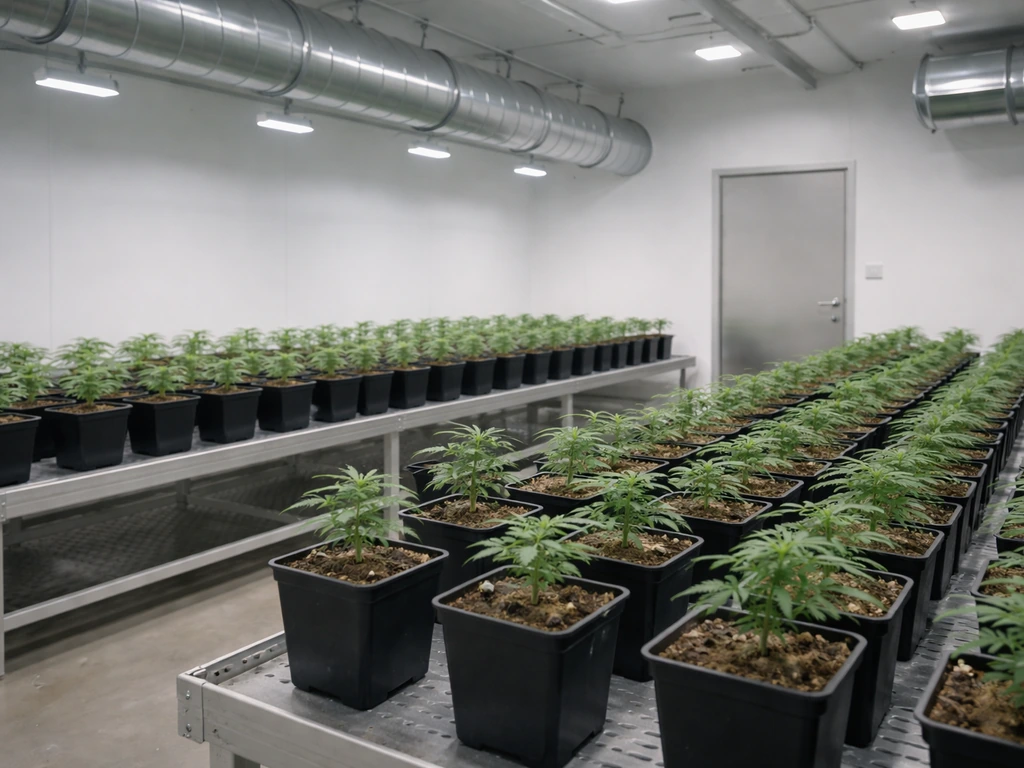
Reviews of the cannabis grow licensing process can be genuinely useful, but only if you know what they are actually telling you. They describe one person's experience in one jurisdiction at one point in time. They are not official rules, and they are not legal advice. What they can do is give you a realistic preview of what the process feels like, what surprised people, and where things tend to go wrong. Used that way, alongside official sources, they are a solid research starting point.
Licence to Grow Reviews: How to Verify Rules and Costs

Marcus Whitley
19 Apr 2026
What a 'licence to grow' review usually tells you (and what it doesn't)
When someone writes a review of the cannabis grow licensing process, they are almost always describing their personal experience: how long the application took, how much it cost in total, which documents they had to track down, whether inspectors were thorough, and whether anything delayed or derailed them. That is genuinely useful context that official agency websites rarely provide.
What reviews do not tell you is what the current official requirements are. Regulations change frequently. A review from 18 months ago may describe fee structures, plant limits, or zoning rules that have since been updated. Some reviewers also conflate state-level and local-level requirements, which are two separate layers you have to clear. A reviewer saying 'it took six months' might mean six months for the state review, or six months total including local zoning approval, and those are very different things.
Reviews also tend to reflect the reviewer's license type. Someone who got a personal home cultivation authorization faces a completely different process than someone who applied for a commercial cultivation license. If you do not know which type matches your situation, a review from the wrong category can send you in the wrong direction entirely. Keep that filter in mind every time you read one.
One more thing reviews rarely cover: denials. Most people who share their experience online succeeded eventually. You get fewer accounts of applications that were rejected and why, which means you are seeing a skewed sample. The most useful reviews are the ones that mention what nearly went wrong, not just what went right.
First, find the right jurisdiction and license type (state vs local)
Before any review is useful to you, you need to know which jurisdiction you are actually in and which license type applies to your situation. Cannabis cultivation licensing in the US operates on at least two layers: state and local. Both matter, and in most states you cannot get one without the other.
California's Department of Cannabis Control, for example, requires applicants to confirm that their premises are 'in good standing with your local authority' before a state license is issued. The application itself asks you to select whether city or county provided your local authorization. Massachusetts goes further: many municipalities require a Host Community Agreement before you can even submit a state application. Connecticut requires evidence of a right to occupy the location and zoning approval from local authorities before a final license is issued.
This means a review from someone in one California county may describe a completely different local process than what you face in a neighboring county, even though the state license type is identical. Denver, for instance, defines its own premises rules and has its own zoning and inspection steps for marijuana businesses that layer on top of Colorado state requirements.
The practical first step is simple: identify your state's cannabis regulatory agency and look up whether your city or county has a local licensing requirement, a moratorium on new applications, or zoning rules that restrict cultivation in your area. Some jurisdictions have opted out of commercial cannabis entirely. Others allow personal home grows but not commercial operations. Knowing this before you read any review saves you from researching a process that does not apply to you.
| License Category | Who It Applies To | Key Local Layer |
|---|---|---|
| Personal / Home Cultivation | Individual adults growing for personal use | Local plant count limits, HOA rules, zoning restrictions |
| Commercial Cultivation (Small / Micro) | Small-scale growers selling to licensed retailers | Local zoning approval, Host Community Agreement (some states), premises inspection |
| Commercial Cultivation (Standard / Large) | Larger licensed operations | Zoning, local authority sign-off, security plan review by police/fire in some jurisdictions |
Common themes in real-world reviews: costs, timelines, paperwork, and inspections

Across reviews and applicant accounts, a few themes come up consistently regardless of state. These are the areas where people are most often caught off guard.
Costs add up beyond the application fee
State application fees are the number most people see first, but they are rarely the only cost. Reviewers regularly mention additional expenses: local permit fees, zoning application fees, required security system installation before inspection, compliance software (like Metrc for seed-to-sale tracking), legal or consulting fees for preparing the application, and annual renewal fees. For commercial applicants, these costs can run significantly higher than the state license fee alone. For home grows, costs are usually much lower, but you may still need to pay a local permit fee or meet security requirements depending on where you live.
Timelines are almost always longer than expected
California's DCC guidance explicitly notes that after the main application is submitted, additional steps remain before the application is considered complete. That language reflects something reviewers describe repeatedly: the state application is not a single event. There are back-and-forth document requests, local approvals that have to happen in parallel, and waiting periods that agencies do not always advertise upfront. Realistic timelines from reviewers for commercial licenses range from several months to over a year in some states, depending on application volume and local processing speed.
Paperwork is more detailed than it looks
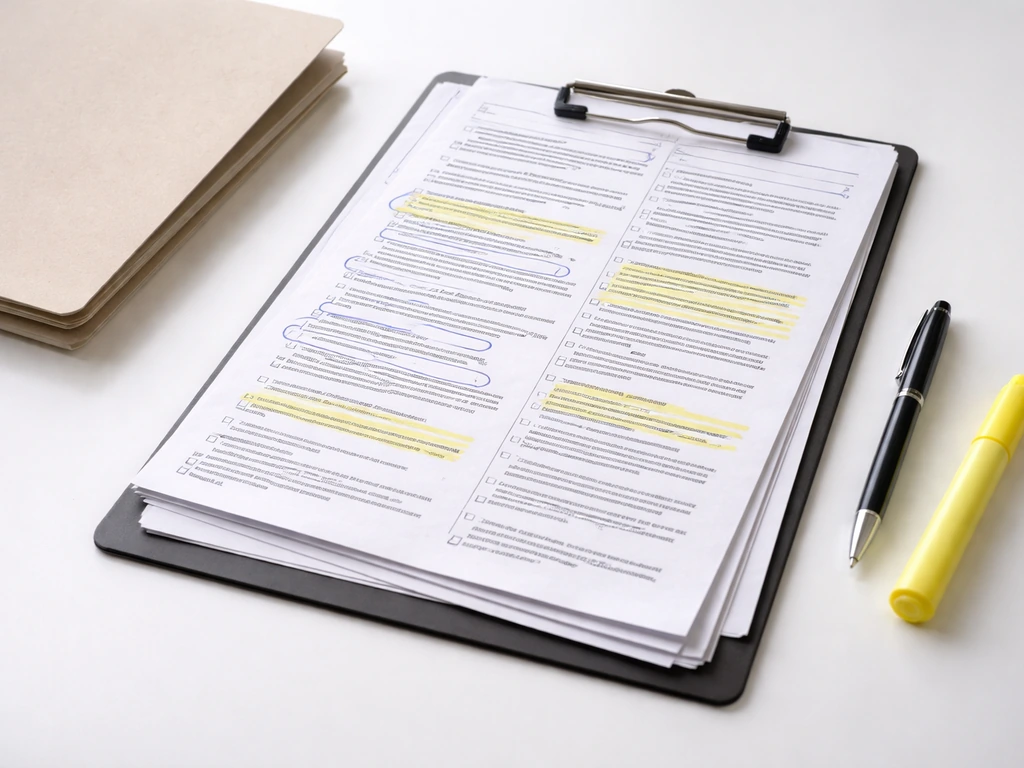
A common reviewer complaint is underestimating the documentation burden. Security plans, premises diagrams, zoning evidence, ownership disclosures, financial records, background check documentation, and waste management plans are all common requirements. In Massachusetts, for example, local zoning bylaws in some towns require applicants to submit their security plan to both the Police and Fire departments as part of local permitting for cultivation. That means one document needs to go to multiple places before local approval is complete.
Inspections are thorough and can delay everything
Reviewers who describe inspection experiences often note that inspectors check more than the physical premises. Massachusetts compliance visits, for instance, include checks of seed-to-sale tracking system usage, security and surveillance records, training documentation, chemical and waste logs, and video footage. An inspection failure or a request for additional information resets your timeline. Reviewers who passed on the first attempt consistently mention having their documentation in order before the inspector arrived, not after.
Eligibility and application pitfalls highlighted by reviewers
Several eligibility and application issues come up repeatedly in reviewer accounts. These are worth knowing before you start.
- Background checks: Most commercial cultivation licenses require background checks for owners, directors, and sometimes key employees. A prior conviction does not automatically disqualify you in every state, but the rules vary significantly. Do not assume a past record is a barrier until you check your specific state's disqualifying criteria.
- Local moratoriums: Some cities and counties have temporarily banned new cannabis business applications. Reviewers who did not check this first wasted time and fees applying for state licenses before discovering they could not get local approval.
- Zoning conflicts: Even in jurisdictions that allow cultivation, specific parcels may not be zoned correctly. Maricopa's city code, for example, sets explicit premises constraints including a rule that marijuana cultivation cannot occur on the same premises as a dispensary. Similar use-specific zoning rules exist in many jurisdictions.
- Ownership disclosure gaps: Failing to disclose all financial interest holders is a common denial reason. Reviewers who went through a denial often cited incomplete ownership structures as the issue.
- Premises not secured before application: Some jurisdictions require security systems to be installed and operational, not just planned, before an inspection can be scheduled. Applicants who assumed they could install after approval faced delays.
- Canopy and plant count limits: These are set at both the state and local level and differ by license type. Applying for more canopy space than your zone or license tier allows is a straightforward rejection trigger.
One pattern worth noting from the Reddit and forum discussions that surface around this topic: people who treated the application as a checklist they could rush through in a weekend were far more likely to hit problems than those who spread the process over several weeks and verified each requirement against the official source. Speed is not an advantage here.
Compliance requirements after approval (security, plant limits, records, renewals)
Getting licensed is only the beginning. What catches many new licensees off guard is that compliance is an ongoing obligation, not a one-time hurdle. Reviews from established licensees consistently describe compliance as a significant operational overhead, especially for commercial grows.
Security requirements are ongoing. Most states require licensed cultivation sites to maintain functioning surveillance systems, controlled access to the grow area, and documented visitor logs. Denver's licensed premises rules define areas under licensee control with access limited to state-licensed persons or escorted visitors. That is not a policy you set up once; it is a daily operational standard you have to maintain and document.
Seed-to-sale tracking is mandatory for commercial cultivators in most legal states. California, for example, requires licensees to provide a blank" rel="noopener noreferrer">delivery inventory ledger to the Department or law enforcement upon request. Metrc Support Bulletin CAIB2022008, titled “Tracking Retailer Deliveries,” describes creating a delivery inventory ledger for retailer deliveries (with effective dates shown in the bulletin). Systems like Metrc are the mechanism most states use to enforce this. Reviewers who were not familiar with Metrc before their first compliance audit describe scrambling to backfill records. Getting trained on whatever tracking system your state requires before you start growing, not after, is the consistent advice from experienced licensees.
Plant and canopy limits are enforced through inspections and tracking data. Exceeding your licensed canopy size or plant count, even temporarily or accidentally, is a serious violation. Know your specific limits for your license tier and build a buffer into your operation.
Renewals are not automatic. Most commercial licenses require annual renewal with updated fees and, in some jurisdictions, updated documentation. Missing a renewal window can result in a lapse of your license, which means you have to stop operating until it is reinstated. Put renewal deadlines in your calendar the day you receive your license.
How to verify review claims with official sources and stay compliant
The single most important habit when researching cannabis licensing is treating reviews as a map and official sources as the territory. Here is how to close that gap.
- Find your state's cannabis regulatory agency website. Every legal state has one. Look for the specific division that handles cultivation licensing, not just general cannabis business licensing.
- Download the current application instructions, not a third-party summary. Agency websites update these regularly, and what was accurate six months ago may not be now.
- Check your city or county's official website for a local cannabis licensing page or zoning code. Search for your municipality name plus 'cannabis cultivation zoning' or 'marijuana business permit.'
- Cross-reference any fee amounts, plant limits, canopy sizes, or timelines you read in a review against what the current official documents say. If there is a conflict, the official document wins.
- Contact the agency directly if something is unclear. Most state cannabis agencies have a licensing help desk or email. A quick question now is faster than a denial later.
- Check the date on any review you read. Licensing rules have changed significantly in most states over the past two to three years. Anything older than 12 months should be treated as background context, not current guidance.
If you want a sense of whether a licensing program is worth pursuing or what the real-world experience looks like, reviews from forums and community threads (including the kind of discussions that surface on Reddit around cannabis licensing) can be genuinely helpful for mood and context. If you are specifically researching a license to grow reddit, treat forum posts as context and verify every requirement with your state and local agencies before you apply. Once you know how the state and local layers work for a license to grow salon, you can apply the same verification approach to reviews and requirements. They are not reliable for current requirements. Use them as a conversation starter with official sources, not as a replacement for them.
Step-by-step next actions today: checklist and where to go
Here is a practical sequence you can start on right now, regardless of which state you are in. This approach helps you confirm the license to grow legit framework for your jurisdiction rather than relying on outdated anecdotes.
- Confirm cannabis cultivation is legal in your state and that your state has a licensing program. If your state has not passed adult-use or medical cannabis legislation, no license exists to apply for.
- Identify whether you are pursuing personal home cultivation or a commercial license. The processes, costs, and compliance obligations are fundamentally different.
- Look up your state's cannabis regulatory agency. Search '[your state] cannabis cultivation license' and find the official .gov site.
- Check your city or county for local authorization requirements. Search '[your city/county] cannabis cultivation zoning' or '[your city/county] marijuana business permit.' Look for any active moratoriums.
- Download the current application checklist or instructions from the state agency. Note the required documents, current fees, and any prerequisites (like local approval or a Host Community Agreement).
- Verify your eligibility: background check requirements, residency requirements if any, financial disclosure requirements, and ownership structure rules.
- Assess your premises against zoning, security, and canopy or plant count requirements before you spend money on an application.
- Prepare your documentation package: premises diagrams, security plan, ownership disclosures, zoning evidence, financial records, and any locally required sign-offs.
- Submit your application through the official state portal and track your application status. Note any deadlines for responding to agency requests for additional information.
- Set up required compliance systems (seed-to-sale tracking, surveillance, visitor logs) before your inspection date.
- Calendar your renewal deadline the day your license arrives.
If you want to go deeper on specific parts of this process, there is a lot of useful community discussion about what the licensing experience actually looks like in practice, and for those curious about growing in other regulated categories, the licensing requirements for mushrooms follow a similarly layered state-and-local structure worth understanding separately. If you are looking for a license to grow mushrooms, the state and local layers still determine what you must do, and where people commonly run into delays licensing requirements for mushrooms. The core principle is the same everywhere: use reviews to orient yourself, then verify every requirement you care about against the official source before you act on it.
FAQ
How can I tell whether a licence to grow review is talking about my exact license type (home vs commercial)?
Look for language about who can cultivate (personal use only versus sale), whether seed-to-sale tracking is mentioned, and whether the reviewer discusses license tiers or canopy limits tied to commercial operations. If they mention tracking system audits, compliance software, or annual renewals with operating obligations, it is likely commercial, not a home authorization.
What should I do if a review gives a total timeline but doesn’t separate state review time from local zoning approval time?
Ask yourself what approvals were required before the state could issue anything. If the reviewer discusses local permits, Host Community Agreements, or zoning signoff, treat their “total time” as a worst case. Then check your state agency guidance for which step is prerequisite and build a timeline that includes both layers separately.
Why do two reviews from the same state report wildly different fees, even when they sound similar?
Common causes are local permit fees, security costs, and whether the reviewer used a consultant. Another frequent difference is whether the reviewer includes optional expenses like compliance software onboarding, legal document prep, or security system installation before inspection. Compare what the reviewer was charged at each stage, not just the final number.
Are reviews useful for figuring out which documents usually cause delays or “resets” during the process?
Yes, but only if the review lists the document name and what happened when it was missing or late. Prioritize reviews that describe re-requests, inspection failures, or back-and-forth queues. If a review just says “paperwork was hard” without specifics, it is harder to turn into a checklist for your application.
What’s a smart way to handle reviews that mention different inspection criteria than I’m seeing in official materials?
Use the official inspection checklist from your state and local authority to define “pass” criteria, then treat the reviewer’s notes as a risk indicator. If a reviewer mentions extra compliance checks, ask your local office whether those apply to your facility type, and whether they are phase-based (pre-approval versus ongoing compliance).
How do I avoid wasting time reading outdated licence to grow reviews?
Filter by recency and by mention of “current” regulation or fee schedule updates. If the review references rules that were known to change (for example, application windows, local moratoriums, tracking system requirements, or renewal cadence), assume the cost and timeline may be outdated and verify each item against the most recent agency guidance.
Do I need to plan for compliance obligations even if my application hasn’t been approved yet?
Often yes. Many reviewers describe scrambling after approval because they learned operational requirements only during compliance audits. Build a plan during application prep for ongoing surveillance maintenance, visitor logs, recordkeeping practices, staff training, and waste or chemical handling documentation, even if you are still waiting for approval.
Can exceeding plant or canopy limits ever be accidental, and how do I protect against that?
It can happen through growth spurts, accounting mismatches, or temporary transitions when plants are moved or counted differently than expected. Create a buffer below your licensed maximum, track plants weekly with the same method required by your jurisdiction, and document any temporary changes so you can explain them if an inspection occurs.
What’s the best way to estimate total compliance and renewal costs before I apply?
Break costs into categories: local permits and zoning submissions, security buildout, tracking system setup and any training, document preparation or legal review, and recurring annual renewal fees. Reviews can help estimate the range, but you should confirm each fee type in your state and local fee schedules and renewal instructions.
If my local authority requires a Host Community Agreement or similar step, can I still rely on state-only reviews?
No. A state-only review may omit the local contract or municipal process that blocks submission or slows approval. Verify whether your municipality requires a specific agreement, public hearing, or formal local signoff before the state license can be issued.
What should I look for in a “good” review that actually helps my planning?
Good reviews identify their jurisdiction, specify the license type, list key documents, explain what went wrong (especially near-misses), and indicate whether delays came from state review, local approval, inspection outcomes, or missing records. Treat reviews that include concrete details as more actionable than ones that focus on opinions or generic advice.
Next Article
How to Get a Micro Grow License in Canada: Step-by-Step
Step-by-step on getting a Canadian micro-cultivation cannabis licence, eligibility, costs, timelines, and compliance bas