If you searched for 'license to grow salon,' you almost certainly need a cannabis cultivation license, not a beauty salon permit. The word 'salon' doesn't appear anywhere in cannabis regulations, so it's either a typo, autocorrect, or a misremembered phrase. What you're looking for is a state-issued cannabis cultivation license, sometimes called a grower license, producer license, or cultivator license, depending on which state you're in. The rest of this guide walks you through exactly how to get one and stay legal once you have it.
License to Grow Salon: Cannabis Grow License Guide (US)

Marcus Whitley
2 May 2026
What 'license to grow salon' actually means
No state cannabis regulator uses the word 'salon' as a license category. In standard cannabis regulatory language, a 'license to grow' refers to a state-issued cultivation license that authorizes you to grow cannabis at a specifically approved premises. If you want to confirm whether a license to grow is legit in your state, check the specific cultivation license category issued by your regulator. California's Department of Cannabis Control, New York's Office of Cannabis Management, Washington's Liquor and Cannabis Board, and Michigan's Cannabis Regulatory Agency all use variations of the same concept: a formal cultivation or grower license tied to a physical location.
The one exception worth mentioning: if you genuinely are looking for a beauty salon business license, that's a completely separate permit issued by your state's cosmetology board or department of licensing. You'd apply through your state's business licensing portal, not a cannabis agency. If that's your situation, search your state name plus 'cosmetology license' or 'salon business license' and you'll find the right agency fast.
Assuming you're here for cannabis, here are the common terms to search for in your state: 'cannabis cultivation license,' 'cultivator license,' 'grower license,' 'producer license' (used in Washington), 'microbusiness cultivation license,' and 'conditional cultivator license' (used in New York). Using the right term in your state's licensing portal saves a lot of confusion.
Federal vs. state vs. local rules: check legality first

Before you fill out a single form, you need to understand one hard reality: cannabis remains a Schedule I controlled substance under the federal Controlled Substances Act. That means cultivation is federally illegal regardless of what your state allows. A state license doesn't give you federal protection, and the DOJ's 2018 memo explicitly rescinded earlier guidance that had deprioritized federal marijuana prosecutions, directing prosecutors to apply general federal enforcement principles. In practice, federal enforcement against state-licensed cultivators has been rare, but the legal risk is real and worth knowing.
At the state level, cannabis is legal for adult use or medical use in a growing number of states, and each state sets its own rules for who can grow, how much, and under what conditions. State law is where your cultivation license actually comes from.
Local rules add another layer. Washington State makes this explicit: you must obtain required permits from your local city or county jurisdiction before you can even apply for or begin buildout on a licensed cannabis site. Many other states have similar requirements. Local zoning, distance requirements from schools or parks, and municipal permits can stop your grow operation before the state ever sees your application.
The practical sequence is: confirm your state has legal cannabis cultivation, confirm your city or county permits it in your zone, then pursue the state license.
Home grow vs. commercial cultivation: which license do you need?
Most states draw a clear line between personal home cultivation and commercial cultivation, and the licensing requirements are completely different.
Personal/home cultivation
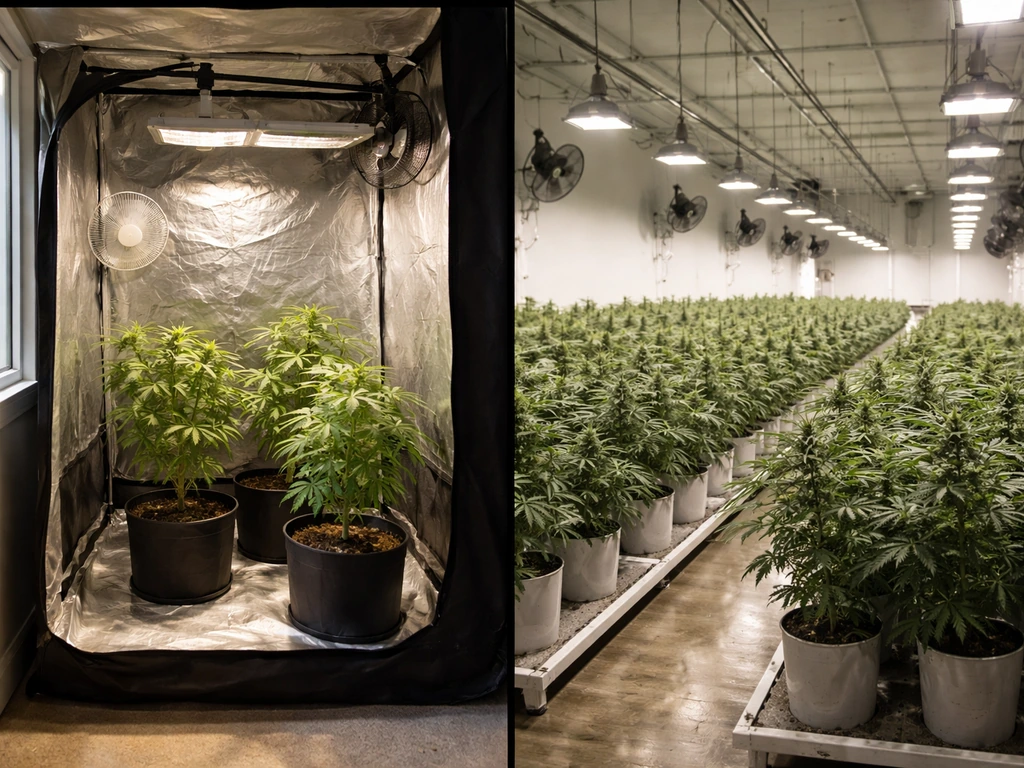
In states that allow home growing, adults can typically cultivate a small number of plants (often 3 to 6 mature plants per person, up to a household cap) without a formal cultivation license. You still need to follow plant limits, keep plants out of public view, and comply with any local rules. Some states require you to register with the state for home grow, but it's not the same multi-step commercial application process.
Commercial cultivation
If you want to grow cannabis to sell, process, or distribute, you need a commercial cultivation license. Reading licence to grow reviews can help you spot common pitfalls before you submit your application. These come in tiers or classes based on your canopy size and operation type. California has multiple distinct cultivation license types. Michigan uses Class A, B, and C grower licenses tied to maximum plant counts. Washington uses a producer license with canopy tiers, where a Tier 1 operation caps out at 2,000 square feet of canopy (expandable up to 4,000 square feet through a formal expansion request). New York has an Adult-Use Conditional Cultivator pathway as well as a standard adult-use cultivator license.
| State | License Name | Key Structure | Canopy/Plant Limit Example |
|---|---|---|---|
| California | Cultivation License (multiple types) | Annual license via CLS system, tiered by size and type | Varies by license type (indoor, outdoor, mixed-light, nursery, etc.) |
| Washington | Producer License | Tier 1, 2, 3 based on canopy | Tier 1: up to 2,000 sq. ft. (expandable to 4,000 sq. ft.) |
| Michigan | Grower License | Class A, B, C for medical; separate adult-use structure | Plant count limit varies by class per admin code |
| New York | Adult-Use Cultivator / Conditional Cultivator | Conditional pathway + standard license; fees based on canopy size | Fee schedule tied to canopy per 500 sq. ft. increments |
Who qualifies: eligibility basics
Every state that licenses cannabis cultivation has baseline eligibility requirements. The specifics differ, but these are the categories that come up almost everywhere:
- Age: You must be at least 21 years old in adult-use states. Medical programs may allow applicants as young as 18 in some jurisdictions.
- Residency: Some states prioritize or require in-state residency. Michigan's statutes include specific provisions limiting when and from whom the Cannabis Regulatory Agency can accept certain grower applications based on residency and prior licensing status.
- Background check: This is nearly universal. California requires every owner to create an account, submit an owner application, and complete fingerprinting and a background check through the CLS system. Michigan begins its process with a 'Prequalification' stage that includes full background checks of all applicants and supplemental applicants.
- Legal occupancy of the premises: Washington requires documentation showing legal authorization to occupy the location. You can't just apply for a license on a property you don't have a right to use.
- No disqualifying criminal history: Felony drug convictions are a common disqualifier in many states, though some states have added equity provisions that limit how certain prior convictions can be used.
Facility requirements also kick in at the eligibility stage. You generally need a premises that meets zoning requirements, passes security standards, and can be described in a detailed premises diagram. Michigan’s administrative rules require that outdoor cultivation areas be fully enclosed by fences or barriers and not visible from public places without optical aids. California explicitly requires a premises diagram for all cultivation license applications, and it must reflect the specific cultivation activities authorized by that license type.
How to apply: the step-by-step process
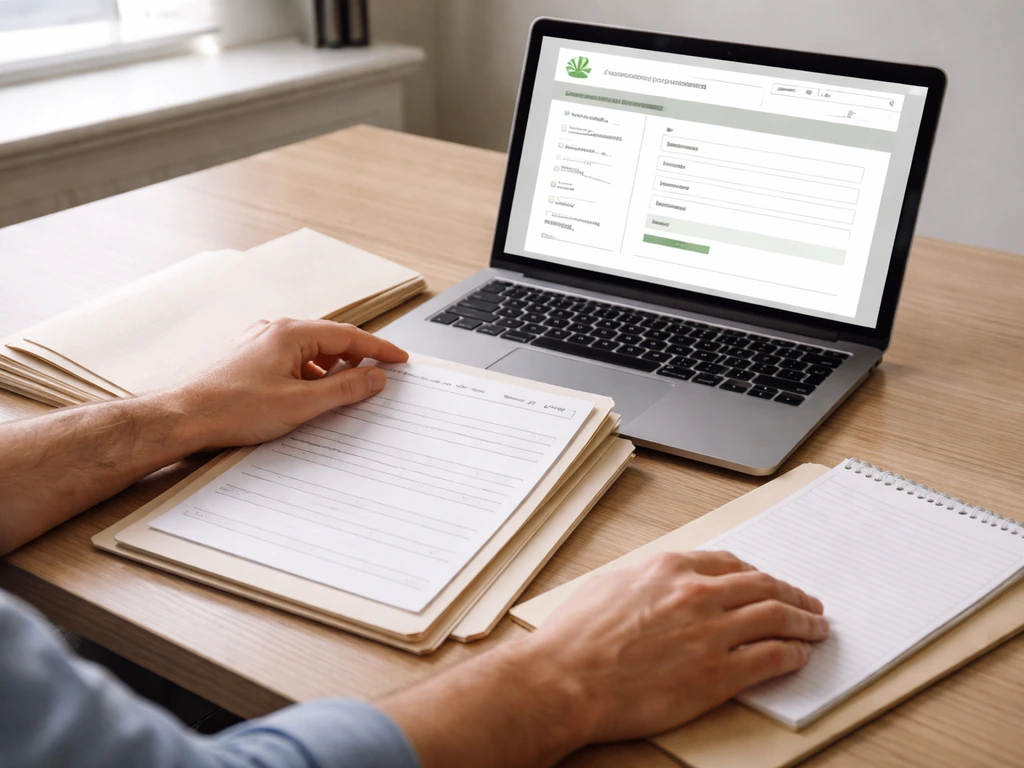
The application process varies by state, but the core steps are consistent across California, Washington, Michigan, and New York. Here's the general flow: In Michigan, the CRA FAQ notes that prequalification includes a full background check of the applicant and all supplemental applicants, and it also highlights that municipal ordinance requirements for operation in that municipality play a role in the licensing framework prequalification includes a full background check and requires a municipality ordinance.
- Confirm your state's cannabis program is open to new cultivation license applications. Some states (like New York's conditional cultivator program) have limited application windows, and missing a deadline can mean you must cease operations until the next cycle opens.
- Secure local authorization first. Before submitting a state application, get your local zoning approval, municipal permits, or any county-level clearances your jurisdiction requires. Washington makes this a hard prerequisite.
- Create your account on the state licensing portal. California uses the CLS (Cannabis Licensing System); other states have their own portals. Each owner in the entity typically needs a separate account.
- Submit the owner application and complete fingerprinting/background checks. In California, this is a distinct step before the full license application is submitted. In Michigan, prequalification (including background checks) comes first.
- Prepare and upload your premises documentation. This includes a premises diagram, floor plan showing security camera placement and restricted areas, proof of legal right to occupy the location, and any required cultivation plan.
- Select the correct license type for your operation size and cultivation method (indoor, outdoor, mixed-light, nursery, etc.).
- Pay the application fee. Fees vary widely. New York's adult-use cultivator fees include a base amount plus a per-500-square-foot charge based on your canopy size. California fees depend on license type and scale.
- Submit the application and wait for review. Washington advises submitting buildout/new location applications at least 90 days before your expected completion date. Plan for this timeline to avoid gaps in your operating schedule.
- Respond promptly to any agency requests for additional information or corrections. Slow responses are one of the biggest causes of application delays.
California also publishes an annual license application checklist that covers tax identifiers, compliance attestations, and other items required for renewal applications. Using the state's own checklist as your prep document is one of the smartest things you can do before submitting.
Growing limits and staying compliant after approval
Plant counts and canopy limits
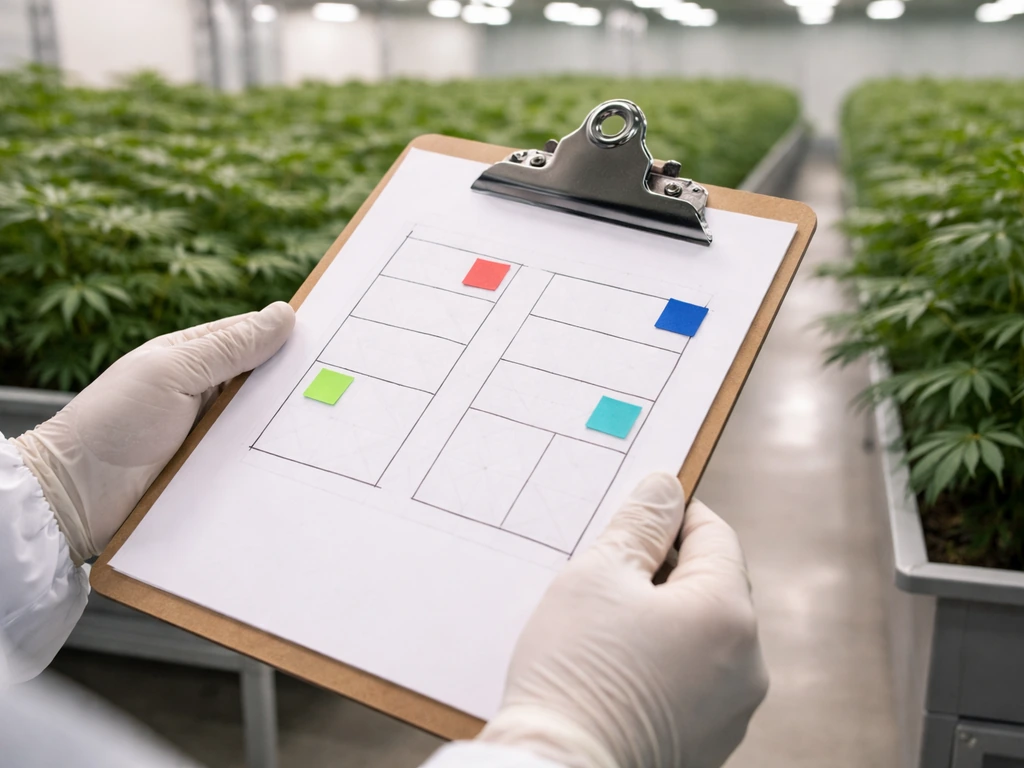
Your license authorizes a specific scale of operation. Michigan's admin code ties grower licenses to maximum plant counts by license class, and you cannot exceed those counts without upgrading your license. Washington's canopy tiers work similarly: a Tier 1 producer must formally request an expansion and receive approval before growing beyond the tier's square footage limit. Exceeding your authorized canopy or plant count is one of the fastest ways to trigger an enforcement action.
Track-and-trace: the compliance backbone
Most states mandate a seed-to-sale tracking system. California uses Metrc as its underlying track-and-trace infrastructure. California's cultivator self-inspection checklist requires that specific activities (planting an immature lot, moving plants to canopy, flowering, tagging, harvesting, destruction/disposal) be entered into the track-and-trace system within three calendar days of the event occurring. Missing these entries is one of the most common compliance findings during inspections.
Security requirements
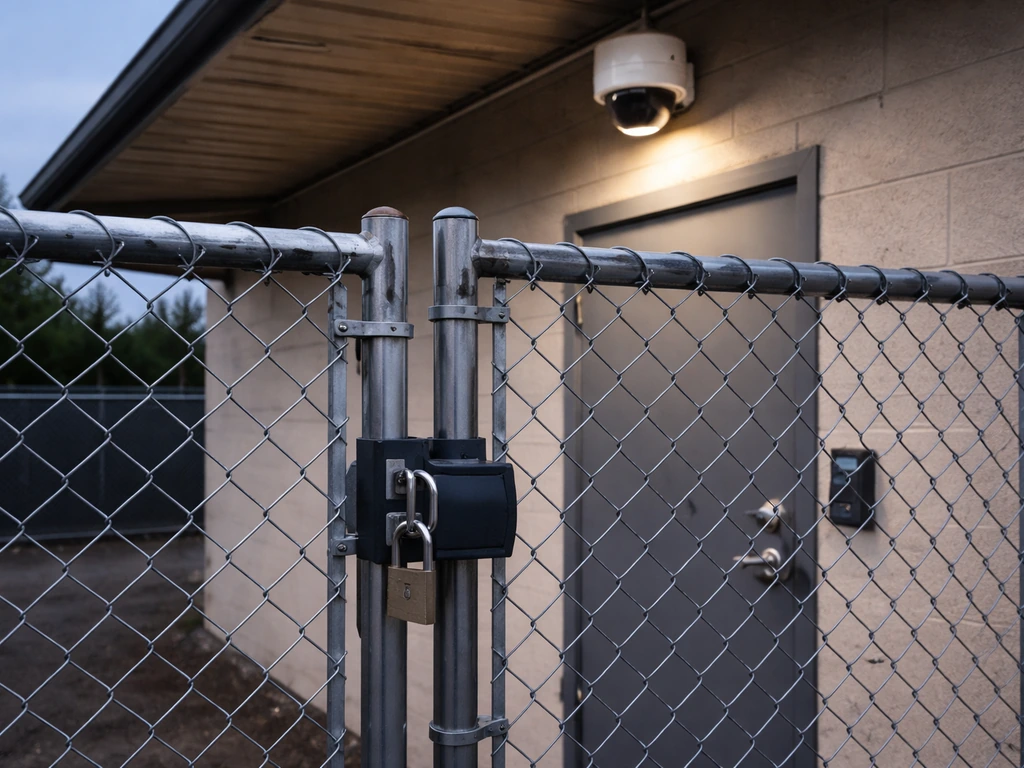
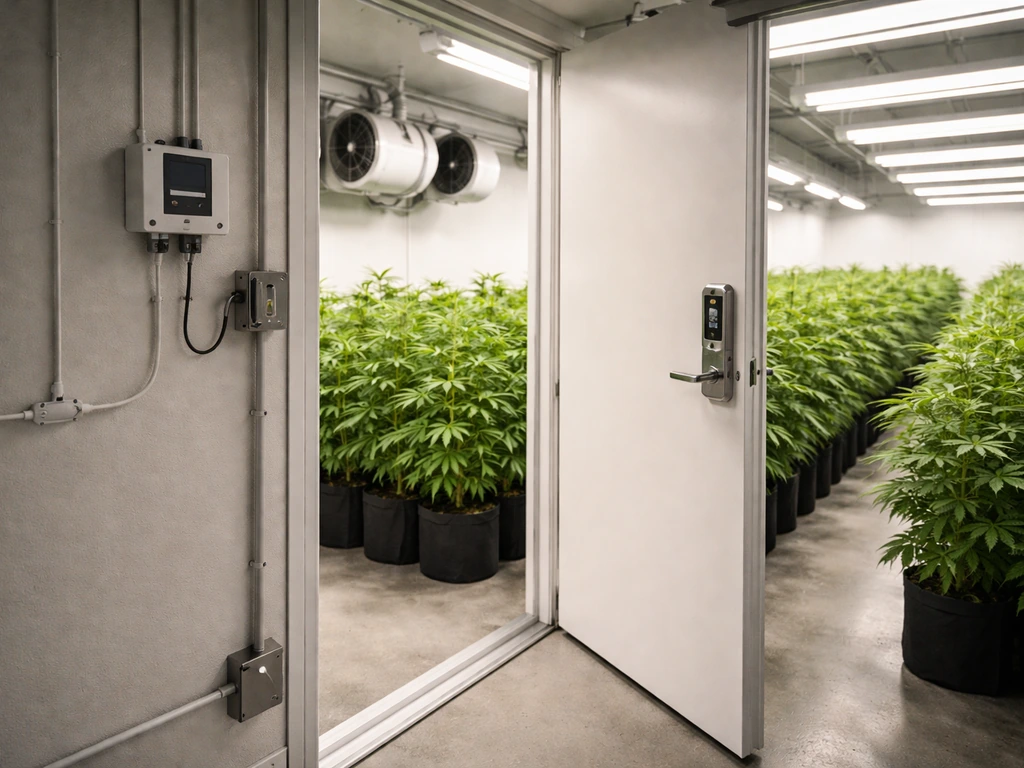
Security is an ongoing obligation, not just a checkbox at application time. Washington makes clear that you must maintain license security requirements at your current location all the way through final inspection and approval if you're moving or modifying your operation. Typical requirements include perimeter fencing, 24-hour camera coverage, alarm systems, and restricted-access areas with logged entry.
Inspections
Regulators can inspect your facility, often without advance notice. California's Department of Cannabis Control uses a cultivator self-inspection checklist specifically designed to prepare licensees for what inspectors will look for: cultivation plan documents, track-and-trace records, inventory management, and premises condition. Running through this checklist yourself before any inspection is genuinely useful.
Common delays, rejections, and how to avoid them
The same mistakes show up across states and cost applicants weeks or months. Here's what to watch for:
- Missing local permits before applying: Washington is explicit about this, but it applies broadly. If you haven't secured local zoning or municipal approval, your state application can stall or get denied. Get local clearance first, every time.
- Submitting too close to your buildout completion date: Washington recommends submitting at least 90 days before your expected completion. Treating your license application like a last-minute task is a guaranteed delay.
- Incomplete owner applications or missing background check steps: In California and Michigan, background checks are part of a distinct early step. Skipping or delaying fingerprinting holds up the entire application.
- Missing application windows or funding deadlines: New York's conditional cultivator program showed the consequences clearly. Applicants who missed the submission deadline were required to cease cannabis activity. If a program has a window, treat that deadline as hard.
- Track-and-trace entry failures after approval: In California, failing to log cultivation activities within three days of occurrence can result in moderate-to-high penalties, and repeated violations can contribute to license discipline or denial at renewal.
- Canopy or plant-count mismatches: If your records show more canopy or plants than your license authorizes, you have a problem. Don't expand before your amendment or tier upgrade is approved.
- Letting your license lapse before renewal: Most states require annual renewal with updated documentation and fees. Missing the renewal deadline can force you to stop operations until reinstatement is complete.
Your next steps right now
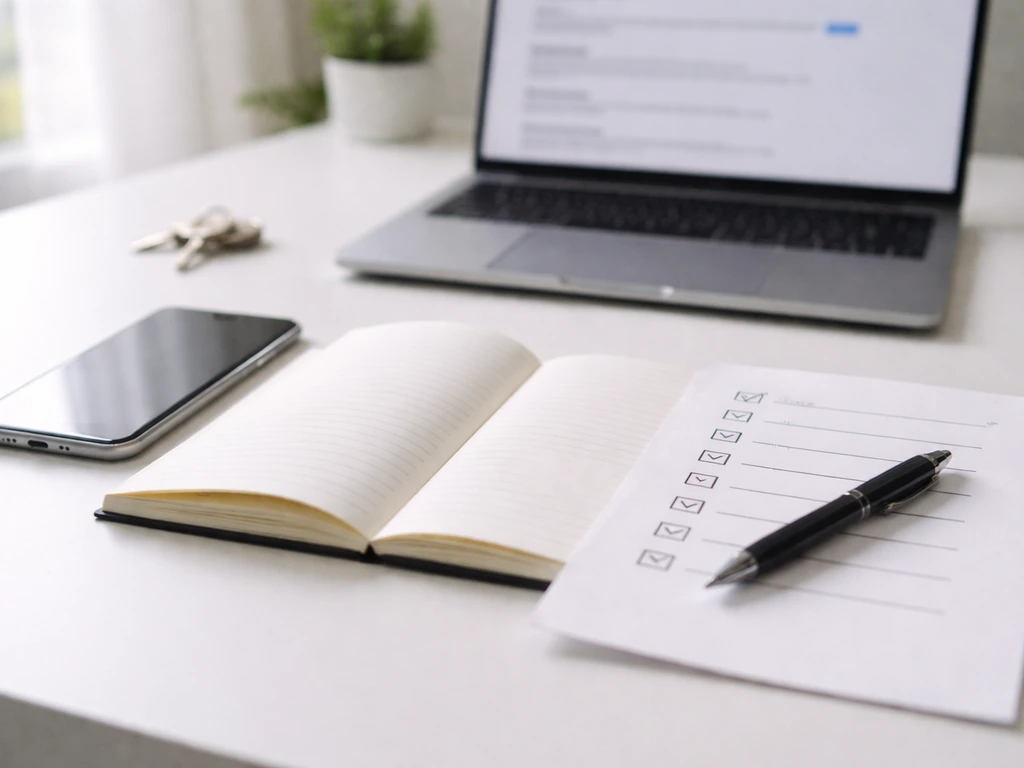
Here's what to do today if you're serious about getting a cannabis cultivation license:
- Confirm your state has active cannabis cultivation licensing and that applications are currently open. Check your state cannabis agency's website directly.
- Look up your local zoning rules. Find out whether cannabis cultivation is permitted at your intended address before investing any more time or money.
- Identify the correct license type for your situation: home grow (if your state permits it without a formal license), personal use registration, or commercial cultivation (and at what tier or class).
- Gather your core documents now: proof of legal occupancy for your premises, government-issued ID, business formation documents if applying as an entity, and any financial records your state requires.
- Download your state's official application checklist or use the state licensing portal's guide. California's annual license application checklist and self-inspection checklist are good examples of what regulators actually want to see.
- Budget for fees before you apply. Look up your state's fee schedule, which is typically published on the cannabis agency's website. New York, California, and Washington all publish these publicly.
- Plan your timeline backward from when you want to be operational. Add 90 or more days for review, plus time for local permits, background checks, and buildout.
If you're exploring adjacent topics, it's worth knowing that some of the same regulatory questions come up around licensing for other cultivated crops (like mushrooms), and there are active communities discussing cannabis licensing experiences on forums like Reddit that can give you ground-level insight into how a specific state's process actually works in practice. If you are trying to understand how the process plays out in practice, you can also search for a license to grow Reddit discussions that focus on your state. If you mean a license to grow mushrooms specifically, the rules will vary by state and local permitting requirements license for other cultivated crops (like mushrooms). Those perspectives can fill in gaps that official guidance doesn't always address.
FAQ
I typed “license to grow salon” into a licensing portal, what should I do next?
Stop and search within the portal for cannabis-specific categories like cultivation, cultivator, grower, producer, or microbusiness (the exact wording varies by state). If you only see business or cosmetology categories, you are likely in the wrong agency, and a salon license will not authorize cannabis cultivation.
Does a cannabis cultivation license let me grow anywhere in my state?
No. The license is tied to an approved premises, meaning you cannot relocate or expand to a new address without an approval process. If you change locations, ownership structure, or licensed activity type, many states require an amendment or a new application.
Can I start building out or doing work before I receive the state cultivation license?
Often you should not, unless your state and locality specifically allow it. Many jurisdictions require local permits and zoning approvals first, and some states restrict cultivation-site work until licensing steps are cleared. Treat any early construction as a potential compliance risk.
What’s the difference between “commercial cultivation” and “home growing” for licensing purposes?
Commercial cultivation generally requires a state-issued cultivation license, limits tied to your license class, and full compliance systems (including tracking and security). Home growing is typically limited in plant count and scope, can require registration in some states, and usually does not authorize sales or processing.
If my application is delayed, can I operate while I wait?
Usually no. Operating without an active authorization is commonly a violation even if you have submitted paperwork. If you want to protect yourself, ask the regulator whether you can perform pre-licensing activities that are limited in scope (for example, site preparation that does not constitute cultivation).
How strict are the plant count or canopy limits in my license class or tier?
Very strict. Exceeding authorized plant counts or canopy square footage is one of the most common triggers for enforcement because it changes what the regulator approved. If you anticipate more capacity, plan the timing of your expansion request so you do not cross the limit while approvals are pending.
Do I need to use track-and-trace immediately, or only after my first harvest?
Usually you must begin reporting relevant cultivation events as soon as you take actions that create track-and-trace changes (planting, moving to canopy, harvesting, destruction). Many systems require entries within a short window, so setting up operational data workflows before you start is essential.
What security changes require regulator approval after my license is issued?
Changes that affect the ability to restrict access, monitor cameras, maintain alarms, or control entry logs can require approval or at least must be kept consistent with your approved security plan. If you modify fencing, relocate cameras, or adjust restricted-access areas, document everything and confirm whether an amendment is required.
How should I prepare for inspections if I’m not sure what inspectors will ask for?
Build an inspection binder that matches your approved cultivation activities, include your premises diagrams and operational documents, and keep your track-and-trace and inventory records current. Run your own internal checklist against what your regulator emphasizes, especially event entry timing and inventory reconciliation.
Can my business structure or ownership change after I apply for a cultivation license?
It may be allowed, but it often triggers notice requirements or requires regulator approval depending on how the change affects control, officers, managers, or financial interests. If you anticipate partners or investors changing, confirm the reporting and approval thresholds early.
Do I need separate permits in addition to the cultivation license?
Yes, very often. Local zoning, building permits, fire safety, and occupancy or inspection approvals frequently sit alongside the state license. A common failure pattern is to pass the state process while the local approvals are incomplete, which blocks activation or final inspection.
What are the most common application errors that cause delays or denials?
Common issues include mismatched premises details (diagram does not reflect actual activities or layout), incomplete tax or compliance attestations, security plan gaps, and track-and-trace readiness problems. Another frequent delay is submitting the wrong license category for your planned canopy size or operation type.
Next Article
License to Grow Reddit: State-by-State Next Steps Today
State-by-state guide from Reddit uncertainty to real cannabis grow licensing steps, costs, rules, and denial reasons.