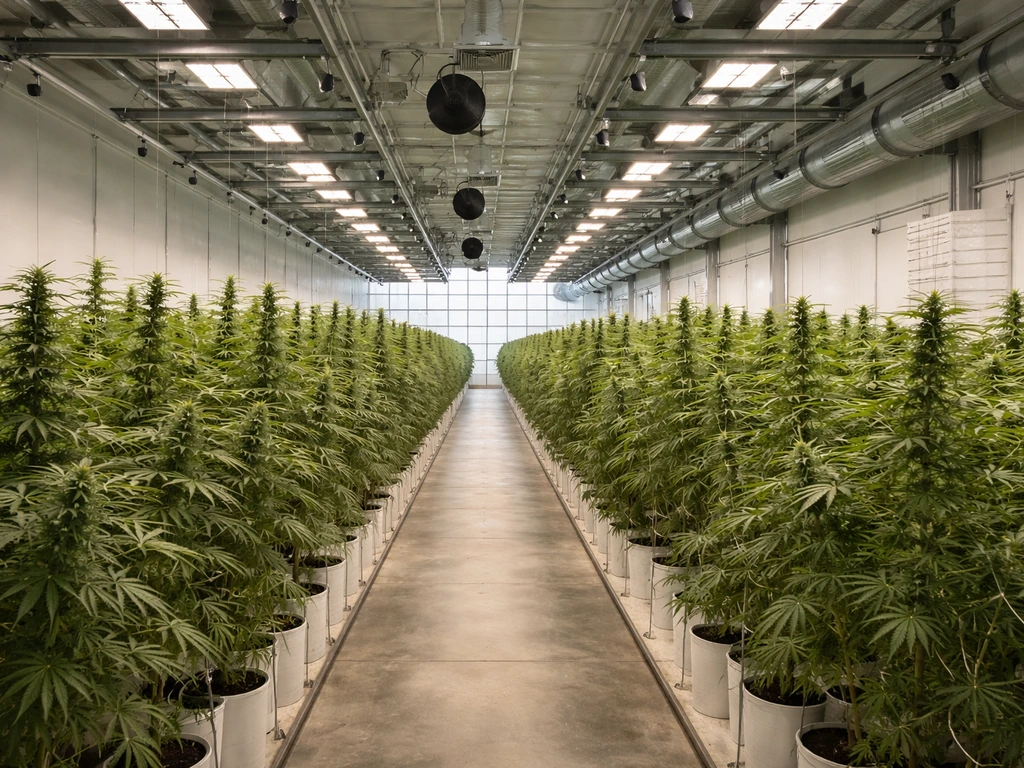
A 'cannabis personal grow license' is not a single, universal permit. Depending on your state, it might be called a home cultivation registration, a patient grower permit, a caregiver cultivation license, or simply a registration ID that authorizes limited growing. Most US states that allow personal cannabis cultivation do not require a formal license the way a commercial operation does, but they do require you to meet specific eligibility rules, stay within plant count limits, and in some cases register with a state agency before you plant a single seed. Getting this right from the start is the difference between a legal garden and a criminal charge.
Cannabis Personal Grow License: State-by-State Guide

Marcus Whitley
11 May 2026
What 'personal grow license' actually means, state by state
The term 'personal grow license' is informal. No state uses exactly that phrase in its statutes. What states actually issue falls into a few distinct categories, and knowing which one applies to you is the first thing to figure out.
- Home cultivation right (adult-use): In states like Colorado, Oregon, and Michigan, adult-use legalization automatically gives adults the right to grow a limited number of plants at home. There is no license to apply for. You just follow the rules.
- Patient/caregiver registration with grow authorization: In states like New York, a certified medical cannabis patient or their designated caregiver can grow at home after registering with the state's medical cannabis program. The registry ID is the authorization.
- Home cultivation permit or registration: Some states require you to file a registration or permit application before growing, even for personal use. This is the closest thing to a true 'personal grow license.'
- Caregiver cultivation license: Some states issue a separate license to caregivers who grow for qualifying patients, with its own application, fees, and plant limits.
- No personal grow allowed: Several states, including states with medical programs, still prohibit home cultivation entirely. Check your state first.
New York is a useful example of how this works in practice. The state's Office of Cannabis Management (OCM) defines 'personal home cultivation' as growing, cloning, harvesting, drying, curing, grading, and trimming cannabis for medical or adult-use purposes under Article 222 of the Penal Law. As of October 5, 2022, certified patients and designated caregivers who are age 21 or older and registered with the Medical Cannabis Program may cultivate cannabis at home for the patient's personal use. The registry ID through the Medical Cannabis Program is the authorization. You are not applying for a commercial license. If you are asking about a commercial grow license in Alaska specifically, the requirements and application steps will follow Alaska's commercial framework rather than a personal setup commercial grow license alaska. If you are looking at commercial operations, that falls under a completely different framework, similar to what you would find with a weed grow license or a commercial grow license. A weed grow license is usually a separate, more formal authorization with additional requirements than personal cultivation.
Who can actually apply, and where you can grow
Eligibility rules vary significantly by state and by whether you are growing under a medical or adult-use framework. Here are the common eligibility requirements you will encounter across most states.
Age and residency
Almost every state requires you to be at least 21 years old to cultivate under adult-use rules. Medical caregiver and patient grower programs may allow adults 18 and older in some states, but typically not minors. Most states require you to be a resident of that state.
Patient or caregiver status

If you are growing under a medical program, you generally need to be either a certified patient with a valid state-issued patient ID or a designated caregiver registered with the state's medical cannabis program. In New York, a certified patient may designate up to five caregivers, and each caregiver must have a valid registry ID to be authorized to assist with cultivation and related activities. Growing without that ID, even if you are assisting a legitimate patient, puts you outside the legal framework.
Where you can grow
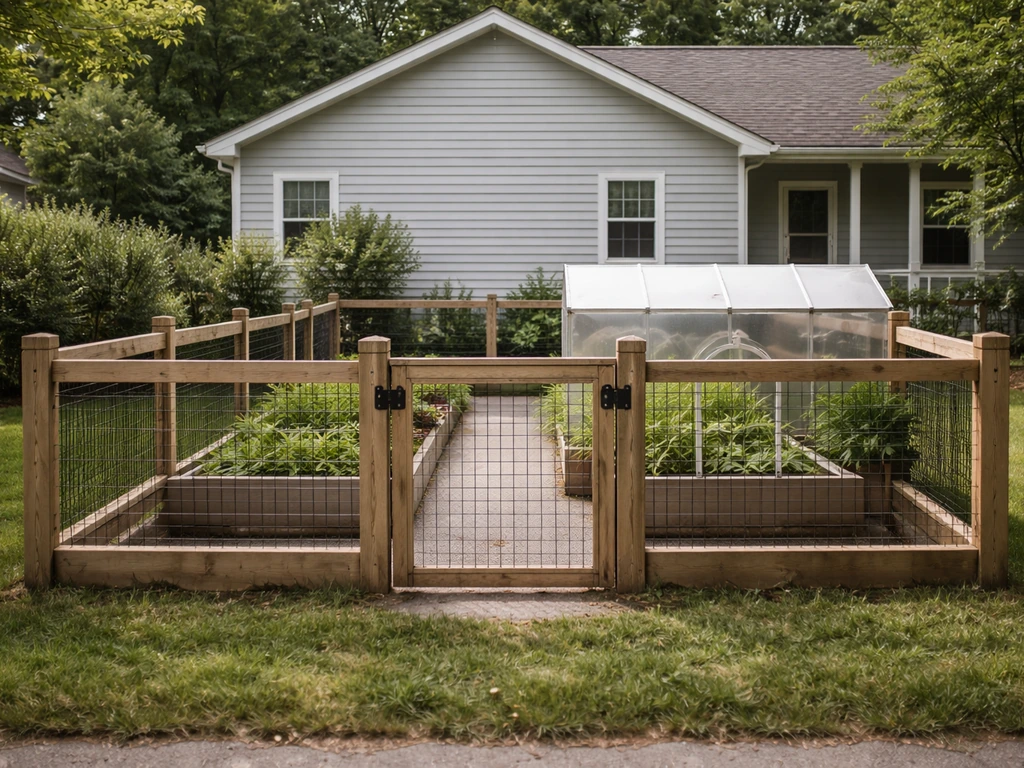
Most states restrict personal cultivation to your primary residence and require the grow to be in an enclosed, locked space not visible from a public area. Growing on rental property may require landlord permission or may be prohibited by your lease. Growing outdoors in a visible area is almost universally prohibited. Shared housing situations can create complications if multiple adults in one household each claim their own plant limit.
Disqualifying factors
- Prior felony drug convictions (some states have look-back periods, others disqualify permanently)
- Active probation or parole conditions that prohibit cannabis
- Growing for commercial sale or distribution (personal grow authorizations are for personal use only)
- Lacking a valid patient or caregiver registration in states where one is required
License types, plant limits, and cultivation categories
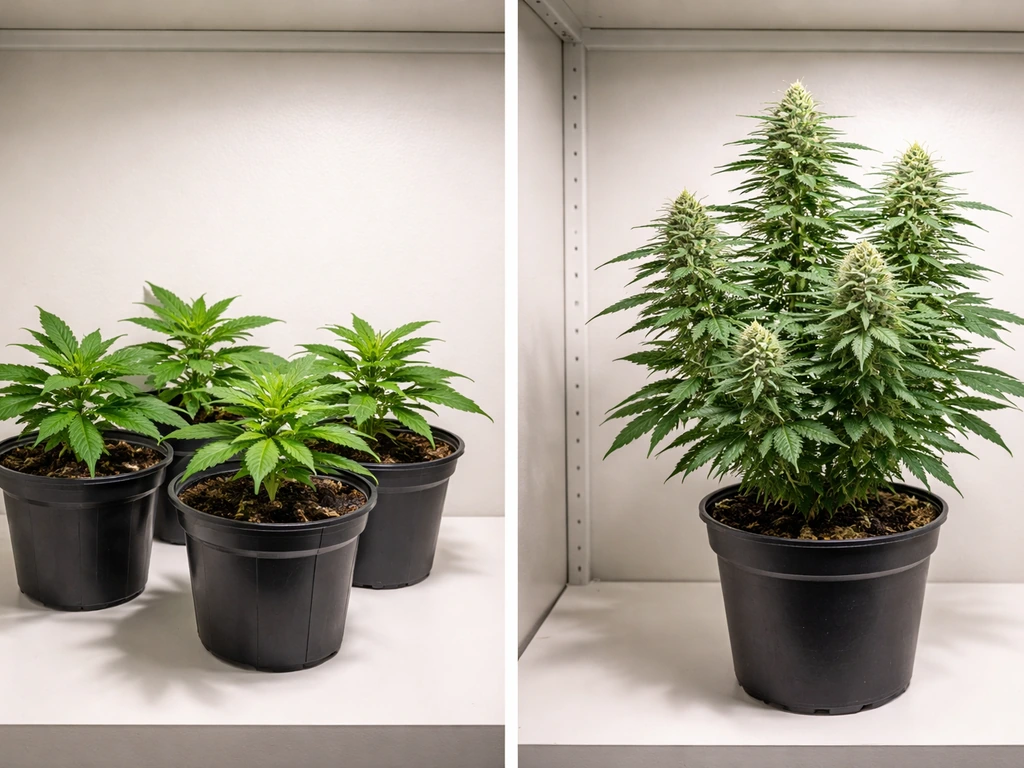
The biggest practical question most people have is: how many plants can I grow? The answer depends on your state, whether you are growing under medical or adult-use rules, and in some cases your household size or patient count.
| State | Framework | Mature/Flowering Plants | Total Plants | Notes |
|---|---|---|---|---|
| Colorado | Adult-use | 3 per adult | 6 per adult, max 12 per household | No permit required; enclosed, locked space |
| Oregon | Adult-use | 4 per household | 4 per household | No permit; must be at home address |
| Michigan | Adult-use | 3 per adult | 12 per household | No permit; locked, enclosed area |
| California | Adult-use | 6 per adult | 6 per adult | No state permit; local rules vary widely |
| New York | Medical (patient/caregiver) | 3 mature | 6 total | Must be registered with OCM Medical Cannabis Program; age 21+ |
| New Mexico | Adult-use | 6 mature | 12 total per household | No permit; must be in locked space |
| Alaska | Adult-use | 3 mature | 6 per household | No home cultivation license; separate commercial framework applies |
| Arizona | Medical only (home grow) | Up to 12 plants | 12 plants | Only if dispensary more than 25 miles away; medical card required |
These numbers are a starting reference, not legal advice, and they change when states update their laws. Always verify the current limit with your state's cannabis regulatory agency before you start. Some states also distinguish between canopy size rather than plant count for certain categories, particularly for caregiver grows serving multiple patients.
Step-by-step application process
The application process for states that actually require one follows a fairly consistent pattern. Here is how to approach it from start to finish.
- Confirm your state's current rules: Visit your state cannabis regulatory agency's website directly. For New York, that is the OCM (cannabis.ny.gov). For California, it is the Department of Cannabis Control. Find the specific section on personal or home cultivation and read it.
- Determine which authorization you need: Adult-use home cultivation right (no application), medical patient registration, or caregiver registration. This determines your next steps entirely.
- Get your medical certification if required: If growing under a medical program, you need a certified healthcare provider to issue a patient certification. This is separate from the cultivation registration.
- Gather your documents: Typically required documents include a government-issued photo ID showing your age, proof of state residency (utility bill, lease, or similar), your patient or caregiver registry ID number (if applicable), and in some states a site plan or description of your grow space.
- Submit the application: Most state programs now accept online applications through their official portals. Some states, particularly for caregiver cultivation licenses, still use paper applications. Pay the required fee at the time of submission.
- Wait for approval and ID issuance: Processing times range from a few days for simple medical registrations to 30 to 90 days for caregiver cultivation licenses that involve more review.
- Prepare for inspection if required: Some states require a site inspection before you can begin cultivation, particularly for caregiver grows or larger plant counts. Make sure your grow space meets the security and enclosure requirements before scheduling one.
- Begin cultivation only after authorization is confirmed: Do not start growing while your application is pending unless your state's rules explicitly allow it.
Typical fees

Fees for personal cultivation registrations are generally modest compared to commercial license fees. Medical patient registration fees often run between $0 and $50 per year in many states, with some states waiving fees for low-income patients. Caregiver cultivation licenses tend to run $25 to $200 per year depending on the state. Commercial grow licenses, which are a separate category entirely, cost significantly more, sometimes reaching thousands of dollars annually. If you are trying to buy a 502 grow license for sale, treat it like a commercial application and check the current licensing rules and fees in your state.
Typical timelines
- Medical patient registration: 3 to 14 days in most states after documentation is verified
- Caregiver registration or license: 2 to 6 weeks for states with straightforward online systems
- Caregiver cultivation license with inspection: 4 to 12 weeks depending on inspection scheduling
- Adult-use home grow right: No application, immediate, but you must still meet all operational requirements from day one
Staying compliant once you are growing
Getting the authorization is only step one. Staying compliant is where most people slip up. Here are the operational requirements that apply in most states with personal cultivation frameworks.
Security and access controls
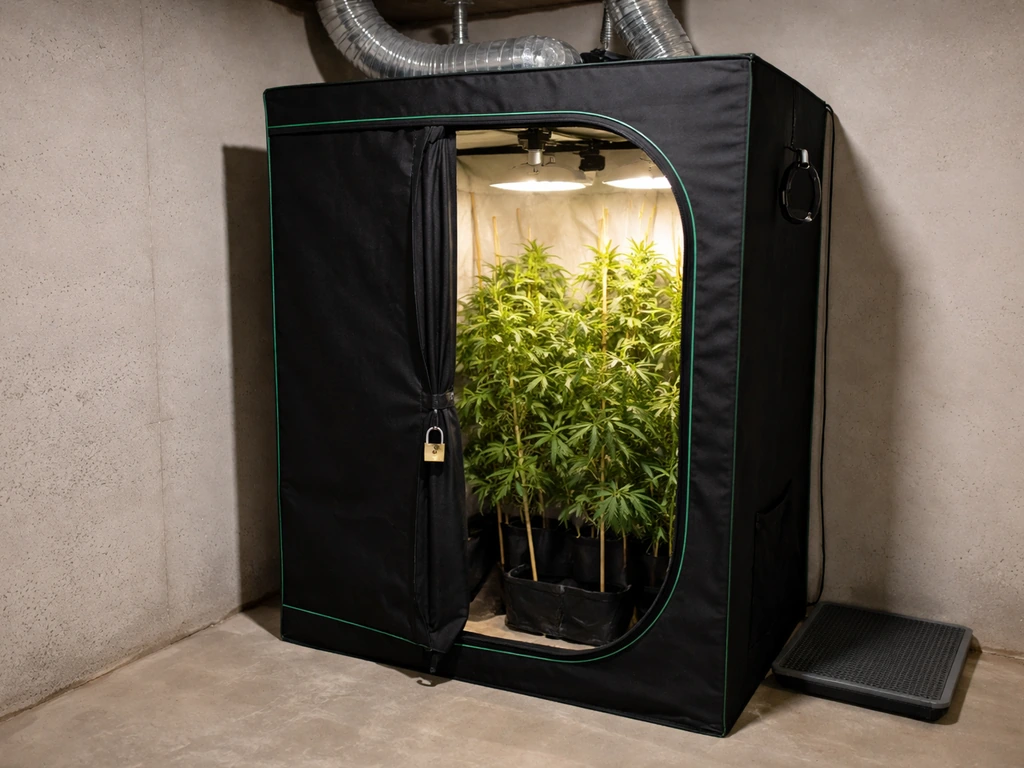
Every state requires your grow to be in an enclosed, locked space inaccessible to minors. Outdoors this typically means a locked fence or enclosure. Indoors it means a locked room or cabinet. You cannot grow in a common area of an apartment building or anywhere visible from a public street or sidewalk. If you are a caregiver growing for multiple patients, many states require additional access controls and may require you to track who has keys or access codes.
Recordkeeping and inventory tracking
Casual home growers under adult-use rules often have no formal recordkeeping requirements beyond staying within plant limits. But caregiver growers and anyone operating under a cultivation registration typically need to keep records showing: how many plants they have, which plants are in which growth stage, which patient or patients the harvest is intended for, and how much they have harvested and transferred. Some states require caregiver growers to use seed-to-sale tracking systems, the same platforms used by commercial growers, just with more limited data entry. Some states require caregiver growers to use seed-to-sale tracking systems, the same platforms used by commercial growers, just with more limited data entry commercial grow license.
Labeling and packaging for transfers
If you are a caregiver transferring cannabis to a patient, most states require basic labeling on any packaged product: your name or registration ID, the patient's name, the strain (if known), the harvest date, and any known potency or contaminant testing information. You generally cannot sell the cannabis. Transfers to the patient are authorized; sales are not. Keep this distinction clear.
Plant disposal and failed crops
When plants die, are removed, or a grow is discontinued, most states with registration requirements expect you to document the disposal. Acceptable disposal methods typically include composting, rendering unusable by mixing with non-cannabis waste, or returning to a licensed dispensary for disposal. You cannot simply throw harvested or excess cannabis in the trash without rendering it unrecognizable. Some states require you to notify the regulatory agency when you destroy plants above a certain threshold.
Mistakes that get applications denied or growers cited
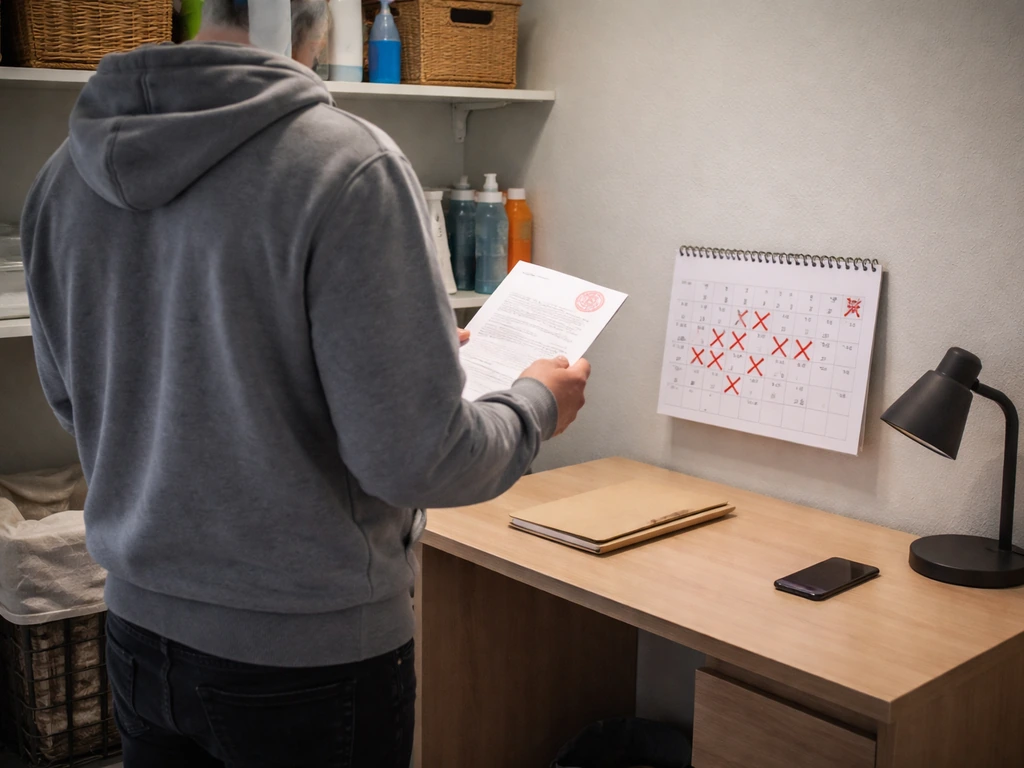
These are the most common reasons personal cultivation applications get denied or growers end up facing compliance issues after approval.
- Applying before getting the underlying medical certification: You cannot register as a patient grower without first having an active patient certification from a certified healthcare provider.
- Growing before authorization is confirmed: Starting to grow while your application is pending is treated the same as growing without authorization in most states.
- Exceeding plant limits even temporarily: Having one extra plant, even a seedling, can be a violation. Count everything.
- Growing in a non-compliant space: A grow that is visible from outside, accessible to minors, or located in a prohibited area (like a rental unit that prohibits it) is a violation regardless of your registration status.
- Letting your registration expire: If your patient or caregiver ID lapses, your cultivation authorization lapses with it. You must renew before the expiration date.
- Selling or transferring to non-patients: Any commercial sale or transfer outside the authorized caregiver-to-patient relationship voids your personal grow authorization and may constitute a felony.
- Incomplete documentation at inspection: If your state does inspections, inspectors check your plant count, your grow space security, and your records. Missing or incomplete records is a common citation reason.
- Ignoring local zoning rules: State authorization does not override local ordinances. Some cities and counties prohibit home cultivation even where state law permits it.
Costs, renewals, and ongoing reporting
Personal cultivation authorizations are not one-time events. Most require annual renewal, and staying on top of that is part of compliance.
Annual renewal process
Most medical patient and caregiver registrations renew annually. The renewal process typically involves confirming your contact and residency information, confirming your patient certifications are still active (for caregivers), and paying the renewal fee. Some states send renewal reminders by email; others do not. Mark your expiration date in your calendar and start the renewal process at least 30 days before it lapses to avoid any gap in authorization.
Ongoing reporting obligations
Most simple home growers under adult-use rules have no ongoing reporting obligations beyond staying within plant limits. Caregiver growers often have more: some states require periodic reports on the number of patients served, the volume of cannabis transferred, and whether any plants were destroyed. Check your state's specific requirements when you receive your authorization. Requirements can also change when states update their regulations.
What it actually costs per year
| Authorization Type | Typical Initial Fee | Typical Renewal Fee | Renewal Frequency |
|---|---|---|---|
| Adult-use home grow right (no permit) | $0 | $0 | N/A |
| Medical patient registration | $0 to $50 | $0 to $50 | Annual |
| Designated caregiver registration | $0 to $100 | $0 to $100 | Annual |
| Caregiver cultivation license (with inspection) | $50 to $200 | $50 to $200 | Annual |
| Commercial personal-use cultivator license (rare) | $200 to $1,000+ | $200 to $1,000+ | Annual |
These are reference ranges only. Your state's actual fees are on the regulatory agency's website and can change with budget cycles or legislative updates.
Your next steps right now
Here is a practical checklist to get from where you are today to a legally compliant personal grow.
- Look up your state's cannabis regulatory agency website and find the specific section on personal or home cultivation. Do not rely on third-party summaries for the current plant limits and rules.
- Identify which authorization type applies to you: adult-use home grow right (no application), medical patient registration, or caregiver cultivation license.
- If you need a medical patient certification, make an appointment with a certifying healthcare provider before you do anything else.
- Assemble your documents: valid photo ID, proof of residency, and any patient or certification numbers you already have.
- Prepare your grow space to meet the enclosed, locked, and not-publicly-visible requirement before submitting any application.
- Submit the application through the official state portal and pay the fee. Save your confirmation and track your application status.
- Do not begin growing until your authorization is confirmed in writing.
- Set a calendar reminder for your renewal date and review compliance requirements annually, since state rules do change.
If you are thinking about a larger operation that goes beyond personal use, the rules shift dramatically. If you are pursuing an Arizona commercial grow license instead of a personal authorization, the state’s licensing and compliance requirements are separate from home cultivation rules. Caregiver grows serving multiple patients, limited-license cultivation, and commercial operations each operate under a separate regulatory framework with significantly higher compliance burdens. Understanding where personal cultivation ends and commercial cultivation begins is essential before scaling up.
Nothing in this article is legal advice. Cannabis laws change frequently and vary at the local level even within states. Before you plant anything, confirm current requirements directly with your state cannabis regulatory agency or consult a licensed attorney who practices in cannabis law in your state.
FAQ
Do I actually need to apply for a cannabis personal grow license, or is it sometimes automatic for adult-use home grows?
In most states, you only need to apply for a patient or caregiver registration (or get a registry ID) when you fall under a medical framework. If you are strictly an adult-use home grower, some states treat it as a “do it within limits” allowance and do not issue a separate license or application. The quickest way to confirm is to look for whether your state requires registration or instead only requires compliance with plant, location, and security rules for adult-use cultivation.
If I can legally grow under my state rules, can my landlord or HOA still stop me?
A common compliance trap is assuming your landlord, HOA, or lease rules do not matter. Even if cultivation is legal under state law, lease violations can lead to eviction or fines, and HOAs may impose separate restrictions (especially on odor control, visible enclosures, or common-area storage). Before you start, check your lease and, if needed, get written landlord permission.
What happens if I switch patients or my caregiver status changes after approval?
Even when the law allows a caregiver to cultivate for a patient, many states still require the caregiver to be registered and to keep activity within the patient relationship defined by the program. If you change caregivers, add a new patient, or your patient’s status changes, authorization may need to be updated before you continue cultivation or transfers. Ask your state program what the change-of-status process is and when transfers become permitted again.
Can I grow at a second home or while I am temporarily living in another place?
“Primary residence” rules can be strict. For example, second homes, temporary residences, or long-term stays elsewhere can create uncertainty about whether the grow location qualifies. If you plan to move, most states require you to update your registration and may have a time window for relocating plants and equipment. Don’t relocate plants until you confirm the rule for your specific authorization.
How do plant limits work in shared housing (for example, roommates or adult family members)?
Plant counts and authorization limits often apply per household or per registration type, and states may treat multi-adult households differently. If multiple adults each claim their own limit, states may require each person to have their own registered authorization (for medical) and their own locked space. Mixing plants for different authorizations inside one enclosure can cause a compliance problem.
Does my state count all plants the same way, including clones and seedlings?
Some states focus on canopy size or other measurement rules for certain categories, even if most states talk about plant count. Also, clones, seedlings, and flowering plants may be treated differently. If you want to avoid mistakes, ask your state regulator whether the limit counts by plant stage or by total number of plants at any time.
What records should I keep if my state requires tracking but does not clearly specify what proof to have on hand?
For caregivers and many registered cultivation programs, you generally need the ability to show who the plants belong to and which patient they serve, even if you use a basic tracking method. “I have receipts for supplies” is usually not enough. Maintain a simple internal log that ties cultivation dates, harvest dates, and transfers to your authorization, and store it where you can retrieve it quickly.
How should I document plant disposal when I shut down my grow or remove dead plants?
Many states require disposal documentation for destroyed plants above certain thresholds or require notification for particular destruction events. Common mistakes include disposing of plants before required documentation is created, forgetting to notify the agency when required, or discarding without rendering unrecognizable. Plan disposal as an event with a timestamp and method that meets your state’s rules.
What labeling details are most commonly required for patient transfers, and what mistakes get caregivers in trouble?
Labeling rules often apply to transfers to a patient, not sales, and they can include specific elements like registration ID, harvest date, and strain (if known). A frequent issue is using incomplete labels, missing dates, or providing packaging that looks like a sale. Use a labeling approach that matches exactly what your state requires for patient transfers.
How can I avoid a gap in authorization during renewal or if my medical certification is expiring?
Renewals can be denied or delayed if your patient certification or caregiver eligibility lapses even briefly. If your medical certification is expiring, renew early and confirm the timeline for how your authorization remains valid during processing. Set reminders for both certification renewal and your state cannabis program renewal, since each can have different deadlines.
Do I need to report changes like address, lock upgrades, or new patients, even if I stay within plant limits?
Yes, changes can require notice. Examples include moving the grow location, changing the lockbox or access method, adding or removing authorized patients, or changing your residence address. Don’t assume “it’s the same garden” means no updates are needed, because many states treat these as authorization-relevant changes.
Next Article
Arizona Commercial Grow License: Step-by-Step Guide
Step-by-step guide to Arizona commercial grow license for cannabis, including eligibility, costs, compliance, timeline,