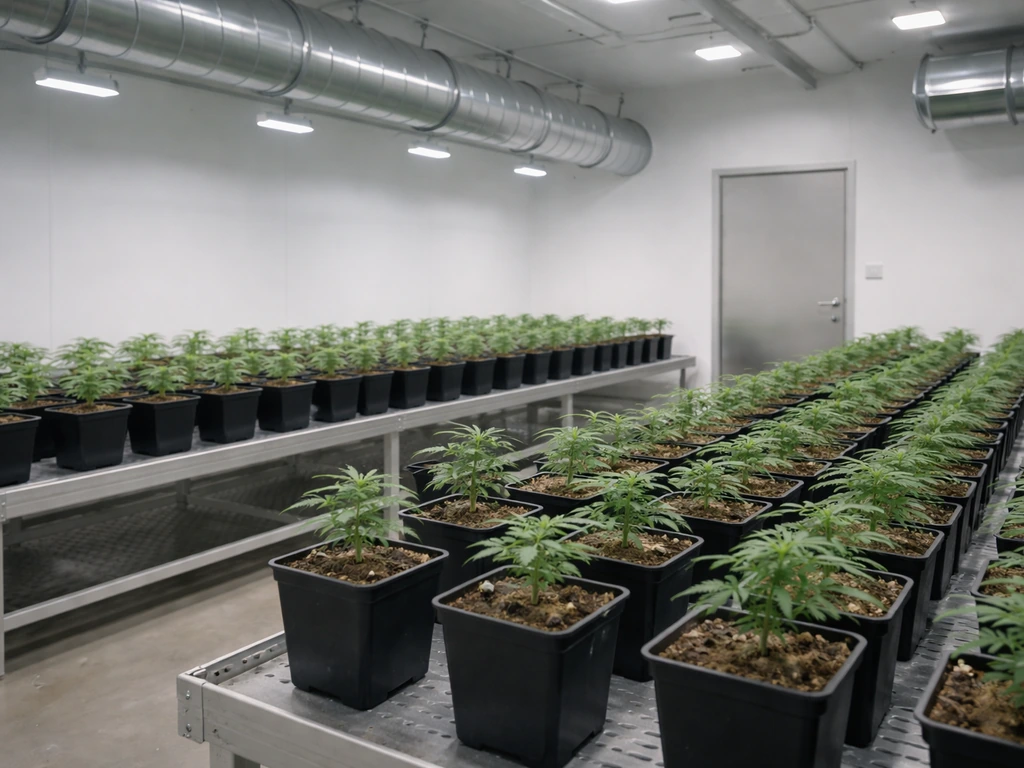
Getting a weed grow license in the US means navigating a state-specific process that varies dramatically depending on where you live, whether you want to grow commercially or for personal use, and how mature your state's program is. There is no federal cannabis grow license. Every license comes from a state agency, and the rules, fees, and timelines are set by that state. The good news is that the process follows a recognizable pattern almost everywhere: choose the right license type, confirm eligibility, prepare your documents, meet facility requirements, submit your application through the state portal, and pay your fees. The hard part is knowing exactly what each state requires and avoiding the mistakes that get applications rejected.
Weed Grow License: NY, CT, MO Application Guide

Marcus Whitley
2 Apr 2026
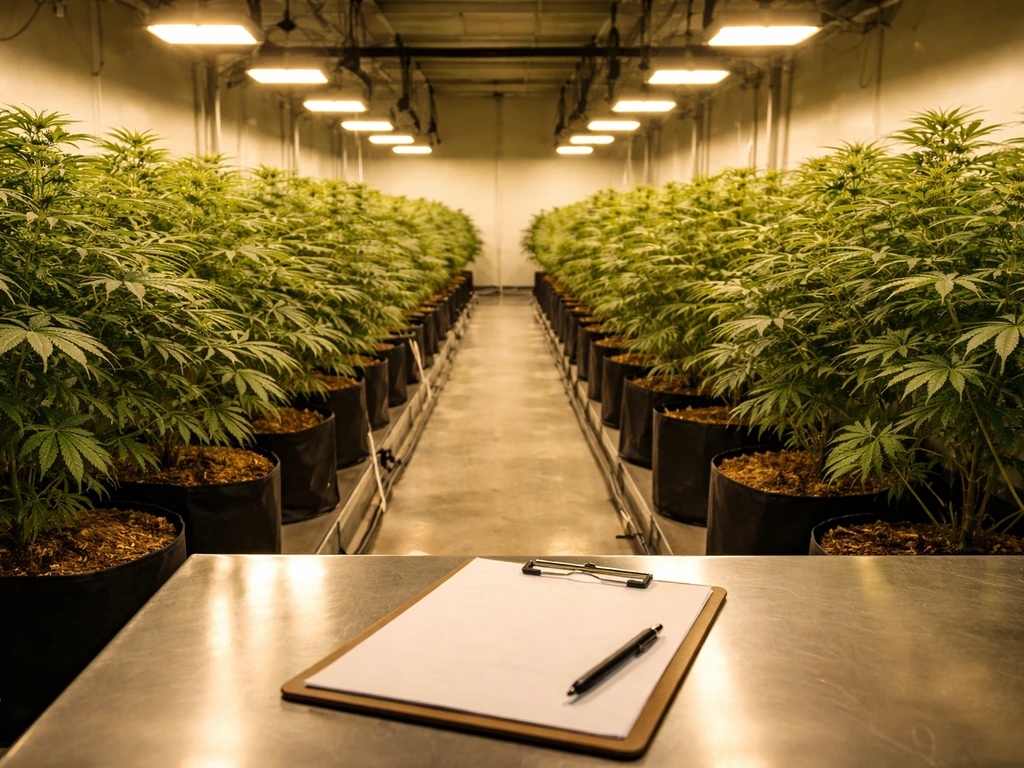
How weed grow licensing works (by state)
Each state that has legalized cannabis, whether for medical use, adult use, or both, creates its own licensing authority. That agency defines the license categories, sets plant limits or canopy size requirements, publishes fee schedules, and runs the application portal. Your job before you do anything else is to identify which agency runs the program in your state and which license category applies to your situation.
The distinction between personal/home grow and commercial cultivation is the first fork in the road. Many states allow residents to grow a small number of plants at home without a license at all. Others require a registered personal cultivation permit even for home grows. Commercial cultivation, the kind where you sell cannabis into the licensed supply chain, always requires a license and always involves more paperwork, higher fees, facility inspections, and ongoing compliance obligations. If you are trying to figure out which path fits your goals, the comparison of cannabis personal grow license requirements versus commercial licensing is a useful place to start.
States also layer their commercial grow licenses by scale. You will see terms like microbusiness, craft cultivator, standard cultivator, and large-scale cultivator. These categories typically differ by maximum canopy size, ownership structure requirements, and vertical integration rules (whether you can also process or sell). Understanding which tier fits your operation before you apply saves time and money.
License type fit: home/medical vs craft/commercial
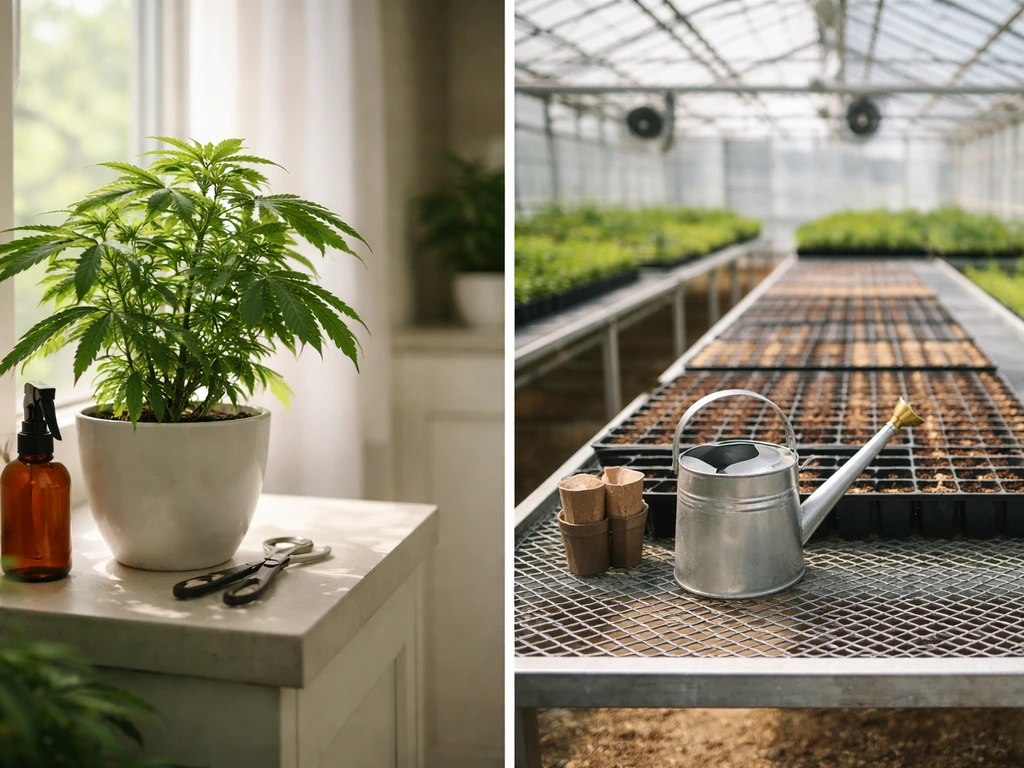
The term "craft grow license" does not mean the same thing in every state, so it is worth being precise. In Illinois, "craft grower" is an actual defined license category with a 5,000-square-foot canopy cap. In other states, the same concept is called a "microbusiness," a "limited cultivator," or a "tier one cultivator." The word "craft" is often used informally to describe any small-scale commercial grow license, so you need to check your specific state's definitions before deciding which application to file.
For a broad breakdown of what falls under commercial grow license requirements across different state frameworks, the categories generally break down like this:
| License Type | Who It's For | Typical Scale | Key Restrictions |
|---|---|---|---|
| Personal/Home Grow | Individual adults for personal use | 2–12 plants depending on state | Usually no sales allowed; may require registration |
| Microbusiness / Craft | Small operators, often with equity requirements | Up to ~5,000 sq ft canopy | May require vertical integration or restrict it |
| Conditional Cultivator | Transitional category (e.g., existing hemp growers in NY) | Varies by prior license | Time-limited; must transition to standard license |
| Standard Cultivator | Mid-size commercial operations | 5,000–100,000+ sq ft canopy | Full facility and security compliance required |
| Large-Scale / Tier 3+ | High-volume commercial growers | No cap or very high cap | Highest fees, strictest compliance burden |
If you are a hemp farmer looking to transition to adult-use cannabis, some states have created conditional pathways specifically for you. New York's Adult-Use Conditional Cultivator license, for example, was designed to let eligible hemp growers apply to cultivate cannabis above 0.3% THC. Applicants who submitted during the relevant window could continue operations while the Office of Cannabis Management (OCM) reviewed their application, which was a meaningful advantage for operators who needed to keep growing during the review period.
How to get a grow license: eligibility, steps, and timeline
The process is similar across states, even if the details vary. Here is a reliable sequence to follow:
- Confirm your state has an open application window. Many states run limited licensing rounds, lotteries, or priority queues. Apply during a closed window and your application goes nowhere.
- Determine your license category. Match your operation size, ownership structure, and business goals to the correct tier. Filing under the wrong category wastes your fee.
- Check residency and ownership eligibility. Most states require applicants (or key ownership percentages) to be state residents. Background check requirements are nearly universal.
- Secure your facility or grow site. You will typically need a lease or deed before applying, along with a local zoning approval showing cannabis cultivation is permitted at that address.
- Get your True Parties of Interest (TPI) documents together. Every owner, investor, and person with managerial control typically needs to be disclosed. In New York, OCM maintains a dedicated TPI hub as a centralized location for collecting and verifying these disclosures.
- Prepare your operating plan. This includes your security plan, cultivation plan, waste disposal plan, and inventory tracking procedures.
- Submit through the official state portal and pay your application fee.
- Respond promptly to any corrections or additional information requests from the agency.
Timelines vary enormously. In states with active programs and open queues, an initial conditional or provisional approval can come in a few months. Full licensure, which often requires a facility inspection, can take 6 to 18 months from submission to approval. Build that timeline into your business plan before you sign a lease.
In New York, OCM describes the adult-use cannabis license application journey as including between 2 and 4 parts depending on your license type, and applications are submitted through New York State Business Express (NYBE) when the relevant application window is open. The fee schedule is published on OCM's website and should be verified before you submit, since fees and program details can change.
State-by-state licensing basics: NY vs CT vs MO

New York
The Office of Cannabis Management (OCM) oversees all cannabis licensing in New York, including adult-use cultivation licenses. OCM administers the regulations and controls when and how parties apply. If you are evaluating a retail or cultivation site in New York, OCM's LOCAL map tool is an important resource because it shows municipal opt-out statuses and other critical licensing data. A municipality that has opted out will block certain license types regardless of your application quality, so checking this before signing a lease is non-negotiable.
New York's license tiers for cultivation include the standard adult-use cultivator, the microbusiness (which can grow, process, and sell in limited quantities), and the now-closed conditional cultivator pathway for hemp growers. Under New York's regulations, a microbusiness has specific canopy expansion rules and a defined path to transfer into a cultivation-only tier if the operator outgrows the microbusiness structure. The conditional cultivator application required fee payment by check with mailing, which was an unusual procedural step compared to most fully online state portals. Always confirm current payment methods on OCM's site before submitting.
Connecticut

Connecticut's adult-use cannabis program is governed by Chapter 420h of the Connecticut General Statutes and administered through the state's licensing portal. The bar for entry as a cultivator is high. Connecticut requires a minimum of 15,000 square feet of grow space to qualify for an adult-use cultivator final license. That is a substantial capital commitment before you even open your doors. If you are thinking smaller, Connecticut's program may not have a craft or micro grow category that fits a sub-commercial operation, so confirm the current license menu with the state portal before assuming there is a small-scale option available.
Connecticut's fees are significant. The cultivator provisional license costs $25,000, and the final license fee is $75,000, for a combined cost of $100,000 just in licensing fees before you factor in facility, equipment, or compliance costs. Connecticut also restricts issuance based on backer and managerial control relationships, meaning if someone with managerial control over your application already controls another licensee in the same category, you can be blocked from receiving a license.
This is worth reviewing carefully if you have investors who are already involved in the Connecticut cannabis market. For a complete picture of the arizona commercial grow license structure as a comparison point, fee structures and minimum space requirements in other states often differ significantly from Connecticut's high-barrier approach.
To check which adult-use cannabis establishment licenses have already been issued in Connecticut, you can use the state's eLicense "Lookup a License" tool. This is worth doing early so you understand how many cultivator licenses are already active and whether the market has capacity for new entrants.
Missouri
Missouri's cannabis program is administered by the Department of Health and Senior Services (DHSS). The DHSS publishes a fee schedule for cannabis participation covering application fees, license fees, business fees, and renewal fees, with some fees subject to Consumer Price Index adjustments, so confirm the current amounts before submitting. Missouri's program covers both medical cannabis and adult-use (consumer) licensing, and the personal cultivation rules apply separately from commercial grow licensing.
For personal cultivation in Missouri, the DHSS notes that if your application has missing or incorrect information it will be rejected (not held for correction) and you will need to resubmit. That is a stricter workflow than some states, so double-check every field before you hit submit. Missouri's DHSS also provides an Application Resources hub that includes an online portal and tutorials, which is a genuinely useful starting point if you are navigating the application for the first time.
On the commercial side, Missouri's cultivation facility rules are detailed and specific. The state's regulations require an enclosed, locked facility for cultivation-related operations, and the facility security rules under 19 CSR 100-1.090 require automatic or electronic notification systems and the designation of on-call personnel to respond to unauthorized breaches. These are not suggestions. They are compliance requirements that must be documented in your security plan before you apply. Missouri DHSS also provides facility FAQs that explain how to request a “Commencement Inspection” by emailing the compliance address with the facility name and license number.
Application details: documents, fees, plant limits, and site rules
Regardless of state, a complete commercial grow license application typically requires the following core documents and information:
- Business formation documents (articles of incorporation, operating agreement, EIN)
- Ownership and TPI disclosures for every person with an ownership stake or managerial control
- Background check authorization forms for all disclosed principals
- Proof of proposed facility: lease, deed, or letter of intent from a landlord
- Local zoning approval or verification that cannabis cultivation is a permitted use at your address
- Detailed security plan meeting state-specific requirements (alarm systems, access controls, camera coverage, breach notification protocols)
- Cultivation plan describing strain types, growing methods, canopy size, and plant tracking procedures
- Waste disposal plan compliant with state rules
- Application fee payment (method varies by state: online portal, check, or both)
Plant limits and canopy caps are defined by your license tier. A home grow in most adult-use states allows 3 to 6 plants per adult resident. A microbusiness or craft-scale commercial license caps canopy in the range of a few thousand square feet. Standard and large-scale cultivator licenses may have no fixed cap but impose other limits through local zoning or water use agreements. Connecticut's minimum of 15,000 square feet effectively sets a floor, not a ceiling, making it a commercial-scale-only market.
If you are considering acquiring an existing license rather than applying from scratch, some states allow license transfers or sales in limited circumstances. Washington State's 502 program is one example where this comes up, and if that path interests you, understanding what a 502 grow license for sale actually involves is worth researching before you commit to a purchase.
Common pitfalls and compliance checklist before you apply
Most application rejections are avoidable. Here are the mistakes that show up most often and how to sidestep them:
- Applying during a closed window: Check the current status of your state's application round before spending time or money on an application package.
- Wrong license category: Filing under the wrong tier wastes your fee and delays your timeline. Read the definitions in your state's regulations, not just marketing summaries.
- Incomplete TPI disclosures: Every beneficial owner, investor above a threshold (often 5–10%), and person with managerial control must be disclosed. Missing one is grounds for rejection.
- Facility not ready: Many states require a signed lease or proof of site control before the application is complete. Do not apply with a site you have not committed to.
- Zoning not confirmed: Local zoning approval is separate from state licensing. A state license does not override a local zoning prohibition.
- Security plan too vague: States want specifics: camera locations, access control methods, alarm vendor, breach notification contacts. Generic plans fail.
- Missing local approval: Some states require a letter of no objection or local municipal approval before state issuance. Connecticut and New York both have local compliance components.
- Backer conflicts: In Connecticut especially, check whether any investor or backer already controls a license in the same category. This can block your application outright.
- Fee payment errors: Confirm the exact payment method required. New York's conditional cultivator program required check payment by mail, not online payment, which surprised many applicants.
- Resubmission delays: In Missouri, applications with missing information are rejected rather than held, meaning you restart the clock. Get it right the first time.
If you are exploring licensing in a less commonly covered state, like Alaska's program, the requirements can be just as nuanced. The commercial grow license Alaska framework has its own specific ownership, residency, and facility rules worth reviewing if that is your jurisdiction.
Where to find official forms and track your application
Always go to the official state agency website for forms, fee schedules, and application portals. Third-party sites (including aggregators like this one) are useful for understanding the landscape, but the official source is the only one that matters for your actual filing. Here is where to go for each state covered in this article:
| State | Licensing Agency | Primary Portal / Resource |
|---|---|---|
| New York | Office of Cannabis Management (OCM) | NY State Business Express (NYBE) via cannabis.ny.gov; LOCAL map tool for site evaluation; OCM TPI hub for ownership disclosures |
| Connecticut | Department of Consumer Protection (DCP) | portal.ct.gov cannabis licensing section; eLicense 'Lookup a License' for issued license status |
| Missouri | Department of Health and Senior Services (DHSS) | cannabis.mo.gov; DHSS Application Resources hub with portal tutorials and forms |
Once you submit, most states give you a confirmation number or application ID. Keep this. Use it to track your application status in the state portal. If the agency requests additional information, you usually have a short window (often 10 to 30 days) to respond before the application is closed or rejected. Set a calendar reminder the day you apply to check your portal and email daily during the review period.
Here is what to do this week if you are serious about applying: First, confirm your state has an open application window right now. Second, download the current application checklist from the official agency site and audit what you already have versus what you still need. Third, confirm your facility's local zoning status with a call to your city or county planning department. Those three steps will tell you exactly where you stand and what the critical path looks like before you spend a dollar on fees or professional services.
FAQ
What does a “weed grow license” actually cover, cultivation versus processing or retail?
In most states, a grow license only authorizes cultivation. If you want to process or sell, you typically need separate licenses or a specific authorization tier that allows vertical integration. Before applying, verify whether your chosen license category includes any allowed activities besides growing (such as processing, distribution, or on-site sale), because adding those steps later can require a new application and additional facility requirements.
Do I need a license if I grow “for personal use,” but I also share with friends or sell extra?
Generally, personal cultivation limits are intended for personal use and sharing can be treated differently from sale depending on the state. Selling, bartering for value, or distributing beyond the allowed personal-use scope usually triggers commercial licensing requirements. Check your state’s definitions of “transfer,” “commercial sale,” and “caregiver” or “designated recipient” rules, and do not assume that informal sharing is treated as personal use.
How early should I start facility work if I am applying for a commercial grow license?
Start earlier than you think, but not so early that you waste money on a site that fails licensing hurdles. Most states require zoning compliance, security planning, and readiness for inspections before final approval. A common mistake is signing a lease and building spend before confirming that the municipality will allow your specific license type and that your facility design can pass the required security and operational standards.
What if my application is submitted, but I later realize I entered the wrong information or changed investors or managers?
Many states treat changes in ownership, managerial control, or business structure as reportable events that can affect eligibility. If you change key personnel or backers after filing, you may need amendments or additional approvals, and some jurisdictions can delay approval or deny the application. Keep a change log, and contact the licensing authority immediately when anything involving control, ownership percentages, or key managers changes.
Are background checks and ownership disclosure a one-time step or ongoing compliance?
Usually both. Initial licensing often includes background checks and ownership disclosures, and many states also require ongoing updates to maintain eligibility. Even if you pass at the start, later changes to owners or certain business relationships can trigger re-review. Plan to maintain documentation so you can respond quickly if the agency requests updated forms during the review period or after issuance.
How do I know which fee schedule applies to my weed grow license application?
Fee schedules can change between application windows, so you should use the schedule published for the specific program cycle and license type you are applying for. A common pitfall is budgeting based on an older schedule or assuming that renewal fees are the same as initial fees. Confirm whether your application requires separate fees for provisional versus final licensure, and check if any fees have automatic CPI adjustments.
What happens if I miss the deadline to respond to additional information requests?
In several states, missing the response window can result in closure or rejection rather than a simple extension. Some programs also require the agency to “reopen” an application only in limited circumstances. Set reminders for both the portal and your email, and if you need more time, ask the agency for an extension before the deadline expires.
Do local zoning and municipal opt-out decisions apply automatically, or can they be appealed?
Municipal decisions often operate as a gate that can block license issuance regardless of application quality. Even if appeals exist, they can be slow and may not stop other parts of the licensing process from continuing. Before signing a lease or investing in buildout, confirm the municipality’s current stance for your specific license category and ask whether there are any local conditions or moratoriums relevant to cultivation sites.
If I am considering a license transfer or purchase, what extra due diligence should I do beyond price?
Treat transfers like a new compliance undertaking. Verify the seller’s license status, whether the transfer approval is required before operations change, and whether the transaction would alter managerial control or ownership in a way that triggers re-screening. Also confirm timelines and who pays for updates to facility, security plan, or documentation, since those can materially affect the total cost and approval speed.
Do canopy limits and plant limits stay fixed, or can they be adjusted later?
They often depend on your license tier and state rules, adjustments may require prior approval, and some states restrict expansions unless you re-qualify or move to a different tier. If you expect to scale up, plan your facility and compliance posture around the limits tied to your current license category, and ask the agency whether future expansion is handled as an amendment versus a new license.
What are the most common reasons weed grow license applications get rejected, and how do I prevent them?
Common causes include incomplete or inconsistent forms, incorrect facility addresses or zoning mismatches, missing security plan documentation, and eligibility issues tied to ownership or managerial control. Prevent rejections by using the official checklist, running a field-by-field validation of every form entry, and ensuring your security plan and facility description match your physical site exactly (not just your intended design).
Next Article
How to Get a Micro Grow License in Canada: Step-by-Step
Step-by-step on getting a Canadian micro-cultivation cannabis licence, eligibility, costs, timelines, and compliance bas