A '502 grow license' refers to a cannabis producer license issued under Washington State's Initiative 502 framework, which legalized adult-use cannabis in 2012. If you're searching for one 'for sale,' you're most likely trying to either buy an existing licensed cannabis business, acquire a controlling interest in one, or transfer an active producer license into your name.
502 Grow License for Sale in Washington: Options & Steps

Marcus Whitley
28 Apr 2026

If you're searching for one for sale, the same basic idea of buying an operating, eligible licensed business applies in other states too, including an arizona commercial grow license option. Washington does allow license changes of ownership and control under specific rules, but you cannot simply purchase a license the way you'd buy a car title. Here's what you actually need to know.
What a 502 Grow License Actually Is
Initiative 502 passed in November 2012 and created Washington's regulated adult-use cannabis market, codified primarily in RCW 69.50. The Washington State Liquor and Cannabis Board (WSLCB) is the agency that administers all cannabis licensing under this framework. When people say '502 license,' they're using shorthand for any cannabis business license issued under this system, including producer (grower), processor, and retailer licenses.
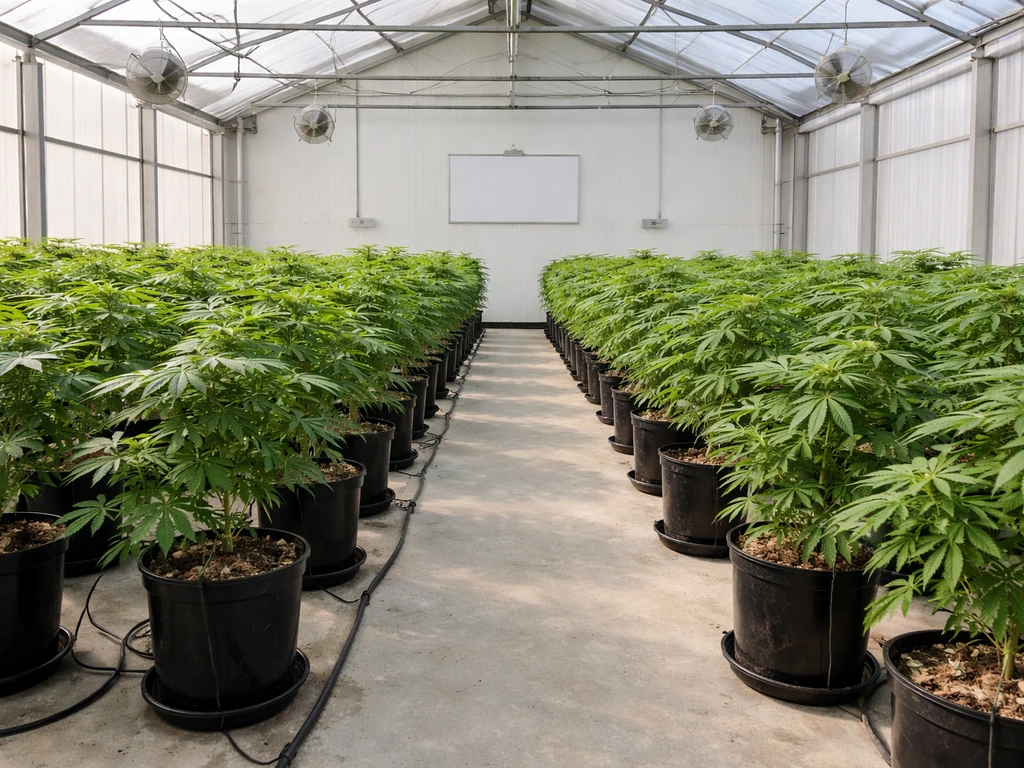
A cannabis producer license is the specific license that authorizes cultivation. It allows the licensee to grow, trim, dry, cure, and package cannabis plants at a licensed location. Producers can sell their product to licensed processors and retailers, but not directly to consumers. The rules are implemented through WAC Chapter 314-55, which covers everything from application procedures to ongoing operational requirements.
If you've seen the term '502 grow license' on a broker listing or a business-for-sale website, it almost always means a business that holds an active WSLCB cannabis producer license is being sold. The license itself travels with the business, not as a standalone asset, which is an important distinction.
What 'For Sale' Actually Means (and Where the Scams Are)
This is where things get murky. When someone advertises a '502 grow license for sale,' they could mean a few very different things, and not all of them are legitimate.
Legitimate scenarios look like this: a licensed cannabis producer business is being sold as a going concern, and the buyer will go through WSLCB's formal change-of-ownership or change-of-controlling-interest process. When you see a listing for a weed grow license, treat it as a business acquisition or a disclosed ownership transfer, not a quick standalone purchase. Alternatively, an existing licensee may be bringing in a new investor or partner, which triggers a required disclosure to WSLCB. Under RCW 69.50.339, any transfer of a license or any proposed sale of outstanding or issued stock of a corporation holding a cannabis license must be reported to the Board. There's a statutory fee for processing certain corporate stock or officer changes.
Scam scenarios look like this: someone claims they can 'sell you a license' outright, separate from a real operating business, for a flat fee paid upfront. Or they claim they have a license 'pending approval' that they'll transfer to you once it's approved, in exchange for payment now. Neither of those is how Washington's system works. Licenses are tied to individuals and entities who passed a background check and were approved for a specific location. You cannot buy a license like a commodity.
- Never pay for a 'license' before verifying its status directly with WSLCB's public license lookup
- Be skeptical of anyone claiming to sell a license independent of a real, operating business with a physical location
- Avoid deals where the current licensee wants payment before WSLCB has approved the change of ownership
- Confirm that the license is active and in good standing, not suspended, revoked, or under enforcement action
- Treat any 'broker' who can't provide the WSLCB license number and address of record as a red flag
Eligibility and the Basics of Applying for a New Grow License

If you want to start fresh and apply for a new producer license rather than buy an existing one, you need to meet Washington's eligibility requirements. WSLCB will run a background check on every person with a 10% or greater ownership interest in the applicant entity. Felony drug convictions within the past three years are disqualifying, as are certain other criminal history factors. You also need to be at least 21 years old and a Washington State resident (or a business entity with Washington-resident ownership meeting WSLCB's standards).
Location is one of the most significant eligibility factors. Your proposed grow site must comply with WSLCB's location requirements, which include buffer zones of at least 1,000 feet from schools, playgrounds, recreation centers, child care facilities, public parks, public transit centers, libraries, and arcades. You also need local government approval, since many cities and counties in Washington have banned or restricted cannabis businesses within their jurisdictions. Check with your local planning or zoning department before you invest in a lease.
Washington has not had an open application period for new cannabis producer licenses on a continuous basis. The WSLCB has periodically opened and closed the application window, and as of today, you should check the WSLCB website directly to confirm whether new producer license applications are being accepted.
Producer License Tiers, Plant Limits, and Operating Rules
Washington's cannabis producer licenses come in three tiers based on canopy size. Your tier determines how much you can grow and has a direct effect on your operating costs, facility requirements, and potential revenue.
| License Tier | Indoor Canopy Limit | Outdoor Canopy Limit | Mixed Light Canopy Limit |
|---|---|---|---|
| Tier 1 | 2,000 sq ft | 10,000 sq ft | 2,000 sq ft |
| Tier 2 | 10,000 sq ft | 30,000 sq ft | 10,000 sq ft |
| Tier 3 | 30,000 sq ft | No limit (site-dependent) | 30,000 sq ft |
No individual or entity can hold more than three producer licenses total, and those three licenses cannot exceed a combined canopy of Tier 3 limits. Producers are also prohibited from holding a retail license, which keeps the supply chain separated.
Operating requirements under WAC 314-55 are substantial. You'll need a compliant security system with cameras covering all grow areas and points of entry, a monitored alarm system, and controlled access for non-employees. All cannabis plants and product must be tracked in the state's seed-to-sale traceability system (currently BioTrackTHC). Your facility needs to meet ventilation, sanitation, and waste disposal standards, and you must keep detailed records of every plant, every harvest batch, and every sale.
Costs, Timelines, and What You'll Need to Apply

The WSLCB application fee for a cannabis producer license is $250 (non-refundable). If approved, annual license fees depend on your tier: Tier 1 runs around $1,381 per year, Tier 2 around $2,763, and Tier 3 around $4,144. These figures can be adjusted, so always verify the current fee schedule on the WSLCB website before budgeting.
Processing times for new applications have historically ranged from several months to over a year, depending on application volume, the completeness of your submission, and how quickly your local government provides approval documentation. A complete, accurate application moves faster. An incomplete one sits in a queue while WSLCB waits for missing items.
Here's what you'll generally need to submit with a new producer application:
- Completed WSLCB online application through the SAW (Secure Access Washington) portal
- Personal history forms for every person with 10% or more ownership interest
- Proof of Washington residency for all qualifying owners
- A detailed floor plan or site plan of your proposed grow location drawn to scale
- A copy of your lease or property deed for the proposed location
- Local government approval or a signed Notice of Intent to Operate form sent to your city/county
- A security plan meeting WAC 314-55 requirements
- Business formation documents (operating agreement, articles of incorporation, etc.) if operating as an entity
- Proof of adequate capitalization (WSLCB will ask how you plan to fund operations)
How to Legally Acquire or Transfer a 502 Grow License
If you're going the acquisition route instead of applying fresh, here's how the legal process actually works in Washington. There's no single 'license transfer' transaction. What happens instead is a change of ownership or a change of controlling interest, both of which require WSLCB review and approval before they take effect.
The Step-by-Step Process
- Identify a target: Find a licensed cannabis producer business through a licensed cannabis business broker, industry contacts, or business-for-sale listings. Confirm the WSLCB license number and look it up in the WSLCB public license database to verify active status.
- Sign a letter of intent or purchase agreement with contingencies: Structure any agreement so that your obligation to close is contingent on WSLCB approving the change of ownership. Never pay the full purchase price before approval.
- Submit the change of ownership application: Both the buyer and seller typically need to submit documentation to WSLCB. The incoming owner goes through the same background check and residency verification as a new applicant.
- WSLCB reviews and investigates: The Board will review the new owner's qualifications, confirm the proposed transaction structure, and may inspect the licensed premises.
- Receive WSLCB approval: Only after written approval from WSLCB does the change of ownership take legal effect. Operating under a license you haven't been approved for is a violation.
- Complete the financial close: Once WSLCB approval is in hand, finalize the purchase, transfer operational control, and update all business records.
Due Diligence Checklist Before You Commit
Before you sign anything or put money down, verify all of the following:
- Confirm the license is active and in good standing using WSLCB's public license lookup, not just the seller's word
- Request the full enforcement and compliance history from the seller, including any violations, fines, or license suspensions
- Verify that the business's seed-to-sale traceability records in BioTrackTHC are current and complete
- Confirm the lease on the grow facility is assignable and that the landlord will consent to a new tenant/operator
- Check that the local jurisdiction still allows cannabis operations at that address (zoning rules can change)
- Review all existing contracts with vendors, processors, and retailers for assignability
- Confirm there are no outstanding tax liabilities with the Washington Department of Revenue (cannabis excise tax is 37%)
- Have a cannabis-experienced attorney review the purchase agreement, especially contingency and escrow terms
- Verify that all ownership interests are disclosed and that no silent partners or undisclosed investors exist
- Confirm the security system, inventory records, and physical facility all meet current WAC 314-55 standards
Staying Compliant After You're Approved
Getting approved is only the beginning. WSLCB conducts both scheduled and unannounced compliance inspections at licensed cannabis facilities. Inspectors will check your camera and alarm systems, your plant and inventory records in BioTrackTHC, your waste disposal logs, and whether your canopy matches your licensed tier. Violations can result in fines, license suspension, or revocation.
Renewals are annual. WSLCB will send renewal notices, and you must renew on time, pay the annual fee, and confirm that any ownership or operational changes have been properly disclosed. Failing to report a change in ownership or a change in controlling officers is one of the most common compliance pitfalls, and WSLCB takes it seriously. Washington’s Department of Revenue cannabis endorsement page also emphasizes proper disclosure for change in ownership applications, including the current owner’s UBI and the LCB-issued cannabis license number.
Batch tracking is non-negotiable. Every plant must be tagged, every harvest batch must be entered into BioTrackTHC, and every transfer to a processor or retailer must be accompanied by a compliant manifest. Gaps in your traceability records are a major red flag during inspections and can trigger enforcement action even if everything else looks fine.
A few other ongoing requirements to keep in mind:
- Security cameras must maintain a minimum of 45 days of recorded footage and cover all areas where cannabis is grown, stored, or handled
- All cannabis waste must be rendered unusable (typically by mixing with non-cannabis material) before disposal and documented
- You must notify WSLCB of any changes to your business structure, key personnel, or location within required timeframes
- The 37% cannabis excise tax must be collected and remitted properly on all sales to other licensees
- Your canopy cannot exceed your licensed tier, and any expansion requires a license amendment and WSLCB approval
Your Next Steps Depending on Where You're Starting
If you want to apply for a new producer license, start by confirming whether WSLCB is currently accepting applications (check wslcb.wa.gov directly), verifying that your intended location meets zoning and buffer zone requirements, and contacting your local jurisdiction to understand their cannabis business rules. Then gather your documents and submit through the SAW portal.
If you want to buy an existing licensed business, your first move is the WSLCB license lookup to verify the license you're being shown is real and active. If you are looking for a cannabis personal grow license, the same WSLCB eligibility, location, and application steps (not a broker listing) are what you should focus on. From there, engage a cannabis business broker or attorney with Washington-specific experience, structure your purchase agreement with WSLCB approval as a closing condition, and work through the due diligence checklist above before releasing any funds.
Either path requires patience, thorough preparation, and a clear understanding that WSLCB controls the timeline. What it doesn't require is paying anyone upfront for a license that hasn't been verified and approved. You should also confirm that any commercial grow license offered for sale is valid and approved before you proceed a 'license' that hasn't been verified. That's the single most important thing to take away from any search for a '502 grow license for sale.
A commercial grow license is subject to the same WSLCB oversight, including eligibility review, transfer rules, and ongoing compliance requirements. A commercial grow license can be handled under the Alaska licensing approach too, but the eligibility and approval steps are state-specific commercial grow license alaska. '
FAQ
What does a listing for “502 grow license for sale” usually mean in Washington?
Most listings refer to an already licensed cannabis producer business (or its owners) that is being sold, with the buyer seeking WSLCB approval for a change of ownership or a change of controlling interest. A standalone “license asset” sale is not how Washington approvals work.
Can I buy a license outright if the seller says it is active or already approved?
You should assume WSLCB still must approve the ownership/control change before the transfer takes effect. Even if the license is active, the buyer typically cannot operate until WSLCB has processed the required disclosure and approval steps.
How do I confirm the license is real and active before paying anyone?
Use the WSLCB license lookup to verify the producer license status, the licensed location, and the entity name. Match that to the business documents the seller provides (license number, premises details, and entity structure), then treat any mismatch as a due diligence stop sign.
If I want to acquire controlling interest, do I need WSLCB approval for minor ownership changes too?
Washington requires reporting under corporate stock and officer changes, not just full ownership transfers. A common mistake is assuming “small” changes are optional, when WSLCB review may still be required depending on who gains, controls, or effectively manages the licensed entity.
What counts as a “controlling interest” for cannabis license transfers?
Control is broader than simple percentage ownership. It can include arrangements that give someone decision-making power (for example, governance rights, voting rights, or management authority). Your attorney should review the specific ownership and management terms, not just the cap table.
Can the seller transfer the license to me after I pay a deposit?
Be very cautious with any structure that asks you to pay before WSLCB approval is complete. Deposits tied to pending approvals are common in scams, and if approval never happens you may be left with minimal recourse, especially if the agreement is not structured to match WSLCB approval requirements.
What if I find a property that meets the buffer zones, but the seller’s grow site does not?
For an acquisition, your key issue is whether the business operates at its currently licensed premises. If you plan to move or add a new grow location, you may trigger additional approvals and site compliance checks, so budget time for location change work, not just the purchase.
Does canopy tier affect the transfer or just future operations?
Tier impacts what the licensee is allowed to cultivate and the facility expectations tied to that tier. During due diligence, verify the business’s current canopy authorization and whether actual operations match the tier, because mismatches often create compliance exposure that you inherit.
What are the most common traceability problems that lead to enforcement after acquisition?
Gaps in BioTrackTHC entries, missing batch manifests for transfers to processors or retailers, and inconsistent plant tagging are frequent red flags. Ask for audit-ready exports and reconcile sales and harvest logs to confirm the traceability record is complete and consistent.
How should I prepare for WSLCB inspections after a purchase?
Assume both scheduled and unannounced inspections. Have your security camera coverage verified across all grow areas and entry points, confirm alarm monitoring and access control procedures are documented, and ensure waste disposal logs and sanitation records are current and organized.
Are renewals handled automatically after I buy the business?
Renewals are annual and remain the licensee’s responsibility, even after an acquisition. You should confirm who is listed as the responsible party, ensure renewal timelines are understood, and confirm that any ownership disclosure requirements were correctly handled before the renewal date.
What eligibility checks should I expect for someone buying into the license-holding entity?
WSLCB runs background checks for persons with 10% or greater ownership in the applicant entity, and disqualifying criminal history rules can apply. You should model this early, because a buyer who is later found ineligible can derail the transaction.
If the seller claims applications are “open” and I can get a new 502 producer license quickly, is that reliable?
Not necessarily. Washington producer license windows are periodic, and relying on a third party’s claim about availability is risky. Confirm application acceptance directly with WSLCB and prepare for variable processing times based on completeness and local approval documentation.
What should be a “must-have” condition in a purchase agreement for a 502 grow license acquisition?
Structure the deal so WSLCB approval is a closing condition, not an informal hope. Your agreement should also include representations and documentation for current compliance (security, tier authorization, BioTrackTHC records), plus clear remedies if WSLCB rejects or delays approval.
Next Article
Commercial Grow License Alaska: Step by Step Application Guide
Step by step path to a commercial grow license in Alaska, eligibility, application steps, site plan, and compliance chec