When people search "Schedule 1 which weed to grow," they're usually asking the wrong question, and that's not a criticism. The phrase "Schedule 1" refers to cannabis's federal classification under U.S. law, not a strain category or a grow tier. The real question buried in that search is: given that cannabis is federally illegal, what can I legally grow, and how do I do it right? The answer depends almost entirely on where you live and whether you're growing hemp or marijuana, not on picking a special strain that sidesteps federal law. If you end up needing to report a suspected grow operation in BC, start by contacting the right local agency and avoid taking any action yourself how to report a grow op in bc.
Schedule 1 Weed to Grow: Legal Hemp vs Marijuana Steps

Marcus Whitley
12 May 2026
What "Schedule 1" actually means for cannabis
Under the Controlled Substances Act (21 U.S.C. § 812), cannabis is classified as a Schedule I controlled substance at the federal level. That means the federal government considers it to have a high potential for abuse and no accepted medical use. Schedule I substances have “no currently accepted medical use” and a “high potential for abuse,” as defined by DEA’s drug-scheduling information high potential for abuse and no accepted medical use. Importantly, Schedule I status applies to the entire cannabis plant and its derivatives when THC content exceeds the federal threshold. There is no federal "Schedule 1 strain" that's safer to grow or more permitted than another. The classification is about the plant's chemistry and how it's regulated, not its variety or name.
Here's where it gets important: federal law does carve out one exception. Hemp, defined under 7 U.S.C. § 1639o as Cannabis sativa L. with a total THC concentration (including tetrahydrocannabinolic acid, or THCA) of no more than 0.3% on a dry weight basis, is not a Schedule I substance. That single threshold is the legal dividing line between something you can potentially grow under a state or federal program and something that remains federally prohibited.
Quick eligibility check: your state's rules matter more than federal status
Federal Schedule I status doesn't automatically mean you can't grow cannabis. Dozens of states have created their own legal frameworks for adult-use marijuana, medical marijuana, and hemp. Whether you can grow legally right now comes down to your state's law, your local jurisdiction's rules, and which type of cannabis you're growing. Federal law still applies everywhere, and cannabis that exceeds 0.3% total THC is still federally illegal even in states where it's recreationally legal. But states that have legalized marijuana have, in practice, created a legal space for licensed growers and often for home growers too.
Start with these three questions before you do anything else:
- Has your state legalized adult-use or medical marijuana cultivation? Check your state's cannabis regulatory agency website for current plant limits and license types.
- Does your state allow home cultivation? Some states like Washington prohibit adult-use home grows entirely, allowing only qualified medical patients or designated providers to grow at home. Others like Oregon allow up to four plants per residence recreationally.
- Does your county or city have additional restrictions? Local zoning rules can restrict or outright ban cultivation even when state law allows it.
Hemp vs. marijuana: choosing the legal category you're actually growing
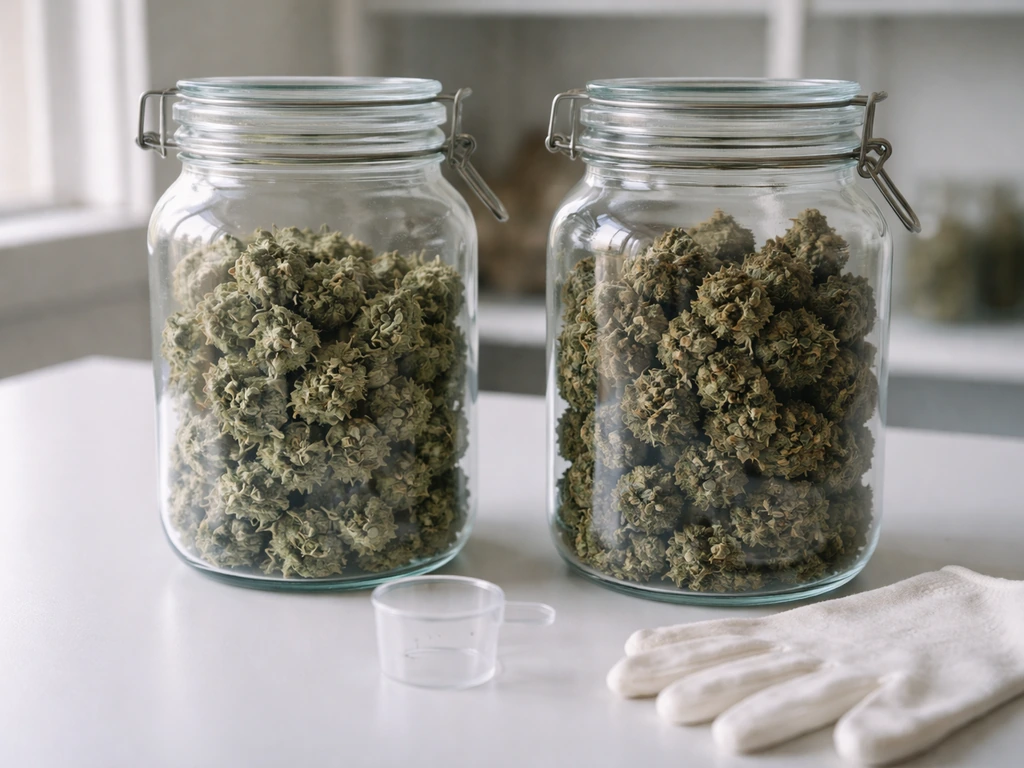
The most important decision you make as a grower isn't which strain to pick. It's which legal category of cannabis you're producing, because the rules, licenses, and compliance requirements are completely different.
Hemp: the federally legal option
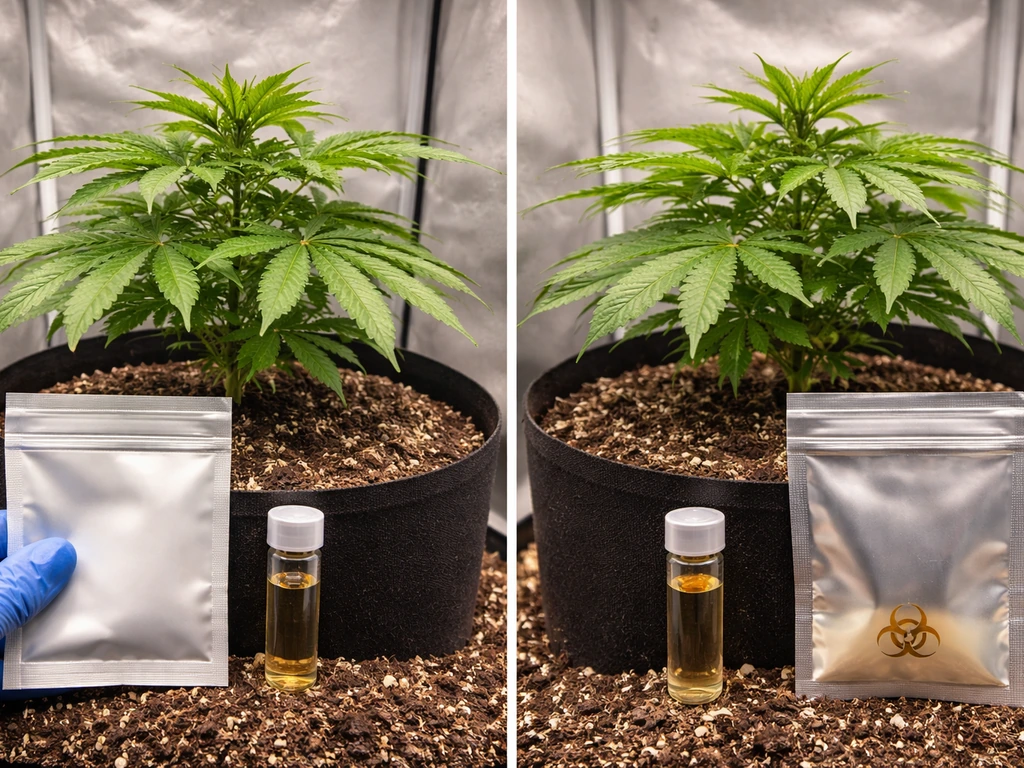
Hemp is legal to grow under federal law if you're participating in an approved state or tribal program, or a USDA-licensed program, and your crop tests at or below 0.3% total THC (including THCA) on a dry weight basis. That 0.3% threshold isn't just a label on a seed packet. It's a measured value determined by an approved lab at or near harvest. USDA rules use a measurement-of-uncertainty approach, meaning your result is evaluated as a range rather than a single number, but if that range doesn't land at or below 0.3%, your crop is classified as a controlled substance and must be destroyed. The timing of your harvest matters a lot here because THC concentration tends to peak as plants ripen, so sampling windows are tightly regulated.
Marijuana: the state-licensed option
If you're growing cannabis with THC above 0.3%, you're in the marijuana category, and you need explicit state-level authorization. That means either a state home-grow allowance (if your state offers one) or a licensed commercial cultivation operation under your state's cannabis regulatory program. Cannabis-derived products with delta-9 THC above 0.3% on a dry weight basis remain Schedule I controlled substances under federal law regardless of state law, which is why compliance with your state's specific requirements is the practical protection here.
| Feature | Hemp | Marijuana |
|---|---|---|
| Federal legal status | Legal if THC ≤ 0.3% dry weight (with approved plan) | Schedule I federally; legal only under state law |
| THC threshold (total) | ≤ 0.3% including THCA on dry weight basis | Above 0.3%; varies by state product rules |
| Who can grow it | Licensed hemp producers (state/tribal/USDA plan) | Licensed commercial cultivators or permitted home growers |
| Testing required | Yes, mandatory pre-harvest THC testing | Yes, required lab testing for licensed products |
| Recordkeeping required | Yes, USDA requires records of all plants acquired/produced/disposed | Yes, state seed-to-sale tracking (e.g., Metrc in Illinois) |
| Home grow option | Generally no (commercial crop framework) | Depends on state (e.g., OR: 4 plants, CO: 6 plants, NY: 3 mature + 3 immature) |
Home grow vs. licensed cultivation: how the rules differ
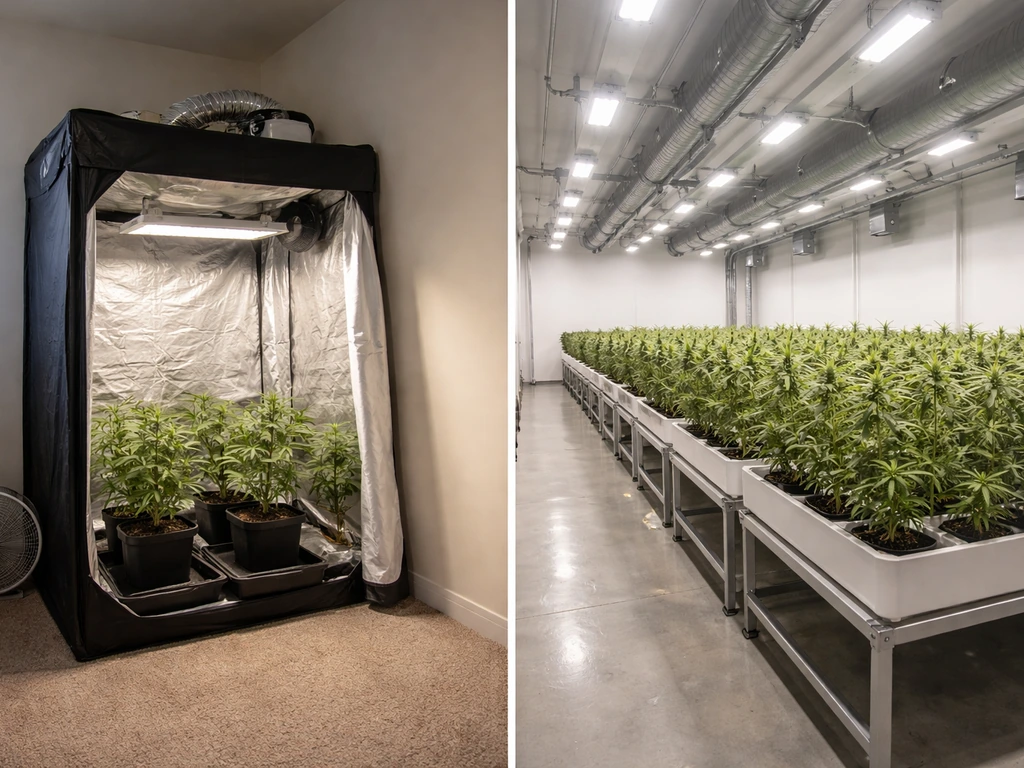
Home growing and licensed commercial cultivation are governed by completely separate rule sets in most states. Here's a practical look at how they differ using real state examples.
Home grow rules by state
Plant limits, security requirements, and local restrictions vary significantly state by state. Oregon allows up to four plants per residence for adult recreational use. Colorado allows six plants per resident over 21, with no more than three flowering at once, but individual cities like Denver may have additional restrictions. New York allows up to three mature and three immature plants per person, with a household cap of six mature and six immature plants. Washington allows no adult-use home growing at all: only qualified medical patients or designated providers with a valid authorization form can grow at home, with the authorization specifying the plant count up to a maximum of 15 plants. Washington law RCW 69.51A.210 allows qualifying medical patients or designated providers to grow up to six plants for personal medical use and up to fifteen plants if that higher plant count is recommended on the authorization with the authorization specifying the plant count up to a maximum of 15 plants.
Even where home grows are legal, security rules apply. In New York, plants must be kept in a secure location inaccessible to anyone under 21. Odor mitigation is also addressed: the state prohibits municipalities from enforcing odor-nuisance violations against home growers who are using approved mitigation techniques, such as carbon filters.
Licensed commercial cultivation
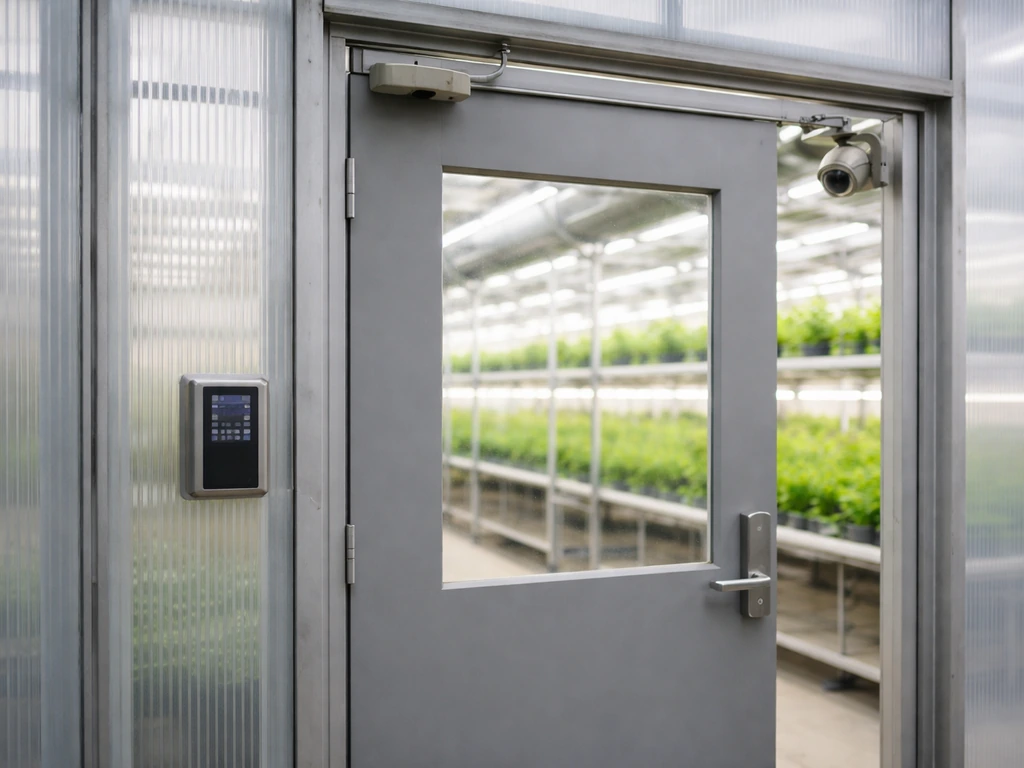
Commercial cultivation requires a state-issued license and a much higher compliance burden. In Illinois, for example, licensed cultivation centers must enroll in Metrc, the state's seed-to-sale tracking system, and use it to monitor cannabis from cultivation through retail sale. The application process runs through the state's online portal. In Oregon, licensed facilities must meet specific camera coverage, resolution, and video retention requirements. These aren't optional extras: they're conditions of your license.
License pathways and compliance steps to grow legally
The path to legal cultivation depends on which category you're pursuing. Here's how to approach each one.
If you want to grow hemp
- Check whether your state has an approved USDA hemp production plan or whether you need to apply directly through USDA's federal program.
- Register or apply for a hemp producer license through your state's agricultural department or USDA. In California, this means registering with your county agricultural commissioner before cultivation begins. Growing without valid registration violates state law.
- Secure approved seeds or clones, and document everything: acquisition records, plant counts, and lot identification are required under 7 CFR § 990.32.
- Schedule pre-harvest THC testing with a USDA-approved or state-approved laboratory. Testing must happen within the timeframe specified in your plan (typically within 30 days of anticipated harvest).
- If your lot tests above the acceptable hemp THC level, it must be remediated or destroyed. Exceeding the threshold is an explicit regulatory violation under 7 CFR § 990.6.
- Report any changes to your production location or key participants by filing a license modification.
If you want to grow marijuana commercially
- Confirm your state has a commercial cultivation license category and review the application requirements on your state cannabis regulator's website.
- Apply for the appropriate cultivation license (e.g., cultivation center, micro-license, or tier-based license depending on canopy size).
- Enroll in your state's seed-to-sale tracking system. In Illinois, this means obtaining Metrc access and completing Metrc training before operations begin.
- Meet facility security requirements: camera systems, access controls, and alarm systems are standard conditions.
- Ensure all cannabis is tested by an accredited, state-licensed laboratory before it leaves your facility. In Oregon, for example, all marijuana items must be sampled and tested by an OHA-accredited lab.
- Maintain all required records and prepare for compliance inspections.
If you want to home grow marijuana
- Confirm your state allows home cultivation and look up the exact plant limit (mature vs. immature counts).
- Check your local municipality's rules, as cities can impose stricter limits or bans on top of state law.
- Meet any security requirements (locked spaces, out of sight, inaccessible to minors).
- If you're in a medical state only, verify you have the required medical authorization or patient registration before starting.
Practical framework: what to figure out before you start
Before spending money on equipment, seeds, or space, work through this checklist. The decisions cascade: your state's rules set your options, your intended use determines your license path, and your space and budget determine feasibility.
- State legality: Is marijuana or hemp cultivation allowed in your state? Which types and under what conditions?
- Jurisdiction check: Does your city or county have additional restrictions on cultivation location, plant counts, or zoning?
- Crop type decision: Are you growing hemp (THC ≤ 0.3%) or marijuana (THC > 0.3%)? This determines your entire regulatory pathway.
- Scale decision: Are you home growing (typically no retail sales) or building a commercial operation (requiring a license, tracking, testing, and security infrastructure)?
- Space and zoning: Does your grow location meet zoning requirements? Agricultural, residential, or industrial zoning each carry different rules for what's allowed.
- Plant count compliance: Know your state's exact plant limits before you germinate a single seed. For home growers, exceeding plant counts is the most common compliance failure.
- Security: Do you have a lockable, secure space that prevents access by minors and is not visible from public areas?
- Testing budget: If growing hemp commercially, budget for mandatory pre-harvest lab testing. If growing marijuana commercially, budget for ongoing product testing throughout the supply chain.
Common pitfalls that lead to enforcement problems
Most compliance failures aren't about people deliberately breaking the law. They come from misunderstanding the rules or skipping a step that seemed minor. Here are the ones that cause real problems.
Misreading the hemp THC threshold
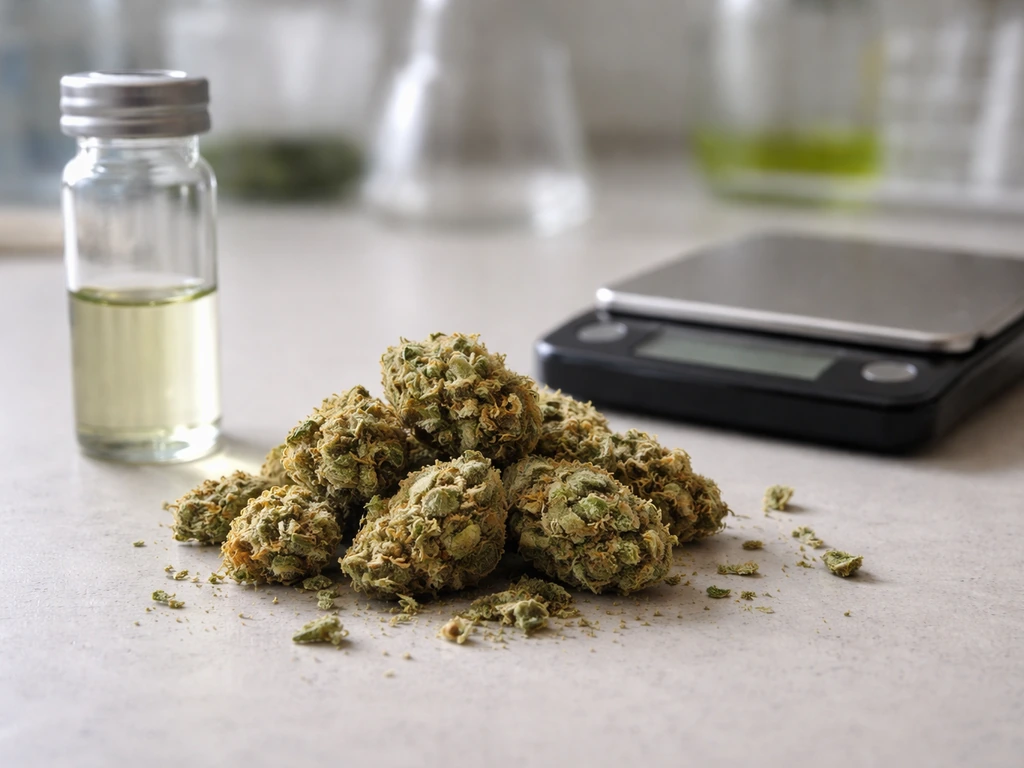
The federal hemp threshold is 0.3% total THC (including THCA, not just delta-9 THC), measured on a dry weight basis. Many growers who operated under older delta-9-only guidance have been surprised to find their crop fails the total THC test. High-THCA strains marketed as "hemp" can easily tip over the 0.3% total THC threshold when THCA is factored in. If you're buying seeds or clones for hemp production, get COAs (certificates of analysis) that show total THC, not just delta-9, and choose genetics with documented compliance history.
Exceeding plant limits
Plant counts sound simple until you're actually growing. Counting mature vs. immature plants differently (as New York does), or forgetting that local rules cap limits further than state law (as Colorado's Denver example shows), can put you out of compliance without realizing it. Know exactly how your state defines "mature" and "immature" plants, and count accordingly.
Skipping registration or licensing before you start
In hemp cultivation, growing without completing your state's registration process is a violation of state law, full stop. California is explicit about this: cultivation without valid registration is unlawful regardless of whether your plants would otherwise test compliant. The same principle applies to commercial marijuana cultivation in every licensed state. Get your license or registration in hand before you put anything in the ground.
Failing to document and track
Recordkeeping isn't optional. USDA hemp rules require producers to maintain records of all hemp plants acquired, produced, handled, disposed of, or remediated, sufficient to substantiate required reports. Commercial marijuana cultivators must log all plant activity in their state's seed-to-sale system. Missing or incomplete records are a direct enforcement risk during inspections, and they also leave you without documentation to defend yourself if questions arise about your inventory.
Assuming state legality means federal protection
Even states with robust legal marijuana programs are explicit about this: cannabis that exceeds 0.3% total THC remains a Schedule I controlled substance under federal law. Washington's DOH states this plainly on its medical cannabis pages. This matters particularly for banking, interstate transport, and federal property. Keep your grow within state-authorized limits, know your state's rules thoroughly, and don't cross state lines with cannabis product regardless of the destination state's laws.
Ignoring testing timelines for hemp
THC concentration in hemp rises as plants mature and approach harvest. USDA sampling rules account for this by requiring testing within a specific window before harvest. If you miss the testing window, you can't legally harvest your crop. If you harvest early to stay under the threshold without testing, you're still out of compliance. Plan your grow timeline backward from your anticipated harvest date so testing is built into the schedule, not an afterthought.
If you're exploring the equipment side of your setup, questions around grow pots, grow tents, and facility infrastructure are all worth researching separately as part of your planning process, since the compliance requirements around your physical grow space connect directly to your licensing obligations. If you're trying to avoid common enforcement triggers like how grow houses get busted, make sure your physical setup and compliance planning match the same licensing rules discussed here. For more on whether you can sell grow tents that are used for Schedule 1 cannabis, review the relevant product and licensing rules before listing anything for sale can i sell grow tents schedule 1. If you are wondering where to buy grow pots on Schedule 1, focus on reputable local suppliers and confirm their products support the growing category you plan to stay within where to buy grow pots schedule 1.
FAQ
If I choose a specific “low-THC” strain, does that make it legal under Schedule I rules?
There is no federal “Schedule I” strain list that changes what you can legally grow. What matters is the legal category you fall into (hemp versus marijuana) and the measured total THC result (including THCA) against the federal 0.3% dry-weight threshold, plus your state’s authorization rules.
What tests should I look for to confirm hemp compliance, total THC or delta-9 THC?
Don’t rely on marketing labels or delta-9 THC numbers alone. For hemp compliance, you need documentation that shows total THC (delta-9 plus THCA converted to delta-9) as tested by an approved lab, and you should confirm it matches the timing and method used for harvest sampling in your program.
Can my crop turn from “hemp” to “marijuana” close to harvest?
Yes, your crop can fail even if you started with “hemp” genetics, because THCA can rise as plants ripen and THC concentration can vary by grow conditions. Plan sampling in the required pre-harvest window and build your timeline around compliance testing, not around when you feel the plants look ready.
If my state allows home growing, is it safe to grow outside the rules as long as I don’t ship anything?
Possibly, but only if you’re following your state’s hemp or marijuana home-grow rules and keeping your plants within the state’s defined limits. Generally, federal Schedule I status still applies nationwide for above-threshold cannabis, so any crossing of federal lines (including by exceeding 0.3% total THC) is where risk ramps up.
If my plants would test under 0.3% total THC, can I start growing before I’m registered?
Usually no. Many states require a specific registration or license before cultivation, and some laws treat planting without authorization as unlawful even if the plants would test compliant. Check whether your jurisdiction requires registration before seeds/clones go into the ground.
How do I avoid making mistakes when counting mature versus immature plants for legal compliance?
Not automatically. Several states cap plant counts and may distinguish mature versus immature plants, and local governments can add additional limits. You should confirm the exact plant-count definitions your state uses, then check for any city or county overlays that change the cap.
Can I take my legally grown product to another state where marijuana is legal?
Not if the THC is over the threshold. Even if a destination state has legal cannabis, transporting or possessing above-threshold cannabis can still implicate federal law and can violate your home state’s rules. When in doubt, treat state legality as local only and avoid interstate moves.
What happens if I miss the required testing window for hemp?
If you miss the state or USDA testing window, you may be unable to legally harvest and you could be required to destroy or remediate the crop. Build a “testing-first” schedule so harvest dates, sampling windows, and lab turnaround times are accounted for before you start flowering.
What records do I need to keep for hemp or marijuana, and how detailed do they need to be?
Recordkeeping can be required even when you think enforcement risk is low. USDA hemp programs typically require documentation for plants acquired, produced, handled, disposed of, and remediated, and licensed marijuana programs often require entries through a state tracking system. Keep your records synchronized with actual plant counts and lab results.
What security and odor-control mistakes most commonly put home growers out of compliance?
Yes. Some states require extra security features like secure storage, access controls, and placement rules, and they may also address odor mitigation differently. Make sure your physical setup matches your category and your local enforcement expectations before you start.
If I use the right grow tent or equipment, does that guarantee I am compliant with Schedule I related rules?
You generally shouldn’t assume that using “approved” equipment or standard grow tents automatically makes a grow compliant. Compliance hinges on licensing, plant limits, security, tracking and records (if applicable), and THC threshold testing, not just the hardware.
What is a good first-run approach if I’m unsure my genetics will stay under 0.3% total THC?
An important practical strategy is to verify your genetics with lab-backed documentation and then run a compliance-focused plan, including sampling timing and buffer for environmental variables that can push THC upward. If you need a higher-confidence approach, consider starting smaller so you can learn from your first run while staying within your allowed category and plant limits.
Next Article
How to Report a Grow Op in BC: Step-by-Step Guide
Step-by-step guide to report a suspected BC grow op, what to capture, urgent safety options, and what to expect after.