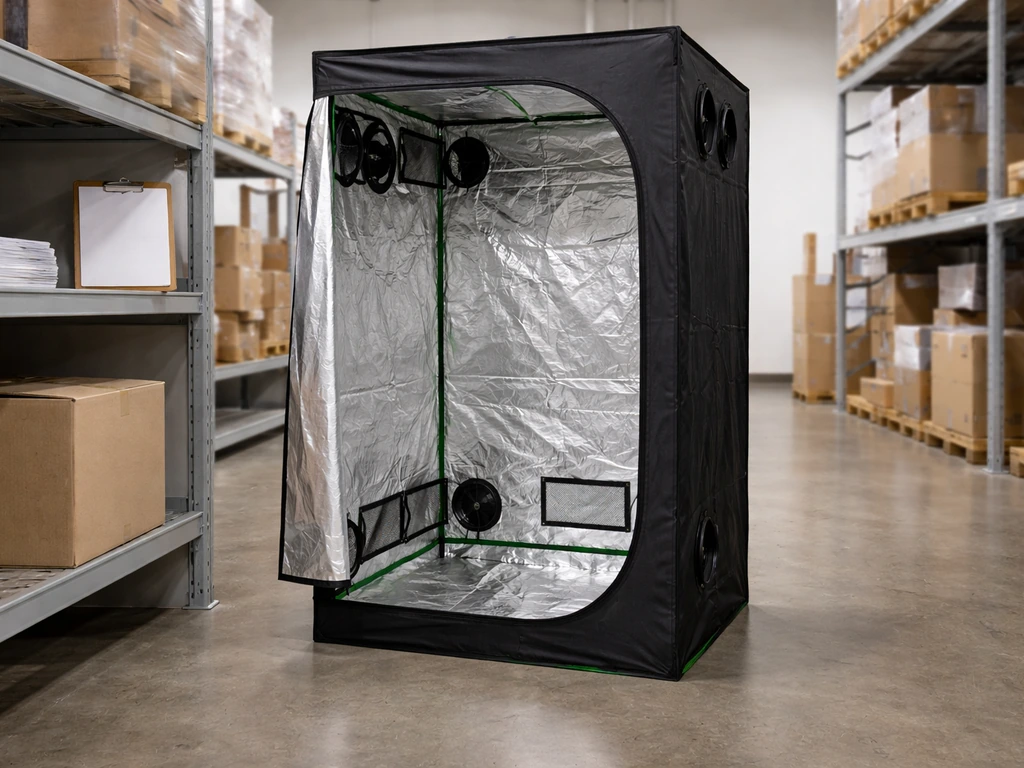
Most cannabis grow houses get busted through a handful of very predictable pathways: neighbor complaints about smell, utility companies flagging abnormal electricity use, visible equipment or evidence, and anonymous tips that kick off surveillance. The good news is that every single one of those pathways is avoidable if you're growing legally, within your state's plant limits, and following basic compliance rules. This guide breaks down how grows get discovered, what puts you on a radar, and the concrete steps you can take right now to stay legal and stay out of trouble.
How Grow Houses Get Busted: Compliance and Prevention Guide

Marcus Whitley
2 May 2026
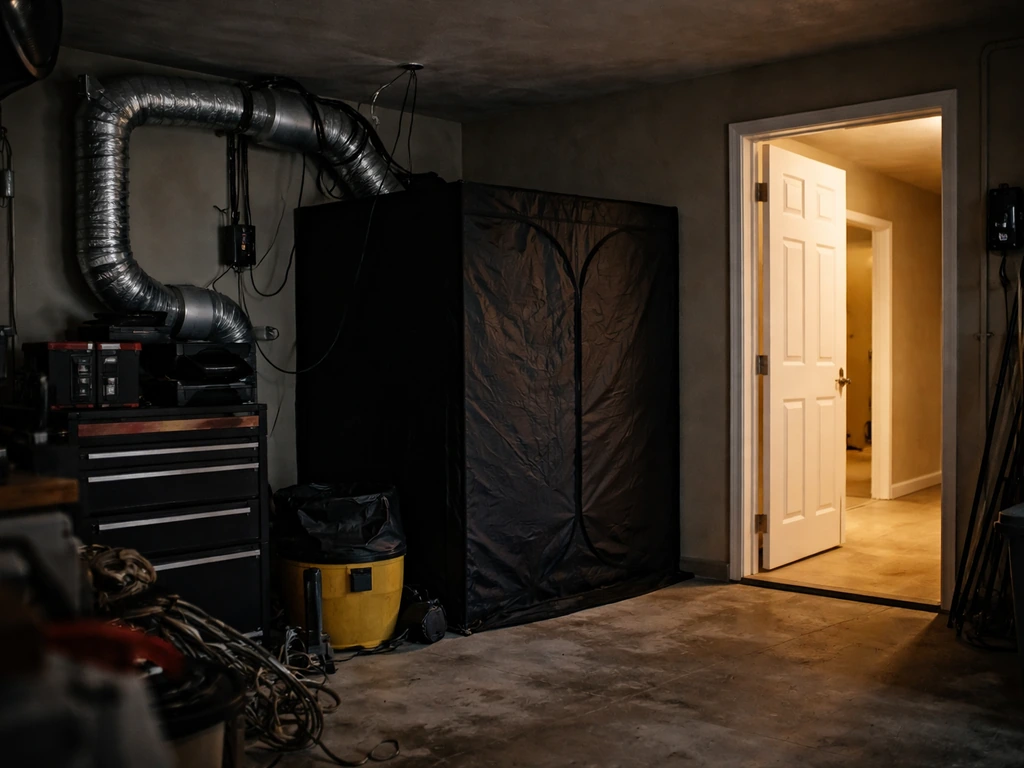
How cannabis grows actually get discovered
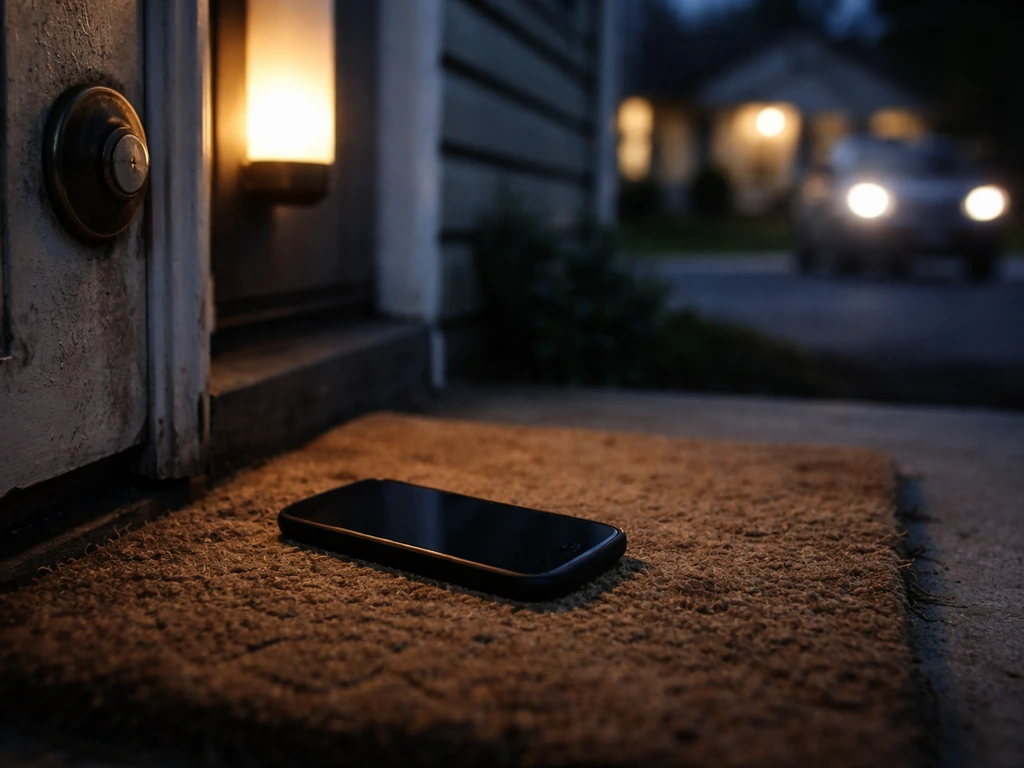
Law enforcement doesn't usually stumble onto grows by accident. There's almost always a trigger, and understanding those triggers is the first step to avoiding them.
Anonymous tips and neighbor complaints
This is the most common starting point. A 2016 Ohio case (State v. Navarro) is a textbook example: police received an anonymous tip that a residence was being used to grow marijuana, then conducted surveillance and collected additional complaints before moving further. Tips are free, easy to make, and nearly impossible to predict. A neighbor who smells something, sees suspicious deliveries, or just doesn't like you can set the whole process in motion without ever identifying themselves.
Power usage anomalies
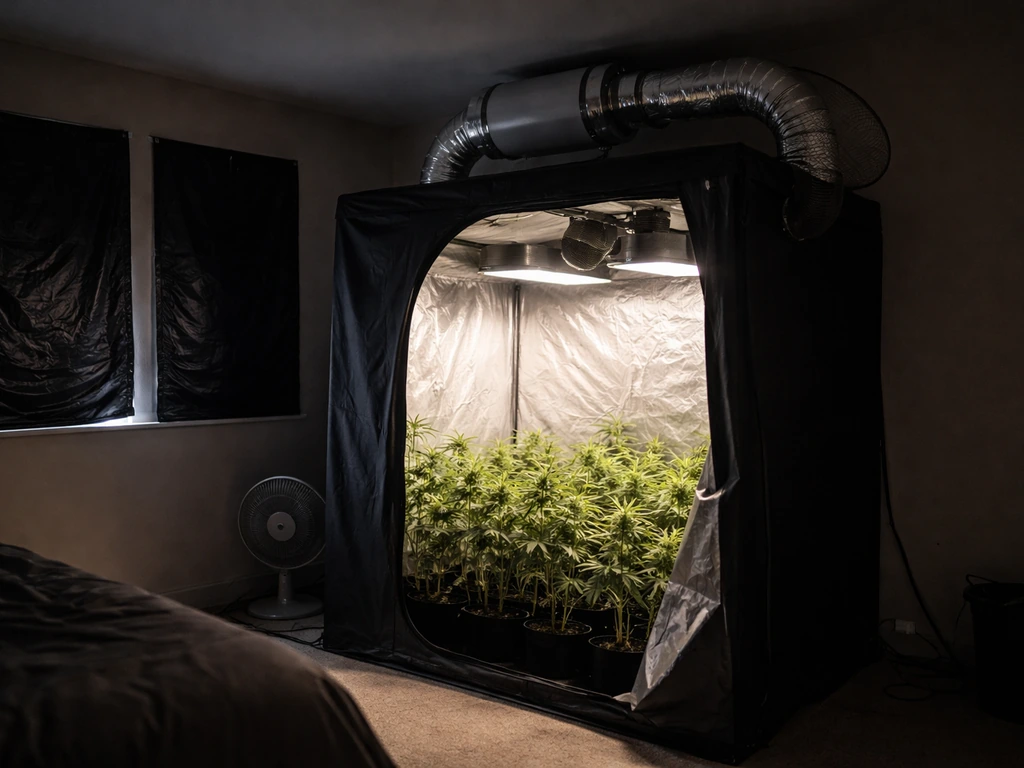
Utility companies have gotten very good at spotting unusual electricity consumption. Sacramento's municipal utility SMUD became a well-known case after reports surfaced that it was analyzing smart-meter interval data to flag accounts with consumption patterns consistent with indoor cannabis farming, then sharing that information with police. Grow lights, climate control, and ventilation systems running 12 to 18 hours a day will spike your usage in a way that's statistically visible. If your power bill suddenly doubles or triples, that's a flag not just for you, but potentially for your utility.
Smell, visibility, and physical evidence
Cannabis has a distinct odor that travels far, especially during flowering. Covered or blacked-out windows are another classic giveaway. Fire Engineering has noted that first responders specifically look for blackened or boarded windows and concealed odors when sizing up a suspected grow house, and those same signs attract attention from anyone passing by. Delivery patterns (frequent shipments of grow equipment, soil, or nutrients) and plants or trimmings left in visible areas like trash cans or yards also draw scrutiny.
Environmental enforcement and aerial surveillance
For outdoor and large-scale grows, California's Department of Fish and Wildlife runs active inter-agency enforcement programs that use aerial surveillance, watershed monitoring, and cross-agency data sharing to identify illegal cultivation on both public and private land. This isn't just a California phenomenon, but California has made it a formal program. If you're growing outdoors in a state with active environmental enforcement, scale and location matter enormously.
Legal compliance basics that prevent busts
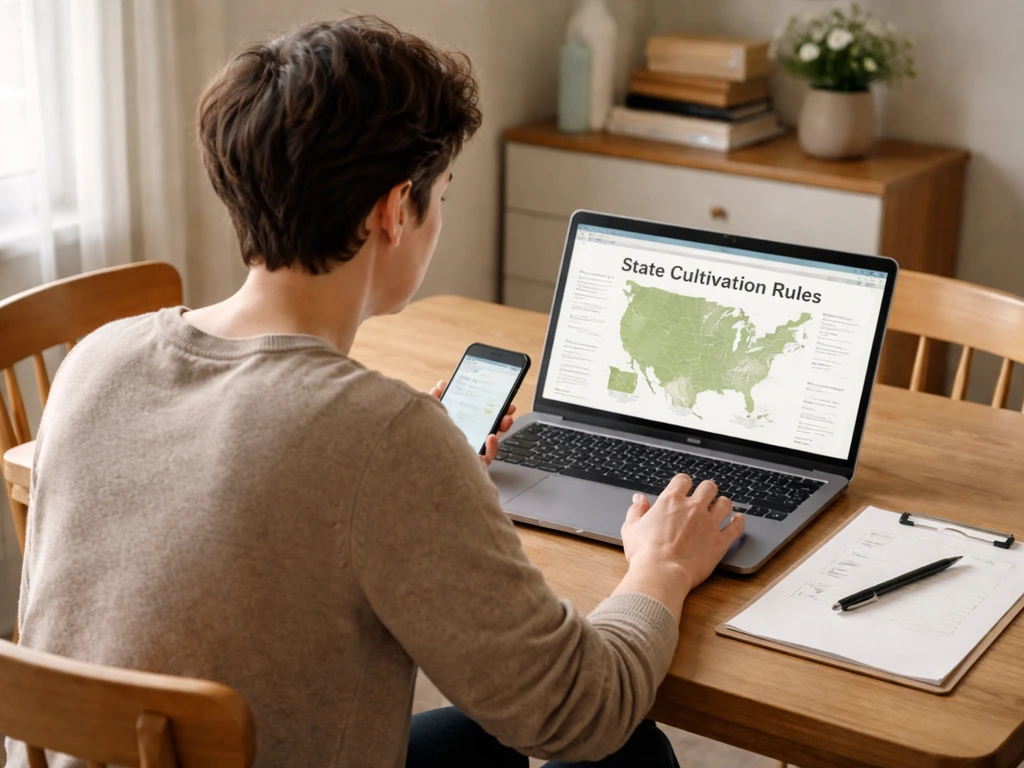
The single most effective thing you can do to avoid enforcement action is to grow legally. That sounds obvious, but the specifics matter a lot.
Confirm home cultivation is legal in your state
Not every state that has legalized adult-use cannabis allows home cultivation. And in states that do allow it, the rules are specific. New York, for example, allows adults 21 and older to grow up to six plants at home (3 mature, 3 immature per person), with a household maximum of 12 plants (6 mature, 6 immature). Those limits are hard caps, not suggestions. Growing more than your state allows, even by a few plants, puts you in violation territory. Check your state's specific statute or licensing office before you start.
Understand your license type (if one is required)
Some states only require you to be of legal age and within plant limits for home cultivation, with no formal license needed. Others require a license even for small personal grows, and commercial cultivation always requires a separate license category with its own application, fees, zoning, and inspection requirements. Using a home-grower exemption to run a commercial-scale operation is one of the fastest ways to trigger enforcement. If you're growing more than your household limit or producing for sale, you need a commercial license, full stop.
Zoning, residency, and structural rules
Many home cultivation rules require that the plants be grown at your primary residence, not at a secondary property. Zoning restrictions can also apply: some municipalities restrict where commercial grows can be located relative to schools, parks, or residential zones. New York's regulations, for instance, specify that municipalities can enact their own local regulations around home cultivation as long as they don't outright ban it. Always check both state and local rules, because your city or county may have stricter limits than the state baseline.
No selling, no gifting for value
Home cultivation licenses are for personal use only in virtually every state. New York's regulations under 9 NYCRR 115.3 are explicit: you cannot sell cannabis produced by personal home cultivation. Some states allow limited transfers without compensation to other adults, but the moment money or equivalent value changes hands, you're operating as an unlicensed retailer. That's a serious charge, separate from any cultivation violation.
Operational red flags that put you on the radar
Even growers who are technically legal can draw unwanted attention through careless operations. These are the specific things that make neighbors call and inspectors show up.
- Odor escaping the grow space: Cannabis smell during flowering is intense. Without a quality carbon filter and proper negative-pressure ventilation, it will reach neighboring units or yards. New York's regulations explicitly require growers to take reasonable steps to mitigate odor.
- Plants or equipment visible from public areas: New York's rules require cultivation in an enclosed area not plainly visible from public view. Anything visible from a sidewalk, street, or shared space is a compliance failure and a complaint magnet.
- Blacked-out or covered windows: This is a classic signal. If you need light control, use blackout curtains that don't look like boards from outside.
- Power draws that spike your bill: Running multiple high-wattage grow lights will show up in your utility data. Stay within your plant limits and use energy-efficient lighting where possible.
- Unsecured grow space accessible to minors: New York explicitly requires plants to be stored in a secure location not readily accessible to anyone under 21. Unsecured plants in common areas or unlocked rooms are a compliance violation, not just a risk.
- Leaving trimmings or plant material in visible trash: This is one of the easiest ways to confirm to a curious neighbor or officer what you're doing inside.
- Frequent deliveries of grow supplies: Multiple large deliveries of soil, nutrients, or equipment can attract attention, especially in apartment buildings or dense neighborhoods.
- Advertising or discussing your grow publicly: Social media posts, casual conversations, or visible plants in photos are all ways grows get reported.
Electrical and fire safety: the compliance issue people skip
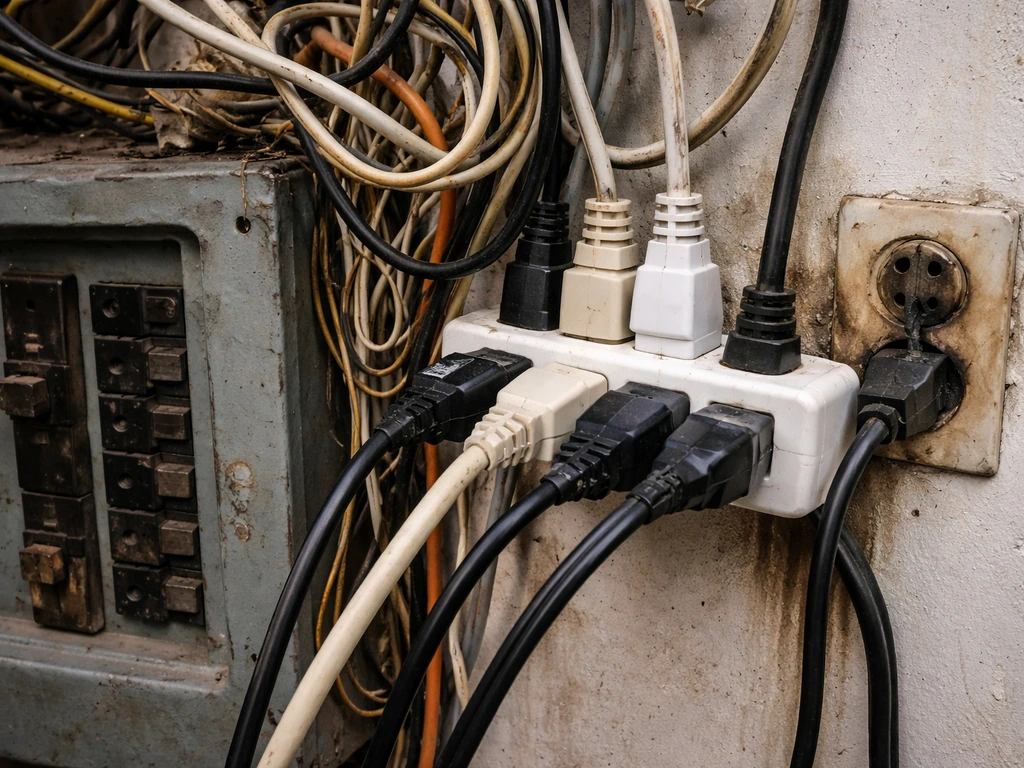
This section matters beyond just avoiding a bust. Electrical fires in grow houses are a real hazard, and they're also how grows get discovered in the worst possible way. Michigan's Cannabis Regulatory Agency specifically warns that grow lights and ventilation systems can overload household circuits, creating fire risks. UL Solutions also maintains code and inspection resources for cannabis extraction equipment, including references to UL certification and related standards for plant-oil extraction equipment UL certification and standards for plant-oil extraction equipment. Massachusetts goes further, requiring that electrical appliances used in home grows be certified by an accredited testing lab (like UL) and that any extraction involving flammable materials require a permit.
Overloaded circuits don't just start fires, they also trip breakers, cause visible electrical problems, and can require an electrician visit that raises questions. If your grow requires a significant electrical upgrade, get the work permitted and done by a licensed electrician. Unpermitted electrical work is both a safety risk and an additional violation if inspectors ever arrive.
How regulators, landlords, and HOAs can trigger inspections (without police)
Not every inspection involves a warrant or a patrol car. There are several non-police pathways that can result in your grow being discovered and shut down.
Landlord inspections and lease violations
If you rent, your landlord may have the right to conduct routine inspections with proper notice. Many leases prohibit alterations to the property (including electrical modifications or drilling for exhaust fans), and some explicitly prohibit cannabis cultivation even in states where it's legal for tenants. New York's Office of Cannabis Management notes that while municipalities can't completely ban home cultivation, landlords do have rights around what happens to their property. Getting evicted and having your grow exposed during a move-out inspection is a real scenario.
HOA enforcement
Homeowners associations can enforce their own rules around odor, property modifications, and use of common areas. An HOA complaint can trigger an inspection, a fine, or legal action that draws more attention to your situation. Even in states where home cultivation is legal, your HOA agreement may have its own restrictions.
Odor complaint processes
Boulder, Colorado has a formal marijuana odor complaint process that handles anonymous complaints and may dispatch inspectors to investigate. Even if prosecution doesn't result when inspectors can't find adequate evidence, the inspection itself creates a record and puts you on a watch list. Similar processes exist in other municipalities. You don't need to be raided to have a compliance problem.
Fire and building code inspections
If a fire, electrical issue, or building code complaint occurs at your property, inspectors will enter the premises. At that point, anything they observe in plain view can be reported or acted on. This is another reason electrical and fire safety compliance isn't optional.
What to do if you think you might be investigated
If you have reason to think you're on someone's radar, the best move is to get into compliance as fast as possible, and to document that you've done so. Here's a practical sequence:
- Count your plants and compare them to your state's legal limit immediately. If you're over, you need to address that now, not later.
- Check whether your state requires any registration or license for home cultivation. Contact your state's cannabis regulatory agency directly. Most have public-facing licensing offices with staff who can confirm requirements.
- Secure your grow space. Lock it. Make sure it's inaccessible to anyone under 21. This alone brings you into compliance with multiple states' core requirements.
- Address odor control. Verify your carbon filter is sized correctly for your grow space and that your exhaust system maintains negative pressure.
- Eliminate any visible evidence from public view. Check sight lines from the street, sidewalk, and any shared spaces.
- Review your electrical setup. If you have concerns about overloaded circuits, call a licensed electrician. Get any work permitted.
- Pull together any documentation you have of your compliance efforts: plant counts, purchase receipts for safety equipment, lease agreements, state registration confirmations. If you're ever questioned, documented good-faith compliance efforts matter.
- Do not discuss the situation on social media or with neighbors. If you're contacted by law enforcement, you have the right to ask to speak with an attorney before answering questions. This article isn't legal advice, but knowing your rights is always appropriate.
If you're a renter, review your lease carefully and consider whether your landlord has consented to or would be aware of your grow. In some states, you may want to proactively communicate with your landlord before they discover the grow on their own terms.
Recordkeeping and safety compliance checklist
Good recordkeeping won't prevent a complaint, but it can make a significant difference in how enforcement interactions play out. Keep the following on file and updated:
- Copy of your state's current home cultivation statute or regulation with the plant limit highlighted
- Any state registration or license documentation (and renewal dates)
- Written record of current plant count (mature vs. immature, per person and per household)
- Receipts for grow equipment, especially safety equipment like carbon filters, UL-listed grow lights, and surge protectors
- Documentation of any electrical work done, including permits and contractor information
- Photos or documentation showing your grow space is enclosed and not visible from public areas
- Documentation that your grow space is locked and not accessible to minors
- Lease or property ownership documentation showing you're growing at your primary residence
- Any correspondence with your state cannabis regulatory agency
- Local municipal regulations, particularly if your city or county has additional rules beyond the state baseline
Enforcement varies a lot by state: what you actually need to check
There's no single national standard for how aggressively home cultivation violations are pursued. Enforcement approaches, plant limits, and even whether home cultivation is legal at all vary dramatically by state. Here's a snapshot of how that variability plays out:
| State | Home Cultivation Legal? | Plant Limit (Adult Use) | Key Compliance Notes |
|---|---|---|---|
| New York | Yes | 6 per person / 12 per household | Must be enclosed, not visible from public, odor mitigated, secured from minors; local municipalities can add rules |
| California | Yes | 6 plants per person | Active inter-agency environmental enforcement for outdoor grows; local jurisdictions can ban home cultivation |
| Michigan | Yes | 12 plants per household | Electrical safety guidance issued by Cannabis Regulatory Agency; overloading circuits is a documented hazard |
| Massachusetts | Yes | 6 plants per person / 12 per household | Fire safety and electrical certification requirements; extraction permits required |
| Colorado | Yes | 6 plants per person / 12 per household | Municipal odor complaint processes exist (e.g., Boulder); local rules apply |
| Ohio | Yes (as of 2024) | 6 plants per person / 12 per household | Relatively new legalization; enforcement patterns still developing |
| Texas | No | Not permitted | No adult-use program; cultivation carries criminal penalties |
| Idaho | No | Not permitted | No medical or adult-use program; strict enforcement |
This table is a starting point, not a legal reference. State laws change, local rules vary, and enforcement priorities shift. Always verify current rules directly with your state's cannabis licensing agency before making any decisions.
If you're trying to understand what license type applies to you, whether you're operating in a state that allows commercial grows at the home-cultivation scale, or what reporting requirements apply when something goes wrong (like a complaint from a neighbor), your state regulatory agency is the right first call. In states like New York, the Office of Cannabis Management maintains public guidance specifically for home cultivators. In California, the Department of Cannabis Control handles licensing. Most states now have publicly accessible licensing portals and contact lines for exactly these questions.
It's also worth knowing that if you're navigating questions about what to grow, where to source equipment legally, or how to handle a complaint from a neighbor (including in jurisdictions like British Columbia where the reporting process works differently), the rules and processes are state- and province-specific. To figure out which weed to grow, start by checking your local climate and the strains that are realistic for your setup and allowed plant limits what to grow.
A compliance approach that works in Colorado may be completely inapplicable in a state that hasn't legalized cultivation at all. Always start with your jurisdiction. If you specifically need guidance for British Columbia, see how to report a grow op in bc as a related next step.
FAQ
How do I tell the difference between a legal personal grow and an illegal one if my operation is small?
Start with your state’s current home-cultivation limits (age, number of plants, and any mature versus immature distinctions), then confirm where plants may be located (primary residence only, and whether any secondary property is allowed). Also check whether your state distinguishes “personal use” from “sale, barter, or compensation,” because even small amounts exchanged can move you into retail or unlicensed distribution exposure.
If I never sell, can I still get in trouble for sharing cannabis with friends or family?
Yes. Some rules apply even when you do not sell, for example limits on processing, transfers to other adults, or gifts that involve anything of value. A practical test is to review whether your state permits any form of transfer, and if so, whether it must be non-compensated and documented. If you are unsure, assume any paid exchange equals commercial activity.
What electrical or ventilation mistakes most commonly lead to inspections or shutdowns?
Careless electricity and ventilation can create both safety hazards and discoverability. If you suspect your setup might exceed typical household capacity, have an electrician evaluate your circuit load and ensure any new breakers, wiring, or exhaust components are permitted and installed to code. Document the work order and permits, because that paper trail helps show you corrected a compliance or safety risk quickly.
Are there any “visual hiding” tactics that actually prevent a grow from being discovered?
Do not rely on “covert” aesthetics. Covering windows may reduce visible evidence, but odor control and equipment footprint still matter, especially during flowering and when airflow is forced. Use only approaches that fully control odor and prevent discharge into the open air in a way that draws attention, and keep trash handling sealed and away from public view.
If I get a neighbor complaint, what should I do in the first week to reduce the risk of escalation?
If a neighbor complains, what matters most is whether you can show you addressed the underlying trigger (odor, equipment issues, visible evidence) and whether the complaint has a factual basis. Build a simple timeline of changes you made after the complaint, keep receipts for any odor-mitigation or electrical fixes, and ensure everything is operating safely and within any applicable household limits.
How does renting change the risk compared to owning my house?
Yes, renters face additional risk because landlords and property managers may document lease violations during inspections or after maintenance requests. Before making any changes like drilling exhaust ports or altering electrical capacity, check whether your lease prohibits it and whether you need landlord consent. If you suspect the landlord already knows, prioritize compliant remediation over “quieting” the setup.
If my state allows home cultivation, can my city or county still stop me?
Even if home cultivation is legal, your municipality can impose local limits or rules about nuisance and zoning. Examples include restrictions tied to proximity to residential areas, schools, or property improvements, plus separate nuisance enforcement like odor ordinances. Verify both state and city or county requirements, not just the state’s headline allowance.
Do I need to worry about enforcement even if there’s no police involvement?
Non-police enforcement can still result in access to your property, especially through building, fire, or code complaints. If there is an electrical or fire incident at your residence, inspectors may come to assess conditions and report what they observe. That means basic safety compliance is also a practical discoverability prevention step.
What documentation should I keep to demonstrate good-faith compliance during an inspection?
Recordkeeping helps you show good-faith compliance and correct safety issues, but it does not erase plant-limit or licensing violations. Keep documents that prove lawful eligibility (age, residence), plant-count tracking if your state expects it, and receipts or permit paperwork for any electrical or extraction-related work. If enforcement arrives, having organized records can clarify what is legal and what you already fixed.
When I call my state licensing office, what exact questions should I ask?
Public guidance and licensing portals vary by jurisdiction, but the fastest path is to contact the state cannabis licensing authority and ask three specific questions: your exact plant limits and mature versus immature rules, whether any license is required for personal grows, and whether transfers or any kind of processing for sale are prohibited. Write down the answers and keep the reference details you receive.
Next Article
Can I Sell Grow Tents Schedule 1? Legality Checklist
Checklist for selling grow tents under Schedule 1 rules, including federal meaning, state licensing, and compliance esse