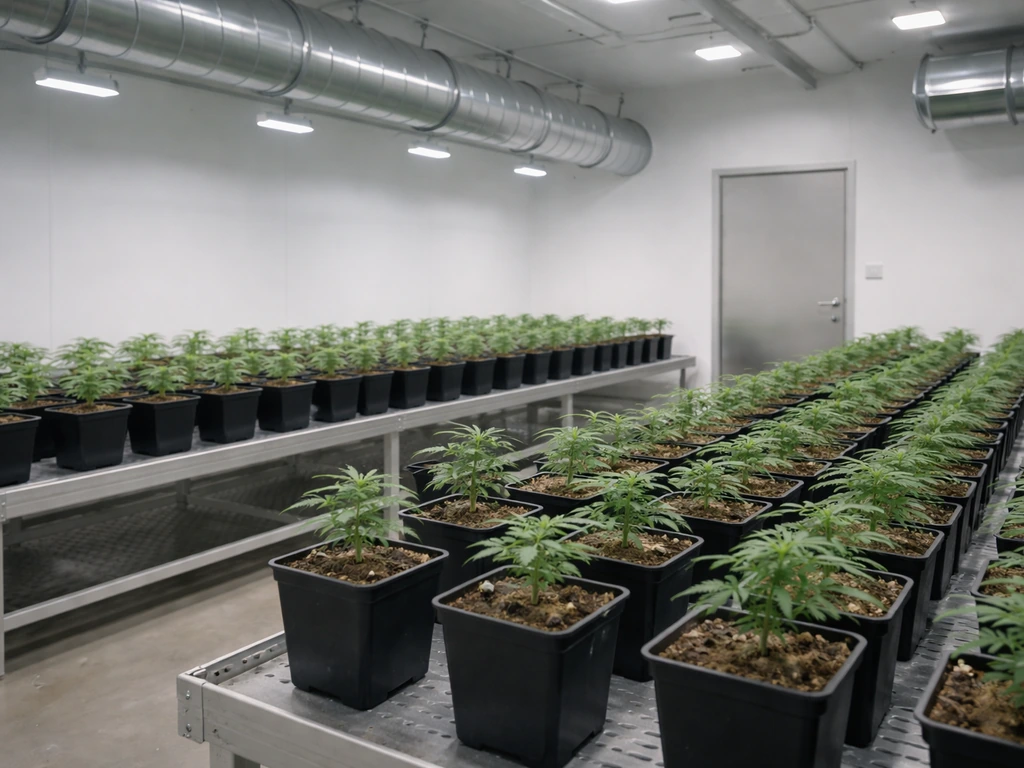
You can buy grow pots and cannabis cultivation equipment from mainstream hydroponics retailers, garden supply stores, and online shops without any special license in most US states. "Schedule 1" is a federal drug classification for cannabis itself, not a purchasing restriction on growing containers. Whether you actually need a license to use that equipment depends entirely on your state's rules around home or commercial cannabis cultivation, and that's the real question worth answering.
Where to Buy Grow Pots Schedule 1: Legal Buy Steps

Marcus Whitley
25 Apr 2026
What "Schedule 1" actually means for cannabis growers
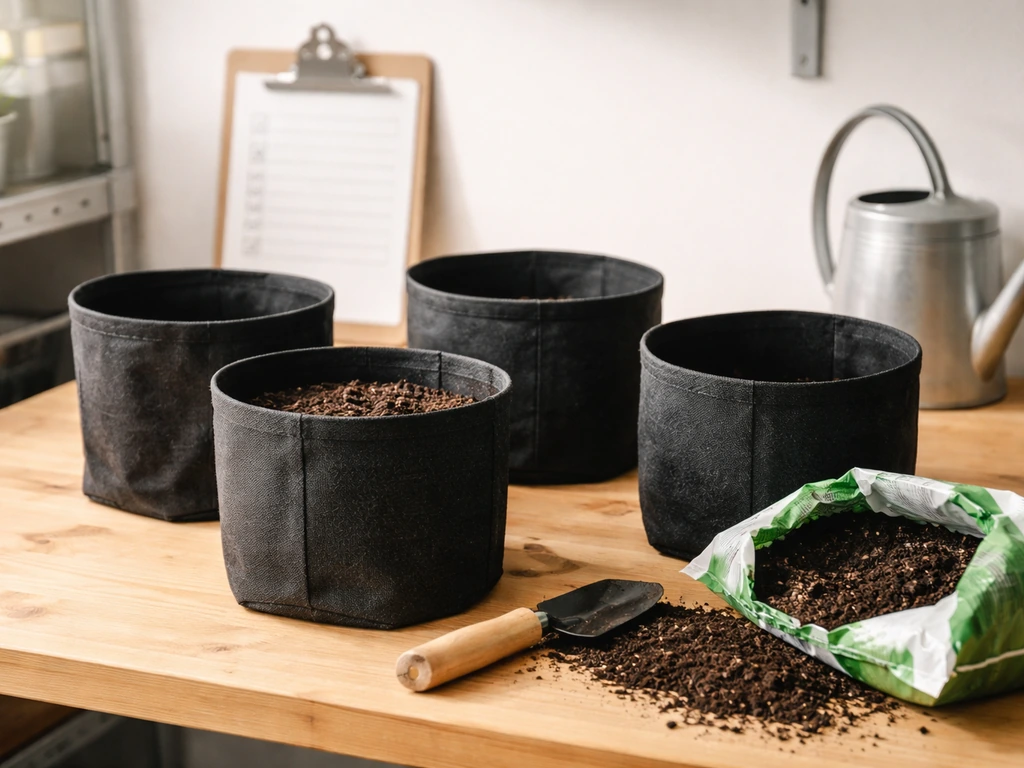
Under the federal Controlled Substances Act (CSA), cannabis (marijuana) is listed as a Schedule I controlled substance. That classification is based on blank" rel="noopener noreferrer">two federal criteria: a determination that the substance has a high potential for abuse and no currently accepted medical use at the federal level. Schedule I status applies to the cannabis plant itself, its seeds, resin, and derivatives. It does not make grow pots, tents, meters, or hydroponics equipment federally controlled items.
The confusion around "Schedule 1" and purchasing usually comes from one of two places. Either someone assumes that because cannabis is federally restricted, everything connected to growing it must require special authorization, or they've heard the term in the context of licensed dispensary or cultivation categories in a specific state. Neither assumption is quite right. Equipment is just equipment. What requires a license is the act of cultivating cannabis in jurisdictions that demand one.
Hemp is a separate category worth flagging early. Under the 2018 Farm Bill, hemp (cannabis with 0.3% THC or less by dry weight) was removed from the Schedule I definition, making it federally legal to grow under a licensed hemp program. If you're growing hemp, your licensing path looks completely different from marijuana cultivation, even though the physical equipment (including grow pots) is identical.
How to find your actual licensing path
Forget the federal scheduling framework when you're trying to figure out whether you need a license. Your real starting point is your state's cannabis regulatory agency and, critically, your local municipality. States have created their own licensing frameworks that operate independently of federal Schedule I status, and those frameworks vary enormously.
The fastest way to get oriented is to look up your state cannabis control board or department of agriculture website directly. You want to confirm three things: whether home cultivation is permitted at all, how many plants you're allowed, and whether any permit or registration is required even for personal home grows. Some states like Colorado and California allow home cultivation with no license but impose strict plant limits (typically 3 to 6 mature plants per person or household). Others, like Idaho and Kansas, have no legal cultivation pathway at all.
If you're pursuing a commercial cultivation license, the process involves a formal application, background checks, facility requirements, and often substantial fees that vary by state and license tier. Medical cultivation licenses (for patients growing their own medicine in medical-only states) are usually a separate, simpler process. Knowing which category applies to you determines not just what license you need but what equipment standards you'll be held to.
- Search "[your state] cannabis cultivation license" or "[your state] home grow rules" to find the relevant regulatory agency
- Check whether your city or county has added restrictions on top of state rules (many do)
- Confirm whether you fall under the medical, adult-use, or hemp program in your state
- Note the plant count limit and any container/space restrictions in the regulations text
Where to actually buy grow pots legally
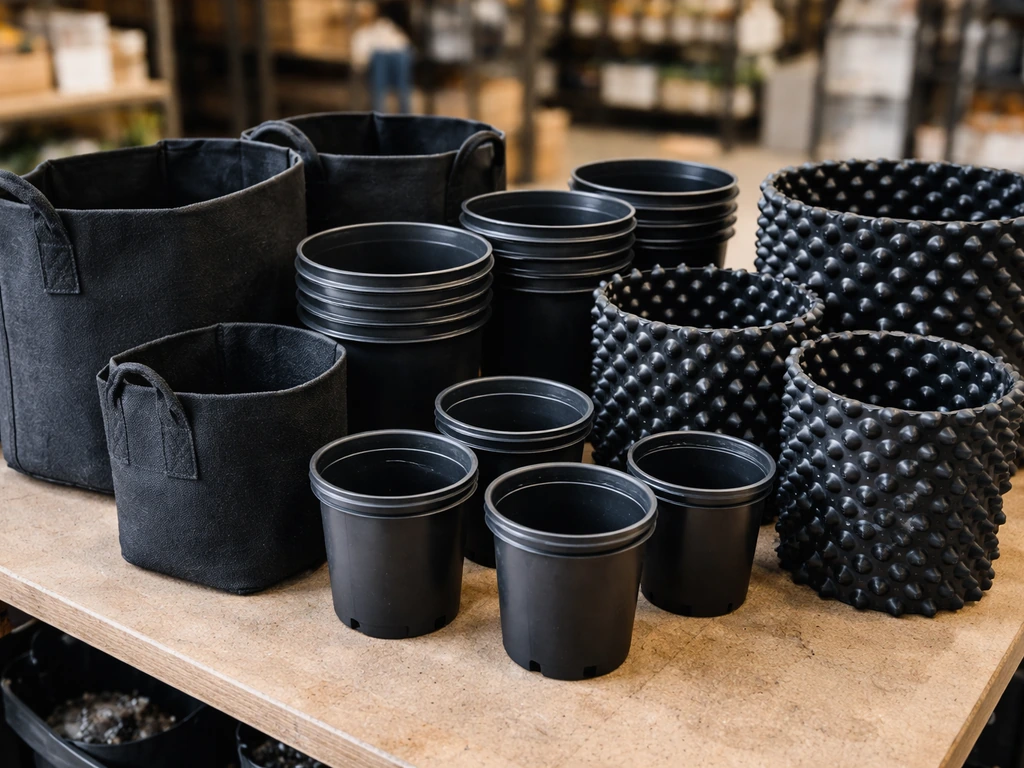
Grow pots are not controlled items. You can walk into a garden center, hydroponics shop, or order online today with no license, no background check, and no special documentation. The market for these products is wide open and well-supplied.
Physical stores
- Hydroponics retailers: stores like Hydroponics Depot, local grow shops, or regional hydroponics chains carry a full range of fabric pots, plastic containers, air pots, and smart pots specifically sized for cannabis
- Garden centers and nurseries: standard plastic nursery pots, fabric bags, and raised bed containers work perfectly and are widely available
- Big-box hardware and home improvement stores: Home Depot and Lowe's carry planters, fabric bags, and growing containers in multiple sizes, often cheaper than specialty shops
- Grow supply sections in some licensed cannabis dispensaries: in states with mature adult-use markets, some dispensaries or affiliated retailers stock cultivation equipment
Online retailers
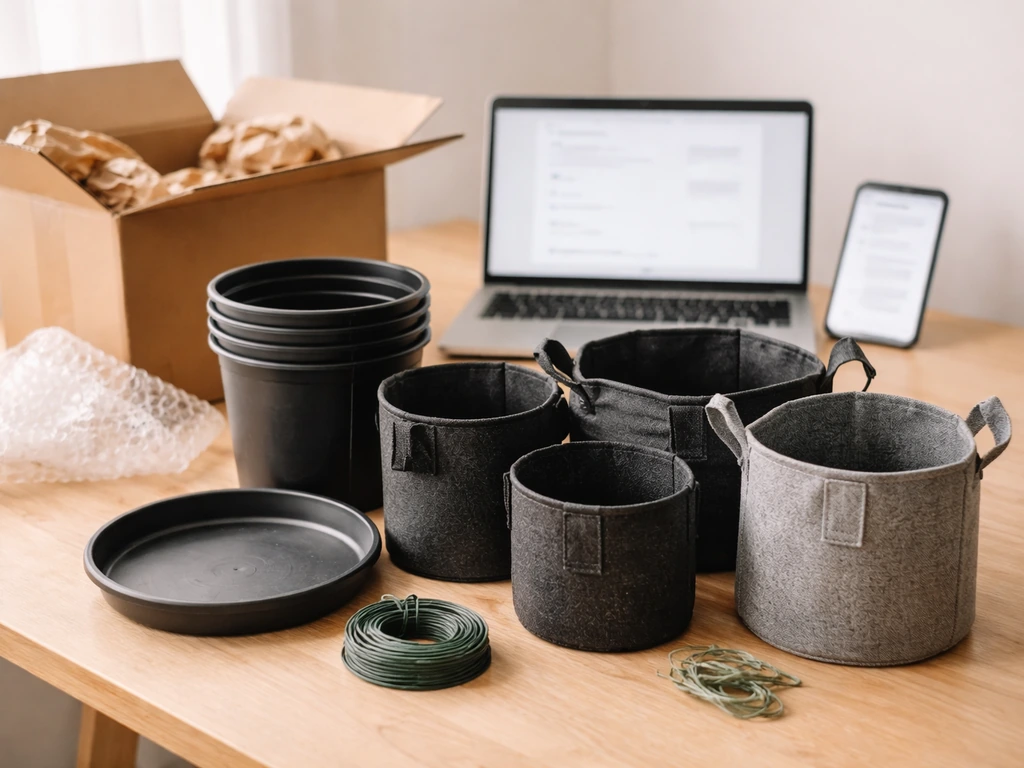
- Amazon carries fabric grow bags, plastic pots, and air pots from brands like AC Infinity, Vivosun, and iPower in sizes from 1 to 100+ gallons
- Specialty sites like Bootstrap Farmer, Growers House, and HTG Supply ship cultivation equipment to all 50 states with no restrictions
- Mars Hydro, Spider Farmer, and similar grow equipment companies sell grow kits that include pots, trays, and tents together
- eBay and similar marketplaces are fine for basic containers but verify seller reviews for quality
When buying, pay attention to pot size relative to plant count and available space. A standard cannabis plant in a 3-gallon pot can reach 1 to 2 feet. In a 5-gallon pot, expect 2 to 4 feet. In a 7 to 10-gallon pot, plants can exceed 5 feet depending on strain and veg time. If your state limits you to a specific number of plants, make sure your container count doesn't inadvertently suggest you're over the plant limit (regulators count plants, not pots, but keeping containers equal to your allowed plant count keeps things clean).
Compliance items you'll likely need alongside your pots
If you're in a licensed cultivation situation (whether medical patient, home grower in a regulated state, or commercial licensee), the pots are just one part of your compliance picture. Most legal grow setups require or strongly benefit from additional equipment tied directly to regulatory requirements.
| Item | Why It Matters for Compliance | Where to Buy |
|---|---|---|
| Drainage trays | Prevents runoff from reaching floors or drains, often required in commercial licenses | Any garden or hydroponics store |
| pH and EC meters | Required for documented grow logs in many commercial licenses; good practice for home grows | Hydroponics retailers, Amazon |
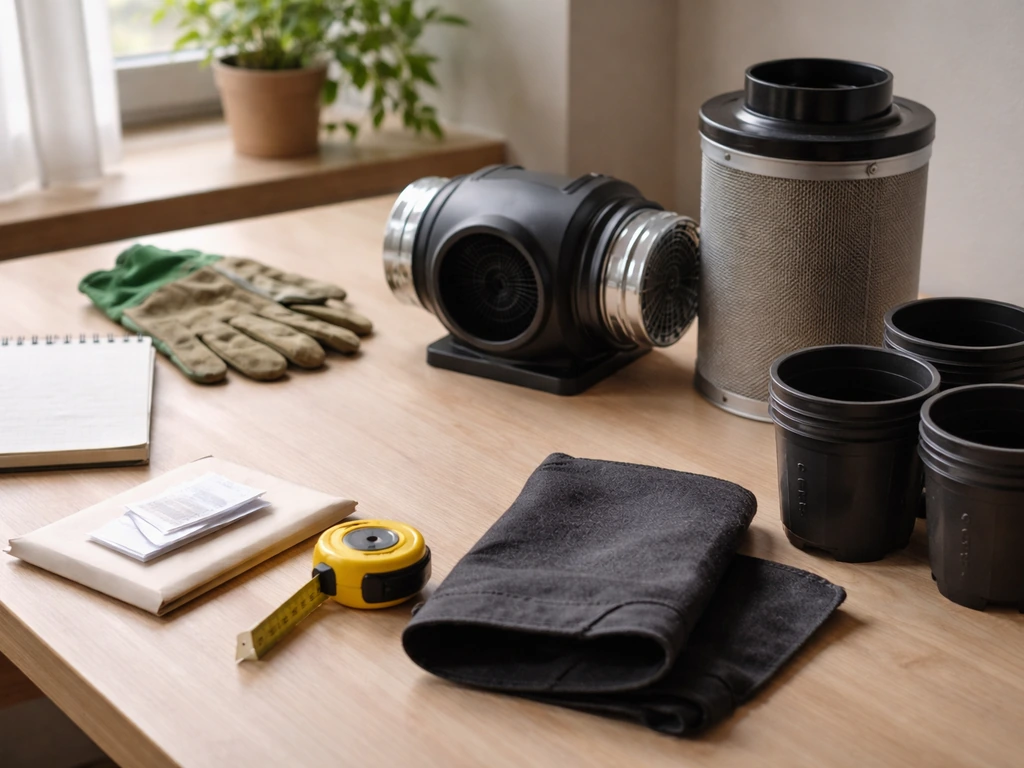
| Carbon filters / odor control | Many state and local ordinances require odor mitigation, especially for home growers in multi-unit housing | Grow supply stores, online retailers |
| Plant tags or labels | Commercial licenses typically require plant tagging with strain, date, and batch ID | Grow supply stores, Etsy, office supply stores |
| Thermometers and hygrometers | Environmental monitoring is a compliance requirement in most commercial facility licenses | Hardware stores, Amazon |
| Lockable grow space or enclosure | Most state home grow laws require the grow to be in a locked space inaccessible to minors | Grow tents with locks, custom enclosures |
Commercial cultivation licenses usually come with a detailed facility plan requirement. That means your drainage setup, ventilation specs, and canopy dimensions are reviewed during licensing. Buying compliant containers (ones that fit within your approved canopy size) before your license is finalized helps avoid retrofitting later.
Hemp vs marijuana, medical vs adult-use, and local restrictions
These three distinctions shape everything about your legal situation, and they're worth separating clearly.
Hemp vs marijuana
Hemp is federally legal to grow under a USDA-approved state or tribal hemp program, or directly under the USDA hemp program in states without their own. The statutory definition of “hemp” is codified at 7 U.S.C. § 1639o, defining hemp as Cannabis sativa L. (and relevant parts and derivatives) with a THC concentration at or under the statutory threshold federally legal to grow under a USDA-approved state or tribal hemp program. You'll need a hemp grower license from your state department of agriculture, and your crop must test at or below 0.3% total THC. The grow pots, soil, and equipment you use are identical to marijuana cultivation. The licensing path is completely different and generally more straightforward for small operations.
Medical vs adult-use cannabis
In medical-only states, cultivation is typically only permitted for registered patients, and even then only in states that explicitly allow it. The plant counts are often lower (commonly 2 to 6 plants), and the licensing is tied to your patient registration, not a separate grower license. Adult-use states tend to have more generous home grow allowances and a more developed commercial licensing framework. If you're in a medical state and searching for grow equipment, make sure patient cultivation is actually allowed there before you buy anything.
Local restrictions
Local municipalities can restrict or ban cultivation even when the state allows it. If you believe you are dealing with an illegal grow op, report it to the appropriate Canadian or BC authorities and provide any safe-to-share details you have illegal grow op in BC. Cities and counties in California, Colorado, Michigan, and other legal states have exercised this right extensively. A grow that is perfectly legal under state law may be prohibited under your city's zoning code or HOA rules. Always check local ordinances, not just state law. This is especially relevant if you live in a rental property, apartment, or community with a homeowners association.
Your plan for today: finding suppliers and getting compliant
- Confirm your state's current home grow or commercial cultivation rules by searching your state's official cannabis regulatory website or department of agriculture (for hemp)
- Check your city or county rules to make sure local ordinances don't restrict what the state allows
- Determine your license category: home grower, medical patient cultivator, hemp grower, or commercial cannabis cultivator
- If a license or registration is required, download the application from your state regulatory agency's website and note the requirements (plant limits, facility specs, fees)
- Buy your grow pots and equipment from any hydroponics retailer, garden center, or online store (no special permission needed for equipment purchases)
- Match pot sizes to your allowed plant count and space dimensions before buying in bulk
- Grab the compliance accessories you'll need: drainage trays, pH meter, carbon filter, plant labels, and a lockable enclosure if required by your jurisdiction
- If applying for a commercial license, pull your state's facility requirements document and verify your container setup fits the approved canopy size before finalizing your order
Pitfalls to avoid when buying equipment and setting up
One of the most common mistakes is buying equipment sized for a grow that exceeds your legal plant limit. A beginner sees a 10-pot fabric bag rack setup and orders it without checking that their state only allows 3 plants. Extra containers don't create a violation by themselves, but they can invite questions if you're ever inspected.
Another issue is skipping odor control. Many first-time home growers underestimate how quickly a flowering cannabis plant makes its presence known, especially in shared buildings. Several states and cities specifically cite odor as grounds for neighbor complaints that can escalate to inspections. A carbon filter sized to your grow space is cheap insurance against that problem.
On the purchasing side, watch for vendors who claim their products are "licensed" or "Schedule 1 compliant" as a sales pitch. That language is largely meaningless for equipment. Grow pots don't require compliance certification. If a seller is charging a premium for "cannabis-approved" containers that are otherwise identical to standard fabric pots, you're being upsold on branding, not on any real regulatory requirement.
Finally, be careful about assuming that buying equipment legally equals growing legally. The two are entirely separate questions. Purchasing a tent, pots, and lights is legal everywhere in the US. What you do with that equipment depends on your state, county, and specific license status. Home growers also need to make sure their setup and location do not violate local rules, since illegal grows can end up being busted even when the equipment itself is legal. Which weed to grow depends on whether you're growing hemp or marijuana, and on your state's rules for the permitted category. If you're unclear on which category applies to you, the sibling topics on license types and what strains are permitted under specific programs can help you map out the full picture before you put anything in the ground.
FAQ
If I’m looking for “where to buy grow pots schedule 1,” do I need to worry about federal restrictions on buying the pots themselves?
No. Schedule I applies to the cannabis substance, not to containers or typical cultivation equipment. Still, you should avoid vendors that claim the pots are “Schedule 1 certified,” that term is usually marketing and not a meaningful compliance signal for equipment.
Can I buy grow pots from a normal garden store even if cannabis cultivation is illegal in my state?
You can usually buy the pots as physical products, but your legality depends on what you do with them. If cultivation is prohibited, having the equipment does not automatically make you legal, and local police or regulators can treat an equipment setup as evidence when combined with cultivation activity.
How do I check my plant limits without accidentally violating rules when buying pots?
Count plants, not containers. Choose the number of pots that matches the maximum number of plants allowed for your household or registration category, and keep your setup consistent. Some regulators count seedlings, clones, or mature plants differently, so confirm how your state defines “plant” before ordering racks or multi-pot systems.
Are pots identical for hemp and marijuana grows, and does that affect where to buy?
The containers are generally the same, but the licensing and crop testing requirements differ. If you are doing hemp, confirm your program’s total THC threshold measurement and documentation rules, since you could be compliant on equipment but noncompliant on the crop.
What should I verify before buying online so I don’t get stuck with non-compliant sizes or materials?
Confirm dimensions relative to your allowed canopy or grow area, and check drainage and runoff requirements in your jurisdiction. Some states or license tiers review facility design during licensing, so buying containers that fit your approved footprint can prevent expensive changes later.
Do I need any registration or paperwork just to purchase grow pots?
In most cases, no. Equipment purchases typically do not require a cultivation license or background check. However, if a product includes regulated add-ons or if you are buying from a seller operating under strict state rules, ask what documentation they require at checkout to avoid delays.
If odor control is important, should I buy carbon filters at the same time as the pots?
Yes, especially for indoor flowering. A carbon filter sized to your expected airflow is often the missing piece that prevents neighbor complaints and potential inspections. Buying early helps you design the grow space around the ducting and clearance needs, not just around container size.
Can I use a large pot setup to reduce the number of plants?
Often you can, but it depends on your plant limit rules and how you train or manage growth. Larger pots can increase final plant size and height, which can trigger zoning or facility issues if you exceed space constraints. It’s better to match both plant count and expected height to your local limits before buying.
Does an HOA or landlord change the answer about where to buy and what’s legal?
Yes. State legality does not override private housing restrictions. If you are in a rental, apartment, or HOA community, check the lease and association rules first, because an equipment purchase does not protect you from lease violations or eviction once cultivation begins.
What’s a safe approach if I’m unsure whether my situation is hemp, medical, or adult-use?
Before buying, confirm the category your state recognizes for your intended activity, and whether patient or home cultivation is permitted in your specific jurisdiction. If you cannot clearly map yourself to a legal category, avoid starting a grow, because equipment legality does not guarantee cultivation legality.
Are fabric grow bags okay, and is there any real advantage to paying more for “cannabis-approved” containers?
Usually fabric bags and standard containers are functionally similar to what non-cannabis growers use. If the only difference is branding or a claimed compliance label, that premium is often not tied to an actual regulatory requirement for the container itself.
If I already bought too many pots, is that automatically illegal?
Not necessarily. Extra containers alone are typically not a violation, but they can become a practical problem if your setup looks like you are preparing to exceed your allowed plant count. The safest fix is to align the number of planted plants to your limit and keep your configuration consistent with that plan.
Next Article
How to Get a Micro Grow License in Canada: Step-by-Step
Step-by-step on getting a Canadian micro-cultivation cannabis licence, eligibility, costs, timelines, and compliance bas