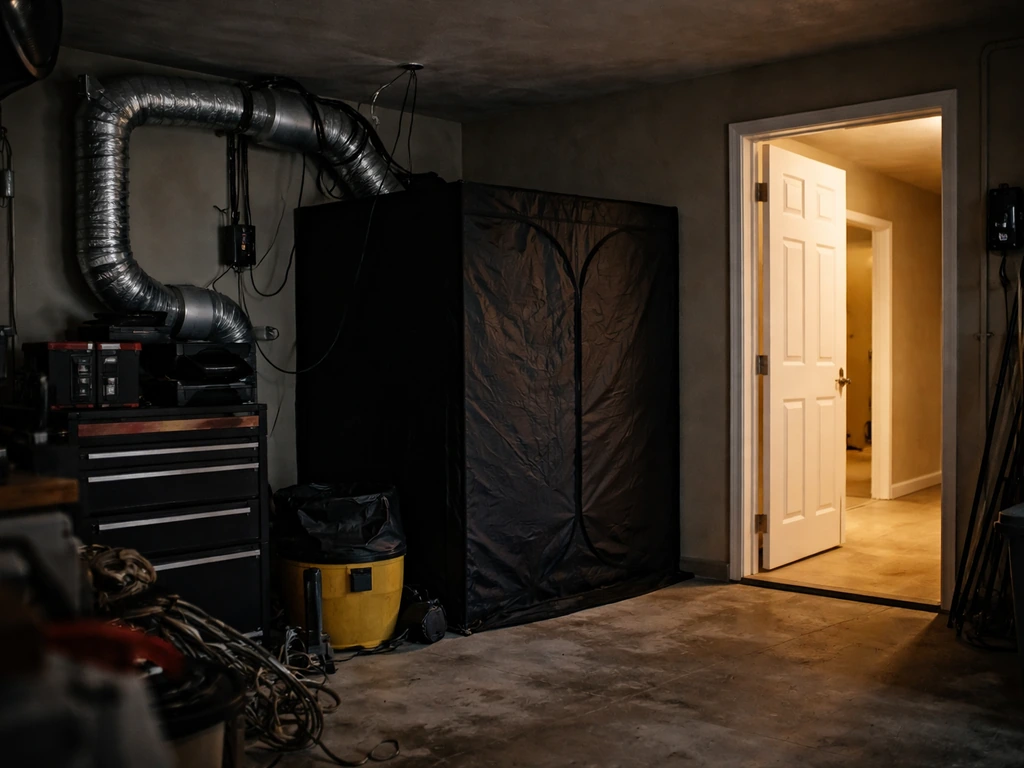
If you suspect an illegal cannabis grow operation in British Columbia, you have three main reporting paths: call 911 if there's an immediate safety risk, contact your local RCMP detachment or municipal police non-emergency line for general concerns, or submit a complaint to BC's Community Safety Unit (CSU) at [email protected] for violations of the province's cannabis licensing rules. If you want to stay completely anonymous, BC Crime Stoppers takes tips by phone at 1-800-222-8477 or online. BC Crime Stoppers also lets you remain anonymous by calling 1-800-222-8477 (TIPS) remain completely anonymous. Here's how to figure out which route fits your situation and what to do step by step.
How to Report a Grow Op in BC: Step-by-Step Guide

Marcus Whitley
6 May 2026
What counts as a grow op in BC and who can report it
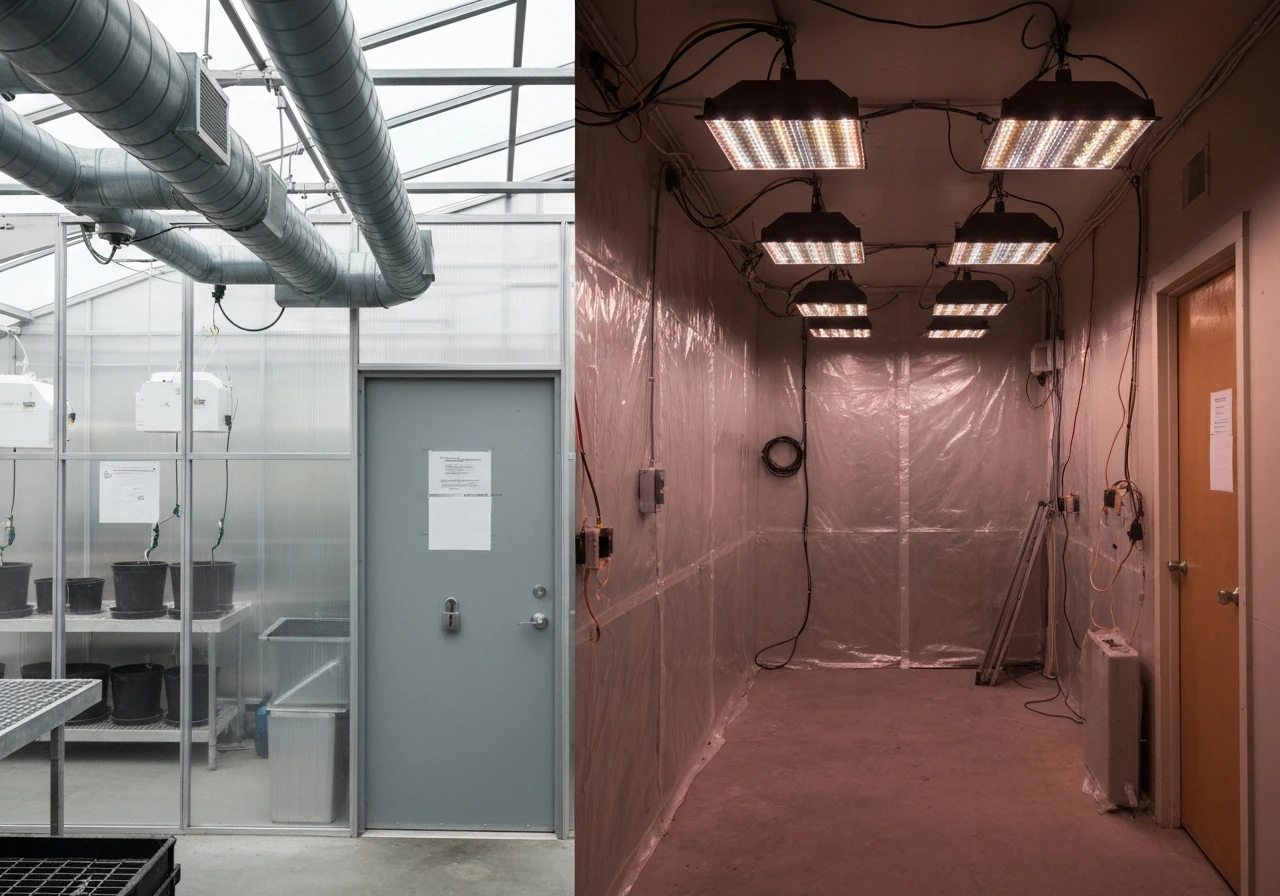
In BC, an illicit cannabis grow operation is any cannabis cultivation that falls outside the rules set by federal and provincial law. That means growing more plants than the legal personal limit (four plants per household under federal law), growing without the required commercial licence, or running a production facility that hasn't been authorized under BC's Cannabis Control and Licensing Act (CCLA). Grow ops often appear in residential homes, outbuildings, or commercial units, and they're associated with specific hazards that make them a community concern beyond just the legality of the plants.
Anyone can report a suspected grow op. You don't need to be a neighbour, a landlord, or have any official relationship to the property. If you've observed something that concerns you, that's enough. The RCMP and BC's Community Safety Unit actively encourage community tips, and you don't need to identify yourself to do it.
Common signs the RCMP and BC regulators look for
- Electrical bypasses or rewiring, especially wiring that appears to go around the hydro meter
- Unusually high power consumption (sometimes visible as frost-free roof patches in winter, or via utility company flags)
- Heavy condensation, mold, or moisture staining on windows or exterior walls
- Blacked-out or covered windows, often with light leaking around the edges at night
- Constant humming sounds from fans or ventilation equipment
- Strong, persistent cannabis smell, particularly with no obvious licensed business nearby
- Frequent, irregular visitor traffic, often at unusual hours
- Unusual amounts of garbage, such as large quantities of soil bags, fertilizer containers, or grow media
You don't need to tick every box. Even one or two of these signs, especially electrical bypasses or fire hazards, can be enough to justify a report. The RCMP explicitly says to report what you observed, not what you've concluded. Let investigators interpret the details.
When to report: immediate safety risks vs non-urgent concerns
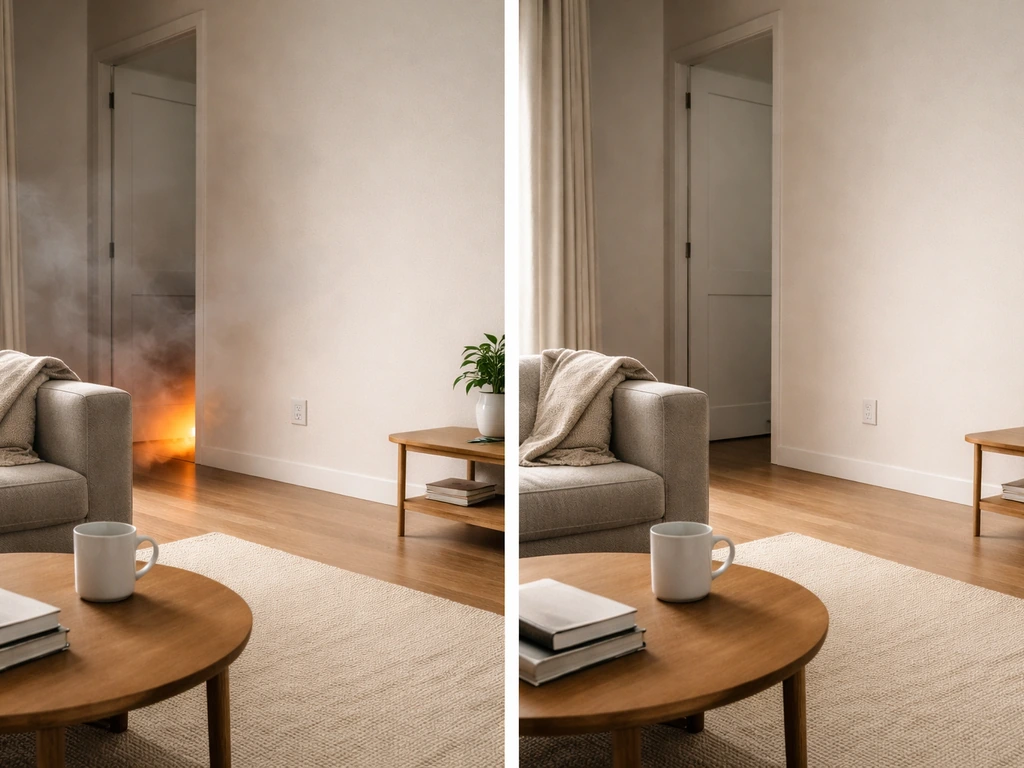
The first question to ask yourself is whether anyone is in danger right now. If you see smoke, smell gas, suspect a fire caused by faulty wiring, or believe someone inside is being harmed or held against their will, call 911 immediately. Illicit grow ops are a known fire risk because of DIY electrical work and the sheer load of high-wattage lighting, so a suspected electrical issue near a grow op is a genuine emergency, not just a code concern.
If there's no immediate threat to life or property, you're looking at a non-emergency report. In that case, calling 911 is actually the wrong move. Use the non-emergency channels described below. The RCMP and BC policing guidance both make this distinction clearly: 911 is for immediate danger, everything else goes through regular reporting channels.
| Situation | Who to contact | How |
|---|---|---|
| Fire, explosion, or immediate danger to life | Emergency services | Call 911 |
| Suspected illegal grow op, no immediate danger | Local RCMP or municipal police | Non-emergency line or online reporting |
| Violation of BC cannabis licensing rules (CCLA) | BC Community Safety Unit (CSU) | Email [email protected] or CSU100 complaint form |
| You want to stay completely anonymous | BC Crime Stoppers | Call 1-800-222-8477 or tip online |
How to report in British Columbia
BC doesn't have a single universal hotline for grow op reports. Which channel you use depends on whether you're in a city with its own police force (like Vancouver, Surrey, or Victoria) or in an area policed by the RCMP. Here's a breakdown of every option.
RCMP non-emergency line or detachment
If the property is in an RCMP-policed jurisdiction (most of rural BC and many municipalities), contact your local RCMP detachment directly. The RCMP provides a BC detachment lookup tool on their website so you can find the right office by city or region. You can visit in person, call the detachment's non-emergency number, or use BC's online crime reporting portal for eligible incidents. One important note: the RCMP does not accept crime reports via email or social media, so don't send a tip to a general inbox or post it on Facebook expecting action.
Municipal police non-emergency line
If the property is in Vancouver, you'd call VPD's non-emergency line. Same principle applies for other cities with their own forces like Abbotsford, Delta, or New Westminster. Look up the specific department for wherever the grow op is located, not where you are. Each department has a non-emergency tip line, and most also reference Crime Stoppers as an anonymous alternative.
BC Community Safety Unit (CSU)
The CSU is the provincial body specifically tasked with investigating illegal cannabis production and sales that violate BC's Cannabis Control and Licensing Act. If your concern is more regulatory (for example, a business that appears to be selling or producing cannabis without a licence) rather than a criminal matter involving armed individuals or fire hazards, the CSU is the right call.
If the business appears to be offering grow tents for sale, you may be dealing with an unlicensed cannabis sales or production issue that also falls under Schedule 1 concerns. You can email CSU@gov. bc. ca or fill out the [CSU100 complaint form](https://www2.
gov. bc. ca/assets/gov/public-safety-and-emergency-services/public-safety/csu/csu-100-notice-of-complaint. pdf) available on the Province of BC website.
If you include your contact information, the CSU may follow up with questions, but they won't share any updates on the investigation's progress or outcome.
BC Crime Stoppers (anonymous tips)
BC Crime Stoppers is your go-to if you want to report something but don't want to give your name. Tips are fully anonymous. You can call 1-800-222-TIPS (8477) any time or submit a tip online through their website. They encourage you to include as many details as possible, and you may want to check back later using any reference number they provide, since follow-up happens on their end, not yours. Crime Stoppers is also referenced on BC's official government site as the recommended path for anyone not comfortable identifying themselves.
Online crime reporting
BC's online crime reporting portal lets you file certain reports digitally. The portal asks you to identify the incident address (and whether it's in an urban area, rural area, or Indigenous community territory) before routing your report to the correct jurisdiction. It's designed for non-emergency situations where no one is in immediate danger. Keep in mind this is for eligible crime types, and it's worth checking whether your specific concern qualifies before starting.
What information to include so police or regulators can actually act

The quality of your report determines whether investigators can do anything with it. The RCMP guidance is consistent on this: describe what you observed, not what you've concluded. 'I saw wiring that bypassed the electrical meter on the outside of the house at 123 Example Street' is useful. 'I think those people are running a drug operation' is not. Be specific and stick to facts.
- Full address of the suspected grow op, including unit number if applicable
- Date and time you observed the suspicious activity
- Exactly what you saw, heard, or smelled (use sensory descriptions, not conclusions)
- Whether you noticed any immediate hazards like unusual electrical work, smoke, or strong chemical smells
- A description of any vehicles regularly parked at the property (make, colour, partial plate if safe to note)
- Whether you've observed the activity multiple times or if this was a single incident
- Any visible signs of people present, including whether children or vulnerable people appear to be inside
- Whether the building appears to be commercial, residential, or a detached structure like a garage or barn
If you've safely documented anything, like a photo taken from a public sidewalk, note that you have it. Don't go out of your way to gather evidence, and never enter private property to get a better look. Your job is to report, not investigate. The RCMP specifically says to report what you've seen and let investigators do their work.
What happens after you report
The honest answer is that you probably won't hear back unless you specifically ask and leave contact information. This is normal and it's by design. Both the RCMP and the CSU operate on the understanding that investigations take time, and sharing details about an active investigation would compromise it.
If you reported to the RCMP or municipal police and left your name, you should receive a police file number. Hang on to that number. If you want a follow-up or need to add more information later, that file number is how you reference the original report. Without it, you're essentially starting from scratch.
If you reported to the CSU, the instructions on their complaint form are explicit: the CSU is not able to share information about the progress or outcome of any investigation. That's not a brush-off. It's a legal and operational constraint. The complaint was received and will be reviewed, but don't expect a call back confirming next steps.
If you used Crime Stoppers, the tip is anonymous by design, so there's no mechanism for follow-up on your end unless Crime Stoppers contacts you through their internal system. Response timelines vary depending on the severity of the concern, the workload of the relevant agency, and whether multiple tips about the same location have come in. A report about a potential fire hazard will be prioritized differently than a tip about an unlicensed commercial operation with no apparent safety risk.
Protecting yourself and avoiding legal or ethical pitfalls
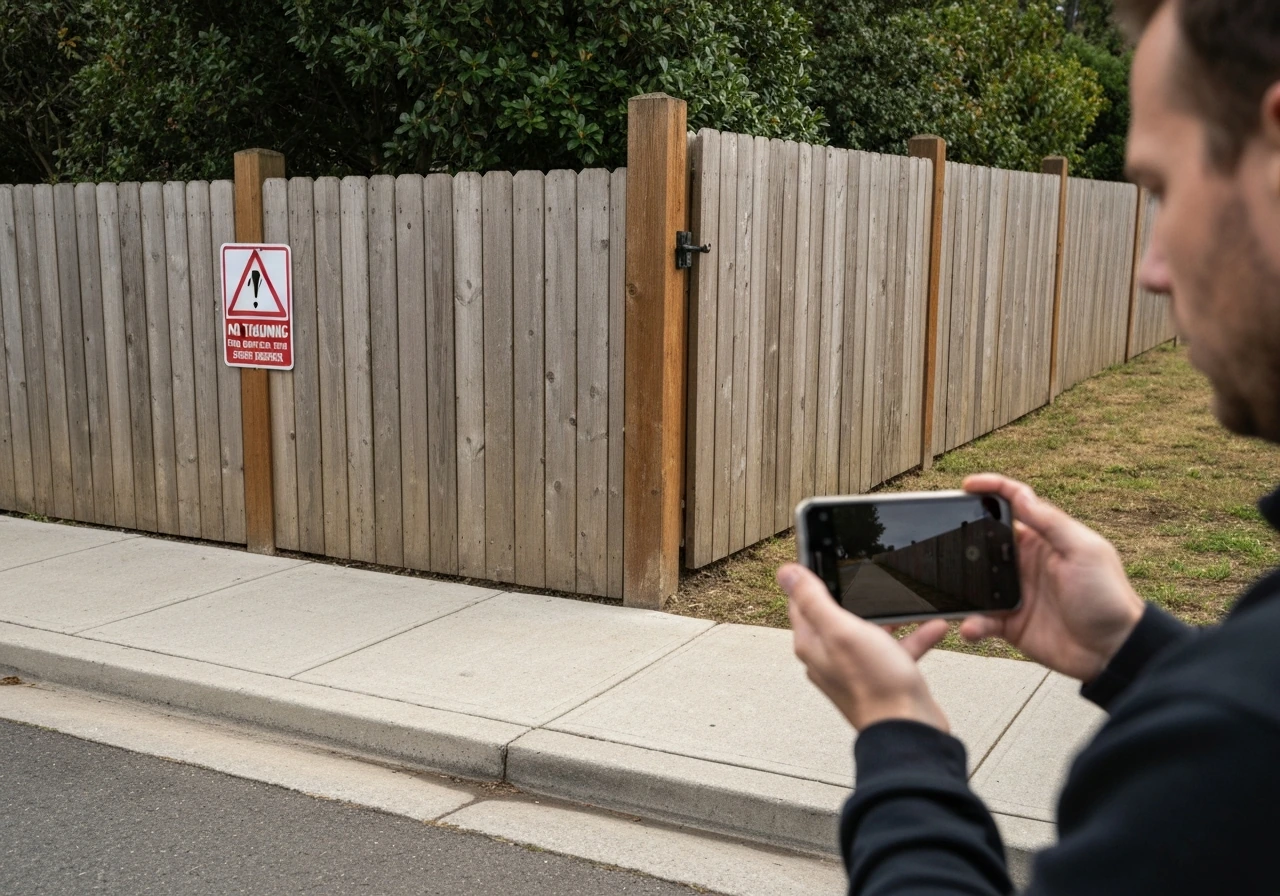
Reporting a suspected grow op is legal and encouraged. But there are a few things that can get you into trouble or undermine your report if you're not careful.
- Don't trespass. Taking photos or gathering evidence from private property, even a backyard you can see into from the street, can expose you to liability and make any evidence you gather inadmissible. Stay on public property.
- Don't confront anyone. If this is an illegal operation, the people involved may be dangerous. Your safety matters more than confirming your suspicion. Report from a distance and let police handle the approach.
- Don't post about it publicly before reporting. Spreading unverified claims online about a specific address or person can expose you to defamation risk, and it may tip off the people you're trying to report before police can act.
- Don't speculate in your report. Stick to what you personally observed. If you turn out to be wrong about the nature of the activity, a factual account of what you saw protects you. A report filled with assumptions doesn't.
- Don't share your report details with others. Once you've filed a tip, keep it to yourself. Discussing it with others in the neighbourhood increases the chance word gets back to the people you reported.
It's also worth understanding how this fits into BC's broader cannabis landscape. BC has a legitimate licensed cannabis industry, and not every unusual property is an illegal operation. If you still want to buy grow pots, also check the legal schedule rules where you live before purchasing where to buy grow pots schedule 1. Some licensed producers operate out of residential-zoned properties under specific permits. The presence of cannabis smell alone isn't necessarily illegal. What you're reporting is a combination of indicators, especially safety hazards like electrical bypasses or signs of organized illegal distribution, not just the plant itself.
If you're curious about what a legal grow setup looks like versus an illegal one, understanding BC's licensing framework helps put the signs of an illicit operation in context. If you are trying to grow cannabis legally, you should also consider which legal licenses and plant limits apply, since that affects what you can schedule 1 to grow legal grow setup.
The same goes for understanding how grow houses typically get discovered and shut down through a combination of utility data, community tips, and enforcement sweeps. Many cases hinge on patterns of utility spikes, community tips, and enforcement sweeps that help authorities pinpoint and shut down grow houses grow houses typically get discovered and shut down. Your tip is one piece of a larger process, and it matters even if you never find out what happened next.
FAQ
What information should I include when I report a grow op in BC?
Include the exact address or closest identifiable location, the safest description of what you observed (for example, “electrical wiring bypassing the meter,” “strong chemical smell,” “people transporting plants”), dates and times, and any visible safety issues. Avoid guesses about ownership or criminal intent, stick to observable facts.
Is it okay to report if I only smelled cannabis and didn’t see plants or equipment?
Yes, you can report, but smell alone is often not enough to establish an illicit grow. When possible, pair the smell with other indicators such as unusual ventilation equipment, heavy electrical load concerns, frequent short visits, or signs of organized distribution.
Should I call 911 if I hear unusual noises or see lights flickering at night near a suspected grow op?
Call 911 only if you believe there is immediate danger, such as fire, smoke, gas, sparking, or someone in distress. “Unusual noises” or “odd lighting” without a clear safety threat should go through the non-emergency police channels.
Can I submit a tip by email or on social media to the RCMP or police?
Generally no. The RCMP does not accept crime reports via email or social media. Use the specific non-emergency number, in-person detachment contact, eligible online portal, or Crime Stoppers/CSU channels as described for your situation.
If I reported anonymously, how can I add more details later?
If you used Crime Stoppers, your report remains anonymous, so you generally cannot directly follow up unless Crime Stoppers contacts you through their internal process. If you want a follow-up path, consider reporting through police or CSU with your contact information, and be sure to note any file or reference number you receive.
Will the Community Safety Unit (CSU) tell me what happened after I complain?
No. CSU does not share investigation progress or outcomes. If you want to give extra facts, use the best available route for that channel and reference any complaint details you have, but expect limited or no updates.
What if the grow op appears to be operating in a business unit or multi-tenant building?
Report it as you observed it, especially indicators that suggest commercial activity without authorization (for example, customers entering, frequent deliveries, consistent production-like setup). If the situation includes safety risks like exposed wiring or fire hazards, treat it as a potential emergency and call 911.
Should I try to gather evidence like taking photos from the property or inside vehicles?
Only document safely from public areas. Do not enter private property, do not interfere with equipment, and do not put yourself at risk. If you already have a photo taken from a public sidewalk or other public vantage point, note that you have it.
How do I know whether my report should go to police or to CSU?
Use police when there are public safety concerns (fire hazards, possible threats of violence, people being harmed or held against their will). Use CSU when the issue is primarily regulatory related to cannabis production and sales that violate provincial cannabis licensing rules, without a clear immediate criminal safety threat.
If I am in a city, do I still report to RCMP?
It depends on the jurisdiction of the grow op location. If it is in a city with its own police service, use that police service’s non-emergency tip line. For RCMP-policed areas, contact your local RCMP detachment.
What if I’m worried someone will retaliate if they learn I reported?
Choose channels that protect anonymity where possible, such as Crime Stoppers. If you report to police or CSU with your identity provided, you should assume you may be harder to protect from the risk of unwanted contact and consider discussing anonymity options at the time you submit.
Can I report more than one incident or location in a single submission?
Best practice is to submit separate, clear reports for each address or location so investigators can route information accurately. If the same pattern affects multiple nearby addresses, include each address in the same report only when the reporting form or intake method allows it clearly.
Next Article
How Grow Houses Get Busted: Compliance and Prevention Guide
See how unlicensed home grows get discovered, then follow compliance steps to avoid shutdown and stay legal by state.