Netherlands rules vs Amsterdam rules: who's actually in charge
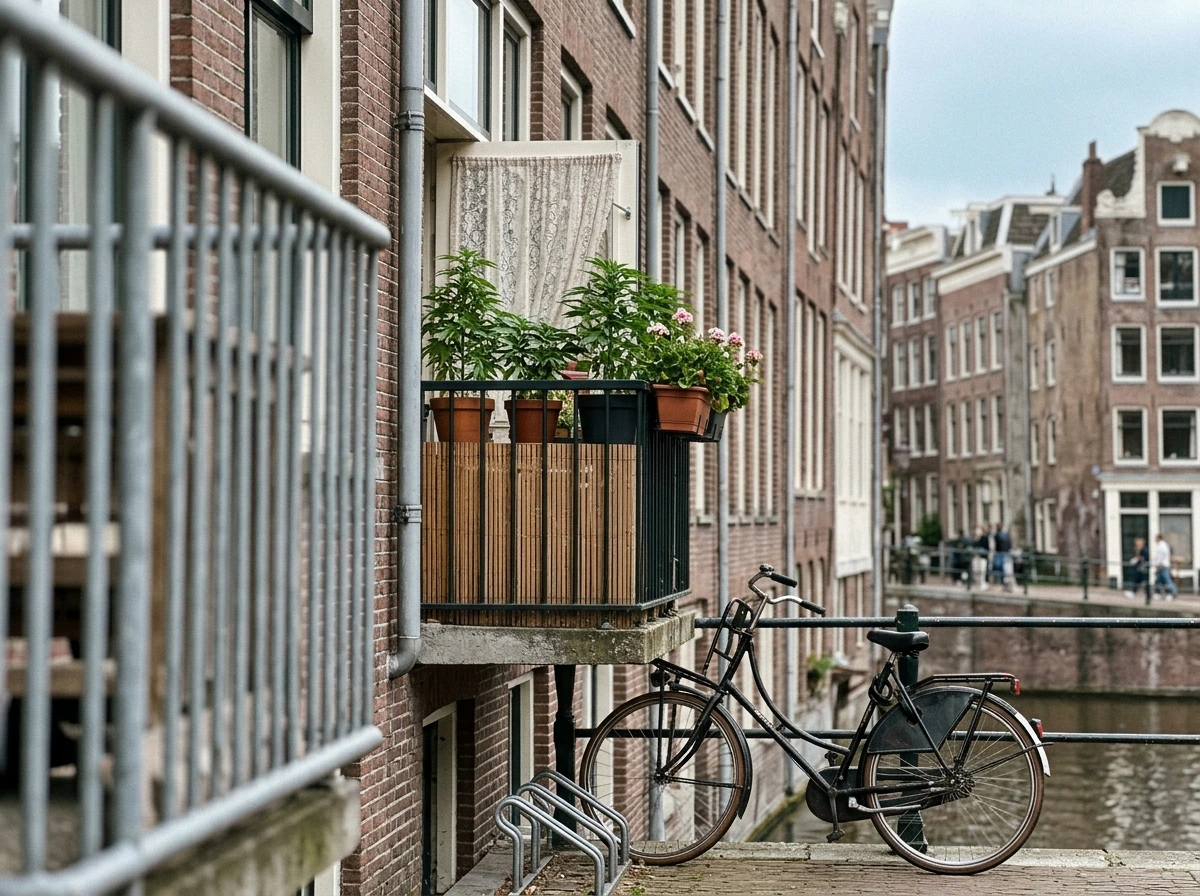
Cannabis law in the Netherlands is set at the national level by the Opiumwet (Opium Act), not by Amsterdam's city council. That means Amsterdam cannot simply "legalise" growing the way a US state can pass its own law. The city of Amsterdam itself acknowledges on its official website that cannabis is not legal in the Netherlands, even though retail sale through licensed coffee shops is tolerated.
What Amsterdam does control is how it enforces things locally. The city can apply Article 13b of the Opiumwet to close homes or business premises where drug-related activity takes place. Amsterdam has its own published policy rules (Beleidsregels sluitingen en heropeningen) that spell out when it will use those closure powers. So the city isn't setting the legality of cannabis, but it is setting the enforcement temperature, and Amsterdam tends to be more active with administrative enforcement than many other Dutch municipalities.
The practical takeaway: if you want to understand whether you're allowed to grow in Amsterdam, you need to read both the national gedoogbeleid thresholds and Amsterdam's own enforcement policies, because both apply to you at the same time.
Home growing: what's tolerated, what's not, and where the line is
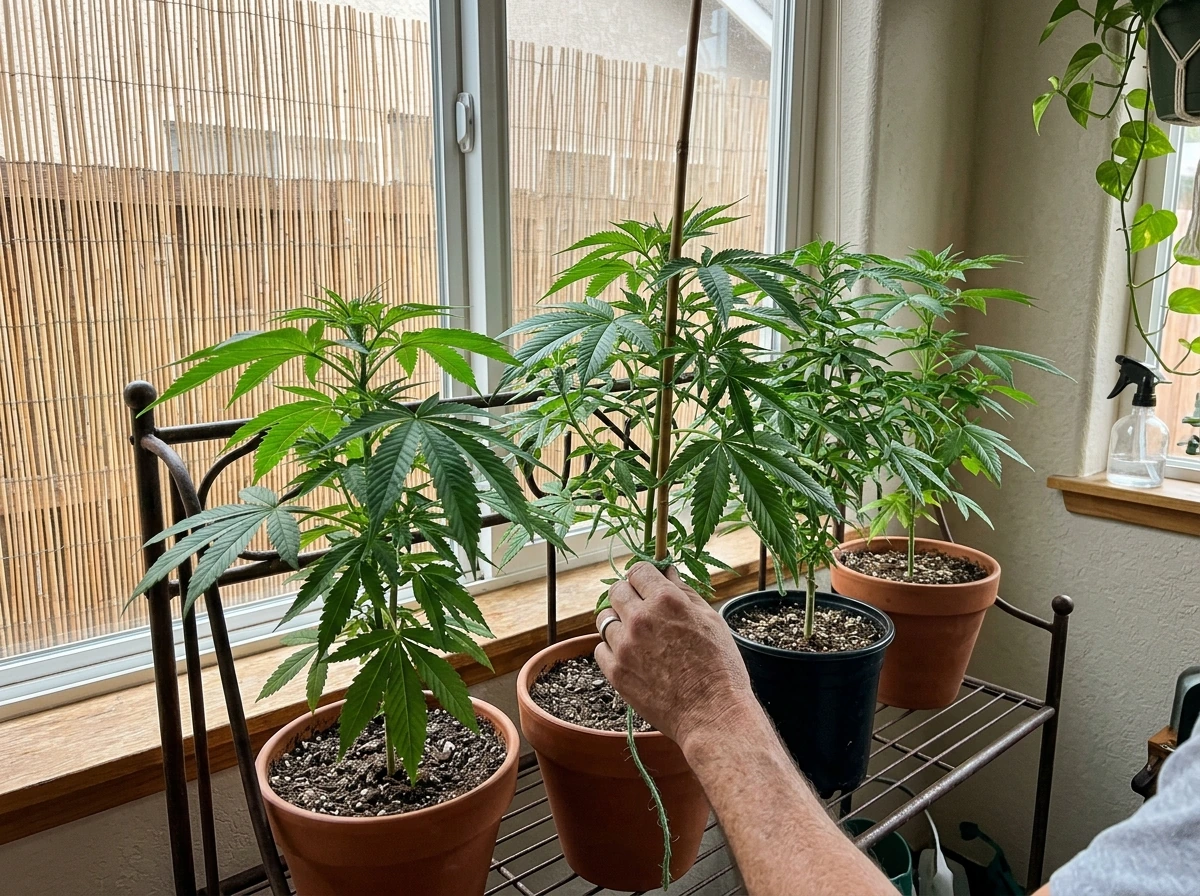
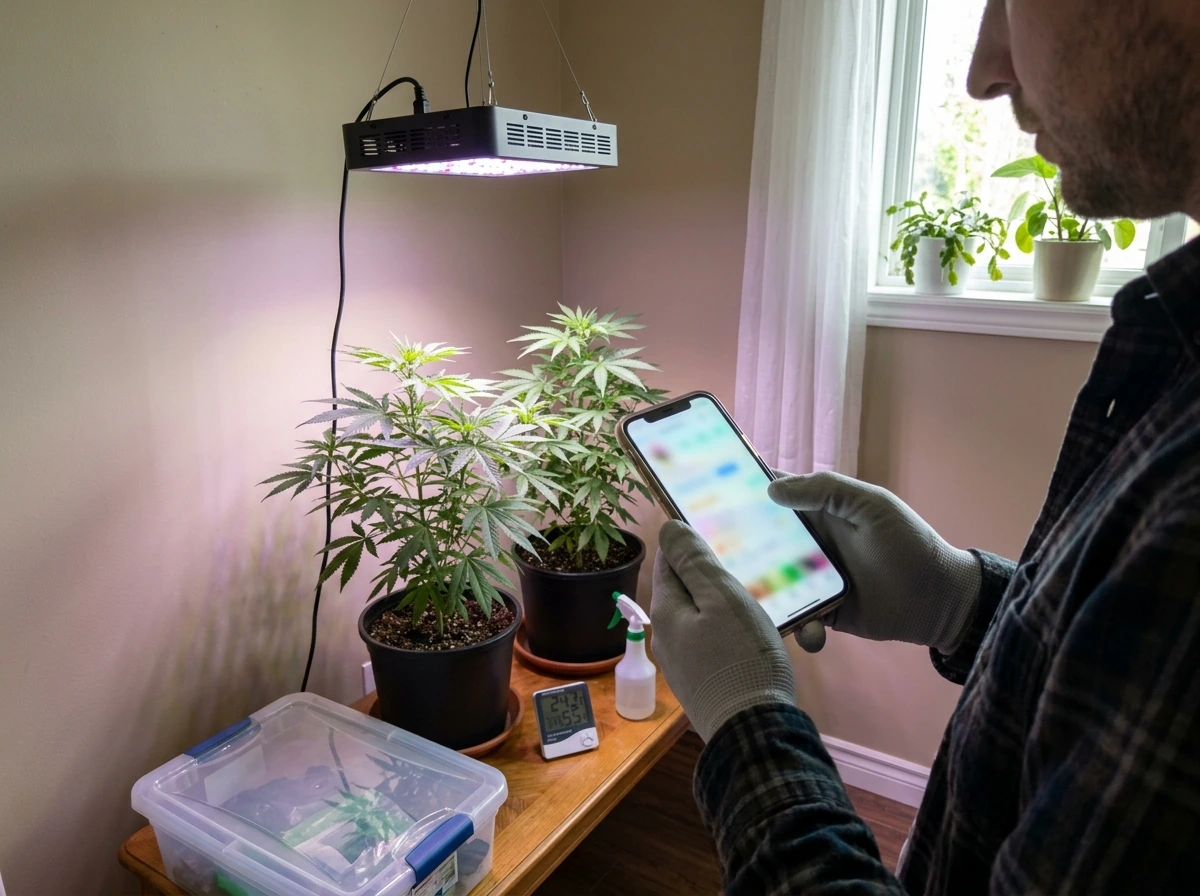
The Dutch government's national toleration policy sets a clear numerical threshold: up to 5 cannabis plants per household is treated as personal-use cultivation. In practice, police who encounter a home grow of 5 plants or fewer will typically seize the plants but will not prosecute. Government.nl also explains that up to 5 cannabis plants falls within the toleration policy, while police will seize the plants as a rule and you will not typically be prosecuted no more than 5 cannabis plants. That is the tolerance, not permission. The Rijksoverheid (the Dutch government's own portal) is explicit that growing plants "is not permitted," but that possession of up to 5 plants falls within gedoogbeleid limits.
The moment you go above 5 plants, you lose the protection of the tolerance policy entirely. Above that threshold you are in criminal territory, and prosecution becomes a real possibility. There is no graduated middle ground in the national policy.
Even within the 5-plant limit, there are factors that can push your situation out of toleration and into criminal prosecution. Dutch law has a defined set of professionalism indicators, outlined in the Aanwijzing Opiumwet annex, that investigators use to decide whether a grow looks like a personal operation or a commercial one. A 2025 Hoge Raad/PGHR decision further explains that the professionalism assessment under the Aanwijzing Opiumwet looks at the purpose and degree of the cultivation, and that with a scale such as “5 planten of minder” it can be assumed (in principle) that there is no professional or commercial cultivation professionalism indicators. If any of these indicators are present, tolerance can be withdrawn regardless of plant count.
- Professional-grade HPS or LED grow lighting on automated timers
- Active CO2 supplementation systems
- Commercial-scale ventilation and carbon filtration setups
- Multiple harvest cycles evident from equipment wear or residue
- Nutrient mixing systems or large quantities of commercial fertiliser
- Security measures inconsistent with a personal grow (e.g., reinforced doors, cameras)
- Evidence of sales: scales, packaging, large amounts of cash
In short, 5 modest plants in a spare room with basic grow lights looks very different to 5 plants under a professionally wired tent with CO2 injection. The latter can and does attract prosecution in the Netherlands, because the setup signals intent beyond personal use.
Amsterdam's Article 13b closure risk
Even for grows that stay within the toleration threshold, Amsterdam's municipal enforcement adds an extra layer of risk that doesn't exist in every Dutch city. Under Article 13b of the Opiumwet, the mayor of Amsterdam can order a property closed if it's associated with drug production or trade. Amsterdam's own published guidelines explain a step-by-step escalation process: a warning, then a temporary closure, then a longer closure. This is administrative law, not criminal law, so it can happen even if no criminal prosecution follows. If you're renting, a closure order can end your tenancy. If you own, it can mean you're locked out of your own home while the order is in effect.
Commercial cultivation licensing in Amsterdam
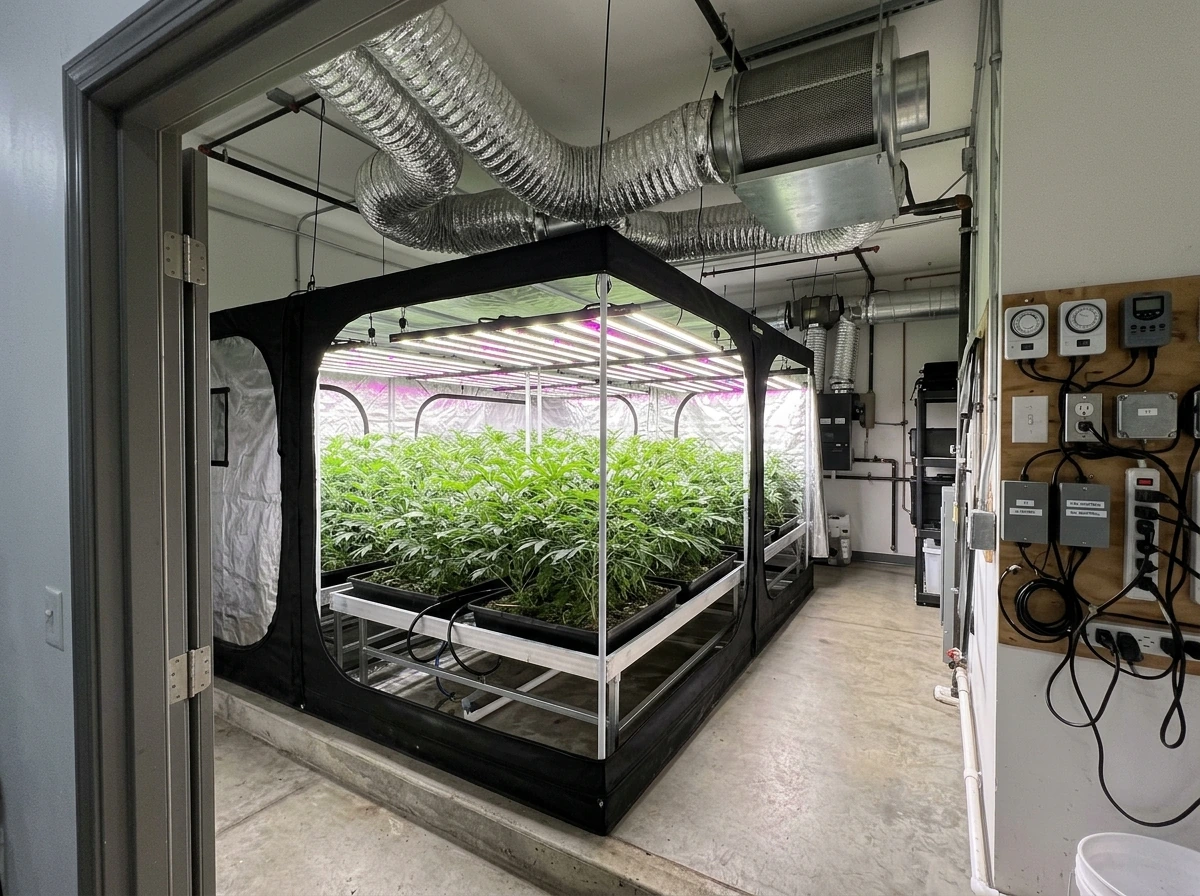
This is where things get significantly more complicated. As of March 2026, there is no general commercial cannabis cultivation licence available to private individuals or companies in Amsterdam or anywhere else in the Netherlands outside of the government's controlled supply experiment.
The Netherlands launched a closed "Experiment with Regulated Cannabis Supply" (the gedoogexperiment or Wietexperiment) which selected a small number of municipalities and a tightly controlled group of licensed growers to supply cannabis to coffee shops in those areas. Amsterdam was not among the initial experiment cities. The number of licensed commercial growers selected was extremely small (around 10 nationwide), and the licensing process was a closed competitive selection, not an open application window.
If you are thinking about commercial-scale cultivation in Amsterdam today, the honest answer is that there is no open pathway to obtain a commercial growing licence. You cannot simply apply for a cultivation permit through Amsterdam's city hall or any national body. The legal framework for licensed commercial cultivation is limited to the experimental programme, which has its own closed selection criteria, background checks, security requirements, and operational rules.
Anyone claiming to offer a route to a commercial cannabis growing licence in Amsterdam right now should be treated with significant scepticism. The regulatory infrastructure for broad commercial licensing simply does not exist yet in the Netherlands.
How the experiment compares to a US-style licensing system
If you're used to reading about US state cannabis licensing (where you can often apply for a cultivator licence, pay a fee, meet a set of published criteria, and potentially get approved), the Dutch system is structured completely differently. There is no open application process with clear licence categories, application fees, and approval timelines. The Dutch model is a tightly controlled government experiment with selected participants, not a regulated open market. That distinction matters enormously if you're trying to plan a cultivation business.
How to actually check whether you're allowed to do what you're planning

Whether you're thinking about a few personal plants or a larger operation, here's the practical verification process you should go through before doing anything.
- Check the current Rijksoverheid gedoogbeleid page (rijksoverheid.nl) for any updates to the 5-plant threshold or tolerance conditions, since national policy can change.
- Check Amsterdam's local enforcement policy on the city's official website (amsterdam.nl) for any updates to how Article 13b closures are being applied, especially in the current year.
- If you rent, review your tenancy agreement. Most Dutch rental contracts include clauses that allow eviction for drug-related activities on the premises, even if no criminal prosecution happens.
- Check local zoning if you're thinking about any kind of grow operation in a commercial or agricultural space. Amsterdam's bestemmingsplan (zoning plan) can restrict what activities are permitted on a given property.
- For any commercial ambition, monitor the official Dutch government communications about the cannabis experiment expansion. If Amsterdam is added to the experiment or if new licensing rounds open, that information will be published on rijksoverheid.nl and the official experiment website.
- Consult a Dutch lawyer (advocaat) who specialises in drug or administrative law before proceeding with anything beyond 5 personal plants or any commercial-scale activity. This isn't legal advice, but it is strongly practical advice.
Documents and checks to have ready
If you're ever in a position where you need to demonstrate compliance, or if you're preparing for a future licensing application if the system opens up, it helps to have certain things documented. Keep your plant count clearly below 5. Keep records showing the grow is for personal use only (no sales records, no commercial packaging). Ensure your electrical setup is safe and permitted (illegal electrical modifications are a separate legal issue and a fire risk). If you're in a commercial property, have documentation of your lease terms and what activities are permitted under it.
What happens if you get it wrong
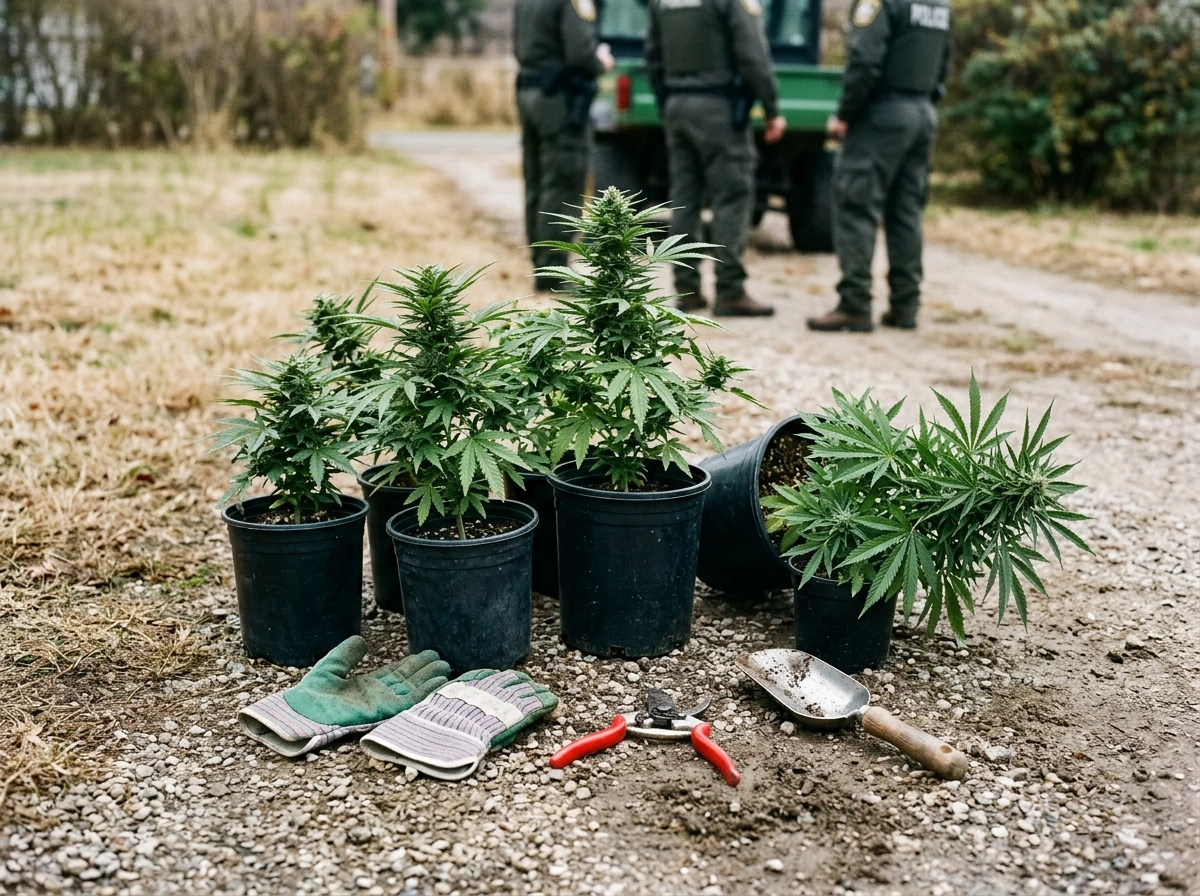
For home growers at or below 5 plants with no professionalism indicators: police will typically seize the plants and possibly equipment. Prosecution is unlikely but not impossible, especially in Amsterdam where enforcement is more active than in some other municipalities.
For home growers above 5 plants or with professionalism indicators present: you face genuine criminal exposure under the Opiumwet. Penalties can include fines and imprisonment. For larger commercial-scale operations, custodial sentences are a real possibility.
For any property involved: Amsterdam can issue an Article 13b closure order as an administrative measure, separate from any criminal proceedings. This can affect your housing situation even if you avoid a criminal conviction. Renters face the additional risk of lease termination by their landlord.
The enforcement climate in Amsterdam has historically been more active than in rural areas of the Netherlands, and the city has a track record of using its administrative powers. Don't assume that because tolerance exists at the national level, Amsterdam will always look the other way.
Compliance-first checklist before you grow anything in Amsterdam
- Confirm the current national toleration threshold is still 5 plants (check rijksoverheid.nl directly)
- Stay strictly at or below 5 plants with no exceptions
- Avoid any equipment or setup that matches the Aanwijzing Opiumwet professionalism indicators
- Do not sell, share for compensation, or distribute any cannabis from your grow
- Review your tenancy agreement or property lease for drug-related clauses
- Make sure any electrical work is professionally installed and permitted
- Do not assume Amsterdam's coffee-shop tolerance extends to home cultivation, it doesn't
- For commercial ambitions, monitor official Dutch government channels for experiment expansion announcements and consult a specialised lawyer before taking any steps
Where Amsterdam sits compared to other legal grow frameworks
It's worth putting Amsterdam in context, especially if you've been reading about home grow rules in US states or other countries. In several US states, adults can grow a set number of plants at home as a fully legal right, with no fear of seizure if they stay within the limit. Amsterdam is not that. The tolerance policy means you're unlikely to be prosecuted for 5 plants, but those plants can still be taken, your property can still face administrative action, and the underlying activity remains technically illegal. If you’re trying to answer "is it legal to grow a weed plant at home" in Amsterdam, the key thing to check is how the national 5-plant toleration threshold interacts with local enforcement.
The Netherlands is moving slowly toward a more regulated system through its experiment, but full legalisation with open commercial licensing is not in place as of March 2026. If you're comparing Amsterdam to, say, Colorado or Canada as a place to build a legal cannabis cultivation business, the frameworks are completely different. The US state-by-state licensing model (with defined licence types, application windows, fees, and approval criteria) does not have a Dutch equivalent yet for most would-be cultivators. For context on what a more mature licensing framework looks like, the guides on US state-level grow licensing on this site are a useful reference point, but they describe a different regulatory environment than what exists in the Netherlands today.
| Factor | Amsterdam / Netherlands (March 2026) | Typical US Legal State |
|---|
| Home grow legal status | Technically illegal, tolerated below 5 plants | Fully legal within plant limits (varies by state) |
| Personal plant limit | 5 plants (tolerance threshold, not a legal right) | Commonly 3 to 6 plants depending on state law |
| Plants can be seized | Yes, even within tolerance | No, if within legal limit |
| Open commercial licence available | No, closed experiment only | Yes, via regulated application process |
| Municipal enforcement tool | Article 13b Opiumwet closure orders | Varies by state/municipality |
| Prosecution risk below limit | Low but not zero, higher in Amsterdam | None if compliant with state law |
If your main question is whether "can you grow weed legally uk" in Amsterdam, the safest honest answer is: you can probably do it under 5 plants without being prosecuted, but it's not legal, your plants can be taken, and Amsterdam's enforcement environment makes it riskier than in many other Dutch cities. If your question is about commercial cultivation, there is no open licensing pathway available to you right now, and that situation is unlikely to change quickly. Keep watching official Dutch government channels, and get proper legal advice before you spend a euro on commercial infrastructure. the safest honest answer is: you can probably do it under 5 plants without being prosecuted, but it's not legal, your plants can be taken, and Amsterdam's enforcement environment makes it riskier than in many other Dutch cities. If your question is about commercial cultivation, there is no open licensing pathway available to you right now, and that situation is unlikely to change quickly. Keep watching official Dutch government channels, and get proper legal advice before you spend a euro on commercial infrastructure.