The short answer: it depends entirely on where you live
Growing a cannabis plant at home is legal in some US states, illegal in others, and complicated almost everywhere by local rules layered on top of state law, so the question “is it legal to grow cannabis in amsterdam” depends on where you live. If you’re wondering specifically, is it legal to grow weed in your state, the answer can change based on adult-use or medical rules and local enforcement the question “is it legal to grow cannabis in amsterdam” depends on where you live.. is it legal to grow cannabis in amsterdam There is no single national yes or no. As of March 2026, roughly two dozen states allow some form of home cultivation for adults, but each one sets its own plant limits, age requirements, and location rules. If you're in a state that hasn't legalized recreational or medical cannabis, home cultivation is almost certainly illegal under state law, full stop.
The fastest way to get your answer is to look up your specific state's cannabis regulations, then check whether your city or county has added restrictions on top of that. This article walks you through exactly how to do that, what limits typically apply, and what your options are if home growing isn't allowed where you are.
Federal law vs state law: why both matter to you
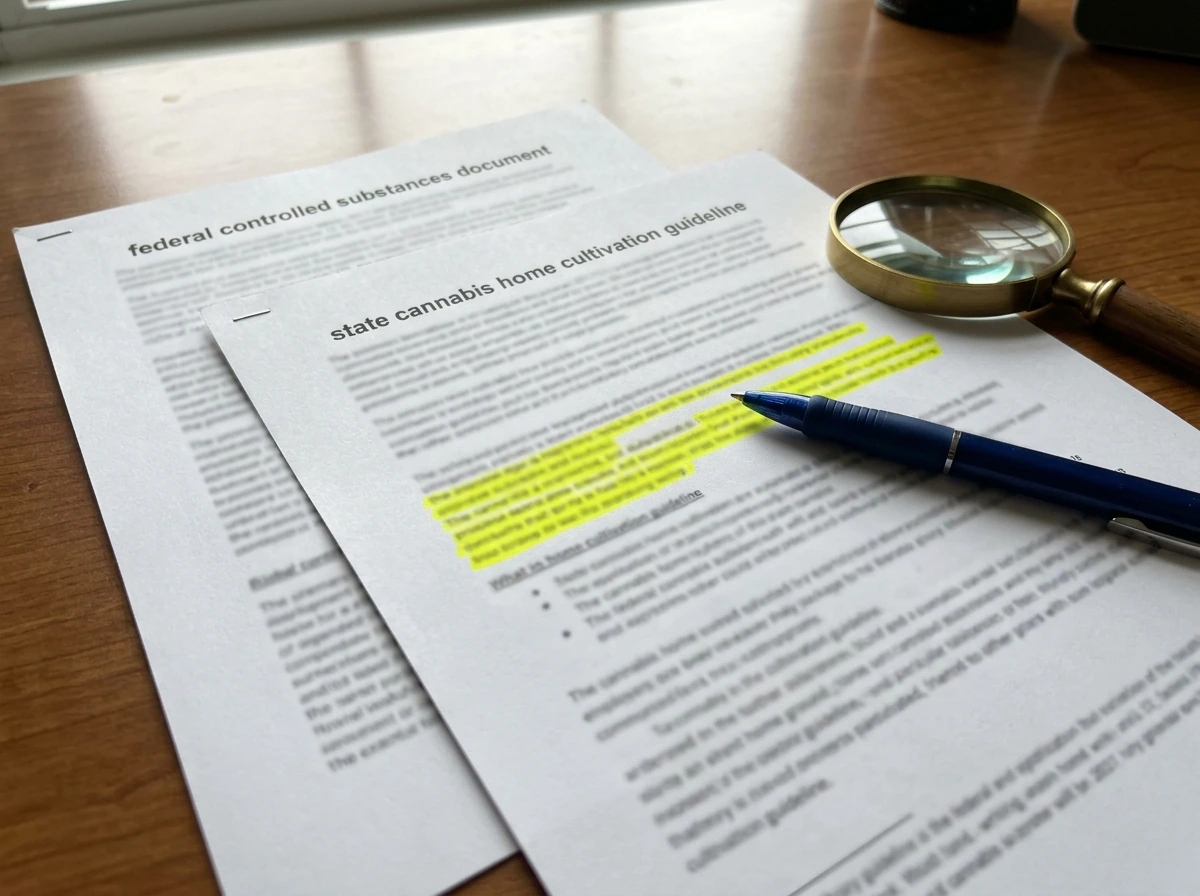
Under federal law, cannabis with more than 0.3% total THC on a dry weight basis is still classified as a Schedule I controlled substance under the Controlled Substances Act (CSA). The 2018 Farm Bill carved out an exception for hemp, defined at the time as Cannabis sativa L. with no more than 0.3% delta-9 THC on a dry weight basis. As of November 2025, amendments to the federal hemp definition shifted the measurement standard toward "total THC," which affects how regulators distinguish legal hemp from controlled marijuana. But for practical purposes: if you're growing a psychoactive cannabis plant, federal law still treats it as illegal regardless of what your state says. CRS’s brief overview explains that marijuana remains controlled under the Controlled Substances Act, while hemp is excluded when it meets the Farm Bill definition, which is why some state-legal grows can still fall under federal control.
That sounds alarming, but the practical reality is that federal enforcement of personal home cultivation has been extremely rare. Federal prosecutors have largely deprioritized individual home growers in states where cultivation is legal. That doesn't mean there's zero risk, especially if federal property or other federal triggers are involved, but it's the reason millions of people in legal states grow at home without federal interference. The real exposure for most people is state and local law, not federal prosecution.
The key takeaway: state law is what determines your day-to-day legal situation. Federal law creates a background conflict that's real but rarely enforced against home growers in compliant states. If you're on federally subsidized housing, near a federal facility, or crossing state lines with your plants or harvest, the federal dimension becomes much more relevant.
How home cultivation laws typically work, state by state
States generally fall into one of three categories when it comes to home growing.
- Fully prohibited: Cannabis is not legalized recreationally or medically, or the state explicitly bans home cultivation even where medical use is allowed. Growing any cannabis plant here is a criminal offense under state law.
- Medical cultivation only: You can grow a limited number of plants, but only if you hold a valid medical cannabis patient card. Some states require a caregiver designation as well. Plant limits are typically low, often 2 to 6 plants.
- Adult-use (recreational) cultivation allowed: Adults 21 and older can grow a set number of plants at their primary residence without any special license. Limits typically range from 3 to 6 flowering plants per person, with household caps often set at 6 to 12 plants total.
Plant limits are almost always split between "mature" or "flowering" plants and "immature" or "vegetative" plants. For example, a state might allow 3 mature and 3 immature plants per adult, with a maximum of 6 mature plants per household regardless of how many adults live there. These specific numbers vary significantly by state, so you need to look up your state's exact rules rather than assuming a general limit applies.
Eligibility basics: who can legally grow
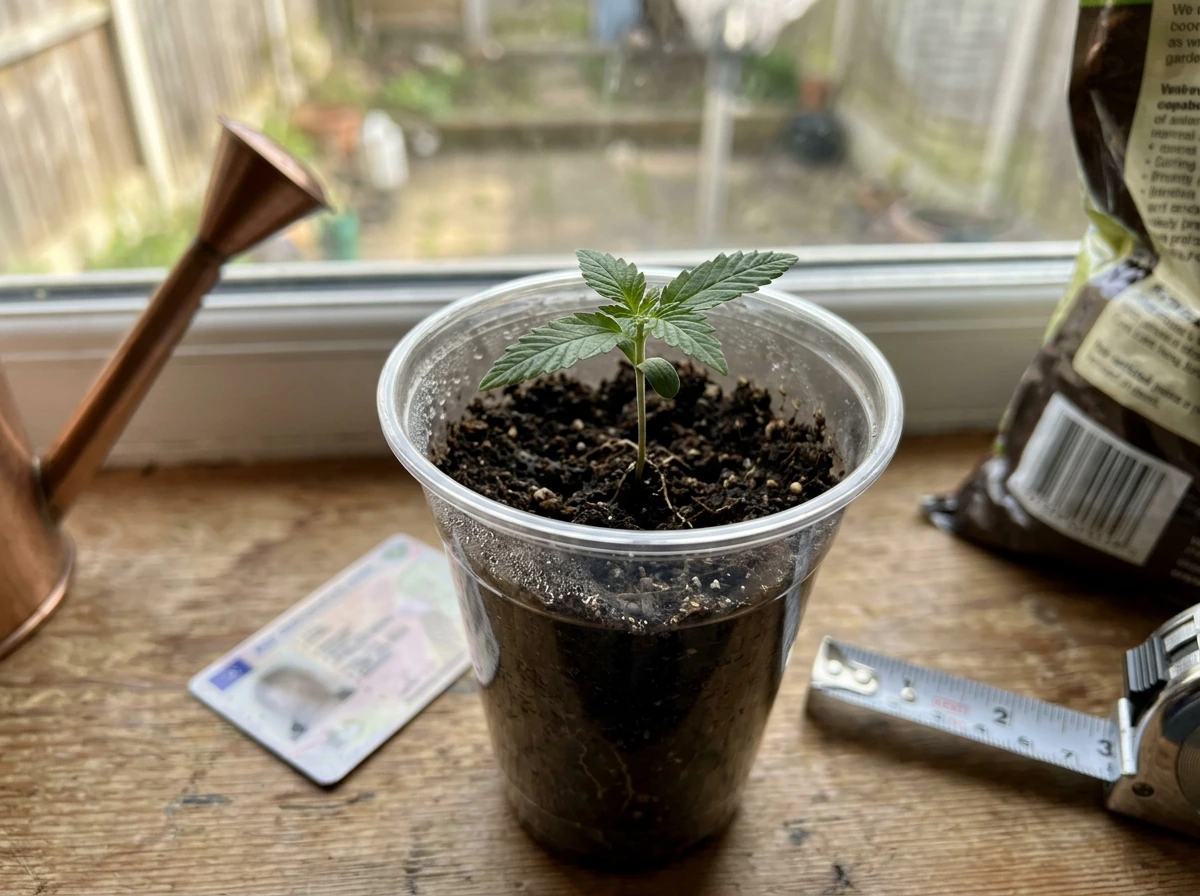
Even in states that allow home cultivation, not everyone automatically qualifies. The standard requirements in most adult-use states are: you must be at least 21 years old, you must be growing for personal use only (not for sale), and cultivation must happen at your primary residence. If you’re asking, “can you grow weed with a medical card,” check whether your state treats medical patients differently for eligibility and plant limits. Some states add a residency requirement, meaning you need to be a state resident, not just visiting. Medical-only states add the requirement of a valid patient registry card or physician recommendation on top of all of the above. If you hold a medical card, you may have access to higher plant limits or cultivation rights in states where recreational growing isn't yet permitted. That topic is covered in more detail in a related guide on whether a medical card lets you grow.
Local rules can override state permissions
This is the part most people miss. A state allowing home cultivation doesn't automatically mean your specific address is in the clear. Cities, counties, and local jurisdictions often have the authority to add restrictions on top of state law, and many do.
- Municipal bans: Some cities have opted out of home cultivation entirely even within legal states. Check whether your city or county has passed local ordinances restricting or banning home grows.
- Zoning rules: Some jurisdictions limit outdoor cultivation in certain zones, particularly in dense urban or residential areas.
- HOA rules: If you live in a community with a homeowners association, the HOA may prohibit cannabis cultivation on the property regardless of state law. HOA rules are private contracts and are generally enforceable.
- Rental properties: Your landlord can prohibit cannabis cultivation as a lease condition even in a legal state. Growing without permission could be a lease violation and grounds for eviction, even if it's not a criminal offense.
- Enclosure and security requirements: Many states require home grows to be in an enclosed, locked space not visible to the public. Outdoor grows that are visible from the street may violate state or local rules even if the plant count is within limits.
- Distance requirements: Some jurisdictions require grows to be a certain distance from schools, daycare centers, or parks.
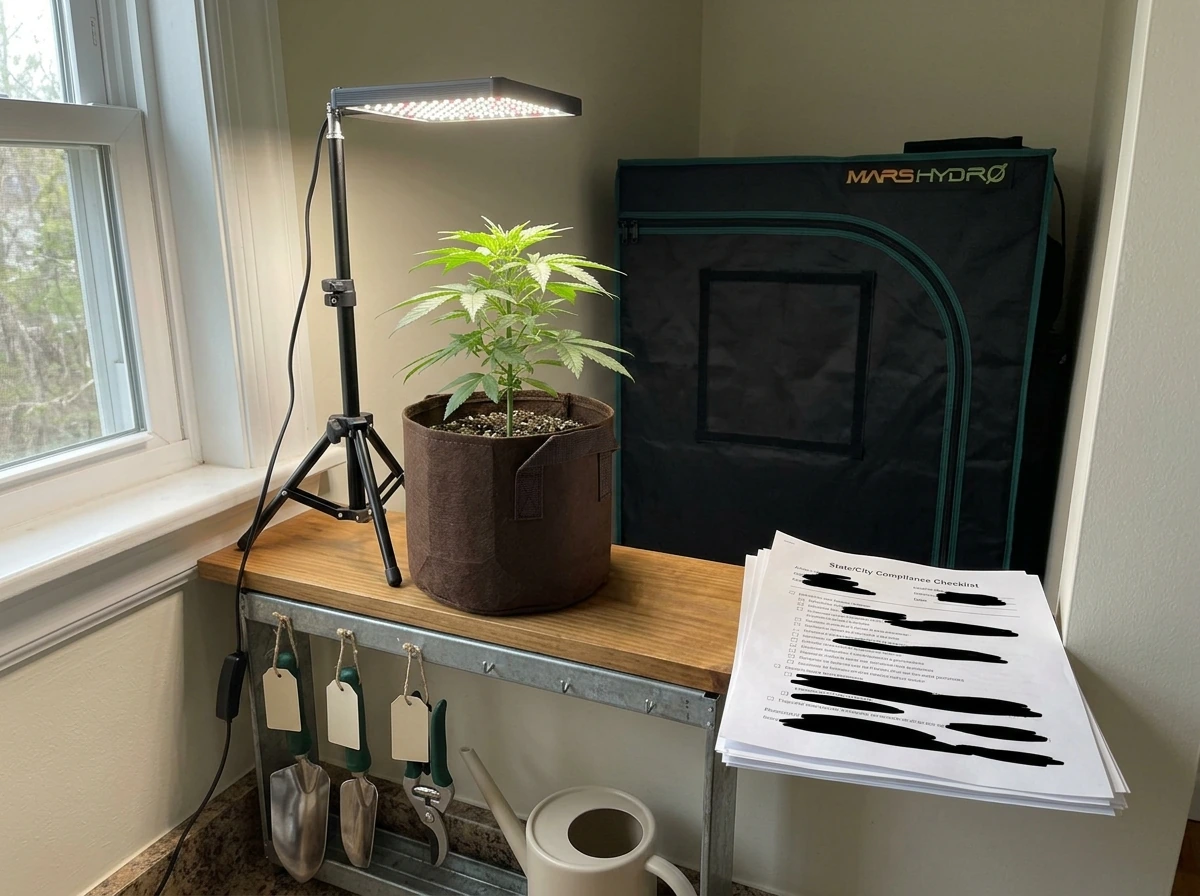
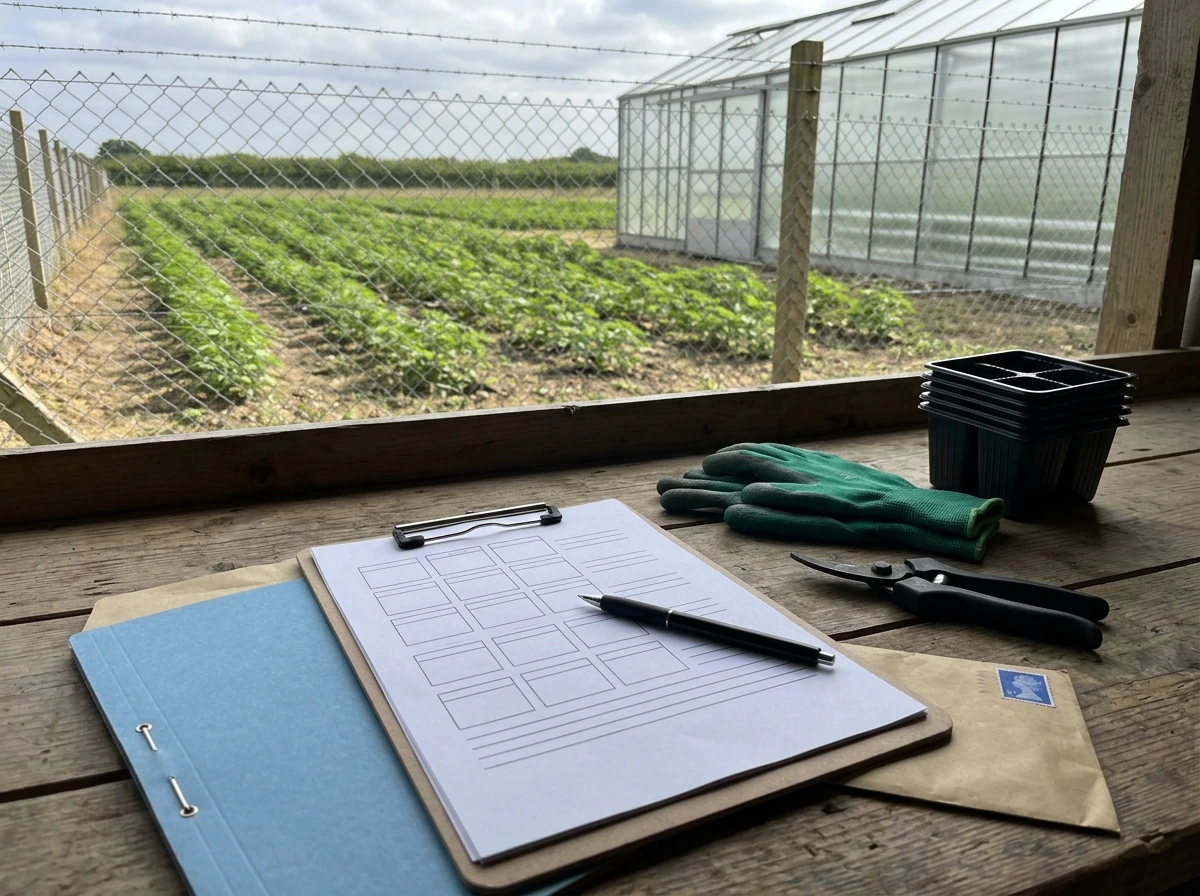
The enclosure rule is the one that trips people up most often. In a lot of states, "enclosed and locked" is a specific legal requirement, not just a suggestion. Colorado home-grow rules require the plants to be grown in a secured closet, room, greenhouse, or other enclosed area that prevents access by people under 21 and is not visible from a public place enclosed and locked. That means an unfenced backyard doesn't qualify, even if you technically have the right to grow. A locked greenhouse, a secure indoor grow room, or an enclosed structure with a lock typically satisfies this requirement. Check your state's exact language before setting up an outdoor grow.
Personal use vs selling: a line you can't cross
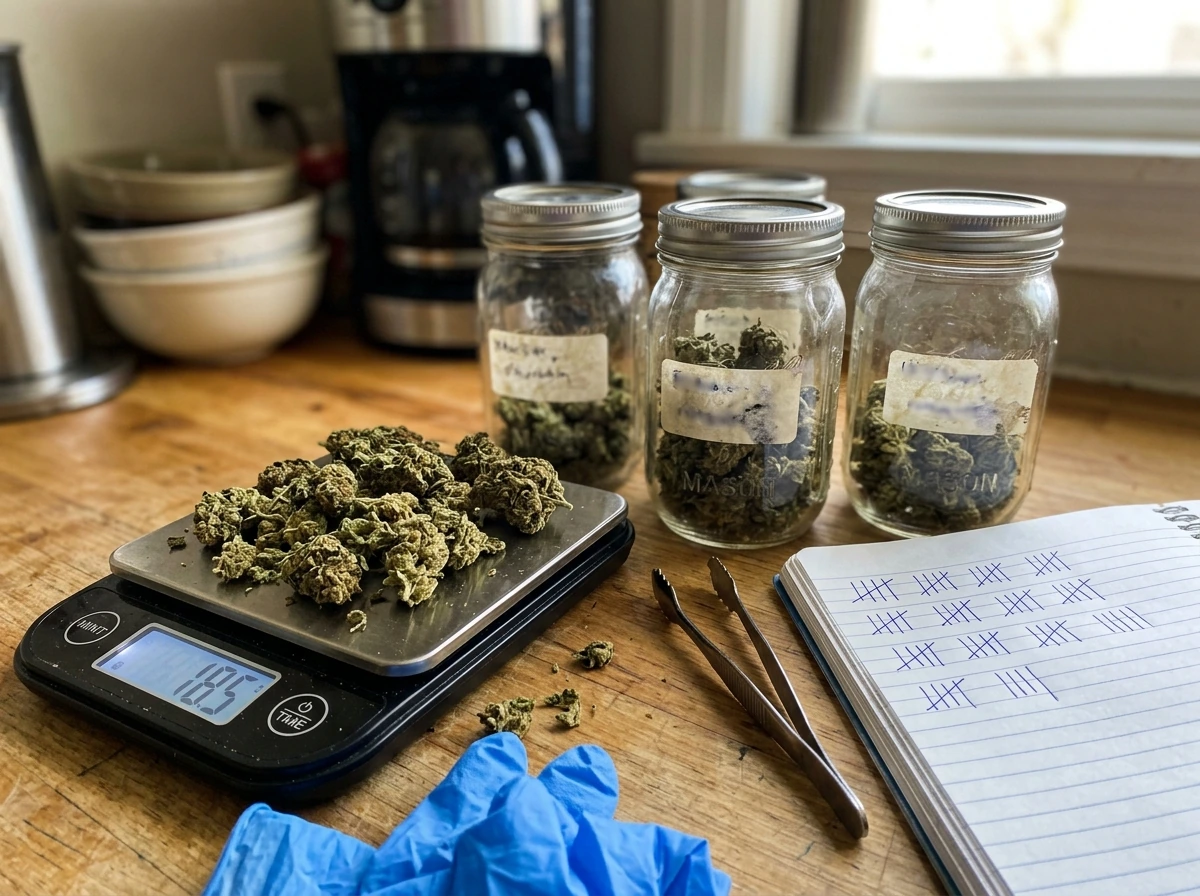
Home cultivation allowances in every legal state are strictly for personal use. Selling, bartering, or distributing cannabis you've grown at home without a commercial license is illegal, even in states with robust adult-use programs. This includes giving away large quantities: most states set a legal gifting limit (commonly 1 ounce) and anything beyond that, or any exchange involving compensation of any kind, crosses into unlicensed distribution territory. do you need a license to grow your own weed
The same applies to harvest limits. Some states cap how much cannabis you can have at home from your personal grow, separate from retail purchase limits. Oregon, for instance, has had household possession limits that apply regardless of how the cannabis was acquired. Exceeding those limits, even from a legal home grow, can create legal exposure.
| What's generally allowed | What's generally not allowed |
|---|
| Growing within your state's plant limit for personal use | Selling or bartering home-grown cannabis without a license |
| Giving away small amounts within legal gifting limits | Giving away quantities above your state's gifting cap |
| Growing in an enclosed, locked space per state rules | Growing in visible or unsecured outdoor spaces where prohibited |
| Keeping harvest within your state's possession limit | Stockpiling harvest above household possession caps |
| Transporting within your state per local rules | Taking plants or harvest across state lines (federal offense) |
How to confirm what rules actually apply to your address today
Don't rely on what a friend told you or what you read in a general article (including this one) as your final answer. Regulations change, local rules vary, and the difference between legal and illegal often comes down to specifics that only your state and local government can confirm. Here's how to check.
- Start with your state cannabis control agency's official website. Every state with a cannabis program has a regulatory body, often called the Department of Cannabis Control, Cannabis Regulatory Authority, or similar. Look for a section specifically on home cultivation or personal grows.
- Check your state's statute directly. Look for the section of your state's cannabis law that addresses personal cultivation. Key terms to search: 'home cultivation,' 'personal cultivation,' 'residential cultivation,' or 'personal use cultivation.' The plant limit, age requirement, enclosure rule, and residency requirement will all be there.
- Look up your city and county codes. Search your city or county's municipal code (often available at municode.com or your local government's website) for cannabis or marijuana ordinances. Look for whether home cultivation is restricted or banned at the local level.
- Check your lease or HOA documents. If you rent or belong to an HOA, review your lease or CC&Rs for any language about cannabis or controlled substances on the property.
- Confirm your property type. If you live in federally subsidized housing (Section 8, public housing, etc.), federal rules apply and cultivation is prohibited regardless of state law.
- Look up whether your state has a seed-to-harvest tracking requirement for home growers. A small number of states require home growers to register their grow or notify authorities. This is not common but worth checking.
When you're reading your state's rules, pay close attention to whether plant limits are per person or per household, and whether the limit applies to mature plants only or includes seedlings and clones. These distinctions matter a lot. A state that allows "6 plants per household" means a household with two adults still only gets 6 total, not 6 each.
Common loopholes that aren't actually loopholes
A few misconceptions come up constantly. First, having a medical card does not automatically allow cultivation in states that only permit recreational use or vice versa. The rules governing medical cultivation and adult-use cultivation are separate. Second, growing hemp (very low THC plants) in a state that restricts cannabis doesn't give you a free pass to grow psychoactive strains. The federal hemp definition exists at the agricultural and commercial level; it doesn't create a personal cultivation right. Third, saying a plant is "for personal use only" doesn't change the legal status of the grow if you're in a state or local jurisdiction that prohibits it.
If home growing isn't allowed where you are: what to do next
If you've checked and home cultivation is either banned outright in your state or blocked by a local ordinance or housing situation, you have a few realistic paths forward.
- Wait and monitor: Cannabis laws are changing rapidly. States that didn't allow home cultivation a few years ago now do. Keep an eye on your state legislature and ballot initiatives.
- Pursue a medical patient card: If your state allows medical cultivation but not recreational cultivation, getting a medical card may open the door to limited home growing rights. A related guide covers whether a medical card allows home cultivation in more detail.
- Apply for a commercial cultivation license: If your goal is larger-scale growing, a licensed cultivation pathway may be available even if personal home grows aren't. These involve state licensing fees, background checks, facility inspections, and compliance requirements that vary widely by state.
- Look into micro-cultivation or craft licenses: Some states have introduced smaller-scale commercial cultivation licenses with lower fees and reduced canopy limits specifically designed for small operators. These are distinct from home grows but may be accessible to individuals.
- Consult a cannabis attorney in your state: If you're navigating a complex situation, such as medical cultivation rights in a restricted state, or you're trying to understand how local ordinances interact with state law, a licensed attorney familiar with your state's cannabis regulations is worth the consultation cost.
This site covers licensing requirements, application steps, costs, and plant limits for commercial and licensed cultivation across states in detail. If you're moving beyond personal home cultivation and looking at what licenses exist, how to apply, and what they cost in your state, that's the natural next step once you've confirmed your personal cultivation status.
The bottom line: growing a cannabis plant at home can be completely legal, completely illegal, or somewhere in between depending on your state, your city, your housing situation, and your age. The rules are specific enough that you need to verify your own situation rather than assuming a general answer applies to you. Use the steps above to check your state agency, your local ordinances, and your lease or HOA terms before you plant anything. can you grow weed legally uk