Whether it's legal to grow weed depends almost entirely on where you live. In the US, there is no single national answer. Some states let any adult grow a handful of plants at home with zero paperwork. Others restrict home cultivation to registered medical patients only. A few states still treat any home grow as a criminal offense. And if you're growing hemp (cannabis that stays under 0.3% THC), a separate set of federal and state rules applies. The fastest way to get a real answer is to identify your state's legal regime first, then check your city or county for local restrictions on top of that. To get a confident answer, also confirm the rules that apply to your exact property and the home-grow limits in your area is it legal to grow a weed plant at home.
Is It Legal to Grow Weed in Your State? Rules, Limits, and Licenses

Quick answer: legal or not, by where you are
Here's the short version. As of March 2026, roughly 24 states have adult-use (recreational) cannabis laws on the books, and most of them allow some form of home cultivation for adults 21 and older. States with medical-only programs may allow home grows for registered patients, but often with tighter rules. States that have not legalized at all treat home cultivation as illegal under state law, and federal law still classifies marijuana as a Schedule I controlled substance regardless of what your state allows. That federal status hasn't changed, which means even if your state says it's fine, federal property, federal employees, and certain housing situations remain legally complicated.
The table below gives a rough category breakdown. Your specific state will have its own rules, which is why the sections that follow walk through how to find and apply them.
| Legal Regime | Home Grow for Adults? | License Required for Home Grow? | Notes |
|---|---|---|---|
| Adult-use (recreational) state | Usually yes, with plant limits | No (personal use) | Local bans may still apply |
| Medical-only state | Sometimes, for registered patients | No license, but registration required | Caregiver rules vary widely |
| Hemp-only / no cannabis law | Only if growing hemp (≤0.3% THC) | State hemp grower license often required | Marijuana cultivation remains illegal |
| No legalization | No | N/A | State and federal criminal exposure |
Figure out which rules apply to you first
Before you plant anything, you need to know which legal category your state falls into: adult-use, medical-only, or no legalization. Then you need to check whether your city or county has layered on additional restrictions. States set the floor, but local governments often narrow things further, and sometimes ban home cultivation entirely within their jurisdiction even when the state allows it.
Adult-use states typically let any resident 21 or older grow cannabis at home without registering with a state agency. The catch is plant limits, location requirements, and the fact that some municipalities inside adult-use states have opted out of allowing cultivation. Minnesota's adult-use law, for example, allows home cultivation for people 21 and older, but plants must be in an enclosed, locked space that is not open to public view. Ohio's adult-use home cultivation law (effective March 20, 2026) sets a limit of 6 plants per adult consumer and 12 plants per residence.
Medical-only states are more restrictive. Home cultivation is not automatically available to every patient. Some states grant cultivation rights to registered patients, some require specific qualifying conditions, and others do not allow home grows at all. New York's medical program, for instance, permits certified patients to cultivate at a single site within a private residence, with defined limits on mature and immature plants. If your state is medical-only, the question to ask is: does your state's medical program include home cultivation rights for patients or caregivers?
Hemp is treated differently. Under federal law, cannabis with 0.3% delta-9 THC or less on a dry-weight basis is classified as hemp, not marijuana, and is not a controlled substance. Under federal law, the definition of hemp in 7 U.S.C. § 1639o includes cannabis (and derivatives) with a delta-9 THC concentration of not more than 0.3% on a dry-weight basis 0. 3% delta-9 THC or less on a dry-weight basis is classified as hemp, not marijuana). Many states have their own hemp licensing programs that allow individuals to grow hemp legally. If you're growing high-CBD hemp flower rather than high-THC marijuana, the rules are completely different, and we cover that distinction in detail near the end of this article.
Home grow rules: plant limits, where you can grow, and what you can keep
Even in states that fully allow home cultivation, there are always conditions attached. The three main variables are how many plants you can have, where on your property you can grow them, and how much harvested cannabis you're allowed to possess. Get any one of these wrong and you're technically out of compliance, even if you're in a legal state.
Plant count limits
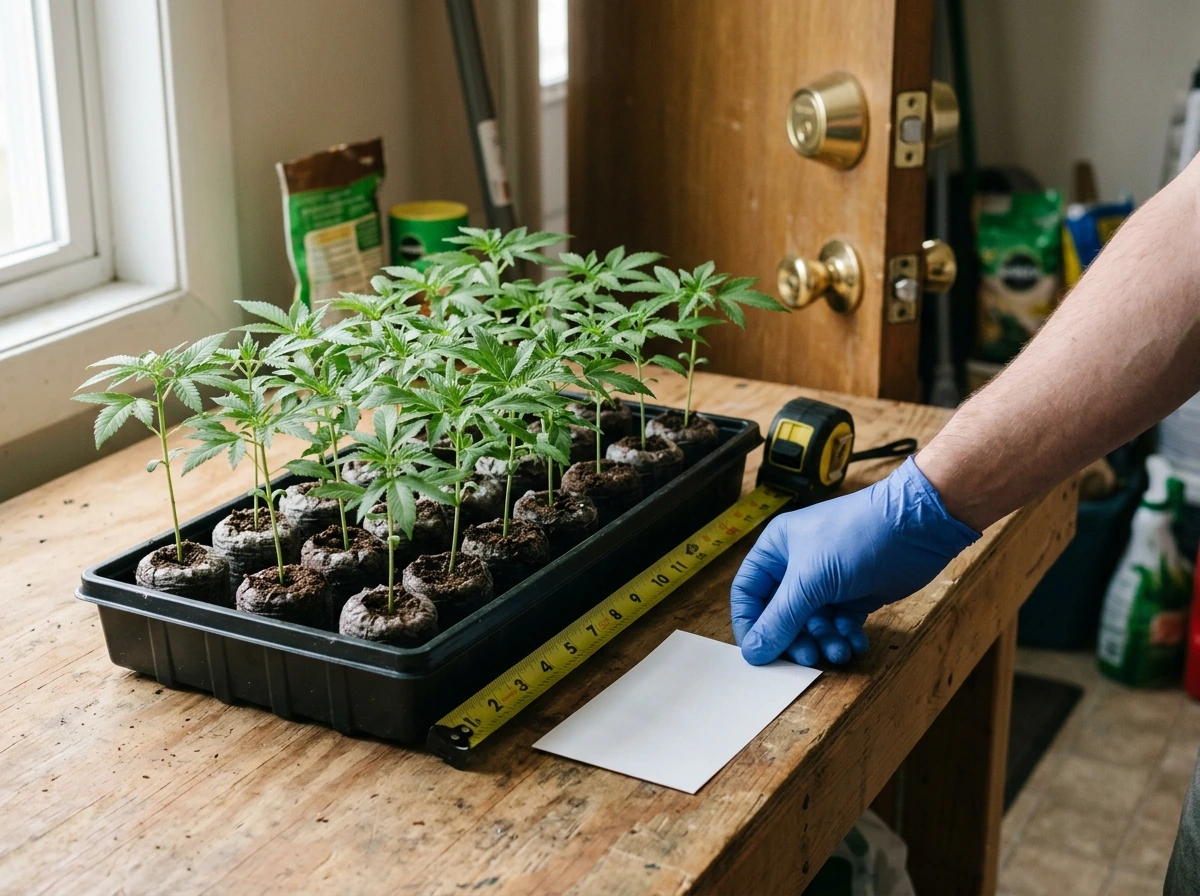
Most adult-use states set limits by both individual and household. Ohio allows up to 6 plants per adult consumer and caps a single residence at 12 plants total, meaning two adults in the same home max out at 12, not 12 each. Minnesota caps home cultivation at 4 mature and 4 immature plants, for a total of 8. These per-person and per-household caps are the most common structure. If you have roommates who also want to grow, you'll hit the household ceiling faster than you expect.
Medical programs that allow home cultivation often follow a similar structure but may count mature and immature plants separately. New York's medical home cultivation framework references a maximum of 6 mature and 6 immature plants in caregiver contexts. Always check whether your state distinguishes between mature (flowering) and immature (vegetative or seedling) plants in its count, because many do.
Where you can and can't grow
This is where people get tripped up most often. Nearly every legal home grow comes with location requirements. Ohio requires cultivation to happen inside a secured closet, room, greenhouse, or other enclosed area that prevents access by anyone under 21 and is not visible by normal unaided vision from a public space. Minnesota similarly requires plants to be in an enclosed, locked space not open to public view. The common thread: keep it out of sight, lock it up, and keep minors away from it.
Ohio's law also prohibits home grows in specific residence types entirely. You cannot grow in a child care home, a halfway house, a recovery or residential treatment center, or a rental where the lease expressly prohibits it. That last point is critical for renters: your landlord's lease terms can effectively block you from growing even in a fully legal state. Check your lease before assuming state law gives you the green light.
Medical programs generally require cultivation at a single designated site, typically the patient's primary residence. New York's regulations specify that a certified patient must designate a single cultivation site. You typically cannot cultivate at a friend's place, a storage unit, or a secondary property under a personal-use medical authorization.
Possession limits from your harvest
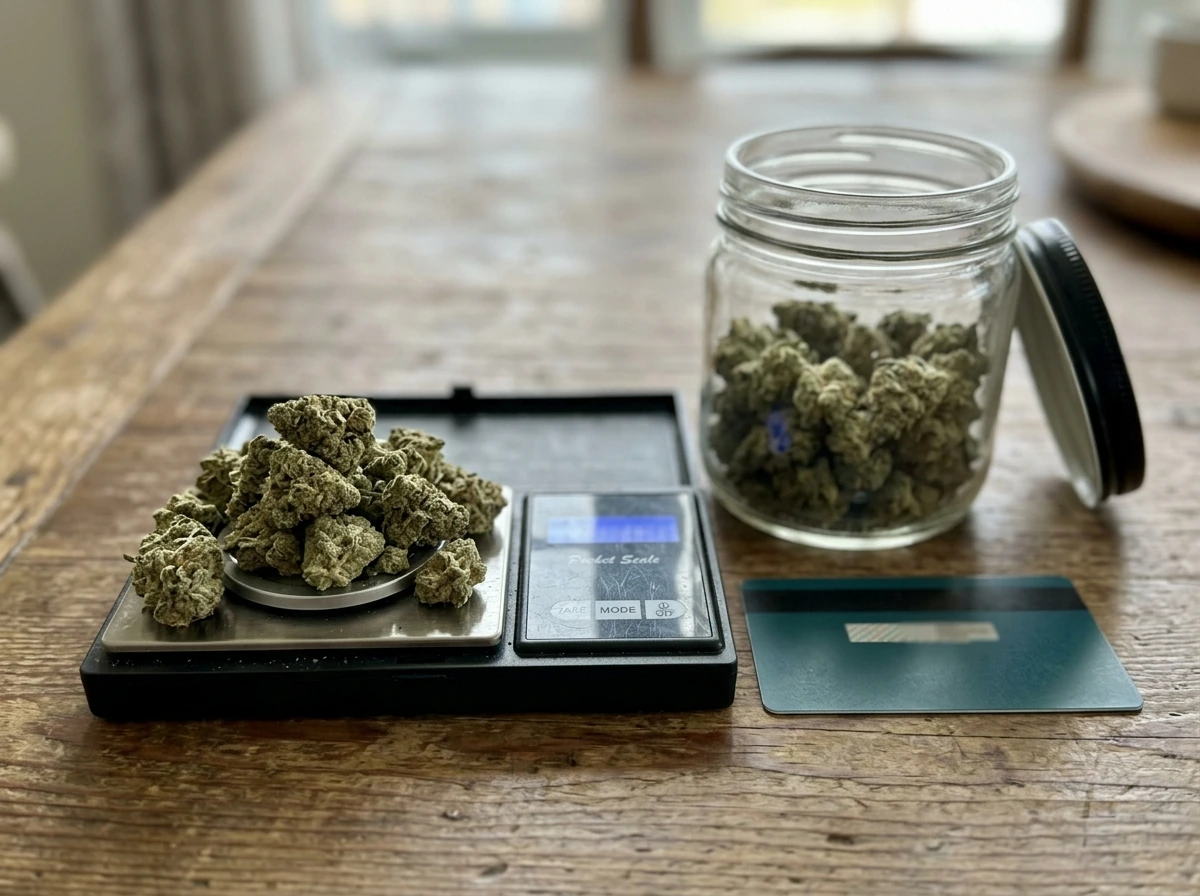
After you harvest, the cannabis you keep at home is usually subject to a separate possession limit. These limits vary by state but commonly range from 1 to 2 ounces in public and larger amounts (often up to several pounds of homegrown product) within your residence. Some states have explicit protections for homegrown cannabis held at home, while others cap possession regardless of source. Check both the cultivation rules and the possession limits in your state, because they are often in separate sections of the law.
Licensing paths for home and commercial grows
For personal home cultivation in adult-use states, you generally do not need a license. You just need to follow the plant limits and location rules. There's no application, no fee, no approval process. That said, if you want to grow more plants than personal limits allow, sell to others, or operate any kind of commercial operation, you absolutely need a license. The licensing world is separate from the home grow world, and the requirements are much more involved.
Common cannabis cultivation license types
Most states with adult-use or medical programs offer tiered cultivation licenses based on canopy size or plant count. Common categories include microbusiness or craft cultivator licenses (smaller canopy, often easier to qualify for), standard cultivation licenses (medium-scale commercial grows), and large-scale or Tier 3/4 cultivator licenses (the biggest operations). Some states offer both indoor and outdoor designations within each tier. The licensing structure that covers small-batch commercial growers is often where people in the 50 to 500 square foot canopy range end up.
Who can apply and what it typically takes
Eligibility requirements vary by state, but most adult-use cultivation licenses require applicants to be at least 21, pass a background check, demonstrate financial resources, and submit a detailed operating plan. Many states have specific equity provisions designed to prioritize applicants from communities disproportionately affected by cannabis prohibition. Application fees range from a few hundred dollars for small-tier licenses to several thousand for larger operations, and annual licensing fees on top of that.
For medical programs, cultivation licenses often require the applicant to demonstrate they are a registered patient or caregiver in states that allow patient-level cultivation. Commercial medical cultivator licenses follow similar background check and financial requirements as adult-use but may be issued by a different state agency (sometimes the department of health rather than a cannabis control authority).
Hemp cultivation is its own licensing category. Most states require a separate state hemp grower license, which involves registering your grow site, submitting GPS coordinates of your fields or grow space, agreeing to pre-harvest THC testing, and paying a license fee. The USDA also runs a federal hemp production program that states can operate under or alongside. If you're growing hemp specifically, check whether your state has a USDA-approved state plan or defaults to the USDA program directly.
How the application process usually works
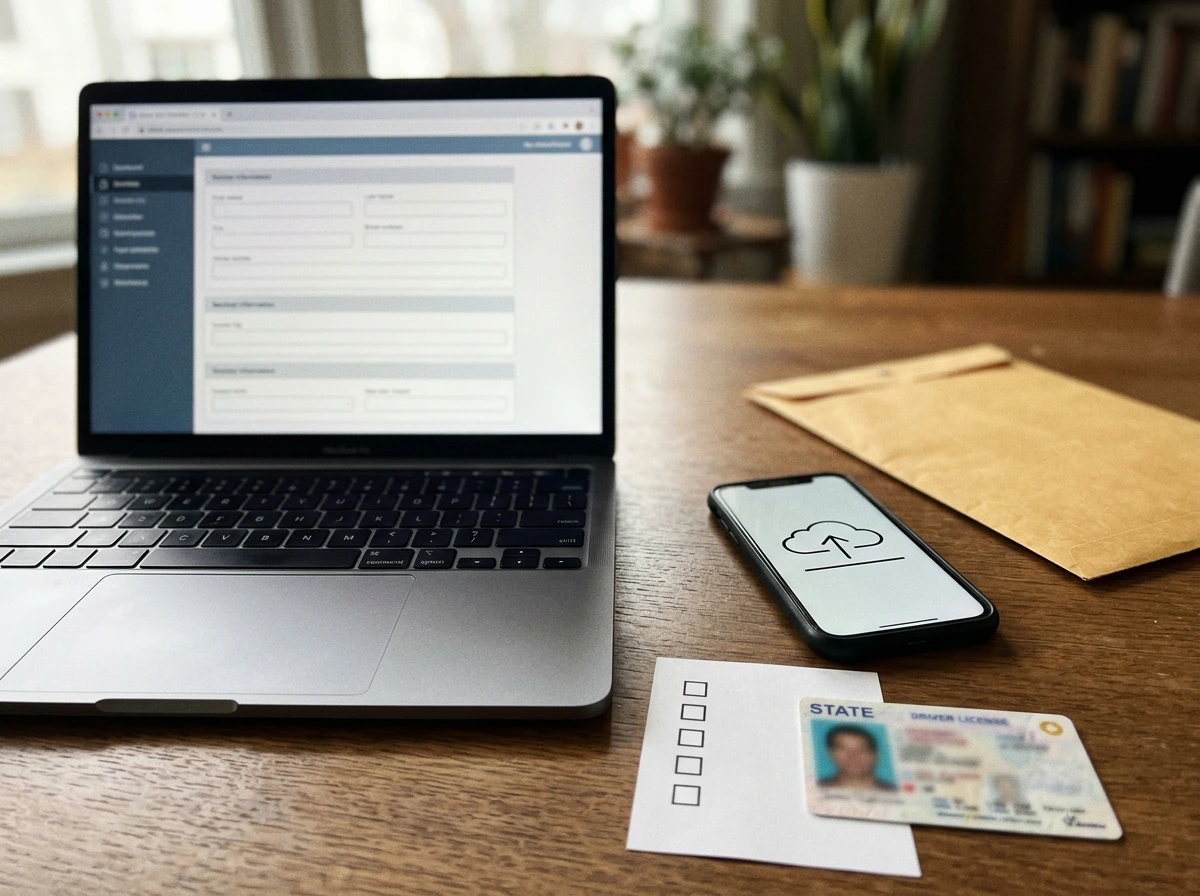
- Identify the correct license type for your operation size and purpose (personal, medical, adult-use commercial, or hemp).
- Check eligibility requirements in your state, including residency, age, and background check thresholds.
- Gather required documents: proof of residence or entity registration, site plans, security plan, financial documentation, and any equity program eligibility materials.
- Submit your application through the state's online portal (most states now use dedicated cannabis licensing portals) and pay the applicable fee.
- Wait for the review and approval period, which can range from weeks to many months depending on the state and license type.
- Once approved, schedule any required pre-opening inspections before you begin cultivation.
Day-to-day compliance: what you actually need to do to stay legal
Getting a license or being within your home grow limits is just the starting point. Staying compliant on an ongoing basis is a different task, and this is where a lot of growers run into problems.
Security requirements
Home growers need to meet the baseline security rules mentioned earlier: enclosed space, locked to prevent access by minors, not visible from public areas. Commercial licensees face much stricter requirements. Most state regulations require licensed cultivators to have alarm systems, surveillance cameras covering all grow areas and entry points, and physical access controls like locked doors and key card entry. Some states require 24/7 camera recording with a minimum 30 to 90 day storage period. Security plans are often reviewed as part of your initial license application and can be audited during inspections.
Canopy and grow space rules
Licensed cultivators are typically limited to a specific canopy size (the area of mature flowering plants) tied to their license tier. Going over your permitted canopy, even by a small margin, is a compliance violation. Indoor and outdoor grows are often regulated differently: indoor grows may have stricter environmental controls required, while outdoor grows may face location and buffer zone requirements. If you expand your grow, you usually need to upgrade your license tier and notify the state before making the change, not after.
Inspections
Licensed operations should expect routine inspections from the state cannabis agency, and sometimes from local authorities as well. Inspectors typically check that your plant count matches your tracking records, your security systems are operational, your facility matches your approved site plan, and your documentation (seed-to-sale tracking, purchase records, employee records) is current. The best way to prepare is to treat your compliance systems as always-on, not something you set up before an inspection and then ignore.
Labeling, testing, and reporting
Personal home growers don't generally need to label or test their cannabis. Commercial licensees do. Most states require harvest testing for potency and contaminants before cannabis can be sold or transferred. Products must meet state-defined testing thresholds and be labeled with required information (THC/CBD content, batch number, harvest date, and required warnings). Many states also require seed-to-sale tracking using a state-mandated software system like Metrc, which logs every plant and every ounce throughout the supply chain. If you're in a licensed operation, this tracking system is not optional.
What happens if you grow illegally
The penalties for unlicensed or illegal cannabis cultivation range from civil fines to serious felony charges, depending on the state and the scale of the grow. In states with no legalization, even a few plants can result in a misdemeanor or felony charge depending on how the state counts or values the cannabis. In states that have legalized but where you exceed plant limits, penalties vary from civil infractions to criminal charges depending on how far over the limit you are.
Growing on federal property, near a school, or in a way that involves minors triggers additional federal and state penalty layers. Federal cultivation charges under the Controlled Substances Act carry their own mandatory minimums based on plant count, which can be severe even for relatively small grows. The fact that you're in a legal state does not protect you from federal prosecution, though federal enforcement priorities have generally focused on larger operations.
For licensed commercial growers, violations can result in license suspension or revocation, fines, and mandatory destruction of the crop. A compliance violation that costs you your license can also cost you your entire investment in the facility. This is why many licensed operators treat compliance as the most important operational function in the business.
The most practical risk reduction strategy is simple: verify the current rules in your specific state and jurisdiction before you plant anything. Laws change. Ohio's home grow provisions, for example, went through multiple legislative updates and the current version became effective as recently as March 20, 2026. What was true a year ago may not be true today, and what's legal in one city in your state may be banned in the next one over. Check your state cannabis agency's website directly, and check for any local ordinances in your city or county.
Hemp vs. marijuana: the THC threshold that changes everything
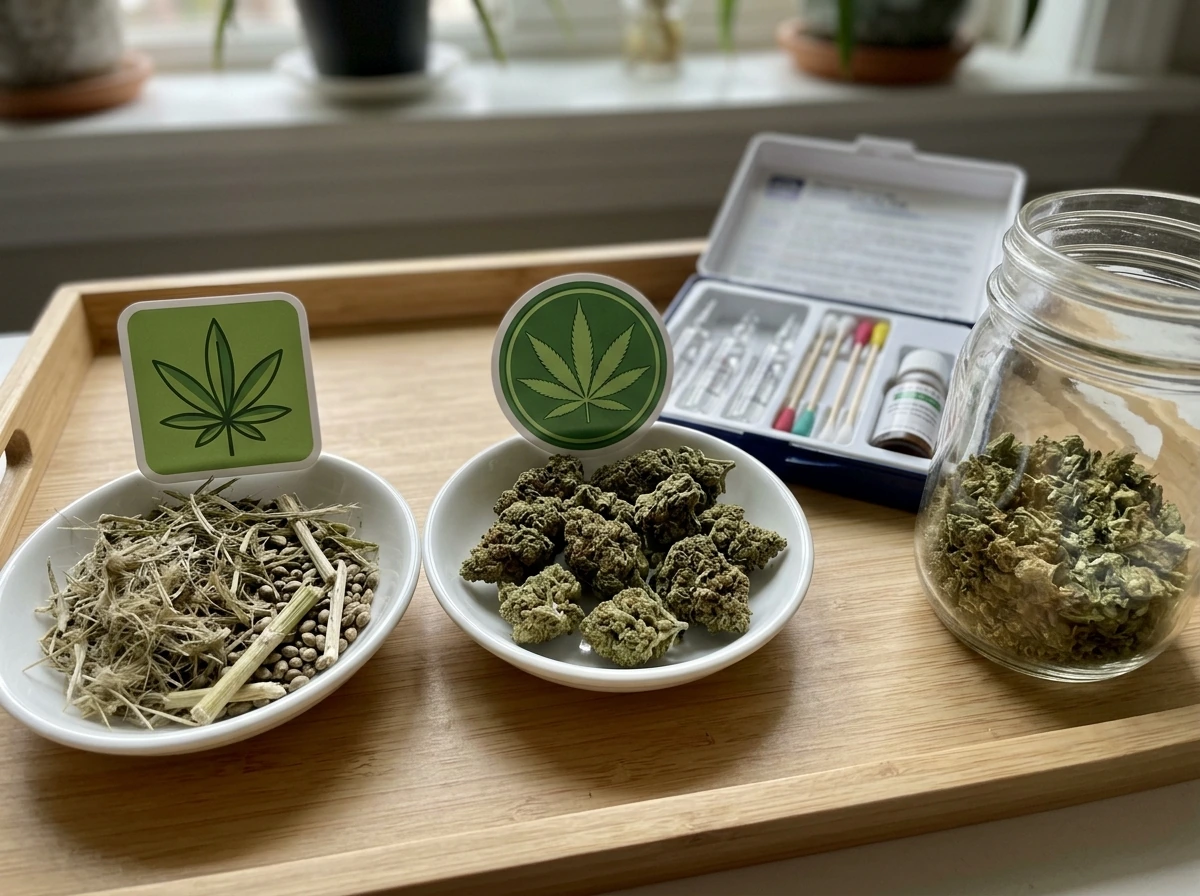
The legal distinction between hemp and marijuana comes down to one number: 0.3% delta-9 THC on a dry-weight basis. That threshold was established by the 2018 Farm Bill and is the line that separates a legal agricultural crop from a federally controlled substance. Cannabis plants at or below 0.3% delta-9 THC are classified as hemp, removed from the definition of marijuana under the Controlled Substances Act, and can be grown, processed, and sold under a state or federal hemp license. Plants above that threshold are marijuana, still federally controlled, and subject to state cannabis laws.
This distinction matters a lot for people interested in growing high-CBD cannabis flower. A hemp plant and a marijuana plant can look, smell, and grow identically. The only meaningful difference is the THC content at harvest. Growing what you intend to be hemp but ends up testing above 0.3% THC at harvest puts you in a complicated spot: the crop may be classified as marijuana and could be subject to destruction, fines, or worse, depending on your state's rules for hot crops.
If you want to grow hemp legally, you generally need a state hemp grower license. You'll agree to have your crop tested before harvest to confirm it stays under the threshold. If it tests above, most states require you to destroy or remediate the crop. Buying certified hemp seed from a reputable source and growing strains specifically bred to stay under 0.3% THC reduces (but doesn't eliminate) this risk.
One thing worth knowing: hemp-derived CBD products are legal at the federal level, but the rules around selling hemp flower, smokable hemp, or hemp-derived THC products vary significantly by state. Some states that have not legalized marijuana have also banned smokable hemp flower specifically. Growing hemp to sell as flower in those states is not the workaround it might seem. Verify your state's hemp product rules, not just the growing rules, if you're planning a commercial hemp operation.
| Feature | Hemp (≤0.3% delta-9 THC) | Marijuana (>0.3% delta-9 THC) |
|---|---|---|
| Federal status | Legal agricultural crop (not a controlled substance) | Schedule I controlled substance |
| Home grow without license | Usually requires state hemp license | Allowed in some adult-use states; restricted or illegal elsewhere |
| Testing requirement | Pre-harvest THC test typically required | Post-harvest potency/contaminant testing for commercial sales |
| Licensing authority | State dept. of agriculture or USDA | State cannabis control authority |
| Risk if THC exceeds threshold at harvest | Crop classified as marijuana; may require destruction | N/A (already in marijuana category) |
Your next steps before you plant
The information in this article gives you a framework, but the only way to know what applies to your specific situation is to look up the current rules in your state and locality. Here's a practical checklist to work through before you start a grow.
- Identify your state's cannabis legal status: adult-use, medical-only, hemp-only, or no legalization.
- Check your city or county for local ordinances that restrict or ban home cultivation even if your state allows it.
- If you're a renter, review your lease for any prohibition on cultivation.
- Determine whether you qualify under your state's home grow rules (age, residency, medical registration if required).
- Count your plant limits carefully, including the per-person and per-household caps.
- Plan your grow location to meet enclosed, locked, and not-publicly-visible requirements.
- If you're growing hemp, contact your state's department of agriculture about a hemp grower license before planting.
- If you're pursuing a commercial license, visit your state cannabis agency's website and review the license types, eligibility requirements, and current application windows.
- Check the date on any regulations you find. Cannabis laws are updated frequently, and information from even a year ago may be outdated.
If you want to go deeper on specific questions, like whether a medical card changes what you can grow, whether caregivers have different rights, or exactly what license you need for your operation size, those topics each have their own nuances worth exploring separately. The rules around whether a medical card expands your cultivation rights, or whether you need any license at all for personal grows, are common follow-up questions once you know where your state stands. Whether a medical card changes your cultivation rights depends on your state’s medical program rules, so it’s worth checking the specific requirements for registered patients or caregivers. if a medical card can you grow can you grow weed legally uk. is it legal to grow cannabis in amsterdam can you grow weed legally uk
FAQ
If I’m within my state’s plant limit, can I still get in trouble for how much weed I keep at home?
In most places where home growing is allowed, “legally” means meeting both your cultivation limits and the possession limits. For example, a state may let you grow a certain number of plants but still cap how much dried flower you can possess at home. If you exceed possession limits (even if the grow itself was within limits), you can still be treated as out of compliance.
Does having a medical card automatically let me grow at home in a medical-only state?
Not automatically. In states that only allow medical home cultivation, the ability to grow often depends on whether your medical program explicitly grants cultivation rights to you as a patient, or to a designated caregiver, and sometimes only at a single approved address. A card usually does not override local “no home cultivation” ordinances or rental restrictions.
If it’s legal for adults to grow at home, do I still need to register or apply for permission?
Often, but with caveats. Some adult-use regimes allow home cultivation for adults without a state application, yet they still require compliance with location rules, visibility restrictions, and minor-protection measures. Also, if you are sharing the harvest with others or transferring plants/product, the law may treat that differently than “personal use.”
If I grow for a family member or caregiver, are the plant limits and location rules the same as for my own use?
Usually, the law treats “caregiver” and “patient” differently, even when both are allowed to cultivate. Many medical frameworks require cultivation to occur at a designated single site, and they may impose different plant-count rules for caregiver activities versus patient-only activities. If you’re planning to grow for someone else, you need to confirm the caregiver-specific limits and site rules.
Can my city or my landlord make home weed growing illegal even if my state allows it?
It can, even where home grow is legal. Municipalities sometimes restrict cultivation locations, visibility standards, or prohibit grows in certain zoning areas, and some landlords add lease terms that effectively bar cultivation. Even a compliant home grow can create legal trouble if your lease prohibits it or your city bans it within its boundaries.
How do I correctly count mature versus immature plants for the legal limit?
Yes. In many legal states, “mature” versus “immature” plant counting is specifically defined, and your total count can change depending on growth stage. If you have seedlings or a perpetual cycle, you need to understand when the state considers a plant “mature,” because miscounting can be treated as being over the cap.
If I grow at home, can I sell extra weed legally without a commercial license?
Usually, selling is the dividing line. Personal home cultivation rules generally do not permit sale, trade for value, or operating as a commercial supplier. If you want to sell, even small amounts, you typically need the appropriate cultivation and distribution licensing and must comply with tracking, testing, and labeling requirements.
Do home growers have to test and label their cannabis, especially if they share it with friends?
Often, no. The rules frequently say personal home growers do not need state-mandated labeling or laboratory testing for personal possession, but commercial transfers require testing and compliant labeling. If you intend to give away product, you still should confirm whether “transfer” or “donation” is treated the same as personal use under your state rules.
Are there specific types of homes or residences where growing is banned, even under state legalization?
It depends on where you live. Even within a state, you may not be allowed to grow in certain property types, such as some regulated residential settings (for example, certain treatment or halfway-house-like environments), or in places where residents are not the legal occupants covered by the home-grow authorization. Renters also commonly have extra constraints through lease wording.
If my state says home growing is legal, does that protect me from federal charges?
Yes, but it’s risky. Federal law still classifies marijuana as a controlled substance, and federal property rules can create separate liability regardless of your state’s legality. If you cultivate on federal land, near certain schools or other designated areas, or in ways that involve minors, federal and state penalty exposure can increase.
What happens if my “hemp” crop tests above the 0.3% delta-9 THC limit?
For hemp, the key issue is harvest THC, not just what you intended to grow. If your crop tests above the 0.3% delta-9 THC threshold, it can be treated as marijuana under your state rules, potentially triggering destruction or remediation requirements. “Hot crop” handling is state-specific, so you should review the exact consequences for failing the pre-harvest or post-harvest test.
If marijuana is illegal where I live, is growing hemp (for flower) always a legal substitute?
It can be, depending on the state’s hemp-product rules. Some states allow hemp cultivation but restrict smokable hemp, hemp flower sales, or hemp-derived THC products. So growing hemp is not automatically a workaround for marijuana rules if your end goal is selling or producing a restricted product.
Can I Legally Grow My Own Weed? State Guide Checklist
Learn how to check if you can legally grow your own weed, including medical vs recreational rules, limits, and next step