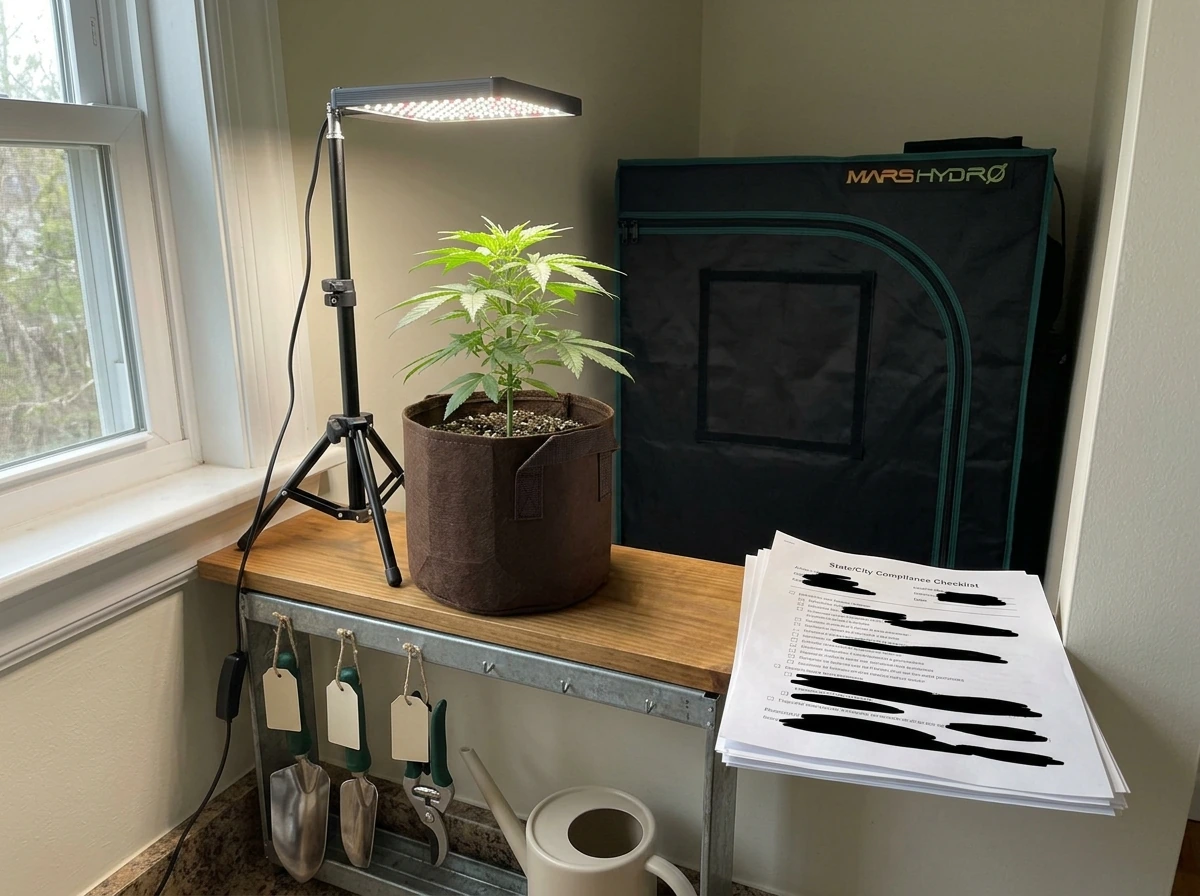
Having a medical marijuana card does not automatically give you the right to grow cannabis at home. In many states, the answer to whether it is legal to grow weed depends on whether your card lets you cultivate and whether you follow any licensing and security rules grow cannabis at home. Whether you can cultivate plants legally depends almost entirely on your state, and sometimes on your city or county on top of that. Do you need a license to grow your own weed? Some states treat the medical card as sufficient authorization to grow a limited number of plants at home, which answers whether if you have a medical card can you grow. do you need a license to grow your own weed Others require a separate registration or hardship cultivation permit on top of your card. And some states, like Florida, ban patient home cultivation entirely regardless of card status. So the short answer is: it depends on where you live.
Can You Grow Weed With a Medical Card? State Rules

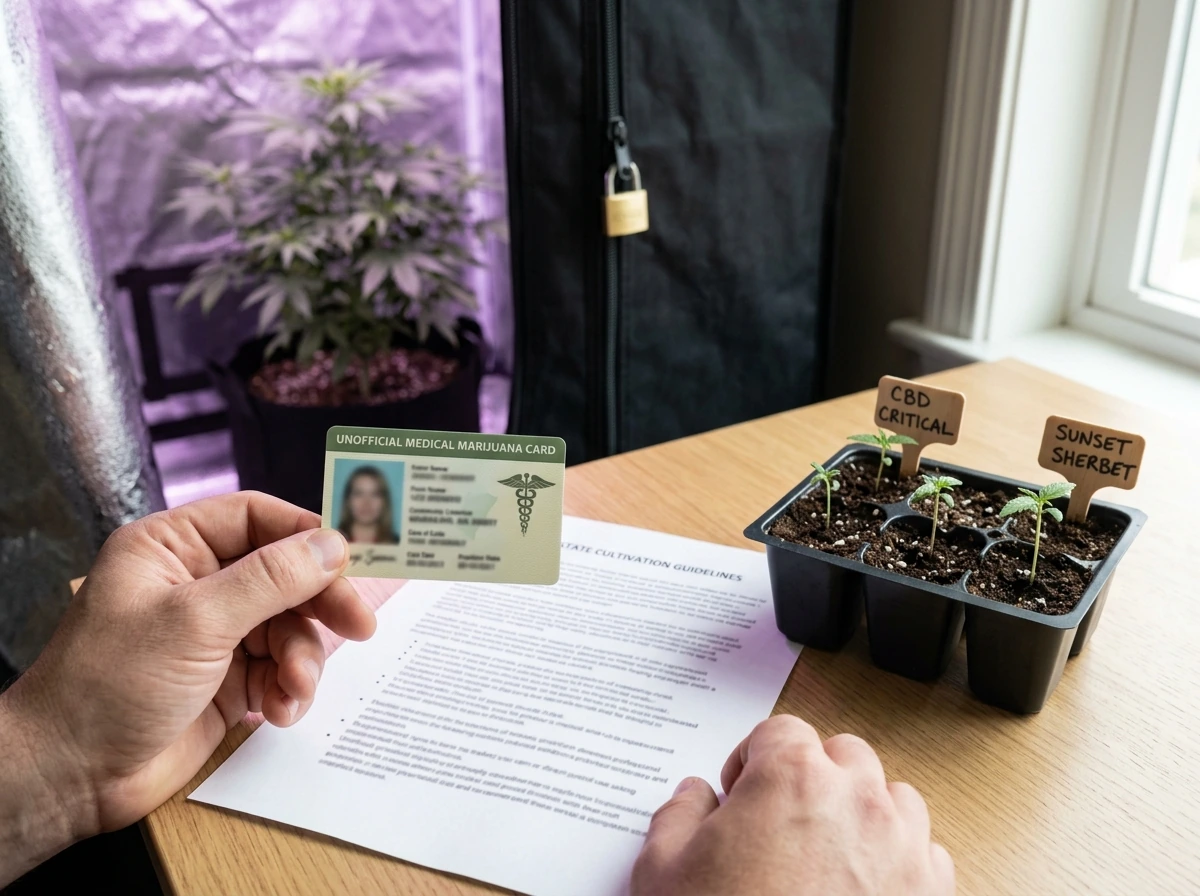
The Legal Basics: Your Card vs. Your State's Cultivation Rules
A medical marijuana card (or patient registry ID) proves you are a qualified patient in your state's medical program. What it does not do is grant uniform cultivation rights across the country. The federal government still classifies cannabis as a Schedule I controlled substance, so there is no federal framework allowing home grows. Every rule that permits patient cultivation comes from state law, and those laws vary widely.
There are three common structures you will run into. First, some states fold home cultivation rights directly into the medical patient registration, so once you are registered, you are authorized to grow up to a set plant limit without any additional license. Second, some states require a separate cultivation registration or hardship permit that you apply for on top of your medical card. Third, some states simply do not allow patients to grow at all, and all cannabis must be purchased through licensed dispensaries. Knowing which category your state falls into is the most important thing you can figure out before you plant anything.
State-by-State: Who Can Grow and Who Can't
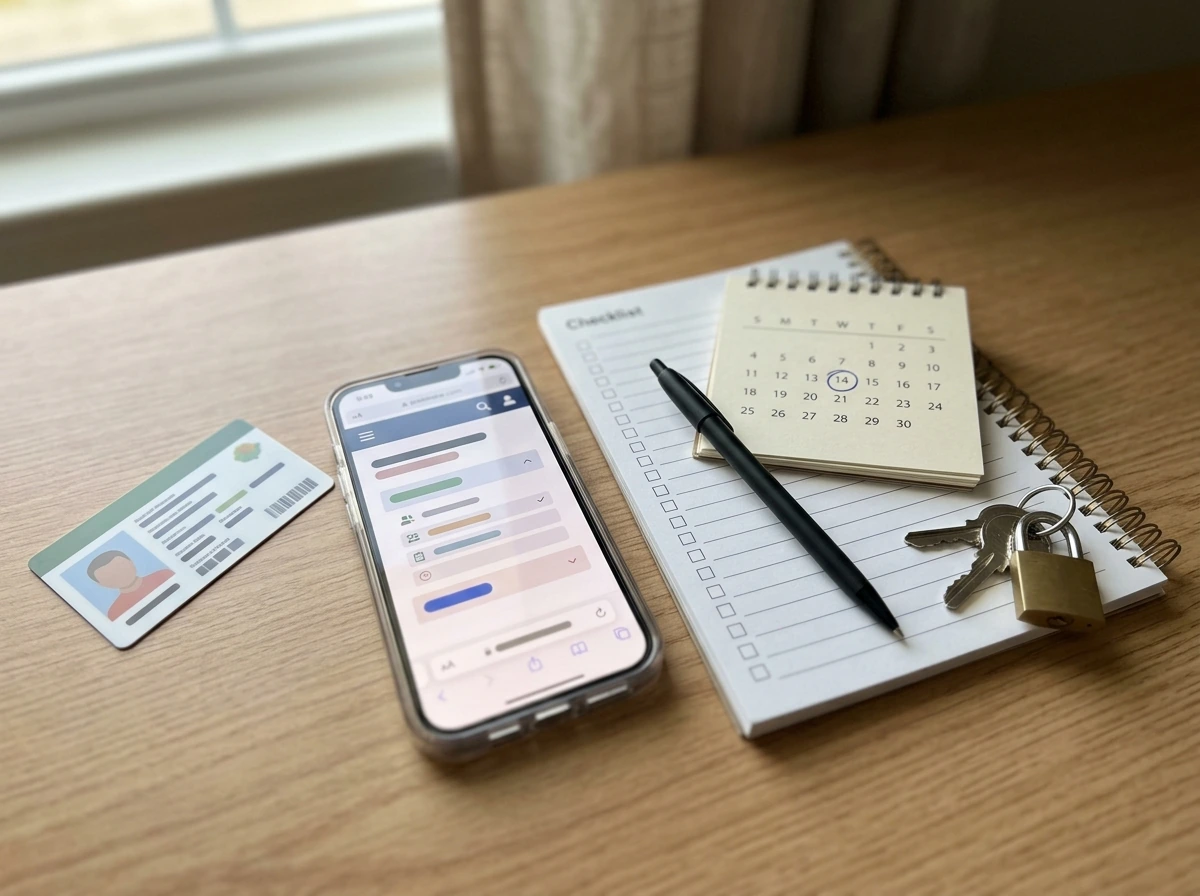
The landscape is genuinely fragmented. Here is a snapshot of how several states handle patient home cultivation, which gives a clear picture of how differently this plays out across the country.
| State | Home Grow Allowed for Medical Patients? | Plant Limit (Mature) | Additional Registration Required? |
|---|---|---|---|
| Illinois | Yes (registered qualifying patients only) | 5 plants | No separate permit; must be registered patient |
| New York | Yes | 3 mature plants per person | No separate permit; patient certification required |
| Massachusetts | Yes (with hardship cultivation registration) | Sufficient for 60-day supply | Yes, hardship cultivation registration required |
| Oregon (OMMP) | Yes | 6 mature plants per patient | OMMP grow-site registration required |
| Florida | No | Not permitted | N/A |
Florida is one of the clearest examples of a prohibition state. Under Florida law, only licensed Medical Marijuana Treatment Centers are authorized to grow, process, and dispense cannabis. Registered patients must obtain their medicine through those licensed centers. Holding a Florida medical card gives you no cultivation rights whatsoever. This is an important reminder that the card is a purchasing credential in some states, not a growing credential.
Oregon's medical program (OMMP) sits on the other end of the spectrum, with a well-developed patient grow-site framework. Patients can designate a grow site and are permitted up to 6 mature plants and 12 immature plants per patient registered to that site. The grow site must be registered with the OMMP, and the program tracks plant limits per site, so it is not informal. Illinois also allows home cultivation for registered qualifying medical patients, capping plants at 5 and requiring that they be grown in a separately locked area not visible to the public.
blank" rel="noopener noreferrer">New York's rules are among the more detailed. Certified patients can grow up to blank" rel="noopener noreferrer">3 mature and 3 immature plants per person, with a household cap of 6 mature and 6 immature plants within any private residence. Patients can also possess up to 5 pounds of trimmed cannabis flower from their home grow. Cultivation must happen at a single designated site, and you cannot transfer or sell what you grow.
Massachusetts uses a hardship cultivation model. You cannot just grow because you have a medical card. You need to apply for a hardship cultivation registration, which is issued to the qualifying patient (or their personal caregiver) and authorizes growing a limited number of plants enough to maintain a 60-day supply. The bar is the patient's documented need, not just a desire to grow.
Plant Limits, Possession Caps, and Security Requirements
Even in states where patient home cultivation is allowed, the rules are specific. Most states regulate three things at once: how many plants you can have, how much harvested product you can possess, and how the grow space must be secured.
Plant Count Rules
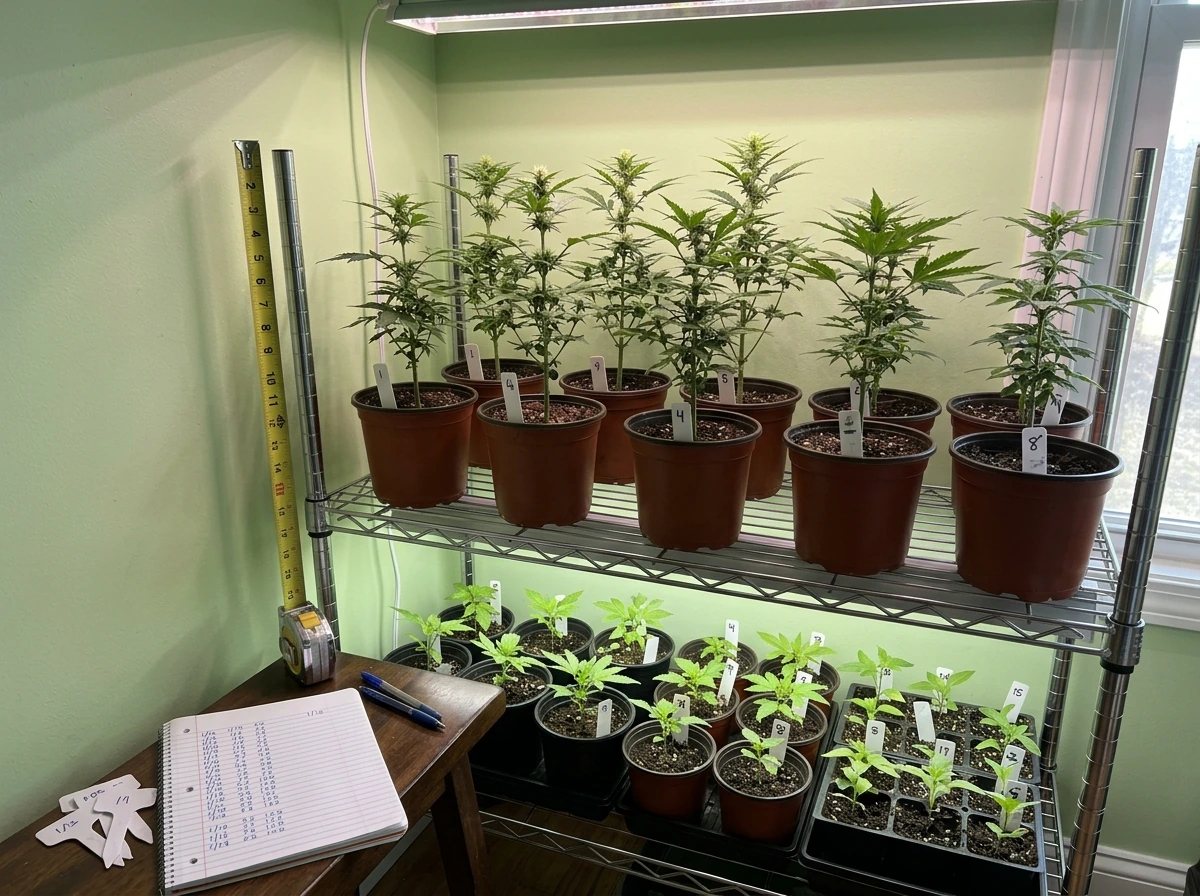
Most states distinguish between mature (flowering) plants and immature plants, and the limits apply to each category separately. Oregon allows 6 mature and 12 immature per patient. New York allows 3 mature and 3 immature per person, with a household maximum. Illinois sets a flat limit of 5 plants per registered patient. These numbers matter because enforcement looks at what is actually growing, not just what is harvested.
Possession and Harvest Limits
New York explicitly caps possession from home cultivation at 5 pounds of trimmed cannabis flower. Other states may tie possession limits to their general medical patient possession allowances. The key practical point is that having more harvested product on hand than your state allows is a compliance problem even if your plant count was legal at grow time.
Security and Location Requirements
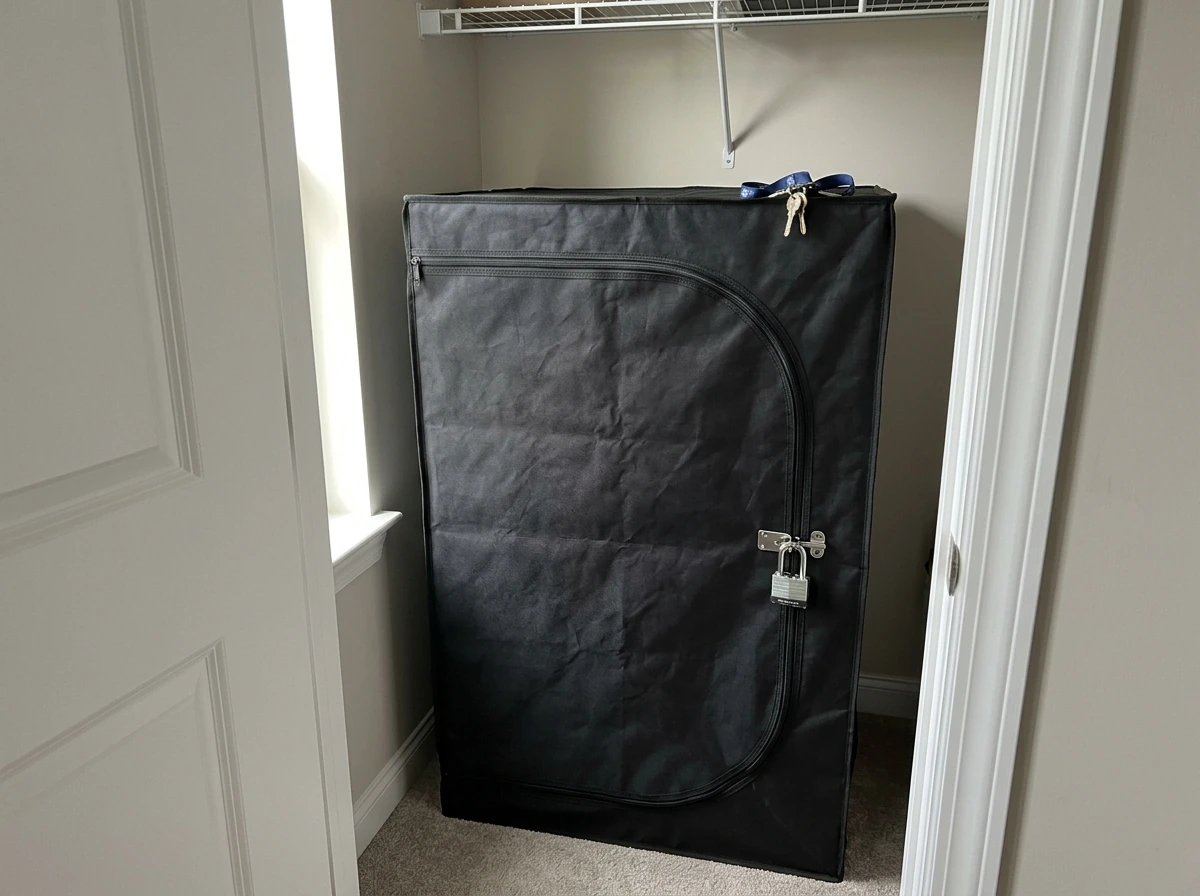
Almost every state that permits home cultivation requires that plants be secured and out of public view. Massachusetts requires cultivation and storage in an enclosed, locked facility, and the grow must not be visible from the street or public areas. Illinois requires a separately locked room. Massachusetts and most other states also prohibit growing in a space accessible to anyone under 21 (or minors generally). These are not suggestions. If your grow space does not meet the security requirements, you are out of compliance even if your plant count is fine.
Medical Card vs. a Separate Grow License: What's the Difference?
This is where a lot of people get confused. In some states, being a registered medical patient is the only credential you need to can i legally grow my own weed at home, up to the legal plant limit. can i legally grow my own weed In others, you need a second layer of authorization on top of your card: a grow-site registration, a hardship cultivation permit, or in the commercial space, a full cultivation license.
Patient home cultivation is always a separate track from licensed commercial cultivation. If you want to grow cannabis as a business, supply a dispensary, or grow beyond personal-use limits, you need a commercial cultivation license, which involves a full application process, fees often ranging from hundreds to tens of thousands of dollars depending on the state, background checks, facility inspections, and ongoing compliance requirements. The rules that govern patient home grows do not apply to commercial operations, and vice versa.
For most readers asking whether they can grow with a medical card, the relevant question is whether their state requires anything beyond the card itself. Oregon's OMMP requires grow-site registration, which is specific to the patient program and not the same as a commercial license. Massachusetts requires a hardship cultivation registration that is also program-specific. In Illinois and New York, the patient registration alone is the authorization, though you still have to follow all the security and plant-limit rules to stay compliant.
How to Confirm Your Eligibility and Stay Compliant
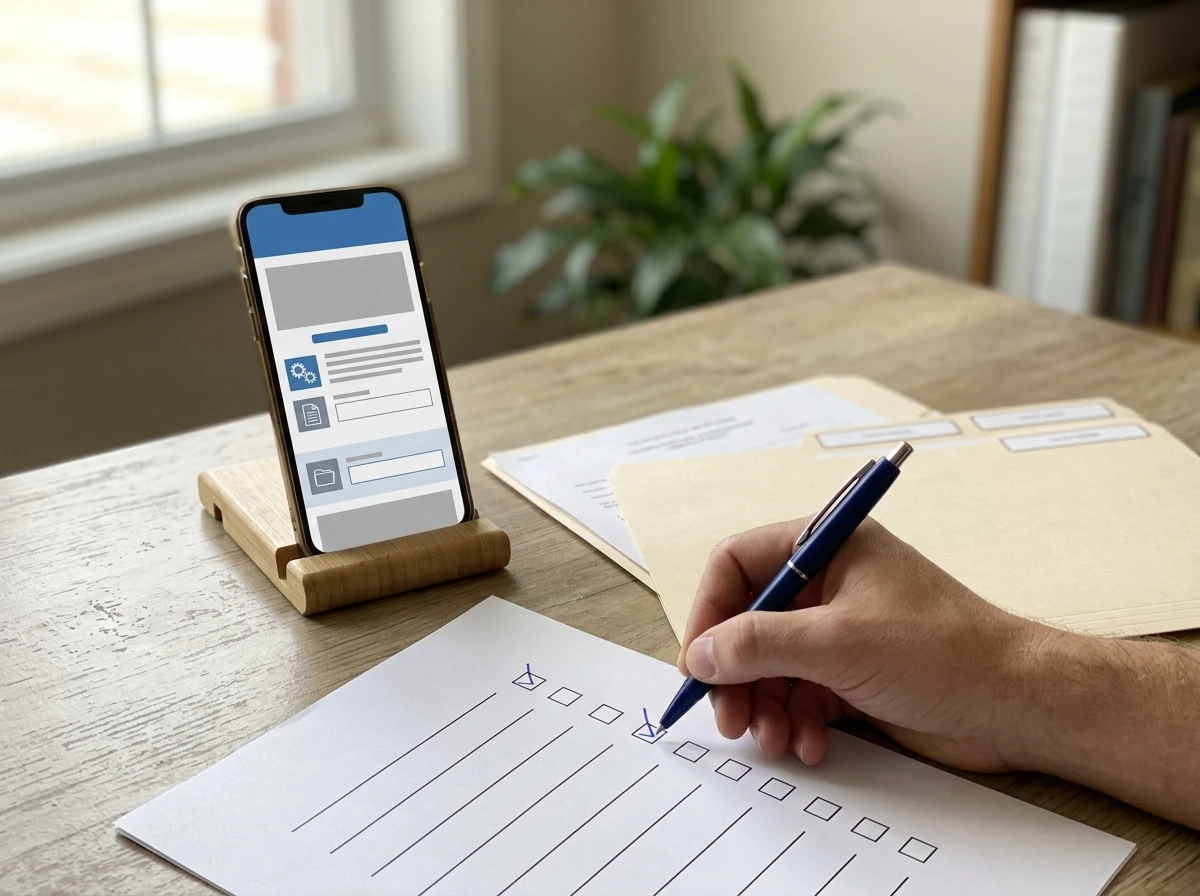
Here is a straightforward process for figuring out where you stand and what you need to do before you start growing.
- Look up your state's medical cannabis program website directly. Search for your state name plus 'medical cannabis home cultivation' or 'patient cultivation rules.' Official program sites (usually a health department or cannabis control agency) are the most reliable source.
- Check whether your state allows patient home cultivation at all. If it does not (like Florida), stop here and see the alternatives section below.
- Identify whether your patient card/registration is enough or whether you need a separate grow-site registration, hardship cultivation permit, or other additional authorization.
- Note the exact plant limits for your state: how many mature plants, how many immature plants, and what the household cap is if you share a residence with another patient.
- Check possession limits for harvested product. Some states are explicit (New York's 5-pound cap on trimmed flower); others tie it to general patient possession rules.
- Review security and location requirements. Find out whether your state requires a locked, enclosed space; prohibits street visibility; or has specific requirements about who can access the grow area.
- Check your city or county rules. Some local jurisdictions add restrictions on top of state law, including zoning rules that can prohibit home cultivation in certain residential zones even where it is legal under state law.
- If a separate registration or permit is required, obtain the application from the official program website, gather required documentation (typically proof of patient registration, address verification, and sometimes a physician's statement), pay any applicable fees, and submit the application before you start growing.
- Keep your paperwork accessible. Store your patient card, grow-site registration (if applicable), and any permits where you can produce them quickly. Some states allow or conduct unannounced inspections of registered grow sites.
Common Pitfalls That Turn a Legal Grow Into a Problem
Assuming Reciprocity Covers You
Some states have medical cannabis reciprocity agreements that let out-of-state patients purchase cannabis at in-state dispensaries. Reciprocity almost never extends to home cultivation. If you are a New York card holder visiting or temporarily living in Massachusetts, you cannot rely on your New York registration to grow plants in Massachusetts. Home cultivation authorization is state-specific and tied to where you are actually growing, not just where your card was issued.
Caregiver Situations
Many states allow designated caregivers to grow on behalf of a patient. In Oregon, a caregiver can be registered to a grow site and tend plants for multiple patients, but that scales the plant limits in specific ways the program tracks. In New York, a caregiver grows at the same site under the patient's limits, and an additional 1 plant per patient above the first six is allowed for caregivers managing multiple patients. In Massachusetts, the hardship cultivation registration is issued to the patient but allows the personal caregiver to do the actual growing. If you are a caregiver, you need to be specifically designated through the program, not just informally helping someone. Growing without that formal designation puts both you and the patient at risk.
Local Zoning and Permits
State law sets the floor for what is permitted, but cities and counties can add restrictions. Some municipalities prohibit home cultivation entirely within their jurisdiction even where state law allows it. Others require local permits or limit where in a property plants can be located. State law sets the floor for what is permitted, but cities and counties can add restrictions. Some municipalities prohibit home cultivation entirely within their jurisdiction even where state law allows it. Others require local permits or limit where in a property plants can be located. Before you set up your grow, can you grow weed legally uk check with your city or county planning or zoning office. This step is skipped more often than almost anything else, and it is one of the most common reasons people end up in compliance trouble despite thinking they were following state rules. This step is skipped more often than almost anything else, and it is one of the most common reasons people end up in compliance trouble despite thinking they were following state rules.
Inspection Risk and Recordkeeping
If your state or local jurisdiction requires grow-site registration, inspections are often part of the deal. Oregon's OMMP framework includes reporting and tracking requirements for registered grow sites. Massachusetts hardship cultivation registrations are issued through the state medical program, which has oversight authority. Keep your documentation current, your plant counts within limits, and your grow space meeting security requirements at all times, not just at the start. An inspector showing up when you are mid-grow and finding you over the plant limit or with an unlocked space can create serious problems.
If You Can't Grow Legally Where You Live
If your state does not allow patient home cultivation, or your local rules prohibit it, you have real options that keep you fully legal and still give you consistent access to your medicine.
- Licensed dispensaries: In states like Florida where only licensed Medical Marijuana Treatment Centers can grow and dispense, purchasing through a licensed dispensary is both the legal and the practical path. Most states with robust medical programs have multiple licensed dispensaries with varying product selections.
- Designated caregiver arrangements: If you are unable to grow yourself and your state allows caregiver cultivation, working with a formally designated caregiver who is registered with the program can give you access to homegrown medicine without you doing the growing. Make sure the caregiver is officially registered, not just a friend who agrees to help informally.
- Licensed cultivator partnerships: In some states, patients can work with licensed cultivators through specific patient-cultivator frameworks. This is less common but worth checking if your state's program includes it.
- Hardship cultivation applications: If your state has a hardship model (like Massachusetts), it is worth applying even if you are not certain you will qualify. The hardship category exists specifically for patients who face financial or access barriers, and the application process is handled through the medical program, not a commercial licensing authority.
The most important thing is to verify the rules for your specific state and locality before you plant a single seed. State cannabis program websites, official health department pages, and state cannabis control agency portals are the right starting places. For deeper detail on whether home cultivation is legal in your jurisdiction more broadly, and on whether you need a formal license to grow at all, those questions have their own answers worth exploring based on your state's current rules. For deeper detail on whether home cultivation is legal in your jurisdiction more broadly, including the answer to is it legal to grow cannabis in amsterdam, explore the specific guidance for your state's current rules.
FAQ
If I have a medical card, do I still need to register my grow site or get extra approval to stay legal?
In states that allow patient home cultivation, you generally must comply with the program’s security rules, plant limits, and any required grow-site registration even if you already have a medical card. Also note that “card renewed” does not always mean your grow authorization renews, some states require you to keep a separate registration active or update your grow-site details when your patient status changes.
Do plant limits apply only to what I harvest, or to the number of plants I have at any time?
Plant limits usually count living plants during the grow, not just what you eventually harvest. If you exceed the limit while seedlings are still present, or you keep more mature plants than allowed at any point, you can be out of compliance even if you later trim or harvest and end up under the cap.
How does my state define immature plants versus mature plants for the limit?
Many states treat immature plants separately from mature plants, and the definitions can matter (for example, whether a plant is considered in the flowering stage). If you’re unsure how your state distinguishes “immature” versus “mature,” ask your state program for the exact definition before you plan your plant count.
What happens if I stay under the plant limit but I have more product in storage than my state allows?
Possession rules can be stricter than grow rules. Even if your plant count is within the legal limit, having too much trimmed flower, concentrates, or other forms on hand can still be a compliance problem. In New York, for example, there is a specific trimmed-flower possession cap tied to home cultivation.
Can I move my grow setup to a different address (or give plants to a friend) and still be legal?
In most jurisdictions, you cannot move a home-grown plant or harvest to a new person or property and still rely on the patient authorization. If your state allows home grows, it often requires cultivation at a designated site, so moving seedlings or transferring product to another address can put both the patient and caregiver at risk.
If I live with other people, how do household caps work for home cultivation limits?
If you share a residence, the rules are often written around a household cap, not just your individual patient status. For example, New York uses household-level maximums for mature and immature plants. That means a roommate who also qualifies, or a second patient in the same unit, can change what you are allowed to keep.
What if my medical card expires in the middle of my grow?
If your card expires or you are otherwise removed from the medical program, you generally lose the legal basis for cultivation. Some states allow a limited cure period, others do not, and you could be treated as cultivating without authorization. Plan your grow around renewal timing and any re-registration deadlines.
Can my caregiver or family member grow for me without being formally registered?
Caregiver rules are program-specific, and being a “regular helper” usually does not count. If your state requires caregiver registration on a grow site, only the formally designated caregiver can legally cultivate on behalf of the patient, and the caregiver designation can affect the plant counting.
If my card works in another state for dispensary purchases, can I also grow there while visiting?
Reciprocity typically helps with purchasing, not cultivating. Even if out-of-state cards are recognized for dispensary access, home cultivation permission is usually tied to where you physically grow, and rules often change by municipality. If you are traveling or temporarily living elsewhere, assume you do not have cultivation authorization unless that location’s rules explicitly cover your situation.
What if my state allows home cultivation but my city or county has extra restrictions?
Yes, local zoning rules can override state permission. Some cities ban home cultivation entirely or restrict where plants can be located on the property. Before buying equipment or seeds, check your city or county planning or zoning office, and keep any local permit documentation if one is required.
Is It Legal to Grow a Weed Plant at Home in 2026?
US guide on whether home weed growing is legal in 2026, what limits apply, and how to verify your state rules today.