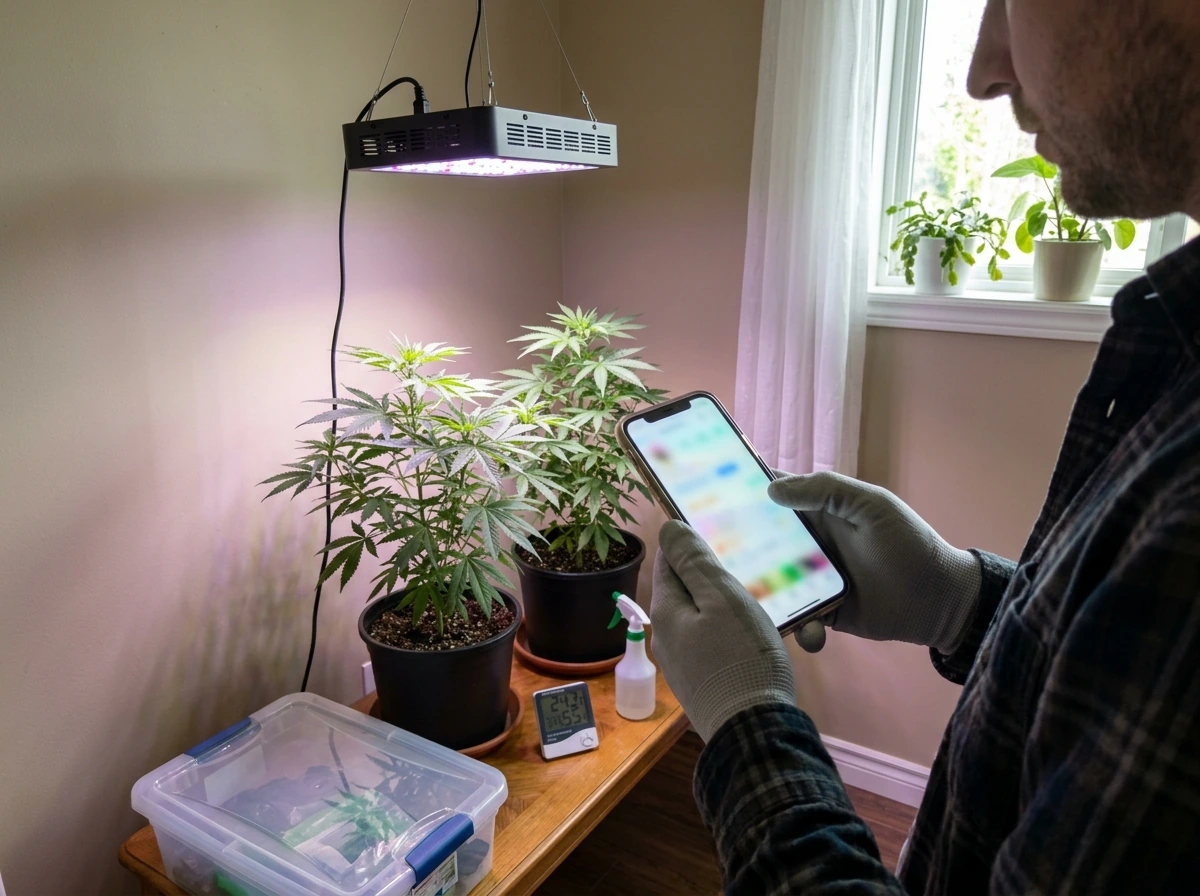
Here's the short version of how to read your situation: if your state has legalized adult-use cannabis and permits <a data-article-id="6699F66B-B97D-407E-981D-DAC4B37D85E8">home grow</a>, check the plant limit and grow it at home, and you're done. If you’re unsure whether you qualify, start with the quick answer on when home grow is allowed versus when you need a license, including the guidance for home grow in your state. If your state only has a medical program, you typically need a patient card or caregiver registration first. If your state hasn't legalized cannabis at all, growing any amount is still a criminal offense under state law, regardless of what federal policy looks like. This article is not legal advice, but it will give you a clear map of how the rules actually work.
State-by-state rules: home grow vs. licensed commercial cultivation

The United States has no single federal rule for home cultivation. Every state sets its own laws, and some cities and counties layer additional restrictions on top of state rules. As of March 2026, roughly 24 states have legalized adult-use cannabis, and most of them allow some form of home cultivation without a license. Another group of states has medical-only programs that permit patient home grows. A remaining group either bans home cultivation entirely or hasn't legalized cannabis at all.
The table below gives a practical snapshot of how different state categories handle home grow. These are representative examples, not an exhaustive list, because rules change and local ordinances can restrict what state law allows.
| State / Category | Home Grow Allowed? | License Required? | Typical Plant Limit | Notes |
|---|
| New York (adult-use) | Yes | No license for personal grow | 3 mature + 3 immature per person; 12 per household | Plants must be secured; not accessible to under-21s |
| California (adult-use) | Yes | No license for personal grow | 6 plants per person | Local ordinances can ban or further restrict home grows |
| Colorado (adult-use) | Yes | No license for personal grow | 6 plants per person (3 mature); 12 per household | Medical patients may grow more with caregiver registration |
| Michigan (adult-use) | Yes | No license for personal grow | 12 plants per household | Plants must be in an enclosed, locked space |
| Oregon (adult-use) | Yes | No license for personal grow | 4 plants per household | Grow must be out of public view |
| Florida (medical-only) | No (as of March 2026) | N/A | Not permitted | Ballot initiative history; check current state law |
| Texas (no adult-use) | No | N/A | Zero | Any cultivation is a criminal offense under state law |
| Minnesota (adult-use) | Yes | No license for personal grow | 8 plants per person; 16 per household | Indoor only; must not be visible from public spaces |
The table shows the pattern: adult-use states with home grow rights don't make you apply for a license, but they do set hard plant limits and location rules. Medical-only states usually require patient registration as a precondition. And states without any legal framework treat cultivation as a crime, full stop.
One thing that catches people off guard: even in legal states, your city or county may have passed its own ordinances banning or restricting home cultivation. California is the clearest example. State law allows 6 plants per person, but dozens of California cities have banned home grows entirely or limited them to indoors only. Always check local rules on top of state rules.
Medical vs. adult-use: what counts as authorization to grow
"Authorization" doesn't always mean a license. Depending on your state and your status, the thing that makes your grow legal might be a medical patient card, a caregiver registration, or simply meeting the age requirement in an adult-use state. Understanding which type of authorization applies to you matters because the rules (and the plant limits) are often different.
Adult-use authorization
In adult-use states that permit home cultivation, the authorization is essentially your age. If you're 21 or older and you comply with the plant limits and location rules, you're legal. No application, no card, no fee. New York is a good example: adults 21+ can grow up to 3 mature and 3 immature plants at home, with a household cap of 12 plants total (6 mature and 6 immature). There's no registration form to fill out beforehand. Your compliance is demonstrated by following the rules, not by holding a piece of paper.
Medical patient authorization
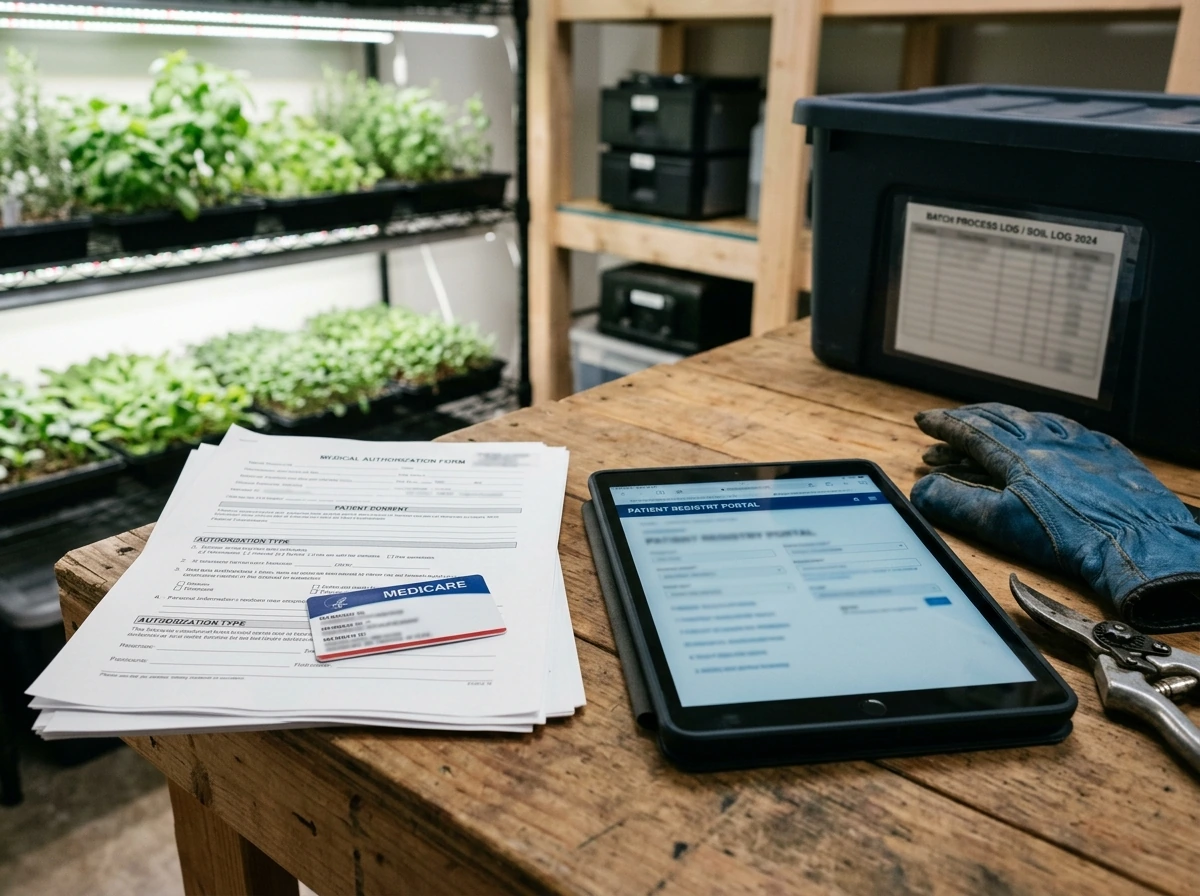
In medical-only states, you need a valid medical cannabis card (also called a medical marijuana card, patient registry ID, or similar) issued by your state health department before you can legally grow anything. Getting that card typically requires a qualifying diagnosis, a physician recommendation, and registration with the state. Some states also allow designated caregivers to grow on a patient's behalf, but caregivers usually need their own separate registration. If you have a medical card, check whether your state explicitly allows patient home cultivation, because not all medical states do. If you have a medical card, you can usually grow at home only if your state’s medical program explicitly allows patient home cultivation.
There's a nuance worth understanding: some adult-use states allow medical patients to grow more plants than the adult-use limit. Colorado, for example, allows registered patients to petition to grow up to 12 plants with a physician recommendation, compared to the standard 6-plant adult-use limit. So even in a legal state, having a medical card can change what's available to you.
Caregiver authorization
Caregiver programs exist in many states and allow a designated adult to grow (and sometimes purchase) cannabis on behalf of a patient who can't do so themselves. Caregiver authorization is typically a formal registration, not just a relationship. You apply, pay a fee, and get approved by the state. Caregivers often face stricter rules than patients, including limits on how many patients they can serve and requirements about where they grow.
Plant limits, possession thresholds, and what triggers licensing
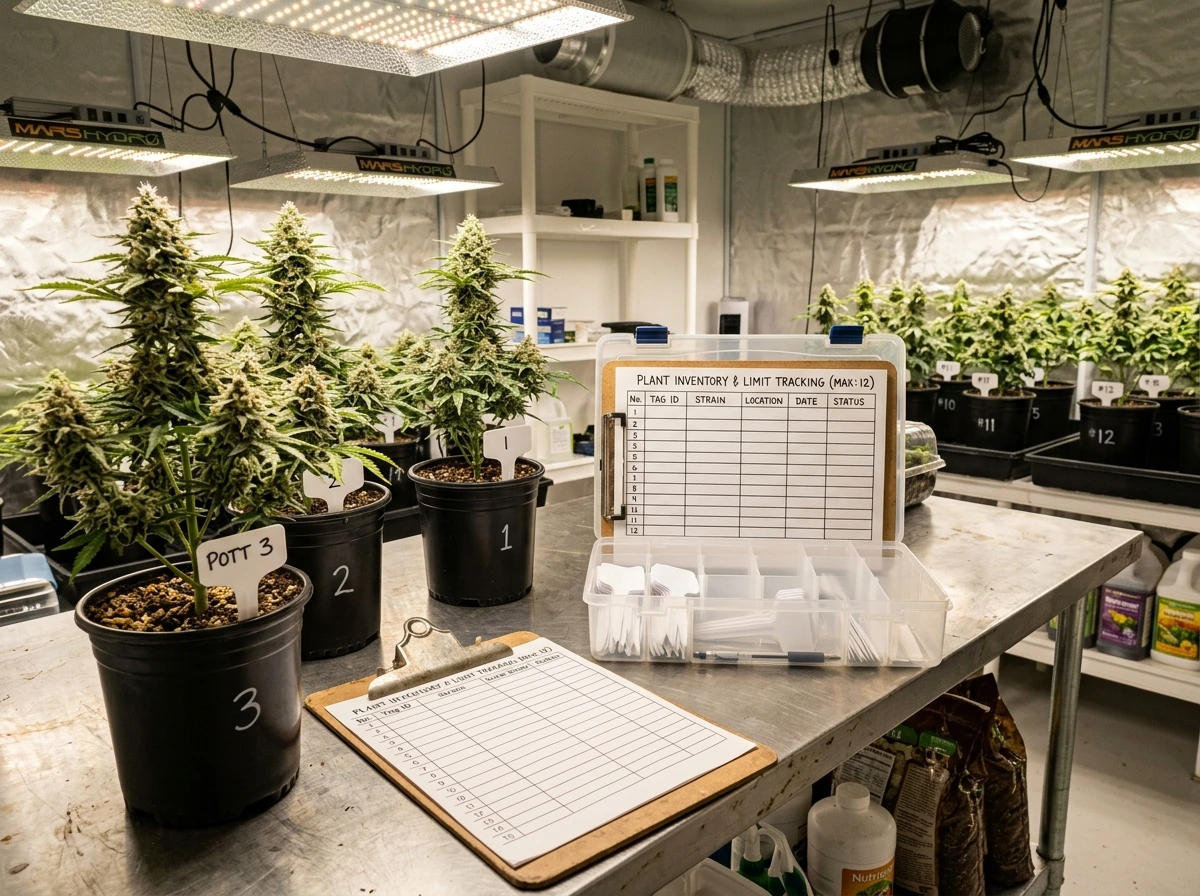
Plant limits are the most important number to know. Exceeding your state's limit, even by one plant, typically converts your legal home grow into an unlicensed cultivation operation. That's a completely different legal situation. Here's how limits work in practice.
Most states count mature (flowering) and immature (non-flowering, seedling, or vegetative) plants separately. New York, for example, allows 3 mature and 3 immature per person, with a household maximum of 12 plants total. Some states, like Michigan, set a single household limit of 12 plants regardless of stage. Others, like Oregon, cap the entire household at 4 plants. Knowing which counting method your state uses matters a lot if you're managing a perpetual grow cycle.
Possession thresholds work alongside plant limits. Most states set a limit on how much harvested cannabis you can keep at home (often 1 to 2 ounces of usable flower, though some states allow more from a home grow). If your harvest puts you over the possession limit, you may need to dispose of the excess or face legal risk. Check both the plant limit and the possession limit in your state.
What actually triggers a licensing requirement for home growers comes down to a few specific actions:
- Exceeding the state plant limit for personal cultivation
- Selling, bartering, or exchanging cannabis (even small amounts) to another person
- Growing outside your private residence (commercial facilities, warehouses, shared spaces)
- Operating as a caregiver for multiple patients beyond your state's patient cap
- Growing in a state or locality that bans all home cultivation
None of these require bad intent to trigger. You can accidentally turn a legal home grow into an unlicensed operation by letting a harvest pile up beyond the legal possession limit, or by accepting even token payment for your product. Keep your numbers in check and treat any exchange of cannabis as a serious legal question.
How to get licensed or confirm you're exempt
Before doing anything, figure out which category you're in. The process to confirm your status looks different depending on your situation.
If you're in an adult-use state with home grow rights
You don't apply for anything. Your job is to verify that your state and local jurisdiction both allow home cultivation, confirm the plant and possession limits, and then grow within those limits. Start at your state's official cannabis regulatory agency website (for example, New York's Office of Cannabis Management, California's Department of Cannabis Control, or Colorado's Marijuana Enforcement Division). Look for the home cultivation section. Note the plant limits, location requirements, and any age verification obligations. Then check your city or county's municipal code for any local restrictions on top of state law.
If you're a medical patient
You need a valid patient registry card from your state health department before growing anything. The process typically goes: get a qualifying diagnosis from a licensed physician, obtain a written physician certification or recommendation, apply to your state's medical cannabis registry (usually online), pay the application fee, and wait for your card to be issued. Once you have a valid card, check whether your state's medical program explicitly permits home cultivation and under what conditions. Not all medical states allow patients to grow, even with a card.
If you want to grow more than personal limits allow
If you want to grow at a scale beyond the personal home grow limit, you're in commercial cultivation territory. That means applying for a cultivation license from your state cannabis agency. Commercial cultivation licenses are a separate, more involved process involving facility inspections, background checks, significant fees, and compliance requirements. This is a different path entirely from home grow authorization, and it's worth researching your state's specific license types (microbusiness, cottage cultivation, standard cultivation) to find the right fit.
Application basics: documents, fees, timelines, and common hurdles
This section applies primarily to people applying for medical patient registration or a commercial cultivation license. If you're an adult-use home grower in a state that allows it, you don't file an application. But for everyone else, here's what to expect.
Medical patient registration
For medical patient registration, the documents you'll typically need are: a government-issued photo ID proving you're 18 or older (or 21+ in some states), a physician's written certification or recommendation for a qualifying condition, and proof of state residency. Fees vary widely by state, but patient registration fees generally run between $25 and $200 per year. Some states waive or reduce fees for low-income patients, veterans, or Social Security recipients. Processing times range from a few days to several weeks depending on the state. Check whether your state issues a temporary certificate that allows dispensary access (and sometimes cultivation) while your physical card is in transit.
Caregiver registration
Caregiver registration typically requires similar documents plus proof of your relationship or agreement with the patient. Some states require the patient to designate the caregiver through the same registry portal. Fees and timelines are similar to patient registration. The most common hurdle is that some states cap the number of patients a single caregiver can serve, usually between 1 and 5 patients.
Commercial cultivation licenses
Commercial cultivation licenses are in a different league. You'll typically need to submit: a detailed business plan, proof of a compliant physical location (lease or ownership documents, local zoning approval), a premises diagram, background check authorization for all owners and operators, financial disclosure documents, a security plan, and a waste disposal plan. Application fees for cultivation licenses range from a few hundred dollars for microbusiness or cottage licenses in some states to tens of thousands of dollars for standard commercial licenses. Processing times run anywhere from a few months to over a year. The most common hurdles are local zoning approval (many municipalities zone out cannabis businesses) and the background check process, which can delay approvals significantly.
Staying compliant: avoiding the mistakes that get home growers in trouble
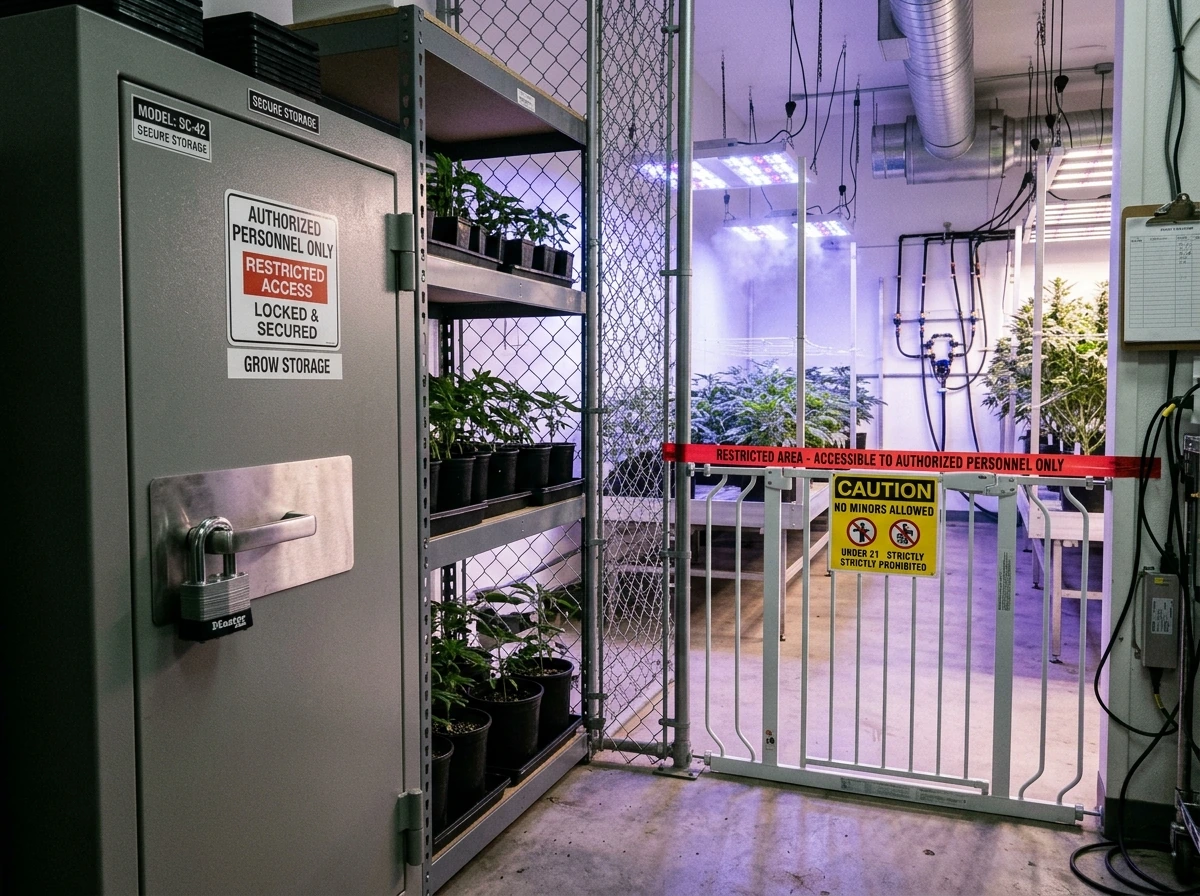
Growing legally is not just about the moment you plant the seed. Compliance is an ongoing condition. Here are the specific things that most commonly turn a legal home grow into a legal problem.
Don't sell, barter, or exchange
This is the single biggest way home growers inadvertently create serious legal risk. In every state, personal home grow is authorized for personal use only. Selling without a retail or distribution license is a criminal offense regardless of how much you sell or what you charge. Giving away small amounts as a "gift" is legal in some adult-use states (often with strict quantity limits), but even that varies by state. Never accept payment, trade, or compensation for cannabis you grew under a personal cultivation authorization.
Secure your grow properly
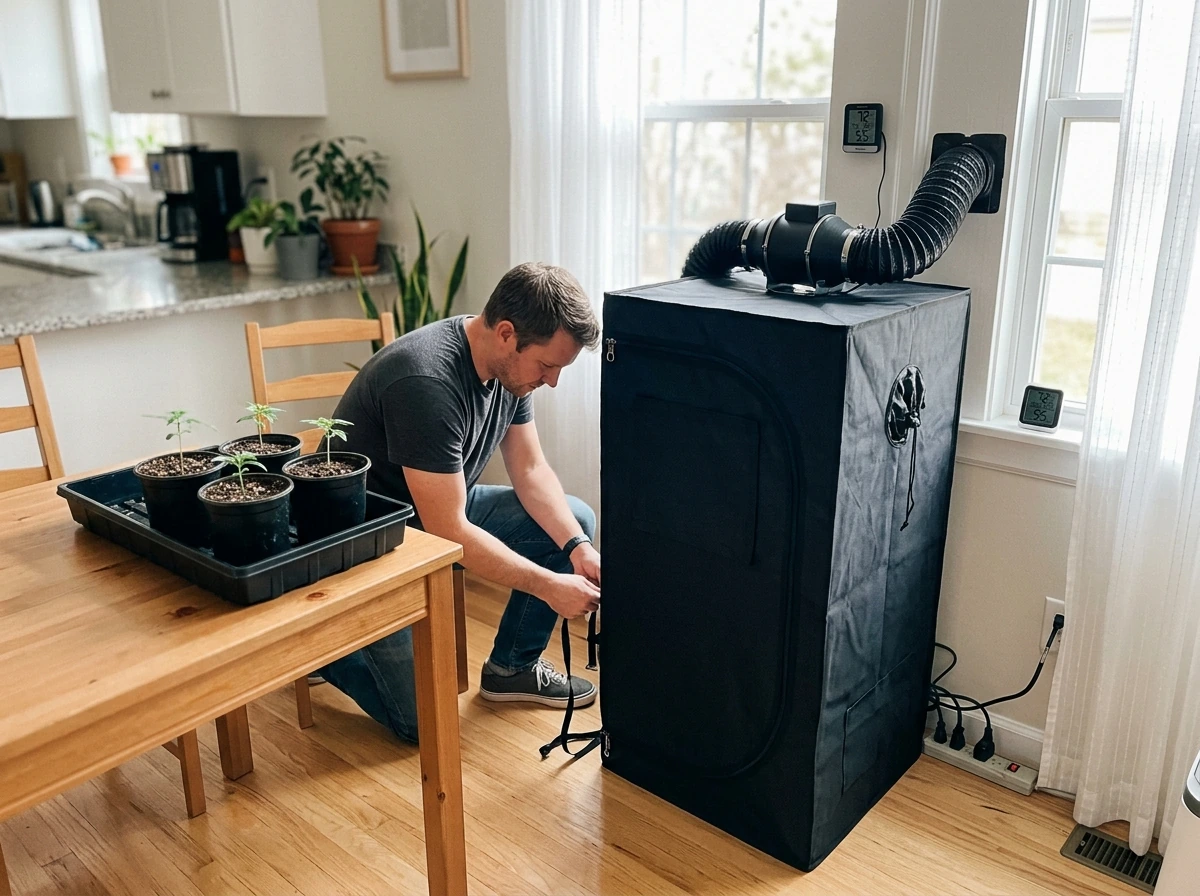
Most states with home cultivation rules require that plants be in a secured location not accessible to minors. New York's rules specifically state that cannabis must be stored in a secure location within the private residence (or its grounds) and that reasonable measures must be taken to ensure plants and harvested cannabis aren't readily accessible to anyone under 21. A locked room or locked growing cabinet meets this standard. An unlocked garage or backyard accessible to neighbors' children does not.
Keep your plant count accurate at all times
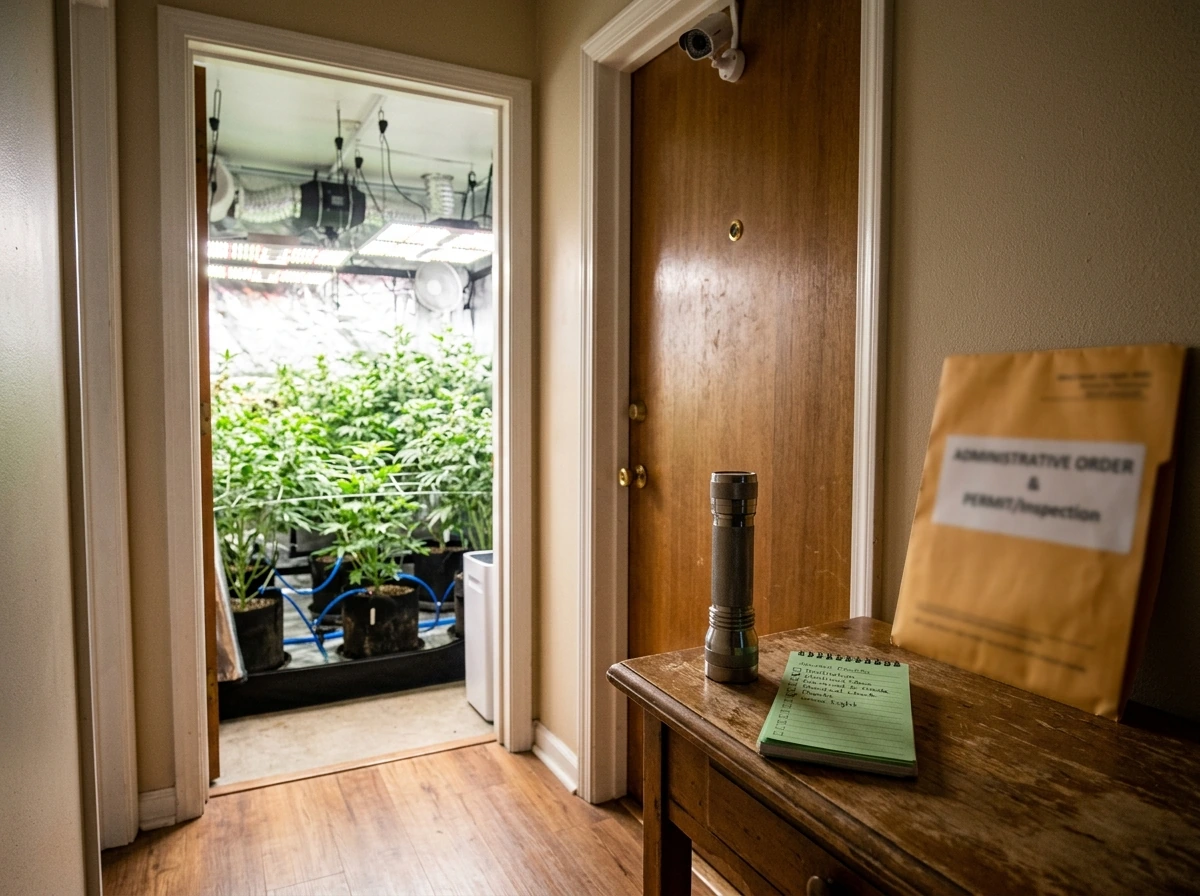
If you run a perpetual harvest cycle (starting new seedlings while older plants are still flowering), your total plant count can creep past your state's limit without you realizing it. Know exactly how your state counts plants, whether by growth stage or by total number, and audit your count regularly. Keeping a simple grow log with dates, plant counts, and growth stages is a practical habit that also helps if you ever need to demonstrate compliance.
Know what inspectors can and can't do
For personal home grows in adult-use states, there's generally no routine government inspection of your home. Law enforcement still needs a warrant to enter your home in most circumstances. However, commercial cultivation licenses do come with inspection rights, and regulators can (and do) conduct compliance inspections. If you're a licensed cultivator, know your state's inspection rules, keep your facility and records current, and understand which agency has authority over your license.
Verify your rules regularly
Cannabis regulations change frequently. A rule that was accurate last year may have been amended, tightened, or expanded. Make it a habit to check your state cannabis agency's website at least once a year, or whenever you hear about a legislative session that touched cannabis law. Bookmark the official agency page, not a third-party summary. For adults growing in states like New York, that's the Office of Cannabis Management. For California, it's the Department of Cannabis Control. For Colorado, it's the Marijuana Enforcement Division. Go to the source.
One final note: this article gives you a framework for understanding how the rules work, not a substitute for checking your specific state's current regulations. One final note: this article gives you a framework for understanding how the rules work, not a substitute for checking your specific state's current regulations is it legal to grow a weed plant at home. Laws change, local rules vary, and your specific situation (medical status, caregiver role, household composition) affects which rules apply to you. Use this as a starting point, then verify with your state's official resources.