Florida does not offer a standalone 'grower's license' for medical cannabis. If you were hoping for a home grow pathway, note that Florida does not offer a separate license to grow weed at home, and cultivation is tied to the MMTC framework instead. To legally cultivate medical marijuana in Florida, you must be licensed as a Medical Marijuana Treatment Center (MMTC), which is a vertically integrated license that covers cultivation, processing, transport, and dispensing all under one registration. There is no separate tier just for growing. If you want to grow, you need the full MMTC registration, and cultivation only starts after you receive a specific 'Cultivation Authorization' from the Florida Department of Health's Office of Medical Marijuana Use (OMMU).
License to Grow Medical Weed in Florida: Step by Step

How Florida's medical cannabis cultivation system actually works
Florida's medical marijuana program is governed by Florida Statute § 381.986 and administered by the OMMU under the Florida Department of Health. The entire commercial side of medical cannabis, including cultivation, sits inside the MMTC framework. MMTCs are the only businesses legally permitted to grow, process, transport, or sell medical marijuana in the state.
The MMTC model is vertically integrated by design. That means there are no wholesaler growers, no craft cultivators, and no separate processor-only or dispensary-only licenses in the standard pathway. One registration covers everything, which is very different from states like Oregon, where separate cultivation licenses exist for different tiers and canopy sizes. In Oregon, the cost is tied to the specific cultivation license tier and canopy limits, so the exact amount depends on which license you are pursuing. If you are comparing this to Oregon, Oregon’s framework includes a license to grow pot in Oregon tied to cultivation tier and canopy limits. Florida's approach concentrates all activity under one licensed entity.
Within that single MMTC registration, operations are unlocked in three sequential stages, each requiring a separate Department authorization before you can proceed. You don't just get approved and start growing. Every phase is gated.
Who can apply, and is there any home grow option?
Florida does not allow home cultivation of medical marijuana for patients. Even registered medical marijuana patients cannot legally grow their own plants at home. Even if you are a qualified patient, you still cannot access a <a data-article-id="94F02C5F-3913-4358-A9D3-0D3921073A61">license to grow pot</a> yourself in Florida; cultivation is reserved for MMTCs. Cultivation is exclusively commercial, exclusively through the MMTC structure, and exclusively for registered businesses.
To be an MMTC applicant under Fla. Stat. § 381.986(8)(b), you must be an individual or entity that meets the statutory eligibility requirements. Majority ownership (more than 50% of interests) matters here, because the ownership composition of your entity affects eligibility. Background screening is mandatory for all officers, managers, and employees under § 381.986(8), and that includes fingerprint-based criminal history checks through FDLE. If someone in your organization can't pass that screening, it's a problem you need to address before applying.
There are also restrictions on business arrangements. The statute explicitly limits profit-sharing arrangements with property owners or lessors of facilities where cultivation, processing, storage, or dispensing occurs. If your real estate deal looks like a workaround for these rules, it can create a compliance problem.
The three authorization stages after MMTC registration
This is the part most people miss when they start researching Florida cultivation licensing. Getting registered as an MMTC is just the first unlock. Before you can actually do anything, the OMMU must inspect your facility and issue a written authorization for each operational phase. Here is how the staged model works under Florida Administrative Code Rule 64-4.005:
- Cultivation Authorization: Written notification from the Department that your MMTC may begin cultivating marijuana. You cannot plant a single seed before receiving this.
- Processing Authorization: Written authorization to begin processing (converting raw plant material into medical cannabis products). Issued after a separate inspection of your processing facility.
- Dispensing Authorization: Written authorization to begin selling/dispensing to qualified patients. Requires yet another inspection of your dispensary location(s).
Each authorization requires passing an inspection under Rule 64-4.005. Inspectors evaluate your physical setup, security measures, equipment, personnel, and operating procedures before issuing written permission to proceed. Missing the window to seek cultivation authorization after your initial registration approval has had real legal consequences for some applicants, so pay attention to any deadline tied to your approval letter.
Step-by-step: how to get your MMTC registration and cultivation authorization

Step 1: Confirm eligibility before you spend anything
Before touching the application, work through eligibility. Review § 381.986(8)(b) carefully. Check your ownership structure (majority ownership scrutiny applies). Make sure all officers and key employees are prepared for background screening. Review your proposed facility lease or property arrangement against the profit-sharing restrictions in the statute.
Step 2: Get the current application materials from OMMU

The official application materials are published through the OMMU and accessible via the Department of Health's 'Know the Facts' resources page (knowthefactsmmj.com). The incorporated application form (Form DH8013-OMMU) is the document that controls what you need to submit. Do not rely on third-party summaries for the current form version or fee amounts. Always pull the live form directly from OMMU because both documents and fees have changed multiple times since the program launched.
Step 3: Prepare your application package
The MMTC application is extensive. Based on the incorporated form structure and Rule 64-4.002, your application package typically needs to include:
- Completed Form DH8013-OMMU (current version)
- Organizational and ownership documentation (demonstrating eligibility and majority ownership)
- Background screening materials for officers, managers, and employees per § 381.986(8)
- Proposed facility information (cultivation site, processing site, dispensary locations)
- Operational plan documents covering cultivation practices, security measures, quality assurance, sanitation, and personnel
- Evidence of financial viability and infrastructure
- Non-refundable application fee (paid by cashier's check to the Florida Department of Health)
Step 4: Pay the application fee
The application fee is non-refundable. Published sources have reported the initial MMTC application fee at figures including $60,063, $60,830, and more recently around $146,000. If you want to estimate your total licensing cost, include the MMTC application fee and the renewal fee, because Florida does not offer a separate stand-alone grower license cost how much is the license to grow medical weed. Fee amounts are set by incorporated rule schedules and have been revised over time through rulemaking. You need to confirm the exact current fee from the most recent version of the incorporated fee schedule or directly with OMMU before submitting. Pay by cashier's check made out to the Florida Department of Health.
Step 5: Submit during an open application window

Florida does not accept MMTC applications on a rolling basis whenever you feel like submitting. The Department publishes an application period with an opening date and a deadline. You must submit within that window. Applications received outside the window are not accepted. Watch the Florida Administrative Register and OMMU announcements for when application periods open.
Step 6: Department evaluation and scoring
After the window closes, the Department reviews and scores applications using a rubric. Subject matter experts participate in evaluation, and there are conflict-of-interest certification requirements built into that process. This is not a pass/fail checklist review. Applications are scored competitively, and the Department can request additional information during the review.
Step 7: Registration approval and pre-authorization inspections
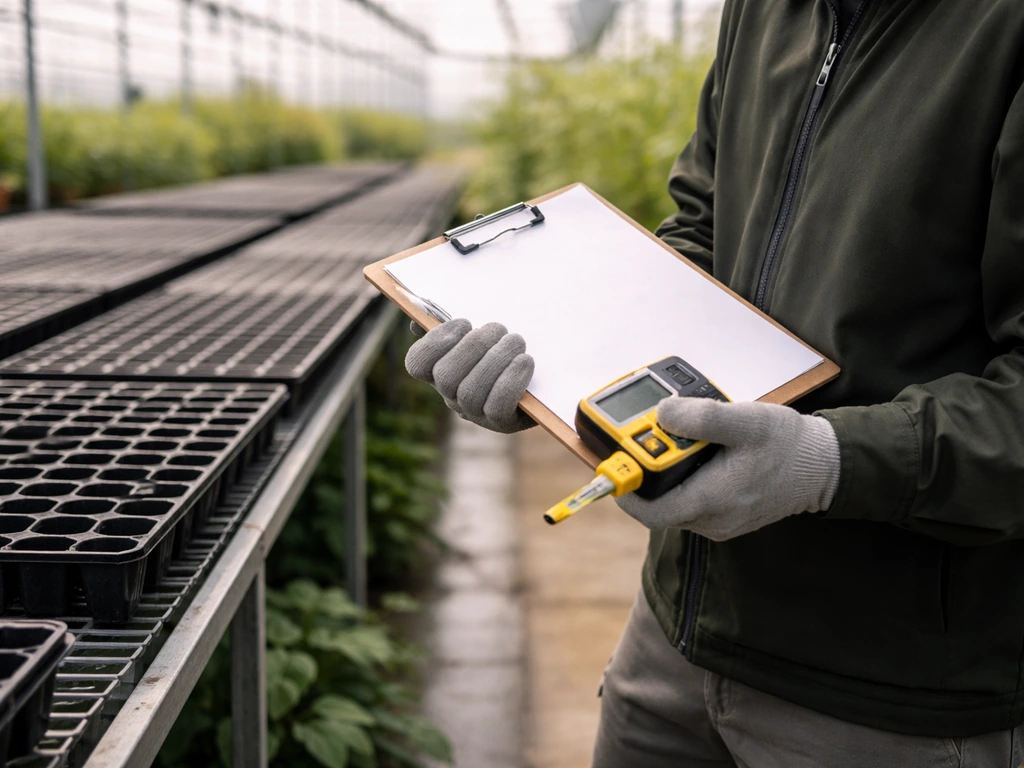
If your application is approved, you receive MMTC registration. Then, before any cultivation begins, you request a pre-cultivation inspection under Rule 64-4.005. OMMU inspectors come out to evaluate your cultivation site. If it passes, you receive the written Cultivation Authorization and can legally begin growing.
Fees, costs, and timeline at a glance
| Item | Amount / Detail |
|---|---|
| Initial application fee (non-refundable) | Reported range $60,000 to $146,000+ (confirm current amount with OMMU before submitting) |
| Renewal fee (2025-2026 window) | Approximately $1,340,383 per published OMMU renewal fee schedule (confirm current schedule) |
| Payment method | Cashier's check payable to Florida Department of Health |
| Application window | Set by Department; not rolling — watch OMMU/Florida Administrative Register announcements |
| Review and scoring timeline | Varies; historically months from submission to registration decision |
| Pre-cultivation inspection | Scheduled after registration approval; authorization issued upon passing |
The cost picture here is very different from states with tiered cultivation licensing like Ohio or Louisiana, where smaller operator pathways sometimes exist with lower entry fees. If you are also exploring Louisiana, the state licensing approach and costs differ from Florida’s MMTC model, so you will want to review the Louisiana license to grow medical weed in Louisiana requirements. If you are comparing Florida to Arkansas, you will also want to review the license to grow medical weed in Arkansas requirements and application process. If you are specifically looking for the requirements and process for an Ohio license to grow medical weed in Ohio, those rules differ from Florida's MMTC system license to grow pot. Florida's MMTC model is built for well-capitalized entities. The renewal fee alone, at over $1.3 million for the current period, is significant. Make sure your business plan accounts for both the initial and renewal obligations before you enter the process.
What happens after you get cultivation authorization
Receiving your Cultivation Authorization is not the finish line. It's the starting line for a sustained compliance program. Florida's statute and OMMU rules create ongoing obligations from the moment you begin growing.
Inspections: announced and unannounced
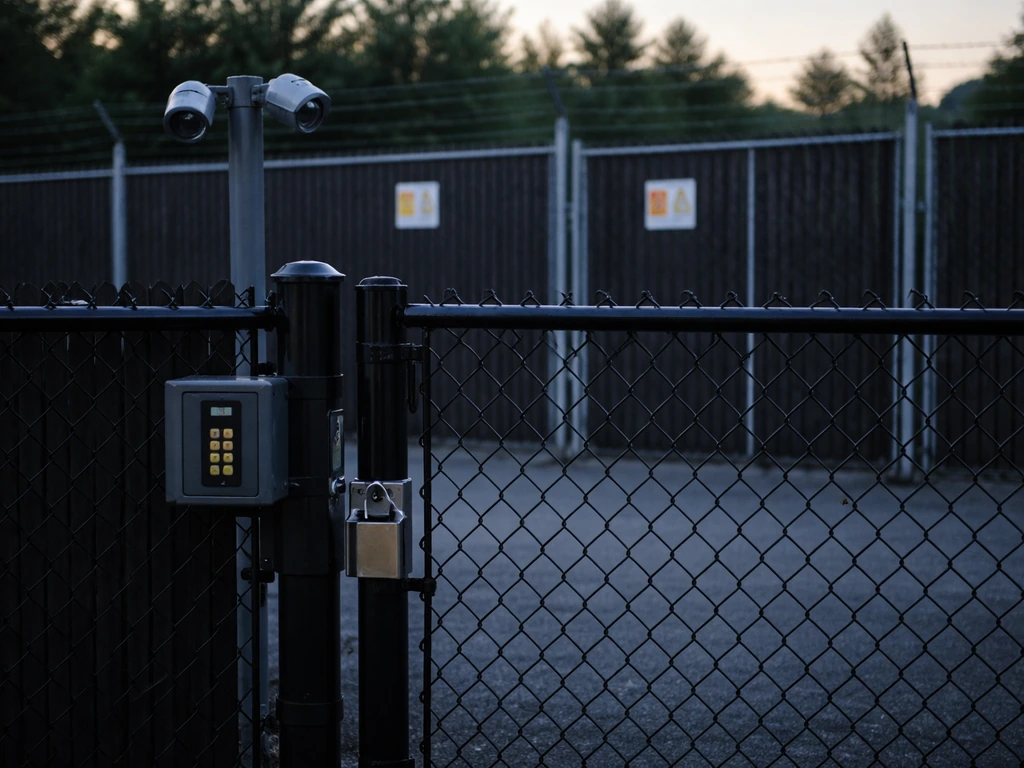
Under Fla. Stat. § 381.986, the Department can conduct both announced and unannounced inspections of your facility at any time. On top of that, there are mandatory biennial (at minimum every two years) inspections that evaluate records, personnel, equipment, processes, security measures, sanitation practices, and quality assurance practices. You should operate every day as if an unannounced inspection is possible, because it is.
Security requirements
Security is evaluated during your pre-authorization inspection and remains an ongoing compliance area. Your cultivation facility must maintain the security measures described in your operational plan and meet the standards inspectors check against during compliance inspections. This includes physical security controls, access controls, and surveillance appropriate to a cultivation operation.
Recordkeeping and reporting
Inspectors review records as part of both biennial and unannounced inspections. You need a reliable system for tracking inventory, personnel, cultivation activities, and quality assurance outcomes. Gaps in recordkeeping surface during inspections and can become compliance violations. Build your recordkeeping infrastructure before your first plant goes in the ground.
MMUR portal access and operational workflows

The OMMU's Medical Marijuana Use Registry (MMUR) at mmuregistry.flhealth.gov is the system you will use for ongoing compliance activities. MMTC entities set up role-based user accounts in the portal, and your staff will need appropriate access levels. The OMMU publishes a guide specifically for MMTC user creation and account management. Get your team set up and trained on the portal early.
Plant pest inspection obligations
Florida Statute § 381.986 links cultivation activity to agricultural pest-control obligations. Your seeds and growing plants are subject to inspection for plant pests. This connects your MMTC compliance to Florida Department of Agriculture requirements as well. Know both sides of the regulatory picture.
Renewal
MMTC registration renewal is governed by Rule 64ER22-10 and Rule 64-4.003. Renewal requires submitting a renewal application in compliance with the incorporated renewal instructions and paying the renewal fee by the deadline. The current renewal fee schedule runs through December 31, 2026, with a published fee of approximately $1,340,383. Confirm the exact renewal window and amount that applies to your registration, and do not miss the deadline. A lapsed or revoked MMTC registration bars you from reapplying for a set period under Rule 64-4.210.
Material changes and amendments
Material changes to your operations, ownership, or facilities are not something you handle informally. Changes to majority ownership, facility locations, and operational scope require notification to or approval from OMMU before implementation. Build a process for identifying when a proposed business change requires a regulatory filing.
Your actionable checklist
- Review Fla. Stat. § 381.986(8) in full and confirm your entity and ownership structure meets eligibility requirements.
- Identify all officers, managers, and employees who will need to complete background screening (fingerprint-based, through FDLE).
- Review your proposed property/facility lease against the statute's profit-sharing restrictions.
- Download the current MMTC application form (DH8013-OMMU) and fee schedule directly from OMMU — not from secondary sources.
- Confirm the current non-refundable application fee amount and arrange a cashier's check payable to the Florida Department of Health.
- Monitor the Florida Administrative Register and OMMU announcements for the next application window opening.
- Prepare your full application package: ownership docs, background screening, facility plans, operational plan (cultivation, security, QA, sanitation), financial documentation.
- After registration approval, request your pre-cultivation inspection promptly and do not begin growing before written Cultivation Authorization is issued.
- Set up MMUR portal access for all required MMTC users.
- Build your recordkeeping, security, and QA systems before starting operations — they will be inspected.
- Calendar your renewal deadline and budget for the renewal fee well in advance.
- Establish an internal process for flagging and filing material changes with OMMU.
One final note: this is regulatory information to help you understand the landscape, not legal advice. Florida's MMTC rules are detailed and have changed multiple times since the program launched in 2017. Before you spend money on an application, have someone who works directly in Florida cannabis compliance review your specific situation against the current rules. The application fee alone is non-refundable, so the cost of getting it wrong is high.
FAQ
Can a medical marijuana patient get a license to grow medical weed in Florida at home?
No. Florida law does not provide a patient-specific or “grower” license that lets individuals cultivate medical cannabis at home. Even if you are a qualified patient, cultivation authority is limited to MMTCs, and you cannot legally begin growing without OMMU-issued written authorization for the relevant operational phase.
If we only want to cultivate, do we still need the full MMTC license to grow medical weed in Florida?
You cannot split the work under the MMTC model. If your plan is to only cultivate while someone else handles processing or dispensing, Florida’s standard pathway still requires the same MMTC registration structure because cultivation is inside the vertically integrated authorization, not a standalone cultivation permit.
Once we are approved for MMTC registration, when can we legally start growing?
A common timing mistake is treating “registration approved” as the point when growing starts. In Florida, cultivation begins only after you request and receive the specific cultivation-stage written Cultivation Authorization after the pre-cultivation inspection. Until that authorization is issued, starting any planting or cultivation activities can create compliance risk.
What happens if we miss the deadline to request cultivation authorization after MMTC registration approval?
If you miss the window for seeking cultivation authorization after initial registration approval, you may face legal consequences and lose the ability to move forward as expected. Build a compliance calendar tied to the dates in your approval letter and the OMMU/administrative rule timelines so you do not rely on general schedules or assumptions.
Are Florida MMTC applications accepted any time, or only during certain windows?
Apply only during the OMMU-published application period. Florida does not accept MMTC applications on a rolling basis, and late submissions are not reviewed. Practical step, monitor both OMMU announcements and the Florida Administrative Register so your internal submission timeline aligns with the published opening and closing dates.
Is Florida’s MMTC application a pass/fail checklist or a competitive scoring process?
No. The review uses a scoring approach rather than a simple checklist. That means incomplete explanations, weak operational plans, or unresolved compliance issues can hurt your score even if you “technically qualify,” so you should treat the application narrative and documentation quality as central to the outcome.
Do we have to notify OMMU before making operational or ownership changes after approval?
It depends on the change and how it affects majority ownership and facility operations. Florida requires advance notification and, in some situations, approval for material changes such as ownership changes, facility location changes, and operational scope shifts. Set up an internal trigger system so leadership can identify when a proposed change likely crosses the threshold for reporting.
Who needs to undergo background screening for an MMTC application to grow medical weed in Florida?
Yes, staff eligibility matters beyond top leadership. Background screening requirements apply to officers, managers, and employees involved with the organization, so you should plan for fingerprint-based screening early and have a mitigation strategy for any hire or role that could fail screening.
How strict is ongoing security compliance after receiving cultivation authorization?
Security is not a one-time build-out. Inspectors evaluate physical controls and procedures at authorization and later during announced and unannounced inspections, plus biennial reviews. The practical takeaway is to document your security procedures, train staff on access control, and test your systems for consistent coverage to reduce inspection findings.
What types of records do inspectors look for once we start growing?
Recordkeeping is a frequent failure point because inspectors check records during both routine and unexpected visits. Set up a working system before plants begin, covering inventory tracking, cultivation activity logs, personnel assignments, and quality-related documentation, rather than creating records after the fact.
What operational systems do MMTCs need for ongoing compliance after licensing?
You should budget for recurring compliance overhead linked to inspections and portal operations, not just the licensing fee. MMTCs use the Medical Marijuana Use Registry (MMUR) with role-based accounts, and your team needs proper access and training so data entry and compliance reporting are handled correctly day to day.
Do Florida cultivation rules include anything related to plant pests or agricultural inspections?
Yes. Plant material can trigger agricultural pest-control related requirements, and Florida links cultivation activity to pest-control obligations. Plan early for cooperation with the relevant agricultural inspection expectations so you are not scrambling when plant pest checks occur or when issues must be documented and resolved.
What are the risks of letting an MMTC renewal lapse or miss the renewal deadline?
If your MMTC registration lapses or gets revoked, the statute and rules can bar reapplication for a set period. The practical decision aid is to track the renewal deadline and internally confirm which renewal fee schedule applies to your specific registration status before the renewal window opens.
How should we prepare for MMTC renewal if we are already cultivating?
Not simply. Renewal and ongoing authorization depend on staying aligned with current incorporated rules and fee schedules, so changes in business structure, facility readiness, and compliance documentation can affect renewal outcomes. Build a renewal readiness checklist that covers records, equipment maintenance, staffing compliance, and updated operational plans.
What counts as a material change for an MMTC, especially around leases and profit-sharing arrangements?
Material changes can require regulatory submissions before you implement them, and failing to get the right clearance can create compliance violations. Create a change-management policy that routes proposed changes to compliance review, including changes involving leases, facility layouts, and any shift that could be characterized as a workaround to profit-sharing restrictions.
License to Grow Pot in Oregon: Step-by-Step Guide
Step-by-step Oregon cannabis cultivation license guide, including eligibility, documents, fees, timelines, and post-appr