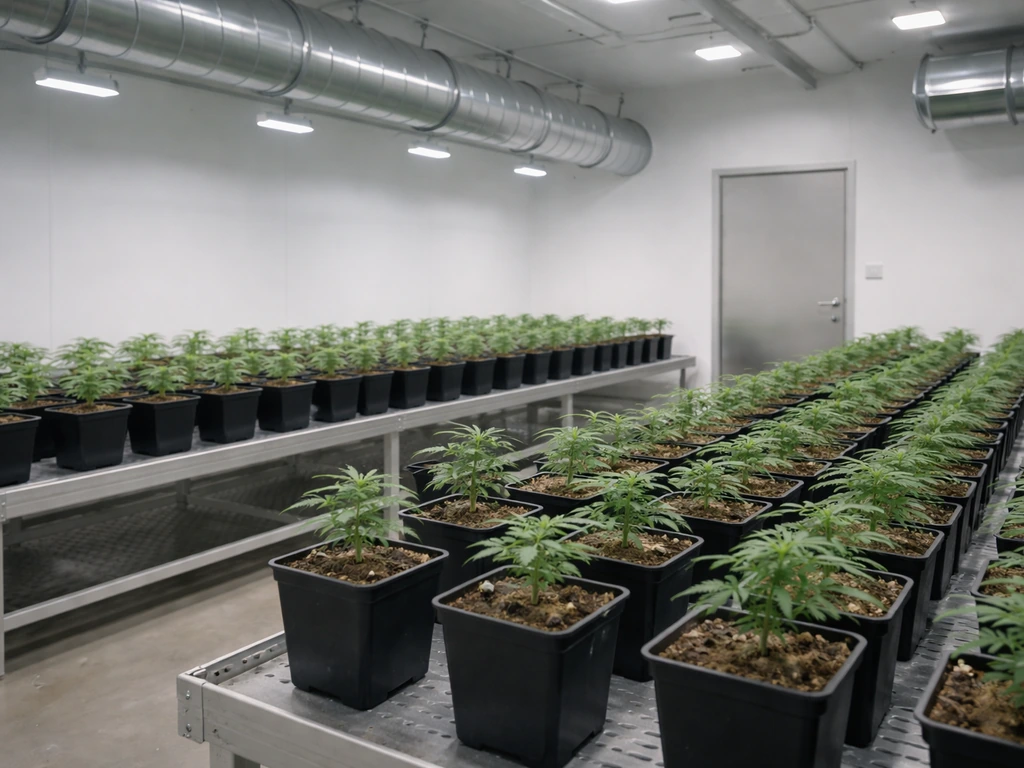
Starting a legal grow op means different things depending on where you live. In some states, you can grow a handful of plants at home with zero paperwork. In others, you need a state-issued cultivation license, a local zoning approval, a security system, and months of applications before you touch a seed. The first thing you need to do is figure out exactly which category you fall into, because the steps that follow are completely different.
Starting a Legal Grow Op: Licensing and Compliance Checklist

Marcus Whitley
19 Apr 2026
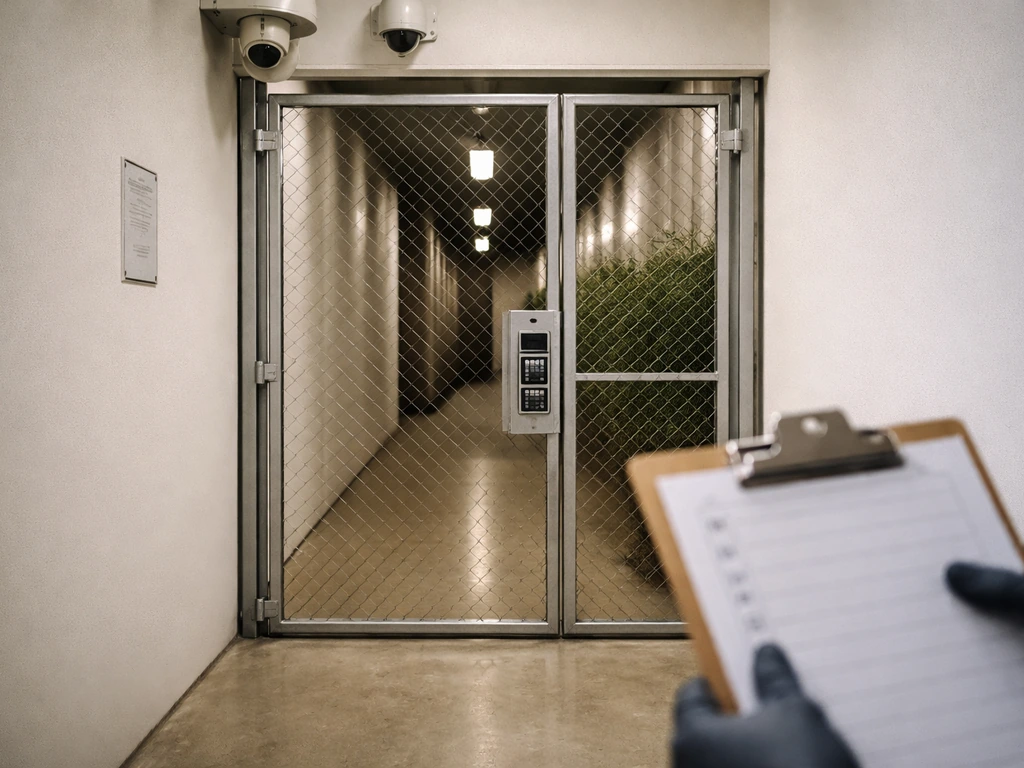
What 'legal grow op' actually means in your jurisdiction
A legal grow op is any cannabis cultivation activity that is explicitly authorized under your state and local law. That authorization comes in one of two forms: either the state permits personal cultivation up to a set plant limit without requiring a license, or you need a formal cultivation license issued by a state agency before you can grow a single plant commercially (and sometimes even for home use).
Most adult-use states allow adults 21 and older to grow a limited number of plants at home without a license. Common limits are 3 to 6 mature plants per person, with household caps of around 6 to 12 plants total. Medical states may allow a higher plant count for registered patients, sometimes up to 12 or even 24 plants depending on the condition. A few states still prohibit home cultivation entirely even where adult-use is legal, so you cannot assume cultivation is allowed just because cannabis itself is legal where you are.
Commercial cultivation is an entirely different track. This means growing cannabis for sale, whether to dispensaries, processors, or other license holders. Every adult-use state with a commercial market requires a separate cultivation or producer license. Washington State, for example, runs its adult-use cultivation program through the Washington State Liquor and Cannabis Board (LCB), which issues a 'cannabis producer' license category for anyone growing cannabis intended for the commercial supply chain. That license requires a formal application, location approval, security infrastructure, and a final inspection before you can operate.
Local law adds another layer. Even if your state permits home grows, your city or county may restrict or ban them outright. Always check both the state statute and your local municipal code before assuming you are clear.
Find your exact licensing path before doing anything else
The single most important first step is identifying which legal pathway applies to your situation. Are you growing for personal use, or do you intend to sell? The answer determines whether you need a license at all, and if so, which one.
Start by looking up your state's cannabis regulatory agency. Every adult-use state has one: it might be a cannabis control board, a department of agriculture, a department of health, or a liquor and cannabis authority like Washington's LCB. That agency's website will list every available license type along with the rules for each. Look specifically for terms like 'cultivator license,' 'producer license,' 'grower license,' or 'tier 1/2/3 cultivation' because states use different names for essentially the same thing.
Most states tier their cultivation licenses by canopy size or plant count. A Tier 1 or Micro license usually covers smaller operations (sometimes under 2,000 square feet of canopy), with lower fees and somewhat simplified requirements. Larger commercial operations fall into Tier 2 or Tier 3, with higher fees, more complex security requirements, and in some cases a cap on how many licenses the state will issue. If you are just starting out, the smallest license tier is almost always the right entry point.
If you are growing purely for personal use at home and your state allows it without a license, your 'licensing path' is just confirming the plant limits, understanding your local rules, and following the cultivation rules your state has set for unlicensed home growers. Those rules still exist even without a license involved.
Home grow vs. commercial license: a quick comparison
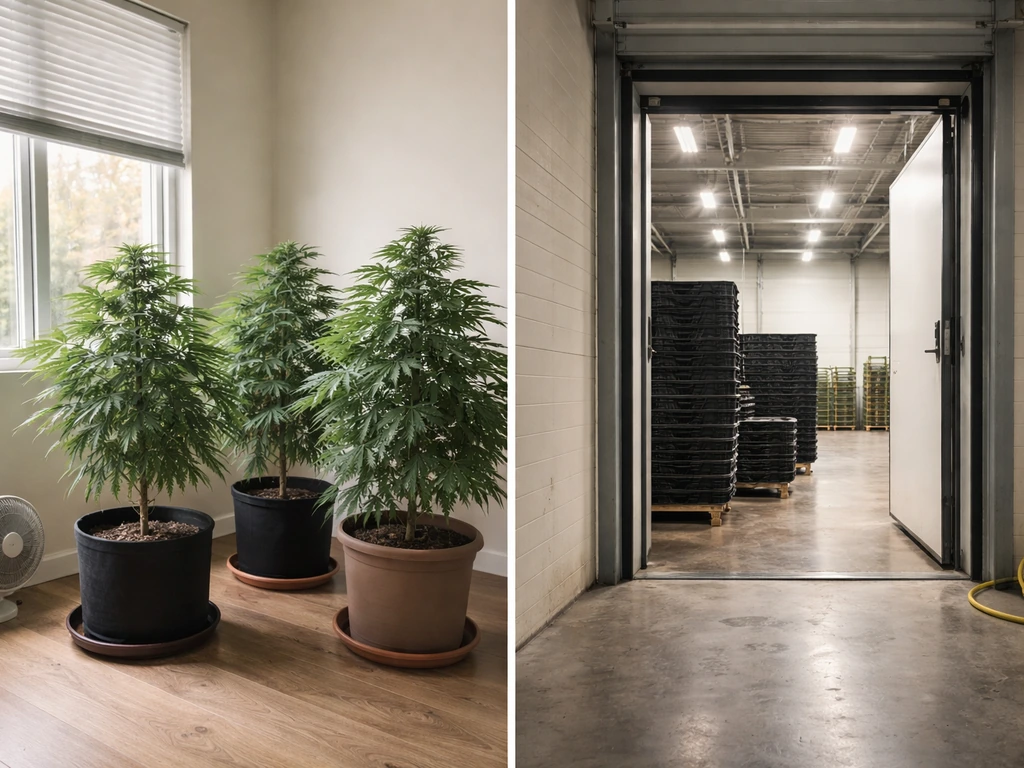
| Factor | Personal Home Grow | Commercial Cultivation License |
|---|---|---|
| License required | No (in most adult-use states) | Yes, always |
| Typical plant limit | 3–6 mature plants per adult | Set by license tier and canopy cap |
| Application process | None | State application, local approval, inspections |
| Fees | None | Hundreds to tens of thousands of dollars |
| Can sell product | No | Yes, within licensed supply chain |
| Security requirements | Basic secure storage in most states | Full camera coverage, alarm systems, locked storage |
| State oversight | Minimal (compliance rules still apply) | Ongoing inspections, reporting, seed-to-sale tracking |
Eligibility, zoning, and getting your site ready
Before you fill out a single form, confirm you actually qualify to hold a license. Most states require applicants to be at least 21 years old, a state resident (sometimes for a minimum period), free of certain criminal convictions (disqualifying offenses vary by state), and not already holding a license that would exceed the state's ownership caps. Some states also restrict employees of the regulatory agency from holding licenses.
Zoning is where a lot of applicants get tripped up. Your proposed grow site needs to be in a zone that permits cannabis cultivation. Many municipalities restrict cannabis businesses to industrial or agricultural zones and ban them entirely from residential areas, even for commercial grows. Check with your city or county planning department before you commit to a location.
Location buffers are another hard requirement. Washington's LCB, for instance, prohibits issuing a new cannabis license to any location within 1,000 feet of an elementary or secondary school, playground, recreation center, childcare center, public park, public transit center, library, or a game arcade that admits people under 21. Most other states have similar buffer rules, though the distances and restricted property types vary. A location that looks fine on paper can fail at the zoning review stage because of a park or school you did not spot on a map.
Once you have a compliant location, you need to think about site readiness. For commercial grows this means having a lease or deed in place (most states require proof of legal right to occupy), confirming the space can support the electrical load of your lighting and HVAC, ensuring proper ventilation, and verifying that your security infrastructure can be installed before the inspection. Some states require you to complete interior build-out before the licensing inspection; others want to inspect the space before you invest in full construction.
Home growers face a simpler site question but still need to comply with state rules: grows are typically required to be out of public view, in a locked space, and not accessible to minors. Renters should also check their lease, since a landlord can still prohibit home cultivation on their property even if the state allows it.
The application checklist: documents, fees, and timelines
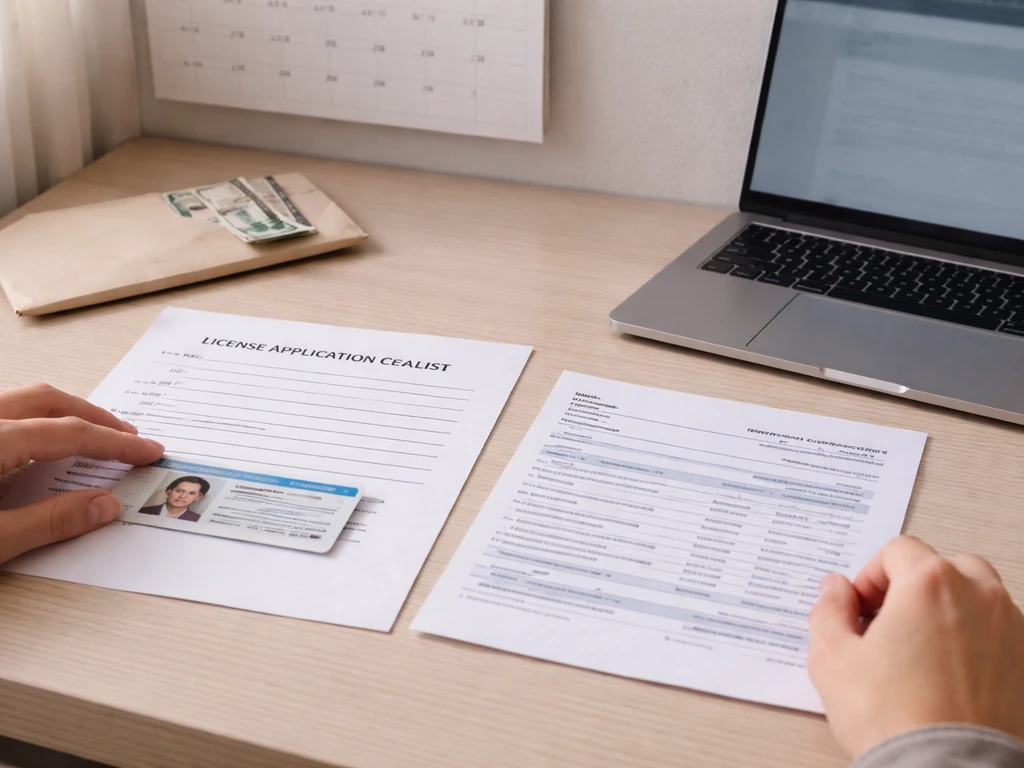
Commercial cultivation applications are document-heavy. Getting organized before you start the online portal will save you a lot of frustration. Here is what most state applications require:
- Proof of identity and residency (government-issued ID, utility bills, or state residency affidavit)
- Business entity formation documents (LLC operating agreement, articles of incorporation, or partnership agreement)
- Ownership and financial disclosure forms listing all owners, investors, and anyone with a financial interest above the state's threshold
- Proof of right to occupy the property (signed lease, purchase agreement, or deed)
- Site plan or floor plan showing the canopy area, entry and exit points, storage areas, and camera placement
- Security plan describing your camera coverage, alarm system, access controls, and how video is stored
- State and local business licenses or registrations
- Application fee payment (amount varies by state and license tier)
- Background check authorization for all listed owners and principals
- Operating procedures or standard operating procedures (SOPs) in states that require them at application
Application fees range widely. Small-tier or micro-cultivator licenses in some states cost a few hundred dollars to apply. Mid-size and large commercial licenses can run from $5,000 to $25,000 or more just for the initial application, and annual license fees stack on top of that. If you are also researching the cost side of things in more detail, that is a topic worth digging into separately since startup costs go well beyond just the license fee.
Timeline expectations: plan for several months minimum. Many states take 60 to 180 days to process a complete application, and that clock often does not start until your application is deemed complete. Incomplete applications get suspended, which restarts the clock. Common causes of delay include missing owner disclosures, lease agreements that are not yet fully executed, security plans that do not meet the state's camera coverage requirements, and zoning denial letters from local government.
In states with limited license windows or merit-based scoring, timing matters even more. Some states opened application windows in the early years of legalization and then closed them. Others run ongoing rolling applications. Check whether your state has an open application period before investing in site prep and business formation.
Plant limits, canopy rules, and security requirements
Once you know your license tier, you need to understand exactly what you are allowed to grow and how. Most states regulate commercial cultivation using one of two metrics: plant count or canopy square footage. Canopy is the more common metric for licensed operations, as it captures the actual production footprint regardless of how plants are trained or staged.
For home growers, plant limits are typically set per adult in the household and per address. If your state allows 6 plants per adult with a maximum of 12 per household, that limit applies regardless of how many rooms or floors your home has. Mature (flowering) and immature plant counts are sometimes tracked separately, so read your state's definition carefully.
Security requirements for licensed commercial grows are strict and non-negotiable. Washington LCB requires 100% camera coverage of the licensed premises, meaning no area of the grow facility can fall outside camera view. Video must be stored in a secured lockbox, cabinet, or closet on the premises, not just on a cloud server that could go offline. Alarm systems, access control logs, and visitor sign-in procedures are also standard across most state programs.
Plan your security infrastructure early, because building it in after construction is expensive and often results in coverage gaps that fail inspection. Work with a security vendor who has experience with cannabis compliance, not just general commercial security, since the camera placement and storage requirements are specific to cannabis licensing rules.
Seed-to-sale tracking is required in every licensed commercial state. California’s CDFA CCTT FAQ states that annual and provisional state-issued licensees must use the CCTT, Metrc system to record inventory and cannabis movement through the commercial supply chain from seed to sale blank" rel="noopener noreferrer">Seed-to-sale tracking is required in every licensed commercial state.. You will need to use your state's designated tracking software (Metrc is the most common platform) to tag every plant from seed or clone and track it through every stage until it leaves your facility. Getting trained on the tracking system before you receive product is something many new licensees skip, and it causes compliance headaches on day one.
Staying compliant after you are approved
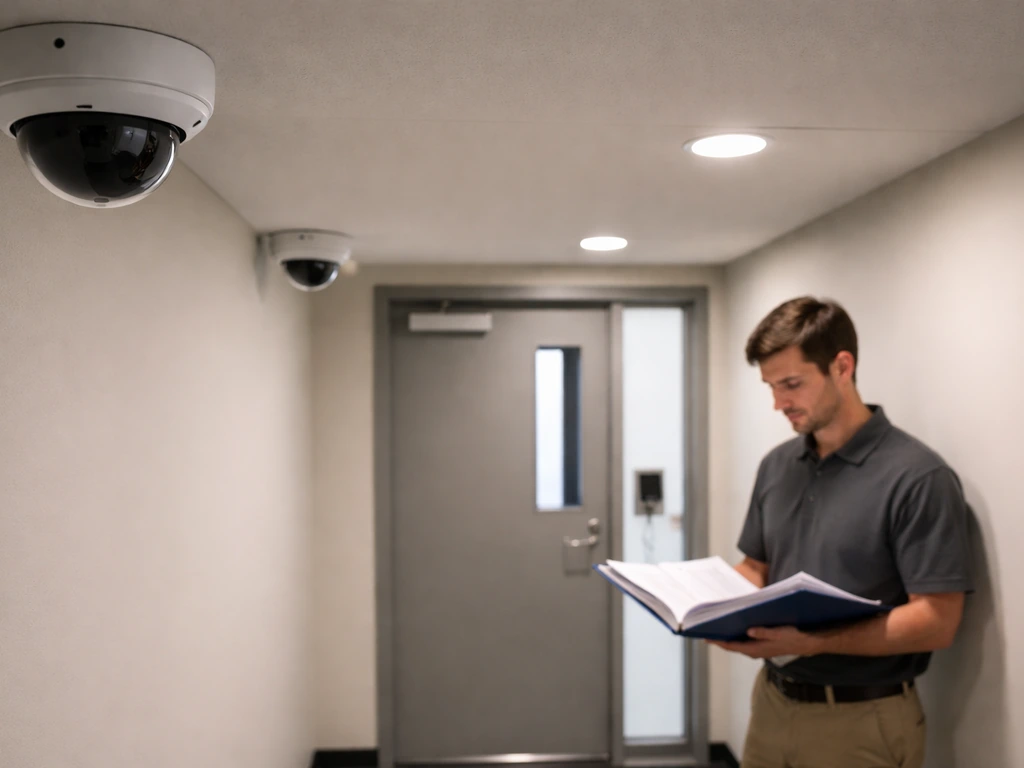
Approval is the beginning of your compliance obligations, not the end. Washington LCB, like most state agencies, conducts a final inspection before issuing the license. But inspections do not stop there. Most states reserve the right to conduct unannounced compliance inspections at any point during your license period. Being caught with plants over your canopy limit, missing camera coverage, or inventory that does not match your tracking records can result in fines, license suspension, or revocation.
Recordkeeping is the backbone of staying compliant. At minimum, you should be maintaining accurate seed-to-sale tracking records in real time, keeping employee training logs, documenting all waste disposal (cannabis waste must typically be rendered unusable before disposal), retaining purchase and transfer records, and logging all visitors to your facility. Most states require you to keep these records for at least two to three years.
License renewals happen annually in most states and require you to certify that your operation remains compliant. Any changes to your ownership structure, physical location, canopy size, or license type usually require prior approval through a modification application. Changing something first and asking permission later is a common compliance mistake that triggers violations.
If you are operating in a state like Florida where the regulatory landscape is still evolving, or in a specific local jurisdiction, the specific rules may look different from what you find in a general guide. State-specific rules for places like Florida deserve their own close look, particularly since licensing structures and plant limits in medical versus adult-use frameworks can differ significantly. If you are trying to legal grow houses in Florida, start by reviewing the current Florida medical and adult-use requirements for plant limits, licensing, and local zoning. If you are trying to start a legal grow op, review the current requirements for plant limits, licensing, and local zoning.
A practical post-approval compliance checklist
- Verify all cameras are operational and providing 100% coverage before your first plant enters the facility
- Enroll in your state's seed-to-sale tracking system and tag all initial inventory
- Train all employees on tracking software, visitor log procedures, and waste disposal protocols
- Set calendar reminders for your license renewal date (typically 60 to 90 days before expiration)
- Conduct an internal self-audit quarterly: plant/canopy count vs. license limit, camera coverage, record completeness
- Notify your state agency before making any changes to ownership, location, or canopy size
- Retain all transaction, transfer, and disposal records for the minimum period required by your state (usually 2 to 3 years)
- Keep your local business license, zoning permit, and any local cannabis permit current alongside your state license
Your first concrete steps from here
The most useful thing you can do right now is identify your state's cannabis regulatory agency and pull up the current rules for your situation, home grow or commercial license. Do not rely on what you heard or read a year ago: regulations change, license programs open and close, and fees get updated. Go directly to the agency's official website.
If you are pursuing a commercial license, use your state's current license type list to identify the smallest tier that fits your planned operation. Then check the location distance requirements, confirm your site's zoning, and make sure your property documentation is ready before you start the application. Most applications will stall on a missing document or an unexecuted lease, not on the grow plan itself.
If you are a home grower, confirm your state's plant limit, verify your local rules, and make sure your grow space is locked, out of public view, and inaccessible to anyone under 21. That is genuinely all you need in most adult-use states to be fully legal.
Every state's requirements are different enough that you need to look yours up specifically. The guides on this site break down the rules jurisdiction by jurisdiction, so you can quickly find the plant limits, license types, fees, and application procedures for your state rather than trying to piece it together from scattered agency pages.
FAQ
If my state allows home cannabis, do I still need to register anything even when no cultivation license is required?
Often you do not need a cultivation license, but some states still require an owner registration, a notice to a local authority, or a compliance declaration when you reach higher plant limits. Check your state’s unlicensed cultivation section for whether there is any required log, affidavit, or reporting step tied to the home-plant allowance.
How do I confirm whether my grow counts “mature plants” or “total plants,” especially when plants are transitioning?
Definitions vary by state, some track flowering status, others track plant maturity stages, and some count clones differently. Before you start, pull the state’s exact definition used for enforcement and plan your labeling and records so you can prove what was mature and what was not on any inspection date.
Can I run a commercial grow op from a shared building, like a warehouse suite or coworking grow space?
Many licensing regimes can allow shared facilities, but only if each licensee has exclusive control of their licensed premises, proper physical separation, and independent security coverage that meets camera and access requirements. You will usually need documentation showing legal right to occupy the specific area, not just a desk or shared lease for the building.
What happens if my application is considered incomplete or my timeline slips?
In many states the processing clock effectively pauses when the application is missing required items, and you may be asked to correct specific deficiencies within a short deadline. Prepare a document checklist for owner disclosures, lease execution, security plan specs, and zoning approvals, and respond quickly to cure notices to avoid restarting the review process.
Are my landlord or neighbors allowed to block a home grow even if the state allows it?
Yes. Even when state law permits home cultivation, leases, HOA rules, and local private restrictions can prohibit cultivation. For renters, read the lease carefully and consider written permission from the landlord if your property has cannabis-related restrictions.
Do distance or “buffer” rules apply to existing businesses the same way they apply to new license approvals?
Usually distance limits are measured for the licensing decision, so a location that is legal for you today could still fail a new license application if a new school or facility changes the measurement map. When possible, check the current buffer measurement using the state’s or municipality’s method, not a generic Google distance estimate.
If I need to change the grow location after I get my license approval, can I just update it with the agency later?
Typically you cannot make a material location change without a modification approval first. Moving to a different suite address, changing the licensed footprint, or altering security-perimeter boundaries commonly triggers a modification application, additional inspection, or even license re-issuance depending on how the state categorizes the change.
How strict are security camera “100% coverage” rules, and what are common placement mistakes?
Common failures include blind spots from shelving, doors that open outward, camera angles that do not capture entrances and staging areas, and recording systems that do not meet storage and access requirements. Use a cannabis-compliance security vendor, and have them generate a coverage plan map you can compare to your licensed premises boundaries before construction.
For seed-to-sale tracking, what usually causes the biggest first-year compliance problems?
The biggest issues are delayed tagging, incorrect inventory adjustments, and staff who have not been trained to use the tracking system correctly. Establish standard operating procedures for receiving, cloning, moving between rooms, waste processing, and reconciliation, then run a short internal practice before your first harvest leaves the facility.
Do I need to pre-render or document cannabis waste disposal in a specific way?
Most states require waste to be rendered unusable and tracked through an approved disposal process, often with specific documentation fields and timelines. Keep copies of manifests or disposal records and document the render method, because “we threw it away” without proper logs is a common cause of enforcement actions.
What records should I keep if I do unannounced inspections or I have trouble matching inventory?
Maintain real-time seed-to-sale records, employee training documentation, visitor logs, purchase and transfer records, and any reconciliation reports. If inventory does not match, some states expect you to document corrective actions promptly, so having a clear discrepancy process and evidence of remediation can matter.
Are there limits on who can be associated with a license, like owners, managers, or employees?
Yes. Many states require background checks for owners and key persons, and some restrict certain categories of people, including certain employees of regulatory agencies or individuals with disqualifying convictions. Clarify early which roles trigger licensing-software “key participant” or disclosure requirements so you do not get stuck during the background review.
What should I check if my state has medical and adult-use programs, but my plans mix purposes?
Mixing purposes can change everything, especially if you intend to grow under one framework but sell to another. Confirm whether you need separate licensing, separate tracking configurations, or product category controls, and verify the plant count rules that apply to your specific license type and end use.
Next Article
How to Get a Micro Grow License in Canada: Step-by-Step
Step-by-step on getting a Canadian micro-cultivation cannabis licence, eligibility, costs, timelines, and compliance bas