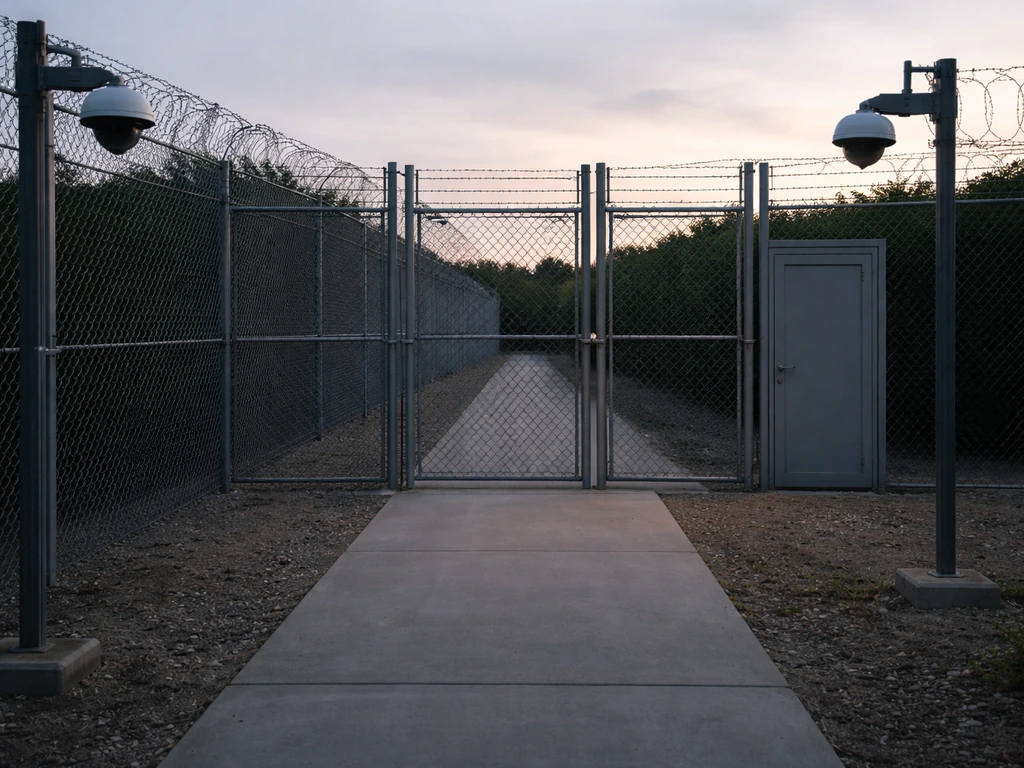
As of May 2026, there is no legal home grow option for cannabis in Florida, full stop. If you are a regular patient or caregiver hoping to grow a few plants at home, Florida law does not allow it. The only legal way to cultivate cannabis in Florida is through a licensed Medical Marijuana Treatment Center (MMTC), a vertically integrated license that covers cultivation, processing, and dispensing. That is what "legal grow house" actually means here: a state-licensed, fully regulated cultivation facility, not a bedroom grow tent or a backyard greenhouse.
Legal Grow Houses in Florida: What’s Allowed and How to Apply

Marcus Whitley
5 May 2026
Florida's Legal Framework for Cannabis Cultivation
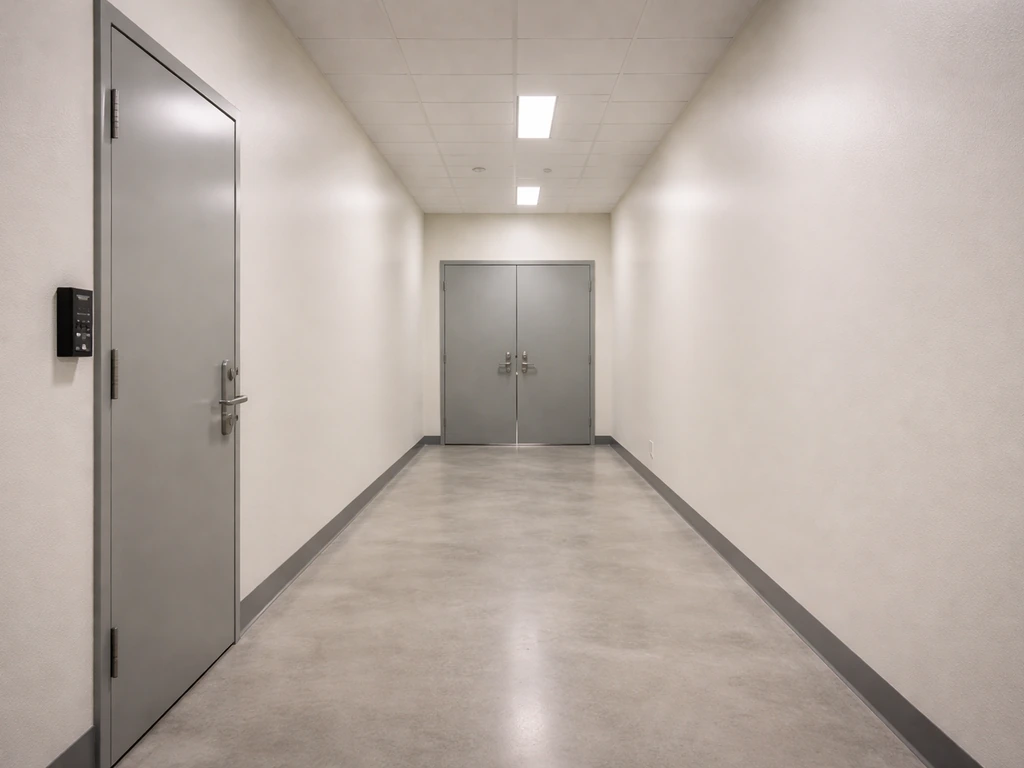
Florida's medical cannabis program is governed primarily by Fla. Stat. §381.986, and the implementing administrative rules sit in Florida Admin. Code Chapter 64-4. The program is run by the Florida Department of Health (FDOH). There is no adult-use (recreational) cannabis market in Florida as of May 2026, so everything discussed here applies to the medical program only.
One of the most important features of this framework is state preemption. Under §381.986, regulation of cannabis cultivation, processing, and delivery by MMTCs is explicitly preempted to the state. That means no county or municipality can create its own local licensing system or loosen the rules. You are working entirely within the state system, and the FDOH is your regulator.
The rules in Chapter 64-4 are actively maintained. The FDOH's 2025-2026 Annual Regulatory Plan includes review of core rules like 64-4.001, 64-4.002, 64-4.004, 64-4.005, 64-4.011, and 64-4.208. That means the specifics can shift. Always verify current rule text at flrules.org or the Online Sunshine statute viewer before making any major business or compliance decision.
Home Grow Is Not Legal in Florida (And What "Grow House" Actually Means Here)
When people search for "legal grow houses in Florida," they usually mean one of two things: either they want to know if they can grow cannabis at home as a patient, or they are researching how to set up a licensed cultivation operation. The answer to the first question is no. Florida has never passed a home cultivation allowance for medical patients, unlike states such as Colorado or Michigan. Growing cannabis at home without a license is a criminal offense in Florida, regardless of whether you are a registered medical patient.
The term "grow house" in Florida has historically carried a specific, negative legal meaning: an unlicensed residential cannabis cultivation operation. Law enforcement has used that phrase for years to describe illegal setups. A legal grow operation in Florida is not a "grow house" in that sense. It is a licensed MMTC cultivation facility operating inside an approved, enclosed structure, with inspections, seed-to-sale tracking, and state oversight. If you are trying to pursue a legal grow op in Florida, make sure you understand what counts as a state-licensed MMTC cultivation facility versus an unlicensed home setup.
If you are a caregiver or patient looking for a workaround, there is no legal workaround here. The path is either MMTC licensing or purchasing from a licensed dispensary. There is no registered caregiver cultivation model in Florida the way some other states allow.
License Types for Cultivation in Florida and Who Qualifies
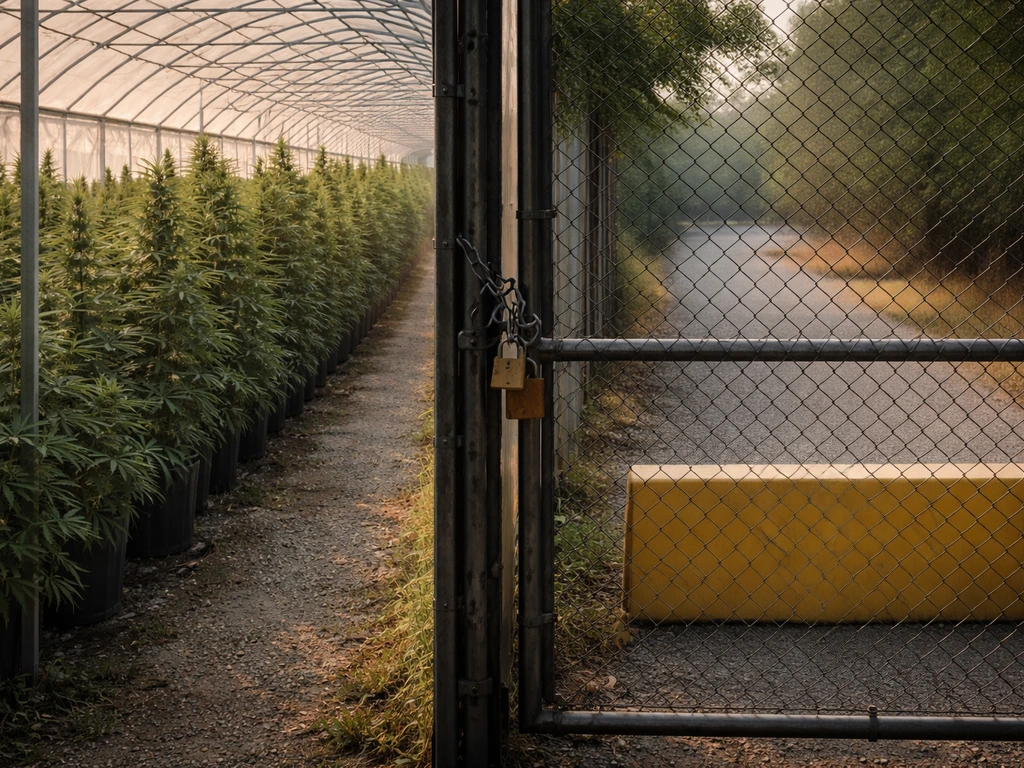
Florida uses a vertically integrated license model. An MMTC license authorizes a single entity to cultivate, process, and dispense medical cannabis. You cannot hold just a cultivation license without the processing and dispensing components. This is fundamentally different from markets like California or Colorado, where separate licenses exist for cultivation, manufacturing, and retail.
Because the license is vertically integrated, the bar to entry is high. MMTC applicants must demonstrate significant operational, financial, and technical capacity across all three business functions simultaneously. The statutory and rule requirements are designed for well-capitalized organizations, not individuals or small partnerships.
Eligibility requirements under §381.986 and the associated rules include being a Florida-based entity, demonstrating ability to cultivate, process, and dispense, having a valid certificate of registration, and satisfying character and background check requirements for principals and officers. The FDOH reviews whether applicants have the technical expertise, infrastructure, and financial capacity to operate compliantly from day one.
The Application Process: Steps, Timeline, and What You Will Need
The application process is detailed and document-heavy. Rule 64-4.002 lays out the specific application components, and the FDOH reviews submissions against those requirements. Here is a practical breakdown of what the process looks like.
- Verify your eligibility: Confirm your entity is properly structured as a Florida business and that all principals meet background and character requirements before spending time on a full application.
- Identify and secure your sites: You need proposed locations for cultivation, processing, and dispensing before you apply. The application requires property location details, site sketches, topography, easements, and roadway information for each site.
- Prepare your operational documentation: This includes a description of your cultivation environment, environmental control systems (HVAC, lighting, humidity, etc.), security plan, and your seed-to-sale tracking methodology.
- Complete the FDOH application forms: Use the current forms from the FDOH. Do not use outdated versions since rule updates happen regularly.
- Submit the application with the required fee: The initial application fee under rule 64-4.002 is $60,063.00. This is non-trivial and largely non-refundable, so only submit when your application is complete.
- Respond to FDOH review: Under §381.986, the FDOH must review your application and notify you within 30 days of any apparent errors or omissions, at which point you will have an opportunity to correct deficiencies.
- Await a determination and, if approved, complete your facility buildout before requesting an inspection and beginning operations.
Timelines vary depending on application volume, completeness of submission, and any regulatory review periods. Budget several months minimum from submission to an operational approval. If rules are under active review (as the 2025-2026 regulatory plan indicates), expect possible mid-process changes to requirements.
Costs, Space Limits, and Operational Requirements
The $60,063.00 initial application fee is just the beginning. Actual startup costs for a licensed MMTC are substantial. Real estate for compliant cultivation, processing, and retail sites, facility buildout to meet environmental control standards, security system installation, inventory tracking software, legal and consulting fees, and operating capital before revenue all stack up quickly. If you are researching the broader cost picture for starting a legal grow operation, the startup investment for a Florida MMTC typically runs into the millions of dollars. Starting a legal grow op in Florida means planning for MMTC licensing, compliant facilities, and ongoing regulatory oversight starting a legal grow operation. If you are trying to budget for how much it costs to start a grow op in Florida, the startup figure can run into the millions once you include facilities, compliance, and working capital how much does it cost to start a grow op.
On the cultivation side, Florida's framework does not use a simple plant count model the way some home-grow states do. Instead, operational scale is tied to your approved facility footprint and the FDOH's regulatory oversight of your specific cultivation plan. There is no "you may grow X plants" rule that patients or small operators can use, because again, only MMTCs can cultivate.
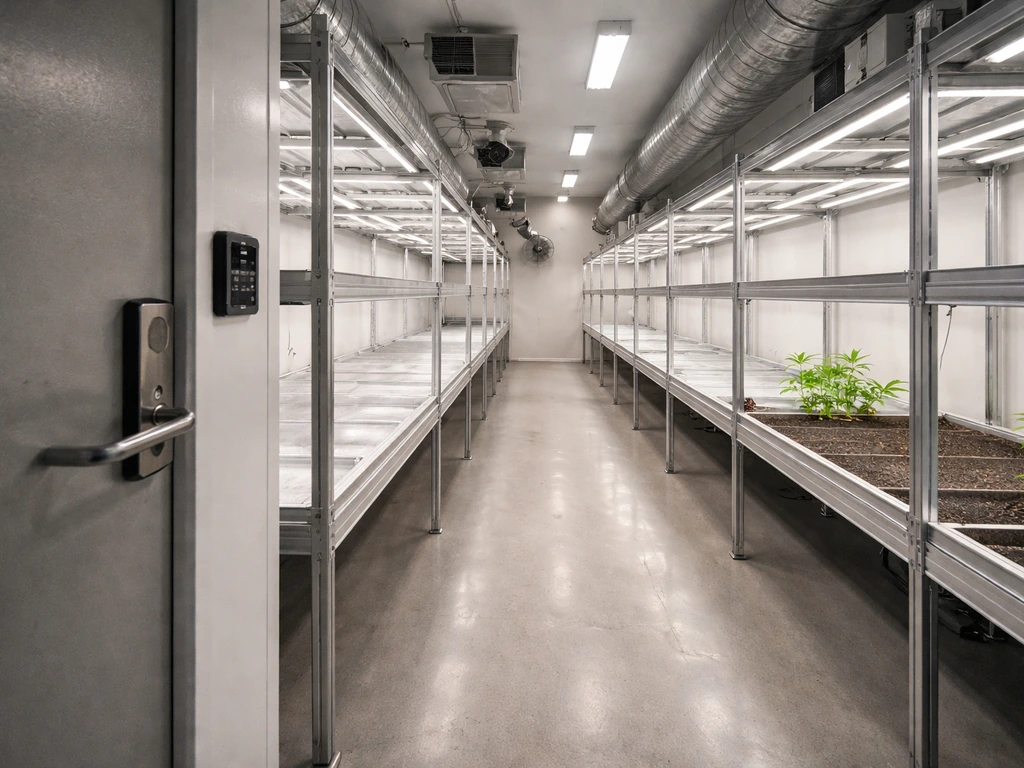
Statutory requirements for the grow facility include cultivation within an enclosed structure and in a room separate from any other plant species. This is a hard statutory requirement under §381.986, not just a best practice. Your cultivation space must be purpose-built and separated from any co-located activities or non-cannabis plants. Rule 64-4.001 defines a cultivation facility as any area designated for marijuana cultivation, and that definition shapes how site inspections are conducted.
On the dispensing side, Rule 64ER22-8 sets dosing and supply limits for patients. For example, the smoking form carry limit is 2.5 ounces for a 35-day supply. These patient-facing limits shape how much product you will be producing and moving through your licensed operation.
Compliance Basics: Security, Inspections, Tracking, and Renewals
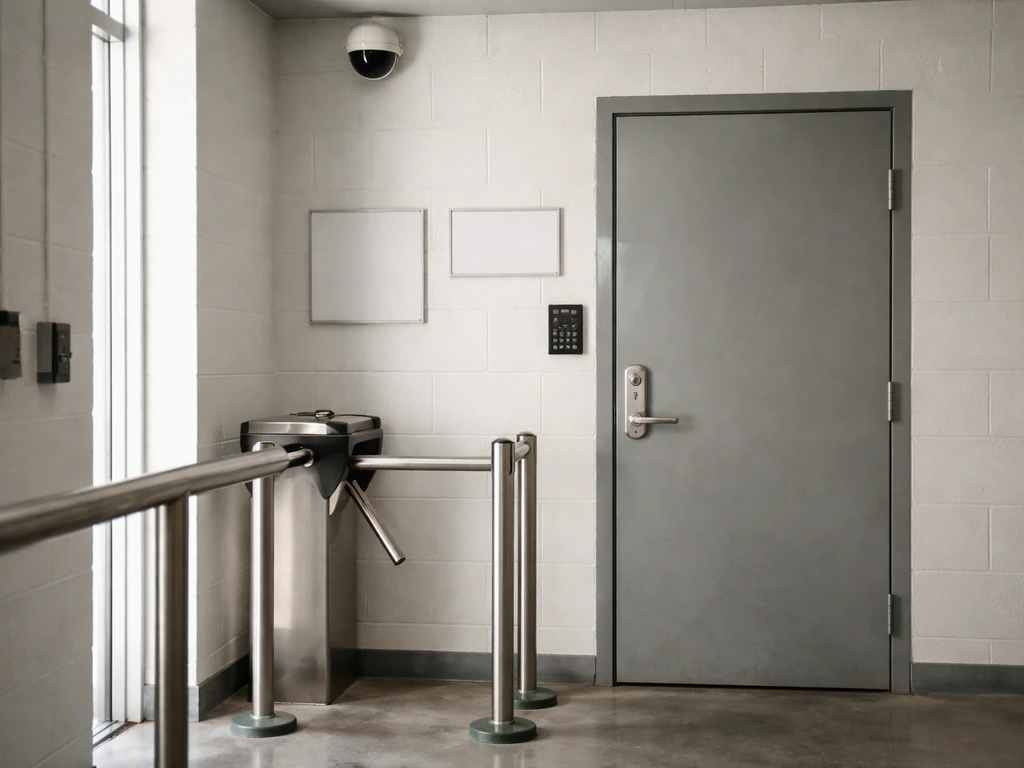
Ongoing compliance is where a lot of otherwise well-planned operations run into trouble. Florida's MMTC program carries significant ongoing obligations that you need to budget for operationally, not just financially.
Security
Licensed cultivation facilities must maintain physical and electronic security systems adequate to prevent unauthorized access and diversion. This means perimeter security, access controls, surveillance cameras, and documented security protocols. The specific requirements are detailed in the administrative rules, and FDOH inspectors will check them.
Plant Health Inspections and Pest Reporting
Under §381.986, MMTCs must inspect seeds and growing plants regularly. If you identify a plant pest infestation or infection, you are legally required to notify the Florida Department of Agriculture and Consumer Services (FDACS) within 10 calendar days. FDACS guidance explains when Florida Chapter 482 requires a pest control business license based on whether your work falls under “pest control activity.” “pest control activity” under Florida law (Chapter 482). This is a hard statutory deadline, and missing it creates a compliance violation regardless of how minor the infestation seems.
Pesticide Use
Rule 64-4.013 governs pesticide use on medical marijuana. Not all pesticides are permitted, and using a non-approved product on your crop can result in product destruction and regulatory action. This rule was updated as recently as March 2026, so always work from the current version.
Seed-to-Sale Tracking
Florida requires MMTCs to use a state-approved seed-to-sale tracking system (currently BioTrackTHC). Every plant, batch, and product unit must be logged from propagation through dispensing. This is a live system requirement, not just recordkeeping at the end of a cycle. If your tracking is incomplete or inaccurate, you are out of compliance.
Renewals and Ongoing Obligations
MMTC registrations must be renewed on the schedule set by the FDOH. Renewal requires demonstrating continued compliance with all operational, security, tracking, and facility requirements. Significant changes to your cultivation site, ownership structure, or operations may also require prior FDOH approval, not just notification.
Common Pitfalls and Choosing the Right Path
Most people who contact the FDOH or a licensing consultant without doing homework first hit one of a handful of common mistakes. Knowing them in advance saves real time and money.
- Assuming home grow is legal: It is not, and no amount of patient registration changes that. Growing at home without a license is a criminal matter, not a regulatory one.
- Thinking you can hold just a cultivation license: Florida's vertically integrated model means you must cultivate, process, and dispense under the same license. You cannot opt out of any component.
- Underestimating the application fee and startup capital: The $60,063 application fee is paid upfront. Site acquisition, buildout, security systems, compliance software, and staffing costs mean you need a serious capital base before you even open the door.
- Submitting an incomplete site package: Rule 64-4.002 requires detailed location documentation including sketches, topography, easements, and descriptions of environmental control systems. Missing any piece triggers a deficiency notice and delays your timeline.
- Missing the 10-day pest reporting window: The statutory requirement to notify FDACS within 10 calendar days of a confirmed pest issue is easy to miss in a busy grow operation. Build a reporting protocol before you start cultivation.
- Using outdated rule versions: Chapter 64-4 rules are actively reviewed and updated. Always pull current rule text from flrules.org or Online Sunshine before making compliance decisions.
- Ignoring preemption: Local zoning or licensing approvals do not substitute for state MMTC registration. Preemption under §381.986 means state rules control, but local zoning can still affect where you site your facility, so both need to be addressed.
If you are weighing whether to pursue MMTC licensing or look for another lawful route, be honest about your capital position and operational capacity. MMTC licensing is a high-bar, high-cost, high-compliance path designed for entities that can sustain a vertically integrated cannabis business. If your goal is simply to access medical cannabis as a patient, purchasing from a licensed MMTC dispensary is the only legal option. If your goal is a business, the MMTC path is real but requires serious preparation. Understanding the full cost picture, including startup costs for a grow operation, is a smart first step before committing to an application.
This site provides regulatory information to help you understand the rules, not legal or business advice. For anything involving your specific situation, entity structure, or compliance exposure, consult a Florida-licensed attorney with cannabis regulatory experience. For the official current rules, use the FDOH's website and the Florida Legislature's Online Sunshine platform directly.
FAQ
Can a registered medical patient in Florida grow a few cannabis plants at home? (I only want a small number.)
No. If you are a Florida medical patient or caregiver, you still cannot legally cultivate cannabis at home. The only state-authorized cultivation is performed by an MMTC under its license, with products tracked through the state seed-to-sale system.
What’s the difference between a “grow house” and a legal MMTC cultivation facility in Florida? (How do I know which one people mean.)
A “grow house” can mean different things in conversation, but in practice for enforcement it usually refers to an unlicensed residential grow. A licensed MMTC cultivation facility is different because it is a state-licensed enclosed cultivation site with inspection access, security requirements, and live tracking through the approved system.
Can I get local approval in Florida to run a small cannabis grow even if the state rules don’t allow home grow?
Florida does not create a local allowance or separate city or county licensing that would let you operate outside the state MMTC model. Because cultivation and related activities are state-preempted, you generally cannot “work around” requirements by applying for permission locally, even if a municipality is friendly to cannabis.
Can an entrepreneur in Florida get a cultivation-only cannabis license, or must the MMTC include processing and dispensing?
If you want to cultivate commercially in Florida, the vertically integrated MMTC structure matters. An entity typically cannot just hold a cultivation-only authorization and skip processing and dispensing, because the license model ties those functions together.
Do Florida patient limits change how much a licensed grow operation can plan to produce?
Yes, the patient dosing and form supply limits affect what an MMTC can realistically produce and move through the supply chain. Even if a cultivation plan looks technically capable, the operation must align production schedules and inventory throughput with the applicable patient-facing limits and dispensing rules.
What’s the biggest compliance risk with pest control for an MMTC cultivation operation?
Be careful with pesticides and pest control. Florida restricts what can be used on medical marijuana crops, and using a non-permitted pesticide can lead to product destruction and regulatory action. Your grow should have a written pest management approach that references the current permitted list and procedures.
If we see a small infestation in the grow, when do we have to report it to FDACS?
Florida imposes a firm reporting deadline for certain cultivation problems. If you detect pests or infections, you must notify FDACS within 10 calendar days, and treating it as “minor” does not eliminate the requirement.
What does “seed-to-sale tracking” mean in practice, is it enough to update records at the end of a cycle?
Tracking is live, not “reconciled later.” You generally must log plants, batches, and product units through propagation and onward in the state-approved seed-to-sale system. Incomplete or inaccurate entries can create compliance issues even if you ultimately have inventory records that look correct.
How strict is the requirement to separate the cannabis cultivation room from other plants? Could we co-locate with other greenhouses?
Facility separation is not just a convenience requirement, Florida requires cultivation within an enclosed structure and in a room separate from other plant species. If you plan a site, you should design the layout to match the statutory and inspection expectations, since what counts as a designated cultivation area drives how inspectors evaluate the premises.
If our MMTC plans change after submission or after approval, do we need prior approval or just to notify the state?
If you already own or have a site under consideration, plan for change management. Significant changes to ownership, the cultivation site, or operations may require prior FDOH approval rather than simple notification, so you need a written compliance process for proposed changes and timing.
How long does it typically take to go from filing an MMTC application to being operational in Florida?
Don’t underestimate the timeline. A practical expectation is several months minimum from submission to operational approval, but the timeline can stretch or change if rules are actively updated, submissions are incomplete, or the agency requests additional documentation.
What should I include in the real budget beyond the $60,063 application fee for a Florida MMTC grow operation?
The $60,063 application fee is only one line item. You should also budget for compliant real estate, buildout to meet security and environmental controls, security system installation, tracking infrastructure, legal and consulting work, and operating capital to support ramp-up before revenue.
Next Article
Legal Grow Op Guide: State-by-State Compliance Steps
State-by-state steps for a legal grow op, from licensing and eligibility to security, records, and renewals for legal ca