Starting a legal cannabis grow operation in the US typically costs anywhere from $20,000 to well over $500,000 depending on your state, your license tier, and whether you're growing in a spare bedroom or building out a commercial facility. If you're still mapping your budget as you move from research toward starting a legal grow op, expect these costs to scale with your license tier and state compliance expectations.
How Much Does It Cost to Start a Grow Op? 2026 Guide

Marcus Whitley
27 Apr 2026
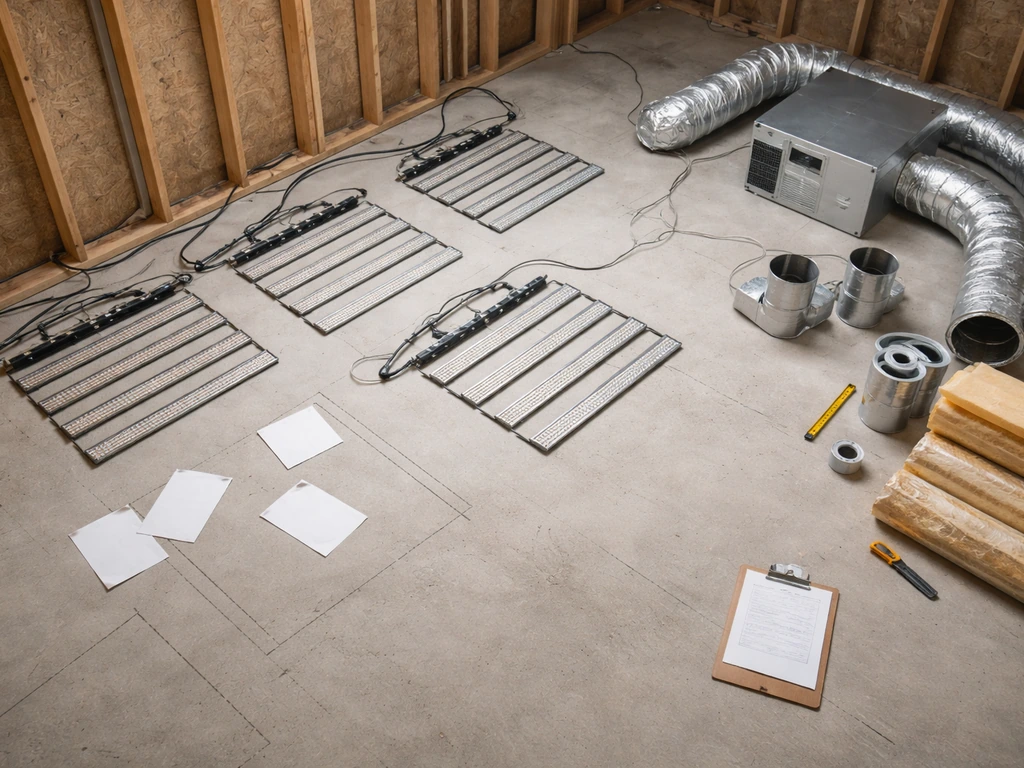
For a small home grow setup in a state that allows it, you might spend a few thousand dollars on equipment plus a modest application fee. For a licensed commercial indoor cultivation facility, you're looking at $20 to $75 per square foot of canopy just for build-out, plus licensing fees that can range from a few hundred dollars to $50,000 or more depending on the state.
The single biggest variable is your jurisdiction, license fees, plant limits, and compliance requirements vary enormously by state.
The big picture: what you're actually paying for
It helps to split costs into two buckets: one-time startup costs and ongoing monthly expenses. Startup costs cover everything you spend before your first harvest, licensing, site build-out, equipment, compliance systems. Ongoing costs are what you pay every month to keep the lights on, plants fed, and your license current. Both matter a lot, and a lot of growers underestimate the second bucket.
| Cost Category | Type | Typical Range |
|---|---|---|
| State cultivation license application fee | One-time (startup) | $250 – $50,000+ |
| License renewal fees (annual) | Recurring | $500 – $20,000+ |
| Site build-out (indoor) | One-time (startup) | $20 – $75 per sq ft of canopy |
| HVAC and ventilation | One-time (startup) | $10,000 – $100,000+ |
| Lighting systems | One-time (startup) | $5,000 – $80,000+ |
| Security systems (cameras, access control) | One-time + recurring | $5,000 – $30,000+ upfront; $200–$500/mo monitoring |
| Electrical infrastructure | One-time (startup) | $5,000 – $50,000+ |
| Irrigation and water systems | One-time (startup) | $2,000 – $20,000+ |
| Nutrients, grow media, consumables (initial stock) | One-time (startup) | $500 – $10,000+ |
| Utilities (electricity, water) | Recurring (monthly) | $500 – $20,000+/mo |
| Labor | Recurring (monthly) | $0 (solo) – $50,000+/mo |
| Insurance | Recurring (annual) | $2,000 – $30,000+/yr |
| Compliance consulting or legal help | One-time or recurring | $1,000 – $20,000+ |
An industry benchmark from MJBiz data puts average startup costs for wholesale cannabis cultivators at around $42 per square foot, but that number blends indoor, greenhouse, and outdoor operations together. If you're going fully indoor with controlled environment lighting, your real number is toward the top of the $20–$75 range or higher. Greenhouse and outdoor grows cost less upfront because you're relying on sunlight and natural airflow instead of building an artificial environment.
License costs by state and jurisdiction
This is the first cost you need to nail down, because it sets the rules for everything else, your plant limit, your site requirements, your security specs, and what compliance documentation you need. License fees for cultivation vary more than almost any other line item in your budget. blank" rel="noopener noreferrer">California DCC publishes cultivation license application and license fee amounts, with fees tiered by license type and based on economic findings. Missouri publishes its cultivation fee schedule with effective date windows and annual and renewal fee amounts through the Missouri Department of Health & Senior Services blank" rel="noopener noreferrer">Missouri publishes a cannabis fee schedule with effective date windows and annual and renewal fee amounts.
Here's a realistic look at how fees break down by tier and state type:
| License Type / State Example | Application Fee (approx.) | Annual License Fee (approx.) | Notes |
|---|---|---|---|
| Home/personal grow (recreational states like CO, MI) | $0 – $50 | $0 | Plant limits typically 6–12 plants; no commercial sale allowed |
| Small cultivator / microbusiness (e.g., IL, NM) | $1,000 – $5,000 | $1,000 – $5,000 | Often tiered by canopy size; strict plant or canopy caps |
| Mid-tier commercial cultivator (e.g., CA, OR) | $5,000 – $25,000 | $5,000 – $20,000+ | Canopy limits apply; local permit also required in many states |
| Large commercial cultivator (e.g., NV, MA) | $10,000 – $50,000+ | $10,000 – $50,000+ | Background checks, financial disclosures, site control required |
| Medical cultivation license (varies widely) | $1,000 – $30,000+ | $1,000 – $20,000+ | Often more restrictive on ownership; may require patient tie |
Some states also charge separate local or municipal permit fees on top of the state license. California is a good example where you often need both a state license from the Department of Cannabis Control and a local business permit, and local fees vary by city or county. Always check both layers before you budget.
If you're researching a specific state, look up the exact cultivation license tiers offered in that jurisdiction. Most states offer tiered licensing based on canopy square footage or plant count, and jumping one tier up can double or triple your fee, and your compliance obligations. Starting a legal grow op means matching your license tier to your actual planned scale, not the scale you hope to reach eventually.
Build-out and compliance requirements that drive your costs up
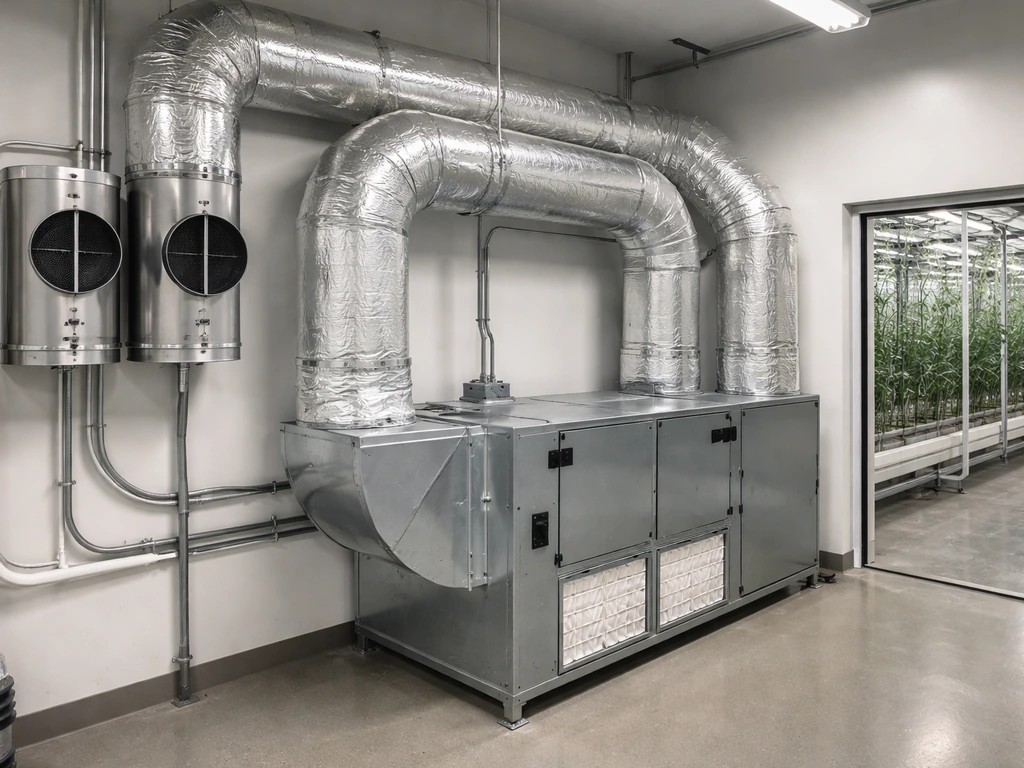
The gap between a cheap grow room and a compliant licensed facility is almost entirely explained by what state regulators require you to install. These aren't optional upgrades, they're conditions of getting and keeping your license.
HVAC and ventilation
Indoor cultivation facilities need HVAC systems capable of removing roughly 30 to 50 BTU per square foot per hour of heat load generated by lighting. That's a serious engineering requirement. Add humidity control (cannabis is sensitive to both high and low humidity at different growth stages) and odor mitigation (often legally required near residential areas), and your HVAC system can easily become the single most expensive line item in your build. A 1,000 square foot indoor grow room typically needs 30,000 to 50,000 BTU of cooling capacity before you even factor in dehumidification.
Electrical infrastructure
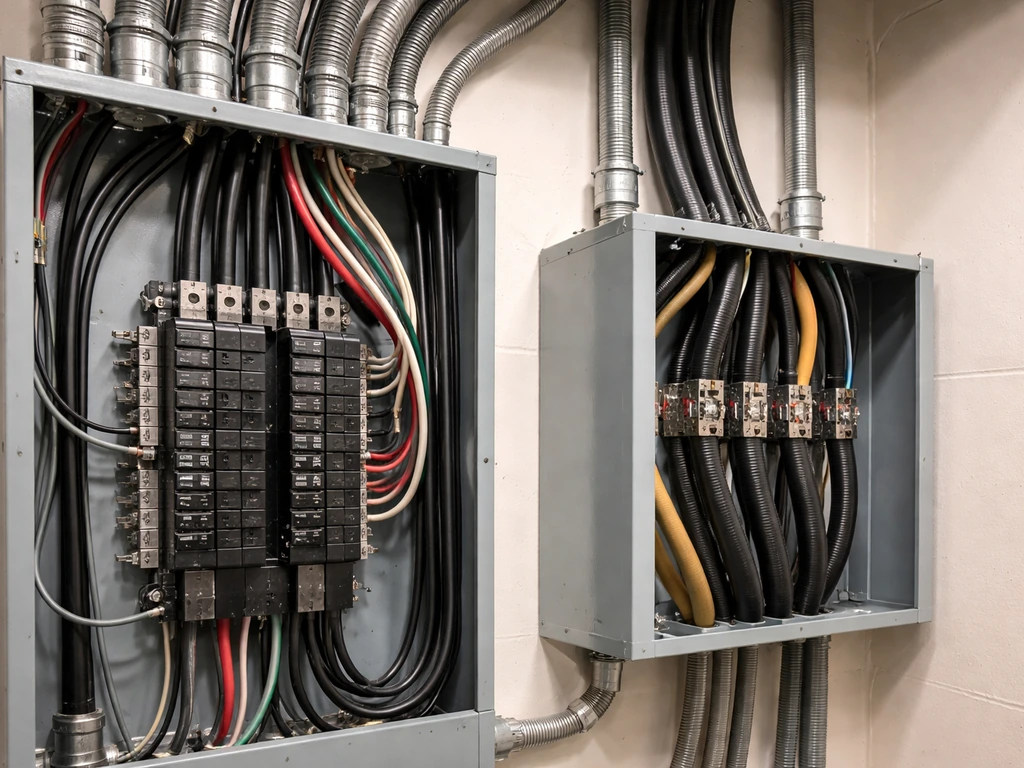
Indoor lighting alone typically demands 50 to 100 watts per square foot. For a 500 square foot canopy, you're looking at 25,000 to 50,000 watts of load, which often means upgrading your electrical service panel, running new circuits, and possibly negotiating a commercial power account with your utility. That upgrade work is real construction cost, not just an equipment purchase.
Security systems
Most state licensing authorities mandate specific security setups as a condition of licensure. This typically includes 24/7 video surveillance covering all cultivation and entry areas, camera footage retention of at least 30 to 90 days (varies by state), restricted access controls on all entry points, and alarm systems. Upfront costs for a compliant system run $5,000 to $30,000 for a small to mid-sized facility, plus ongoing monitoring fees. This is non-negotiable, if your security setup doesn't meet the spec in the regulations, your application gets denied or your license gets suspended.
Zoning and site readiness
Your facility has to be in a zone that allows cannabis cultivation under local land-use rules. Many states also require minimum setbacks from schools, parks, or residential properties. If your chosen site isn't zoned correctly, you'll spend money on build-out you can't use until (or unless) you get a zoning variance, which takes time and legal fees. Confirming zoning compliance before you sign a lease or buy property is one of the most important pre-budget steps you can take.
Starting small vs scaling up: home grows vs commercial tiers
The legal and financial picture looks very different depending on whether you're growing for personal use under a home grow allowance or pursuing a commercial cultivation license. These are two completely different regulatory tracks.
Home grow allowances in legal recreational states typically let adults cultivate 6 to 12 plants without any commercial license. In Florida, whether a home grow or commercial license applies depends on the state rules for plant limits and licensing legal grow houses in florida. In those situations, your cost is basically equipment: a grow tent or dedicated space, lights, ventilation, nutrients, and containers.
A functional home setup can be assembled for $500 to $5,000 depending on size and quality of equipment. No application fee, no compliance audit, no security requirement, just follow the plant count limit and keep it off public view. But you cannot sell the product. The moment you're selling (or planning to), you need a commercial license.
Commercial cultivation licenses add a completely different layer of cost and complexity. Even a small-tier commercial license typically requires a dedicated facility, compliant security and tracking systems, a state-registered seed-to-sale tracking system (like Metrc, which most states mandate), and documentation that your site meets all zoning and building requirements. The jump from home grow to even a small commercial operation often means $50,000 to $150,000 in startup costs before your first sale.
Many growers try to start at the smallest commercial tier available in their state to reduce fees and compliance burden while they learn the regulatory system. That approach makes financial sense, just make sure the canopy limit on that tier actually matches your planned production volume before you apply.
Ongoing monthly and annual operating costs
A lot of first-time growers budget carefully for startup but get surprised by how much it costs just to keep running. Here's what you'll be paying for on a recurring basis.
- Electricity: This is usually the biggest ongoing expense for indoor grows. High-intensity lighting running 18 hours a day during veg and 12 hours during flower, combined with HVAC, can push monthly electricity bills to $2,000–$20,000+ for commercial facilities depending on canopy size and local utility rates.
- Water and nutrients: Expect to spend $200–$2,000+ per month on nutrients, pH adjusters, and water for a small to mid-sized commercial grow. Hydroponic systems cost more upfront but can reduce water use over time.
- Grow media and consumables: Soil, coco coir, rockwool, pots, trays, and replacement supplies. Budget $100–$1,000+ per month depending on scale and how often you replace media.
- Labor: Solo operations or small family runs can minimize this, but any meaningful commercial operation will need staff. Cultivators, trimmers, and facility managers are real payroll expenses.
- License renewals: Most state cultivation licenses require annual renewal with associated fees. Budget for this from day one.
- Insurance: Cannabis businesses typically need general liability, product liability, and property insurance. Annual premiums often run $2,000–$30,000+ and can be hard to get from standard insurers — cannabis-specific insurers are often the only option.
- Seed-to-sale tracking system: Most states mandate software like Metrc. Fees vary but add $50–$500+/month to your ongoing costs.
- Waste disposal: Cannabis waste must be rendered unusable and documented before disposal under most state regulations. This creates real disposal costs that a standard business wouldn't face.
- Facility maintenance: HVAC filters, UV bulb replacements, irrigation system maintenance, and general upkeep add up. Budget 5–10% of your equipment cost annually for maintenance.
How to estimate your total budget: a practical checklist
The most reliable way to build your budget is to work from your jurisdiction outward. Start with the regulatory requirements for your specific license tier, then price out what it takes to meet them. Here's the order that makes sense:
- Identify your state's cultivation license tiers and the plant or canopy limits for each. Decide which tier matches your actual planned operation.
- Look up the application fee and annual renewal fee for that specific tier in your state.
- Confirm local zoning allows cannabis cultivation at your intended site. If not, factor in rezoning or site change costs.
- Pull the state's specific security, tracking, and facility requirements for your license tier. These are usually in the administrative code or licensing rules — not just the application form.
- Get at least two contractor quotes for HVAC, electrical, and any structural build-out based on those specs.
- Price out your lighting system (LED, HPS, or CMH) at the wattage your canopy square footage requires.
- Price security system installation and monitoring that meets your state's camera and access control requirements.
- Add seed-to-sale tracking setup costs and first year of software fees.
- Estimate monthly electricity cost by calculating total wattage times daily hours times local kWh rate times 30.
- Add nutrients, media, consumables, and any labor for your first 90 days of operation.
- Get insurance quotes from cannabis-specific brokers.
- Add a contingency buffer of at least 20% to the total — compliance-related surprises are common and expensive.
Running this checklist gives you a real number for your situation, not a generic estimate from the internet. A 500 square foot indoor canopy in a state with a $5,000 application fee and expensive electricity might cost $120,000 to stand up. The same footprint in a state with a $500 application fee, cheaper power rates, and a greenhouse-compatible climate might come in under $40,000. The numbers only make sense in context. If you are starting a legal grow op, use the planning and compliance checklist to avoid common licensing delays.
Rough scenarios for comparison

| Scenario | Setup Type | Estimated Startup Cost | Estimated Monthly Operating Cost |
|---|---|---|---|
| Personal home grow (legal state, 6 plants) | Indoor tent, basic equipment | $500 – $3,000 | $50 – $200 |
| Small commercial indoor (500 sq ft canopy) | Licensed facility, compliant build-out | $60,000 – $150,000 | $3,000 – $10,000 |
| Mid-size commercial indoor (2,000 sq ft canopy) | Licensed facility, full build-out | $200,000 – $500,000+ | $15,000 – $40,000+ |
| Greenhouse commercial (2,000 sq ft canopy) | Licensed greenhouse, less HVAC/lighting | $80,000 – $200,000 | $8,000 – $20,000 |
| Outdoor commercial (1 acre) | Licensed outdoor plot, minimal infrastructure | $30,000 – $100,000 | $5,000 – $15,000 (seasonal) |
The most expensive mistakes growers make (and how to avoid them)
Most budget overruns in cannabis cultivation come from a handful of predictable problems. Knowing about them ahead of time is the cheapest form of insurance.
Picking a site before verifying zoning
This is the single most common expensive mistake. Operators sign leases, invest in tenant improvements, and then discover the property isn't properly zoned for cannabis cultivation. Getting out of that situation costs money, time, and sometimes the application window you were counting on. Always get written confirmation of zoning compliance, ideally from the local planning department, before committing to a site.
Building first, then reading the security specs
State licensing authorities publish detailed security requirements. If you build your facility and then read the rules, you may have to rip out walls to run conduit for cameras in the right locations, or add secondary door locks that weren't in your original plan. Read the security requirements before your contractor starts, not after.
Underestimating the application documentation burden
Commercial cultivation applications are not short forms. Most states require floor plans, security system diagrams, standard operating procedures, financial disclosures, ownership background checks, and proof of site control (lease or deed). Preparing this documentation correctly takes real time and sometimes professional help. Budget $1,000 to $5,000 for documentation prep if you're not experienced with it. An incomplete application doesn't just get rejected, it can set you back months if there's a limited licensing window.
Ignoring seed-to-sale tracking costs
Most states require licensed cultivators to use a state-approved tracking system from the day plants are tagged. Metrc is the most common. There are hardware costs (RFID tags, scanners), software subscription fees, and a real learning curve. Growers who don't budget for this, or don't train their staff before the inspection, get compliance violations that cost more to fix than the system would have.
Treating the contingency as optional
A 20% contingency buffer isn't pessimistic, it's realistic for any construction project, and cannabis facilities have more moving parts than most. Electrical upgrades almost always run over. HVAC installs hit snags. Licensing timelines slip. Having that buffer available means a delay doesn't kill your operation before it starts.
Your next steps
Before you spend a dollar, spend time on research. Find your state's cannabis licensing authority website and download the cultivation license application requirements for the tier you're targeting. Look at what documentation they require, what the security spec looks like, and what your canopy or plant limit will be. That document is the foundation your budget has to be built on.
If you're looking at topics like starting a legal grow op or comparing what a legal grow house actually looks like in a specific state, those regulatory details are what separate a plan that gets approved from one that stalls in the application process. The regulatory structure for your state defines your cost floor, everything else is just execution.
This site is a regulatory reference, not a source of legal or business advice. For application-specific guidance or financial planning, working with a cannabis-specialized attorney or consultant is worth the cost, particularly if your state has a competitive licensing window where application quality directly affects whether you get a license at all.
FAQ
If my state allows home grow, how much more might it cost than the basic equipment estimate?
Yes. Even in states that allow “home grow,” costs can rise quickly if you add required odor control, additional ventilation, or move beyond the plant limit. Many home setups also still need electrical upgrades (dedicated circuits, GFCI protection) if you run high-watt LED lights, and that can add hundreds to thousands depending on your panel capacity.
What “hidden” one-time costs usually get missed before you submit a cultivation license application?
Don’t budget only for build-out. Many operators spend a separate amount on licensing intermediates like pre-application fees, consultant or documentation help, background checks, fingerprinting, and entity setup costs. In addition, you may need to pay for inspections or engineering sign-offs that are not included in the headline application fee.
How do I estimate costs before my first harvest, including utilities and labor during ramp-up?
Because costs vary by state, use a simple sanity check based on your expected monthly harvest timing. If you plan to produce continuously, you will pay utilities, nutrient inputs, and labor every month even while you are still ramping up. A single month of idle or failed infrastructure (like HVAC not dehumidifying properly) can cascade into lost crop cycles.
Do I need backup power for a licensed indoor grow, and how does that affect budget?
If you are building or leasing a facility for a commercial license, uptime requirements matter. A backup generator or UPS is sometimes needed for critical systems (alarms, monitoring, or minimum environment protection) depending on the state and your security plan. Even when not explicitly mandated, lacking redundancy can trigger compliance issues or rejected inspection findings after power interruptions.
What ongoing compliance costs should I include beyond hardware and software for seed-to-sale tracking?
Tracking and compliance systems can add both subscription and staffing costs. Beyond hardware and software, you may need training time, barcode or tag handling procedures, and written SOPs for your staff and inventory workflow. Budget time for a learning curve, because mistakes can lead to tag mismatch issues that require corrective actions.
Why do electrical and HVAC budgets commonly run over, and how can I prevent that?
Upfront construction costs often rise when your real power demand is discovered late. Common triggers are underestimating HVAC heat load, expanding canopy after lease signing, or electrical service upgrades that require utility coordination. To avoid surprises, ask electricians for load calculations and timeline constraints before you finalize equipment selection.
Is it smart to start at the smallest commercial tier, and when does that strategy backfire?
You can often reduce costs by using the smallest tier that matches your actual canopy and plant count plan, but only if you can still meet the business goal and your production schedule. If the tier forces a lower canopy, you may need more rooms, more cycles, or more labor to reach targets, which can erase the savings.
How do licensing timelines impact total startup cost, not just application fees?
Time costs money. If a licensing window is limited or your application is incomplete, delays can turn into paying rent, utilities, and security-monitoring for longer than expected. Also, some states require you to maintain conditions or documentation readiness for inspections and submission stages.
Which local permits or inspections most often change the budget after you commit to a site?
Budget for local requirements that sit outside the state license. Zoning approvals, business permits, fire inspection requirements, and building code upgrades (sprinklers, electrical code compliance, ventilation ducting) can add major cost. These items can be a deal-breaker if you only confirm “state legality” and not local permitability.
What recurring costs do licensed growers underestimate for security and compliance upkeep?
A common error is treating compliance as a one-time checklist. Security systems, camera coverage, footage retention, and access control often require periodic updates, staff onboarding, and occasional replacement of worn components. Factor in monitoring fees, software maintenance, and service contracts for alarms, cameras, and environmental controllers.
When is it worth paying for specialists or a consultant to avoid rework?
Yes, especially for contractors and specialists. Even if you control the project, you may need professional help for HVAC engineering, electrical design, security system layout, and documentation preparation. If you are not experienced with regulatory drawings and SOP formatting, hiring support can prevent rework that is more expensive than paying upfront.
What monthly cost category changes the most by state and utility rates?
Power rates, water costs, and waste disposal can materially change your monthly expenses. If you choose indoor cultivation, your electricity and dehumidification load can dominate. In states with expensive electricity or higher compliance demands around ventilation and odor control, monthly costs may be significantly higher than the build-out-only estimates you see online.
Next Article
Florida Home Grow Rules for Lake Worth Road Cannabis
Learn legal Florida home cannabis grow rules for Lake Worth Road, including limits, local checks, and compliance steps.