A legal grow op is a cannabis cultivation operation that meets every requirement your state, county, and city place on it, and those requirements vary enormously depending on whether you're growing for yourself at home, as a caregiver, or as a commercial cultivator. There is no single national standard. What's fully legal in one county can get you arrested in the next one over, so the only way to run a lawful operation is to identify the exact rules for your specific location and grow type before you plant a single seed.
Legal Grow Op Guide: State-by-State Compliance Steps

Marcus Whitley
27 Apr 2026
What 'legal grow op' actually means
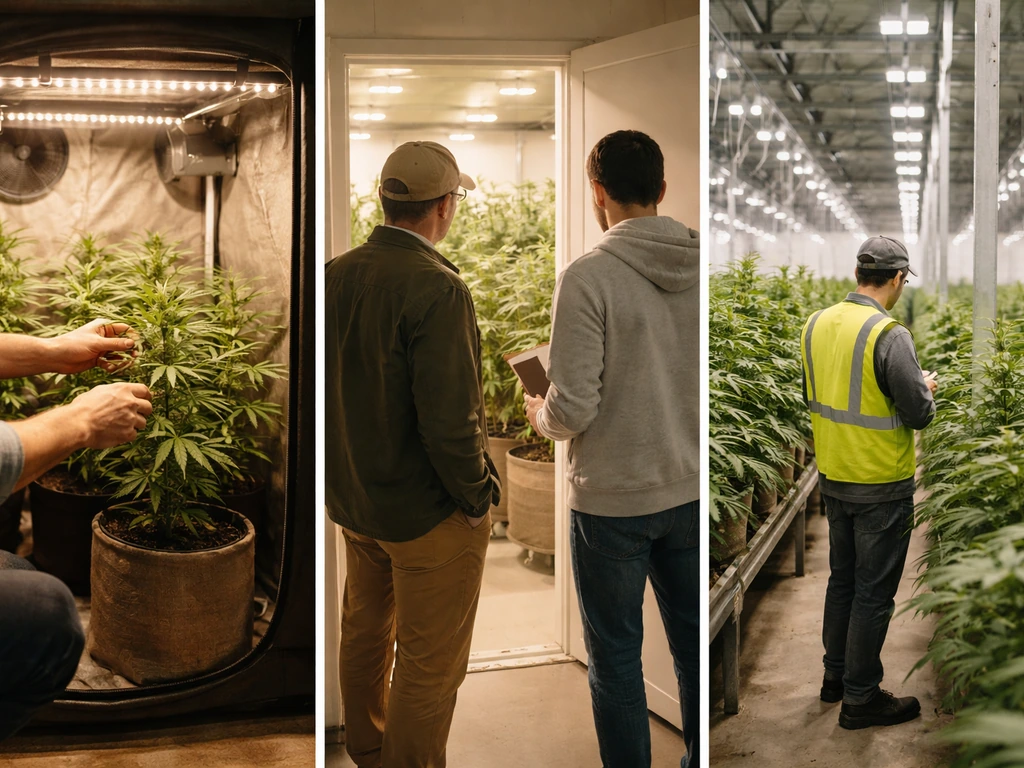
When people search 'legal grow op,' they usually mean one of three very different things: a personal home grow allowed under adult-use or medical law, a licensed caregiver or patient cultivation setup, or a fully licensed commercial cultivation business. Each one sits under a different legal framework, carries different plant limits, and requires a different level of paperwork.
Home grows are the simplest. In states that allow them, a resident over a certain age (usually 21 for adult-use, or any qualifying patient age for medical) can grow a limited number of plants at their primary residence without a commercial license. Colorado, for example, allows up to six plants per resident 21 and older, with no more than three flowering at once, kept in an enclosed, locked space. Multiple adults in one household can stack their limits in some states, but local rules can cut those numbers down, Denver has its own additional restrictions on top of Colorado's state limits.
Medical grows are a middle tier. Patients and designated caregivers in medical-only states often get a cultivation card or registration rather than a full commercial license, but they still face plant counts, security requirements, and inspections that are stricter than a basic home grow.
Commercial cultivation is the most regulated category by far. In California, for instance, every commercial cultivator must hold a license from the Department of Cannabis Control (DCC), and that license type is tied directly to your cultivation method and how many square feet of mature canopy you plan to run. There is no commercial gray area, if you're selling or transferring cannabis to the supply chain, you need the license.
Where to find your actual state and local rules
The most reliable starting point is always your state cannabis regulatory agency's official website. That's the DCC in California, the Department of Cannabis Regulation (DCR) in Colorado, the Office of Medical Marijuana Use or the Department of Agriculture and Consumer Services for Florida, and so on. These agencies publish the current statutes, rules, application forms, and fee schedules, and they update them when the law changes.
After checking the state agency, you must also check your local city or county rules. Most states allow local governments to add restrictions on top of state law, ban commercial cultivation outright, or impose their own licensing layers. A commercial cultivator in an unincorporated county may face different zoning conditions than one in a city two miles away. Never assume state approval is enough.
- Go to your state cannabis agency's official .gov site and look for a 'cultivation' or 'licensing' section
- Download the current regulations (not just a FAQ page — the actual rules document)
- Check your county's planning or zoning department for land-use conditions on cannabis cultivation
- Check your city's municipal code or business licensing office if you're in an incorporated area
- Call or email the licensing office to confirm current plant limits, canopy caps, and any application windows before you invest in a facility
License types, eligibility, and what limits apply to your grow
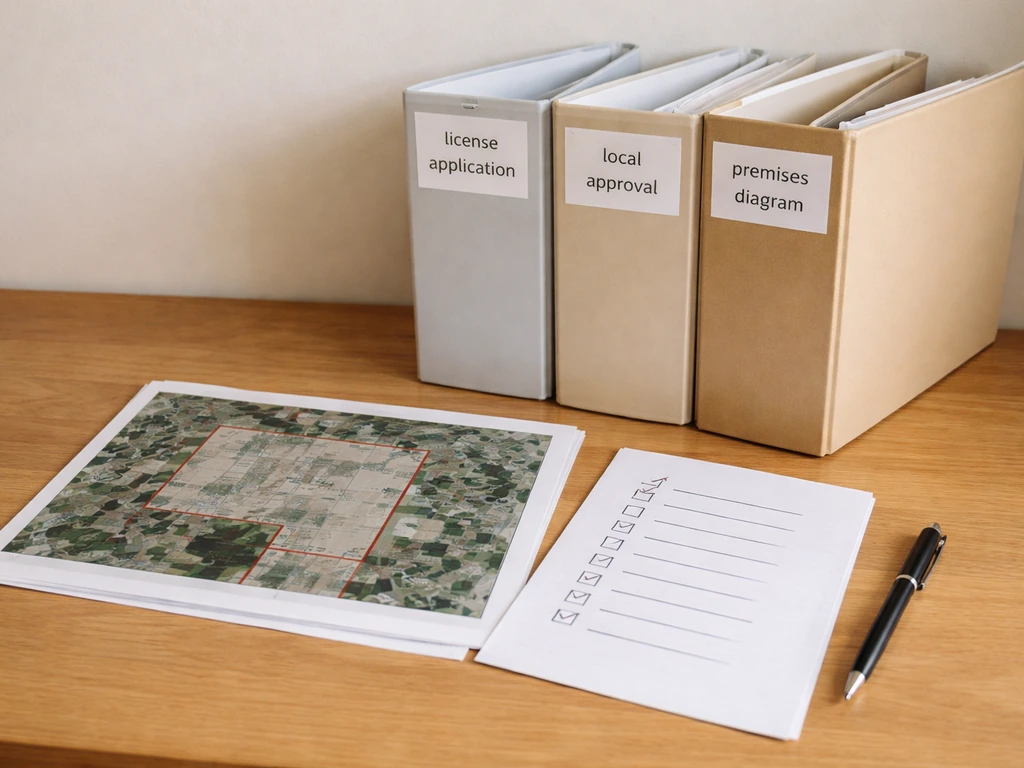
Most states with adult-use or medical cannabis markets have tiered commercial cultivation licenses. California's DCC system is a good example of how these tiers work in practice: licenses are categorized first by cultivation method (indoor, outdoor, or mixed-light) and then by canopy size. The tier names run from Specialty Cottage (smallest canopy, most restricted) up through Specialty, Small, and Medium. Each tier carries a square-footage cap on the area where mature plants are actually growing, not the total building footprint, but the canopy specifically.
Here's a simplified look at how California's commercial cultivation tiers are structured by method and canopy size, to illustrate the kind of detail you'll need to match for your own state:
| License Tier | Cultivation Method | Approximate Canopy Cap |
|---|---|---|
| Specialty Cottage | Indoor | Up to 500 sq ft |
| Specialty Cottage | Outdoor | Up to 2,500 sq ft |
| Specialty Cottage | Mixed-Light | Up to 2,500 sq ft |
| Specialty | Indoor | Up to 5,000 sq ft |
| Specialty | Outdoor | Up to 5,000 sq ft |
| Small | Indoor | 5,001 to 10,000 sq ft |
| Small | Outdoor | 5,001 to 43,560 sq ft |
| Medium | Indoor | 10,001 to 22,000 sq ft |
| Medium | Outdoor | 43,561 sq ft to 1 acre |
Your state will have its own version of this table. The key eligibility factors are usually: being a legal resident or registered business entity in the state, passing a background check, demonstrating premises control (ownership or a valid lease), and in some states showing proof of local approval before the state will even review your application.
For home grows, eligibility is simpler but not automatic. You typically need to be of the required age, a resident of the state, and growing at your primary residence. Some states require patient registration or a medical card for home cultivation even in adult-use states, always verify this for your specific state.
How the application process actually works
Commercial cultivation applications are multi-step processes that can take anywhere from a few weeks to over a year depending on your state's review times and your own preparation. Going in without the right documents is the single biggest reason applications get delayed or rejected.
- Confirm your local jurisdiction allows the license type and get any required local approval or zoning clearance first
- Register your business entity (LLC, corporation, etc.) with your state's secretary of state office
- Secure your premises — obtain a signed lease or proof of ownership, and confirm the property meets zoning requirements for cannabis cultivation
- Create a detailed premises diagram or site plan showing the canopy area, security layout, entry points, and storage areas
- Gather owner/officer background check documentation and financial disclosure materials required by your state
- Draft your operating procedures (SOPs) covering cultivation practices, waste disposal, pesticide use, and inventory tracking
- Prepare your security plan including camera coverage, alarm systems, access controls, and visitor policies
- Submit your application through your state's licensing portal with all required attachments and pay the application fee
- Respond promptly to any requests for additional information (deficiency notices) from the licensing agency
- Schedule and pass any pre-license inspections required before the license is issued
Application fees vary widely. Some states charge a few hundred dollars for a small home-based medical cultivation registration, while commercial cultivation licenses in competitive adult-use markets can run from $1,000 to $10,000 or more just for the application, with annual license fees on top of that. In California, DCC publishes cultivation application and annual license fees by license type, such as Specialty Cottage Outdoor and Specialty Cottage Indoor application fees vary widely. Budget for both the filing cost and the renewal cost before you commit to a facility.
Timelines are also highly variable. California DCC reviews can take 90 days or longer for a complete application. Some states operate open application windows rather than continuous intake, meaning you may have to wait for the next open period. Check your state's current processing times before signing a long-term lease on a grow space.
Staying compliant once you're approved
Getting the license is the start, not the finish. Every state with a commercial cannabis program has ongoing operating requirements that you have to meet to keep your license active.
Security and physical safeguards
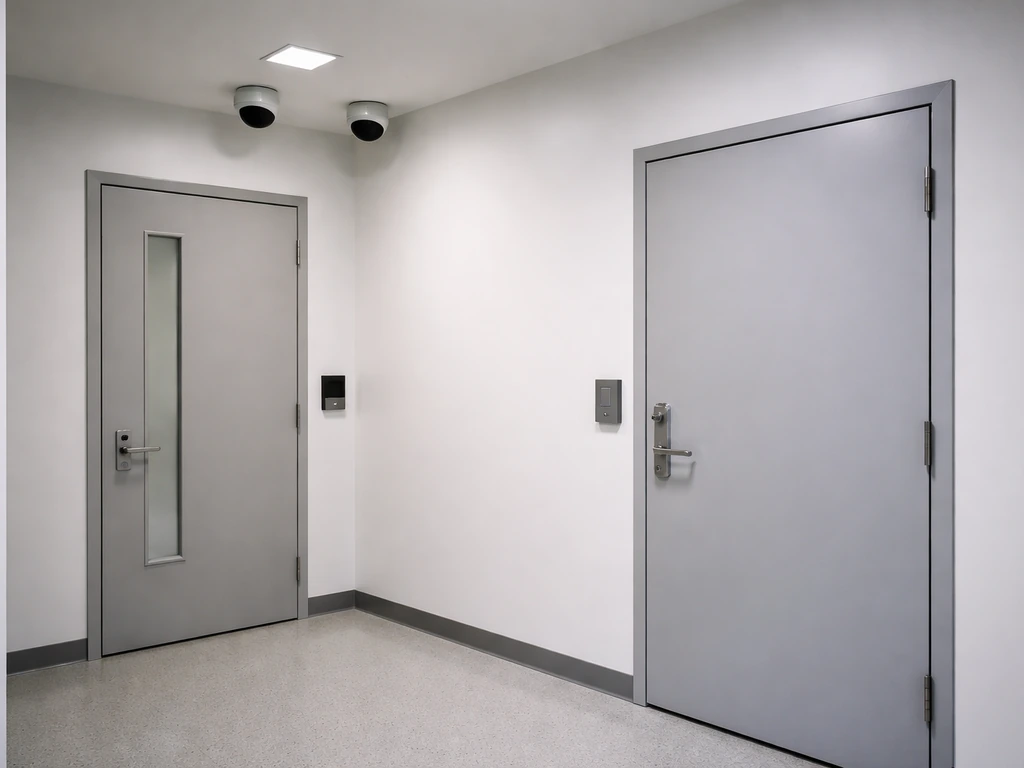
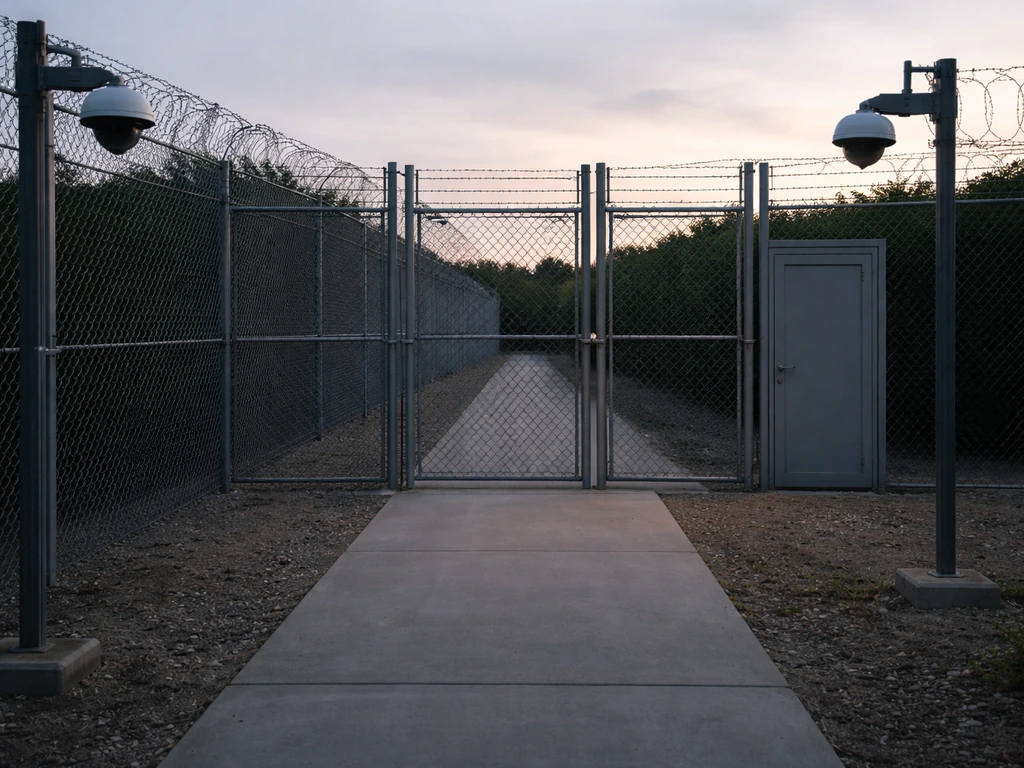
Most states require 24/7 video surveillance covering all grow areas, entry and exit points, and storage rooms. Camera footage typically must be retained for at least 30 to 90 days depending on the state. Physical access controls, keyed or key-card locks on canopy areas, are usually required, and visitors generally must sign in and be escorted. For home grows in states that require an enclosed, locked space (like Colorado), a padlocked grow tent in a locked room satisfies the intent, but you need to verify what 'enclosed and locked' means in your state's definition.
Recordkeeping and seed-to-sale tracking
Commercial licensees in nearly every legal state must track every plant from propagation through harvest through transfer or destruction using a state-mandated tracking system. In California and several other states, that system is Metrc. You'll tag plants, log harvests, record waste, and report transfers electronically. Metrc tags, integration fees, and training for your staff are real costs to build into your startup budget.
Inspections and renewals
Expect unannounced inspections, especially in your first year. Inspectors check that your physical premises match your approved premises diagram, that your plant counts and canopy don't exceed your license tier, that your security systems are operational, and that your records are current. Renewals typically happen annually and require updated background checks, current financials, and confirmation that nothing material has changed in your operation. If you move, add a canopy, or bring on a new owner, most states require prior approval before you make the change, not after.
Compliance for specific grow setups and common mistakes
Indoor vs. outdoor grows
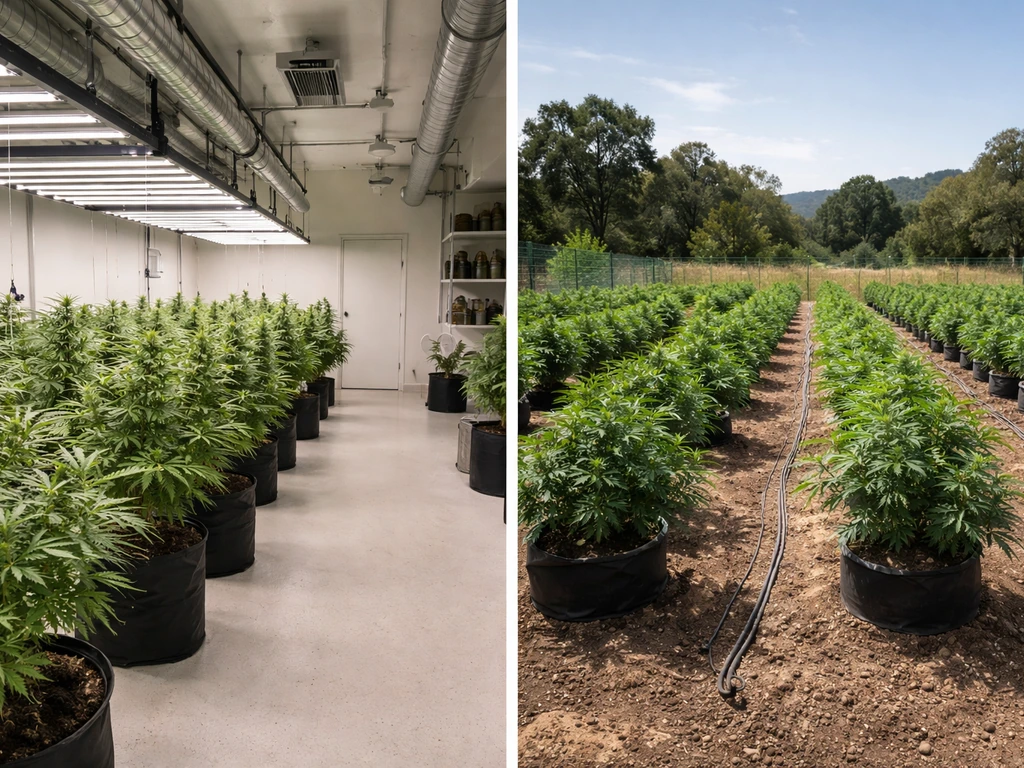
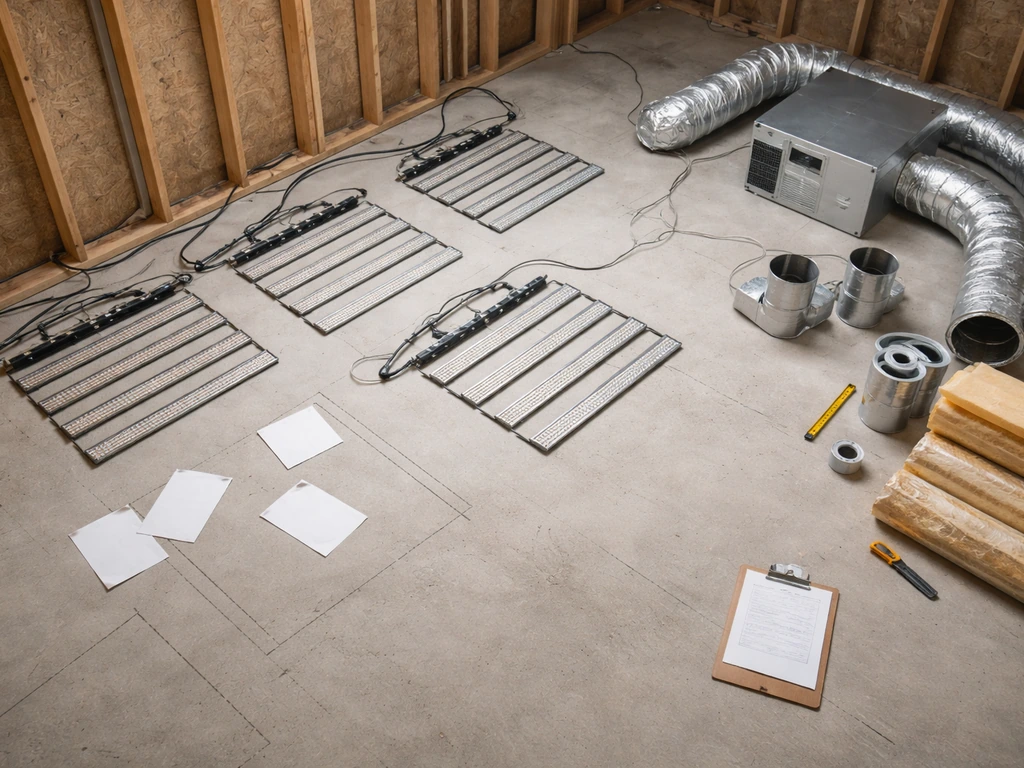
Indoor and outdoor operations are often treated as separate license types with different canopy caps, different energy disclosure requirements (California requires energy usage reporting for indoor grows), and different inspection criteria. Mixed-light (greenhouse) grows are a third category with their own rules. Picking the wrong license type for your actual grow method is a compliance failure that can cost you your license, so be precise when you apply.
Nurseries
Cannabis nurseries, operations that produce and sell seeds, clones, or immature plants, are a separate license type in most states. A nursery license typically does not authorize you to sell mature or harvestable cannabis. If you're planning to run a propagation-focused operation, verify whether your state has a dedicated nursery license and what it restricts you from doing.
Multiple locations
In most states, each physical cultivation site requires its own license. Some states also cap the total number of licenses a single owner or ownership group can hold. If you're planning to scale across multiple properties or partner with others who already hold licenses, research the ownership and control rules carefully, undisclosed financial interests in multiple licenses is one of the more common compliance violations regulators find.
The most common mistakes that derail legal grow ops
- Skipping local zoning approval and going straight to the state — many states won't approve a license without it
- Underestimating canopy size and applying for a lower tier than the actual grow footprint
- Signing a lease before confirming the property is in a zone that permits cannabis cultivation
- Starting construction or purchasing equipment before the license is issued (some states prohibit this)
- Missing renewal deadlines and letting a license lapse, which can require a full re-application
- Failing to notify the state about changes in ownership, premises, or canopy size before making them
- Home growers exceeding plant counts even by one plant, especially when multiple adults share a residence
Your next steps: a quick decision framework
Before you do anything else, answer these four questions. They'll point you toward exactly what kind of legal grow op you're dealing with and what you need to do first.
- Is your state legal for adult-use, medical-only, or neither? If neither, cultivation is not legal regardless of purpose — check your state's current status before proceeding.
- Are you growing for personal use or for commercial sale/transfer? Personal use falls under home grow rules; commercial sale requires a cultivation license.
- What does your local jurisdiction (city or county) allow? Find the zoning designation for your property and confirm cannabis cultivation is a permitted use.
- Which license tier or registration type matches your actual grow size and method? Match your canopy square footage and cultivation method to your state's license schedule before you apply.
Once you've answered those four questions, you'll know whether you need a simple home grow registration, a medical patient cultivation card, or a full commercial cultivation license, and you'll be ready to work through the application checklist above. Starting a legal grow op is genuinely doable in most legal states, but the paperwork and compliance obligations are real. The cultivators who stay licensed are the ones who treat compliance as part of the operation from day one, not as an afterthought.
If you're focused on a specific state or scenario, like the costs involved in getting a commercial operation off the ground, or what home cultivation looks like in a specific Florida jurisdiction, there's more detailed guidance available for those situations in related sections of this site. If you are planning a home grow in Florida, also review what local zoning and road-access rules may require for your specific address Florida jurisdiction. If you want to pursue legal grow houses in Florida, make sure you follow Florida’s state rules and your local city or county requirements before you set up or start cultivation. If you're wondering how much it costs to start a grow op, that depends on your state, license type, and whether you're pursuing home, medical, or commercial setup costs involved in getting a commercial operation off the ground.
FAQ
What if I’m allowed to grow at my residence under state law, but my lease or HOA prohibits it?
State legality does not override private contracts. If your lease, condo rules, or landlord agreement bars cultivation, regulators may still see the activity as occurring, but you can face eviction or HOA action, and that can later be used as evidence of instability during license renewal. Before you start, confirm your housing status allows cultivation, and keep written permission if it’s required.
Do I need to register a “home grow” even if I stay under the plant limits?
In many states, plant limits are only one piece of the rule. Some require enrollment, patient registration, or caregiver designation even for home grows, and those steps can change what security and reporting you must do. If your state has a registration portal, plan to complete it before the first harvest, not after.
Can I move my legal grow to a different address after I start?
Often you cannot simply relocate without prior approval. For commercial sites, moving requires updating your approved premises, security plan, and sometimes your canopy limits, and an inspection may be required before operations resume. For home grows in jurisdictions that require registration, moving typically triggers a re-qualification or new registration for the new residence.
What is the difference between “mature canopy” limits and total room size, and why does it matter?
Regulators usually cap the area where mature plants are actually growing, not the building footprint or unused grow area. If you have extra space that could temporarily become mature canopy, inspectors may count it based on how it’s set up at the time of inspection. Keep clear boundaries and document your layout, so you can show the canopy area stays within your tier.
If my commercial license application is pending, can I start building or planting?
Usually no. Many states treat early planting as operating without authorization, even if your lease is signed or construction is underway. You can often do non-operational preparations like permitting and build-out, but planting or procurement of harvestable cannabis typically needs the license and sometimes an approval checkpoint. Check your state’s “license issuance versus operations start” rules before ordering plants.
How strict are security rules for home grows that require an “enclosed, locked” setup?
It depends on the state definition, but regulators commonly look for practical control, not just a physical barrier. If your setup uses a tent, you may need it inside a locked room or otherwise limit access so visitors and other household members cannot freely open it. Consider using a lockable enclosure with logs or access control where required.
Do I need to report changes like adding lights, expanding canopy, or swapping equipment?
Often, yes, if changes affect your approved premise or canopy calculation. Equipment swaps can also trigger updated energy reporting or safety requirements. As a rule, if the modification could increase mature canopy, alter security coverage, or change where plants are staged or stored, treat it like a change request and confirm whether you need prior approval.
How do tracking and waste recording work if I have spoilage or failed plants?
Most systems expect you to record plants from propagation through harvest, including destruction or disposal. Failed plants and unusable material still need proper logging in the tracking system, and waste disposal must follow state-approved processes. If you are new to the system, build a written SOP for how staff tags, moves, and documents discarded batches.
What happens if I accidentally exceed plant limits once, even briefly?
Even short-term overages can be treated seriously, especially for commercial operators during inspections or compliance reviews. Inspectors may compare your records to physical counts and look for discrepancies. If you realize you’ve exceeded limits, stop further growth that would worsen the overage, correct the situation only after you understand reporting requirements, and consult your regulator or compliance officer before trying to “paper over” the issue.
Do inspections happen only in the grow room, or can they include records and storage areas?
Inspections commonly cover the whole chain, security, and documentation. Expect checks of surveillance placement, access controls, inventory and tracking records, storage rooms for product, and visitor sign-in procedures. If you keep paperwork offsite, it can delay inspection outcomes or be treated as noncompliance.
Can I partner with someone else who already has a commercial license, like using their space or ownership stake?
Partnerships can trigger ownership and control rules, even if you are not listed as a day-to-day operator. Many states restrict undisclosed financial interests and require approval for certain transfers or changes in management. If you plan to co-invest, co-own, or subcontract control, clarify the exact roles and confirm what must be reported before you start.
Next Article
How Much Does It Cost to Start a Grow Op? 2026 Guide
2026 cannabis grow op startup budget ranges plus step-by-step licensing, build, security, and ongoing compliance costs b