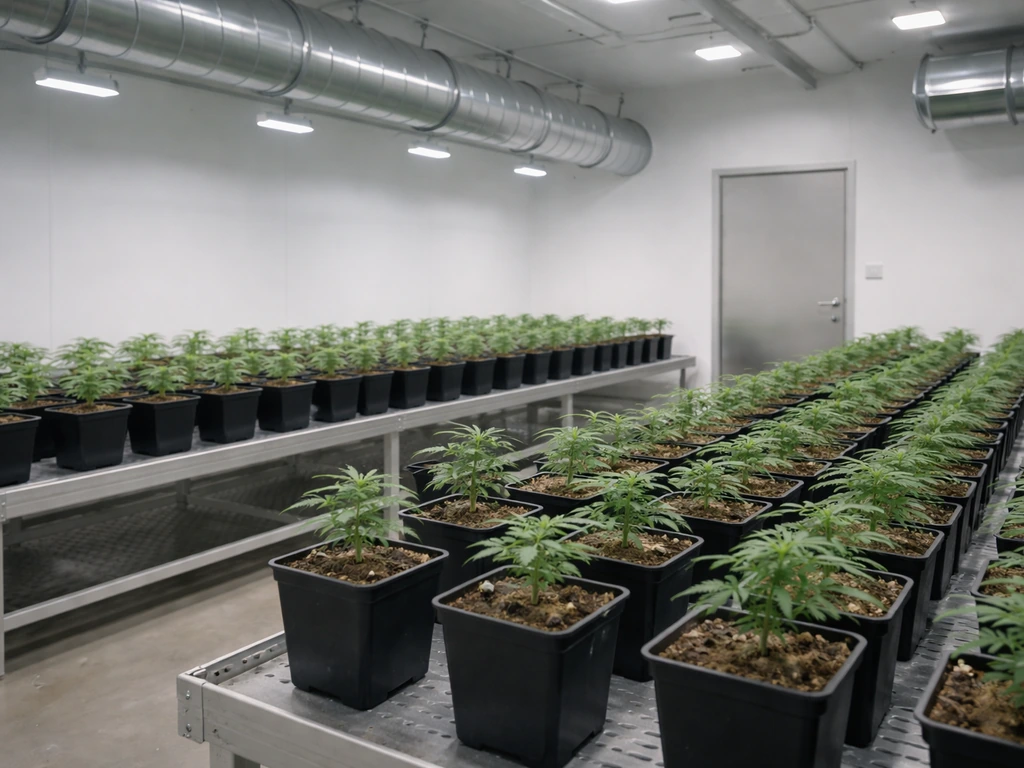
Yes, outdoor cannabis cultivation is legal in Michigan, but with strict conditions attached. Whether you can grow outdoors legally depends on who you are, where you're growing, and how your site is set up. This guide breaks down Michigan's outdoor grow rules in plain English so you can confirm your situation is compliant before putting a single plant in the ground. This is general compliance education, not legal advice.
Michigan Outdoor Grow Rules: Step-by-Step Compliance Guide

Marcus Whitley
2 Apr 2026
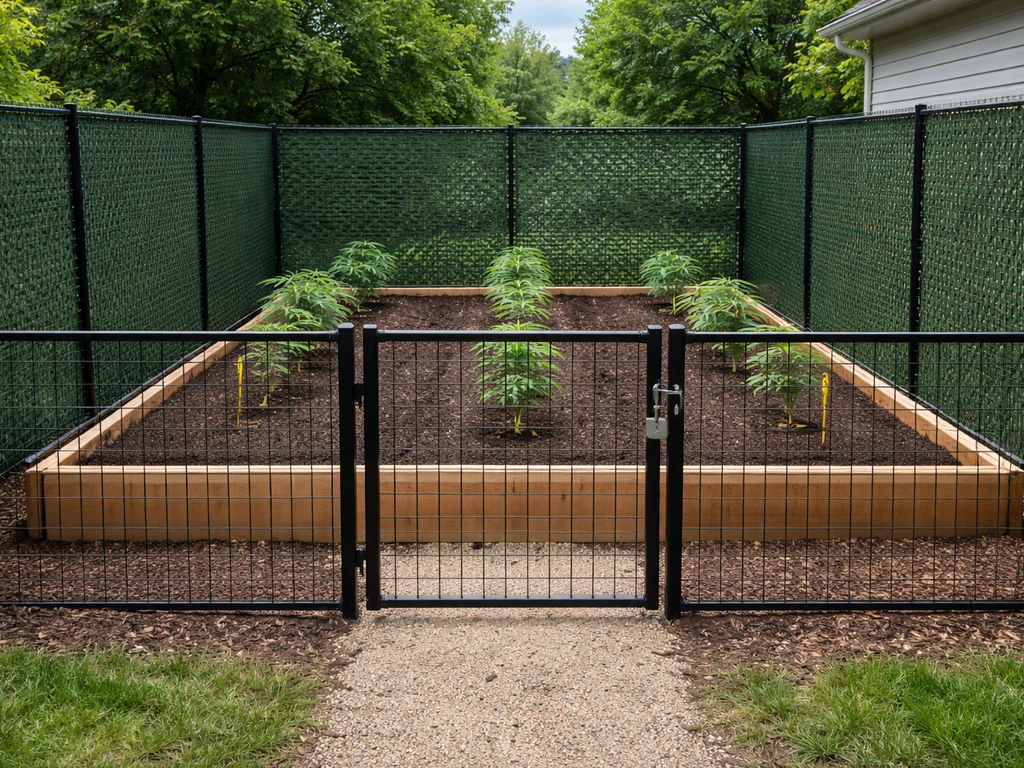
Quick legal check: is outdoor growing legal for your situation?
Michigan has two major cannabis frameworks: the Michigan Regulation and Taxation of Marihuana Act (MRTMA), which covers adult recreational use, and the Michigan Medical Marihuana Act (MMMA), which governs patients and caregivers. Both allow some form of home cultivation, but neither gives you a free pass to just plant in the backyard without controls.
Here is the fastest way to check your situation. Ask yourself three questions: Are you 21 or older? Is this at your private residence? Will the plants be out of public view and secured? If the answer to all three is yes, you are likely eligible to grow under MRTMA. If you are a registered medical patient or caregiver, the MMMA framework applies to you instead, and the plant limits work a little differently.
One important note: Michigan law requires that home cultivation happen at your residence, not a rented greenhouse across town, not a friend's property, and not a commercial space unless you hold the appropriate commercial license. Confirm your grow site is actually your primary residence before going any further.
Who can grow outdoors: license types and who's allowed
Michigan splits growers into three broad categories: personal adult-use cultivators, medical patients and caregivers, and licensed commercial operators. Each has different rules, plant limits, and compliance obligations.
Adult-use personal cultivators (recreational)
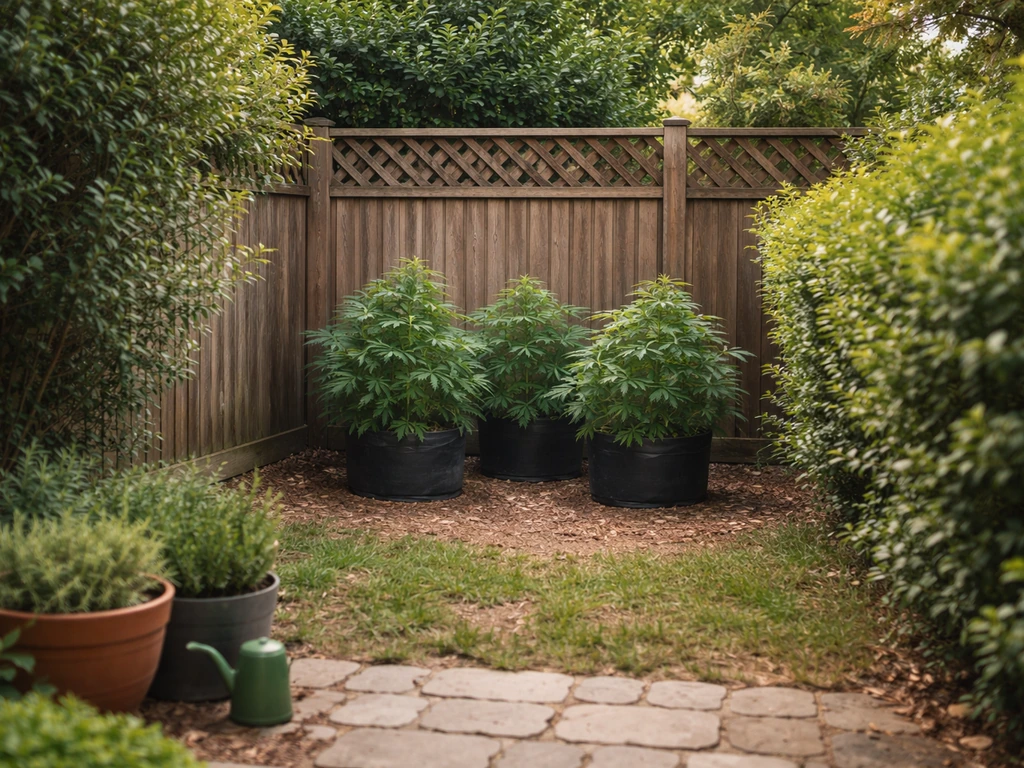
Under MRTMA, any adult 21 or older may cultivate up to 12 marijuana plants at their private residence for personal use. No license or registration is required. However, the law is specific: the plants must be grown in an enclosed, locked facility and must not be visible from a public place. Michigan Administrative Code R. 420.206 requires that an outdoor cultivation area be fully enclosed by fences or barriers so plants are not visible from a public place without binoculars, aircraft, or other optical aids, and that access points be secured with required security measures, including locked entries accessible only to authorized persons or emergency personnel blank" rel="noopener noreferrer">enclosed, locked facility. If you are planning a legal outdoor grow in Michigan, this visibility and enclosure requirement is the rule that trips people up most often.
Medical patients and caregivers (MMMA)
Registered qualifying patients under the MMMA may cultivate up to 12 marijuana plants for their own use. A registered primary caregiver can go further: they may assist up to 5 patients and cultivate up to 12 plants per connected patient, for a maximum of 60 plants. Each patient's plants must be kept in a separate enclosed, locked facility accessible only to that patient and their caregiver. The caregiver framework is explained in Michigan AG Opinion #7259 (2013), which is still the authoritative reference for how these limits work in practice.
Licensed commercial growers
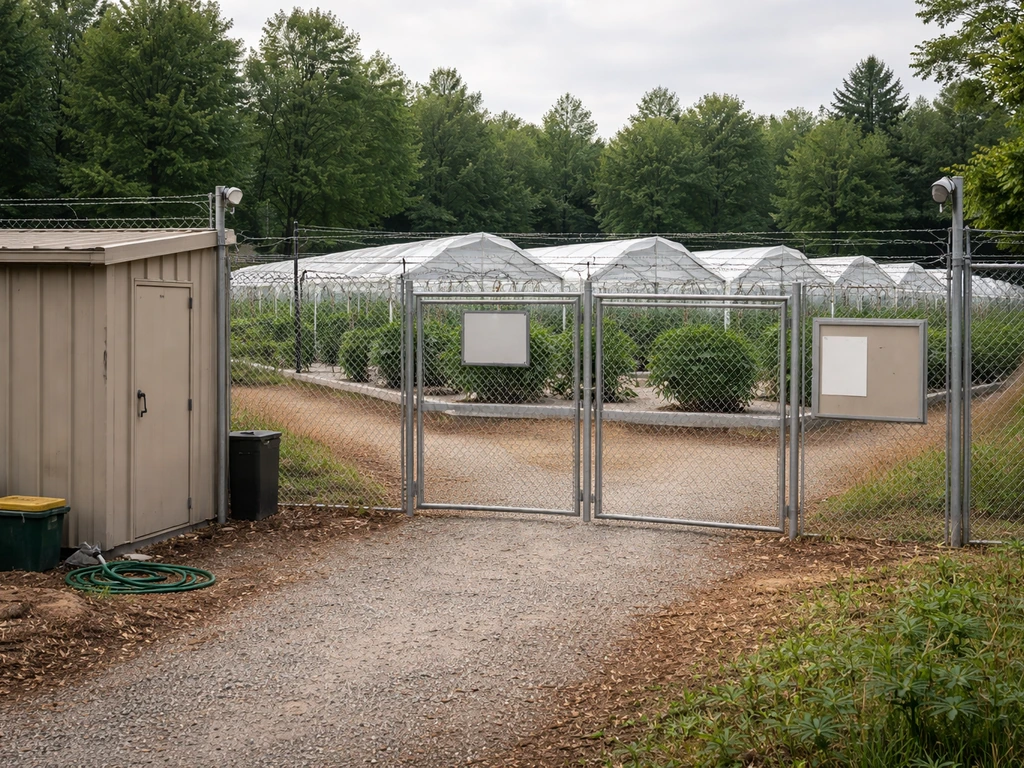
Commercial outdoor cultivation requires a license from the Cannabis Regulatory Agency (CRA). License categories include Grower Class A, B, and C for medical, and equivalent recreational grower licenses. These come with extensive site, security, tracking, and reporting requirements far beyond what home cultivators face. If you are considering the commercial route, the first step is understanding how to start a grow operation in Michigan from a licensing standpoint before committing to any infrastructure.
Outdoor location rules: where you can and cannot grow
For personal cultivators, Michigan law says plants must not be visible from a public place without the use of binoculars, aircraft, or other optical aids. The CRA’s Marihuana Operations administrative rules in R 420.201 to R 420.215 require outdoor fences or barriers to prevent plants from being visible from a public place without binoculars, aircraft, or other optical aids, and they must be secured with locked entry security measures blank" rel="noopener noreferrer">must not be visible from a public place without the use of binoculars, aircraft, or other optical aids. That is a direct quote from the statute, and it matters. A plant growing above a fence line that a neighbor can clearly see from the street is a violation, even if you think the fence counts as enclosure.
Prohibited locations for personal cultivation include any place that is not your private residence. You cannot grow at a business address, a vacant lot you own, or a rental property where the landlord has not authorized cannabis cultivation. Many Michigan leases explicitly prohibit marijuana cultivation, so review your lease before starting.
For commercial licensees, the CRA restricts facility locations near schools, churches, and other sensitive sites. Exact setback distances depend on local municipal ordinances, which can be more restrictive than state rules. Always check both state and local zoning before choosing a site.
- Plants must not be visible from any public place at ground level
- Growing must occur at the cultivator's private residence (personal use)
- Landlord authorization is required if you rent your home
- Local zoning rules may add restrictions beyond state law
- Commercial sites must comply with state setback requirements and local ordinances
Plant limits, containment, and site requirements
The 12-plant limit under MRTMA applies per household, not per person. So if two adults live together, the household maximum is still 12 plants total, not 24. This is a common misreading of the law.
The 'enclosed, locked facility' requirement is the core containment rule. For outdoor grows, this typically means a structure or area that has physical walls or fencing, a lockable gate or door, and prevents access by anyone other than the cultivator. A chain-link fence with a padlocked gate that also blocks visibility (through privacy slats or solid panels) is a reasonable interpretation, but Michigan has not published a definitive specification for what materials qualify. When in doubt, err on the side of more enclosure, not less.
| Grower Type | Max Plants | Enclosure Required | Registration Required |
|---|---|---|---|
| Adult personal (MRTMA) | 12 per household | Yes, enclosed and locked | No |
| Medical patient (MMMA) | 12 for self | Yes, enclosed and locked | Yes (patient card) |
| Caregiver (MMMA) | 12 per patient, up to 60 total | Yes, separate per patient | Yes (caregiver registration) |
| Commercial grower (licensed) | Varies by license class | Yes, full CRA site requirements | Yes (CRA license) |
For caregivers, each patient's plants must be physically separated in their own enclosed, locked space. Keeping all 60 plants in one shared outdoor area does not satisfy the law, even if that area is locked and enclosed. This is not a technicality, it is a specific statutory requirement confirmed by AG Opinion #7259.
Compliance requirements: records, tracking, and inspection-readiness
Personal adult-use cultivators do not have formal recordkeeping or tracking requirements under MRTMA. However, keeping informal documentation is smart: photos of your setup showing enclosure and visibility controls, a note of when you started and how many plants you have, and any written landlord permission if applicable. If a question ever arises, having that documentation puts you in a much better position.
Medical caregivers should keep their registration card, patient connection documentation, and records showing which plants belong to which patient. Because each patient's plants must be in a separate facility, having a log that matches plant counts to patient names is a practical way to stay organized and defensible during any inspection.
Licensed commercial growers face the most rigorous compliance obligations. Michigan uses the statewide marijuana tracking system (METRC) to monitor plant-level inventory from seed to sale. Every plant must be tagged, every transfer logged, and every harvest recorded. CRA inspectors can arrive with little advance notice, so your METRC records must be current at all times. Make sure your site is physically accessible for inspection and that any locks or access controls do not prevent inspectors from entering with proper authority.
One area that catches outdoor commercial growers specifically: outdoor plants must still be tracked in METRC even though they are not in a building. The tag must be affixed to the plant in a weather-resistant manner. This is a detail worth confirming with the CRA if you are planning a large outdoor canopy.
How to find the official rules and verify you have the current version
Michigan's cannabis regulations change. The CRA updates its administrative rules, and the legislature has amended both MRTMA and MMMA since their original passage. Any PDF or article you find through a search engine, including this one, could be out of date. Here is how to verify you are reading the current rules.
- Go directly to the Michigan Cannabis Regulatory Agency website at michigan.gov/cra. This is the official source for all current rules, FAQs, and license information.
- Look for the 'Laws and Rules' or 'Administrative Rules' section. The CRA publishes the full text of its administrative rules as PDFs. Download the version with the most recent effective date shown on the document.
- Cross-reference with the Michigan Legislature's website at legislature.mi.gov to read the actual statutory text of MRTMA and MMMA, which the administrative rules build on.
- Check the CRA's bulletin and guidance page for any interim guidance documents that may modify how specific rules are interpreted or enforced, even if the underlying rule text has not changed.
- Note the effective date on any PDF you download. If the date is more than six months old, search the CRA site for any newer versions before relying on it.
- If you are a licensed grower, subscribe to the CRA's email updates or check the bulletin board on the licensee portal so you receive rule change notifications directly.
There is no single 'Michigan outdoor grow rules PDF' published by the state as a standalone document. The outdoor-specific requirements are embedded in the broader administrative rules (particularly R 420.1 series for recreational and R 333.27xxx for medical statutes). You will need to read those documents and identify the sections that apply to outdoor cultivation specifically.
Common mistakes and a practical checklist for starting outdoors
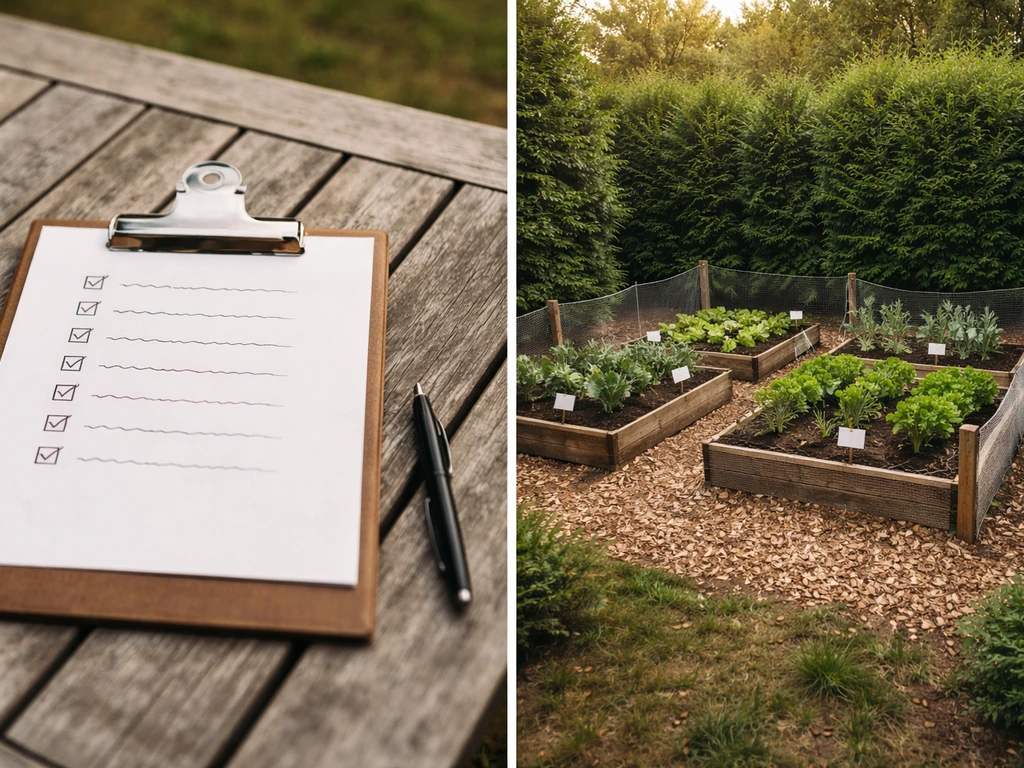
The most frequent compliance mistakes Michigan outdoor growers make are not about intent, they are about overlooking specific technical requirements that seem minor but are not. Here are the ones that come up most often.
- Assuming visibility from a neighbor's second floor does not count as 'visible from a public place' (it can, depending on circumstances)
- Counting 12 plants per adult in the household instead of 12 per residence
- Using a fence that blocks sight lines but is not actually lockable or fully enclosed
- Growing at a rental property without written landlord permission
- Caregivers combining all patients' plants into one shared enclosure instead of separate locked spaces
- Relying on a downloaded PDF without checking whether a newer version of the rules has been published
- Commercial growers failing to tag outdoor plants or keep METRC records current during active growing season
Before you put plants in the ground, run through this checklist.
- Confirm you meet the eligibility requirements for your grower category (age, registration, license)
- Verify the grow site is your private residence (or a licensed commercial facility)
- Review your lease or property title for any cannabis prohibition
- Check local zoning ordinances, not just state law, for any additional restrictions
- Build or confirm your enclosure: physically enclosed, lockable, and blocks visibility from ground level
- Count your plants: stay at or below 12 for personal use, or confirm your caregiver patient count if applicable
- Download the current CRA administrative rules PDF and note the effective date
- For caregivers: confirm each patient has a separate physical enclosure
- For commercial growers: confirm METRC tags are on hand and your tracking is current before plants go outdoors
- Set a calendar reminder to recheck the CRA website every six months for rule changes
It is also worth knowing that non-compliant grows can be reported. If your setup draws attention from neighbors or local authorities, complaints can trigger inspections even for personal cultivators. Understanding how to report an illegal grow operation in Michigan from the public's perspective gives you a clearer picture of what authorities look for and why visibility and enclosure are taken so seriously at the enforcement level.
Getting your outdoor setup right the first time is far easier than correcting a compliance problem after the fact. Use the official CRA website as your primary reference, verify your setup against the checklist above, and when specific situations are unclear, contact the CRA directly or consult a licensed Michigan cannabis attorney.
FAQ
Does the 12-plant limit apply per person or per household in Michigan?
If you are growing for adult use under MRTMA, start with the household test (not individual). Two adults living together still share one 12-plant cap total, and you cannot increase plants just because there are multiple growers in the home. If you want a higher number, that usually requires a different framework, such as qualifying medical status or a commercial license.
Will a tall fence or privacy screen make an outdoor grow compliant if neighbors can still see plants?
Yes, visibility rules apply even if you use “out of mind” blockers like hedges or a fence line. The key is whether the plants are visible from a public place without relying on optical aids, and a fence that still allows a clear line of sight can be enough to create noncompliance. Aim for physical enclosure that also blocks viewing, not just height over a barrier.
What counts as an “enclosed, locked facility” for an outdoor grow?
“Outdoor” plans must still meet the enclosed, locked facility requirement. In practice, many growers use fencing plus a lockable gate and, when needed, a greenhouse-like structure or additional physical barriers to prevent access. If your setup is mostly open-air with only a lock on a gate, consider whether it truly prevents entry and visibility at all times, including during windy or seasonal changes.
Can I legally grow on a rental property if my landlord allows it verbally?
If you are on a rental property, you generally cannot rely on silence or informal permission. You should have written landlord authorization for cannabis cultivation (and keep it with your other records). Also confirm that any municipal rules tied to your address do not prohibit cultivation even if the lease is later amended.
If I grow outdoors but keep plants in a fenced yard attached to my house, what access problems should I avoid?
Grow plans inside a garage, shed, or attached area can still be noncompliant if plants are effectively reachable from outside or if the “locked” portion is easy to bypass. Locks must control access, and the enclosure should work as intended when doors are closed, gates are latched, and people other than the cultivator cannot enter and access the plants.
Can a medical caregiver keep all patients’ outdoor plants in one shared locked yard?
For medical caregiver arrangements, your structure matters as much as the numbers. Each patient’s plants must be kept in their own separate enclosed, locked space, so mixing multiple patients into one shared outdoor enclosure can fail even if the entire area is locked. Build separate physical zones that you can clearly maintain per patient.
Do locks and visibility controls have to be maintained at all times, or only when I’m actively working on the grow?
If you travel to retrieve plants or you temporarily leave the property unattended, enclosure and security expectations still apply. Many people create a compliance gap during “off hours” or after a lock is left off. Make sure the facility stays locked and access stays controlled whenever you are not actively supervising.
What kind of documentation is most useful if the authorities ask questions about a home outdoor grow?
Keep at least basic proof tied to your framework, especially for non-obvious items like written permission. For adult use, photos showing enclosure and how you prevent visibility, dated notes on start dates and plant counts, and any landlord permission can help if questions arise. For medical, keep registration and connection documentation and records that map plant counts to specific patients and separate facilities.
Do Michigan local zoning rules ever override the state outdoor home-grow rules?
Yes, local ordinances can be more restrictive than state rules, and those local rules can affect outdoor cultivation even for personal grows. Before you plant, check your city or township ordinances for zoning, setbacks, and any additional restrictions that apply to outdoor cannabis anywhere in your municipality.
Do commercial outdoor growers have different METRC tagging rules than indoor grows?
Commercial outdoor grows require METRC tagging and current inventory records, and tags must be attached in a weather-resistant way. A common mistake is assuming the tag can be delayed until harvest or that outdoor exposure makes tagging temporary. Confirm tagging and recording procedures with CRA requirements so your records match the physical plants in the field.
What’s the safest way to make sure I’m reading the current Michigan outdoor grow rules?
State rules embedded in the administrative code can shift, and search results are often stale. Your practical approach is to use CRA’s current materials as the starting point, then locate the administrative sections that match your grow type (recreational vs medical) and confirm the parts describing enclosure, visibility, facility requirements, and any outdoor-specific provisions.
If my outdoor setup seems borderline for enclosure or visibility, what should I do before planting more?
If you suspect an issue, the safest step is to ask CRA for clarification or consult a Michigan cannabis attorney before you expand or modify. For example, when the setup’s enclosure design or visibility prevention method is unclear, getting clarity in advance is cheaper than trying to retrofit after complaints or an inspection.
Next Article
How to Get a Micro Grow License in Canada: Step-by-Step
Step-by-step on getting a Canadian micro-cultivation cannabis licence, eligibility, costs, timelines, and compliance bas