Yes, you can legally start a cannabis grow operation in Michigan, but "legal" means very different things depending on whether you're a home grower, a medical caregiver, or someone pursuing a full state-licensed commercial facility. The rules, costs, and obligations for each path are dramatically different. This guide walks you through all three, with the most detail on the licensed commercial route, since that's where most people get stuck.
How to Start a Grow Operation in Michigan: Cannabis Steps

Marcus Whitley
13 Apr 2026
Quick legality check: what Michigan actually allows
Michigan legalized adult-use cannabis under the Michigan Regulation and Taxation of Marihuana Act (MRTMA) in 2018. Medical cannabis has been legal since 2008 under the Michigan Medical Marihuana Act (MMMA). Both frameworks allow cultivation, but with very different structures.
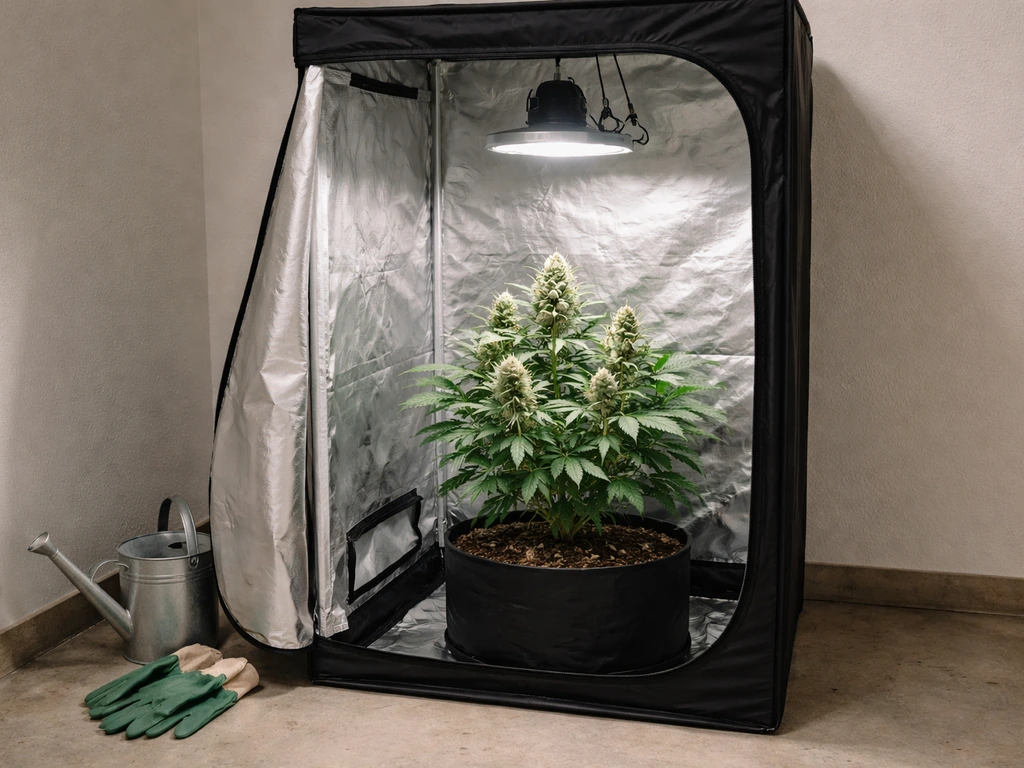
Under the MMMA, a registered patient or primary caregiver may grow up to 12 marijuana plants per patient. The Medical Marihuana Facilities Licensing Act (MMFLA) didn't change that, so the caregiver model is still alive and usable. That said, 12 plants per patient is a home or small-scale operation, not a commercial grow.
A true "grow operation" in the commercial sense requires a state-issued grower license from the Cannabis Regulatory Agency (CRA), local municipal approval, a compliant facility, and ongoing tracking through METRC. If you're planning to grow more than a handful of plants for personal or caregiver use, you're in commercial license territory and everything in this guide applies to you.
One thing worth knowing upfront: growing without a license at commercial scale isn't a gray area. If you want to know what that looks like from the enforcement side, the CRA's guidance on how to report an illegal grow operation in Michigan makes clear that unlicensed commercial cultivation is taken seriously by state and local authorities.
Pick your model first: home grow, caregiver, or licensed facility
Before you spend a dollar or fill out a form, you need to decide which model you're actually pursuing. Here's how the three paths break down:
| Model | Framework | Plant Limit | Can Sell? | State License Required? |
|---|---|---|---|---|
| Personal home grow | MRTMA (adult-use) | Up to 12 plants per household | No | No |
| Medical caregiver grow | MMMA | Up to 12 plants per registered patient | No (transfer only) | No (registration required) |
| Licensed commercial grow | MRTMA or MMFLA | Depends on license class (up to 1,500+ plants) | Yes | Yes |
If you want to sell cannabis, you need a commercial license. Full stop. The caregiver model allows transfers to connected patients, not open market sales. If your goal is a revenue-generating grow operation, everything below applies to you.
For commercial growers, you also need to decide between the adult-use (MRTMA) track and the medical (MMFLA) track, or pursue both. Most new applicants go adult-use because the market is larger, but the application process is nearly identical in structure. This guide focuses primarily on the adult-use path since that's where most commercial applicants land.
Michigan grower license types, plant limits, and what counts as a grow operation

The CRA issues several distinct grower license types under the MRTMA. Each comes with a defined plant authorization and a corresponding fee structure. Under MMFLA Section 102, plant count rules vary by class, and the CRA's plant count collapse bulletin governs how counts interact when you hold multiple licenses.
| License Type | Plant Authorization | Notes |
|---|---|---|
| Class A Marijuana Grower | Up to 100 plants | Smallest commercial tier |
| Class B Marijuana Grower | Up to 500 plants | Mid-tier; moderate capital required |
| Class C Marijuana Grower | Up to 1,500 plants | Single location; most common commercial entry point |
| Excess Marijuana Grower | Up to 2,000 plants | Add-on license for established Class C holders |
A Class C Marijuana Grower license authorizes up to 1,500 plants at a single location, subject to CRA conditions. The Excess Marijuana Grower license allows an additional 2,000 plants on top of an existing authorization, and carries a $24,000 initial licensure fee on its own.
One important detail on plant counting: only mature marijuana plants count toward your plant limit under the CRA's plant count collapse guidance. CRA explains how your “plant” count is determined for license plant limits, using the state’s definition and requiring that the plant be a living organism in growth material with observable root formation only mature marijuana plants count toward your plant limit. Seedlings and clones don't count the same way, which affects how you plan your canopy and track inventory in METRC. This is worth understanding early because it shapes your entire cultivation workflow.
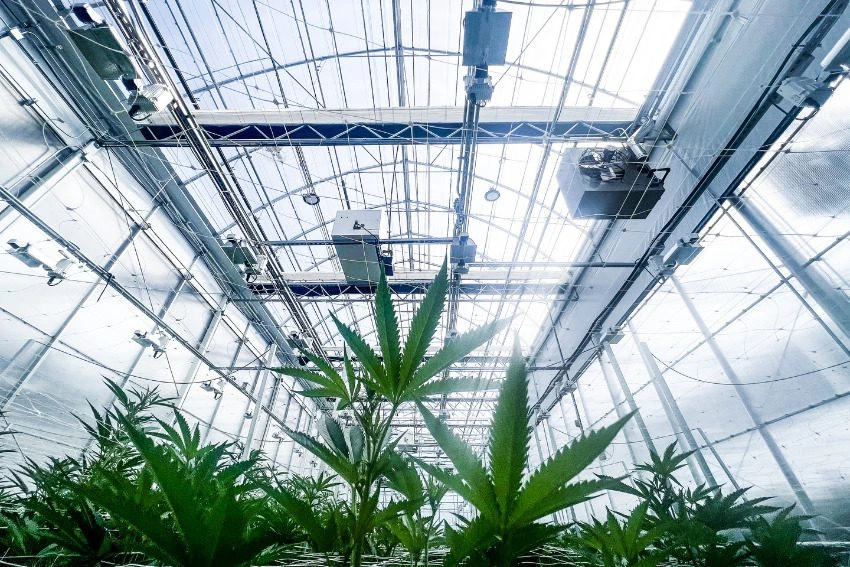
If you're weighing whether to grow indoors, outdoors, or in a greenhouse, the license class structure applies to all of those formats, but there are additional rules specific to outdoor cultivation. The CRA's framework for legal outdoor grows in Michigan covers the site-specific requirements you'll need to layer on top of your license.
The application process, step by step
The CRA uses a two-step application process for both adult-use and medical commercial licenses. Here's how it works in practice.
Step 1: Prequalification

This is where the process actually starts. Prequalification covers background checks on the main applicant and all supplemental applicants (owners, managers, anyone with a financial interest). You cannot skip this step or submit a facility application before it's complete.
The nonrefundable prequalification application fee for adult-use establishments is $3,000. That fee doesn't guarantee you a license, and it doesn't come back if you're denied or withdraw. Budget it as a sunk cost.
Documents you'll typically need at this stage include: state-issued ID for all applicants, business formation documents (articles of incorporation, operating agreement), ownership disclosure forms, financial source documentation, and any prior license history disclosures. If your application is deemed deficient, the CRA will request additional information before moving forward, which can extend your timeline significantly.
Step 2: Facility (Establishment) License
After prequalification clears, you submit the Step 2 facility application. Here's the most critical timing rule: do not submit Step 2 unless your facility will be ready to pass a CRA inspection within 60 days of submission. This isn't a soft guideline, it's a CRA requirement. If your build-out is months away, wait.
At this stage, you'll submit your facility address, floor plan, security system documentation, METRC compliance plan, and evidence of local authorization. The local authorization piece is a major gating item and deserves its own attention.
Local and municipal approval: the hidden bottleneck
Michigan lets municipalities decide whether to allow cannabis establishments within their borders. Many cities and townships have opted out entirely. Even those that have opted in often have zoning overlays, caps on the number of licenses, buffer zone requirements (typically 1,000 feet from schools), and their own local application processes.
You need local approval before the CRA will issue a state license. That means finding a municipality that allows growers, getting through their process (which can take months), and securing written authorization before completing Step 2. This is frequently the longest part of the entire timeline.
Realistic timeline from start to licensed: 6 to 18 months, depending heavily on the municipality. Some markets move faster, but don't plan a build-out around a 90-day assumption.
After state approval
Once the CRA approves your state operating license, you have ten business days to pay the regulatory assessment for that license. Missing this deadline can delay or jeopardize your license issuance, so build this into your cash flow planning.
Building out your facility: what compliance actually requires
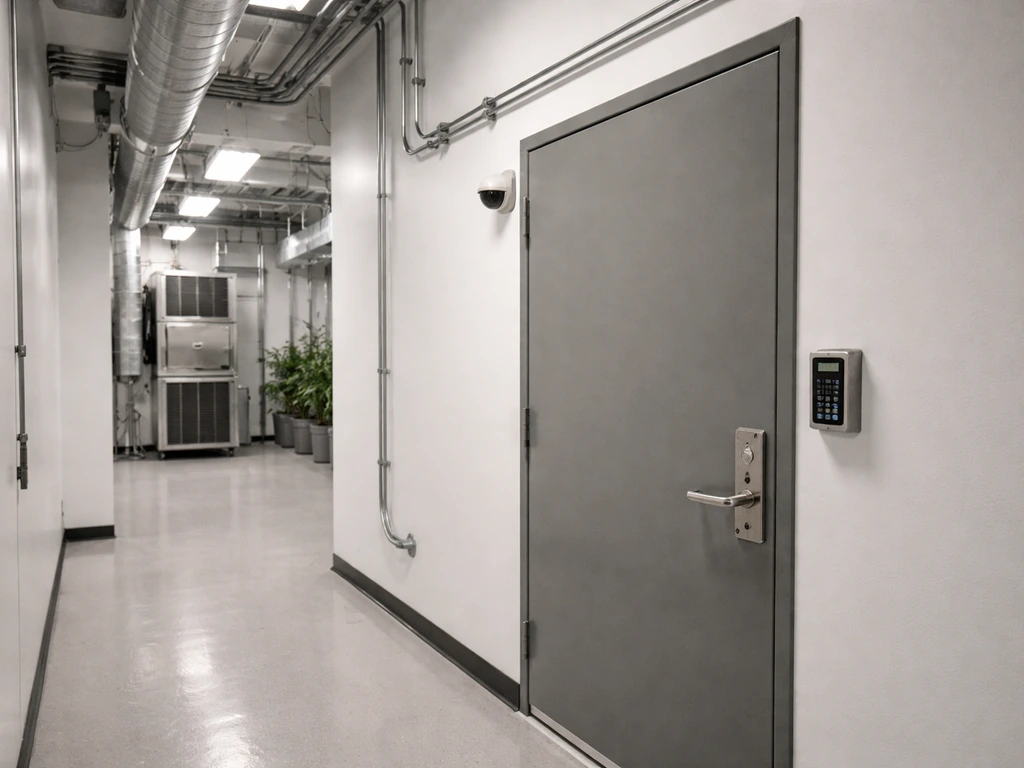
A compliant Michigan grow facility isn't just a building with lights and plants. The CRA has specific expectations across security, operations, and tracking. Here's what you need to have in place before you pass inspection.
Security requirements
Michigan licensed cannabis facilities are required to have a security system that includes commercial-grade locks, alarm systems, and video surveillance with camera coverage at all entry and exit points, storage areas, and cultivation spaces. Footage retention requirements are typically 30 days minimum. You'll also need a physical security plan documented in writing.
Standard Operating Procedures (SOPs)
The CRA expects licensed facilities to operate under written SOPs covering employee training, sanitation, pest management, waste disposal, inventory management, and visitor access. These don't need to be elaborate documents, but they do need to exist, be accurate, and be followed. Inspectors will ask about them.
METRC and seed-to-sale tracking
METRC is Michigan's mandatory statewide seed-to-sale tracking system. Every plant at your facility gets a serialized METRC tag attached to it. Every wholesale package leaving your facility gets a labeled METRC tag as well. The system tracks inventory from the moment a plant is tagged through harvest, processing, and transfer.
You'll need a METRC account, staff trained on data entry, and a workflow that ensures tags are applied and logged accurately. Errors in METRC are an audit flag. Build your daily cultivation workflow around METRC entries, not as an afterthought.
If you're growing outdoors, METRC tagging and tracking requirements still apply, and there are additional physical security considerations around perimeter enclosures and canopy visibility. The CRA's detailed Michigan outdoor grow rules explain how these requirements translate to an open-air cultivation environment.
What it actually costs to start a licensed grow in Michigan
Here's an honest breakdown of the major cost categories. These are not the only costs you'll encounter, but they're the ones that catch new applicants off guard.
State fees
| Fee Type | Amount | Notes |
|---|---|---|
| Prequalification application fee | $3,000 | Nonrefundable; paid at Step 1 |
| Class A Grower initial licensure | See CRA fee schedule | Verify current amount on CRA site |
| Class B Grower initial licensure | See CRA fee schedule | Verify current amount on CRA site |
| Class C Grower initial licensure | See CRA fee schedule | Verify current amount on CRA site |
| Excess Marijuana Grower initial licensure | $24,000 | Per license issued |
| Regulatory assessment | Assessed post-approval | Due within 10 business days of approval |
The CRA publishes a full fee table for adult-use licenses. Always pull the current fee schedule directly from CRA's site before budgeting, as fees are subject to update.
Facility and compliance build-out costs
State fees are actually the smaller part of your startup costs. The bigger expenses are facility build-out (HVAC, electrical, lighting, grow infrastructure), security system installation, METRC setup and training, legal and consulting fees for the application, and local municipality fees (which vary widely). A Class C indoor grow facility build-out can easily run $200,000 to $500,000 or more depending on the space and infrastructure required. Outdoor builds are generally cheaper but have their own perimeter and security costs.
Ongoing operational costs
After you're licensed, you're carrying annual renewal fees, utility costs (significant for indoor grows), labor, nutrients and supplies, insurance, and the cost of staying METRC-compliant. Annual renewals require at least 30 days of processing time, so start the renewal process well before your license expiration date. Michigan adult-use licenses are issued for a one-year period from original approval, meaning this cycle comes around faster than most operators expect the first time.
Staying compliant after you open
Getting licensed is the beginning, not the finish line. Here's what ongoing compliance actually looks like for a Michigan grower.
- CRA inspections: expect unannounced inspections. Inspectors will check your METRC records, physical plant inventory, security systems, SOPs, and employee records. Keep everything current and accurate at all times, not just around renewal.
- METRC reporting: plant tagging, harvest logging, waste recording, and transfer manifests all need to be entered in real time or within required windows. Backlogs create compliance risk.
- Annual license renewal: start at least 30 days before expiration. Submit the renewal application, pay the renewal fee, and address any deficiencies the CRA flags. Letting a license lapse is not a minor issue.
- Regulatory assessment payments: any new license issuance triggers a 10-business-day payment window. Calendar these dates immediately.
- Local compliance: your municipality may have its own reporting or renewal requirements on top of the state obligations. Check with your local government annually.
- Change notifications: if your ownership, facility footprint, or operations change materially, you're typically required to notify the CRA. Don't assume changes are automatically permitted.
Your immediate next steps as a Michigan grow applicant
If you've read this far and are ready to move, here's exactly what to do next, in order:
- Decide your license class: figure out how many plants you're targeting and which class (A, B, or C) fits your business plan and capital.
- Research municipalities: identify two or three cities or townships that have opted into cannabis licensing for growers and still have capacity. Contact their clerk's office directly.
- Secure a location: don't sign a lease until you've confirmed zoning compliance, local authorization is achievable, and the site can meet CRA security and facility requirements.
- Prepare your entity and ownership documents: form your business entity, document all ownership interests, and gather financial source documentation before touching the CRA application.
- Submit Step 1 prequalification with the $3,000 nonrefundable fee and all required background check materials for every applicant.
- While prequalification processes, complete your facility build-out: security system, METRC readiness, SOPs, and all physical compliance infrastructure.
- Submit Step 2 only when your facility can pass inspection within 60 days.
- Upon approval, pay the regulatory assessment within 10 business days.
- Set a calendar reminder for renewal 60 days before your one-year license anniversary.
The process is manageable if you respect the sequence and don't skip steps. The most common mistakes are signing a lease before confirming local approval, submitting Step 2 too early, and underestimating build-out timelines. Get those three things right and you'll be ahead of most first-time applicants.
FAQ
If I want to open in more than one city or location, can I do multi-site licensing right away?
Yes, but only if your license model and local authorization allow it. In practice, try to secure written local approval for each cultivation site you plan to operate before you commit to multi-location builds, because CRA licensing is location-specific and changing sites later can trigger rework to security plans, floor plans, and inspection readiness.
Can I begin building out my grow facility before Step 2 is submitted?
You generally should not start construction or install critical security and cultivation infrastructure until Step 2 is ready and your municipality authorization is in place, because inspectors will expect the facility to match what you submitted and what you are ready to demonstrate. Starting too early can also create scope and cost changes that miss the “ready to pass within 60 days” expectation.
What are the most common METRC mistakes new operators make, and how do I avoid them?
METRC problems tend to come from operational workflow, not software. Common triggers include forgetting to tag at the moment of maturity/transfer, inconsistent harvest and batch reconciliation, staff entering data late, and not using a standard “who does what” checklist. Set a daily reconciliation routine and restrict edits to trained staff to reduce audit risk.
How do I handle prequalification if my ownership structure is complicated (multiple owners, trusts, or related parties)?
Prequalification is not just a formality, it is tied to applicant eligibility. Make sure every person with an ownership or financial interest that falls within the CRA’s supplemental applicant definition is included, and be prepared for follow-up if disclosures reveal prior licensing issues or mismatched documentation.
When should I plan my first planting relative to licensing and the inspection timeline?
Your plan for the first crop should align with plant authorization timing and inspection scheduling. Because licensing and readiness can take months, many applicants use a staged approach (small initial canopy or phased installs) so they are not forced into harvesting cycles that do not match METRC tagging and packaging logistics.
If I only plan to grow at the low end of my plant authorization, do METRC and SOP requirements change?
You still need inventory controls even if you are small, because METRC tagging and serialized tracking apply to what you cultivate under your license authorization. If you are under capacity, you can adjust cultivation volumes, but you cannot “skip” tags or treat untracked plants as off the books.
How can I de-risk the local approval step before spending on site work?
Local authorization and zoning overlays are the usual bottlenecks. A practical next step is to request the municipality’s written cannabis approval criteria in advance, then map your proposed site against buffer distances, zoning classification, and any license caps. This reduces the chance of paying prequalification costs and later failing the local gate.
If I buy or lease an existing industrial building, will licensing and inspection be cheaper or faster?
Expect timing and cost surprises if your facility is partially existing. Even when a building exists, CRA inspection readiness is based on compliance state, including security coverage, camera placement, access control, documented SOPs, and METRC workflow readiness. Budget for changes after you see what inspectors flag during compliance walk-throughs.
If I want eventual sales, should I start under one model and switch later, or start with the commercial license from the beginning?
Outside of adult-use commercial licensing and caregiver models, you still need to align cultivation with the sales or transfer pathway you are allowed to use. If you cannot sell openly, you should not plan around dispensary-style revenue assumptions, and you may need a different operational workflow to support authorized patient transactions.
What insurance items usually catch new Michigan grow operators off guard during licensing or renewal?
Insurance is not only about liability, it also typically needs to cover operational and property risks that come with cultivation, security systems, and inventory. Many applicants underestimate the cost and underwriting time, so treat insurance procurement as part of your 6 to 18 month plan, not something you do after approval.
Next Article
How to Report an Illegal Grow Operation in Michigan
Step-by-step guide to report a suspected illegal cannabis grow in Michigan safely with key details and anonymity options