A Michigan commercial grow license lets you legally cultivate cannabis for the adult-use market under state oversight. A practical example comes from a Reddit discussion where people ask whether METRC QR codes labeled “METRC” are supposed to do anything and how that labeling works in practice METRC QR codes labeled METRC. It's issued by the Cannabis Regulatory Agency (CRA) under the Michigan Regulation and Taxation of Marihuana Act (MRTMA), and it's meant for people running a real cultivation business, not home growers. If you're trying to figure out which license fits your situation, how to apply, what it costs, and what compliance looks like after you're approved, this guide walks through all of it.
Michigan Commercial Grow License: Steps, Costs, and Requirements

Marcus Whitley
20 Apr 2026
One quick note before diving in: this site provides regulatory information to help you understand the licensing landscape. It's not legal advice, and for anything involving your specific application, you'll want to consult a licensed attorney or compliance professional familiar with Michigan cannabis law.
What a Michigan commercial grow license actually allows
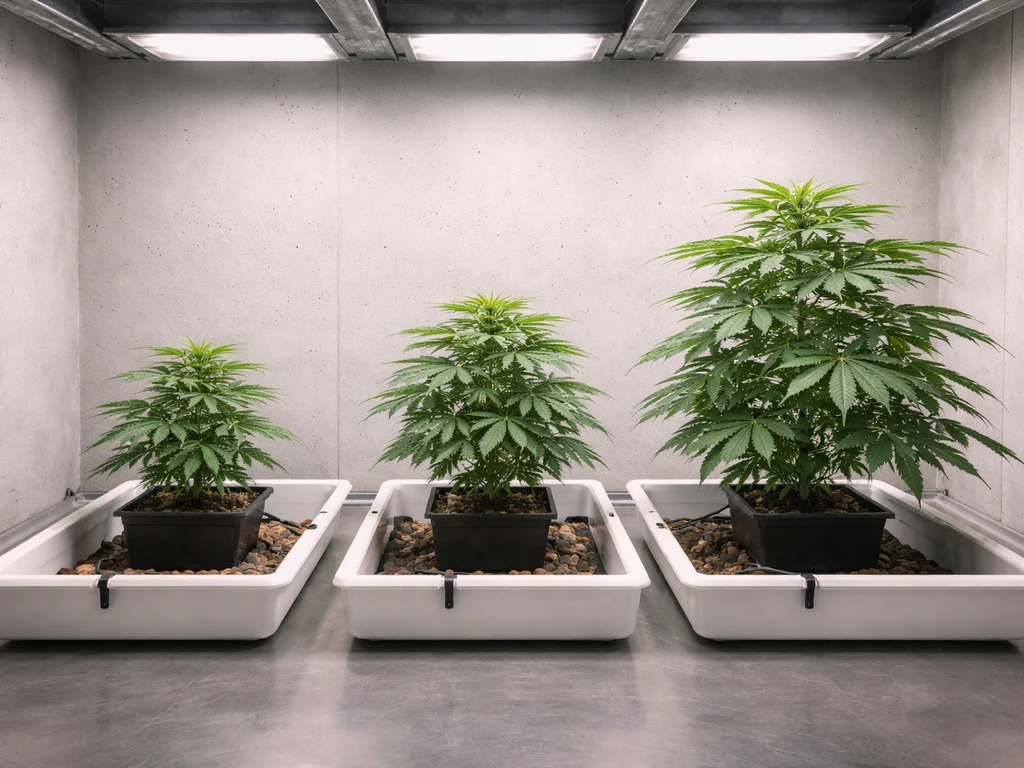
A commercial grower license in Michigan authorizes you to cultivate cannabis plants at a licensed facility for commercial purposes. You're growing to supply the adult-use market, which means your product can move to licensed processors, retailers, or other authorized entities in the supply chain. This is not a hobbyist or personal-use pathway.
There are three commercial grower license classes, each tied to a plant count cap: Class A (up to 500 plants), Class B (up to 1,000 plants), and Class C (up to 1,500 plants). Class C is the only tier where the CRA allows license stacking, meaning you can hold multiple Class C licenses to scale your operation beyond 1,500 plants, subject to additional conditions including full tracking in the statewide monitoring system and compliance with local zoning and ordinances.
These licenses are for entrepreneurs and established operators who plan to build out a grow facility, hire staff, maintain track-and-trace compliance, and operate within a regulated commercial framework. If that sounds like a bigger lift than you're ready for, the microbusiness path may be worth looking at instead.
Commercial vs recreational vs micro grow license: what's the real difference
In Michigan, the term 'recreational grow license' typically refers to the same adult-use commercial grower licenses described above. The MRTMA governs the adult-use (recreational) market, and all CRA-issued grower licenses under that law are adult-use licenses. So if you see someone searching for a 'michigan recreational grow license,' they're almost always looking at Class A, B, or C grower licenses.
A Marijuana Microbusiness license is a distinct license type that bundles cultivation, processing, and retail into one. It's designed for smaller operators who want a vertically integrated, self-contained business. There's also a Class A Marijuana Microbusiness, which is a higher-capacity tier of that same concept. The key limitation: a microbusiness can cultivate no more than 150 marijuana plants, and all cannabis it sells must come from plants grown on that same licensed premises. It cannot source product from outside growers or processors.
| License Type | Plant Limit | Can Sell to Others? | Vertically Integrated? | License Fee |
|---|---|---|---|---|
| Class A Grower | Up to 500 plants | Yes, to licensed entities | No | $1,200 |
| Class B Grower | Up to 1,000 plants | Yes, to licensed entities | No | $6,000 |
| Class C Grower | Up to 1,500 plants (stackable) | Yes, to licensed entities | No | $24,000 |
| Marijuana Microbusiness | Up to 150 plants | Yes, retail to adults 21+ | Yes (grow, process, sell) | $8,300 |
| Class A Microbusiness | Up to 150 plants | Yes, retail to adults 21+ | Yes (grow, process, sell) | $18,600 |
The right choice depends on your goals. If you want to specialize in cultivation and sell wholesale to processors and retailers, a Class A, B, or C grower license is the route. If you want to run a small, all-in-one operation where you grow, process, and sell directly to customers, a microbusiness fits better. The microbusiness plant cap is strict, though, so if you're thinking bigger than 150 plants, you need a grower license.
If you're comparing this to other license types covered on this site, such as a general grow license in Michigan or the specific Class A grow license pathway, those are all part of the same CRA adult-use licensing structure. If you're comparing this to other license types covered on this site, such as a general grow license in Michigan or the specific Class A grow license pathway, those are all part of the same CRA adult-use licensing structure license to grow pot in michigan. The commercial grower tiers (A, B, C) are the backbone of that structure.
Eligibility and what you need before you apply

Michigan's CRA has baseline eligibility requirements that apply to all applicants pursuing adult-use licenses. Before spending time on the application, make sure you can check these boxes.
- You must be 21 years of age or older.
- You must not have certain disqualifying criminal convictions (the CRA reviews this during prequalification).
- All individuals with a financial or ownership interest in the entity applying must also go through the prequalification process.
- You need a proposed or secured location that complies with local zoning and any applicable municipal ordinances, since many Michigan municipalities have opted in (or set specific rules) for commercial cannabis operations.
- Your business entity must be properly formed and registered in Michigan.
- You need to be prepared to demonstrate operational plans, including security, record-keeping, and track-and-trace compliance using the statewide monitoring system.
Local approval matters a lot in Michigan. If a municipality has not enacted an ordinance prohibiting adult-use marijuana establishments at the proposed location, the CRA can proceed with state licensing under the municipality authorization and local compliance framework described in its Municipal Guide opt out (by ordinance prohibiting adult-use marijuana establishments). The state won't issue a license to a location in a municipality that hasn't authorized commercial cannabis establishments. Locking down your local compliance situation before investing heavily in the state application process is a practical first move.
How to apply: the step-by-step process
The CRA uses a two-step application structure for adult-use licenses. You cannot skip ahead to Step 2 without completing Step 1 first, so plan your timeline accordingly.
Step 1: Prequalification
This is the background and eligibility review stage. You submit information about yourself, your business entity, and every person with an ownership or financial interest in the operation. The CRA reviews financials, criminal history, and business structure to determine whether you're eligible to hold a license at all.
The nonrefundable application fee for Step 1 is $3,000 for the main applicant. This fee is paid when you submit the prequalification application and is not returned if your application is denied. Budget for this upfront.
You'll complete Step 1 through the CRA's online licensing portal. Gather your business formation documents, ownership information, and any required disclosures before you start, since the application will ask for all of it.
Step 2: Establishment review and license issuance
Once you pass prequalification, you move to Step 2, which is the location-based review. This is where you submit your specific facility plans, operational details, local approval documentation, and the license-specific information for whichever grower class or microbusiness tier you're applying for.
The CRA reviews your facility layout, security plan, employee records, and overall compliance readiness. They want to see that your operation can actually function within Michigan's regulatory framework before they issue the license.
Paying the regulatory assessment and receiving your license
After your application is approved, the CRA will notify you that your regulatory assessment (the annual licensing fee) is due. You have ten business days from that approval notice to pay. The license is issued after that payment is received. This is separate from the Step 1 application fee, so plan for two distinct payments in your budget.
- Create an account in the CRA's online licensing portal.
- Complete and submit the Step 1 Prequalification application and pay the $3,000 nonrefundable fee.
- Wait for CRA prequalification approval before proceeding.
- Submit the Step 2 establishment application with facility, operational, and local compliance documentation.
- Respond to any CRA requests for additional information during their review.
- Upon approval, pay the regulatory assessment (annual license fee) within 10 business days.
- Receive your state operating license and begin operations.
What it actually costs: commercial and micro grow license fees
Michigan cannabis licensing involves multiple layers of fees, and people often underestimate the total because they only see one number. Here's how it breaks down.
First, the $3,000 nonrefundable Step 1 prequalification fee applies to all adult-use applicants regardless of license type. You pay this once per applicant entity at the start of the process.
Second, once your license is approved, you pay the annual regulatory assessment before the license is issued. For grower licenses, those fees are: Class A Grower $1,200, Class B Grower $6,000, and Class C Grower $24,000. Renewal fees mirror these amounts. For microbusiness licenses, the initial and renewal fees are $8,300 for a standard Marijuana Microbusiness and $18,600 for a Class A Marijuana Microbusiness.
| License Type | Step 1 Application Fee | Annual License Fee (Initial & Renewal) |
|---|---|---|
| Class A Grower | $3,000 (nonrefundable) | $1,200 |
| Class B Grower | $3,000 (nonrefundable) | $6,000 |
| Class C Grower | $3,000 (nonrefundable) | $24,000 |
| Marijuana Microbusiness | $3,000 (nonrefundable) | $8,300 |
| Class A Microbusiness | $3,000 (nonrefundable) | $18,600 |
Beyond these state fees, expect real costs for facility build-out, security systems, point-of-sale and track-and-trace software, legal or consulting support during the application, and local municipal permit fees. The state fees are just the entry point. A Class C grower who stacks multiple licenses is looking at $24,000 per license in annual assessments, which adds up quickly at scale.
For a micro grow license in Michigan, the licensing cost is lower than a full commercial grower license, but the operational constraints are tighter. If keeping costs down is a priority and you're comfortable with the 150-plant cap and the vertically integrated model, a microbusiness can be the more accessible starting point financially.
Plant limits, canopy rules, and staying compliant after you're licensed
Getting licensed is just the beginning. Michigan's CRA has ongoing compliance requirements that growers need to take seriously from day one of operations.
Plant count rules
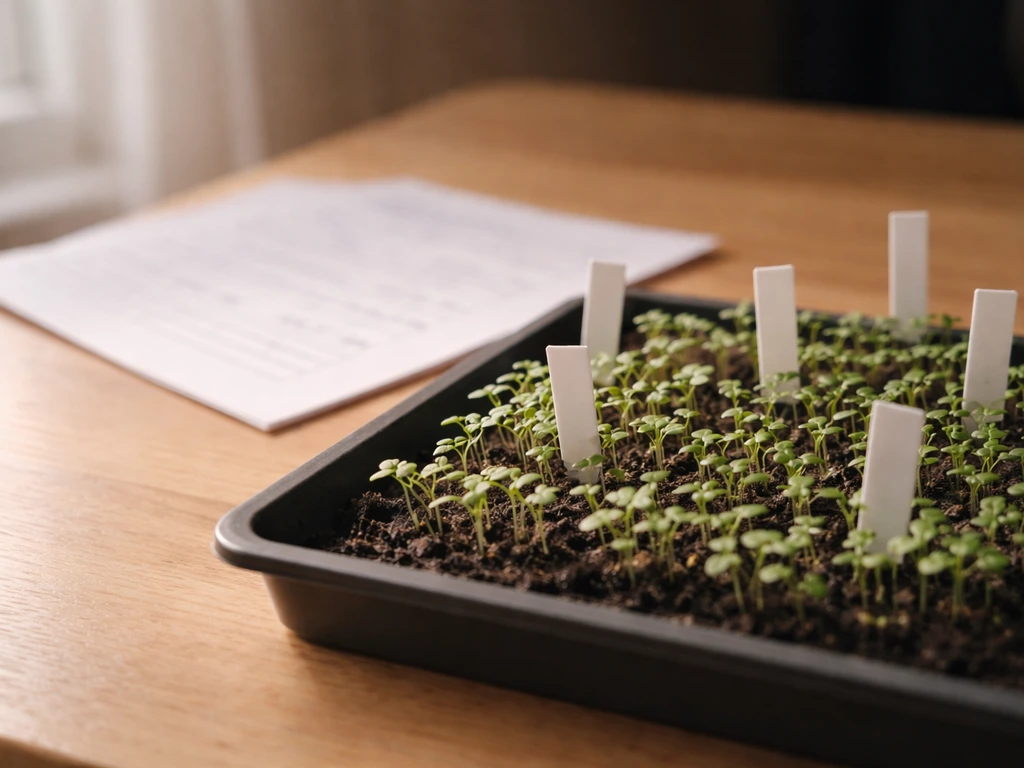
Your plant limit is set by your license class: 500 for Class A, 1,000 for Class B, 1,500 for Class C. The CRA counts any living organism that meets the statutory definition of a 'plant' toward your total. This means seedlings and clones that qualify under the definition count against your cap, not just mature flowering plants. If you're close to your limit and counting wrong, you can end up out of compliance without realizing it.
For microbusiness operators, the cap is 150 plants, and there's no stacking option. That ceiling is firm.
Stacking Class C licenses
If you hold multiple Class C grower licenses, each authorizes up to 1,500 plants, but you must meet all conditions: every plant must be entered into the statewide monitoring and tracking system, and your facility must comply with all applicable local ordinances and zoning rules for expanded operations. Stacking is a real scaling tool, but it comes with full compliance accountability for every plant across every license.
Ongoing compliance obligations
- All cannabis plants and product must be tracked in Michigan's statewide monitoring system (Metrc) from seed to sale.
- Security systems, including video surveillance meeting CRA specifications, must be maintained continuously.
- Employee records and background information must remain current and accessible for CRA review.
- Any changes to ownership, facility, or operational scope typically require CRA notification or approval before implementation.
- Annual license renewal must be initiated at least 90 days before your license expiration date. The CRA sends renewal reminders starting 120 days before expiration.
- Local municipal permits and zoning compliance must be maintained alongside state licensing.
The renewal timeline is worth marking on your calendar well in advance. The CRA starts sending reminders at 120 days before expiration, and you should be actively starting the renewal process at the 90-day mark. Missing that window creates unnecessary risk to your operating status.
Running a licensed Michigan commercial grow means treating compliance as an ongoing operational cost, not a one-time checkbox. Regular internal audits of your plant counts, security systems, and tracking records will save you from surprises during a CRA inspection.
FAQ
Can I apply for a michigan commercial grow license if my municipality has not yet authorized cannabis businesses?
In most cases, no. The CRA will not issue a license for a location in a city or township that has not authorized commercial cannabis establishments. If local authorization is uncertain, confirm it in writing and align your planned site with the municipality’s adopted rules before you submit Step 2 facility information.
Do I need local approvals before I start Step 2, and what happens if my permits lag?
Step 2 requires location-based submissions, including local approval documentation. If your municipal permit process is still pending, your application timeline can stall because you may not be able to submit required proof of local authorization. Plan for the possibility of iterative CRA questions and keep your municipal permitting in sync with your CRA submission deadlines.
What’s the difference between the Step 1 prequalification fee and the annual regulatory assessment?
The Step 1 fee ($3,000 per applicant entity) is paid upfront and is not refunded if you are denied. The annual regulatory assessment is paid after approval and must be received within 10 business days before the license is issued. Treat them as two separate cash events with different purposes.
If I’m denied after paying the Step 1 fee, can I reuse the same application or roll forward to another license class?
Typically, you cannot treat a denied Step 1 payment as a credit toward a new application. Because Step 1 reviews eligibility tied to your entity and ownership disclosures, the safer assumption is that you would need to start a new prequalification for a new submission. Confirm your specific situation with a Michigan cannabis compliance professional.
How does the CRA determine what counts as a “plant,” and how can I avoid cap-count errors?
The CRA counts any item that meets the statutory definition of a plant toward your cap, including seedlings and clones that qualify under that definition. To reduce mistakes, implement a written counting protocol tied to your inventory management records (including intake dates and rooting or growth-stage rules) and reconcile it regularly against your statewide tracking entries.
If I’m close to my plant limit, can I temporarily move plants out of my facility to stay compliant?
Moving plants to avoid the count usually creates compliance risk because possession and tracking obligations generally apply to your licensed premises and statewide monitoring requirements. If you are planning any offsite movement, you should confirm the permitted pathways under Michigan rules with counsel or compliance staff before acting, and reflect it in your tracking system.
For Class C license stacking, do I need to manage plants across multiple licenses as separate inventories?
Yes. Even though each Class C license authorizes up to 1,500 plants, every plant must be entered into the statewide monitoring and tracking system under the correct license context. Maintain license-specific inventory controls so your internal records match CRA expectations during inspections, not just your total plant count.
Can a microbusiness sell product to multiple downstream license types, or is it limited in distribution?
A microbusiness can operate as an integrated cultivation and retail-style model, but its ability to sell and to whom it can sell is constrained by its license structure and the requirement that all cannabis it sells comes from plants grown on its own licensed premises. The practical takeaway is that you should confirm sales channels that are permitted for your specific microbusiness tier before building distribution relationships.
When should I start renewal planning, and what’s the risk if I renew late?
Renewal is not a last-minute task. The CRA starts reminders about 120 days before expiration, and it is recommended to be actively working on renewal around the 90-day mark. If you miss that window, you increase the risk of operating on an expired status or facing disruptions that can affect sales and production timelines.
What internal compliance checks should I run before a CRA inspection?
Do a pre-inspection internal audit focused on three areas: plant count reconciliation (including clones and seedlings), security system status and monitoring records, and track-and-trace reporting accuracy. The goal is to confirm your operational logs and your statewide tracking entries match, because discrepancies are a common source of enforcement follow-up.
Next Article
Class A Grow License Michigan: Requirements, Costs, and Steps
Step-by-step guide to Michigan Class A grow license: eligibility, fees, application workflow, and Class A vs B vs C chec