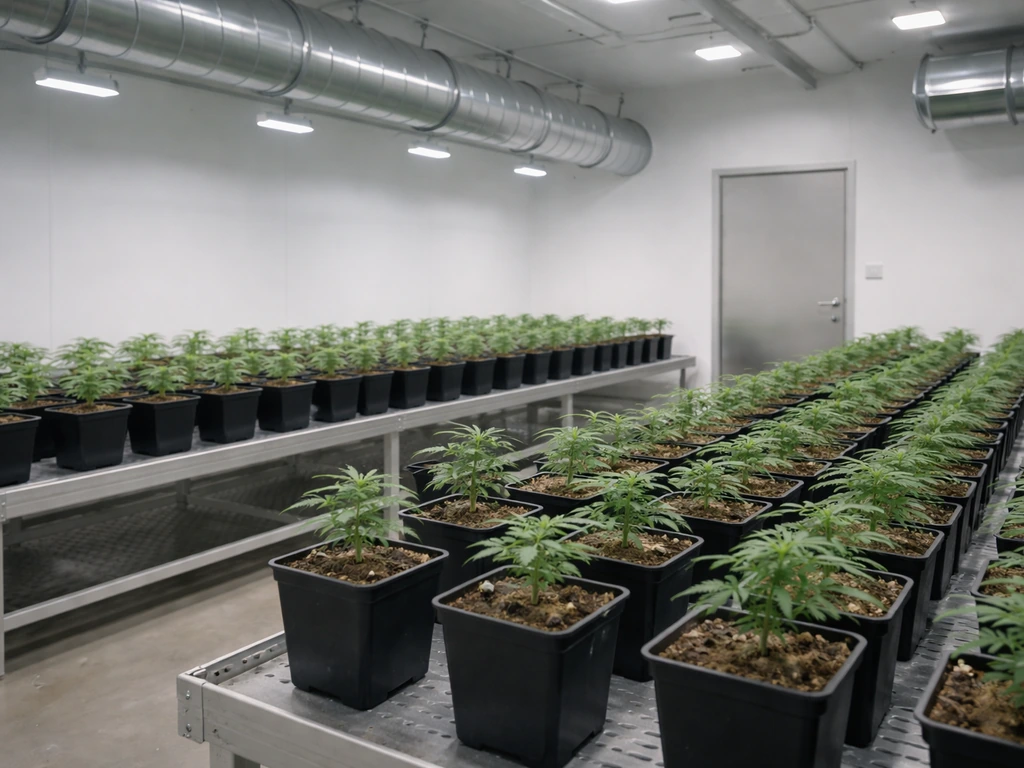
Quick answer: who actually needs a Michigan grow license
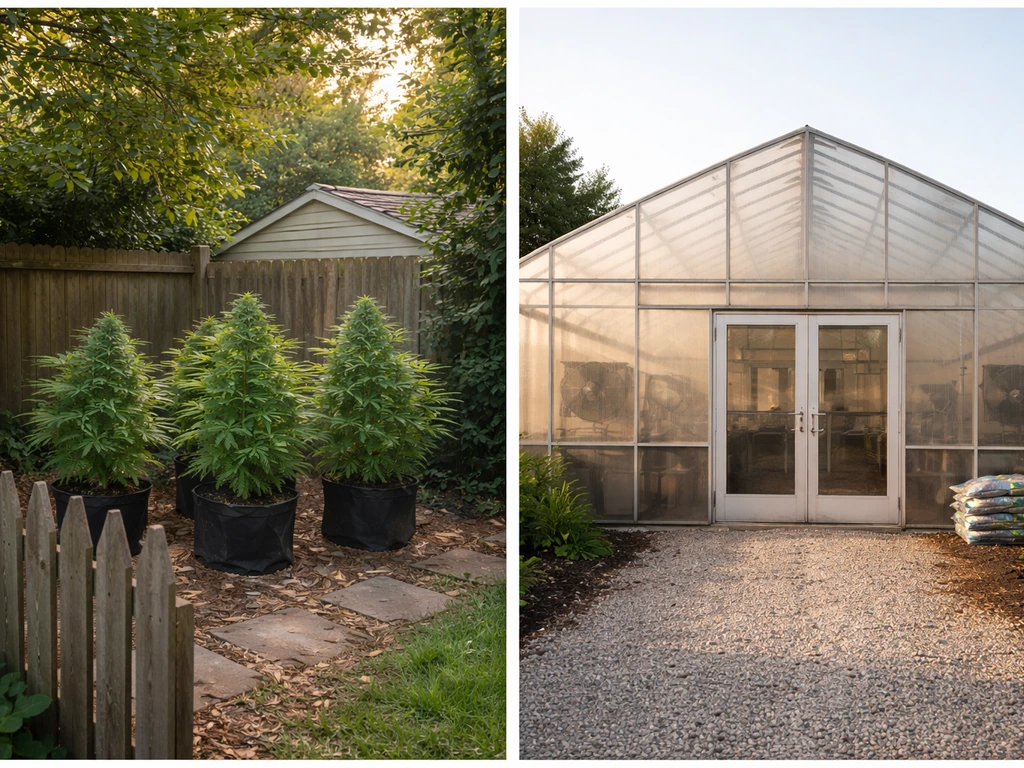
If you are 21 or older and just want to grow cannabis at home for personal use, Michigan law already allows that without any license at all. Under the Michigan Regulation and Taxation of Marihuana Act (MRTMA), adults can cultivate up to 12 plants per private residence for personal use. You do not apply for anything, there is no permit to pull, and the Cannabis Regulatory Agency (CRA) is not involved in your home grow at all.
A Michigan grow license is required the moment you cross into commercial territory. If you want to grow cannabis as a business, sell it, supply a dispensary, or operate any kind of cannabis establishment, you need a formal license from the CRA. That is who this guide is really for: people who want to grow commercially, or caregivers operating under the medical program who want to understand the full picture. If you are unsure which side of the line you are on, keep reading.
Michigan license types for growing cannabis
Michigan draws a clean line between home cultivation (no license needed) and commercial cultivation (license required). On the commercial side, the CRA issues adult-use grower licenses under MRTMA. There are also medical program caregiver registrations under MMFLA, but for most people reading this, the adult-use commercial track is what matters.
blank" rel="noopener noreferrer">Adult-use grower licenses come in three size-based tiers. Class A is the entry-level tier, Class B sits in the middle, and Class C is the largest allowed for a standard grower. blank" rel="noopener noreferrer">Each class has its own canopy cap, fee schedule, and plant-count expectations. If you want to dig into the specifics of the entry tier, the breakdown of a class A grow license in Michigan covers exactly what that tier allows and costs.
Beyond grower tiers, Michigan also has a designated caregiver registration under the medical program, which allows registered caregivers to grow up to 12 plants per qualifying patient (up to 5 patients), but that operates through a separate MMMA/MMFLA process. This guide focuses primarily on the adult-use commercial path since that is where most applicants land today.
Home cultivation: what you can do without a license
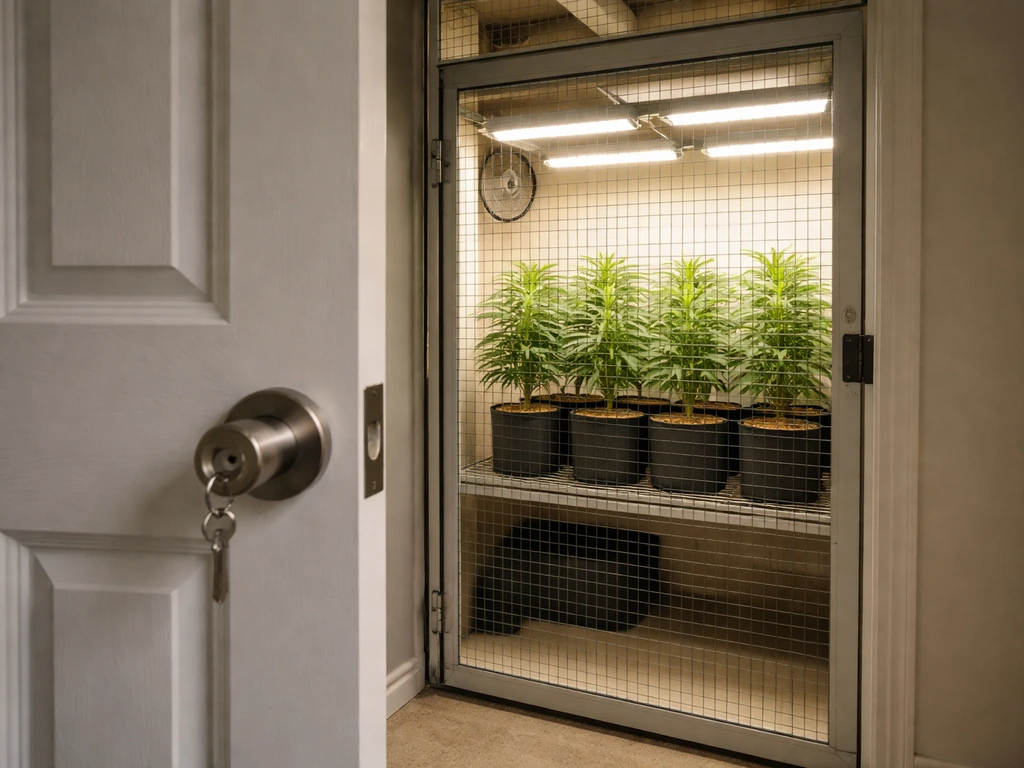
Adults 21 and older can grow up to 12 plants at their private residence under MRTMA. The plants must be secured so that they are not accessible to anyone under 21. You can possess up to 2.5 ounces of usable cannabis from your home grow in public. There is no registration, no CRA portal to create, and no fee. The only real constraints are local zoning (some municipalities restrict where plants can be visible) and the 12-plant hard cap per residence regardless of how many adults live there.
Commercial cultivation: license required
As soon as growing becomes a business activity, you need a CRA-issued license. This includes selling to processors, retailers, or other licensees. The full scope of what a commercial operation looks like, including facility requirements and operational rules, is covered in the guide to a Michigan commercial grow license, which is worth reading alongside this one.
Eligibility rules and basic requirements
Before you touch the application, you need to confirm you actually qualify. Michigan has clear eligibility criteria for commercial grower applicants, and the CRA will check all of them during the review process.
- You must be at least 21 years old.
- You must be a Michigan resident OR demonstrate that your principal place of business is in Michigan (entity applicants must meet Michigan business registration requirements).
- You cannot have any disqualifying felony convictions, particularly those involving controlled substances that are not marijuana-related and within a defined lookback window. The CRA reviews criminal history as part of the background check.
- All individuals with 10% or more ownership interest in the applicant entity must be disclosed and go through background checks.
- You must demonstrate financial responsibility and the ability to operate the establishment compliantly.
- You cannot hold a license if you are a law enforcement officer, a CRA employee, or otherwise prohibited under MRTMA.
- Your proposed facility must be in a municipality that has opted in to allow commercial cannabis activity (not all Michigan municipalities allow cannabis businesses).
That last point trips people up more often than anything else. Michigan allows individual municipalities to ban commercial cannabis establishments, and a significant number have done so. Before you spend money on an application, confirm your proposed location is in an opt-in jurisdiction. Call the local clerk or check the municipality's ordinances directly.
Application steps: from account creation to submission

Michigan's CRA uses the Accela Citizen Access portal for cannabis license applications. Here is the actual workflow you will follow:
- Create an account on the CRA's online licensing portal (Accela Citizen Access) at the CRA's official Michigan.gov licensing page. Use a business email address you will actively monitor.
- Gather all required documents before starting the application. This includes: government-issued ID for all owners and stakeholders, proof of Michigan residency or business registration, operating agreement or articles of incorporation, proposed floor plan and site diagram of the grow facility, proof of right to occupy the proposed location (lease or deed), personal disclosure forms for all individuals with 10%+ ownership, and any required local authorization documents from your municipality.
- Complete the pre-qualification and background check authorization forms within the portal. Every disclosed individual will need to submit a fingerprint-based background check through the CRA's approved vendor (IDEMIA).
- Complete the license application form in the portal. Select the correct license type and class (Class A, B, or C grower) before filling in the details. Misclassifying your license type creates delays.
- Upload all supporting documents directly in the portal. The CRA will flag missing documents and your application will not move forward until the file is complete.
- Pay the application fee through the portal at the time of submission. Fees are non-refundable regardless of outcome.
- Submit and track your application status through the same portal. The CRA will contact you via the portal if additional information is requested.
One thing worth noting: the CRA requires a separate local authorization document from your municipality confirming that the proposed location is approved for cannabis cultivation. Some municipalities issue this quickly; others have their own drawn-out process. Apply for local authorization in parallel with gathering your state documents, not after. Waiting on local approval is one of the biggest sources of delay in Michigan cannabis applications.
Fees, plant limits, canopy rules, and operating requirements
Michigan's grower license tiers are defined primarily by canopy size, which in turn drives the fee structure. Here is how the three adult-use grower classes break down:
| License Class | Canopy Limit | Application Fee | Annual License Fee |
|---|
| Class A Grower | Up to 100 plants or up to 2,000 sq ft canopy | $3,000 | $10,000 |
| Class B Grower | Up to 500 plants or up to 10,000 sq ft canopy | $3,000 | $20,000 |
| Class C Grower | Up to 1,500 plants or up to 30,000 sq ft canopy | $3,000 | $30,000 |
Note that the CRA has updated its fee schedules periodically, so always verify current fees directly on the CRA's Applications and Forms page before submitting. The application fee ($3,000 for all grower classes as of recent guidance) is paid at submission and is non-refundable. The annual license fee is due at issuance and at each renewal.
Beyond canopy and plant limits, licensed growers must meet a specific set of operating requirements as conditions of their license. These include: operating an approved seed-to-sale tracking system connected to the METRC statewide tracking platform, ensuring the facility is secured with appropriate access controls and video surveillance, maintaining detailed records of all inventory movements and transfers, transporting cannabis only via licensed transporter licensees, and not selling or transferring cannabis to anyone other than another licensed cannabis establishment. You cannot sell direct to consumers as a grower; that requires a separate retailer license.
The full picture of what it means to run a licensed operation, including day-to-day compliance obligations, is something the license to grow pot in Michigan guide covers from a practical operational standpoint, and it pairs well with the regulatory requirements laid out here.
Timelines, renewals, and staying compliant after approval
How long does it take?
Michigan does not publish a guaranteed processing time for cannabis license applications. In practice, applicants should plan for a process that takes anywhere from 60 to 180 days from a complete submission to receiving a license, depending on how quickly local authorization is obtained, whether background checks clear without complications, and whether the CRA requests additional documentation. Applications with missing documents or ownership structures that require extensive disclosure review take longer. The safest approach is to treat 6 months as a planning baseline and treat anything faster as a bonus.
Renewals
Michigan commercial grower licenses are issued on an annual basis and must be renewed each year. The CRA will notify licensees through the Accela portal when renewal is approaching. Renewal requires paying the applicable annual license fee, confirming that all disclosure information is still current (any ownership changes must be reported and approved before renewal), and confirming ongoing compliance with all operating requirements. Do not wait until the last minute: if your license lapses, you must stop all operations immediately. There is no grace period for operating under an expired license.
Post-approval compliance: what you are actually agreeing to
Getting the license is the beginning, not the end. Once approved, you are subject to CRA compliance inspections at any time. Inspectors can visit without prior notice to review your METRC records, check your inventory, inspect your security systems, and confirm your operations match your approved application. Discrepancies between your licensed facility plan and actual operations are a compliance violation.
Keep your METRC tracking entries current and accurate. Late or missing entries are one of the most common compliance issues cited in CRA enforcement actions. Every plant, harvest, transfer, and disposal must be logged in real time.
Any material change to your operation, including adding canopy space, moving to a new facility, changing ownership, or adding a new grow room, requires prior CRA approval through a change request. You cannot just expand and notify them later. File the change request, wait for approval, and then make the change.
Finally, stay aware of local requirements as well as state ones. Your municipality may have its own inspection schedule, local business license renewal, and zoning compliance checks running separately from the CRA process. Keeping both tracks current is part of operating a compliant Michigan cannabis grow.