There is no standalone provincial 'medical grow license' issued by British Columbia. What you actually need is a federal registration or licence from Health Canada under the Cannabis Act. If you are a patient growing for your own medical use (or designating someone to grow for you), you apply directly to Health Canada for a personal or designated production registration. If you want to operate a commercial medical cultivation business, you apply for a federal cultivation licence with a sale for medical purposes add-on, also through Health Canada. BC's role is mostly to layer on local rules around home grows and commercial operations, not to issue the core medical authorization itself.
Medical Grow License BC: Step-by-Step Application Guide

Marcus Whitley
23 Apr 2026
What 'medical grow license BC' actually means
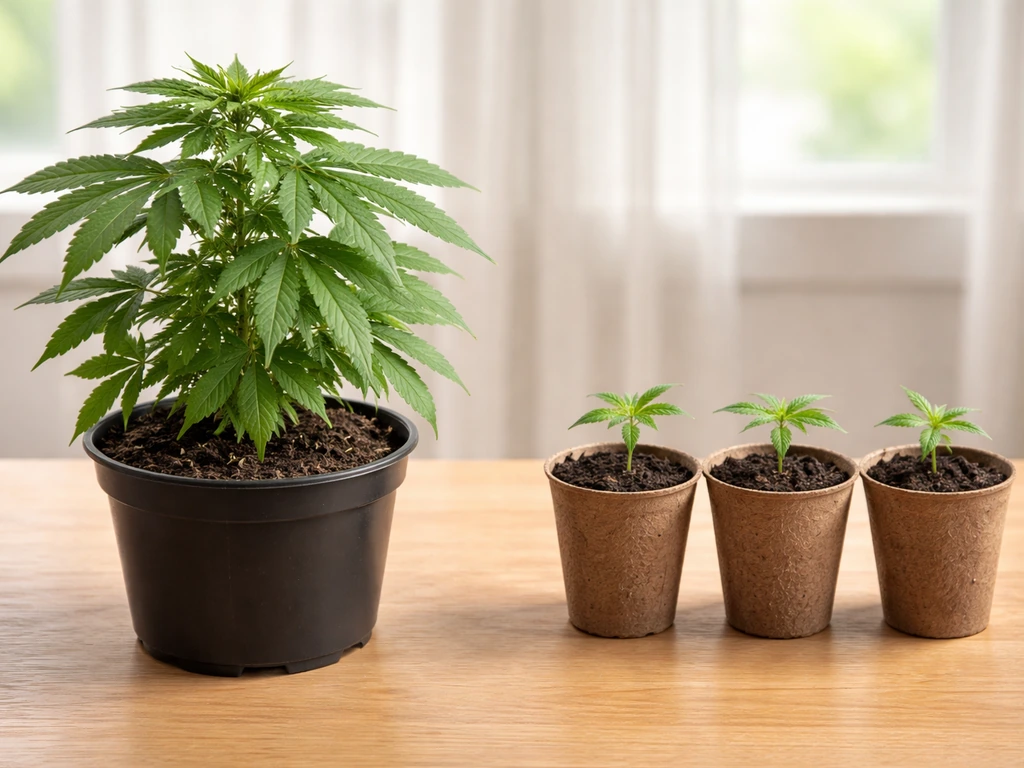
When people search for a 'medical grow license BC,' they are usually thinking about one of two things: either growing cannabis at home for personal medical reasons beyond the standard four-plant limit, or setting up a commercial cannabis production business that serves medical patients. Both paths exist, but both are governed federally, not provincially.
BC law allows any adult 19 or older to grow up to four non-medical cannabis plants at home. If you want to grow more than four plants for medical reasons, that is where Health Canada's personal production registration comes in. It is a separate regime specifically built around a patient's medical need, and it can authorize significantly more plants depending on your prescription. The four-plant recreational limit does not apply to plants grown under a valid Health Canada medical registration.
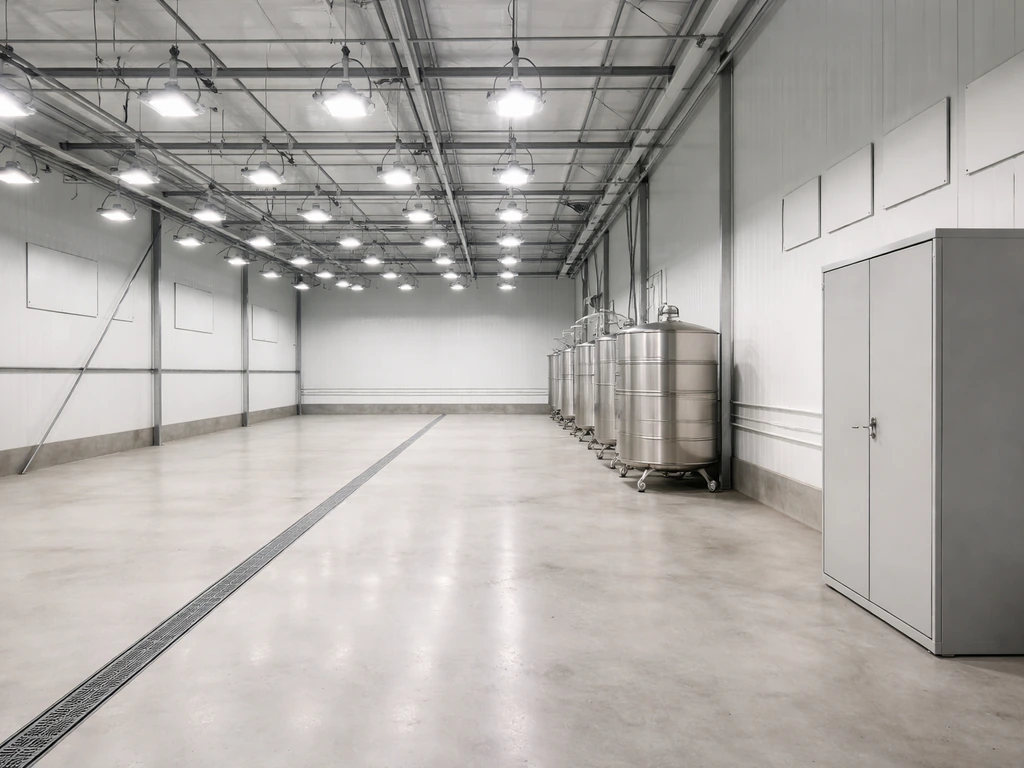
On the commercial side, Health Canada issues cultivation licences for businesses that want to grow cannabis and sell it for medical purposes. This is a much heavier regulatory lift, involving facility inspections, security clearances, and annual fees. Most individuals asking about a 'medical grow license BC' are not in this category, but we will cover both so you can figure out which path fits your situation.
Who qualifies for a personal or designated medical grow
To register for personal production of medical cannabis, you need a valid medical document from a licensed health care practitioner (a physician or nurse practitioner). That document must specify the daily amount of dried cannabis in grams and a period of use that cannot exceed one year. Without that document, the application goes nowhere.
Alternatively, you can designate another adult to grow on your behalf. The designated person does not need a medical condition themselves, but they must be named in your application and cannot be designated by more than one patient at a time.
Health Canada can refuse to register you (or refuse a renewal) if the registration is likely to create a risk to public health or public safety, including the risk of cannabis being diverted to the illicit market. Common disqualifiers include past cannabis-related offences, a production site that cannot be adequately secured, or circumstances suggesting the grow is not genuinely for personal medical use.
- You must have a valid medical document from a physician or nurse practitioner specifying your daily authorized amount (grams) and a period of use (max one year)
- You must be 18 or older (Health Canada requirement) and, if growing at the residential address, 19 or older under BC's provincial rules
- The production site must be a residence you own or lease (or your designated producer's residence)
- You cannot hold both a personal/designated production registration and be registered as a client of a licensed seller for the same daily amount
- A criminal record involving drug trafficking or production is a likely disqualifier
- Your designated producer cannot be producing cannabis for more than one patient simultaneously
Two paths: personal medical registration vs. commercial cultivation licence
It helps to see both options side by side before you decide which one applies to you.
| Feature | Personal/Designated Production Registration | Commercial Cultivation Licence (Medical) |
|---|---|---|
| Who it's for | Individual patients or their designated grower | Businesses producing cannabis for sale to medical patients |
| Issued by | Health Canada | Health Canada |
| Medical document required | Yes, from a practitioner | No (but sale for medical purposes licence required) |
| Plant limit | Formula-based on daily grams authorized | No personal limit; governed by site licence conditions |
| Application fee | No fee for personal/designated registration | $3,277 for standard cultivation + sale for medical purposes; $2,023 for micro-cultivation + sale for medical purposes |
| Security clearance | Not required | $1,654 per person requiring clearance |
| Where to apply | Health Canada (mail/online submission) | Cannabis Tracking and Licensing System (CTLS) |
| Annual regulatory fee | None | Yes, paid each fiscal year (April 1 to March 31) |
| Inspections | Possible | Yes, routine and compliance inspections |
For most individuals in BC asking about a medical grow license, the personal or designated production registration is the right path. You will need the proper Health Canada grow license or registration based on whether you are growing for personal use or for medical sales. The commercial licence is for producers who want to supply other patients or run a cannabis business.
Step-by-step: applying for personal or designated production registration
- See a physician or nurse practitioner and get a medical document that specifies your authorized daily amount in grams and the period of use (up to one year). Without this, you cannot proceed.
- Use Health Canada's online calculator for production of a limited amount of cannabis for medical purposes to determine your plant and storage limits based on your daily grams, whether you will grow indoors or outdoors, and your expected number of growth cycles per year.
- Complete the appropriate Health Canada application form: 'Application to Register as a Personal or Designated Producer of Cannabis for Medical Purposes.' Download the current version from the Health Canada website.
- Gather supporting documents: original medical document, proof of identity, proof of address for the production site, and if designating a grower, the designated producer's information and their signed consent.
- Mail your completed application and original medical document to Health Canada's Office of Medical Cannabis. Health Canada does not currently accept these personal production applications through the CTLS portal (that portal is for commercial licences). Check Health Canada's current submission instructions before sending.
- Wait for your registration certificate. You cannot legally start growing until you physically receive the certificate. Keep it on site during the entire production period.
- Renew before your certificate expires (typically annually, matching the period of use on your medical document). Submit a renewal application with a fresh medical document.
Step-by-step: applying for a commercial medical cultivation licence
If you are pursuing the commercial route, the process is significantly more involved. The Cannabis Tracking and Licensing System (CTLS) is where BC-based commercial applicants submit their applications, and Health Canada's 'Cannabis Licensing Application Guide: Cultivation, Processing and Sale for Medical Purposes' is the document you need to read before you start.
- Register for a CTLS account at the Health Canada portal and create your organization profile.
- Complete your licence application within CTLS. Specify the licence types you need: cultivation, processing (if applicable), and sale for medical purposes.
- Prepare and upload all required documents: site evidence (floor plans, site plans, security system details), standard operating procedures, organizational chart, and evidence of financial accountability.
- Identify all 'responsible adults' (directors, officers, major shareholders) who require federal security clearances. Each person submits a separate security clearance application with a fee of $1,654.
- Submit your application. Health Canada will invoice the responsible person by email for the application fee after submission ($3,277 for standard cultivation with sale for medical purposes, or $2,023 for micro-cultivation combined with sale for medical purposes).
- Respond to any Health Canada deficiency notices. These are common, so budget time for back-and-forth.
- Pass a pre-licensing inspection. A Health Canada inspector will visit the facility before the licence is issued to confirm it matches your application and meets regulatory standards.
- Receive your licence and begin operations. Pay the annual regulatory fee each fiscal year. Keep up with ongoing reporting, recordkeeping, and inspection obligations.
Plant limits, costs, and how the numbers work
For personal/designated production, your plant limit is not a flat number. It is calculated by a formula that takes into account: the daily amount your practitioner authorized (in grams), whether you are growing indoors or outdoors, the average yield per plant, and the number of growth cycles expected per year. Health Canada's online calculator does the math for you. As a rough example, a patient authorized for 5 grams per day growing indoors would typically be permitted to maintain considerably more than four plants at one time. Use the calculator with your actual prescribed amount to get your specific limits.
There is no application fee for a personal or designated production registration. The costs for commercial licences are significant: a standard cultivation licence combined with a sale for medical purposes licence runs $3,277 in application fees, and security clearances add $1,654 per person. Annual regulatory fees apply on top of that each fiscal year. If you are only producing for medical sales and meet specific conditions, Health Canada does provide an exemption framework for the annual fee, but you have to apply for it and meet documentary requirements.
On the BC side, local governments and Indigenous governments have the authority to further restrict or prohibit home growing of non-medical cannabis through bylaws. Medical grows under a valid Health Canada registration are a federal matter, but it is worth checking with your local municipality to understand whether any local restrictions might affect your situation.
Site rules, security, and recordkeeping you need to know
For personal production at a residence, you need to store cannabis securely and keep your registration certificate accessible at the site. The grow must only happen at the registered address. If you move, you need to notify Health Canada and amend your registration before you start growing at the new location.
One situation that trips people up is co-location: if a personal or designated producer happens to share an address with a commercial cannabis licence holder, the activities are only permitted together if the licence holder is the same person or entity, full regulatory compliance is maintained, and recordkeeping is completely separate. Product cannot move between the personal production registration and the commercial licence. These are treated as entirely distinct regulatory regimes and mixing them is a compliance violation.
For commercial operations, recordkeeping requirements are extensive. You must track every plant, every gram of product, and all movements of cannabis through your facility. Health Canada can and does conduct inspections. Maintaining clear, separate records for each activity at your site (cultivation, processing, sales) is not optional.
Timelines, renewals, and what happens if things change
Personal production registrations typically run for the same period as your medical document, which is a maximum of one year. Renewal requires a new medical document from your practitioner. Submit your renewal before your current certificate expires to avoid any gap in authorization. You cannot legally grow during a gap.
Commercial licence applications are not fast. Between the application, security clearance review, deficiency resolution, and pre-licence inspection, the process commonly takes many months. Health Canada does not publish guaranteed processing timelines, so plan for at least six to twelve months minimum if you are starting from scratch.
If your application is refused (for either personal production or a commercial licence), Health Canada will provide written reasons. You can address the reasons and reapply, or seek a review of the decision. For commercial refusals, consulting a lawyer who specializes in cannabis regulatory matters is worth the cost before reapplying.
If your situation changes mid-registration (you move, your health changes, your designated producer changes), you need to submit an amendment to Health Canada. Do not just start growing at a new location or change producers without the amended registration certificate in hand.
Compliance checklist and your next steps
Before you do anything else, confirm you are looking at current Health Canada requirements. Regulations and fees change, and the information in any guide (including this one) can become outdated. The authoritative sources are Health Canada's website and BC's Cannabis Control and Licensing Act framework. Here is a practical checklist to work through before you apply or start growing.
- Confirm your intent: personal medical grow (personal/designated production registration) or commercial cultivation (CTLS licence application)?
- If personal: get a current medical document from a licensed practitioner with your daily grams and period of use specified
- Use Health Canada's production calculator to determine your specific plant and storage limits before finalizing your application
- Verify your production site address and confirm it is eligible (your registered residence or your designated producer's residence)
- Check your local BC municipality's bylaws for any additional home grow restrictions that may affect your situation
- Download the current version of the Health Canada application form or, for commercial, set up a CTLS account
- Gather all required supporting documents before submitting (medical document, ID, site proof, designated producer details if applicable)
- For commercial applications: budget for application fees ($2,023 to $3,277 depending on licence type), security clearance fees ($1,654 per person), and annual regulatory fees
- Set a calendar reminder to begin your renewal process at least 60 days before your certificate or licence expires
- Keep your registration certificate or licence physically on site at all times during production
- Maintain completely separate records if you have any co-located cannabis activities
- Never begin growing before you receive your registration certificate or licence in hand
For verification today, go directly to Health Canada's 'Guidance on personal production of cannabis for medical purposes' page and BC's 'Sell or grow cannabis' provincial page. These are the two most relevant official sources for someone in BC pursuing a medical grow authorization. If you are exploring the broader landscape of licensed producers in Canada or want to understand how BC fits into the national framework, the topics of Health Canada grow licensing, legal grow operations in Canada, and Ontario's licensed producer environment are closely related and worth understanding as context. If you are trying to scale to the biggest legal medical grows, the Canada-wide licensing model is what determines which operations can expand canada's largest legal grow up. For Ontario specifically, see our list of legal grow-ops in ontario. Legal grow operations in Canada are therefore also regulated through Health Canada under the Cannabis Act, with extra requirements for commercial licensing.
FAQ
What do I need in BC if I want to grow more than four plants for medical reasons?
If you are trying to exceed the four-plant home limit for medical reasons, you generally need Health Canada’s personal production registration, not a BC “medical grow license.” BC can restrict home growing further, but the ability to grow more than four plants for medical purposes is tied to your federal authorization and the amount on your medical document.
What exactly must my medical document include to start a personal production application?
For a personal production registration, the “medical document” must name the practitioner who provided it and must state both the daily grams and a use period of up to one year. If either detail is missing or inconsistent with your application, Health Canada can delay or refuse, so double check the grams and the dates before submitting.
Can the same designated grower produce for multiple patients in BC?
A designated producer can grow for you even if they are not sick, but they cannot be designated for more than one patient at a time. If your designated producer already has another patient designation, you may need to change to a different adult or update the arrangement through an amended application.
If my prescription changes, will my plant limit automatically update?
Health Canada can authorize plant numbers based on your prescribed daily grams and other factors, including whether the grow is indoors or outdoors. Your permitted number is not guaranteed to be the same year to year, so if your prescription amount changes you should expect your limits to change after you update/amend the registration.
Can I start growing at a new home address right away if I move?
Moving triggers an amendment requirement for the personal or designated production registration. If you start growing at a new address before your amended certificate is issued, you risk being out of compliance, even if you still have an otherwise valid registration.
What if my personal grow is at the same address as a commercial licence holder?
The article notes co-location restrictions. Practically, you should assume record separation is the key issue: if you share an address with a commercial licence holder, the same person or entity must hold the licence, and you must keep activities and records completely distinct. If you cannot ensure that separation, it is safer to use a different location.
Can I share or transfer cannabis between my personal registration and a commercial licence at the same site?
No. You cannot move product between a personal production registration and a commercial licence regime. Even if the site address is the same, treating any cannabis as interchangeable across regimes is a compliance risk, so avoid transferring plants, dried product, or harvests between the two frameworks.
How do I avoid an illegal gap if my medical document expires before my renewal is approved?
For personal production, your certificate typically tracks the maximum one-year window of your medical document. If your renewal is late, you cannot legally grow during any gap, so submit your renewal early enough to avoid an interruption if the practitioner takes time to issue the new document.
Why does a commercial medical cultivation licence take so long, and how can I prepare?
Commercial cultivation applications often involve security clearance review and inspection steps that can take many months. A practical step is to treat the process like a project plan: gather facility details, prepare for recordkeeping and security requirements before you apply, and budget time for responding to deficiencies.
If my application is refused, what should I fix before I reapply?
If Health Canada refuses a personal or commercial application, you usually receive written reasons. For a faster corrective path, address each refusal reason directly, update any weak documentation (like site security details for commercial), and consider legal or regulatory help before resubmitting a commercial refusal.
Do BC municipal bylaws still matter if I have a federal medical production registration?
On the BC side, local bylaws may restrict home growing of non-medical cannabis, and those restrictions can still affect how you operate at a residence. Even with federal medical authorization, check your municipality or Indigenous government bylaws for practical constraints like zoning, nuisance rules, or limits on where and how home growing can occur.
What happens if I want to replace my designated producer mid-year?
If you change your designated producer, you should not rely on informal arrangements. You need to submit an amendment and receive the updated authorization before the new producer starts growing, because the grow must match what Health Canada has on file for your registration.
If I think I qualify for an annual fee exemption for medical sales, how do I confirm eligibility?
Yes, you should verify the fees and exemption conditions before you rely on any “no annual fee” expectation. Even when an exemption framework exists, it requires applying and meeting documentary conditions, so confirm current eligibility requirements before you plan your budget.
Next Article
Legal Grow Ops in Canada: Compliance Guide to Launch
Compliance checklist for legal grow ops in Canada: licensing, facility setup, security and recordkeeping from home to co