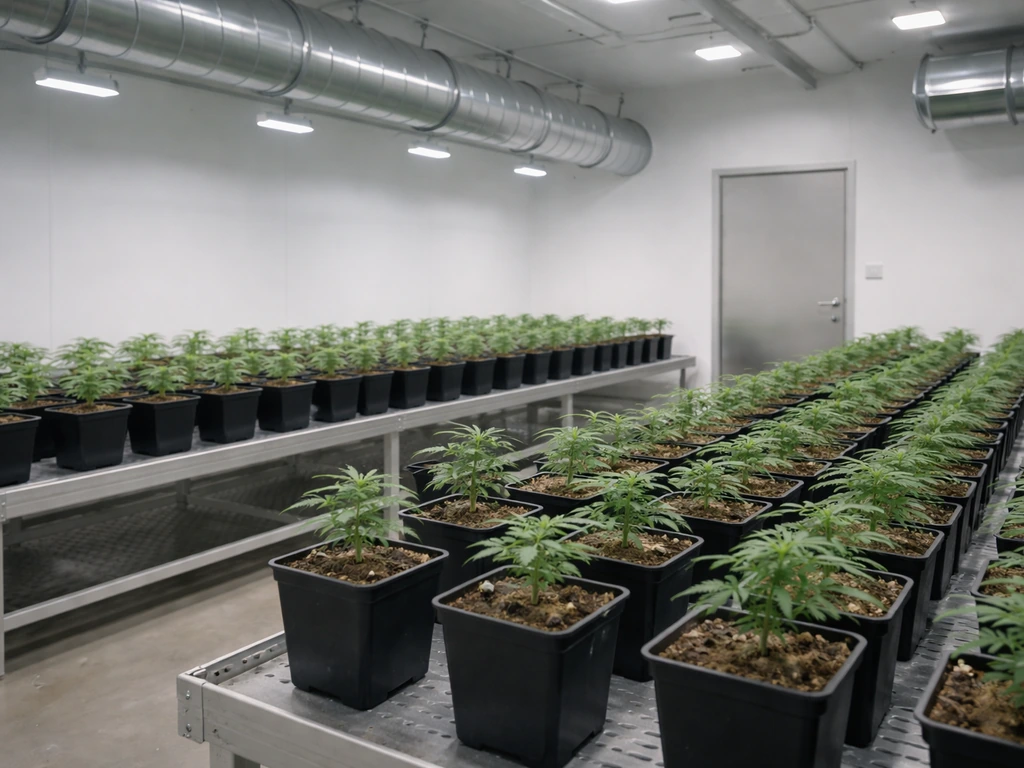
A "Health Canada grow license" is not one single thing. It is an umbrella term people use to describe a few different federal authorization pathways, and which one applies to you depends entirely on whether you want to grow cannabis for medical purposes, operate commercially, or simply grow at home for recreational use. Getting clear on which pathway fits your situation is the most important first step, because the application process, costs, and rules are very different for each.
Health Canada Grow License: Step-by-Step Guide for Canadians

Marcus Whitley
17 Apr 2026

What people usually mean by a Health Canada grow license
When most people search for a "Health Canada grow license," they are typically asking about one of two things. The first is a federal cultivation or processing licence under the Cannabis Act, which is the commercial pathway that lets businesses grow, process, or sell cannabis. This covers everything from large producers to micro-cultivators operating out of a small facility. The second is a Personal-Use Production Registration, sometimes called a medical grow authorization, which lets individual patients grow a limited number of cannabis plants at home strictly for their own medical use.
Recreational home growing is a separate matter entirely. Under federal law, adults can grow up to 4 cannabis plants per household without any Health Canada licence or registration. That limit is set by the Cannabis Act, but provinces can restrict it further. Quebec and Manitoba, for example, have banned home growing. So if someone is searching for a "grow license" because they want to grow a few plants at home recreationally, the answer is that there is no federal licence required for that, only provincial rules to check.
If your interest is in legal grow ops in Canada on a commercial scale, then you are looking at the federal licensing pathway through Health Canada, which is the main focus of this guide.
Who can apply and the basic eligibility requirements
For a commercial cultivation or processing licence, Health Canada requires applicants to be incorporated federally or provincially (or be an individual/sole proprietor for smaller licence classes like micro-cultivation). You need to identify key personnel in your organization, and each person who holds a position like responsible person, head of security, master grower, or Quality Assurance Person (QAP) must be named in your Organizational Security Plan using those official Health Canada titles. Every relevant person is also required to obtain a security clearance from Health Canada, which is its own separate application process.
Health Canada will review the organizational and personnel information you submit along with the results of security checks. Eligibility is not just about the business structure. It depends heavily on having a complete site evidence package and passing security screening. If anyone in a key role has a disqualifying criminal history or if your site documentation is incomplete, your application will be delayed or refused.
For a Personal-Use Production Registration (medical grow), the applicant must be a registered medical cannabis patient with a medical document from a healthcare practitioner, and the registration links a specific location to a specific patient. If you are interested specifically in the medical home-grow route in British Columbia, the medical grow license BC rules add a provincial layer to this process worth reviewing separately.
Licence types, plant limits, and indoor vs outdoor rules
Health Canada issues several distinct licence classes for commercial cultivation. The main ones relevant to smaller or first-time applicants are micro-cultivation, nursery, and standard cultivation. Here is a quick comparison of what each allows:
| Licence Type | Grow Area Limit | Indoor/Outdoor | Main Permitted Activity |
|---|---|---|---|
| Standard Cultivation | No fixed cap (site-dependent) | Both permitted | Large-scale cannabis cultivation |
| Micro-Cultivation | Up to 1,400 m² total grow area | Both permitted (indoor/outdoor breakdown required) | Small-scale cultivation |
| Nursery | Site-dependent | Both permitted | Propagation and sale of starter plants |
| Standard Processing | No fixed cap | Indoor facility | Processing cannabis into products |
| Micro-Processing | Site-dependent | Indoor facility | Small-scale processing |
For micro-cultivation specifically, Health Canada sets a total grow area cap of 1,400 m² across the site. When you prepare your application, you will need to provide an indoor/outdoor breakdown of how that area is used. This matters because the physical security requirements differ between indoor and outdoor grow areas, and your site evidence package must reflect whichever setup you are using.
The organizational security plan rules also differ by applicant type. Micro-cultivators, nursery operators, and sole proprietors are directed to include only what applies to their operation in their organizational chart, rather than filling in roles that do not exist in their business. This is important to get right because mismatches between the org chart and the actual business structure are a common source of delays.
The application process, step by step
The federal commercial licence application flows through Health Canada's Cannabis Tracking and Licensing System, known as CTLS. This is a public-facing web application where you create and submit new licence applications, amendments, renewals, and monthly tracking reports. Before you touch CTLS, you need to have several things prepared.
Step 1: Prepare your information and documents
Health Canada provides checklists for the cultivation, processing, and sale-for-medical-purposes licence application process. Use them. The documents you need to prepare fall into two main categories: the licence application information entered directly into CTLS, and the site evidence package that you submit separately after your CTLS submission. Health Canada also recommends following a specific document naming convention for all files you submit. This sounds minor but it genuinely helps keep your submission organized and reviewable.
Your Organizational Security Plan (OSP) is one of the most important documents. It must be uploaded directly in CTLS. The OSP covers your security measures, personnel roles, and how your organization will control access to cannabis. You need to name people using the official Health Canada titles (responsible person, head of security, master grower, QAP) and structure your org chart around your actual business, not a generic template.
Step 2: Security clearances for key personnel
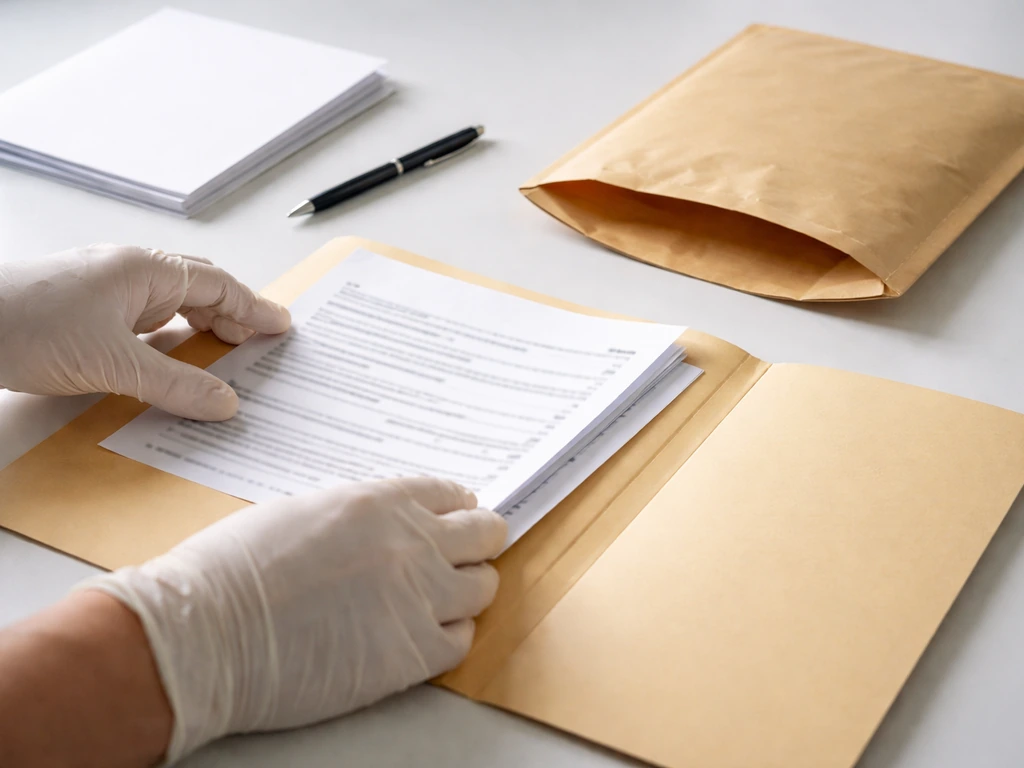
Every person who needs a security clearance must create their own CTLS account and submit a security clearance application. Health Canada will then review that information alongside security check results. The security clearance fee is $1,654 per application, and it is non-refundable regardless of outcome. Do not submit security clearance applications for people who have not yet agreed to take on a regulated role, because you will not get that fee back.
Step 3: Submit through CTLS and follow up with your site evidence package
Once your licence application is submitted through CTLS, Health Canada requires you to send your site evidence package within 10 business days. This package demonstrates your physical security measures and Good Production Practices. Based on guidance from provincial resources, this package is typically submitted to Health Canada on a USB drive. Missing the 10-business-day window or sending an incomplete package will stall your application.
If your operation is located within a First Nations, Inuit, or Métis community, Health Canada handles those applications through a dedicated email address rather than the standard CTLS flow, so check that pathway before starting your submission.
Step 4: Receive your invoice and pay
After submitting a licence application or security clearance application, Health Canada sends an invoice by email to the responsible person. All transactional fees are non-refundable once submitted. If you are applying for a combined licence (for example, a sale for medical purposes licence combined with micro-cultivation, micro-processing, or nursery activities), you may qualify for a lower combined application fee, so check the fee schedule before you structure your application.
Costs, timelines, and what happens after you are approved
The most concrete published fee is $1,654 per security clearance application. Application fees vary by licence type and combination, and Health Canada publishes its Cannabis Fees Order guide with the current fee schedule. Beyond the application fee, you will also be subject to annual regulatory fees once licensed. Health Canada's rule here is strict: even if your licence expires partway through a fiscal year, if it was valid for at least one day during that year, you are considered a licence holder and must pay the annual regulatory fee for that year.
Processing timelines are not officially guaranteed and can vary significantly based on application complexity, completeness of your submission, and Health Canada's current workload. Incomplete applications, discrepancies in documents, or OSP inconsistencies are the most common causes of delays. There is no publicly published average timeline, which is frustrating, but the practical reality is that well-prepared, complete applications move faster.
Once you are approved, you cannot start producing until you have both a licence from Health Canada and a licence from the Canada Revenue Agency. These are separate federal requirements that must both be in place before production begins.
Ongoing compliance obligations
CTLS is not just for getting your licence. After approval, you use it to submit monthly tracking reports, amendments, and renewal applications. If you make changes to your Organizational Security Plan, you must email Health Canada at [email protected] within 5 days of making the change. This is a hard deadline, not a soft guideline.
Licence renewals require your application to reach Health Canada at least 3 months before your licence expiry date. You also need to have paid all outstanding fees, including the annual regulatory fee, before a renewal will be processed. Missing the renewal window puts your operation at legal risk, so build reminders well in advance of expiry.
Health Canada has a published compliance and enforcement policy for the Cannabis Act that outlines how non-compliance is handled. It is worth reading once you are licensed so you understand what enforcement looks like and what triggers an inspection or warning. The scale of Canada's licensed industry is significant. Understanding the landscape of Canada's largest legal grow operations gives you a sense of the range of compliance environments that Health Canada oversees, from massive facilities to small micro-cultivators.
Where to find the current official requirements
The single most important place to start is Canada.ca. Health Canada maintains dedicated pages for each licence type with checklists, the CTLS user guide, the Cannabis Fees Order guide, and the overview of the application process. Regulations change, and fees are updated regularly, so always go to the source rather than relying on third-party summaries (including this one) for exact current requirements.
For commercial applicants in Ontario, it is also worth checking provincial and municipal requirements alongside the federal process. The list of legal grow-ops in Ontario illustrates what the licensed landscape looks like at the provincial level, and understanding which facilities already hold licences in your area can inform your planning around zoning and municipal approvals.
Key Health Canada resources to bookmark and check directly:
- The CTLS Getting Started Guide and User Guide on Canada.ca
- The Cannabis cultivation, processing, sale for medical purposes: Overview of the licence application process page
- The Cannabis Organizational Security Plan page
- The Cannabis Fees Order guide for current transactional and annual fees
- The Compliance and enforcement policy for the Cannabis Act
- The Updates for cannabis and industrial hemp page for fee and OSP requirement changes
Common mistakes that delay or derail applications
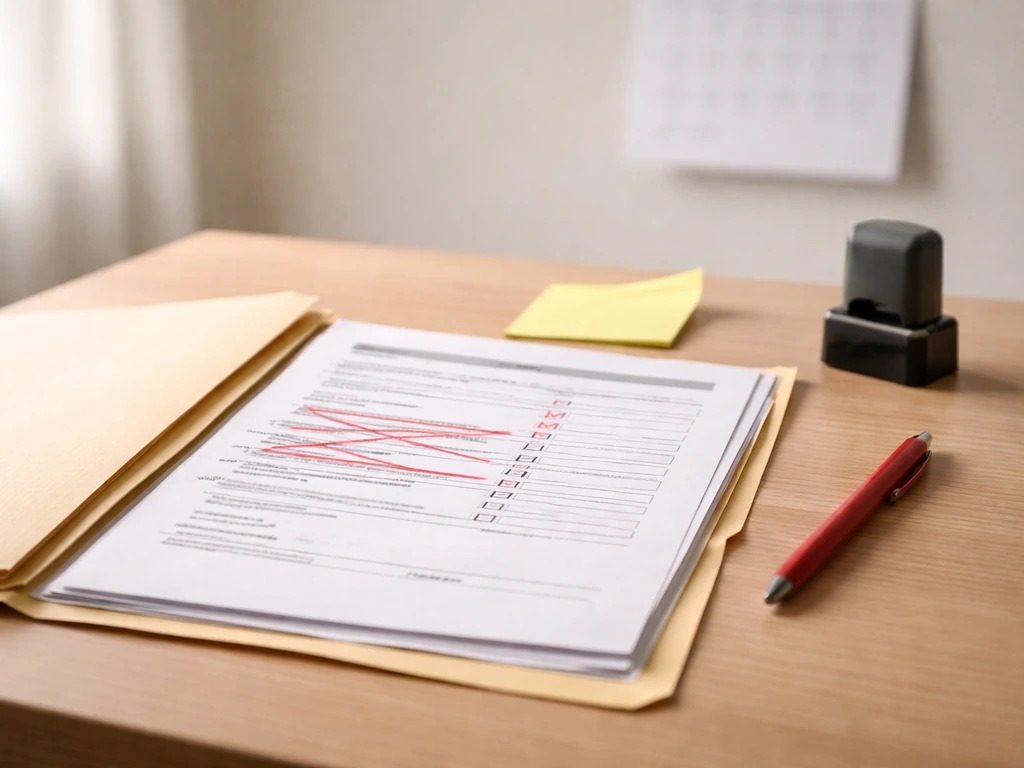
Health Canada explicitly warns that discrepancies and inconsistencies in your submission cause delays. Here are the specific mistakes that come up most often based on the application guidance:
- Submitting a site evidence package more than 10 business days after your CTLS submission, or submitting it incomplete
- Using unofficial or generic job titles in your organizational chart instead of Health Canada's required role names (responsible person, head of security, master grower, QAP)
- Applying for security clearances for people who are not yet committed to a regulated role, wasting the non-refundable $1,654 fee
- Including OSP sections that do not apply to your licence type (micro-cultivators and sole proprietors should only include what is relevant to their operation)
- Not following Health Canada's document naming convention, which makes submissions harder to process
- Starting production before both Health Canada and CRA licences are in place
- Missing the 5-day window to notify Health Canada of OSP changes
- Missing the 3-month-before-expiry renewal application deadline
- Ignoring the annual regulatory fee obligation even after a licence expires mid-year
One last practical note: this article is a compliance information guide, not legal advice. The rules around cannabis licensing are detailed, and the consequences of getting them wrong are real. If you are pursuing a commercial licence, working with a consultant or lawyer who has direct experience with Health Canada cannabis applications is worth considering, especially for your first application.
FAQ
If I want a “health canada grow license” for a small commercial site, which licence class should I consider first (micro-cultivation, nursery, or standard cultivation)?
Start by mapping your intended activities (growing only, growing plus propagation, or growing at a larger scale) to the licence class descriptions, then check whether your planned indoor and outdoor footprint fits micro-cultivation limits. Micro-cultivation is often the best fit for small first projects, but choosing the wrong class can force a later amendment that costs time, especially because the security plan roles and site evidence expectations still need to match your actual setup.
Does a person on my organization chart need to be security-cleared even if they are not doing regulated tasks day to day?
If their role corresponds to an official regulated position under the Organizational Security Plan (OSP), they generally need to be part of the security clearance process even if their day-to-day duties look minor. A common mistake is listing someone in a required role “temporarily,” then having to replace them later, which can trigger rework and delays because personnel and OSP details must stay consistent with what you submitted.
What happens if I realize my CTLS application has errors after submission, for example a mismatch between the OSP and the site evidence package?
Expect delays, because Health Canada cross-checks organizational and personnel details against what you submit. Fixing errors is not as simple as uploading a corrected file later, since inconsistencies can stall review of the whole package. The practical move is to prevent mismatches up front by doing a line-by-line consistency check across (1) CTLS entries, (2) the OSP titles and reporting lines, and (3) the physical security descriptions in the site package.
How strict is the 10-business-day deadline to send the site evidence package after CTLS submission?
It is treated as a hard operational deadline, so do not plan to “wait and see.” In practice, late submissions often stall the application because review cannot begin without the site evidence package. If you anticipate delays, prepare the site evidence package before you submit CTLS so you can send it promptly and ensure it includes all required components.
Do I need to submit a security clearance application before I submit the main licence application?
Usually you should only submit security clearances for people who have already agreed to take the regulated roles you listed in the OSP. Submitting too early for a role that later changes can create extra expense because the clearance fee is non-refundable, and replacing personnel can cause additional inconsistency issues during review.
Can I start building my facility or ordering equipment before I receive both Health Canada and CRA approvals?
You may be able to do some preparatory work, but you cannot start production until you hold both the Health Canada cannabis licence and the Canada Revenue Agency requirement. To avoid compliance problems, separate “construction and commissioning” activities from “production,” and confirm with your licensing counsel or consultant where your specific activities fall on the compliance timeline.
What should I do if my licence is close to expiry, but I cannot gather documents for renewal on time?
Plan for renewal well in advance, because you generally need to file at least 3 months before expiry and also resolve any outstanding fees before processing starts. If you miss the window, you risk an operational gap that can put your activity in a non-compliant state, so build internal reminders for fee payments and document readiness early, not just the CTLS submission date.
If I change something in my OSP after approval, how do I ensure I meet the 5-day reporting requirement?
Treat the 5-day deadline as the point where you have already finalized the change, not the point where you are still collecting details. Create an internal checklist so when you update personnel responsibilities or security procedures, you immediately prepare the email to Health Canada with the new information, and keep the CTLS OSP and your operational reality aligned.
Are there additional federal steps beyond the CTLS licence application and the site evidence package?
Yes, at minimum you must ensure security clearance applications are completed for the relevant regulated roles, and you must complete monthly reporting and any amendments through CTLS after you are licensed. Also confirm you can meet tracking and operational reporting requirements early, because systems readiness is often overlooked until after approval.
For First Nations, Inuit, or Métis community applications, is CTLS always the correct submission route?
Not necessarily. If your operation is located within a First Nations, Inuit, or Métis community, Health Canada may handle the application through a dedicated email pathway instead of the standard CTLS flow. A common mistake is starting in CTLS assuming it is universal; confirm the correct process before you create accounts and submit any initial materials.
Do combined licence fees always work out in my favor, or can I lose cost savings by combining?
Combined licences can reduce certain application fees, but the savings depend on the specific combination and the work you actually plan to do under that licence. Before combining, confirm that your operational scope truly matches the combined activities, because if you later need a different structure, amendment or reconfiguration work can outweigh any initial fee difference.
Next Article
How to Get a Micro Grow License in Canada: Step-by-Step
Step-by-step on getting a Canadian micro-cultivation cannabis licence, eligibility, costs, timelines, and compliance bas