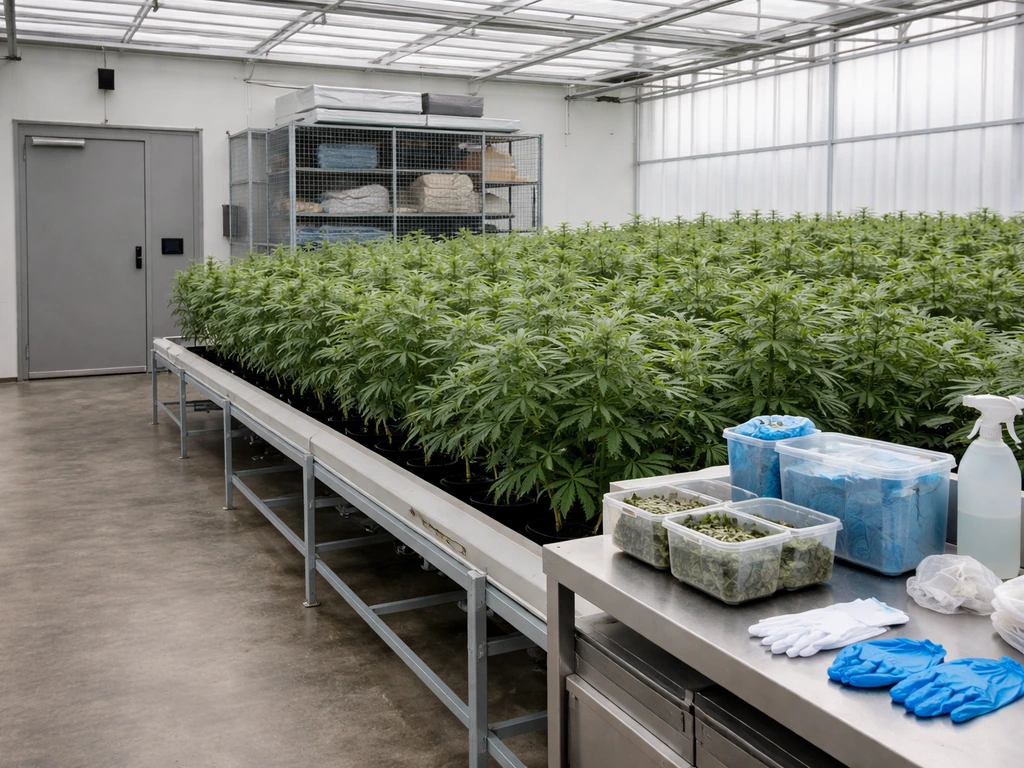
To legally grow cannabis for a dispensary in Colorado, you need a state-issued Retail Marijuana Cultivation Facility license from the Colorado Marijuana Enforcement Division (MED), plus approval from your local jurisdiction. That license gives you the legal right to cultivate, harvest, and transfer cannabis to licensed retail dispensaries and other marijuana businesses. There is no shortcut: you cannot supply a dispensary without holding your own cultivation license, and you cannot start growing commercially until both your state license and local approval are in hand. Colorado’s regulations for cultivation expressly condition establishment operations on relevant local jurisdiction approval and state that the business cannot operate before that approval is obtained blank" rel="noopener noreferrer">cannot start growing commercially until both your state license and local approval are in hand.
How to Grow for a Dispensary in Colorado: Licensing Steps

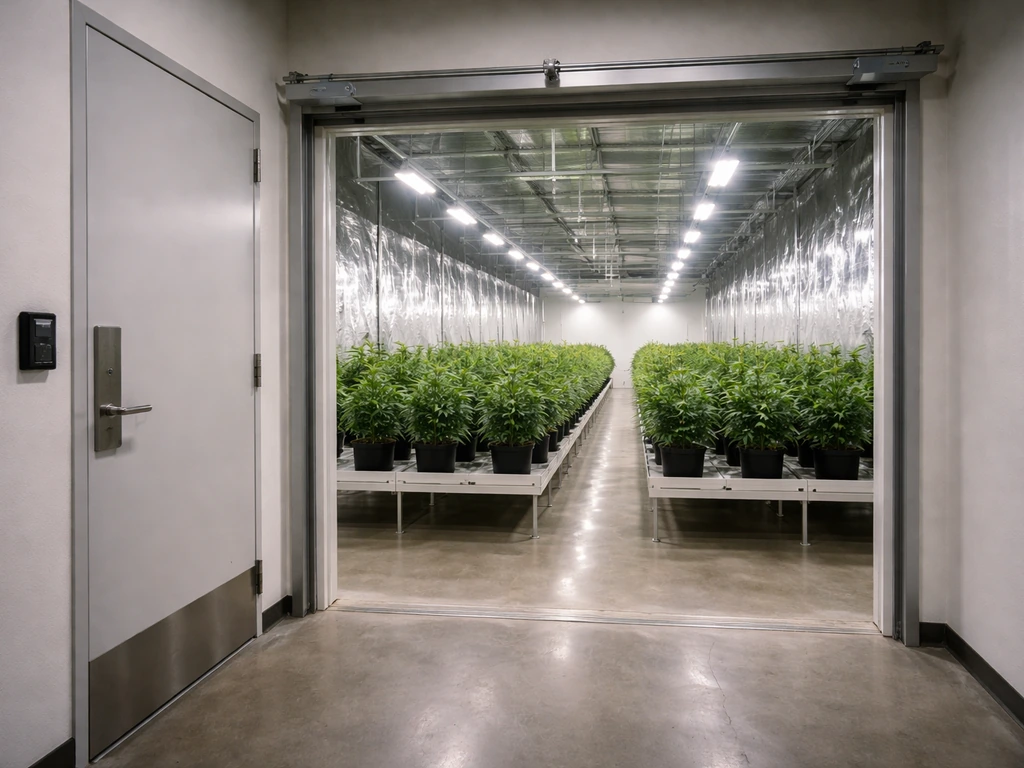
Colorado cannabis cultivation licensing basics for dispensaries

Colorado's cannabis licensing system is run by the Marijuana Enforcement Division, which sits under the Department of Revenue. The MED issues licenses by category, and the category that lets you grow cannabis to supply a dispensary is the Retail Marijuana Cultivation Facility license. There is a parallel Medical Marijuana Optional Premises Cultivation (OPC) license if you want to supply a medical dispensary, but most new applicants today are targeting the retail market.
Here is what is important to understand from the start: a cultivation license does not give you retail sales privileges. If you want to eventually sell directly to consumers, that requires a separate retail store license. The cultivation license strictly covers growing, harvesting, processing for transfer, and moving product to other licensed businesses. Keep those lanes separate in your planning.
Colorado also recognizes a two-tier approval system. You need state MED approval AND local municipality or county approval. Some local jurisdictions allow cannabis businesses and some do not. Boulder, Denver, Pueblo, and several other cities have active local licensing programs. If your target location is in a jurisdiction that prohibits cannabis cultivation, no amount of state-level work will get you licensed there. Check local rules before you sign a lease.
Choosing the right license type, structure, and plant counts
The standard path is the Retail Marijuana Cultivation Facility license. Within that, there is also an Accelerator Cultivator license category, which is a sort of incubator structure where an established licensee supports a newer business. Unless you are specifically entering that program, you are looking at the standard cultivation facility license.
Plant counts are tied to production management rules under Colorado's retail regulations (specifically the R 506 production management framework). Colorado sets plant-count tiers, and the state can adjust industry-wide limits at its discretion based on market conditions. When you apply, you will indicate the plant count tier you are seeking. Higher tiers typically mean larger fees and potentially more scrutiny of your facility. Start with a realistic plant count that your space and budget can actually support.
On ownership structure: every person with a direct or indirect financial interest in the cultivation business must be disclosed to the MED and go through a suitability review. That includes owners, managers, and anyone with a financial stake. Colorado requires each owner to obtain a separate MED Owner License, which involves a background check and fingerprinting through a state-approved third-party provider. The MED will not even accept your business application without the fingerprint receipt on file. If you have investors or business partners, get them into the fingerprinting process early because it is a common bottleneck.
One structural decision worth thinking through carefully: if you plan to operate a cultivation facility and a retail dispensary under common ownership (vertically integrated), Colorado does allow that, but both license types have their own applications, fees, and approval processes. The rules around transfers between commonly controlled premises have specific requirements, so plan for that paperwork from day one.
Building a compliant grow setup (facility, security, environment, SOPs)
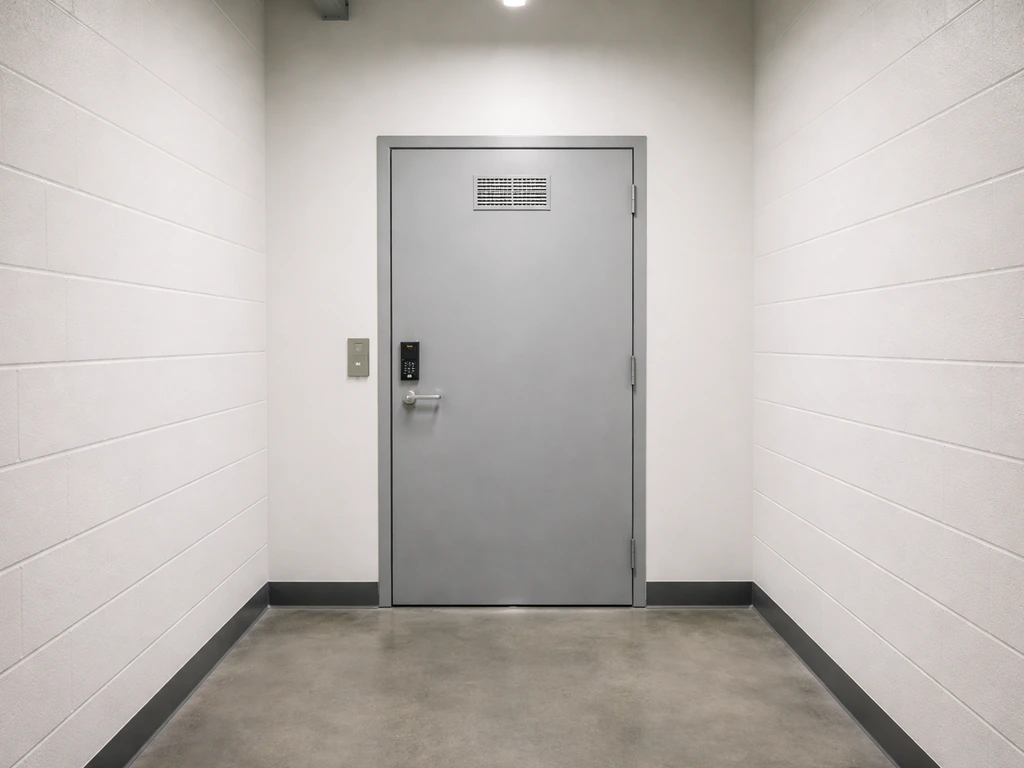
Facility requirements
Your grow space must be a Licensed Premises with clearly defined Limited Access Areas. Every area where cannabis is cultivated, stored, or processed must be physically separated from any non-licensed area. That means locked, controlled access doors, signage, and a layout that inspectors can clearly verify. The premises boundaries you define on your application are what you are held to, so map them carefully and do not cut corners with temporary barriers.
Security requirements
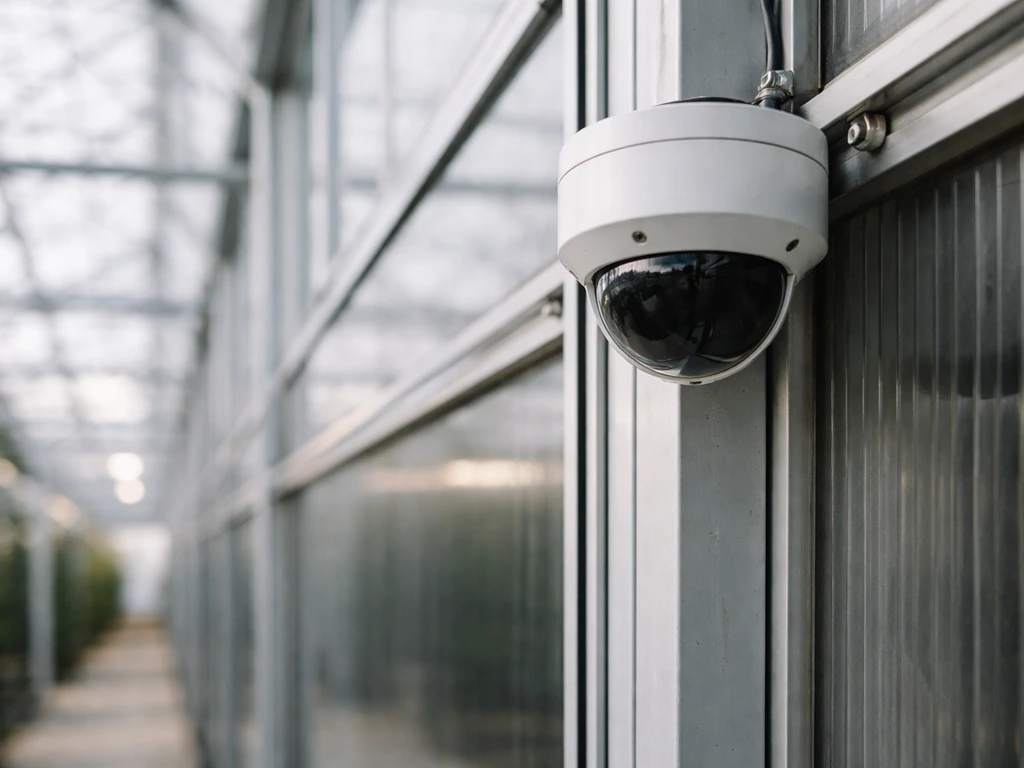
Colorado requires a fully operational video surveillance and camera recording system installed and running before you open. Colorado’s CCR includes a dedicated security rule section for video surveillance, R 306, which sets video surveillance requirements and its statutory basis/purpose video surveillance and camera recording system. Cameras must cover all Limited Access Areas, entrances, and exits. Footage must be stored for a minimum retention period as specified in the rules. You also need a security alarm system that meets Colorado's lock and alarm standards, including for outdoor and greenhouse cultivation facilities. The MED will inspect your security setup before or shortly after licensure, so this is not something to install at the last minute.
For outdoor or greenhouse operations, the security rules require the cultivation area to qualify as a Limited Access Area with appropriate fencing and access controls. Do not assume an outdoor grow gets a pass on security requirements; the rules specifically address those facility types.
Environmental controls and cultivation practices
Colorado's health and safety rules for cultivation include detailed requirements around pesticide use. If you apply any pesticide to plants or within the licensed premises, you must document it. That means keeping records of the product used, application rate, date, and who applied it. This is not optional, and it feeds directly into your compliance documentation that inspectors will review. Colorado maintains a list of approved pesticides for cannabis cultivation; using anything outside that list puts your entire harvest at risk of being rejected at testing.
Standard operating procedures
Write SOPs before you open, not after. You need documented procedures for cultivation activities (planting, watering, feeding, pruning, harvesting), pest and disease management, pesticide application and recordkeeping, waste disposal, inventory tracking, and transfer processes. Inspectors will ask to see your SOPs. More practically, SOPs protect you when staff turn over because the process is documented and repeatable rather than in someone's head.
State-required compliance: tracking, labeling, testing, waste, and recordkeeping
Seed-to-sale tracking with Metrc
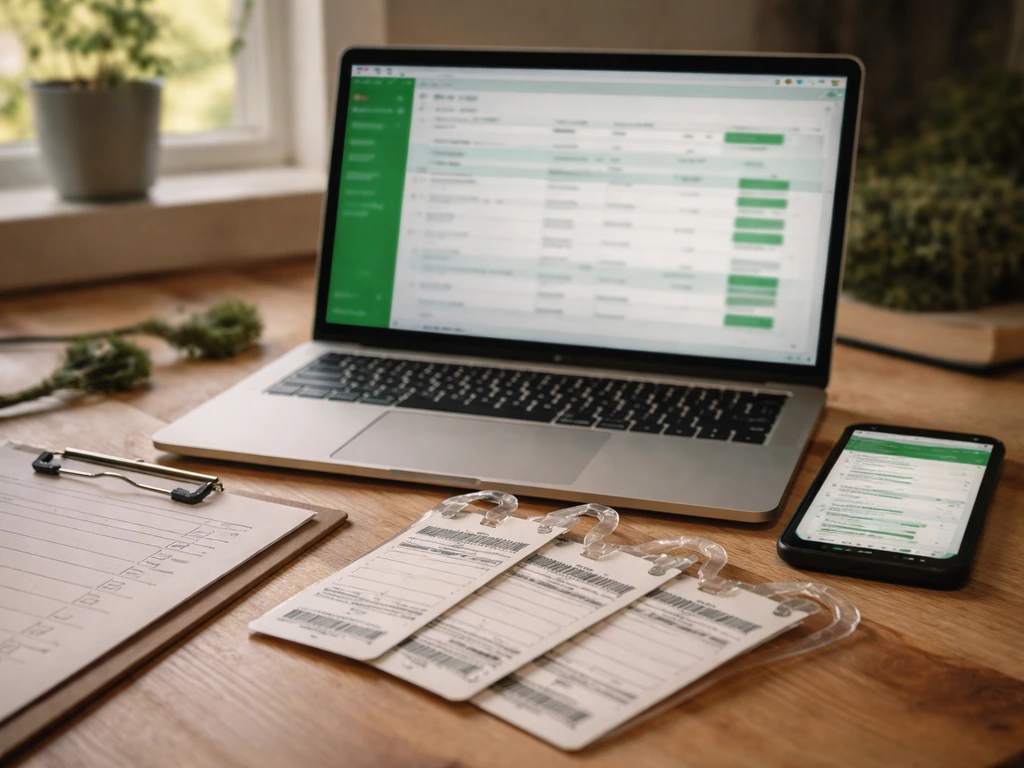
Colorado uses Metrc as its mandatory inventory tracking system, and has since 2013. Every plant, every harvest batch, every transfer, and every disposal must be logged in Metrc in real time. Metrc tags are physical RFID tags that go on every plant above the immature stage. You pay for Metrc tags directly through the Metrc system. There is no opt-out; if it is not in Metrc, it does not legally exist in your inventory. Plan your workflow around Metrc data entry from the very first day plants enter your facility.
Colorado's rules define the Inventory Tracking System as covering cannabis from seed or immature plant stage all the way through sale, transfer, destruction, or any other regulated endpoint, including transfers to testing facilities. That means you are entering data at every single stage. Build Metrc training into your staff onboarding and designate someone responsible for daily Metrc reconciliation.
Testing requirements
You cannot transfer cannabis to a retail dispensary without passing required state testing. You will need a relationship with a licensed Colorado cannabis testing facility before you harvest your first batch. Harvest batches must be sampled and tested for potency, pesticides, microbials, heavy metals, and other required analytes. Failed tests mean the batch cannot be sold; depending on the failure type, it may need to be remediated or destroyed. Budget for testing costs from day one because they are a recurring operational expense, not a one-time thing.
Labeling and packaging for transfers
Colorado's rules are explicit: packaged and labeled cannabis cannot be transferred unless it complies with the state's packaging and labeling requirements. For transfers from a cultivation facility to a retail dispensary, the product must be in compliant containers with required labeling information (including batch number, test results, weight, and required warning statements). The shipping container itself must meet transfer documentation requirements. Do not assume you can hand off a bag of flower and sort out the paperwork later.
Waste disposal
Cannabis waste must be rendered unusable and unrecognizable before disposal. Colorado rules specify approved methods (typically grinding and mixing with non-cannabis waste material). Every disposal event must be logged in Metrc. You cannot just throw plant material in the dumpster. Set up a documented waste disposal workflow and train your staff on it; waste discrepancies are a common compliance finding during inspections.
Recordkeeping
Beyond Metrc, you need to maintain physical or digital records of pesticide applications, employee training, SOPs, security system maintenance, and all transfers. Colorado rules require records to be available for inspection. Keep at least two years of records organized and accessible. A simple shared drive with dated folders by category works fine for smaller operations.
The application process: steps, timelines, costs, and common mistakes
Step-by-step application path
- Confirm your target location is in a jurisdiction that allows retail marijuana cultivation facilities and research local approval requirements before anything else.
- Form your business entity (LLC, corporation, etc.) with the Colorado Secretary of State.
- Identify all owners and financial interest holders; get everyone fingerprinted through a state-approved third-party fingerprint provider and obtain your fingerprint receipts.
- Submit each owner's MED Owner License application with the required fee and fingerprint receipt.
- Prepare your business application through the MED licensing portal, including premises diagrams, security plans, ownership disclosure, operating procedures, and any locally required documents.
- Submit your local jurisdiction application simultaneously or as required by local process (some jurisdictions require local approval before state submission; others run parallel).
- Pay the applicable state application and license fees per the MED's current fee schedule.
- Pass MED suitability review (background checks on all owners and key personnel) and respond promptly to any MED requests for additional information.
- Pass local approval, which may include a public hearing and local inspections depending on your jurisdiction.
- Receive state license, complete final facility inspections, activate your Metrc account, and begin licensed operations.
Timelines and costs
The MED's review timeline is not fixed, but applicants should budget at minimum three to six months from complete application submission to license issuance, and longer if your application has complications or the MED requests supplemental information. Local approval timelines vary widely: a jurisdiction with a public hearing requirement (like Boulder) can add weeks or months to the process. Start early and do not sign a long-term lease that starts ticking before you have any approvals in hand.
Application and license fees are published on the MED's Licenses and Fees page and vary by license type and plant count tier. Budget for both state fees and local fees, which are set independently. Owner license fees and business license fees are separate line items. Check the MED's current fee schedule directly, as fees are updated periodically.
Common mistakes that kill applications
- Incomplete ownership disclosure: failing to list every person with a financial interest, including silent investors.
- Missing or late fingerprint receipts: the MED will not process your application without them.
- Premises diagrams that do not clearly delineate Limited Access Areas from public or non-licensed spaces.
- Applying to a jurisdiction that does not permit cultivation facilities.
- Underestimating the local approval timeline and running out of runway on a lease.
- Inconsistent information between state and local applications.
- No operating procedures or security plan submitted with the application.
Operational readiness: staffing, standard operating procedures, and inspections
Every employee who works in the Licensed Premises (any area where cannabis is present) must have a valid MED employee badge. This requires each employee to complete an MED occupational license application and pass a background check. Budget extra time for onboarding new hires because they cannot work in the grow space until their badge is approved. Do not let unbadged employees into Limited Access Areas; that is a compliance violation with real consequences.
Your SOPs are not just paperwork for inspectors; they are your operational backbone. At minimum, write procedures for: plant tagging and Metrc entry at each stage, harvest and batch creation, pesticide application and documentation, waste disposal, transfer preparation and manifesting, security system testing and log maintenance, and employee training records. Review and update SOPs when the MED issues rule changes.
The MED conducts both announced and unannounced inspections. Inspectors will check your Metrc records against physical plant counts, review your security footage system, verify employee badges, and look at your SOPs and pesticide records. The best preparation is to run your operation every day as if an inspector is about to walk in, because sometimes they are. Keep your Metrc entries current, your waste logs up to date, and your premises clean and organized.
Ongoing compliance and how to scale production legally
Your Colorado cultivation license is not a one-time approval. Licenses require annual renewal, which involves paying renewal fees per the MED's fee schedule and confirming that your business information, ownership, and premises are still accurate. Any material change to your operation (new owners, new financial interest holders, premises changes, plant count tier changes) requires MED approval before the change happens, not after. Notify the MED proactively; unreported changes are one of the most common ways operators get into compliance trouble.
If you want to scale up your plant count, that requires applying to move to a higher production tier. The MED can also adjust industry-wide plant count limits based on market conditions, so stay current on rule changes. The MED publishes rule updates and the Colorado Secretary of State's CCR site maintains the current version of 1 CCR 212-2 (Retail Marijuana Rules), which governs your cultivation facility. Bookmark those and check them at least quarterly.
Adding a new grow location means a new licensed premises application and a new local approval process. You cannot simply expand your footprint into an adjacent suite without amending your premises or applying for a new license. The same applies if you want to add a retail or manufacturing license to your portfolio: each license type is a separate application with its own fees and requirements.
One practical scaling note: as you grow, the complexity of Metrc management scales with you. An operation running hundreds of plants across multiple rooms with multiple employees entering data needs a designated compliance manager or at minimum a very clear internal Metrc workflow. Metrc discrepancies found during inspections can result in warnings, fines, or license suspension depending on severity. Invest in compliance infrastructure before you need it, not after a violation.
If cost is a major factor in your planning, the related topic of Colorado grow license costs breaks down the fee schedule in more detail and is worth reviewing alongside this guide. And if you are still in early research mode comparing how Colorado's commercial cultivation licensing compares to the broader landscape of how to legally grow for dispensaries across states, that context can help frame how Colorado's dual state-and-local approval system fits into the national picture. If you are specifically looking at psilocybin grow kits, make sure you understand Colorado’s current legality and licensing rules before buying or attempting to cultivate psilocybin grow kits legal colorado.
FAQ
Can I start preparing my grow space before my MED license and local approval are final?
You can do general buildout and planning, but you cannot begin regulated cultivation activities or treat product as regulated cannabis until you hold the correct state license and have local approval. Keep construction and any “pre-grow” work separate from activities that would imply you are operating under a license, and confirm with the MED how your timeline affects inspectability and compliance.
What if my municipality approves cultivation, but the county in which the site sits does not (or vice versa)?
Colorado’s local approvals are jurisdiction-specific, so both the relevant municipality and any applicable county requirements must be satisfied where your premises is located. Before you spend heavily on buildout, confirm which authority controls the approval for your exact address, because mixed or overlapping local rules can delay licensing even after the MED application is filed.
How do I choose the right plant count tier if my space and budget are uncertain?
Pick a tier you can maintain consistently, not a theoretical maximum. Higher tiers typically increase compliance expectations and fees, and scaling up later requires a formal tier adjustment. If you are between sizes, plan for buffer capacity so you can keep Metrc entries and inventory reconciliations accurate during staffing changes, renovations, or pest events.
Do I need a cultivation license if I only plan to produce trim or biomass for another licensed business?
If the work involves cultivating cannabis plants or producing regulated product that must be tracked and transferred under the state framework, you generally still fall under the cultivation licensing requirements and Metrc inventory obligations. Before assuming an alternative pathway, confirm whether your activity is treated as cultivation, processing, or manufacturing, because the license category affects what you can legally produce and how you must report transfers.
What are the most common Metrc mistakes that lead to compliance problems?
Frequent issues include delayed tagging, missing harvest batch creation steps, incorrect transfer manifests, and failing to reconcile inventory daily. Also watch for staff handoffs where no one “owns” Metrc data entry. Assign a single accountable person for Metrc reconciliation and require same-day completion for tagging, harvest batching, and transfers.
Can I use contractors for cultivation tasks, and how does that affect employee badges?
Contractors who enter and work in Licensed Premises (areas where cannabis is present) typically need valid MED employee credentials, not just normal employment paperwork. Don’t assume vendor access is exempt. Confirm badge requirements for all contractor roles, and restrict access to Limited Access Areas until their credentials are approved.
Are there requirements for when cameras must be installed and operational?
Yes. Video surveillance generally must be fully operational before you open, and coverage must match Limited Access Areas, entrances, and exits. If your system is installed but not recording reliably (or storage fails), you can still fail inspection. Test recording, verify retention behavior, and document system maintenance logs from day one.
What happens if a batch fails Colorado testing?
A failed test means the batch cannot move forward to retail sale as-is. Depending on the type of failure, you may need remediation steps or you may be required to destroy the product, and both outcomes must be handled through Metrc and documented with supporting records. Build a decision workflow ahead of time that tells staff who requests re-test or initiates disposal.
Do I need a pre-existing relationship with a testing facility before I harvest?
It is strongly practical to establish that relationship so you understand sample handling, turnaround times, and how testing submissions are scheduled. Waiting until your first harvest is ready can create operational delays that complicate inventory management. Confirm submission procedures, required documentation, and any packaging or chain-of-custody steps before the first batch.
What packaging and labeling details should I double-check before transferring to a dispensary?
Verify that every transfer includes compliant container packaging and all required labeling elements for the intended destination, including batch identification and information tied to testing results. Also confirm that the shipping container and transfer documentation align with the state requirements so the dispensary can legally receive and sell the product.
How should I handle cannabis waste when there is a shortage of non-cannabis materials for rendering unusable?
Plan a waste workflow in advance so you always have approved non-cannabis materials available for rendering. Waste rendering must make material unrecognizable and unusable, and each disposal must be logged in Metrc. If you rely on last-minute sourcing, you risk delays and documentation gaps during inspections.
What kinds of changes trigger the need for MED approval before the change happens?
Material changes can include ownership or financial interest updates, modifications to the licensed premises boundaries, changes to your production tier/plant count tier, and other operational changes that affect your licensed activity. Don’t assume “minor” changes are exempt. If it would alter how you operate, update your internal compliance review process and seek approval before executing.
If I expand into additional rooms inside the same building, do I need a new local approval or a premises amendment?
It depends on whether the additional rooms change the licensed premises footprint and Limited Access Areas. In most cases, expanding cultivation areas requires updating the licensed premises description and obtaining approvals accordingly, not just changing internal access controls. Treat expansion as an amendment project, not a simple buildout.
How long should I retain records, and what should be easiest to retrieve during an inspection?
At minimum, keep records for the required multi-year period and organize them so an inspector can quickly trace Metrc activity to physical events, such as pesticide applications, waste disposal, and transfers. Your most “inspection-sensitive” items are Metrc reconciliation logs, SOP versions, security system documentation, and pesticide usage records tied to specific batches.
Can I vertically integrate by operating both cultivation and a retail dispensary, under common ownership?
Colorado allows vertically integrated models, but you must treat each license as separate. Common ownership does not remove separate application requirements, fees, or approval processes. Also plan for transfer compliance between commonly controlled premises, because additional documentation and operational controls apply even when the entities share leadership.
How to Legally Grow for Dispensaries: State Guide
State-by-state guide to legally growing cannabis for dispensaries: licenses, facility rules, security, tracking, testing