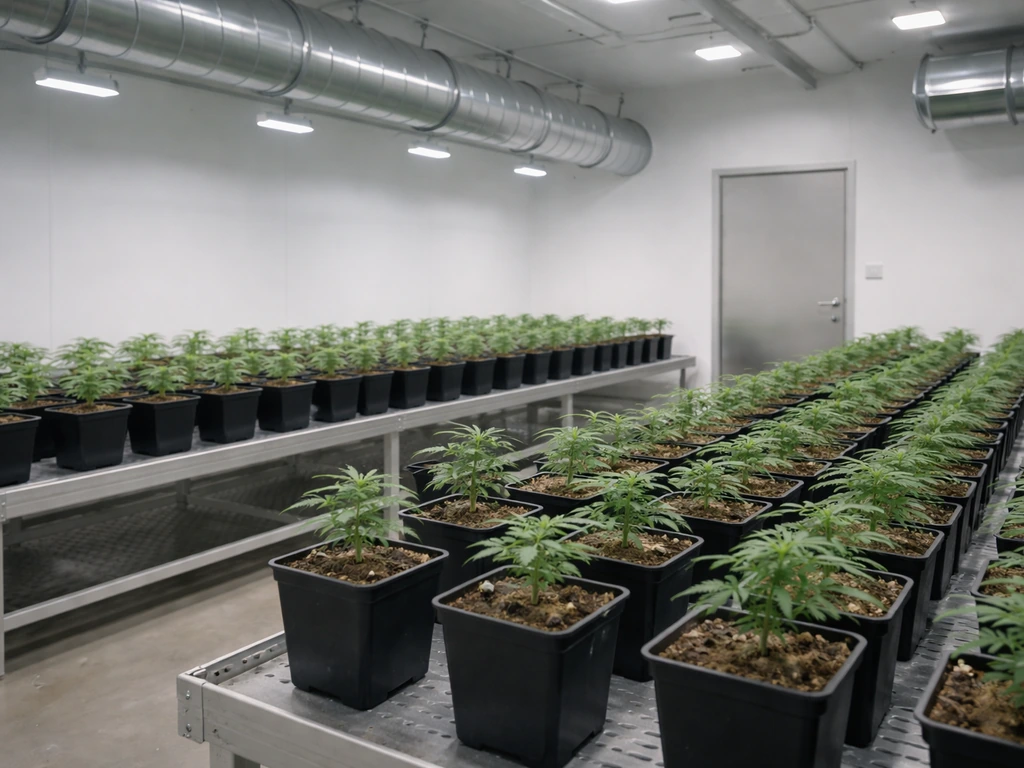
A Colorado cannabis grow license can cost anywhere from a few thousand dollars to well over $10,000 just to get started, depending on the license type and how many plants you plan to run. That range trips a lot of people up because the official fee schedule is only part of the picture. This guide breaks down exactly what you'll pay at each stage, how commercial and medical cultivation fees differ, and what hidden costs tend to catch applicants off guard.
Colorado Grow License Cost: Fees, Budgeting, and Timelines

Marcus Whitley
5 Apr 2026
What Colorado grow licenses are (and which one you need)
Colorado separates cannabis cultivation into two main commercial tracks: medical marijuana cultivation facilities and retail marijuana cultivation facilities. Medical cultivation licenses serve the medical market. Retail cultivation licenses cover adult-use (recreational) sales. Both are regulated under 1 CCR 212-3 by the Colorado Marijuana Enforcement Division (MED), now operating under the Department of Revenue.
Within each track, your plant count determines your license class or tier. Medical facilities use a Class system (Class 1 through higher classes based on plant count). Retail facilities use a Tier system. This distinction matters a lot because your plant count directly determines your fee bracket before you even fill out the first form.
Colorado's regulatory framework also draws a clear line between commercial cannabis activity and non-commercial use. If you're growing plants and selling or transferring them into the supply chain, that's commercial activity and it falls squarely under these licensing categories. Personal home cultivation in Colorado is permitted under state law with its own plant limits, but it does not require a state cultivation facility license. This article is focused on the commercial licensing side.
If your goal is eventually supplying a dispensary, it's worth understanding the full regulatory picture early. Reading up on how to grow for a dispensary in Colorado can help you confirm which license tier matches your actual business model before you start budgeting.
Colorado grow license cost: official fees and typical total expenses

The fee schedule in 1 CCR 212-3-2-115 ("Regulated Marijuana Business Initial Application & License Fees") lays out what you owe at application and at renewal. For medical cultivation facilities, fees are structured by Class and then by Level within that class. For retail cultivation, fees are structured by Tier.
Here's what the fee structure looks like for two common entry-level categories, based on the regulatory fee tables:
| License Type | Plant Count | Fee Level / Notes | Total Due at Application |
|---|---|---|---|
| Medical Marijuana Cultivation Facility – Class 1 | 1–500 plants | Level 1 | $3,050 |
| Medical Marijuana Cultivation Facility – Class 1 | 1–500 plants | Level 2 | $4,600 |
| Medical Marijuana Cultivation Facility – Class 1 | 1–500 plants | Level 3 | $6,100 |
| Retail Marijuana Cultivation Facility – Tier 1 | 1–1,800 plants | Application fee: $300 + License renewal fee: $1,500 | ~$1,800 (initial stage) |
The medical side charges a combined application-and-license fee upfront, which is why those Class 1 totals ($3,050 to $6,100) look higher at first glance. The retail side separates the application fee ($300 for Tier 1) from the license renewal fee ($1,500 for Tier 1), which can make the entry point look cheaper, but renewal costs add up over time. For example, SB 24-076 includes changes to Colorado marijuana cultivation facility renewal periods, including moving renewal structure and adding “double all fees” language tied to the shift from annual to biennial renewals blank" rel="noopener noreferrer">renewal costs add up over time.
Beyond official fees, most applicants also deal with these real-world costs before they ever open their doors:
- State and local background check fees (often $50–$150 per owner/employee requiring a key license)
- Local municipality licensing fees (cities and counties often require their own separate approval and fees)
- Attorney or consultant fees for application preparation (common range: $1,500–$5,000+ for a full commercial application)
- Facility build-out and compliance costs to meet MED physical requirements before inspection
- Seed-to-sale tracking system setup costs (Metrc is Colorado's required system; there are integration and subscription costs)
- Renewal fees annually or biannually, which vary by class/tier and will increase if you grow your plant count
When you add it all up, a realistic first-year budget for a small commercial cultivation operation in Colorado typically runs $15,000–$40,000+ before you factor in equipment, inventory, and staffing. The license fee itself is just one slice of that.
Commercial vs other grow license costs in Colorado
The biggest cost split in Colorado cultivation licensing is between the retail (adult-use) track and the medical track, not between "commercial" and "non-commercial." Both tracks are fully commercial in the regulatory sense. The difference is your market.
Medical cultivation tends to carry higher upfront fees at the lower plant-count brackets. A Class 1 medical facility at Level 1 costs $3,050 at application, compared to roughly $1,800 in combined fees for a Retail Tier 1 at the initial stage. However, medical licensees may have access to different market channels and price points that can offset those costs depending on your business case.
Retail cultivation fees scale by Tier, and the fee schedule extends well beyond Tier 1 as your plant count climbs. If you're planning a larger operation from the start, the Tier 2 and above fee columns are worth modeling carefully before you pick your plant count target.
One more thing to know: Colorado allows licensed cultivators to hold both a medical and a retail license, but that means paying fees on both tracks. If you're planning dual-track operations, budget accordingly. If you're only serving one market, pick the track that fits and avoid paying double.
For anyone interested in supplying dispensaries specifically, the licensing path overlaps significantly with what's covered in this guide on how to legally grow for dispensaries, which goes deeper into the supply chain compliance side.
How plant count and operation size can change what you pay
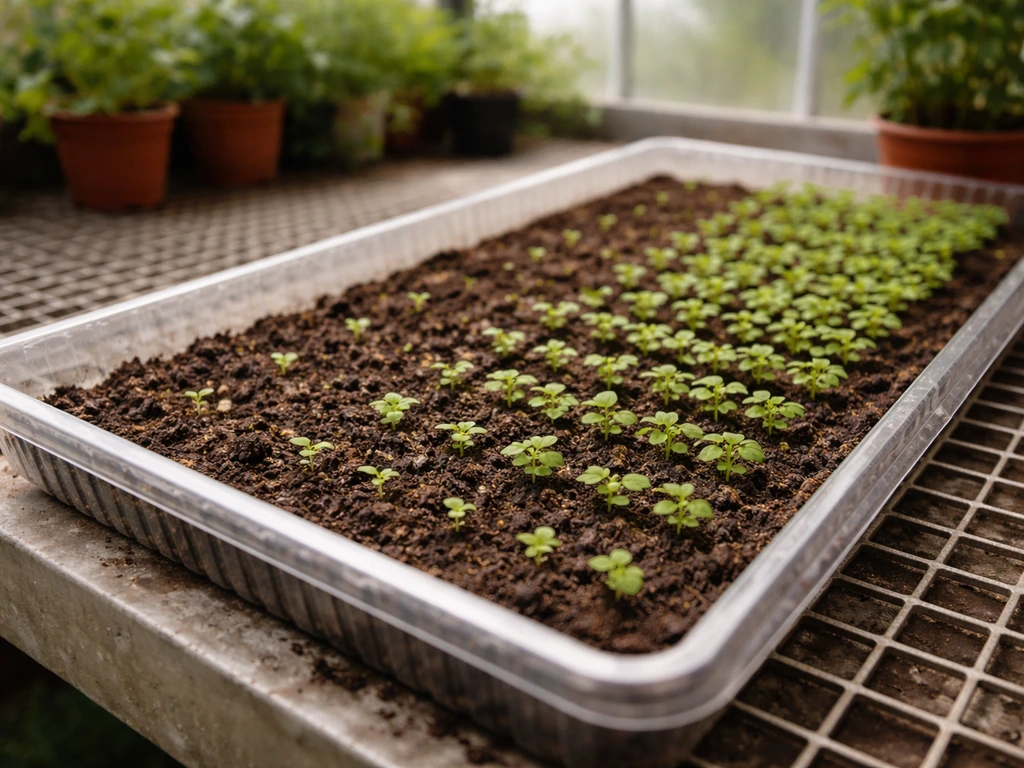
Colorado's fee structure is explicitly built around plant count brackets. This is one of the most important things to understand before you apply, because underestimating or overestimating your canopy can either leave you scrambling for a license amendment or paying for capacity you won't use.
On the medical side, Class 1 covers 1–500 plants, but even within that class there are multiple Levels with different fee totals ($3,050, $4,600, and $6,100 for Levels 1 through 3 respectively). Each Level likely corresponds to a sub-bracket within the class. On the retail side, Tier 1 covers 1–1,800 plants, which is a much broader entry bracket. That means retail growers can scale up significantly before triggering a tier change and the corresponding fee increase.
If you're planning to start small and grow later, factor in the cost of a license amendment or re-tiering. Amendments are not always free, and moving to a higher class or tier means your renewal fees increase too. Build some headroom into your initial plant count projection rather than applying at the absolute minimum and having to amend immediately.
Local jurisdiction approvals can also be plant-count-sensitive. Some cities and counties in Colorado cap the number of plants they'll permit at the local level, which can be more restrictive than the state tier you qualify for. Always check local rules alongside state fee tables.
How the application process works and where costs show up
Colorado's commercial cultivation application runs through the MED's online licensing system. Here's how costs tend to appear at each stage:
- Pre-application: background check fees for all owners and managers with financial interest (paid to the state or a fingerprinting vendor), plus any local municipality pre-application or zoning review fees.
- Application submission: the application fee component of the total-due-at-application amount listed in 1 CCR 212-3-2-115. For medical Class 1, this is embedded in the combined total. For retail Tier 1, the application fee is $300 separately.
- License issuance: the license fee portion is due upon approval. For retail Tier 1, this is the $1,500 renewal/license fee. For medical facilities, the Class 1 fee structure appears to combine both in the upfront total.
- MED inspection: there's no separate per-inspection fee listed in the standard schedule, but failing an inspection and requiring re-inspection can cost you time and any consultant fees associated with remediation.
- Annual or biennial renewal: renewal fees are assessed at each renewal cycle. These match or closely approximate the license fee portion of the initial schedule, and they increase if you've moved to a higher class or tier.
- Ongoing compliance costs: Metrc tag purchases, required training, and any state-required testing fees for products that flow through the supply chain.
The application itself requires documentation of your business entity, premises, security plan, operating procedures, and financial disclosures. Preparing these correctly on the first submission matters because errors or missing documents can delay approval and extend the period you're paying rent on a facility without generating revenue.
Budget smart: tips to avoid fee surprises and verify current pricing

Fee schedules in cannabis regulation change. Colorado updates its rules through the rulemaking process, and fee tables in 1 CCR 212-3 can be amended. The figures in this article reflect the fee structure as documented in the regulation, but you should treat any specific dollar amount as a starting point for your research, not a final quote.
Here's how to make sure you're working with current numbers before you commit:
- Go directly to the Colorado Secretary of State's Code of Colorado Regulations site and pull the current 1 CCR 212-3 document. Look for the section on Initial Application & License Fees (2-115) to get the exact current fee table.
- Check the MED's official website (colorado.gov/mjlicensing) for any fee bulletins, policy notices, or updated fee schedules posted since the last rulemaking cycle.
- Contact your local city or county clerk or licensing office to get their current local licensing fee schedule, since state fees and local fees are separate costs.
- Request a pre-application meeting with the MED if you have a complex ownership structure or an unusual facility layout — these meetings can surface compliance issues before you pay your application fee.
- Get at least two quotes from cannabis compliance consultants if you're not experienced with Colorado's application process. A good consultant can save you more than their fee by preventing mistakes that cause re-applications.
- Build a 20–30% contingency into your first-year licensing budget to absorb unexpected local fees, amendment costs, or compliance remediation.
One more thing: Colorado's cannabis licensing landscape is distinct from other regulated substances. If you've come across information about other types of cultivation licensing in Colorado, such as the emerging area of psilocybin grow kits legal in Colorado, know that those fall under an entirely separate regulatory framework and the fees, rules, and agencies involved are different from cannabis cultivation licensing.
Getting your license cost estimate right from the start saves you from the worst-case scenario in this industry: running out of operating capital before your first harvest. Take the time to pull the current fee schedule, talk to your local jurisdiction, and model the full first-year cost before you sign a lease or submit an application.
FAQ
If my plant count changes after I apply, will my colorado grow license cost change too?
Yes. If your actual canopy ends up above your originally approved plant count, you may need to pursue an amendment or re-tiering/class adjustment. That can trigger higher future renewal fees and additional compliance steps, so it helps to build your first-year plant count projection with headroom (for example, target a level that you can reliably stay under even if you phase-in grows).
How should I budget for renewal if I am focused on colorado grow license cost in year one?
For budgeting, treat renewal as a separate line item from the initial application. The article explains how retail Tier 1 splits application and renewal fees, and the same structure continues as tiers rise. A common mistake is underestimating the timing risk, because any delay that pushes operations past your expected start can extend how long you are paying carrying costs before renewals or additional compliance work.
If I want a dual medical and retail license, what additional costs should I expect beyond the fee totals?
A dual medical plus retail plan usually means paying for both tracks, but it also increases the compliance workload, which can create indirect costs like consultants, security updates, and operational paperwork. Even if you save on one set of fees through your plant count choice, the combined obligations across both licenses can outweigh that savings.
Can local rules override my state tier and affect my colorado grow license cost estimate?
You should assume your local jurisdiction can be more restrictive than the state tier you qualify for. Even when state law allows a given class or tier based on plant brackets, a city or county may cap plants, require separate approvals, or slow down authorization timelines, which can force you to rent, staff, or prepare longer before you can use the full canopy you planned.
What is the best way to estimate plant count so I do not pay the wrong tier or class?
Not necessarily. The article calls out that license classes and tiers are plant-count driven, but your actual plant count, facility setup, and operational model determine which bracket you land in. Before you budget, map your cultivation approach (for example, whether you plan staged starts, perpetual harvest, or fixed cohorts) to a conservative “never exceed” plant count to avoid an amendment.
Do application mistakes meaningfully change my colorado grow license cost in practice?
Yes, preparation delays can raise your effective cost even if the official license fees stay the same. Missing or incorrect items in the first submission, like security plan details, operating procedures, or financial disclosures, can extend the period you pay for premises without earning revenue, and it can also increase the amount of professional support you need after the initial review.
How do I make sure I am using the correct current fee schedule for my colorado grow license cost estimate?
Fee tables can change through rulemaking. The article notes that figures should be treated as a starting point, so your safest approach is to confirm the most current 1 CCR 212-3 fee schedule right before you submit, and also check for any update that might apply on the application date versus the decision date.
What “hidden” costs related to compliance should I include in addition to the license fees?
Operating under a state cultivation license still requires meeting regulatory compliance expectations, and noncompliance can lead to restrictions or delays that impact revenue timing. If you are budgeting, include a realistic compliance contingency for things like security upgrades, documentation updates, and inspections preparation, because those can be recurring even when fees are one-time or annual.
Next Article
How to Get a Micro Grow License in Canada: Step-by-Step
Step-by-step on getting a Canadian micro-cultivation cannabis licence, eligibility, costs, timelines, and compliance bas