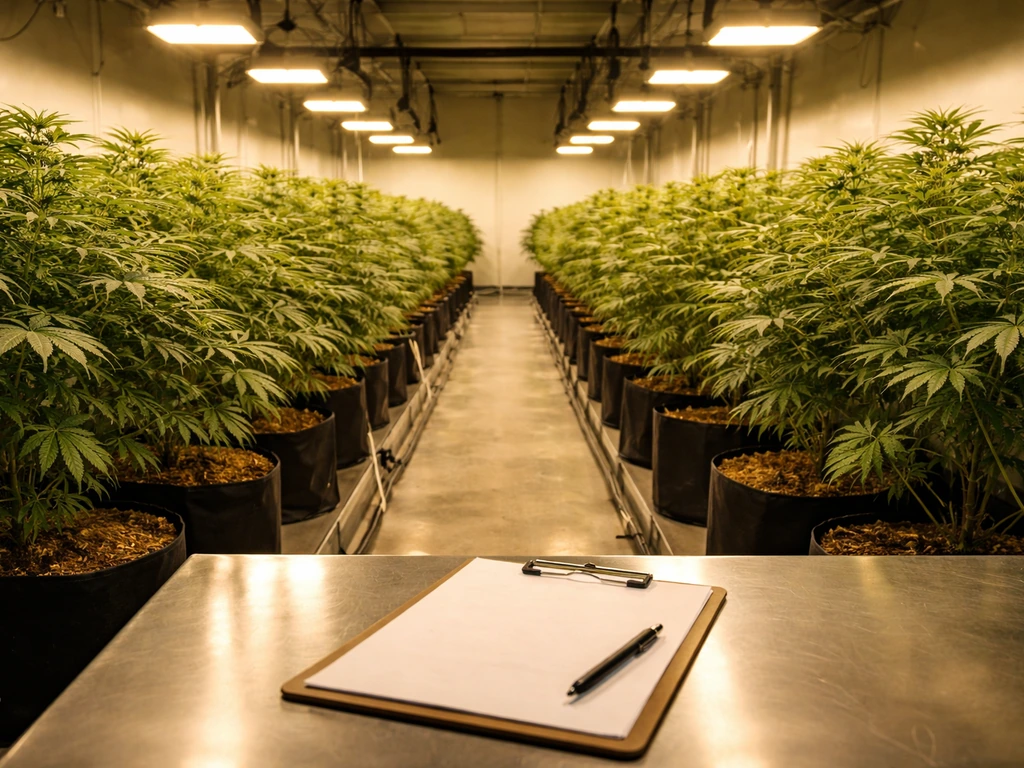
To commercially grow cannabis in Alaska, you need a marijuana cultivation facility license issued by the state's Alcohol & Marijuana Control Office (AMCO). There are two tiers: a limited cultivation facility license (under 500 square feet under cultivation, $1,000 annual fee) and a standard cultivation facility license (500 square feet and above, $5,000 annual fee). You apply online through AMCO's portal, submit a detailed operating plan, get local government sign-off, and go through board review before you can grow a single plant for sale. This guide walks you through every step.
Commercial Grow License Alaska: Step by Step Application Guide

Marcus Whitley
23 Apr 2026
Quick note before we dig in: this guide is designed to demystify Alaska's commercial cannabis cultivation licensing process and help you avoid common mistakes. It is not legal advice. For complex ownership structures, background issues, or zoning disputes, consult a licensed attorney familiar with Alaska marijuana law.
What 'commercial grow license' actually means in Alaska
Alaska does not use the phrase 'commercial grow license' in its regulations. What you are looking for is a marijuana <a data-article-id="CD54E7A4-EAA6-4EA0-85BA-E1FF86E7206A">cultivation facility license</a>. This is the license that authorizes you to cultivate, harvest, package, and label marijuana within a licensed premises, and to sell that marijuana to other licensed marijuana establishments (like retailers or product manufacturers). You cannot sell directly to consumers with this license.
The two license types split on cultivation space: if you plan to operate with fewer than 500 square feet under cultivation, you qualify for the limited license. Everything at or above 500 square feet falls under the standard license. The square footage refers to the area actually under cultivation, not the total footprint of your facility.
Plant counts and canopy details matter too. Alaska's regulations under 3 AAC 306.405 address plant-count rules for cultivation facilities, and AMCO has issued administrative code changes specifically around plant counts for new facilities. Your operating plan needs to reflect realistic numbers that align with your licensed canopy space, because inconsistencies between your plan and your licensed premises are a fast path to a compliance problem.
Cultivation can happen indoors, in a greenhouse, or outdoors, but each format comes with specific physical requirements (more on that in the premises section). The license scope is tied to the physical address of your licensed premises, so you cannot grow at an unlicensed location, even temporarily.
The agency that runs this: AMCO and the Marijuana Control Board
Alaska's Marijuana Control Board (MCB) is the licensing authority for marijuana establishments, including cultivation facilities. The day-to-day administration, application processing, and compliance work runs through AMCO, which sits under the Department of Commerce, Community, and Economic Development.
You start your application through AMCO's official marijuana license application page at commerce.alaska.gov. There is an 'Initiate Marijuana Application' link that kicks off the online application process. Do not try to mail a paper application and call it done. The online portal is the required submission channel.
If you have questions before or during your application, AMCO's marijuana licensing contact is [email protected]. Their physical office is at 550 W 7th Avenue, Suite 1600, Anchorage, AK 99501. Email tends to be the fastest way to get a response and creates a written record of any guidance you receive, which is worth keeping.
Who can apply: eligibility and fitness requirements
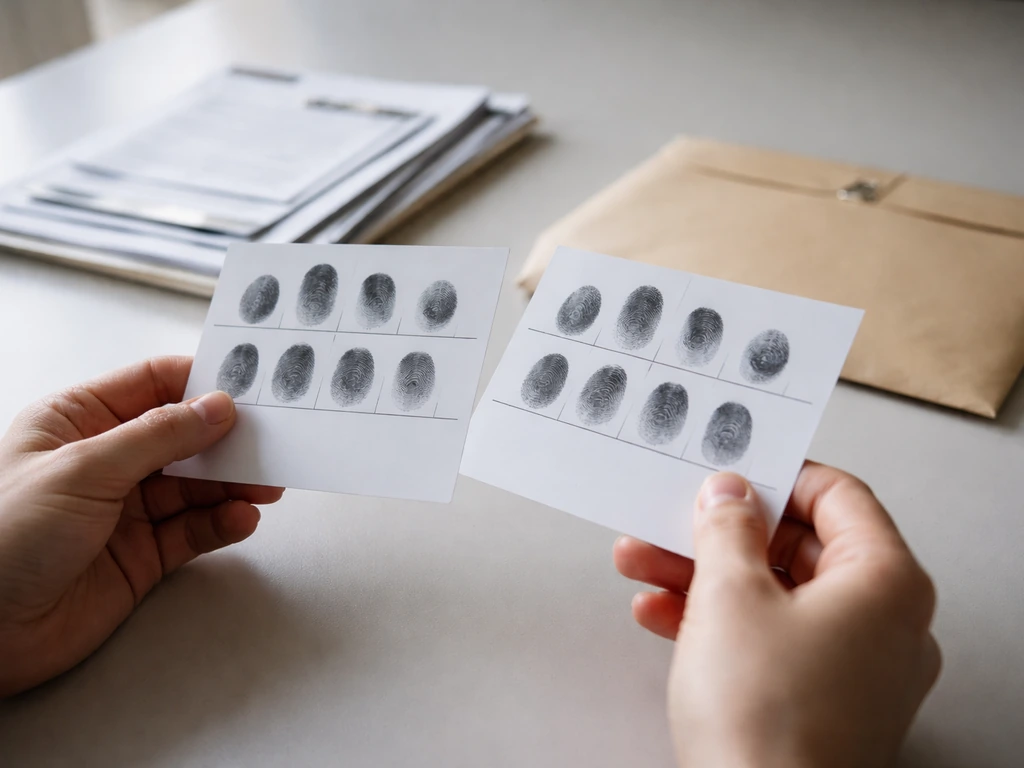
Alaska's licensing framework requires applicants to demonstrate suitability to hold a marijuana license. This is not a rubber stamp. The Marijuana Control Board evaluates whether you, your business partners, and any ownership interests meet the state's fitness standards.
Fingerprint cards are required as part of the application under 3 AAC 306.055(a). Every person with a financial interest in the license needs to be disclosed and will go through a background review. Criminal history does not automatically disqualify you, but the board looks at the nature of prior offenses, recency, and relevance to operating a marijuana business. Undisclosed interests are a serious problem, so be thorough.
The application also requires you to demonstrate that you will operate in compliance with the full cultivation regulatory framework, specifically 3 AAC 306.400 through 3 AAC 306.480 and 3 AAC 306.700 through 3 AAC 306.755. That is not just a formality. It means your operating plan, your premises design, and your business structure all need to show the board you actually understand the rules.
There is no Alaska residency requirement baked into the cultivation license itself, but ownership structures with out-of-state investors require careful disclosure. The board wants to know who controls the business and who benefits financially. Incomplete ownership disclosures are one of the most common reasons applications stall.
Premises, zoning, and local approvals
Your proposed premises has to satisfy both state regulations and any applicable local ordinances. Alaska requires applicants to demonstrate compliance with local government requirements as a condition of the cultivation license. This means you cannot skip local government coordination and hope the state license covers everything.
Start by confirming the zoning designation of your proposed site with the relevant municipality or borough planning department. Many municipalities in Alaska have their own marijuana facility overlay zones, distance requirements from schools or churches, and permitting processes. Some local governments have banned commercial marijuana activity outright. Check this before you sign a lease or start a buildout.
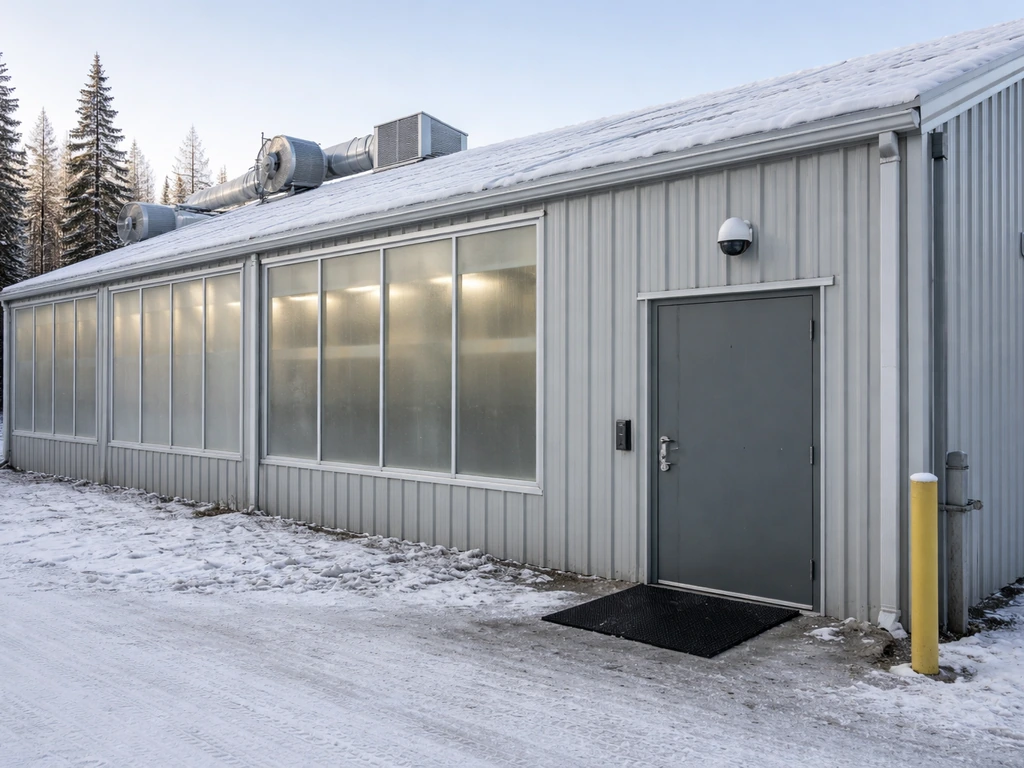
Once you have local zoning confirmation, Alaska's regulations under 3 AAC 306.430 dictate the physical structure requirements for the licensed premises. Here is what the rules require depending on your production method:
| Production Type | Required Enclosure | Additional Requirements |
|---|---|---|
| Indoor facility | Fully enclosed, secure building with rigid walls, roof, and doors | Full video surveillance; restricted access area required |
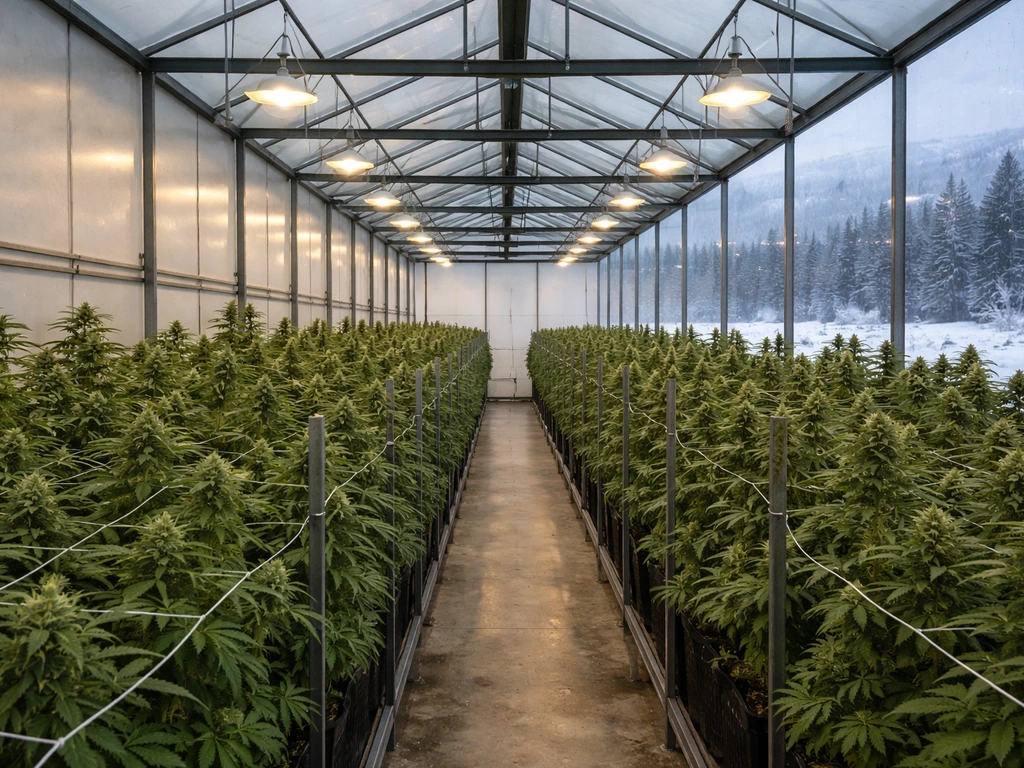
| Greenhouse | Rigid walls, roof, and doors (qualifies as indoor); or non-rigid greenhouse with full physical barrier enclosure (outdoor rules apply) | Odor control required; surveillance required |
| Outdoor production | Fully enclosed by a physical barrier; sight-obscuring wall or fence at least 6 feet high | 6-foot fence minimum unless local government approves otherwise; odor must not be detectable from outside |
The odor rule deserves special attention: marijuana at your facility must not emit an odor detectable by the public from outside the cultivation facility, unless your local government has specifically approved an exception. This is a real compliance trap for outdoor grows and poorly ventilated indoor facilities. Design your odor control system before you build, not after.
Security, operations, and recordkeeping once you are running
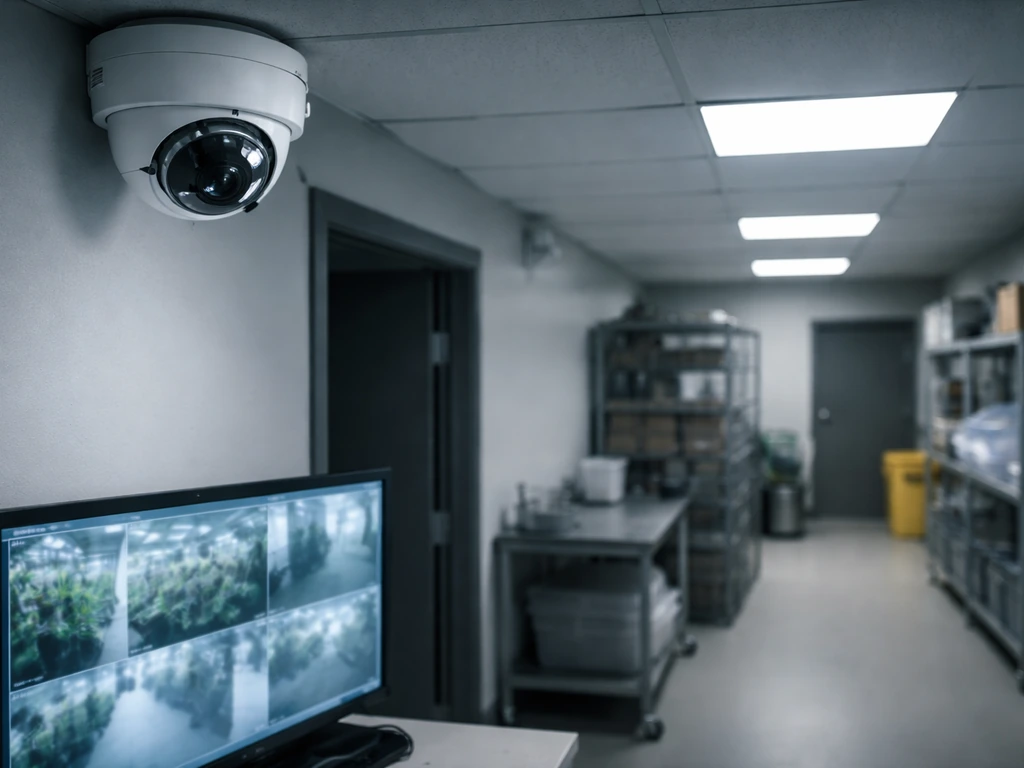
Alaska requires full video surveillance of all areas where marijuana is grown, processed, packaged, stored, or where waste is destroyed. This is codified in 3 AAC 306.430 and further detailed in 3 AAC 306.720. Your surveillance system needs to be operational from day one of licensed activity, not something you add later.
Seed-to-sale tracking is mandatory. Under 3 AAC 306.730, every marijuana establishment must use an inventory tracking system capable of sharing data with the board's system. The tracking covers everything from propagation (seed or cutting) through every transfer, sale, or disposal. Every harvest lot and production batch needs to be identified and traceable. Alaska currently uses a state-connected tracking system, and your system must be compatible with it. Get this set up before you start growing, not after your first harvest.
Every person working on your licensed premises who handles marijuana needs a marijuana handler permit under 3 AAC 306.700. The permit card must be in the handler's immediate possession while on the premises, or a valid copy must be on file at the premises. Spot inspections happen, and missing handler permits are an easy citation.
Your operating plan, once approved, becomes a compliance document. If you change your growing medium, add a new chemical or fertilizer, alter your irrigation setup, or significantly change your cultivation footprint, those changes may require reporting to AMCO or board approval. Do not assume you can quietly expand or modify operations without checking.
Your application checklist: documents, fees, timelines, and pitfalls
AMCO publishes a 'Marijuana Establishment New License Application Instructions' PDF that contains the checklist you need to follow. There is a general checklist for all license applications and a cultivation-specific checklist. Do not skip the cultivation-specific items. The key supplemental form for cultivation applicants is Form MJ-04: Marijuana Cultivation Facility Operating Plan Supplemental.
Core documents you need to pull together
- Completed online application through AMCO's portal (initiated at commerce.alaska.gov)
- Form MJ-04: Marijuana Cultivation Facility Operating Plan Supplemental
- Fingerprint cards for all owners and financially interested parties
- Proof of premises control (lease, deed, or binding agreement for the proposed licensed premises)
- Premises diagram or site plan showing the cultivation area, restricted access areas, surveillance placement, and entry/exit points
- Evidence of local government zoning approval or compliance documentation
- Operating plan covering: size of space under cultivation, growing medium, fertilizers/chemicals/gases and delivery systems, CO2 management, irrigation and wastewater systems, waste disposal arrangements, and odor control
- Application fee payment
Fees
The annual license fees under 3 AAC 306.100 are $1,000 for a limited cultivation facility license and $5,000 for a standard cultivation facility license. Before you submit, it also helps to understand the typical process and requirements involved when acquiring a 502 grow license for sale standard cultivation facility license. If you are also considering a cannabis personal grow license for private use, note that Alaska still treats commercial cultivation as a marijuana cultivation facility license with its own application and compliance requirements 502 grow license for sale. There is also a $250 fee for change requests and a $500 fee for second or subsequent inspections. Budget for these, especially the reinspection fee if your facility does not pass on the first try.
Timelines and what actually causes delays
AMCO is direct about this: submitting your application by the board's deadline does not guarantee you get heard at the next board meeting. Application volume and completeness both affect when your application is deemed ready for board consideration. An incomplete application that needs corrections will sit until you fix it, and you only have 90 days after AMCO notifies you of missing items before you have to start over with a new application and new fee under 3 AAC 306.025.
The most common completeness problems are: incomplete operating plans (missing one or more of the required technical elements), premises diagrams that do not clearly show restricted access areas or surveillance coverage, missing fingerprint cards for all financially interested persons, and vague or absent local government compliance documentation. Address all of these before you submit.
Realistic timeline expectation: between application submission, completeness review, board scheduling, and any required public notice period, the process from submission to a licensed facility can take several months. Plan your buildout and lease timelines accordingly. Do not sign a lease that requires you to be operational in 60 days unless you already have your license in hand.
After approval: inspections, staying compliant, and renewing
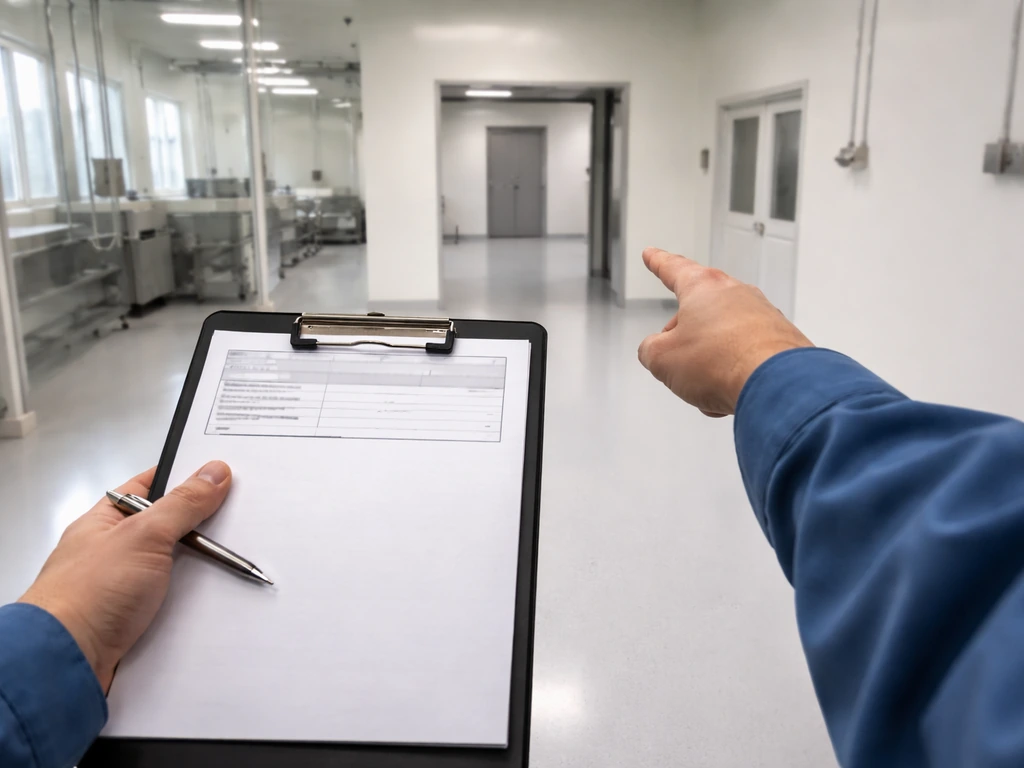
Receiving your license is the beginning of compliance, not the end. AMCO inspectors will inspect your facility to verify it matches your approved application, including your premises diagram, security systems, and operating plan details. The first inspection is part of the licensing process; subsequent inspections after a failed first inspection cost $500 each.
Walk through your facility against your approved operating plan before your inspection. Check that surveillance cameras cover all required areas, that your inventory tracking system is active and logging correctly, that all handler permit cards are in order, and that your restricted access areas are properly posted and secured. The items inspectors look for are the same items in your operating plan and the regulatory checklist.
Once you are operational, your ongoing compliance obligations include keeping your inventory tracking system current from seed or cutting through every transfer and disposal, maintaining handler permits for all relevant employees, staying within your licensed canopy/plant limits, and keeping odor from reaching the public outside your facility.
For renewal, Alaska's rules under 3 AAC 306.035 require you to report any changes from your original application or your last renewal application. If you have made operational changes, modified your premises, added or removed ownership interests, or changed your cultivation setup, those need to be disclosed at renewal (and potentially before renewal, depending on the change). Renewals also require paying the applicable annual license fee again.
Stay proactive with AMCO. If something changes in your operation, email [email protected] and ask whether it requires a formal change request before you do it. A $250 change request fee is far less painful than a compliance violation discovered during inspection.
Practical next steps you can take today
- Go to commerce.alaska.gov and find AMCO's Marijuana License Application page. Download the 'Marijuana Establishment New License Application Instructions' PDF and read the entire cultivation-specific checklist before you do anything else.
- Identify your proposed premises and contact the relevant local government planning or zoning department to confirm the site is zoned for commercial marijuana cultivation and to understand any local permit requirements.
- Determine your license tier: if you plan under 500 square feet under cultivation, you are in limited territory ($1,000 fee); at or above 500 square feet, you need the standard license ($5,000 fee).
- Draft your operating plan using the required elements from 3 AAC 306.420: cultivation space size, growing medium, fertilizers/chemicals/gases and delivery systems, CO2 management, irrigation and wastewater systems, waste disposal, and odor control.
- Design your facility to meet the restricted access and enclosure requirements under 3 AAC 306.430 before you build, including video surveillance placement and the sight-obscuring fence requirements if you are growing outdoors.
- Identify all financially interested persons in your business and begin collecting fingerprint cards and preparing ownership disclosure documents.
- Email [email protected] with any specific questions about your situation before you initiate your application. Document the answers.
- Once your premises, operating plan, local approvals, and ownership documents are ready, initiate your application through the online portal and submit the complete package including Form MJ-04.
If you are comparing Alaska's process to other states or exploring whether a different state makes more sense for your business, the commercial grow license requirements vary significantly by jurisdiction. Because the weed grow license requirements can differ a lot by state, double-check Alaska-specific rules before you plan your timeline and budget commercial grow license requirements. If you are looking at an Arizona commercial grow license, you should confirm the specific licensing category, application requirements, and any local zoning or approval rules before you invest in plans or facilities. Alaska's structure is relatively straightforward compared to some states, but the board-review process and the completeness requirements mean preparation time matters more than submission speed.
FAQ
Can I use a commercial grow license Alaska to sell directly to customers?
You cannot. A marijuana cultivation facility license authorizes cultivation and related activities on the licensed premises and sales only to other licensed marijuana establishments. Any direct-to-consumer sales, even if you hold inventory, would fall outside the license scope.
For the limited vs standard category, is the square footage based on the whole building or the canopy area?
The key number is how much area you will have actually under cultivation (not the total building footprint). Your selected license tier and your operating plan should match, and your licensed premises approval should reflect the same cultivation space you intend to use.
If I need short-term overflow space, can I temporarily grow or store at another location?
No. You must grow only at the licensed premises address, you cannot move plants to an unlicensed location temporarily, and you should build flexibility into your schedule by planning cultivation, storage, and waste handling within the approved site boundaries.
If I change my grow setup after approval, do I need to request approval first?
In most cases you will need approval or reporting when operational changes affect regulated elements (for example, changing cultivation footprint, adding new inputs you regulate through your plan, or materially altering your premises design or security coverage). If you are unsure, email AMCO for whether a formal change request is required before implementing the change.
Do fingerprint cards apply only to operators or also to owners and investors?
Even if you are not a day-to-day worker, anyone with a financial interest that must be disclosed will need fingerprinting and will be evaluated for suitability. The common mistake is thinking only owners who work onsite are reviewed.
If an owner has a past conviction, does that automatically disqualify the license?
Because the board evaluates suitability, criminal history is not an automatic bar, but it can be a risk depending on the nature, recency, and relevance to a marijuana business. The safer approach is to include complete disclosure and be ready to explain ties between prior conduct and your proposed compliance controls.
What’s the practical rule for handler permits during an inspection?
The permit must be in immediate possession while the person is on the premises, or you need a valid copy on file at the location. Paperwork failures are a frequent inspection problem, so keep a system that tracks who is currently onsite and whether their card is valid and available.
What happens if my real facility layout differs slightly from the premises diagram in my application?
Your operating plan and premises diagrams must align with the physical setup, and the surveillance system must cover all required areas before you begin licensed activity. If your camera angles, restricted access flow, or monitored areas are different than what you submitted, that mismatch can contribute to a failed inspection.
Can AMCO approve my license if my local zoning office has not approved the site yet?
Local zoning and municipality overlay rules can be deal-breakers. Even with AMCO approval in progress, if the local government prohibits marijuana activity or has distance or permitting requirements you cannot meet, your application can stall or fail to proceed.
Why do some applications take months even after being submitted by the deadline?
Budget more time than you think, because completeness corrections can reset your path. Also, submitting by the deadline does not guarantee the next board meeting, and the difference between a ready application and an incomplete one can meaningfully change scheduling.
How do I avoid paying for a second inspection?
Yes, and it is often expensive and slow. If your first inspection fails, additional inspections cost $500 each, so doing an internal pre-inspection walk-through against your approved plan is the most practical way to reduce reinspection costs.
What changes do I have to disclose at renewal, and what if I make changes mid-year?
For renewal, you must report changes from your original application or last renewal, including operational changes, premises modifications, and ownership interest changes. If you make significant changes close to renewal, ask AMCO whether the change should be handled before renewal.
When should the seed-to-sale tracking system be live, before planting or before harvest?
The inventory tracking must be active and able to support the required traceability, from propagation through transfers, sales, and disposal. A common mistake is installing tracking late, after harvest begins, which creates traceability gaps that inspectors can flag.
How strict is the odor rule, and what are common odor-control failures?
Odor compliance hinges on the odor not being detectable by the public from outside the cultivation facility unless there is a specific local exception. For outdoor grows and for spaces with inadequate ventilation, odor control design should be built in before you start operations.
Should I sign a lease before I have the Alaska cultivation license in hand?
As a planning matter, apply early and secure the local permits and site readiness you need so you can meet the regulated buildout and inspection requirements. Signing a lease that forces you to be operational before licensing is realistic can create a major business risk if board scheduling or completeness delays occur.
Next Article
Weed Grow License: NY, CT, MO Application Guide
Step-by-step weed grow license application for NY, CT, and MO, including craft grow mapping, documents, and timelines.